
SK hynix

Search documents
每周观察 |3Q25DRAM产业营收;十大科技市场趋势预测;ASICs有望转向EMIB技术;3Q25新能源车销量;LEDoS技术
TrendForce集邦· 2025-11-28 10:05
Group 1: DRAM Industry Insights - The DRAM industry revenue for Q3 2025 increased by 30.9% quarter-over-quarter, reaching $41.4 billion, driven by rising contract prices and increased shipment volumes of conventional DRAM and HBM [2][3] Group 2: Company Performance - SK hynix led the market with a revenue of $13.75 billion in Q3 2025, marking a 12.4% increase from Q2 2025, capturing a market share of 33.2% [3] - Samsung followed closely with a revenue of $13.5 billion, a 30.4% increase from the previous quarter, holding a market share of 32.6% [3] - Micron experienced the highest growth rate of 53.2%, with revenue reaching $10.65 billion and a market share of 25.7% [3] - Nanya and Winbond also showed significant growth, with Nanya's revenue increasing by 84% and Winbond's by 21.4% [3] Group 3: Electric Vehicle Market - Global sales of new energy vehicles (NEVs) reached 5.39 million units in Q3 2025, representing a year-on-year increase of 31%, with battery electric vehicles (BEVs) accounting for 3.71 million units sold, up 48% [8] - BYD led the BEV market with a 15.4% market share, while Tesla held 13.4% [9] Group 4: AR Display Technology Trends - The competition in AR display technology is intensifying, with projections indicating that the penetration rate of LEDoS technology will reach 65% by 2030, up from 37% in 2025 [12]


AI驱动存储新周期 | 投研报告
Zhong Guo Neng Yuan Wang· 2025-11-27 03:04
Industry Overview - The semiconductor industry is experiencing a new storage cycle driven by emerging technologies and AI demand, with historical cycles characterized by demand, capacity, and inventory phases [1][2] - The memory segment, being the second largest in semiconductors, shows greater volatility than the overall industry, with significant market growth expected due to AI [1] Capital Expenditure Projections - DRAM capital expenditure is projected to reach $53.7 billion in 2025, increasing to $61.3 billion in 2026, representing a year-on-year growth of approximately 14% [3] - NAND Flash capital expenditure is expected to be $21.1 billion in 2025, with a slight increase to $22.2 billion in 2026, reflecting a year-on-year growth of about 5% [3] AI Impact on Storage Demand - The introduction of reasoning chains in large language models (LLMs) is significantly increasing data storage needs, with a shift from KB to TB and even EB in storage units [2] - The cost of reasoning in large models has decreased exponentially since the release of ChatGPT-3, which is expected to drive application growth and storage demand [2] - KV Cache is identified as a key mechanism for optimizing reasoning efficiency in large models, further increasing storage requirements [2] Current Industry Focus - Memory manufacturers are shifting focus from pure capacity expansion to upgrading process technologies and developing high-value products like HBM [3] - Current cleanroom space is nearing capacity limits, with only a few manufacturers like Samsung and SK Hynix having limited expansion capabilities [3] Investment Recommendations - Continuous monitoring of memory inventory, pricing data, and the impact of AI computing power on storage chip demand is advised [4]
国金证券:AI驱动新存储周期 需求跃升与供给瓶颈下的历史性机遇
Zhi Tong Cai Jing· 2025-11-26 09:07
Core Viewpoint - The storage market exhibits significant cyclical properties driven by emerging technologies, with the current phase marking the beginning of a new storage cycle, influenced by AI demand for storage chips [1][2]. Group 1: Semiconductor Cycles - Semiconductor cycles are categorized into long (8-10 years), medium (4-6 years), and short (3-5 quarters) cycles based on supply and demand dynamics, with demand, capacity, and inventory cycles interwoven [2]. - The storage segment is the second largest in semiconductors, showing greater volatility than the overall industry, with historical performance aligned with semiconductor cycles [2]. Group 2: AI Impact on Storage Demand - The introduction of large models and mechanisms is generating substantial data storage needs, with a shift from KB to TB and even EB in storage units as multimodal model penetration increases [3]. - The cost of inference for large language models has been decreasing exponentially since the release of ChatGPT3, which is expected to drive application growth and subsequently increase storage demand [3]. Group 3: KVCache and Storage Optimization - AI is redefining data storage, with KVCache emerging as a critical optimization mechanism for enhancing inference efficiency in large models, leading to increased storage demand [4]. Group 4: Capital Expenditure Trends - Capital expenditures for DRAM and NAND Flash manufacturers are shifting focus from pure capacity expansion to technology upgrades and high-value products, with projected DRAM capital expenditure reaching $53.7 billion in 2025 and $61.3 billion in 2026, a 14% increase [5]. - NAND Flash capital expenditure is expected to be $21.1 billion in 2025, with a slight increase to $22.2 billion in 2026, a 5% growth [5].

存储市场更新_摩根大通 TMT 会议核心要点-Memory Market Update_ Key takeaways from JPM‘s TMT conference
摩根· 2025-11-25 01:19
Investment Rating - The report maintains an "Overweight" (OW) rating for both Samsung Electronics (SEC) and SK Hynix (SKH) [6][26]. Core Insights - The report expresses a constructive outlook on memory stocks, favoring SEC in the near term due to potential valuation catch-up, while SKH is preferred for mid-to-long term investments due to its leadership in High Bandwidth Memory (HBM) and expectations of a prolonged memory upcycle [6][5]. - Key focus areas include the anticipated capital expenditures (capex) for 2026, with both SEC and SKH indicating significant increases to address memory shortages [3][4]. Summary by Sections Memory Capex and Technology Migration - 2026 memory capex is a critical focus, with SEC and SKH emphasizing disciplined spending to alleviate shortages, with Hynix projecting a 30% capex intensity policy and Samsung expecting substantial growth [3][5]. - Both companies are prioritizing DRAM technology migration over NAND, with SEC planning a significant ramp-up in 1cnm capacity across its fabs [3][4]. DRAM and NAND Developments - Samsung is set to ramp its 1cnm DRAM capacity significantly, while SKH is also accelerating its technology migration, aiming for 1cnm to account for over 50% of its DRAM production by the end of 2026 [3][4]. - In NAND, both companies are cautious about capacity additions, focusing instead on technology upgrades, with Samsung migrating its Xian fab from V6 to V8 technology [4][5]. Market Dynamics and Pricing - The report notes that memory pricing strength is impacting average selling prices (ASP) in smartphones and PCs, with potential cost pressures leading to considerations for ASP hikes by manufacturers [5][6]. - The demand for eSSD is driven by HDD shortages and AI applications, with both companies expecting limited NAND bit growth in the near term [5][6]. Long-Term Agreements (LTA) - Hynix is experiencing an increase in LTA requests, indicating a shift towards longer contract durations, although the report remains cautious about the effectiveness of LTAs in memory cycles [6][5]. Stock Performance and Market Sentiment - SEC and SKH shares have shown positive performance, with SEC up 3% and SKH up 16% over the past month, amidst ongoing discussions about AI growth and market corrections [6][5].
亚洲科技- 历史经验对存储芯片价格影响智能手机行业的启示-Asia Tech_ What history tells about memory pricing impact on smartphone sector_
2025-11-24 01:46
Summary of Key Points from the Conference Call Industry Overview - The conference call focuses on the **smartphone sector**, particularly the impact of rising **memory prices** on **smartphone OEMs** (Original Equipment Manufacturers) such as **Xiaomi** and **Transsion**, as well as **camera component suppliers** [1][15]. Core Insights and Arguments - **Memory Price Trends**: - A strong demand from AI has led to a significant memory price increase, with mobile DRAM contract prices expected to rise by **30-40% QoQ** in **4QCY25** and potentially continue into **1HCY26** [2]. - NAND pricing is also expected to increase, albeit at a milder rate [2]. - **Impact on Smartphone OEMs**: - Rising memory prices affect low-to-mid-end smartphones more than flagship models. For example, memory accounts for **4%** of an iPhone's ASP, **7%** for a Xiaomi flagship, and over **10%** for a Redmi model [3][16]. - A **40% increase** in memory prices could reduce Xiaomi's smartphone gross margins by **2-3 percentage points**. Xiaomi may pass some costs to consumers, which could affect sales volume [3]. - **Xiaomi's Premiumization Strategy**: - Xiaomi's shift towards premium models is helping to offset some of the pressures from rising memory costs. The **Xiaomi 17 series** saw a **30% increase** in shipments compared to the previous generation, with **80%** of the mix being premium models [3]. - **Camera Component Suppliers**: - The correlation between memory pricing and camera lens margins is historically weak, with a delayed impact on camera modules. The camera lens market is more consolidated, leading to less margin impact from rising memory prices [3][42]. - The current memory upcycle is expected to negatively impact camera budgets for low-to-mid-end Android models, but high-end Android and Apple supply chains are less affected [44]. Additional Important Insights - **Sunny Optical's Outlook**: - Concerns regarding Sunny Optical's performance due to rising memory prices are considered overstated. The bear case suggests a **6%** revenue growth and **1%** EPS growth for 2026, which is below consensus estimates [4][66]. - The price target for Sunny Optical in the bear case is set at **HKD 82**, indicating a potential upside of **~25%** [4]. - **Market Dynamics**: - The smartphone market has been saturated since the late 2010s, with annual shipments fluctuating due to various factors, including the Huawei ban and COVID-19 [17][31]. - The transition from **memory downcycle** to **upcycle** is expected to stabilize the market, with both Xiaomi and Transsion gaining market share and improving ASPs [17]. - **Investment Ratings**: - Sunny Optical is rated **Outperform** with a price target of **HKD 110** [7]. - Xiaomi is also rated **Outperform** with a price target of **HKD 57** [9]. Conclusion - The rising memory prices present challenges for smartphone OEMs, particularly in the low-to-mid-end segments, while high-end models and Apple suppliers remain relatively insulated. The premiumization strategy of companies like Xiaomi may help mitigate some of these pressures. The outlook for camera component suppliers is mixed, with expectations of budget constraints for lower-end models but stability in high-end segments.
投资者演示文稿 - 2025 年亚太峰会(科技领域)-Investor Presentation-Asia Pacific Summit 2025 Technology
2025-11-19 01:50
Summary of Key Points from the Conference Call Industry Overview - The conference call focused on the **South Korean Technology** sector, particularly the **DRAM** and **NAND** memory markets, highlighting an attractive industry view for investors [3][11][31]. Core Insights and Arguments - **DRAM Super Cycle Dynamics**: The current DRAM pricing is expected to move higher into the first half of 2026, indicating a potential recovery phase after a significant downturn [17][22]. - **Market Phases**: The market has experienced various phases including capitulation, early-stage risk rally, and accumulation, with a notable 20% market increase expected in the following six months after the current downturn [11][12]. - **Valuation Sensitivity**: The analysis suggests that the DRAM sector is entering a prolonged bull cycle, supported by strong return on equity (ROE) and price-to-book (P/B) ratios [22][26]. - **NAND Market Outlook**: The NAND market is also projected to benefit from AI-driven demand, particularly in inference applications, which is expected to support a supercycle [34]. Financial Metrics and Projections - **Samsung Electronics**: Target price set at 97,200 KRW with a potential upside of 48%, driven by AI and high-bandwidth memory (HBM) market share gains [34]. - **SK Hynix**: Target price of 560,000 KRW with a 30% upside, benefiting from the commodity cycle driven by AI [34]. - **NAND Pricing Trends**: A significant mismatch between contract and spot pricing has been observed, indicating potential volatility in the market [20]. Important but Overlooked Content - **Earnings Revision Breadth**: The earnings revision breadth for Asia tech indicates a positive trend, suggesting that outperformance is justified by earnings growth [42][43]. - **Capex Trends**: DRAM capital expenditures are returning to peak levels, while NAND capex is forecasted to follow suit, indicating a robust investment environment in memory technologies [46][48]. - **HBM Market Growth**: The total HBM market is projected to grow significantly, with a compound annual growth rate (CAGR) of 97% from 2023 to 2027, driven by increasing demand from AI chip vendors [55][62]. Conclusion - The South Korean technology sector, particularly in memory markets, presents a compelling investment opportunity due to expected price recoveries, strong demand driven by AI, and favorable financial metrics for leading companies like Samsung and SK Hynix [3][34][55].
这家公司,想取代DRAM和SRAM
半导体芯闻· 2025-11-17 10:17
Core Viewpoint - FMC has successfully completed a €100 million (approximately $116.2 million) Series C funding round to advance its FERAM chip technology aimed at replacing DRAM and SRAM in AI data centers, following the failure of Intel's Optane in this space [2][3]. Funding and Financials - The total funding raised by FMC has now reached $141.6 million, with the latest round comprising €77 million from oversubscribed equity financing and €23 million from public funds, marking one of the largest financings in the semiconductor industry [3][4]. - Previous funding rounds included €600,000 in seed funding, €4 million in Series A, and €17.2 million in Series B [3]. Technology and Market Position - FERAM technology offers speed comparable to DRAM and SRAM but is non-volatile and consumes less power, addressing the rising power consumption issues in GPU servers within AI data centers [4][6]. - FMC's DRAM+ aims to replace DRAM with non-volatile memory that has lower power consumption and higher durability, while CACHE+ targets SRAM replacement with tenfold density and reduced standby power [6][7]. Challenges and Industry Dynamics - The successful integration of DRAM+ into x86 server architectures requires significant commitments from server manufacturers and operating system developers, which poses a challenge for FMC [7][9]. - The potential for NVIDIA to adopt this technology could significantly influence market acceptance, given its strong market position [8][9]. Future Outlook - FMC's new funding is expected to accelerate the commercialization of DRAM+ and 3D CACHE+ solutions and expand its global operations, aiming to set new industry standards in the €100 billion storage chip market [9][10].
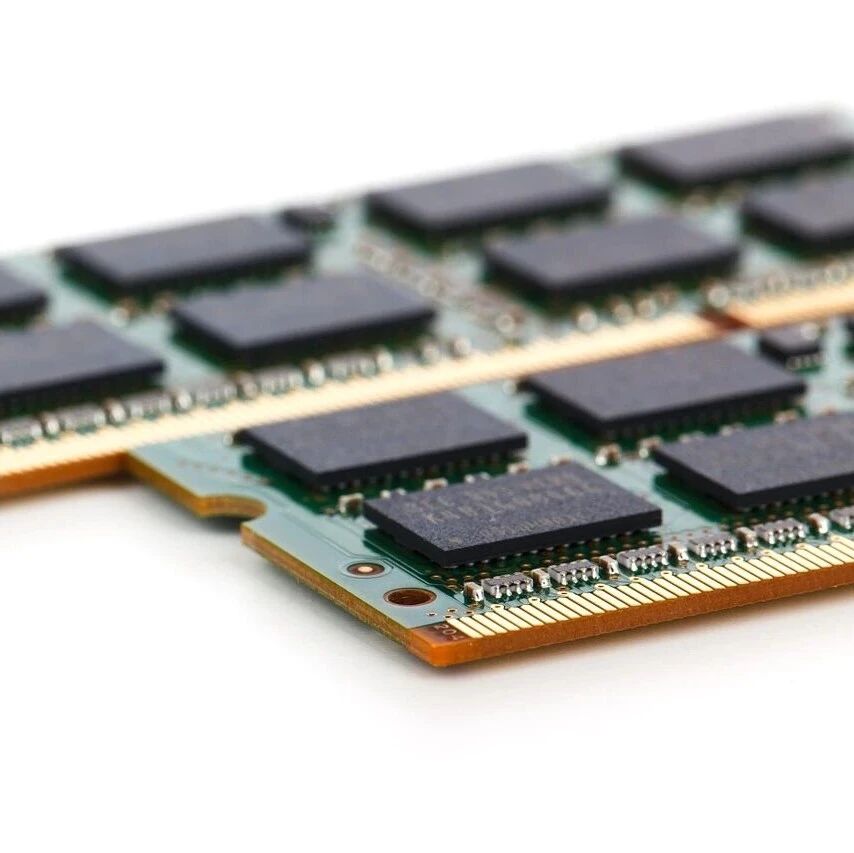
这家公司,想取代DRAM和SRAM
半导体行业观察· 2025-11-16 03:34
Core Viewpoint - FMC has completed a €100 million (approximately $116.2 million) Series C funding round to advance its FERAM chip technology aimed at replacing DRAM and SRAM in AI data centers, following the failure of Intel's Optane in this space [2][3]. Funding Details - The funding includes €77 million from oversubscribed equity financing and €23 million from public funds, marking one of the largest financings in the semiconductor industry [3]. - This brings FMC's total funding to approximately $141.6 million, showcasing strong investor confidence in its technology [2]. Technology and Market Position - FMC's FERAM technology offers speed comparable to DRAM and SRAM but is non-volatile and more energy-efficient [2]. - CEO Thomas Rückes emphasizes that energy efficiency is becoming a critical factor for the next generation of AI, as memory chips are a major bottleneck in AI technology stacks [3]. Product Offerings - FMC has two main products: DRAM+ aims to replace DRAM with non-volatile memory that reduces power consumption, while CACHE+ targets SRAM replacement, offering ten times the density and reduced standby power consumption [3][4]. Manufacturing and Industry Challenges - The manufacturing feasibility of FERAM is not the primary concern; rather, the acceptance of the technology by the upstream supply chain is crucial [4]. - Significant changes in server architecture and operating systems will be required for the integration of FMC's products, posing a challenge for widespread adoption [4]. Market Potential and Future Outlook - FMC aims to commercialize its DRAM+ and 3D CACHE+ solutions and expand its global business, targeting a storage chip market exceeding €100 billion [5]. - The success of FMC's technology compared to Optane will become clearer by 2030, as the company seeks to establish new industry standards in AI data centers [5].

SK hynix发布存储新路线,重塑AI时代新架构 | 投研报告
Zhong Guo Neng Yuan Wang· 2025-11-11 02:56
爱建证券近日发布电子行业周报:SKhynixCEOKwakNoh-Jung在韩国首尔举办 的"SKAISummit2025"峰会上,正式宣布公司转型"全线AI存储创造者"的新愿景,同时揭晓 了包含定制化高带宽内存(CustomHBM)、AI专用DRAM(AI-D)及AI专用NAND(AI- N)在内的三大存储新路线。 以下为研究报告摘要: 投资要点: 存储芯片涨价带动其他电子Ⅲ上涨。本周(2025/11/03-11/07)SW电子行业指数 (-0.09%),涨跌幅排名21/31位,沪深300指数(+0.82%)。SW一级行业指数涨跌幅前五 别为:电力设备(+4.98%),煤炭(+4.52%),石油石化(+4.47%),钢铁(+4.39%), 基础化工(+3.54%),涨跌幅后五分别为:美容护理(-3.10%),计算机(-2.54%),医药 生物(-2.40%),汽车(-1.24%),食品饮料(-0.56%)。本周SW电子三级行业指数涨跌 幅前三分别是:其他电子Ⅲ(+4.88%),被动元件(+4.85%),印制电路板(+4.32%); 涨跌幅后三分别是:品牌消费电子(-3.60%),模拟芯片设计(-2.25%) ...
亚洲科技 - 存储 - 定价权最大化-Asia Technology -Memory – Maximum Pricing Power
2025-11-11 02:47
Summary of Key Points from the Conference Call Industry Overview - **Industry**: Memory Semiconductor Industry, specifically focusing on DRAM and NAND markets in the Asia Pacific region - **Key Players**: Samsung Electronics, SK Hynix Core Insights and Arguments 1. **DRAM Pricing Trends**: DRAM pricing has reached all-time highs, with server quotations for Q4 2025 rising nearly 70% in just two weeks, indicating strong pricing power in the market [3][19] 2. **Demand Dynamics**: The demand for memory is increasingly driven by AI data centers and cloud providers, which are less price-sensitive compared to traditional customers. This shift is expected to sustain strong demand for commodity memory [2][4] 3. **Long-term Outlook**: The memory cycle typically spans 4-6 quarters, and the current cycle is expected to be fundamentally different due to the exponential growth in inference workloads [2][4] 4. **Investment Implications**: Favorable pricing power in memory stocks is anticipated, with a positive outlook for SK Hynix and Samsung, while caution is advised in memory-consuming segments like PCs and mobile devices due to potential margin pressures [5][26] 5. **Earnings Performance**: Stocks with upward earnings estimate revisions have outperformed, particularly in AI-exposed memory segments. The current environment reflects a rational equity market response to memory stocks [27] Additional Important Insights 1. **Market Volatility**: The memory cycle is characterized by volatility, and investors are advised to remain invested despite market fluctuations, as timing the market is often ineffective [9][15] 2. **Supply Chain Constraints**: Severe shortages in NAND and DRAM are noted, with DDR5 spot pricing surging 336% from September to November 2025. This scarcity is driven by high demand for AI computing infrastructure [19][20] 3. **Samsung's Financials**: Samsung's earnings estimates have been adjusted slightly, with a target price of W144,000 based on a P/B multiple of 1.95x for 2026 [32][39] 4. **Risk Factors**: Potential risks include slower memory consumption and competition from China, which could impact profitability in the memory sector [47][56] Conclusion - The memory semiconductor industry is experiencing unprecedented pricing power and demand driven by AI and cloud computing. Key players like Samsung and SK Hynix are positioned favorably, but caution is warranted in consumer segments facing margin pressures. The overall sentiment remains positive for long-term investments in memory stocks, with a focus on earnings growth and market dynamics.