
科大讯飞

Search documents
2026或迎具身智能“觉醒元年”,这场全球具身智能高地盛会启动招商!
机器人大讲堂· 2026-01-26 04:03
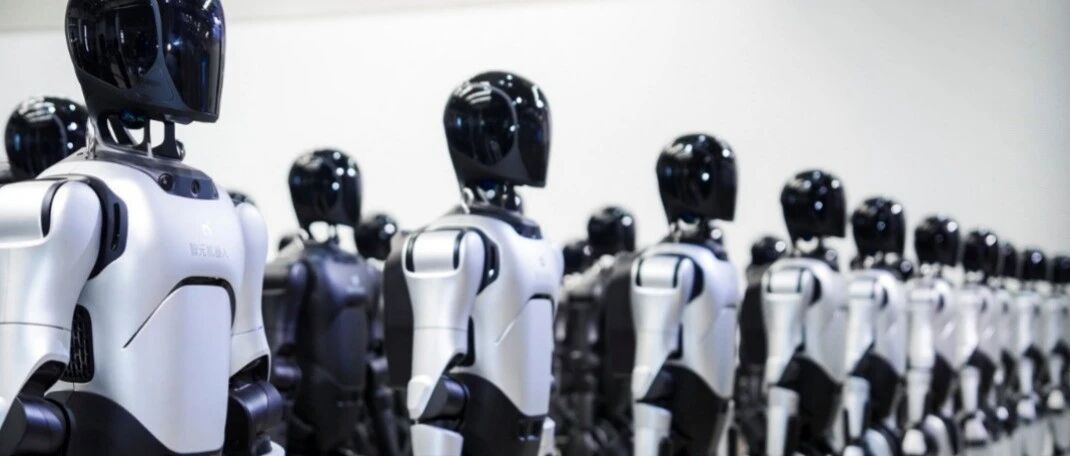
2025 年底, 140 余家 头部团队发布 了 330 款新一 代 人形机器人 ,在持续工作稳定性、复杂场景适应 性、多任务泛化能力等关键指标上,首次逼近了商业应用的及格线。特别是基于具身智能 VLA 大模型, 部分 机器人真正具备了观察 - 思考 - 行动的闭环能力。 产业生态完成了关键拼图。 以往制约产业化的三大瓶颈 , 核心部件成本、软件开发生态、验证标准 , 在 202 5 年均迎来突破性进展。国产高扭矩密度伺服电机的成本较三年前 已经 下降 50 % ;鸿蒙 M-Robots OS 、灵渠 OS 、 OpenWBT 等操作系统开源 , 实现了对具身智能模型的原生支持;由工信部牵头 的 人形 机器人标准化技术委员会 建立, 为2026年的规模化量产扫清了标准障碍。 2026 年, 我们 可能不再惊讶于一个 机器人出现 在工厂、 商场、舞台和大街, 因为这一切,正在成为常 态。 2026 年的 具身智能与 人形机器人产业,正站在一个历史性的交汇点上 , 技术、产业与资本的三重浪 潮首次实现同频共振, 有望 推动行业跨越落地的死亡谷。 如何看待 2026 年的具身智能与人形机器人产业?研究界、产业界、投 ...

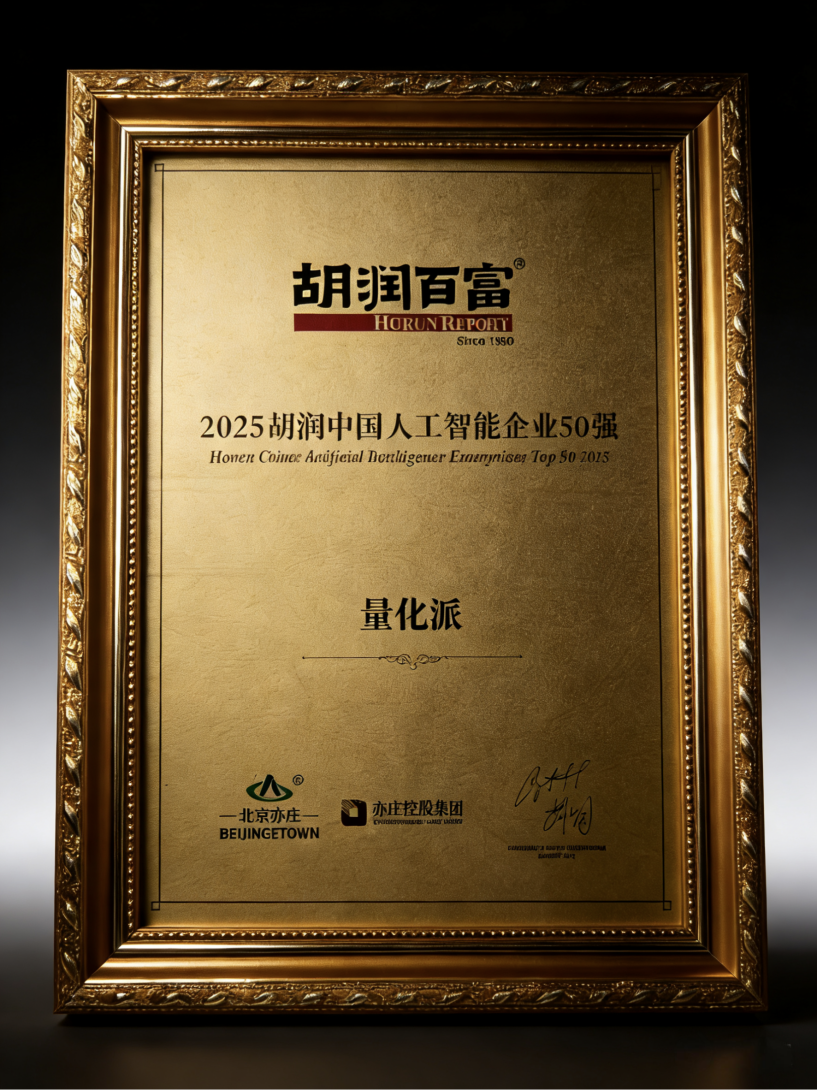
深耕消费数字化领域,量化派登榜《2025胡润中国人工智能企业50强》
Jin Rong Jie· 2026-01-26 02:57
Group 1 - The core message of the news is the release of the "2025 Hurun China AI Companies Top 50" list, aimed at identifying leading AI enterprises in China and supporting the transition from an "AI application powerhouse" to an "AI innovation powerhouse" [1][4] - The list includes notable companies such as Quantipai, Cambricon, iFlytek, SenseTime, and others, highlighting their contributions to AI technology and commercialization [1][4] - The ranking criteria for the list are based on company valuation/market capitalization, with an entry threshold of 9.5 billion RMB, which is an increase of 3.5 billion RMB from the previous year [5] Group 2 - Quantipai, established in 2014, focuses on digital-driven solutions in the consumer sector and aims to provide intelligent and precise consumer experiences through its self-developed AI technology platform [3] - The average value of the companies on the list is 54 billion RMB, which is 2.4 times higher than the previous year, indicating significant growth in the AI sector [5] - The report emphasizes the importance of core technology and practical application capabilities for companies to stand out in the AI industry, suggesting that AI will evolve into a fundamental infrastructure for society [4][6]
2026年中国无障碍产业政策、产业链、市场规模、竞争企业及发展趋势研判:随着老龄化加速和残障群体需求升级,无障碍产业迎来前所未有的发展机遇[图]
Chan Ye Xin Xi Wang· 2026-01-26 01:40
Core Viewpoint - The accessibility industry is emerging as a significant economic growth point in China, transitioning from a welfare-focused sector to a market-driven one, driven by the aging population and the increasing needs of disabled groups [1][2]. Group 1: Industry Definition and Service Objects - The accessibility industry aims to improve, compensate, or replace human functions for groups such as the disabled, elderly, patients, and pregnant women, enhancing their quality of life and promoting social inclusion [1][2]. Group 2: Current Development Status - The market size of China's accessibility industry is projected to grow from 78 billion yuan in 2020 to 140 billion yuan by 2025, with an expected increase to 163 billion yuan by 2026 [2]. Group 3: Industry Chain - The upstream of the accessibility industry includes raw materials like metals, plastics, and electronic components, while the midstream consists of software systems and hardware products, and the downstream applications are found in homes, public buildings, and rehabilitation institutions [3]. Group 4: Development History - The accessibility industry in China has undergone four stages: the embryonic stage (2001-2007), the regulatory stage (2008-2014), the smart transformation stage (2015-2023), and the service ecosystem stage (2024-present) [3]. Group 5: Policy Environment - Recent national policies, such as the "Barrier-Free Environment Construction Law," have established a legal framework for the development of the accessibility industry, enhancing the construction of urban accessibility facilities [4]. Group 6: Competitive Landscape - Major companies in the accessibility software sector include iFlytek, SenseTime, and Tencent, while hardware companies include Yuyue Medical, Kefu Medical, and Shanghai Construction Group, among others [5][6]. - Kefu Medical reported a revenue of 1.496 billion yuan in the first half of 2025, with rehabilitation aids contributing 563 million yuan, accounting for 37.63% of total revenue [7][8]. - Yuyue Medical is a leading supplier of medical consumables, with a focus on rehabilitation care products, generating 234 million yuan in revenue from these products in the first half of 2025 [6]. Group 7: Future Development Trends - The accessibility industry is expected to expand significantly due to the aging population, with a shift from physical accessibility standards to digital, cultural, and social service areas, indicating a trend towards high-value software services and integrated solutions [9][10].




人工智能加速重塑职业图景
Xin Lang Cai Jing· 2026-01-25 22:25
Group 1 - The core viewpoint of the articles highlights the transformative impact of artificial intelligence (AI) on the job market, creating new roles and requiring new skills from workers [1][2] - AI is leading to the emergence of new job categories such as AI trainers, AI product managers, and AI ethics reviewers, reflecting a growing demand for hybrid and application-oriented talent [1][2] - The average salary premium for workers with AI skills has reached 56%, doubling from the previous year, indicating a significant economic shift towards AI-related employment [2] Group 2 - The rise of "one-person companies" (OPC) is noted as a new entrepreneurial model enabled by AI tools, allowing individuals to manage content production, product operations, and service delivery independently [2] - The trend towards "super individuals" in the OPC model is expected to become a significant part of the digital economy within the next five years, as supported by various cities promoting OPC-friendly policies [2] - Experts emphasize that human qualities such as imagination, judgment, aesthetic ability, critical thinking, and emotional interaction will remain irreplaceable advantages in the context of human-AI collaboration [3] Group 3 - The concept of "slash" careers is emerging as a potential primary lifestyle, encouraging individuals to develop diverse skills and avoid reliance on a single profession to enhance resilience against risks posed by AI advancements [4] - AI's ability to rapidly generate content is prompting a reevaluation of human core competencies, suggesting that adaptability and a broad skill set will be crucial in the evolving job landscape [3][4]
孩童大喊“杀人树”,四岁娃一次聊两小时:AI“启蒙”将酿下多大隐患?
Xin Lang Cai Jing· 2026-01-25 14:11
Core Viewpoint - The integration of AI into children's lives presents both opportunities and hidden risks, particularly concerning their cognitive development and social skills [1][3]. Group 1: AI's Impact on Children - AI products, such as smart speakers, are becoming common in households, leading to children developing a dependency on these technologies for information and interaction [1][3]. - Over-reliance on AI may confuse children's perception of reality, diminish social skills, and weaken critical thinking abilities [3][8]. - Children may trust AI more than their parents, leading to potential conflicts in understanding and values [3][8]. Group 2: Case Studies of AI Interaction - A case study illustrates a child becoming frightened after an AI provided content that escalated from educational to frightening, highlighting the risks of unfiltered AI interactions [4]. - Another case shows a child becoming frustrated with an AI that always agrees with them, indicating that AI's accommodating nature may hinder children's ability to accept differing viewpoints [5][6]. Group 3: Privacy and Monitoring Concerns - The use of AI as a "monitor" for children's activities raises concerns about privacy, as these systems may collect sensitive data without proper understanding of the implications [7][8]. - Parents are drawn to AI monitoring due to the convenience it offers, but this can lead to a lack of genuine parental involvement in children's learning [7][8]. Group 4: Expert Recommendations - Experts suggest limiting children's exposure to AI, particularly for those under three years old, and ensuring that usage does not exceed a fraction of their daily activities [10]. - Parents are encouraged to engage with their children in real-world experiences to counterbalance AI interactions, fostering critical thinking and social skills [9][10]. Group 5: Industry Response and Safety Measures - Companies like Baidu and Xiaomi are implementing stricter content filtering and data management practices to protect children using AI [11][12]. - The introduction of "children's modes" in AI applications aims to restrict access to inappropriate content and ensure a safer interaction environment for minors [13][14].

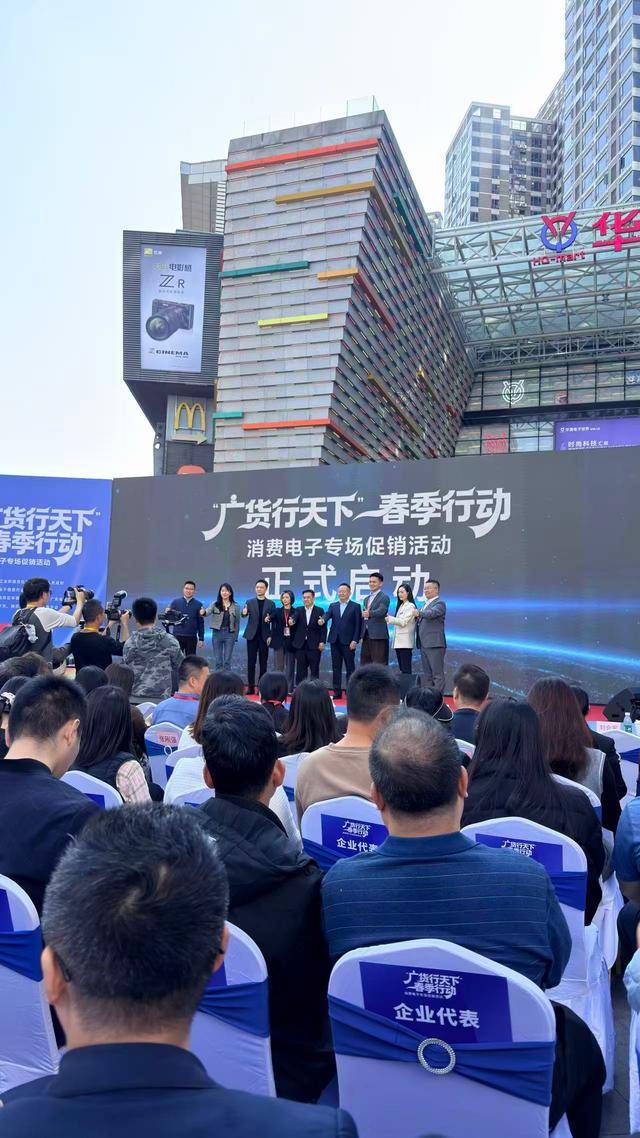
“广货行天下”春季行动消费电子专场促销活动走进深圳
Xin Lang Cai Jing· 2026-01-25 13:04
Core Viewpoint - The "Guangdong Goods Going Global" spring promotional event aims to enhance the brand image of Guangdong's consumer electronics and promote sales both domestically and internationally, leveraging the province's technological innovation and industrial strengths [1][3]. Group 1: Event Overview - The promotional event is organized by the Guangdong Provincial Department of Industry and Information Technology and the Shenzhen Municipal Government, focusing on consumer electronics [1]. - This event is the third phase of the "Guangdong Goods Going Global" spring campaign, following previous promotions for home appliances and mobile phones, and it is the first outdoor event designed to attract large crowds [3][5]. Group 2: Product and Participation - The event features 50 exhibition booths showcasing over 400 consumer electronic products, including smart wristbands, smartwatches, wireless earphones, and AI glasses, from 50 participating companies [5]. - Major platforms like Douyin and Alibaba have announced special promotional plans and supporting measures during the event [5]. Group 3: Discounts and Sales - Participating companies are offering multiple discounts, with some smart terminal products available at up to 50% off, maximizing benefits for consumers [8]. - The event attracted foreign buyers from regions such as the Middle East, Southeast Asia, and Europe, leading to record sales for several companies [8]. Group 4: Future Activities and Exhibitions - Following the promotional event, a series of activities such as "Entering the Citizen Center" and "Consumer Electronics New Year Festival" will continue, creating a sustained consumer engagement effect [8]. - The event also includes an exhibition showcasing the history and achievements of innovation in the Huachangbei area, highlighting the evolution of Guangdong's electronics industry from OEM to independent innovation [8].

广东“电子年货”来了!400余种消费电子优品集中亮相华强北,数万游客汇聚
Sou Hu Cai Jing· 2026-01-25 12:54
Group 1 - The "Guanghuo Xing Tianxia" Spring Action Consumer Electronics Promotion event was successfully held in Shenzhen, aiming to enhance the brand image of Guangdong products and promote their sales both domestically and internationally [1][7] - The event featured 50 exhibitors showcasing over 400 types of consumer electronics, including smart wearables and AI glasses, with significant discounts offered to consumers [4][7] - The promotion is part of a broader strategy to leverage Guangdong's industrial advantages and meet consumer demand for traditional New Year goods, with plans for ongoing activities to maintain consumer engagement [1][4] Group 2 - This event marked the third stop of the "Guanghuo Xing Tianxia" Spring Action, attended by over 250 representatives from government, media, and industry, with consumer foot traffic reaching tens of thousands [7] - The event included a historical exhibition showcasing the evolution of Guangdong's electronics industry from OEM to innovation leader, highlighting achievements in chip development and AI interaction [4][7] - The promotion utilized outdoor settings and strategic timing to maximize attendance and engagement, aligning with online streaming trends [4]
AI时代,职业生态如何变化?
Xin Hua Wang· 2026-01-25 10:37
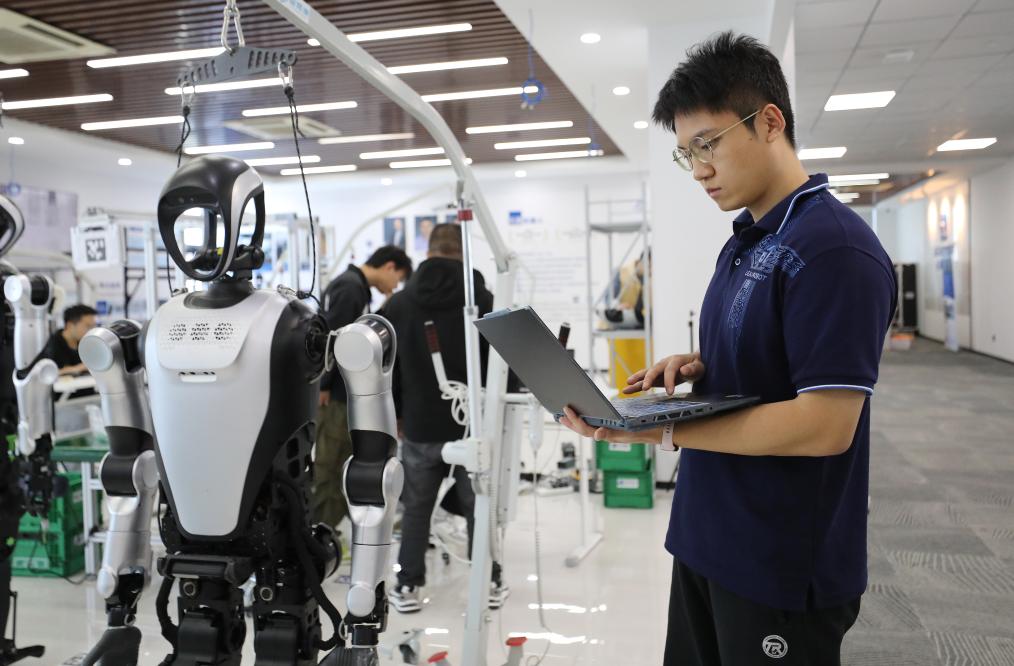
Core Insights - The emergence of new professions such as AI trainers, AI product managers, and AI ethics reviewers is reshaping the job landscape, requiring new skills from workers [1][2] - AI is creating new employment opportunities and transforming the employment ecosystem towards higher value-added roles characterized by human-machine collaboration [2][3] Group 1: New Job Opportunities - AI is driving the creation of new roles, including data annotators and AI content creators, leading to an increased demand for hybrid and application-oriented talent [2] - According to PwC's 2025 Global AI Employment Outlook, the number of jobs involving AI applications is increasing, with an average salary premium of 56% for workers with AI skills, double that of the previous year [2] - 58.com reported nearly 50 types of "human-machine collaboration" jobs and 40 new intelligent services emerging on its platform [2] Group 2: Impact on Traditional Industries - AI is becoming a crucial infrastructure for intelligent societies, enhancing traditional industries and creating new business models that improve employment quality [3] - In the robotics sector, embodied intelligence is advancing humanoid robots towards greater autonomy and human-machine collaboration, creating numerous new jobs across various applications [4] Group 3: Entrepreneurship and New Business Models - The rise of "One-Person Companies" (OPC) is lowering the barriers to entrepreneurship, allowing individuals to leverage AI tools for content production, product operations, and service delivery [6] - The trend of "single-person + AI" entrepreneurship is gaining traction, with cities like Suzhou promoting OPC as a preferred startup model [6] Group 4: Skills and Education - Experts emphasize that human imagination, judgment, aesthetic ability, critical thinking, and emotional interaction will remain irreplaceable advantages in the context of human-machine collaboration [7] - Future talent development should focus on interdisciplinary skills and comprehensive capabilities, alongside the establishment of a new training system for AI professions [7] - The concept of "slash" careers may become a primary lifestyle, encouraging individuals to avoid reliance on single skills or professions and to enhance their overall capabilities [9]

科学与健康丨AI时代,职业生态如何变化?
Xin Hua Wang· 2026-01-25 10:21
Core Insights - The article discusses how artificial intelligence (AI) is reshaping the job landscape, creating new professions and changing the skills required for workers to adapt to the AI era [1][3]. Group 1: New Job Opportunities - New professions such as AI trainers, AI product managers, and AI ethics reviewers are emerging as AI technology integrates into various industries [1][3]. - The demand for hybrid and application-oriented talent is increasing, with a significant rise in job openings related to AI applications [3]. - According to PwC, the average salary premium for workers with AI skills has reached 56%, doubling from the previous year [3]. Group 2: Impact on Traditional Industries - AI is becoming a crucial infrastructure for intelligent societies, enhancing traditional industries and creating new business models [4]. - In the robotics sector, advancements in embodied intelligence are leading to the development of humanoid robots with greater autonomy and human-machine collaboration capabilities, generating new job opportunities across various applications [5]. Group 3: Entrepreneurship and New Business Models - The rise of "one-person companies" (OPC) is facilitated by AI tools, allowing individuals to manage content production, product operations, and service delivery independently [7]. - This entrepreneurial model is gaining traction, with cities promoting OPC as a preferred startup model [7]. Group 4: Skills and Education for the Future - Experts emphasize the importance of human skills such as imagination, judgment, aesthetic ability, critical thinking, and emotional interaction in the context of human-AI collaboration [8]. - There is a call for educational systems to enhance interdisciplinary skills and develop training programs for new AI-related professions to support workforce transitions [8][10]. - The concept of "slash" careers, where individuals possess multiple skills, is predicted to become a prevalent lifestyle, necessitating a dynamic knowledge system and a focus on ethical guidance in AI [10].

科学与健康|AI时代,职业生态如何变化?
Xin Hua She· 2026-01-25 10:17
Core Insights - The rise of new professions such as AI trainers, AI product managers, and AI ethics reviewers is reshaping the job landscape, demanding new skills from workers [1][2] - The integration of AI across various industries is creating a significant demand for hybrid and application-oriented talent, with a notable increase in job opportunities related to AI [2][3] Group 1: Employment Opportunities - AI is driving the emergence of new job roles, including data annotators and AI content creators, leading to a growing need for professionals with AI skills [2][3] - According to PwC's 2025 global AI employment forecast, nearly all AI-related job positions are increasing, with average salaries for AI-skilled workers experiencing a 56% premium compared to the previous year [2] - A report from 58.com indicates the emergence of nearly 50 types of "human-machine collaboration" jobs and 40 new intelligent services [2] Group 2: Technological Transformation - AI is fundamentally transforming the employment ecosystem and skill structures, pushing labor towards higher value-added roles characterized by human-machine collaboration [3] - Advances in embodied intelligence and world modeling are enabling AI to move from language processing to understanding and modeling the physical world [3] - The robotics sector is seeing advancements in humanoid robots, which are expected to create numerous new job opportunities across various applications, including industrial and healthcare settings [3] Group 3: Entrepreneurship and New Business Models - The concept of "one-person companies" (OPC) is gaining traction, allowing individuals to leverage AI tools for content creation, product management, and service delivery [3][4] - Cities like Suzhou are positioning themselves as hubs for OPC entrepreneurship, supported by community initiatives and policies [3] Group 4: Skills and Education - Future talent development should emphasize interdisciplinary skills and comprehensive capabilities, alongside the establishment of training systems for new AI professions [6] - Experts suggest that a "slash" career approach may become prevalent, encouraging individuals to diversify their skills to enhance resilience against job market fluctuations [6] - Young people are advised to adopt an "AI mindset" to improve their ability to navigate AI technologies and to develop a dynamic knowledge system that integrates interdisciplinary learning and ethical considerations [6]