宁波银行

Search documents
银行业周度追踪2026年第1周:如何理解银行股开年调整?-20260112
Changjiang Securities· 2026-01-12 04:41
Investment Rating - The investment rating for the banking sector is "Positive" and is maintained [12]. Core Insights - In the first week of 2026, the banking sector continued to adjust, with a cumulative decline of 1.9% in the banking index, significantly underperforming the CSI 300 and ChiNext indices by -4.7% and -5.8% respectively. Despite this, the fundamental expectations for the sector remain unchanged, and the market's risk appetite has notably increased [2][6][19]. - The main banks are expected to maintain stable growth in performance throughout 2026. Following recent adjustments, the PB-ROE valuation attractiveness of bank stocks has further increased, suggesting a favorable timing for allocation [2][6][19]. Summary by Sections Market Performance - The banking sector's performance in the first week of 2026 showed a cumulative decline of 1.9%, with significant negative excess returns compared to the CSI 300 and ChiNext indices [6][19]. - Individual stocks such as Chongqing Rural Commercial Bank saw price recovery after management uncertainties were resolved, while stable performers like Hangzhou Bank led the city commercial bank sector [2][6][19]. Fundamental Analysis - The banking sector's performance has been influenced by structural concerns, particularly regarding real estate and retail asset quality. Despite these concerns, overall performance remains stable with steady growth [8][37]. - The LTV (Loan-to-Value) ratios for major banks are stable at 40%-50%, providing a safety margin despite rising asset quality pressures in mortgage loans [8][37]. Trading Dynamics - The increase in market risk appetite has continued to suppress bank stock valuations. Historically, January has seen excess returns for bank stocks, but this year, the rapid recovery in market sentiment has led to underperformance [9][38]. - The report recommends focusing on high-quality city commercial banks such as Hangzhou Bank, Nanjing Bank, and Jiangsu Bank, as well as dividend-oriented assets like Bank of Communications and China Merchants Bank [9][38]. Convertible Bonds - The prices of convertible bonds linked to bank stocks have generally followed the sector's adjustment, with the distance to mandatory conversion prices widening. The report highlights potential trading opportunities in convertible bonds for banks like Changshu Bank and Shanghai Bank, which have stable fundamental performance expectations [7][32].




中国金融 2026 展望_逐步回归正向循环-China Financials-2026 Outlook Gradually back to a positive loop
2026-01-12 02:27
Summary of China Financials Conference Call Industry Overview - The China financial sector is expected to return to a positive development loop after bottoming in 2025, characterized by a gradual rebound in new loan and financial asset yields, stable credit costs, and an active capital market [1][2][16]. Key Points and Arguments Economic Growth and Policy Support - 2026 is anticipated to be a steady year with nominal GDP growth slightly higher than in 2025, supporting financial stocks [2][16]. - A shift in policy support from credit to fiscal measures is expected, which will help reduce long-term credit risks [2][17]. - The removal of specific growth targets for M2 and TSF indicates less policy intervention in loan growth and pricing, creating a favorable environment for financial firms [2][17]. Financial Asset Yields and Banking Sector - A potential rebound in new financial asset yields is expected to begin in the second half of 2026, driven by tighter loan supply and risk-based loan pricing [3][19]. - The banking sector's net interest margin (NIM) is projected to bottom in the first half of 2026, with recovery supported by delayed deposit repricing [3][24]. - Continued strong household financial asset growth is anticipated, supporting revenue and earnings growth for banks and insurance firms [3][25]. Risk Management and Credit Costs - The financial sector is expected to continue digesting existing financial risks, with lower new risk formation [2][26]. - Credit growth excluding government bonds has slowed to 6%, indicating a shift from expansion to risk digestion [26][30]. - Stable credit costs are expected in 2026 as the system continues to manage high-risk financial assets [30]. Sector Preferences and Stock Recommendations - Insurance is identified as the preferred sector, with Ping An as the top pick due to its structural growth in household assets and product innovation [4][32]. - Among banks, Bank of Ningbo is highlighted for strong revenue and profit growth, while Minsheng Bank is noted for its turnaround potential [4][33]. - CICC-H and FUTU are recommended as preferred broker stocks, with FUTU being recognized for its overseas expansion and comprehensive wealth franchise [4][36]. Additional Important Insights - The anticipated stable environment and reduced financial risks are expected to lower the cost of equity for China financial stocks, driving further re-rating for the sector [31]. - The expected rebound in bank profit growth is aligned with nominal GDP growth in 2026, primarily driven by net interest income and healthy fee income growth [33]. - The capital market is expected to remain active, with a rebound in IPO volumes, particularly in A shares, supported by institutional investment trends [34][36]. Conclusion - The outlook for the China financial sector in 2026 is positive, with expectations of steady economic growth, reduced financial risks, and a favorable environment for financial firms, particularly in the insurance and banking sectors.


双融日报-20260112
Huaxin Securities· 2026-01-12 01:37
Market Sentiment - The current market sentiment score is 90, indicating an "overheated" market condition, which suggests a high level of investor optimism [5][7][18]. Hot Themes Tracking - **Robotics Theme**: The establishment of a national standard organization for humanoid robots and embodied intelligence marks a transition from "technical exploration" to "industrial collaboration" and "scale deployment," which is expected to accelerate technology implementation and ecosystem formation. Related stocks include Sanhua Intelligent Control (002050) and Wolong Electric Drive (600580) [5]. - **Banking Theme**: Bank stocks exhibit high dividend characteristics, with the CSI Bank Index yielding 6.02%, significantly higher than the 10-year government bond yield. In a slowing economy with increased market volatility, bank stocks are seen as important investment targets for long-term funds such as insurance and social security. Related stocks include Agricultural Bank of China (601288) and Ningbo Bank (002142) [5]. - **Brain-Computer Interface Theme**: Neuralink plans to begin large-scale production of brain-computer interface devices in 2026, with a projected global market size of $12.4 billion by 2034 and a CAGR of 17% from 2025 to 2034. Related stocks include Aipeng Medical (300753) and Maipu Medical (301033) [5]. Capital Flow Analysis - The top ten stocks with the highest net inflow include Leo Group (002131) with a net inflow of 178.99 million, Kunlun Wanwei (300418) with 138.48 million, and Sanhua Intelligent Control (002050) with 124.27 million [8]. - The top ten stocks with the highest net outflow include Yanshan Technology (002195) with a net outflow of -349.89 million and Zhongji Xuchuang (300308) with -203.89 million [10]. Industry Insights - The banking sector is highlighted for its stability and high dividend yield, making it a favorable choice for long-term investors during economic slowdowns [5]. - The robotics industry is poised for growth due to new standards that will facilitate collaboration and reduce development costs, indicating a shift towards more scalable applications [5]. - The brain-computer interface market is expected to grow significantly, driven by advancements in technology and increasing demand for innovative medical solutions [5].
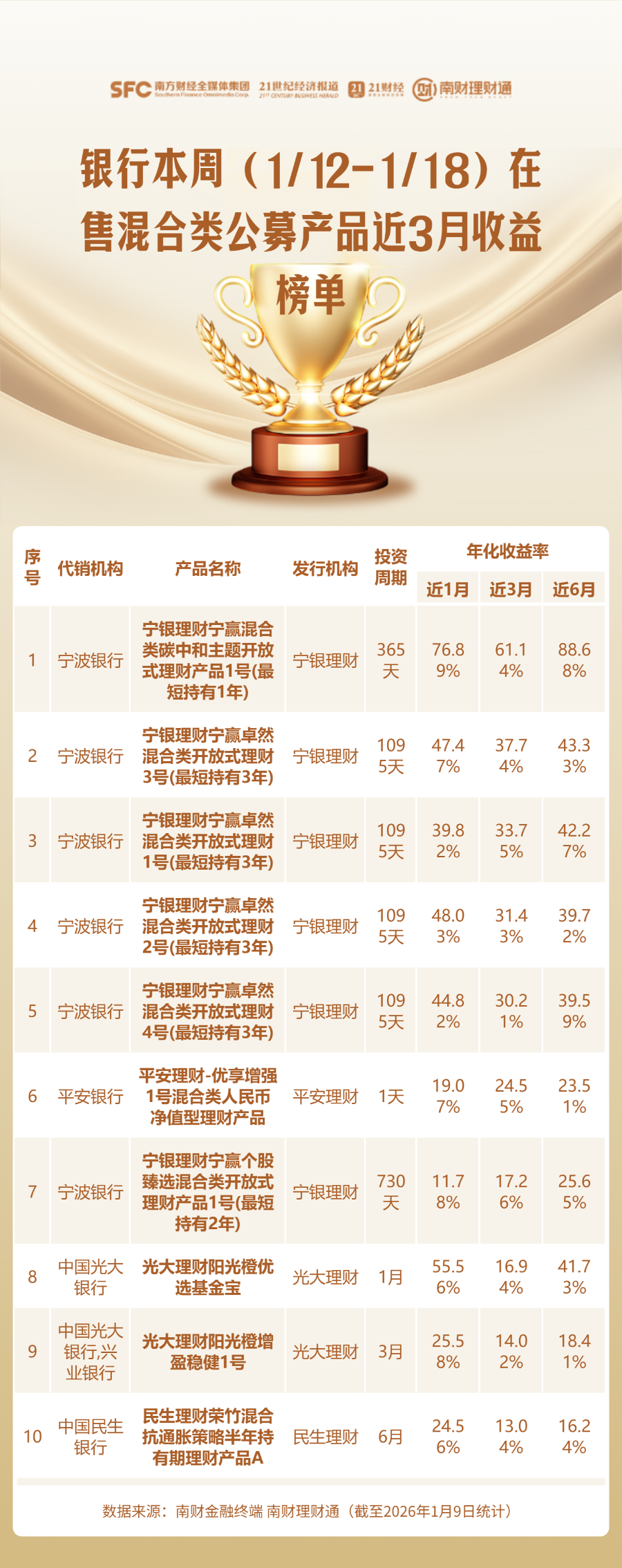
混合类产品收益强势,近1月年化收益率最高超76%!
2 1 Shi Ji Jing Ji Bao Dao· 2026-01-12 01:10
此外,南财理财通虽力求客观公正,但不对本评价榜信息的真实性、完整性和准确性作任何保证,排名信息仅供参考。 | 2 | 宁波银行 | 宁银理财宁赢卓然 混合类开放式理财 | 宁银理财 | 109 | 47.4 | 37.7 | 43.3 | | --- | --- | --- | --- | --- | --- | --- | --- | | | | | | ਦੇ ਦੇ | 7% | 4% | 3% | | | | 3号(最短持有3年) | | | | | | | 3 | 宁波银行 | 宁银理财宁赢卓然 混合类开放式理财 | 宁银理财 | 109 | 39.8 | 33.7 | 42.2 | | | | | | 55 | 2% | 5% | 7% | | | | 1号(最短持有3年) | | | | | | | ব | 宁波银行 | 量根理财产赢卓然 混合类开放式理财 | 宁银理财 | 109 | 48.0 | 31.4 | 39.7 | | | | | | ਦੇਵ | 3% | 3% | 2% | | | | 2号(最短持有3年) | | | | | | | 5 | 宁波银行 | 宁银理财宁赢卓然 混合类开放 ...

浙商银行管理层变阵 深耕战略驶入深水区
Hua Er Jie Jian Wen· 2026-01-12 00:57
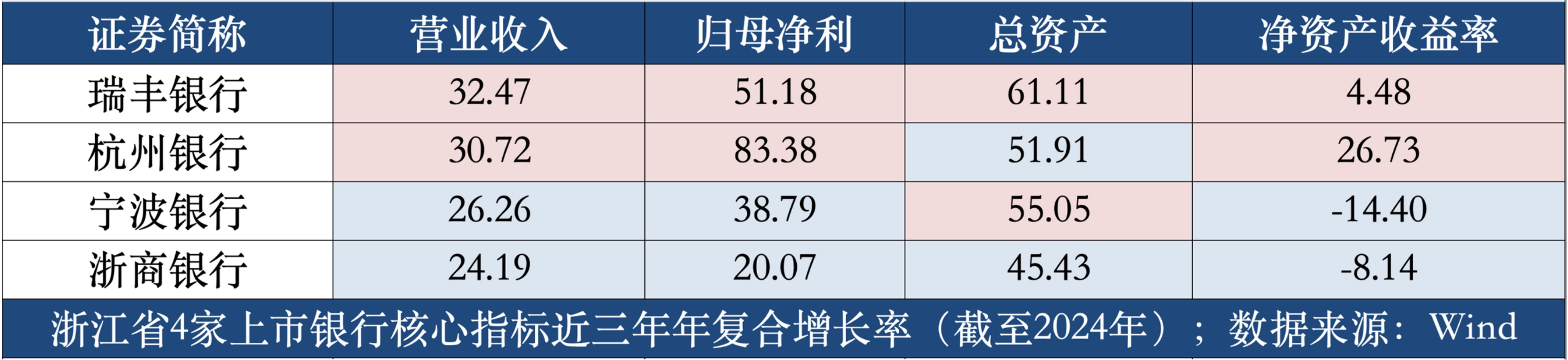
Core Viewpoint - Zhejiang Zheshang Bank has undergone a significant executive reshuffle, marking a strategic transition as it prepares for the next phase of its "Deepening Zhejiang" strategy, which is crucial for maintaining its competitive edge in the local banking market [1][3][5]. Executive Changes - The bank's chairman Chen Haiqiang has officially stepped down as president, with Lu Linhua appointed as the new president and nominated as an executive director candidate [1]. - Several other executives, including vice president Lin Jingran and assistant presidents Wang Chaoming and Hou Bo, have also resigned, while Zhou Weixin and Pan Huafeng have been promoted to vice presidents [1][2]. Strategic Context - The timing of these changes suggests a conclusion to the previous "three leaders" adjustment, as the bank prepares for a new strategic cycle starting in 2025 [2][5]. - The restructuring aims to align the executive team with the bank's strategic upgrades, focusing on efficiency and effectiveness by reducing redundant positions [6][7]. Talent Selection - The new leadership team is characterized by a younger demographic, with an average age below 50, reflecting a shift towards a more dynamic management style [11]. - Chen Haiqiang's background in the bank's core management and Lu Linhua's experience in financial regulation and local operations are seen as assets for the bank's strategic continuity and local market penetration [7][10]. Competitive Landscape - Zhejiang Zheshang Bank faces increasing competition from city commercial banks and rural commercial banks in its home market, which is impacting its market share [13][15]. - Financial data indicates that while the bank has shown strong growth in several metrics, it is still lagging behind competitors like Ningbo Bank and Hangzhou Bank in profitability and market performance [16][17]. Strategic Initiatives - The bank's new strategy emphasizes "deepening" its presence in Zhejiang, with initiatives aimed at enhancing local financial services and supporting regional economic development [18]. - The bank has reported significant growth in its inclusive loan balance and has exceeded its annual targets for serving individual businesses, indicating early success from the strategic adjustments [18]. Future Challenges - The new leadership, particularly Lu Linhua, will need to effectively integrate the flexible, localized approaches of the rural banking system with the standardized practices of a national bank to avoid internal friction [19].

转让费率优惠延续 银行不良贷款求解精准“拆弹”
Bei Jing Shang Bao· 2026-01-11 15:21
Core Viewpoint - The bank non-performing loan (NPL) transfer market is experiencing favorable policies as the China Banking Asset Management Association continues to waive listing service fees and offers an 20% discount on transaction service fees, which is expected to enhance market activity and assist banks in effectively managing NPLs [1][3] Policy Benefits - The announcement on January 7 states that the exemption of listing service fees and the 20% discount on transaction service fees will continue until January 1, 2026, with the pilot program for NPL transfers extended to December 31, 2026 [3] - This fee reduction is aimed at maintaining market vitality and reducing the cost of asset disposal for banks, encouraging them to actively participate in NPL transfers [3][4] Market Activity and Trends - Recent observations indicate a slowdown in the NPL transfer market, with only a few banks disclosing transfer information compared to the previous year, attributed to a lack of available assets for transfer and internal adjustments within banks [4][5][6] - The market experienced a significant surge in late 2025, characterized by a concentrated clearing of NPLs, which has led to a temporary decrease in transfer activity at the beginning of 2026 [4][5] Historical Context and Growth - The NPL transfer pilot program began in January 2021, allowing for the transfer of both corporate and personal NPLs, and has evolved into a crucial channel for banks to manage NPLs [7] - By the end of 2023, the program saw substantial growth, with 710 listings and a total of 1529.84 billion yuan in unpaid principal and interest, marking a 234.97% year-on-year increase [8] Future Outlook - The NPL asset disposal market is expected to enter a new phase of deepening regulation and efficiency improvement, with banks encouraged to enhance asset screening and valuation capabilities [9] - Banks are advised to integrate NPL transfers into their regular risk management practices rather than relying on year-end sales, focusing on packaging low-recovery and high-collection-cost loans for transfer [9]

转让费率优惠延续!试点第六年,银行不良贷款求解精准“拆弹”
Bei Jing Shang Bao· 2026-01-11 13:53
Group 1 - The core viewpoint of the article highlights the favorable policies for the non-performing loan (NPL) transfer market, including the continuation of fee waivers and discounts on transaction fees, which are expected to enhance market activity and assist banks in managing their NPLs effectively [1][3][4] - The announcement from the China Banking and Insurance Regulatory Commission (CBIRC) extends the NPL transfer pilot program until December 31, 2026, indicating a commitment to maintaining market vitality and reducing costs for financial institutions [3][8] - Analysts suggest that while the fee reductions will lower the direct costs for banks, the actual motivation for banks to transfer NPLs will depend on the buyers' capacity and valuation levels [4][9] Group 2 - The NPL transfer market has evolved significantly since the pilot program began in January 2021, transitioning from a limited participant base to a more mature and active market, with substantial increases in transaction volumes and values [6][7] - In 2023, the NPL transfer market saw a significant rise, with 710 listings and a total outstanding principal and interest of 1,529.84 billion yuan, marking a year-on-year increase of 234.97% [7] - The market is expected to gradually recover in activity as banks adjust their internal processes and as the supply of transferable assets increases, despite a temporary slowdown at the beginning of the year [5][6] Group 3 - The introduction of new internal control and audit requirements signifies a shift towards more regulated and risk-averse development in the NPL transfer market, aiming to prevent moral hazards and ensure compliance [9][10] - Banks are encouraged to enhance their asset screening and valuation capabilities, utilize market mechanisms for pricing, and collaborate with asset management companies to improve the efficiency of NPL disposals [10][11] - The article emphasizes the need for banks to adopt a proactive approach to NPL management, integrating regular NPL transfers into their risk management strategies rather than relying on year-end sell-offs [10][11]

金融行业周报(2026、01、11):开门红催化保险板块,看好配置策略下银行股中长线收益-20260111
Western Securities· 2026-01-11 13:11
Group 1: Core Conclusions - The financial industry saw a weekly increase of +2.60% in the non-bank financial index, underperforming the CSI 300 index by 0.19 percentage points [1] - The insurance sector outperformed with a weekly increase of +3.58%, benefiting from strong performance in listed insurance companies [1][9] - The banking sector experienced a decline of -1.90%, underperforming the CSI 300 index by 4.69 percentage points, with all types of banks showing negative performance [1][9] Group 2: Insurance Sector Insights - The insurance sector's strong performance is driven by high growth in "opening red" earnings, indicating a solid investment logic with improving fundamentals [1][13] - The sector benefits from a dual drive of asset under management (AUM) expansion and interest rate spread recovery, with a clear trend of increasing industry concentration [1][17] - Recommended companies in the insurance sector include China Pacific Insurance, China Ping An, China Life (H), and New China Life [3] Group 3: Brokerage Sector Insights - The brokerage sector saw a weekly increase of +1.90%, with a PB valuation of 1.41x, indicating potential for valuation recovery [2][18] - Notable developments include GF Securities' plan to raise funds through H-share placement to support international business expansion [2][18] - Recommended brokerages include Guotai Junan, Huatai Securities, and CITIC Securities, focusing on those with strong fundamentals and low valuations [3][19] Group 4: Banking Sector Insights - The banking sector's PB valuation stands at 0.53x, with expectations for interest margin recovery in 2026, driven by reduced re-pricing pressure on loans [2][21] - The People's Bank of China indicated a continuation of a moderately loose monetary policy, which is expected to support the banking sector's performance [2][21] - Recommended banks include Hangzhou Bank, with additional focus on Qingdao Bank and Ningbo Bank for potential recovery opportunities [3][22]
中国上市公司“第一大省”:拥有889家,总市值超过浙江+江苏
Sou Hu Cai Jing· 2026-01-11 06:08
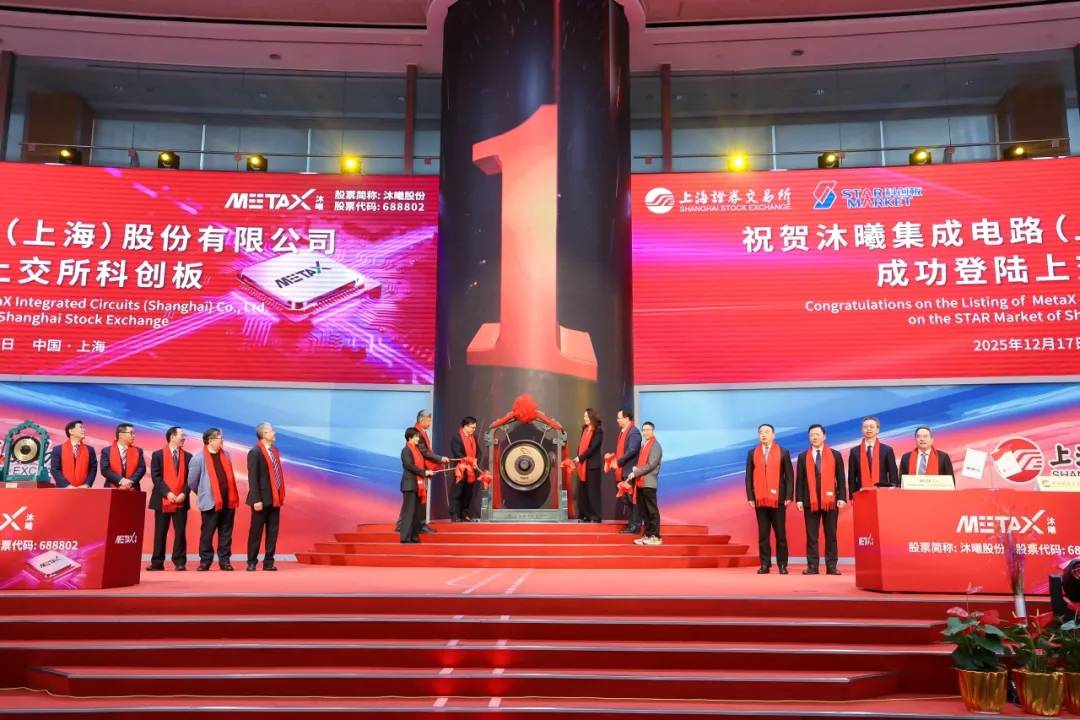
Group 1 - The capital market serves as a "barometer" for China's economy, with listed companies acting as the "locomotive" for economic development. By the end of 2025, there will be 5,469 listed companies in China, with a total market capitalization of 123 trillion yuan. In 2025, 116 new companies are expected to be listed, representing a 16% increase compared to 2024, raising a total of 131.77 billion yuan, primarily in sectors like computer, communication, and electronic equipment manufacturing [1] Group 2 - Shanghai ranks fifth with 452 listed companies, adding 8 new companies last year. Notably, the company Muxi Co., which specializes in high-performance GPU chips, has sold over 25,000 units by the end of March 2025 [3] - Beijing holds the fourth position with 481 listed companies and a total market capitalization of 30.6 trillion yuan, the highest in the country. It has 48 companies with a market value exceeding 100 billion yuan, primarily consisting of state-owned enterprises and large tech and financial firms [3] Group 3 - Jiangsu ranks third with 721 listed companies and a total market capitalization of 8.95 trillion yuan. It added 29 new companies last year, the highest in the country, with a focus on manufacturing and strategic emerging industries [5] - Suzhou has become the leading city for new listings, with 12 new companies, supported by a robust industrial ecosystem and a systematic service mechanism for companies preparing to go public [5] Group 4 - Zhejiang is in second place with 731 listed companies and a total market capitalization of 9.18 trillion yuan. The capital city, Hangzhou, has 231 listed companies, followed by Ningbo with 124 [5] - By the end of last year, Zhejiang had 10 companies with a market value exceeding 100 billion yuan, with four located in Hangzhou [6] Group 5 - Guangdong remains the top province with 889 listed companies and a total market capitalization of 19.32 trillion yuan, reflecting a 29% year-on-year growth. It added 21 new companies last year, including notable firms like Marco Polo and Stone Innovation [8] - Guangdong has 30 companies with a market value exceeding 100 billion yuan, with Industrial Fulian leading at 1.2322 trillion yuan [8] Group 6 - The distribution of listed companies across various exchanges shows Guangdong leading with 32 on the Beijing Stock Exchange, 92 on the Shanghai Stock Exchange's Sci-Tech Innovation Board, and 324 on the Shenzhen Stock Exchange's Growth Enterprise Market [9] - Jiangsu follows with 56 on the Beijing Stock Exchange and 222 on the Shanghai Stock Exchange's main board [9]
中小银行开年存款大降息:最高下调55基点,中长期产品加速调整
Hua Xia Shi Bao· 2026-01-09 12:13
本报(chinatimes.net.cn)记者卢梦雪 北京报道 "抓紧这几天锁定当前利率,错过就只能按新利率了。"近日,有多家中小银行客户经理向记者表示,该 行即将开始新一轮存款利率调降。 其中,从1月4日起,振兴银行整存整取两年期、三年期存款利率均下降到1.8%,5年期存款利率下调到 1.7%。1月16日起,新安银行两年期存款利率从2.35%下调到2.25%,下调10个基点。庆安农村商业银行 单位、个人整存整取的三个月、六个月存款产品利率相比此前分别下调了20个基点、25个基点,一年 期、两年期、三年期、五年期存款利率亦有所下调,七天存款利率较此前下调了30个基点,降幅最大。 记者注意到,2026年开年以来,中小银行降息节奏明显加快,调整力度不减。1月份已有多家中小银行 公告将下调或已下调存款利率,中长期产品存款利率降幅相对更大,部分期限存款产品利率降幅最高达 55个基点。 不过,在普遍降息的同时,仍有部分中小银行推出"开门红"活动,选择阶段性上浮存款利率。多家村镇 银行、农商行、城商行近期推出活动,不仅存款利率上浮,部分还赠送精美礼品。 开年即降息,中长期产品受冲击 1月9日,贵阳花溪建设村镇银行公告,调 ...