
富士胶片

Search documents
京东MALL今日亮相双井商圈,聚集多家首店
Bei Jing Ri Bao Ke Hu Duan· 2025-06-14 10:53
Group 1 - The opening of JD MALL Beijing Shuangjing store on June 14 marks the addition of a technology-driven commercial complex in Beijing, covering an area of 50,000 square meters with features like immersive experiences, full-category coverage, and scenario-based services [1] - The store includes JD's first offline cross-border experience store in North China, which integrates cross-border sourcing, offline experiences, and online shopping, allowing consumers to experience over 10,000 products from more than 50 countries and regions [3] - The store showcases a nostalgic 1:1 replica of JD's original 1998 market stall, highlighting the company's entrepreneurial journey and inspiring visitors [3] Group 2 - The store features advanced technology with 26 robots from 23 brands performing interactive demonstrations, including backflips and chess games, alongside a display area for cutting-edge AI products [5] - The Shuangjing business district is positioned as a new hub for the "Z generation" and is rapidly becoming a top destination in Beijing's digital economy landscape, leveraging its prime location near the CBD [5]


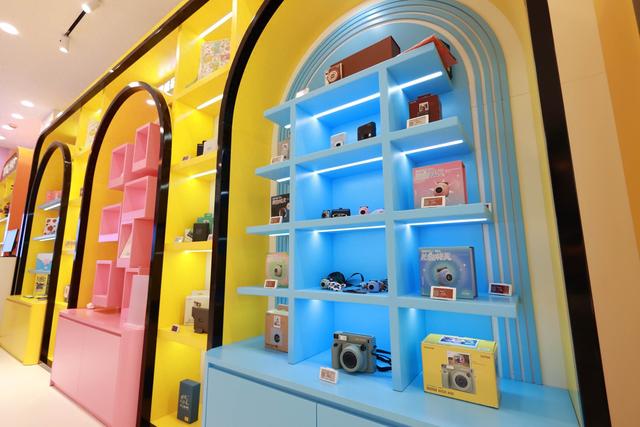

从70元涨到上千元,被称“纸片茅台”的撕拉片是什么
Nan Fang Du Shi Bao· 2025-05-26 07:08
Core Viewpoint - The resurgence of "Peel-apart film" or "撕拉片" is driven by its unique manual development process and retro aesthetic, leading to increased demand and skyrocketing prices in the market [12][14]. Group 1: Historical Context - Peel-apart film was invented by Edwin Land in the 1940s, allowing instant photo development, which became popular in the 1960s and 1970s [6]. - The production of peel-apart film ceased in 2008 for Polaroid and in 2016 for Fujifilm, marking the end of an era for this once-mainstream product [6]. Group 2: Technical Aspects - The basic principle of peel-apart film involves a light-sensitive negative and a positive film with a chemical pouch [8]. - The development process includes exposing the negative to light, breaking the chemical pouch, and separating the negative and positive to reveal the final image [9][11]. - Unlike instant cameras that automatically eject photos, peel-apart film requires manual extraction, which introduces variability in the development process [10]. Group 3: Market Dynamics - The current market for peel-apart film is characterized by a supply-demand imbalance, with prices for a box of 10 sheets rising from around 65-70 yuan to several hundred or even over a thousand yuan [12]. - The scarcity of available products has led to a perception of high collectible value, with some referring to it as "paper Maotai" due to its inflated prices [14]. Group 4: Consumer Behavior - Consumers are drawn to the unique experience of using peel-apart film, despite the risks of expired products leading to potential development failures [15]. - There are two main consumption models: one where consumers pay regardless of whether an image develops, and another where businesses guarantee a photo but not its quality [15].

新材料投资:新兴产业分析及投资思路
材料汇· 2025-05-14 15:32
点击 最 下方 " 推荐"、"赞 "及" 分享 ","关注"材料汇 添加 小编微信 ,遇见 志同道合 的你 正文 均乘 科创板成为我国自主可控集成电路全产业链集聚地 科创板已上市集成电路领域相关企业119家,占科创板企业数量的21%; 累计首发募集资金合计达2868亿元; 合计 A股市值达20685亿元,占科创板总市值的34%;其中7家企业(海光信息、中芯国际、中微公司、澜起科技、华润微, 寒武纪、格科微)A股市值超过500亿。相关公司已涵盖上游芯片设计、中游晶圆代工、下游封装测试以及材料和设 备制造等主要细分领域。 材料、化学品 EDA IP 沪硅产业 安集科技 中船特气 概伦电子 芯原股份 天岳先进 广钢气体 有研硅 芯片制造 封装测试 芯片设计 利扬芯片 汇成股份 海消息 寒記 中心国际 角矽电子 格科微 龙芯中科 国博电子 澜起科技 師中科技 唯捷创芯 纳芯微 晶晨股份 翱捷科技 欧美上漫 睿创微纳 思瑞浦 复目微电 中科飞测 中微公司 招荆科技_纠编 艾为电子 思特威 提出风光 首洋光电 路维光电 纳芯做 芯动联科 ٽٽروپوري 制造设备 IDM 华润微 佰维存储 燕东微 银河微申 6 数据截至 ...

张锋的学生创立新公司,8500万美元首轮融资,聚焦体内CAR-T细胞疗法
生物世界· 2025-05-14 03:21
Core Viewpoint - Stylus Medicine, a biotechnology company, has completed a $85 million Series A funding round to develop revolutionary in vivo gene therapies, focusing on CAR-T therapies for cancer, autoimmune diseases, and genetic disorders [2][4]. Group 1: Company Overview - Stylus Medicine was founded by Patrick Hsu and others from the Arc Institute/University of California, Berkeley, and has attracted investments from notable firms such as RA Capital, Kholsa Ventures, and Johnson & Johnson [2][4]. - The company is led by Dr. Emile Nuwaysir, who has extensive experience in cell and gene therapy, previously serving as CEO of BlueRock Therapeutics, which was acquired by Bayer for $1 billion [7]. Group 2: Technology and Innovation - Stylus Medicine's technology is based on recombinant enzyme techniques that allow for precise integration of therapeutic payloads into safe harbor sites in the human genome, avoiding double-strand breaks [4][5]. - The initial focus is on developing in vivo CAR-T therapies using lipid nanoparticles (LNP) to deliver therapeutic payloads directly to immune cells, aiming for precise and durable CAR-T cell generation [4][5]. - The company utilizes large serine recombinases (LSR) that can integrate large DNA fragments (over 7kb) into the human genome, significantly enhancing the precision of gene editing compared to traditional viral methods [12][13]. Group 3: Research Contributions - The founding team published a paper in Nature Biotechnology in October 2022, proposing a new method for large fragment DNA integration using recombinant enzymes [9]. - Recent research has expanded the diversity of known LSRs by 100 times, providing new tools for genome engineering and treatment of genetic diseases [12]. - The technology allows for targeted, predictable insertion patterns without harmful DNA double-strand breaks, making it a safer alternative for gene therapy applications [5][12].

中国半导体用光刻胶企业产能及布局
势银芯链· 2025-05-12 07:56
Core Viewpoint - The semiconductor market is expected to perform better in 2024 compared to 2023, driven by inventory replenishment, advancements in AI and HPC, and increased demand in automotive electronics and new energy sectors [4][5]. Market Overview - The global semiconductor market sales are projected to reach $627.6 billion in 2024, marking a significant growth of 19.1% compared to 2023 [4]. - The global photoresist market is anticipated to grow by 16.15% year-on-year in 2024, with specific growth rates for different types of photoresists: I-line (10.22%), G-line (14.06%), KrF (17.89%), ArF (16.74%), and EUV (21.26%) [5]. Photoresist Market in China - China's semiconductor photoresist market is expected to reach $771 million in 2024, becoming the largest in the world, with a year-on-year increase of 42.25% [5]. - The growth rates for different types of photoresists in China are as follows: G/I-line (29.8%), KrF (42.61%), and ArF (45.84%) [5]. Production Capacity of Photoresist Companies - A survey of 15 companies in mainland China reveals their design production capacities for semiconductor photoresists, with notable capacities including: - Tongcheng New Materials: 1,000 tons/year for G-line, KrF, and ArF [5] - Jingrui Electric Materials: 2,800 tons/year [5] - Feikai Materials: 5,000 tons/year [5] - The continuous investment in new production capacities supports steady growth in the photoresist market [5]. Upcoming Industry Events - The 2025 TrendBank (5th) Photoresist Industry Conference will be held from July 8-10 in Hefei, focusing on new applications, trends, and supply chain discussions [6][7].
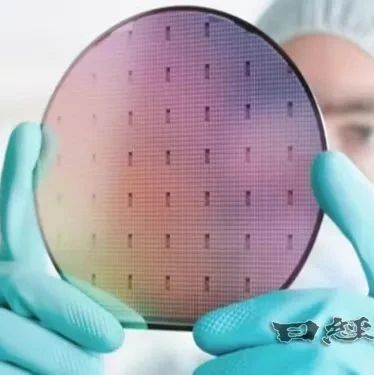
从70元卖到3000元,撕拉片为何火了?
凤凰网财经· 2025-05-11 13:13
Core Viewpoint - The rising popularity and price of "pull-apart film" (撕拉片) in the photography market is driven by its scarcity, social media influence, and nostalgia among younger consumers, leading to significant price increases in both the secondary market and photography services [2][6][7]. Group 1: Price Trends and Market Dynamics - The price of Fuji FP-100C color pull-apart film has surged to between 1400 yuan and 3300 yuan per box (10 sheets), which is at least 20 times higher than its pre-production price of 70 yuan per box [6][9]. - The price for taking a single pull-apart film photo in studios ranges from 230 yuan to 600 yuan, depending on the type of camera and additional services offered [9][11]. - The scarcity of pull-apart film, due to its discontinuation by major manufacturers like Polaroid and Fuji, has led to increased demand and higher prices in the second-hand market [6][10]. Group 2: Consumer Behavior and Market Influence - Social media has played a crucial role in popularizing pull-apart film, with its unique imaging effects attracting a younger audience and creating a retro trend [7][12]. - The target demographic for pull-apart film photography primarily includes students and young adults aged 20 to 40, often influenced by celebrity trends [12][16]. - The emotional and nostalgic value associated with expired pull-apart film contributes to its appeal, as many collectors and photography enthusiasts are willing to pay premium prices [6][12]. Group 3: Equipment and Quality Concerns - The price of pull-apart film cameras has also increased, with models like the Polaroid BigShot rising from around 1000-1600 yuan to approximately 4000 yuan [16][17]. - Users have reported varying quality in images due to the use of expired film, leading to a notable waste rate, which studios often communicate to customers beforehand [15][16]. - Professional-grade pull-apart film cameras are seen as a better investment due to their potential for future use with other film types, even if pull-apart film becomes unavailable [17].

富士胶片将在印度建设半导体材料工厂
日经中文网· 2025-05-07 07:06
Core Viewpoint - India is striving for semiconductor material self-sufficiency to reduce dependence on China, presenting opportunities for Japanese companies like Fujifilm to invest in local production [1][2]. Group 1: Fujifilm's Investment Plans - Fujifilm plans to establish a semiconductor materials factory in Gujarat, India, aiming for production by around 2028, with a total investment of several billion yen [1]. - The factory will produce materials such as chemicals and developers used in semiconductor manufacturing processes [1]. - Fujifilm will initially supply products to Tata Electronics, which is collaborating with Taiwan's PSMC to build a front-end semiconductor factory in Gujarat, expected to start production by 2026 [1]. Group 2: Strategic Context - The Indian government and Tata Electronics emphasize building a domestic semiconductor supply chain, including raw materials, for economic security [1]. - In the interim, Fujifilm will supply products from its existing production bases in Europe, the US, and Asia to Indian semiconductor factories [2]. - Fujifilm is also considering exporting products to other Asian countries, including Singapore [2].
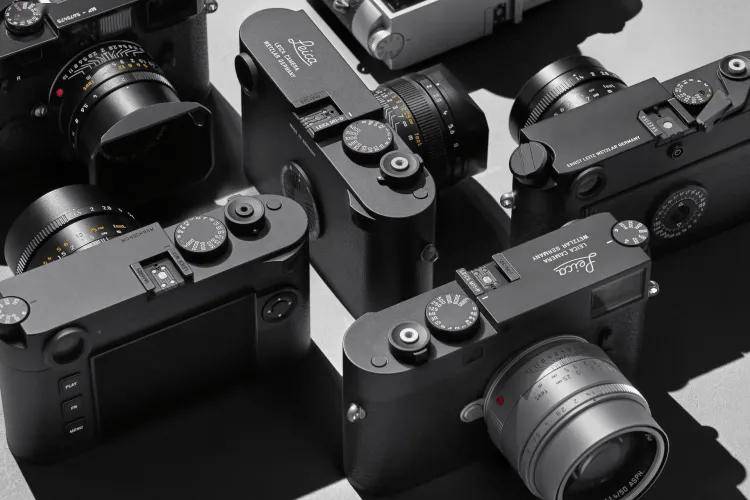
受美国关税影响,加拿大用户购买徕卡相机也要多花 7% 费用
Sou Hu Cai Jing· 2025-05-03 04:17
Core Viewpoint - Leica is implementing a 7% price increase for dealers in the US and Canada starting May 1, 2025, due to the impact of global tariff policies initiated by the US, aiming to maintain price parity between the two countries [1][3]. Group 1: Company Actions - Leica's decision to raise prices is a direct response to US tariffs affecting Canadian markets, as the company aims to keep pricing consistent across North America [1]. - The North American Trade Marketing and Product Communication Manager stated that all products are imported to Canada through the US headquarters, making the tariff impact on Canada similar to that on the US [3]. - Leica is exploring the possibility of establishing an independent subsidiary in Canada to better serve local customers amidst the current tariff structure [3]. Group 2: Industry Impact - The photography equipment industry is experiencing a ripple effect from the tariff policies, with DJI raising the price of its Osmo Pocket 3 camera from $519 to $799 [3]. - Blackmagic Design has increased prices for digital cinema cameras and canceled plans to build a factory in Texas due to semiconductor import tariffs [3]. - Fujifilm has completely suspended shipments of several camera models to the US, and Ilford has also raised prices [3]. - Canon has faced inquiries regarding its business model adjustments for 2025, with recent product launches excluding the US from initial release regions, potentially linked to tariff implications [3].
巨星医疗控股(02393.HK)3月28日收盘上涨8.0%,成交21.22万港元
Sou Hu Cai Jing· 2025-03-28 08:33
Company Performance - As of March 28, the stock price of Giant Star Medical Holdings (02393.HK) closed at HKD 0.108, up 8.0% with a trading volume of 2.0375 million shares and a turnover of HKD 21.22 million, showing a volatility of 8.0% [1] - Over the past month, Giant Star Medical Holdings has seen a cumulative increase of 42.86%, and a year-to-date increase of 61.29%, outperforming the Hang Seng Index by 17.54% [1] - For the fiscal year ending June 30, 2024, the company reported total revenue of CNY 1.274 billion, a year-on-year decrease of 13.51%, while net profit attributable to shareholders was CNY 1.089 billion, a significant increase of 30,014.43% [1] Industry Valuation - Currently, there are no institutional investment ratings for Giant Star Medical Holdings [2] - The average price-to-earnings (P/E) ratio for the healthcare equipment and services industry is -3.55 times, with a median of 4.98 times. Giant Star Medical Holdings has a P/E ratio of 0.2 times, ranking first in the industry [2] - Other companies in the industry include Jingjiu Kangliao (00648.HK) with a P/E ratio of 0.38 times, Global Medical (02666.HK) at 4.54 times, Yongsheng Medical (01612.HK) at 4.58 times, Ruici Medical (01526.HK) at 5.38 times, and New Century Medical (01518.HK) at 6.16 times [2] Company Overview - Giant Star Medical Holdings is recognized as one of China's leading high-margin medical consumables and equipment companies, focusing on high-margin medical consumables and equipment, specifically medical imaging products and in vitro diagnostic products [3] - The company has established a broad sales network in China and has gained the trust of international manufacturers such as Fujifilm, Roche Diagnostics, Becton Dickinson, and Thermo Fisher Scientific [3] - Giant Star Medical is the exclusive manufacturer of medical film for Fujifilm in China and one of the largest distributors of Roche's in vitro diagnostic products in the country [3] - The company aims to continue seeking potential acquisition opportunities and establish strategic partnerships with industry giants to strengthen its position in the medical industry [3]