中信银行

Search documents
青岛三柏硕健康科技股份有限公司关于使用部分暂时闲置募集资金进行现金管理的进展公告
Shang Hai Zheng Quan Bao· 2026-01-07 17:37
Core Viewpoint - The company, Qingdao Sanboshou Health Technology Co., Ltd., has approved the use of up to RMB 500 million of temporarily idle raised funds for cash management, ensuring that it does not affect the normal operation of fundraising projects and the safety of the raised funds [1][6]. Group 1: Cash Management Details - The company will use the idle raised funds for cash management within a period of 12 months, with individual investment products not exceeding 12 months [1]. - The funds will be used to purchase financial products, including structured deposits, which maintain good liquidity and do not alter the intended use of the raised funds [1][7]. - As of the announcement date, the company has invested a total of RMB 470 million in cash management products that have not yet matured [7]. Group 2: Risk Management - The company has implemented strict risk assessment procedures for the proposed investment financial products, acknowledging potential market volatility [3]. - The chairman will exercise decision-making authority over the investment, including selecting quality financial institutions and defining cash management amounts and products [4]. - Internal audit and supervision mechanisms are in place to monitor cash management activities and ensure compliance with relevant regulations [5]. Group 3: Impact on Operations - The cash management of idle raised funds is aimed at optimizing the efficiency of fund usage without impacting the normal development of the company's main business [6]. - Engaging in cash management is expected to generate investment returns, thereby enhancing the overall performance of the company and providing greater returns for shareholders [6].
多家中小银行暂停借记卡境外交易功能
Zheng Quan Ri Bao· 2026-01-07 17:31
近日,安平惠民村镇银行发布公告称,自2025年12月30日(含)起,该行发行的所有借记卡将关闭境外 交易功能,包括但不限于在境外的ATM取现、POS机刷卡消费等。对于调整原因,该行明确表示,此举 是为进一步保障客户账户资金安全,防范银行卡境外交易风险,全面提升金融服务质量与系统运行稳定 性。 近期,多家中小银行相继发布业务调整公告,宣布暂停旗下借记卡的境外交易功能。这一业务调整,引 发了市场广泛关注。 受访人士表示,暂停旗下借记卡的境外交易功能是中小银行应对持续高发的境外盗刷风险、强化合规风 控的主动举措。此次业务暂停更偏向阶段性风险应对措施,而非中小银行永久性退出跨境业务。同时, 这也将倒逼银行加速优化风控体系,补齐跨境业务相关能力短板。 防范境外交易风险 苏商银行特约研究员高政扬表示,部分中小银行暂停借记卡境外交易,主要原因是跨境资金流动风险与 合规压力上升。一方面,境外盗刷、电信网络诈骗等违法行为通过借记卡通道实施时呈现出更强的隐蔽 性和跨区域特性,而部分中小银行在风控模型搭建、交易实时监测及事后追溯等方面的能力相对薄弱, 导致风险暴露概率上升。另一方面,反洗钱及反电信诈骗监管持续趋严,对银行跨境业务的 ...
从5%到20%!平安人寿四度举牌农行H股,银行股为何受青睐?
Guo Ji Jin Rong Bao· 2026-01-07 15:40
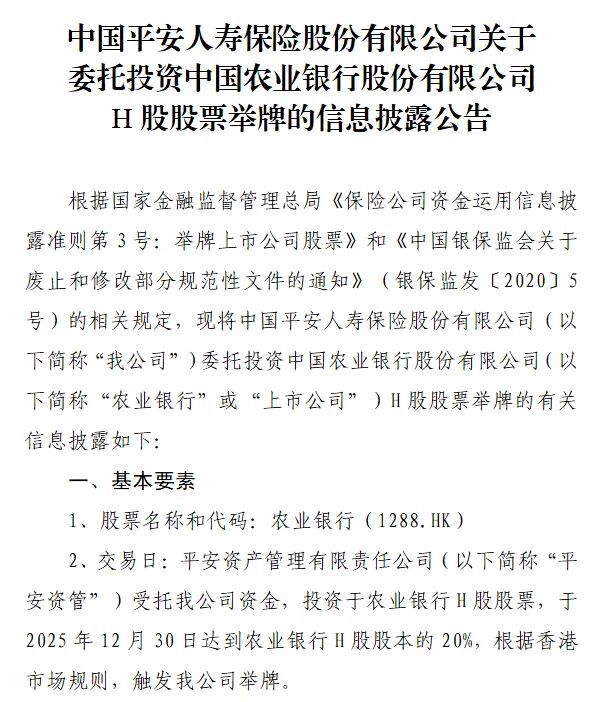
Core Viewpoint - Ping An Life has disclosed that it will increase its stake in Agricultural Bank of China H-shares to 20% by December 30, 2025, triggering a mandatory disclosure under Hong Kong market rules [1]. Group 1: Investment Activities - This marks the fourth time Ping An Life has increased its stake in Agricultural Bank H-shares, having previously surpassed 5%, 10%, and 15% in February, May, and August 2025 respectively [4]. - In addition to Agricultural Bank, Ping An Life has also acquired shares in Postal Savings Bank and China Merchants Bank, with holdings reaching 5.01%, 10%, 15%, and 20% at various points in 2025 [6]. - Overall, in 2025, insurance capital made a total of 35 stake increases, the highest since 2016, indicating a growing trend in insurance investments [5][8]. Group 2: Reasons for Preference in Bank Stocks - Insurance companies are favoring bank stocks due to their average dividend yield exceeding 5%, which is significantly higher than the cost of liabilities (approximately 2% to 2.5%), making them attractive as "quasi-fixed income" assets [7]. - The new financial instrument standards allow high-dividend bank stocks to be classified in a way that stabilizes profit and loss statements, further encouraging investment [7]. - The stable performance and dividend consistency of bank stocks align with the long-term investment strategies of insurance companies, which seek value and stability [7]. Group 3: Future Outlook - The trend of insurance capital actively participating in equity markets is expected to continue, driven by low interest rates and regulatory support for long-term investments [8][10]. - Analysts suggest that the demand for bank stocks will persist, with insurance companies likely to focus on stable dividend-paying stocks and those with strong return on equity (ROE) [9][10]. - The stock prices of major insurance companies have shown significant increases in 2025, reflecting market confidence in the insurance sector's fundamentals [10].

“平衡型”成入门底线!银行积存金投资门槛大摸底
Bei Jing Shang Bao· 2026-01-07 13:44
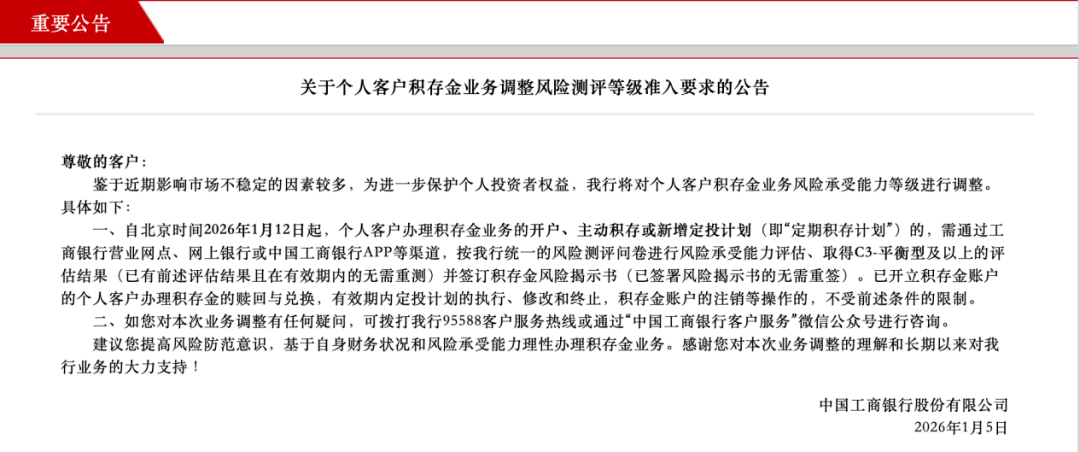
"平衡型"成投资者入场券 开年伊始,国有大行的一则业务调整公告搅动了贵金属投资市场,工商银行宣布1月12日起将个人积存金业务风险准入等 级上调至C3(平衡型)及以上。近两年,伴随着黄金价格的暴涨,市场波动风险陡然加大,急涨急跌的"过山车"行情屡 次上演,为此商业银行纷纷采取提高积存金金额、收紧风险准入门槛等措施,加强风险管控。1月7日,北京商报记者调 查发现,当前多家国有大行、股份制银行及城商行已普遍将平衡型风险承受能力设为积存金投资的入门底线,部分银行 更将准入标准提高至进取型等级,一场覆盖全行业的积存金业务风控升级正在进行中。 股份制银行与城商行的要求同样严格,北京商报记者了解到,浦发银行规定,积存金产品风险等级为R3中等风险,适合 风险承受能力为平衡型及以上的个人投资者,不支持超风险签约和后续交易;兴业银行要求办理积存金业务须满足风险 等级C3级及以上;民生银行客服人员表示,该行积存金存量客户在该行理财风险评测等级须达到3级及以上,并通过积 存金产品"投资者适合度问卷"可正常开展交易,3级属于中风险。宁波银行也要求,风险评级为平稳型C3及以上的个人客 户才可进行积存金业务交易。 部分银行甚至提出了"进取 ...


艾迪精密:关于收到回购专项贷款承诺函的公告
Zheng Quan Ri Bao· 2026-01-07 13:17
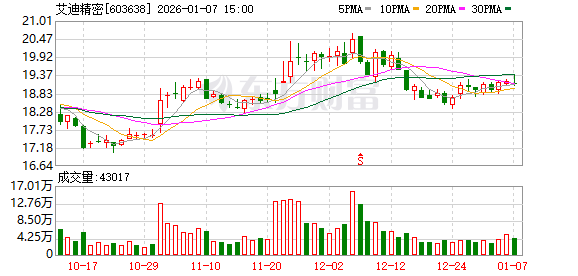
Group 1 - The company, Aidi Precision, announced that it has received a commitment from CITIC Bank Yantai Branch for a special stock repurchase loan of up to 180 million yuan, with a term of 3 years [2] - The total amount for the stock repurchase is set between 100 million yuan and 200 million yuan, with a price ceiling of 27 yuan per share, and the repurchase period is 12 months [2] - The funding sources for the repurchase will be from the company's own funds and self-raised capital, intended for the conversion of convertible bonds [2]

按揭、信用卡、消费贷与经营贷深度:深度银行四大零售资产的风险分析框架
ZHONGTAI SECURITIES· 2026-01-07 11:17
Investment Rating - The report maintains an "Overweight" rating for the banking sector [2] Core Insights - The four categories of retail loans (mortgages, credit cards, consumer loans, and business loans) collectively constitute household liabilities, each with distinct collateral types, duration structures, and policy influences. The report aims to establish a risk framework for these retail assets and assess their impact on banking operations in the future [2][4] - Under stress testing, the non-performing loan (NPL) ratios for mortgages, credit cards, and consumer loans are projected to increase by 11, 12, and 20 basis points respectively in 2026, while the growth in non-performing amounts remains manageable. The overall quality of corporate assets is expected to continue improving, indicating a stable banking sector [2][4] - Retail asset risks are deemed controllable, with policies expected to maintain stability in the near term [2] Summary by Sections Retail Asset Analysis Framework: Collateral Types + Duration Structure + Policy Impact - The overall NPL ratio for retail loans of listed banks is estimated at 1.27% in the first half of 2025, slightly above the corporate NPL ratio of 1.26%, but the increase in NPL ratios is stabilizing. The composition of existing NPLs is 63% corporate and 37% retail, with business loans and mortgages showing higher proportions of both existing and newly added NPLs [2][12] - The report establishes a risk analysis framework for retail assets, highlighting the differences in collateral types, duration structures, and policy impacts among the four categories of retail loans [2][4] Consumer Loans: "High-Risk" Assets - The relationship between consumer loans and consumption trends is closely aligned, with notable deviations occurring during strict property purchase restrictions and regulatory cycles for online loans. The market structure for consumer credit (excluding credit cards and mortgages) shows that listed banks hold over 51.5% of the market, while non-listed banks account for 17% and other players for 31% [2][4] - The risk logic for consumer credit indicates that risk pricing is primarily determined by interest rates, which can be categorized into four tiers based on risk levels. The report estimates that 4.4% of consumer loans fall into the "high-risk" category, with commercial banks' high-risk consumer loans representing only 0.6% of their total consumer loans [2][4] Mortgage Loans: Risk Sources and International Comparisons - The primary sources of mortgage risk include negative cash flow and high loan-to-value (LTV) ratios, with 1.2% of respondents reporting monthly incomes below their mortgage payments. The report anticipates that the current high LTV portion, which constitutes 2.9% of total mortgage balances, will not necessarily lead to increased NPLs [2][4] - International comparisons indicate that mortgage NPL ratios in most countries remain below 2%, suggesting that the risks in the domestic market are manageable [2][4] Business Loans: High-Risk Assets - The report estimates that approximately 2 trillion yuan of high-risk business loans were outstanding at the end of 2021, with nearly one-third of these high-risk assets already exposed. The peak of risk exposure is expected in 2024 and the first half of 2025, with NPL ratios projected to rise by 18 basis points to 1.96% under stress testing conditions [2][4] Credit Cards: Early NPL Exposure - Credit cards have historically shown early exposure to NPLs, with the NPL ratio at 2.44% in the first half of 2025. The report notes that the net increase in credit card NPLs has significantly decreased, indicating that credit cards are not currently a major pressure point for banks [2][4] Investment Recommendations - The report suggests two main investment lines for bank stocks: focusing on regional banks with strong certainty and advantages, particularly in areas like Jiangsu, Shanghai, Chengdu, Shandong, and Fujian, and recommending large banks with high dividend yields such as Agricultural Bank, Construction Bank, and Industrial and Commercial Bank [2][4]





工商银行率先上调积存金风险等级至C3,黄金投资准入门槛趋严
Sou Hu Cai Jing· 2026-01-07 10:13
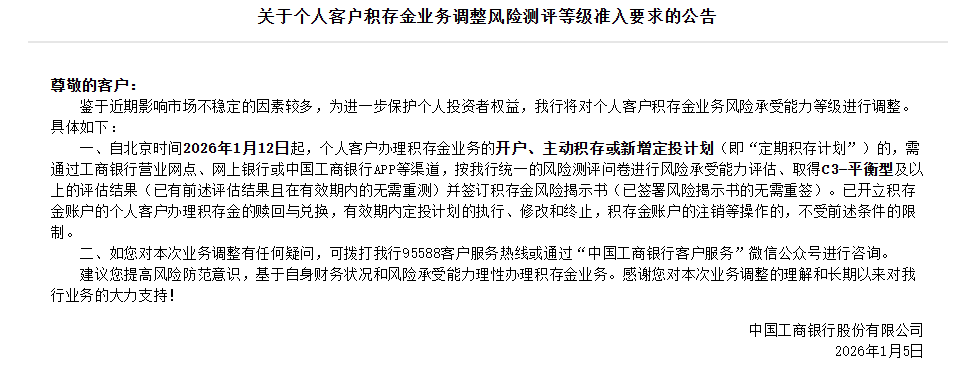
深圳商报·读创客户端首席记者 谢惠茜 工商银行近日发布的一则公告,引发市场广泛关注。公告显示,工商银行将于1月12日起对个人客户积存金业务风险承受能力等级进行调 整,成为今年以来首家调整该门槛的国有大行。 工行率先上调风险评测等级准入 工商银行发布的《关于个人客户积存金业务调整风险测评等级准入要求的公告》显示,"自2026年1月12日起,个人客户办理积存金业务的 开户、主动积存或新增定投计划(即'定期积存计划')的,需通过工商银行营业网点、网上银行或中国工商银行APP等渠道,按我行统一 的风险测评问卷进行风险承受能力评估、取得C3-平衡型及以上的评估结果(已有前述评估结果且在有效期内的无需重测)并签订积存金 风险揭示书(已签署风险揭示书的无需重签)。已开立积存金账户的个人客户办理积存金的赎回与兑换,有效期内定投计划的执行、修改 和终止,积存金账户的注销等操作的,不受前述条件的限制。" 这意味着,当前多家主流银行对积存金业务的风险评级都在中风险及以上,甚至有某国有大行银行要求最高风险等级才能进行相关投资。 后续或有更多银行跟进调整 "此次工商银行将积存金业务风险准入等级从C1保守型上调至C3平衡型,是一次基于市 ...
中信银行多家一级分行行长调整
Xin Lang Cai Jing· 2026-01-07 09:19
Group 1 - Major changes in the core management of CITIC Bank are expected by the end of 2025, with Lu Wei resigning from his positions as executive director and president due to work adjustments [1][15] - Chairman Fang Heying will temporarily assume the responsibilities of the president following Lu Wei's departure [1][15] - Multiple first-level branch leaders of CITIC Bank have also undergone changes, indicating a significant restructuring within the organization [1][15] Group 2 - Zhu Yiming, the former president of the Shijiazhuang branch, has been appointed as the president of the Shanghai branch, which is the third-largest branch of CITIC Bank with total assets of 619.609 billion yuan as of June 2025 [3][18] - The former president of the Kunming branch, Cao Yaming, has been assigned to lead the Shijiazhuang branch [5][20] - Xu Zhen, the deputy president of the Nanjing branch, will now oversee the Kunming branch, while Li Yi and Ge Jun have been promoted to deputy presidents of the Chengdu branch [7][22][29] Group 3 - As of June 2025, CITIC Bank has established 1,477 business outlets in 153 major cities across the country, including 37 first-level branches and 125 second-level branches [12][27] - The bank has faced multiple administrative penalties, including a fine of 2.3 million yuan for the Chengdu branch due to mismanagement in credit, trade financing, and bill business [12][27] - In December 2025, eight branches in Jiangsu received fines totaling 6.6 million yuan for various issues, highlighting systemic management deficiencies at the local branch level [14][29]

事关黄金业务!国有大行出手,上调黄金投资等级!
Sou Hu Cai Jing· 2026-01-07 07:25
Core Viewpoint - The precious metals investment market is experiencing regulatory changes as banks tighten access to gold accumulation services, with expectations of rising gold prices continuing among institutions [1][5]. Group 1: Regulatory Changes - Industrial and Commercial Bank of China (ICBC) announced an increase in the risk tolerance level for personal gold accumulation services to C3-Balanced and above, effective January 12, 2026, making it the first major state-owned bank to raise the entry threshold this year [1][3]. - The adjustment requires new customers to undergo a risk assessment and achieve a C3-Balanced rating or higher to participate in new gold accumulation activities, a significant increase from the previous requirement of C1-Conservative [3][5]. - Existing customers are not affected by this change and can continue to manage their accounts normally, but any new investments will need to meet the new risk level [3][5]. Group 2: Industry Trends - Other banks have followed suit, with several institutions raising the entry requirements for gold accumulation services since the second half of 2025, indicating a clear trend of enhanced risk control across the industry [5][6]. - Citic Bank and Zhongyuan Bank have also implemented similar measures, requiring customers to achieve a C3-Balanced rating for new agreements and investments [5][6]. - The tightening of access is seen as a necessary step for banks to fulfill their responsibilities in investor suitability management and to mitigate compliance risks [6]. Group 3: Market Outlook - Despite the tightening of access, international gold prices have been on the rise, with spot and futures gold prices surpassing $4,400 per ounce as of January 5, 2026 [7]. - Institutions like Goldman Sachs and UBS have optimistic forecasts for gold prices, predicting potential increases to $4,900 and $5,000 per ounce, respectively, by the end of 2026 [9]. - The volatility of gold prices is influenced by various factors, including the U.S. dollar exchange rate and geopolitical events, highlighting the need for investors to consider their risk tolerance when investing in gold-related assets [9].
投早投小投硬科技,三家股份行AIC业务相继落地
Guan Cha Zhe Wang· 2026-01-07 03:42
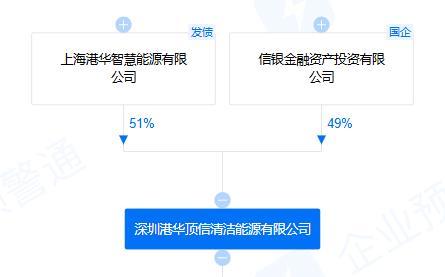
Core Viewpoint - The establishment and operation of financial asset investment companies (AICs) by major banks in China, particularly by joint-stock banks, is accelerating, with significant investments in emerging industries such as semiconductors, lithium mining, and solar energy [1][6]. Group 1: Investment Activities - Xingyin Investment has invested over 6 billion yuan within 45 days of its operation, focusing on traditional industries and emerging sectors [1]. - Zhaoyin Investment participated in a capital increase for Deep Blue Automotive, investing 500 million yuan to acquire a 2.4187% stake [2]. - Xinyin Jintou invested 64.42 million yuan in Shenzhen Ganghua Dingshin Clean Energy, holding a 49% stake, focusing on solar power technology services [2][4]. Group 2: Strategic Focus - Joint-stock banks' AICs are prioritizing investments in technology and emerging industries, contrasting with large banks that focus on traditional and heavy asset sectors [5]. - The investment strategy of joint-stock banks is characterized by "early and small" investments, indicating a differentiated approach from larger banks [5]. Group 3: Market Trends - As of now, there are 9 approved AICs in China, including those from major state-owned banks and joint-stock banks, indicating a shift towards a more diversified financing structure in the financial system [6]. - The expansion of AICs is expected to enhance market vitality and provide resilient financial support for the transformation and upgrading of the real economy [6].