
Rapidus

Search documents
美国又迎来一家2nm晶圆厂
半导体行业观察· 2025-09-01 01:17
Core Viewpoint - Samsung is resuming investments in its Taylor factory in the U.S. to enhance its semiconductor manufacturing capabilities, particularly focusing on 2nm technology, driven by demand from American clients and the "Made in America" initiative [2][3]. Investment and Production Plans - Samsung plans to deploy personnel at the Taylor factory starting in September, with new equipment being integrated for 2nm production [2][3]. - The company aims to establish a production line for 2nm chips, with an expected monthly capacity of 16,000 to 17,000 12-inch wafers by the end of next year [4][5]. - A significant contract with Tesla worth approximately 22.8 trillion KRW (around $196 billion) has been signed, which will involve producing AI chips for Tesla over an eight-year period [3]. Competitive Landscape - The competition for the next-generation 2nm semiconductor market is intensifying, with TSMC and Samsung preparing for mass production [7]. - TSMC has begun receiving orders for its 2nm process and is expected to start production in the second half of this year, while Samsung plans to begin production in late 2025 [7][8]. - TSMC currently holds a dominant market share of 67.6%, while Samsung's market share is at 7.7%, indicating a significant gap that Samsung aims to close [8][9]. Technological Advancements - Samsung is focusing on improving the yield and stability of its 2nm process, building on its experience with the 3nm process, which faced initial yield challenges [8][9]. - The anticipated demand for 2nm technology is expected to surpass that of the previous 3nm generation, driven by applications in smartphones and high-performance computing [8]. Strategic Moves - To attract top technology clients, Samsung has appointed former TSMC executive Margaret Han to lead its U.S. foundry business [9]. - The company is also enhancing its sales efforts towards major tech firms like Nvidia, Apple, Qualcomm, and AMD to expand its business at the Taylor factory [5][9].


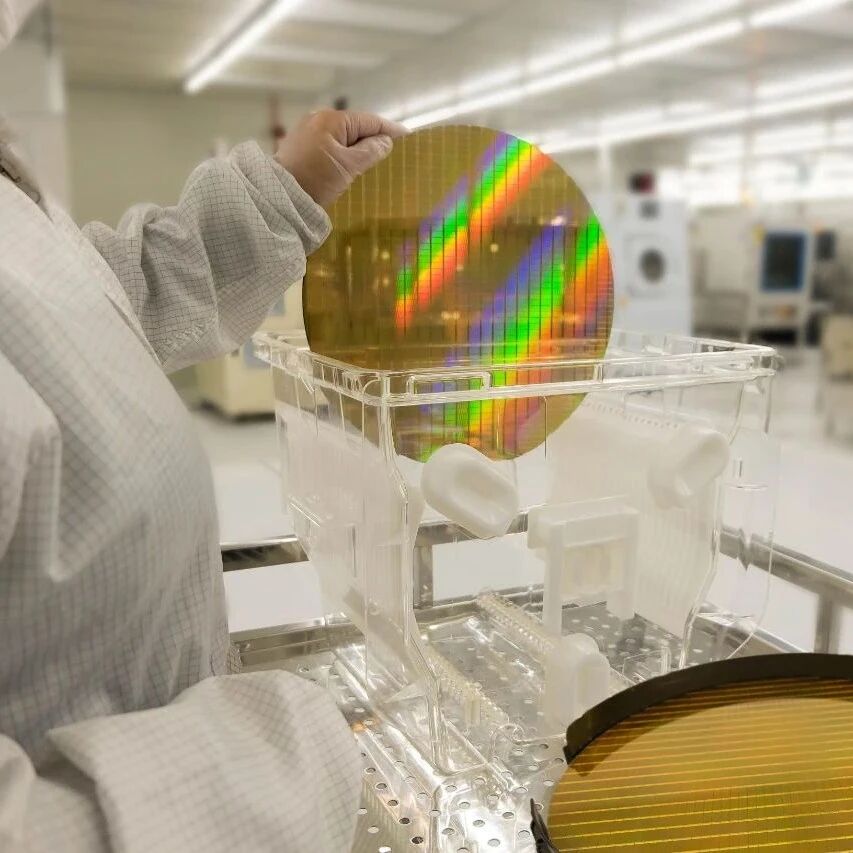
台积电“2纳米芯片关键技术”遭日企员工窃取,3人被起诉!“在星巴克门店翻拍资料时被抓”,检方要求判重刑
新浪财经· 2025-08-29 09:24
Core Points - The article discusses a case involving TSMC (Taiwan Semiconductor Manufacturing Company) where former engineers were accused of stealing critical 2nm technology for commercial gain [2][3][4] - The investigation revealed that the accused used remote work vulnerabilities to access confidential data, leading to the theft of over a thousand images of key process technology [3][4] - TSMC has reported the incident to authorities and has taken measures to monitor and prevent such breaches in the future [4][6] Group 1: Incident Overview - TSMC's former engineer, Chen Liming, allegedly stole critical etching machine data after moving to Tokyo Electron (TEL) [2] - The investigation identified nine individuals involved, including three engineers from TSMC's 2nm trial production and six from the R&D support department [3] - The accused are facing severe penalties, with prison terms ranging from 7 to 14 years for their roles in the theft [2] Group 2: Method of Theft - The theft was facilitated by remote work practices, where employees accessed internal systems improperly [3] - Chen Liming exploited his connections with current TSMC engineers to gain access to sensitive information [3][4] - TSMC's internal monitoring systems detected unusual login patterns, prompting further investigation [3] Group 3: Industry Impact - The incident raises concerns about the security of critical semiconductor technologies, particularly as TSMC, Samsung, Intel, and Rapidus are the only companies actively developing 2nm technology [2][6] - The leak of such core technology could significantly alter the competitive landscape of the global semiconductor industry [2] - TEL, a key partner of Rapidus, has already terminated the employment of the involved Taiwanese engineer and is cooperating with investigations [6]
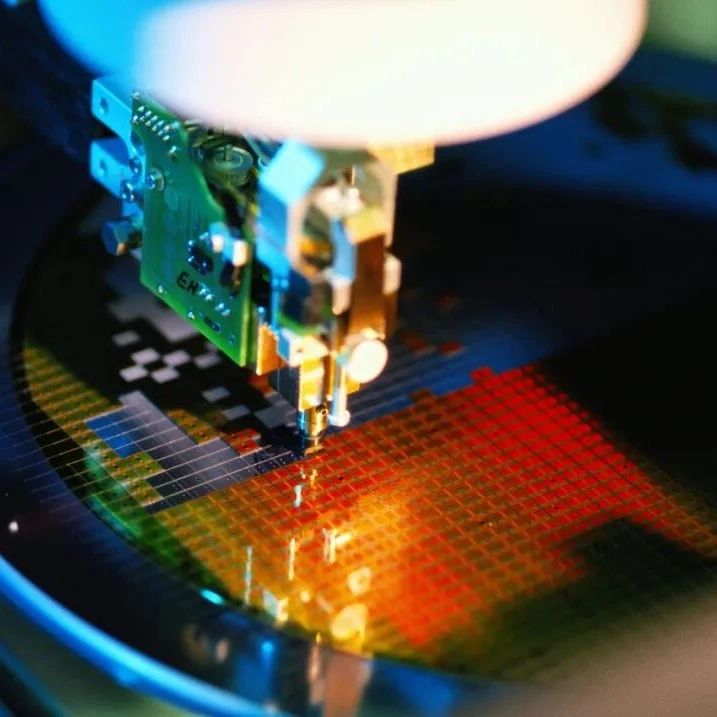
日本2nm,后年量产
半导体行业观察· 2025-08-29 00:44
Core Viewpoint - Rapidus aims to revive Japan's semiconductor industry by achieving mass production of 2nm logic semiconductors by 2027, despite facing significant challenges in funding, technology, and customer acquisition [9][10][12]. Group 1: Company Overview and Goals - Rapidus has successfully developed a 2nm GAA test chip and plans to start mass production in 2027, with a monthly production target of approximately 25,000 wafers at its new IIM-1 factory [3][5]. - The company aims to differentiate itself by having a turnaround time of only 50 days for custom silicon, significantly shorter than the typical 120 days required by competitors [5][6]. - Rapidus has received substantial government support, including 1.72 trillion yen in subsidies, but still needs to secure additional funding to meet its estimated total investment requirement of 5 trillion yen (approximately 34.5 billion USD) [12][13]. Group 2: Challenges to Overcome - Rapidus faces a significant capital demand, with a funding gap that could hinder its production goals, despite efforts to attract private investment [12][13]. - The company must navigate the "valley of death" in technology transfer, as it seeks to implement advanced GAA technology acquired from IBM, which requires a high level of technical maturity [14][15]. - Establishing a strong customer base is critical for Rapidus, as reliable clients can provide stable revenue and insights into market trends, but the company has struggled to secure enough customers since its inception [16][17]. Group 3: Importance of Prototype Production - The upcoming prototype production, scheduled for July, will be crucial for assessing the project's progress and determining future investment and collaboration decisions [19]. - The results from the prototype will help stakeholders, including the Ministry of Economy, Trade and Industry and potential customers, to evaluate whether to adjust their expectations regarding Rapidus's 2nm chip manufacturing goals [19].
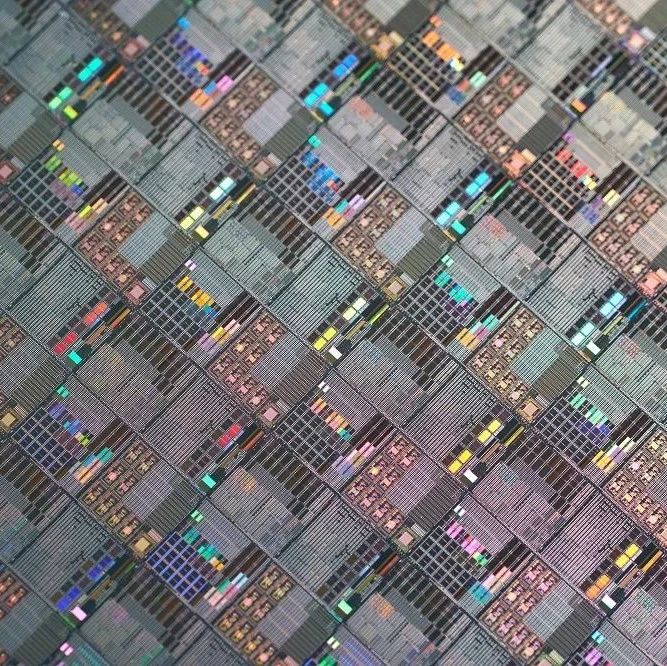
台积电“2纳米芯片关键技术”遭日企员工窃取,3人被起诉!“在星巴克门店翻拍资料时被抓”,检方要求判重刑
Mei Ri Jing Ji Xin Wen· 2025-08-28 13:54
Core Points - Taiwan's "High Prosecutors Office" is investigating a case of technology theft involving TSMC's 2nm core technology, where former engineer Chen Liming allegedly stole data after moving to Tokyo Electron (TEL) [1][3] - The prosecution has charged Chen Liming, along with current TSMC engineers Wu Bingjun and Ge Yiping, with violations of the "Security Law" and trade secrets, seeking prison sentences ranging from 7 to 14 years [1][4] - TSMC is one of only four companies globally, alongside Samsung, Intel, and Rapidus, actively developing 2nm technology, with mass production expected to start in the second half of 2025 [1][3] Investigation Details - The case involves nine individuals, including three engineers from the 2nm trial production and six from the R&D support department, who accessed confidential data during remote work [3][4] - The investigation began when TSMC detected unusual network activity, leading to the discovery of employees improperly accessing internal systems to capture and transmit confidential technology [3][4] - TSMC initially monitored the involved engineers before reporting the case to authorities, resulting in a successful sting operation at a Starbucks where the theft was occurring [4] Industry Impact - The leak of TSMC's core technology could significantly alter the competitive landscape of the global semiconductor industry [1] - TEL, a key partner of Japan's chip initiative Rapidus, has already terminated the employment of a Taiwanese employee involved in the incident and is cooperating with the investigation [4]
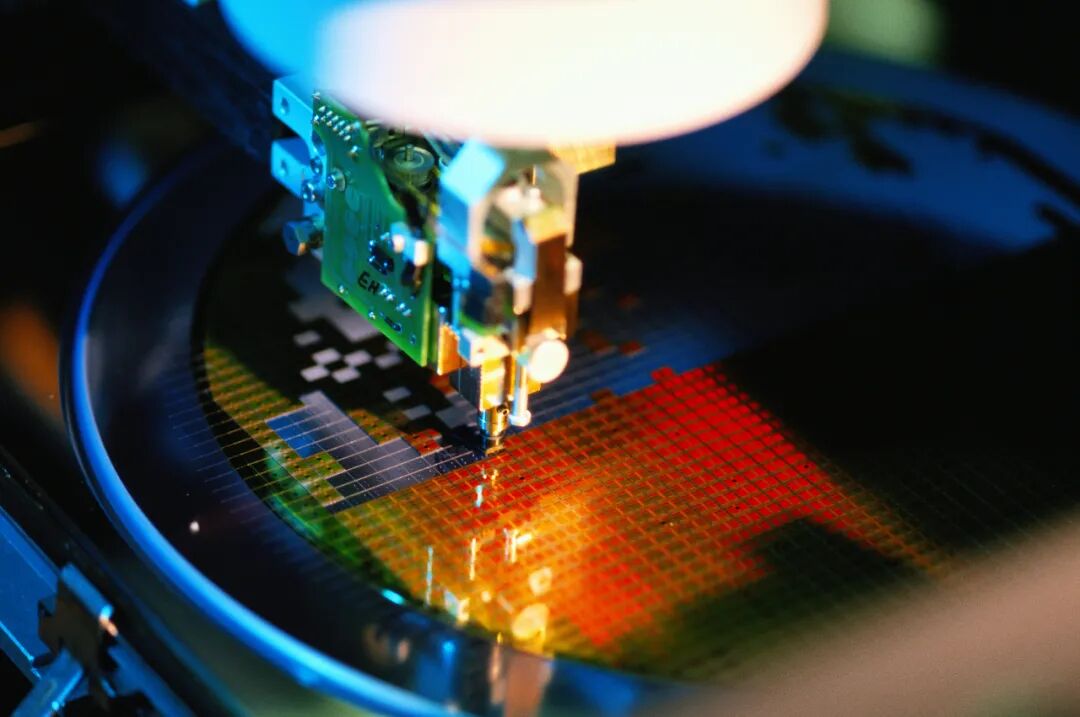
刚刚!台积电工程师恐判刑14年!
国芯网· 2025-08-28 12:12
Core Viewpoint - The article discusses a significant case of technology theft involving TSMC's 2nm chip technology, highlighting the legal actions taken against three engineers accused of stealing sensitive information to benefit Japanese semiconductor companies [2][4]. Group 1: Incident Overview - Three engineers, including a former TSMC employee, have been indicted for stealing TSMC's 2nm chip technology, with prison sentences requested ranging from 7 to 14 years [2][4]. - The main suspect, identified as Chen, previously worked at TSMC and later joined Tokyo Electron (TEL), where he allegedly used his connections to obtain confidential data [4][5]. - The investigation began after TSMC reported unusual access to sensitive files, leading to a raid and the arrest of six individuals, three of whom are considered primary suspects [4]. Group 2: Legal Proceedings - The prosecution has requested a 14-year sentence for Chen, 9 years for Wu, and 7 years for Ge, all of whom have confessed to their involvement [4]. - The case will be transferred to the Intellectual Property and Commercial Court in Taiwan for further proceedings [4]. Group 3: Implications for the Semiconductor Industry - The incident underscores the ongoing challenges of intellectual property protection in the semiconductor sector, particularly as companies like TEL and Rapidus are involved in the case [5]. - This situation may impact the competitive landscape of the semiconductor industry, especially in the context of Japan's push for semiconductor revival [5].

台媒曝台积电“内鬼案”最新进展:3名工程师偷拍机密照仅10余张,并非在咖啡店交货时落网
Huan Qiu Wang· 2025-08-28 03:24
Core Viewpoint - The TSMC "insider case" has progressed with the prosecution of three individuals involved in the theft of confidential 2nm process information, highlighting significant security concerns within Taiwan's semiconductor industry [1][3][4] Group 1: Incident Details - Former TSMC engineer Chen was accused of soliciting two current engineers to steal confidential photos related to TSMC's 2nm process, leveraging personal relationships without payment [3][4] - The prosecution has charged Chen with a potential 14-year sentence, while his accomplices face 9 and 7 years respectively, marking the first case under Taiwan's National Security Law for leaking critical technology [3][4] Group 2: TSMC's Response - TSMC has stated that the accused violated company policies regarding the protection of confidential information, with 12 pages of sensitive business secrets involved in the case [4] - The company maintains a zero-tolerance policy towards breaches of its trade secrets and is committed to strict enforcement of its protective measures [4] Group 3: Industry Implications - The leak of 2nm technology could significantly alter the competitive landscape in the semiconductor industry, particularly for companies like TSMC, Samsung, Intel, and Rapidus, which are currently developing this advanced process [4] - The advanced process relies on highly specialized and modular designs, making it difficult for competitors to replicate without access to critical parameters and conditions [4]
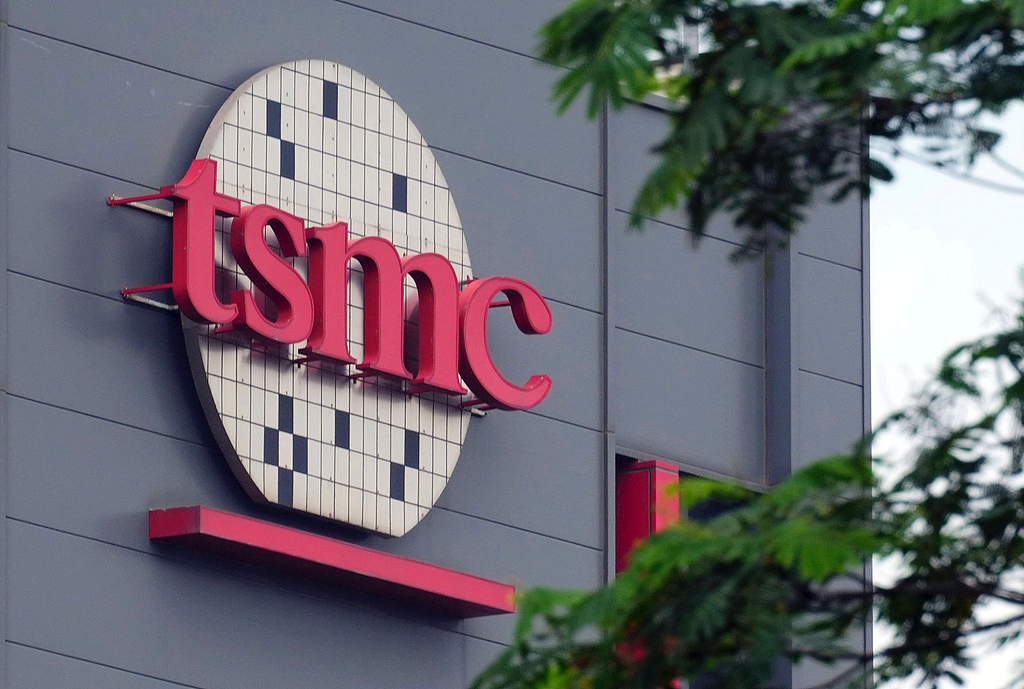
1.4nm,提前启动,台积电杀疯了
半导体行业观察· 2025-08-28 01:14
Core Viewpoint - TSMC is advancing its 1.4nm process technology with significant investments and plans for new facilities, positioning itself as a leader in the semiconductor industry [2][3][12]. Group 1: Investment and Expansion Plans - TSMC's new factory in Central Taiwan is set to begin construction in October, with an estimated total investment of between NT$1.2 trillion (approximately RMB 233.8 billion) and NT$1.5 trillion (approximately RMB 350.8 billion) [2]. - The new facility will include four buildings, with the first expected to complete risk trial production by the end of 2027 and commence mass production in the second half of 2028, potentially generating over NT$500 billion (approximately RMB 116.9 billion) in revenue [2][3]. - TSMC is also planning to build a 1nm advanced process base in Nansha Lun, with an estimated land area of 500 hectares, capable of accommodating up to 10 wafer fabs [3]. Group 2: Technological Advancements - TSMC's A14 process technology, based on second-generation nanosheet gate-all-around transistors, is expected to achieve up to 15% speed improvement at the same power level or a 30% reduction in power consumption at the same speed compared to the N2 process [5][7]. - The A14 technology will enhance logic density by over 20%, showcasing TSMC's commitment to maintaining technological leadership [5][7]. - TSMC plans to introduce the A14 technology in 2028, with potential future versions (A14P and A14X) expected to be released in 2029 [9][11]. Group 3: Competitive Landscape - TSMC's 2nm process is on track for mass production in Q4 2025, with significant demand from major clients such as Apple, AMD, Qualcomm, and Intel, indicating a strong market position [13][14]. - Despite competition from companies like Samsung and Japan's Rapidus, TSMC continues to advance its process technology without disruption, maintaining a leading edge in the semiconductor market [14][16]. - TSMC's production capabilities and customer diversity allow it to support the development and mass production of advanced technologies, further solidifying its market dominance [16].
【太平洋科技-每日观点&资讯】(2025-08-28)
远峰电子· 2025-08-27 12:41
Market Performance - The main board led the gains with notable increases in stocks such as Jishi Media (+10.14%), Yanshan Technology (+10.08%), and Tianrongxin (+10.04) [1] - The ChiNext board saw significant growth with Dongtian Micro (+20.00%) and Longyang Electronics (+20.00%) leading the charge [1] - The Sci-Tech Innovation board also performed well, with Kaipu Cloud (+20.00%) and Lexin Technology (+17.33%) among the top gainers [1] - Active sub-industries included SW Communication Network Equipment and Devices (+3.81%) and SW Digital Chip Design (+1.54%) [1] Domestic News - Chip Power Technology, a Tsinghua-affiliated company, completed nearly 100 million yuan in B2 round financing, focusing on RPP chip industrialization and AI chip inference market expansion [1] - BOE Technology is negotiating with Samsung and other manufacturers for W-OLED panel supply, with a current monthly production capacity of 2,000 units on its 8.5-generation line [1] - Tailin Micro announced plans to acquire equity in Panqi Micro through a share issuance and cash payment, marking a strategic integration in the domestic IoT chip sector [1] - Jiangsu Dongxu Electronics has commenced a semiconductor wafer regeneration project, expected to generate over 1 billion yuan in annual output value upon completion [1] Company Announcements - Shenzhen South Circuit released its 2025 H1 report, achieving total revenue of 10.453 billion yuan, a year-on-year increase of 25.63%, and a net profit of 1.360 billion yuan, up 37.75% [3] - Megmeet Smart reported a total revenue of 1.886 billion yuan for 2025 H1, reflecting a 44.5% year-on-year growth, with a net profit of 84 million yuan, up 151.38% [3] - Gaweida's 2025 H1 report showed total revenue of 520 million yuan, a 2.74% increase year-on-year, and a net profit of 14 million yuan, up 60.35% [3] - In the same period, Yinjixin reported total revenue of 702 million yuan, a 13.42% year-on-year increase, with a net profit of 52 million yuan, up 32.96% [3] Overseas News - IQE plc has successfully developed a scalable epitaxial process as part of a year-long project [3] - Counterpoint Research estimates that the global semiconductor market revenue will exceed 1 trillion dollars by 2030, nearly doubling from 2024, driven by Agentic AI and Physical AI [3] - TSMC plans to stop using chip manufacturing equipment from mainland Chinese suppliers in its advanced 2nm fab to avoid potential U.S. technology restrictions [3] - Rapidus has signed a strategic partnership with Keysight Technologies' Japanese subsidiary to co-develop high-precision process design kits, with plans to release the first kits to customers in Q1 2026 [3]
搞了半天,台积电的机密是日本偷的?
Hu Xiu· 2025-08-26 09:50
Core Points - TSMC, the leading global semiconductor foundry, is facing a significant scandal involving the alleged theft of its 2nm process technology, initially suspected to be linked to mainland China, but later investigations revealed connections to Japanese companies [1][3][4] - TSMC holds a market share of 67.6% in the semiconductor industry, with major clients including Apple, NVIDIA, and AMD, making its 2nm technology crucial for future competitiveness in smartphones and AI chips [1][2] Group 1: Incident Overview - TSMC reported unusual file access within its internal monitoring system, leading to a criminal investigation by Taiwan's prosecutors, resulting in the arrest of six individuals, including two current engineers and one former employee [3][4] - The arrested individuals allegedly used company-issued laptops to access confidential data and employed covert methods, such as photographing sensitive documents, to transfer information to Tokyo Electron (TEL) and Rapidus, two Japanese companies [6][4] Group 2: Implications for the Semiconductor Industry - The incident has shifted public perception, highlighting that technology leaks can occur between allies, not just adversaries, and raising concerns about the competitive landscape in the semiconductor sector [8][10] - Rapidus, a company backed by the Japanese government, aims to challenge TSMC and other industry leaders by producing 2nm chips by 2027, making the potential acquisition of TSMC's technology particularly advantageous for its growth [9][10] Group 3: Geopolitical Context - The semiconductor industry is increasingly viewed as a battleground for geopolitical interests, with the U.S. pushing for domestic chip production and Japan seeking to revive its semiconductor sector through initiatives like Rapidus [10][12] - The incident underscores the complexities of trust and competition in the semiconductor field, where even allied nations may engage in espionage to secure technological advantages [12][17]
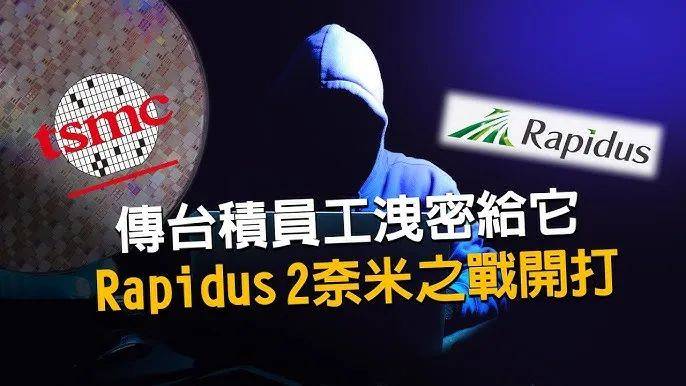
X @The Economist
The Economist· 2025-08-25 03:00
Rapidus, a Japanese semiconductor firm, wants to catch up with global pace-setters. Its success hinges on meeting three big challenges https://t.co/mcWqAikT9i ...