欧莱雅集团

Search documents
美护商社行业周报:双十一预售开启,海南离岛免税政策调整落地-20251020
Guoyuan Securities· 2025-10-20 14:14
Investment Rating - The report maintains an "Overweight" rating for the industry, with a focus on new consumption sectors such as beauty care, IP derivatives, and gold jewelry [5][29]. Core Insights - The report highlights the positive performance of the beauty care sector during the Double Eleven pre-sale event, with significant sales figures and increased visitor traffic in live-streaming sessions [3][23]. - The adjustment of the Hainan offshore duty-free shopping policy is expected to expand the range of duty-free products and enhance consumer spending [3][23]. - The overall market performance for the week showed mixed results, with retail, social services, and beauty care sectors experiencing declines, while jewelry and general retail sectors performed positively [14][16]. Summary by Sections Market Performance - For the week of October 13-17, 2025, the commerce retail, social services, and beauty care sectors saw declines of 0.45%, 1.72%, and 2.53% respectively, ranking 6th, 11th, and 17th among 31 primary industries [14][16]. - The Shanghai Composite Index fell by 1.47%, while the Shenzhen Component Index and CSI 300 Index dropped by 4.99% and 2.22% respectively [14][16]. Key Industry Events and News - The Ministry of Finance and other authorities announced adjustments to the Hainan offshore duty-free shopping policy, effective November 1, 2025, which includes expanding the range of duty-free products and changing the age requirement for duty-free shopping [3][23]. - The Double Eleven pre-sale event on Tmall saw 14 beauty products surpassing 100 million yuan in sales within the first four hours, with significant growth in visitor numbers during live-streaming sessions [3][23]. - LVMH reported a recovery in the Chinese market during the third quarter, while Kering is in negotiations to sell its beauty division to L'Oreal [3][23]. Investment Recommendations - The report recommends focusing on companies such as Shangmei Co., Juzi Bio, Marubi, Runben, Proya, Chaohongji, and Furuida within the beauty care and new consumption sectors [5][29].


开云40亿欧元将美妆卖给欧莱雅,还有古驰的50年授权
第一财经· 2025-10-20 14:03
Core Viewpoint - The new CEO of Kering Group has initiated a significant strategic shift by selling Kering Beauté to L'Oréal for €4 billion, marking a move towards focusing on core luxury goods while alleviating financial pressures [1][9]. Group 1: Transaction Details - Kering Group announced the sale of Kering Beauté to L'Oréal for €4 billion, with the transaction expected to complete in the first half of 2026 [1][3]. - The deal includes the acquisition of the high-end perfume brand Creed and a 50-year exclusive licensing agreement for producing beauty products for Kering's brands like Gucci and Balenciaga [3][10]. - Kering Beauté accounted for only 2% of Kering's total revenue, highlighting its limited impact on the overall business [4][9]. Group 2: Strategic Implications - The sale reflects a broader trend in the luxury sector, where brands are shifting from a "brand-led" model to a "platform-led" approach, focusing on creativity and brand value while outsourcing operations to specialized groups [3][9]. - Kering's decision to divest non-core businesses is seen as a rational adjustment to enhance financial stability and focus on its primary luxury goods segment [9][10]. - The cash influx from the sale will help Kering address its growing debt, which reached €9.5 billion by mid-2023 [8][9]. Group 3: Market Context - The luxury goods sector has faced challenges, with Kering experiencing a 16% revenue decline to €7.587 billion and a 46% drop in net profit to €474 million in the first half of 2025 [8][9]. - L'Oréal's acquisition aligns with its strategy to strengthen its position in the high-end beauty market, where it has been expanding its portfolio of luxury brands [10][13]. - The global perfume market is projected to grow, with estimates suggesting it will exceed $400 billion by 2025, indicating potential for future growth in this segment [13].

法国开云集团同意将美妆业务出售给欧莱雅
Sou Hu Cai Jing· 2025-10-20 13:29
Core Points - Kering Group has agreed to sell its beauty division to L'Oréal for €4 billion, approximately ¥33.2 billion, to address debt issues and refocus on its core fashion business [1][2] - The deal marks L'Oréal's largest acquisition to date and is expected to be completed in the first half of 2026 [1] - The agreement includes the acquisition of the Creed fragrance brand and a 50-year exclusive license for Kering's brands Gucci, Bottega Veneta, and Balenciaga for fragrance and beauty product development, production, and distribution [1] Financial Context - Kering's net debt stood at €9.5 billion, approximately ¥79 billion, as of June 30, with an additional €6 billion, about ¥49.9 billion, in long-term lease liabilities [2] - The company's revenue declined by 16% year-on-year in the first half of the year, and net profit fell by 46%, with Gucci's growth struggling to reverse, increasing pressure on the group [2] - Luca de Meo, the newly appointed CEO of Kering, has committed to measures including business rationalization and potential restructuring to reduce the group's debt [2]

开云40亿欧元将美妆卖给欧莱雅,还有古驰的50年授权
Di Yi Cai Jing· 2025-10-20 13:11
Core Viewpoint - Kering Group has agreed to sell its beauty division to L'Oréal for €4 billion, marking a significant strategic shift under the new CEO, aimed at reducing debt and focusing on core luxury goods [1][7]. Group 1: Transaction Details - The sale includes the high-end perfume brand Creed and a 50-year exclusive licensing agreement for producing beauty products for Kering's brands like Gucci, Balenciaga, and Bottega Veneta [3]. - The transaction is expected to be completed in the first half of 2026 [1]. Group 2: Financial Context - Kering's beauty segment accounted for only 2% of its total revenue, which highlights its limited contribution to the overall business [4]. - Kering's revenue fell by 16% to €7.587 billion in the first half of 2025, with net profit dropping 46% to €474 million [6]. - Kering's debt reached €9.5 billion by mid-2023, prompting the need for financial restructuring [6]. Group 3: Industry Trends - The acquisition signifies a shift from brand-led to platform-led ecosystems in the luxury and beauty sectors, with brands focusing on creativity and brand value while outsourcing operations to specialized groups [3][7]. - The luxury sector is experiencing intensified competition, leading companies to divest non-core businesses and concentrate on primary areas like leather goods and high fashion [7]. Group 4: L'Oréal's Strategy - L'Oréal aims to enhance its position in the high-end beauty market by integrating multiple luxury brands into its portfolio, following its successful acquisition of Yves Saint Laurent's beauty business in 2008 [8]. - L'Oréal's fragrance division has shown strong growth, with a reported 11% increase in sales, indicating a robust market potential [10].
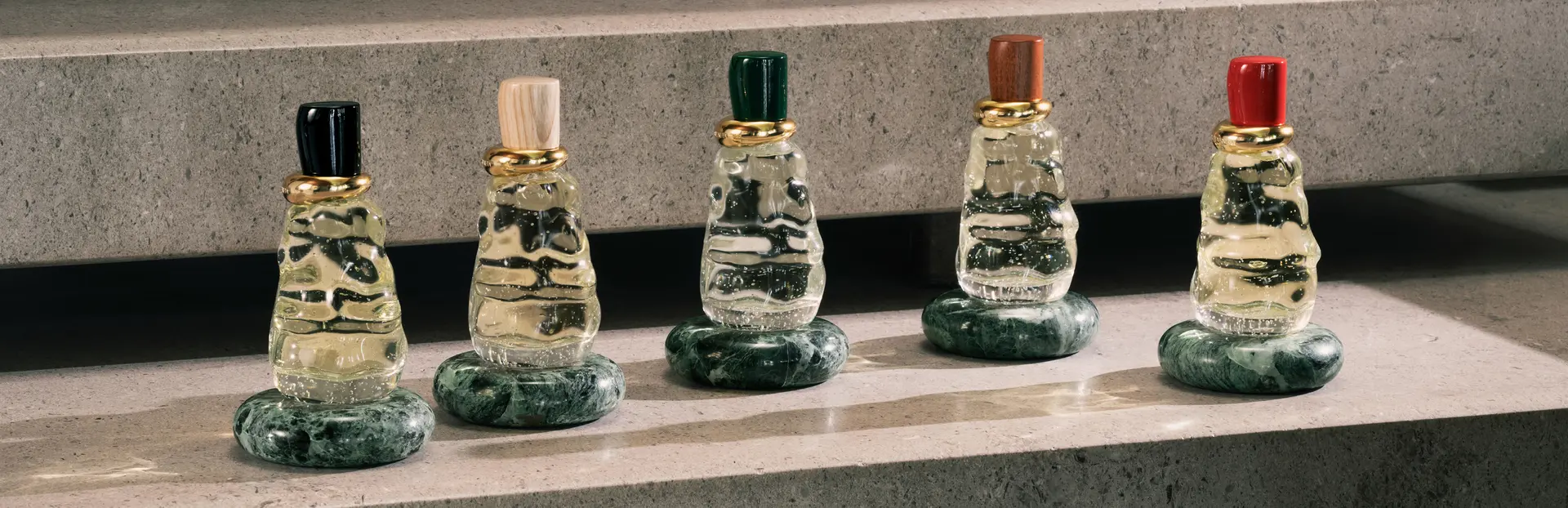
40亿欧元交易引奢侈品美妆变局:开云“回血”、欧莱雅“扩局”、科蒂2028年失Gucci授权,但赢家难定
Mei Ri Jing Ji Xin Wen· 2025-10-20 11:58
Core Viewpoint - Kering Group announced a significant transaction with L'Oréal Group, involving the sale of its fragrance and beauty division for a total of €4 billion (approximately ¥33.2 billion), which includes the acquisition of the Creed brand and a 50-year exclusive licensing agreement for several luxury brands [1][6]. Group 1: Transaction Details - The agreement allows L'Oréal to acquire the Creed brand and obtain exclusive rights to develop, produce, and distribute beauty products for Gucci, Bottega Veneta, and Balenciaga [1][6]. - The transaction is expected to be completed in the first half of 2026 and will be paid in cash [1][6]. - Kering's beauty division, which was established in 2023, has shown high growth potential, making the sale surprising to industry experts [2][9]. Group 2: Financial Implications - The sale is seen as a way to alleviate Kering's financial pressure, especially as the company has faced declining revenues, with a 15% drop in Q2 revenue to €3.7 billion [7][9]. - Kering's beauty division generated €323 million in revenue in 2024, primarily from Creed, indicating its importance to the group's overall performance [3][9]. - The sale may provide Kering with more resources to focus on its core brands, particularly Gucci, which has been experiencing a decline in sales [7][9]. Group 3: Market Reactions and Future Outlook - Industry experts express skepticism about the sale, suggesting it may hinder Kering's diversification strategy and limit future growth opportunities in the luxury market [2][9]. - The acquisition price of €4 billion is considered high for a company and brands that are perceived to be past their peak, raising concerns about the long-term value of the investment for L'Oréal [6][10]. - The sale will also impact Coty Group, which currently holds the licensing rights for Gucci beauty products until 2028, potentially leading to strategic shifts for Coty following the loss of this key brand [11][14].
开云集团拟将美妆业务出售;LVMH三季报反弹
2 1 Shi Ji Jing Ji Bao Dao· 2025-10-20 10:46
Group 1: Strategic Adjustments in the Fashion and Luxury Industry - Kering Group is reportedly planning to sell its beauty division to L'Oréal for approximately €4 billion, indicating a strategic shift towards optimizing debt structure and focusing on core assets [1][2][3] - EssilorLuxottica experienced an 11.7% increase in third-quarter revenue, reaching €6.87 billion, driven by the launch of smart glasses in collaboration with Meta, highlighting the integration of technology and fashion as a growth engine [1][7] Group 2: Regulatory Challenges and Brand Governance - Gucci, Loewe, and Chloé were fined over €157 million by the EU for price manipulation, reflecting increasing regulatory scrutiny on luxury brand pricing practices [1][11][12] Group 3: Financial Performance and Market Recovery - LVMH reported a surprising rebound in third-quarter performance, with revenues at €18.2 billion, a 1% organic growth, primarily driven by a 2% increase in the Asia-Pacific market, particularly China [1][18][19] - Brunello Cucinelli's revenue grew by 10.8% to €1.0192 billion in the first nine months of 2025, with a strong performance in the Chinese market, which is expected to contribute more significantly to future growth [1][14] Group 4: Leadership Changes and Brand Evolution - Véronique Nichanian, the creative director of Hermès menswear for 37 years, has left the company, marking a significant transition in the brand's creative direction [1][20][21] - Giorgio Armani Group appointed Giuseppe Marsocci as CEO and Silvana Armani as Vice President, aiming to blend family legacy with professional expertise in the leadership structure [1][23]

开云集团拟将美妆业务出售;LVMH三季报反弹丨二姨看时尚
2 1 Shi Ji Jing Ji Bao Dao· 2025-10-20 10:39
Group 1: Strategic Adjustments in the Fashion and Luxury Industry - Kering Group is reportedly planning to sell its beauty division to L'Oréal for approximately €4 billion, indicating a strategic shift towards optimizing debt structure and focusing on core assets [1][2] - EssilorLuxottica has experienced significant growth driven by the launch of smart glasses in collaboration with Meta, with Q3 revenue exceeding expectations at €6.87 billion, reflecting a 11.7% increase [5][6] Group 2: Regulatory Challenges and Market Dynamics - Gucci, Loewe, and Chloé have been fined over €157 million by the EU for price manipulation, highlighting increasing regulatory scrutiny in the luxury sector [8][9] - LVMH reported a surprising rebound in Q3 performance, with a 1% organic growth despite a 4% decline in total revenue, driven by a recovery in the Chinese market [13][14] Group 3: Company Performance and Growth Prospects - Brunello Cucinelli expects a 10% increase in total revenue for the year, with strong growth in the Chinese market contributing to this positive outlook [10] - Reebok's revenue for 2024 grew by 9.4% to $302.49 million, with net profit also increasing, driven by global business growth and improved licensing performance [4][5] Group 4: Leadership Changes and Brand Management - Véronique Nichanian, the creative director of Hermès menswear, has announced her departure after 37 years, marking a significant transition for the brand [14][15] - Giorgio Armani Group appointed Giuseppe Marsocci as CEO and Silvana Armani as Vice President, aiming to blend family legacy with professional expertise in leadership [16]
40亿欧元售出!开云集团宣布,欧莱雅接盘
Zhong Guo Ji Jin Bao· 2025-10-20 09:32
Core Insights - Kering Group has announced the sale of its beauty business to L'Oréal for €4 billion, marking a significant strategic shift after a two-year investment in the beauty sector [2][4] - The transaction includes the acquisition of the Creed perfume brand and beauty licenses for Gucci, Bottega Veneta, and Balenciaga, with completion expected in the first half of 2026 [2][4] Strategic Shift - The decision to sell was driven by new CEO Luca de Meo, who has implemented major reforms within a short period, including leadership changes and restructuring [4] - The agreement outlines three key areas: acquisition of Creed, management of beauty licenses for luxury brands, and a joint venture to explore opportunities in health and longevity [5] Financial Context - Kering faces significant financial pressure, with net debt reaching €9.5 billion and long-term lease liabilities of €6 billion as of June 2025 [6] - Gucci's performance has been declining, with operating profit dropping 52% to €486 million and revenue falling 16% to €7.587 billion in the first half of 2025 [6] Market Dynamics - Despite Kering's beauty segment achieving a 9% growth rate in the first half of 2025, this was insufficient to alleviate the overall financial challenges faced by the group [6] - The sale is seen as a strategic move to reduce debt and streamline operations, as luxury beauty businesses typically require significant investment and time to develop [6][8] Industry Implications - The sale signals a potential shift in luxury brand strategies, with Kering's partnership with L'Oréal indicating a trend towards equity collaborations rather than traditional licensing or self-managed beauty divisions [8] - The luxury beauty market has been one of the fastest-growing segments, and the collaboration aims to leverage L'Oréal's expertise while maintaining the luxury brand's identity [7][8]
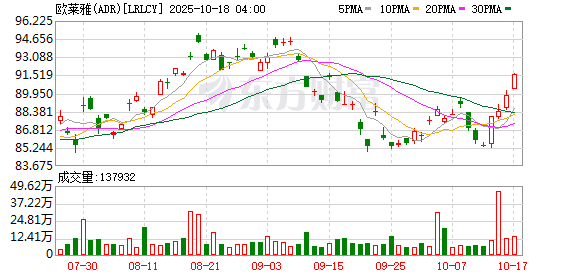
40亿欧元售出!开云集团宣布,欧莱雅接盘
中国基金报· 2025-10-20 09:11
Core Viewpoint - Kering Group has dramatically shifted its beauty strategy by selling its beauty business to L'Oréal for €4 billion, including the Creed perfume brand and beauty licenses for Gucci, Bottega Veneta, and Balenciaga, signaling a strategic retreat from the beauty sector [2][4][5]. Group 1: Strategic Shift - The decision to sell was driven by new CEO Luca de Meo, who has implemented significant reforms within a short time, contrasting with the previous aggressive expansion into the beauty sector [4][5]. - The agreement includes three key components: L'Oréal acquiring Creed, taking over beauty licenses for Gucci, Bottega Veneta, and Balenciaga, and exploring opportunities in health and longevity together [5][6]. Group 2: Financial Context - Kering faces severe financial pressure, with net debt reaching €9.5 billion and long-term lease liabilities of €6 billion as of June 2025, raising concerns among investors [9]. - Gucci's performance has been declining, with operating profit dropping 52% to €486 million and revenue falling 16% to €7.587 billion in the first half of 2025 [9]. - Despite Kering's beauty segment showing a 9% growth in the same period, it is insufficient to alleviate the overall financial challenges faced by the group [9]. Group 3: Market Implications - The sale reflects a broader trend in the luxury sector, where beauty products are seen as a key growth area, yet Kering's decision indicates a shift towards more strategic and refined decision-making in brand management [11][12]. - The collaboration model between Kering and L'Oréal may set a new trend in the industry, focusing on equity partnerships and joint ventures to maintain brand integrity while leveraging operational expertise from beauty companies [12].

今年美妆最大并购诞生
投资界· 2025-10-20 08:01
Core Viewpoint - Kering Group and L'Oréal Group have announced a long-term strategic partnership in the luxury beauty and health sector, with a total deal value of €4 billion (approximately ¥332 billion), marking the largest acquisition in the beauty sector this year [4][11]. Group 1: Details of the Agreement - The agreement consists of three main parts: Kering will sell its beauty business, including the Creed brand, to L'Oréal, along with a 50-year licensing agreement for Kering's iconic perfume brands [9][10]. - Creed, a historic perfume brand founded in 1760, was acquired by Kering for €3.5 billion just four months prior to this deal, indicating a rapid change in ownership [9][12]. - L'Oréal will also receive exclusive rights for the development, production, and distribution of Gucci's beauty products, as well as a 50-year exclusive license for the creation and distribution of Bottega Veneta and Balenciaga's beauty products [10][11]. Group 2: Strategic Implications - This partnership reflects Kering's need to alleviate financial pressure and focus on its core business, as the company faces declining revenue and a significant net profit drop of 62% [11][12]. - L'Oréal's aggressive expansion strategy is highlighted by this acquisition, positioning the company as a major player in the rapidly growing high-end perfume market [13][14]. - The collaboration will also explore business opportunities at the intersection of luxury goods, health, and longevity, with plans to establish a 50-50 joint venture [11][12]. Group 3: Market Context - L'Oréal has been actively acquiring brands to strengthen its position in the beauty market, including recent acquisitions of luxury brands and investments in emerging markets [13][14]. - The company has a history of building its empire through strategic acquisitions, with a diverse portfolio of over 50 brands across various beauty segments [15].