菜鸟

Search documents
一个浙江小城,为什么跑出了“快递四巨头”?
创业邦· 2026-01-06 10:05
Core Viewpoint - The article highlights the rise of the express delivery industry in China, particularly focusing on the "Three Links and One Reach" (Shentong, Yunda, Yuantong, and Zhongtong) and their roots in the small county of Tonglu, Zhejiang, which is recognized as the "Hometown of Private Express" in China [6][7][12]. Group 1: Industry Overview - The "Three Links and One Reach" companies dominate the Chinese express delivery market, holding over 60% market share as of 2024 [6]. - Tonglu County is set to become a significant logistics hub with the establishment of "Tongda Future City," which will house the second headquarters of the "Three Links and One Reach" companies [9][10]. - The logistics industry in Tonglu is expected to form a large industrial cluster, attracting numerous upstream and downstream enterprises [12][56]. Group 2: Historical Context - The founders of the "Three Links and One Reach" companies originated from Tonglu, with a notable figure being Nie Tengfei, the founder of Shentong, who is regarded as the pioneer of private express delivery in China [14][17][22]. - The express delivery business began in the early 1990s, with Shentong being one of the first private companies to break the monopoly of the postal service [22][23]. - The initial success of Shentong was driven by a small team that effectively utilized local resources and community trust to expand their operations [27][36]. Group 3: Recent Developments - The "Tongda Future City" project, with a total investment of 13 billion yuan, aims to integrate technology and logistics, featuring various headquarters and innovation centers [52][54]. - The city is expected to focus on technological innovation, with companies like Chenchen Technology and Zhejiang Inline Power establishing operations to enhance logistics efficiency [56][57]. - The development of "Tongda Future City" represents a significant shift from labor-intensive to technology-driven logistics solutions, showcasing the evolution of the industry in Tonglu [63].



下一片出海热土,为什么还是中东?
3 6 Ke· 2026-01-05 08:37
Core Insights - The article highlights the ongoing growth and strategic evolution of Chinese enterprises in the Middle East, transitioning from initial market entry to deeper local integration and sustainable operations [1][2][3]. Group 1: Market Trends and Developments - Chinese companies are increasingly focusing on the Middle East, with nearly 90% of surveyed firms planning to enter or deepen their presence in the region, and 44% having detailed business plans, a 7% increase from 2022 [1]. - The profitability of Chinese enterprises in the Middle East has improved, with 40% reporting profits, up 9% from 2022, while the proportion of loss-making companies has decreased to 15% [1]. - The revenue from Middle Eastern operations for over 30% of companies now accounts for more than 20% of their total income, an increase of 8% from 2022 [1]. Group 2: Strategic Shifts in Operations - Chinese firms are moving from a focus on product exports to establishing regional headquarters, supply chain capabilities, and localized operational systems, indicating a shift towards platform-based and ecosystem-oriented business models [2][9]. - The competitive landscape in the Middle East is evolving, with a focus on long-term local integration rather than merely selling products [2][3]. Group 3: Investment and Economic Diversification - The GCC countries are forming an interconnected hub network, allowing Chinese companies to leverage the strengths of different nations for a complementary business approach [10][11]. - Countries like Bahrain and Oman are actively seeking Chinese investments, with Bahrain positioning itself as a strategic hub due to its geographical advantages [11][13]. Group 4: Capital Market Adjustments - Middle Eastern capital is shifting from aggressive expansion to more cautious, focused investments, particularly in high-potential sectors like entertainment and green energy, while scaling back on longer-term, high-cost projects [21][25]. - The Saudi stock market has faced challenges, with IPO financing dropping over one-third in 2025, marking the lowest level since 2020 [21][25]. Group 5: Consumer Behavior and Market Opportunities - The rise of a new middle class in the Middle East is driving changes in consumer preferences, with a focus on experience, quality, and local products [37][39]. - The demand for local brands is increasing, with 20% of consumers willing to pay the same or higher prices for domestic products compared to international brands [45][46]. Group 6: Tourism and Cultural Shifts - The Middle East is leveraging tourism as a key pillar for economic diversification, with Saudi Arabia and the UAE implementing significant initiatives to attract international visitors [50][52]. - The region is witnessing a cultural shift, with Saudi Arabia relaxing traditional restrictions to enhance its appeal as a tourist destination [52][53].

2025出海盘点:下一片出海热土,为什么还是中东?
Xin Lang Cai Jing· 2026-01-05 08:25
文 | 霞光社 李小天 "在国内舆论场看似'悄无声息'的背后,实则是中企扎根中东本土、默默深耕的上升期。" 蓝色光标沙特国家经理刘丹如,在与霞光社的交流中如是说道。 的确,相比较前两年,中企蜂拥而上、接踵而至的热度与盛况,刚刚过去的2025年,中东在出海赛道的声量有所回落。与此同时,拉美市场风头正劲 —— Keeta 强势进军巴西、Temu 访问量反超美客多等动态频出,持续吸引行业目光。 但中东在国内舆论场的日趋"低调",不代表其发展按下暂停键 —— 相反,诸多实质性进展正在悄然发生。 普华永道 2025 年调研数据提供了有力佐证:近九成受访中资企业计划进入或继续深耕中东市场,其中 44% 已制定详细商业计划,这一比例较 2022 年提高 了 7 个百分点。从经营成果来看,40% 的受访企业实现盈利,较 2022 年大幅提升 9 个百分点,而亏损企业占比降至 15%;超三成企业的中东业务收入占整 体收入比例达 20% 以上,这一占比也较 2022 年提高 8 个百分点。 数据直观印证:中东市场已步入精耕细作的"静默增长期"。 对此,卡塔尔投资局大中华区总监司君桀在与霞光社的交流中谈到,中国企业在海湾地区的落地 ...
向新、向智、向全球:2025中国快递业的突围与重塑 | 刻度2025
Sou Hu Cai Jing· 2025-12-31 12:46
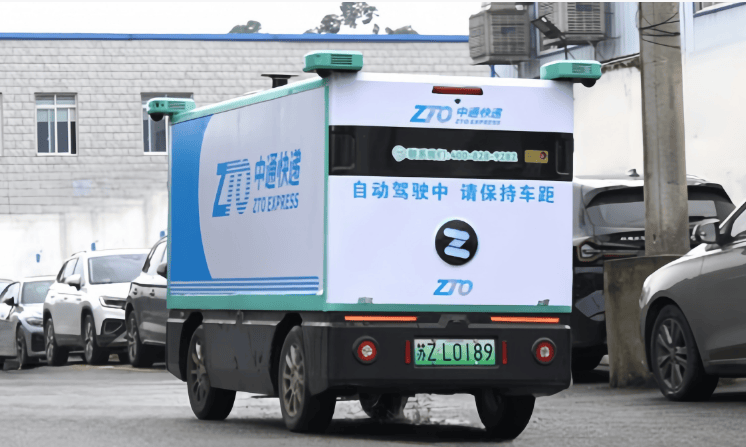
Core Insights - The Chinese express delivery industry has shown resilience, with express business volume exceeding 180 billion pieces and revenue reaching 1.355 trillion yuan in 2025, marking a year-on-year growth of 14.9% and 7.1% respectively [1] - The industry is undergoing a structural transformation, shifting focus from quantity to quality, characterized by smart, green, and globalized operations [1] Group 1: Industry Growth and Transformation - In 2025, the express delivery business volume reached 1.807 billion pieces, reflecting a robust growth rate of 14.9% [1] - The revenue from express delivery services also increased to 1.355 trillion yuan, indicating a growth of 7.1% [1] - The industry is transitioning from a focus on speed and volume to an emphasis on quality and efficiency, driven by technological advancements [1] Group 2: Technological Advancements - Unmanned delivery vehicles have become commonplace, with Zhongtong deploying a fleet of 3,000 vehicles across over 260 cities, delivering more than 8 million packages daily [2] - AI technologies are being integrated across the entire logistics chain, enhancing efficiency and reducing costs for major companies like Yunda, SF Express, and JD Logistics [5][9] - JD Logistics' Super Brain 2.0 system utilizes deep learning and optimization techniques to improve decision-making and operational efficiency [9] Group 3: Global Expansion Strategies - Chinese express giants are shifting their focus to overseas markets as domestic growth slows, with strategies evolving from serving Chinese cross-border e-commerce to building local supply chain networks [10][11] - Companies like Jitu Express and Cainiao are expanding their presence in Southeast Asia and Europe, with significant increases in package volume and service offerings [11] Group 4: Rural and Green Development - The "Express into Village" initiative has achieved 100% coverage in rural logistics networks, significantly increasing the volume of packages delivered to rural areas [13] - The revised express delivery regulations emphasize green packaging and sustainable practices, pushing companies to adopt eco-friendly solutions [14] - The integration of express services with rural e-commerce is enhancing economic activity in rural areas, with significant increases in agricultural product shipments [13] Group 5: Future Challenges and Opportunities - The industry faces challenges in balancing automation with job stability, localizing services in international markets, and ensuring sustainable business practices during the green transition [15] - The transformation of the express delivery sector is not just about package delivery but also about enhancing connectivity, efficiency, and the future economic landscape [15]
大撤退,快递驿站,越来越难做了
3 6 Ke· 2025-12-30 23:17
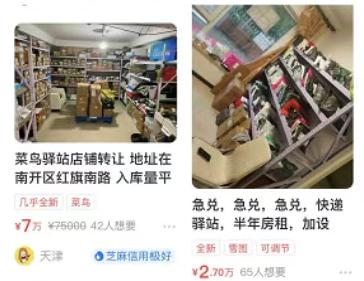
谁能想到,就在几年前,快递驿站还是普通人,挤破头想进的"低门槛造富赛道"。 那时候的驿站,真的是"10平米小店,月入3万不是梦"。 但如今,正如一位大V所说: 当一个行业靠"低门槛"野蛮生长,神话的崩塌只是时间问题。 于是,这两年,你会发现一个扎心的现象: 全国各地的快递驿站,转让信息铺了满屏。 "急转"、"低价"、"接手即做"的字眼随处可见,转让费低到一两万,都难寻接盘侠。 据2025年上半年,行业实测数据显示: 全国18.7万家快递驿站里,超半数都在亏损; 且平均存活周期,从2.3年直接暴跌到11个月; 开店半年倒闭率,高达43%,近六成驿站活不过一年。 甚至有网友调侃:"如果和谁有仇,就一定要推荐他做快递驿站"。 从曾经被捧为 "社区印钞机"的快递驿站,到如今走到了无人接盘的地步,这中间到底发生了什么? 下面我们一起聊聊! 快递驿站现在有多难? 如果,稍微遇到单量下滑、罚款增加,那直接就亏了。 现在很多驿站老板自嘲:"我们不是在开店,是在付费给快递公司打工。" 1、大多数的快递驿站,不仅不赚钱,甚至倒赔钱 快递驿站的盈利模式,其实比较单一,主要依赖派件费和寄件费。 早年派件费,能有5-8毛/件,而现在呢 ...
2025汽车行业年鉴|供应链篇:整零深度绑定、场景决定未来
Jing Ji Guan Cha Wang· 2025-12-30 10:23
Core Insights - In 2025, the Chinese automotive industry will experience a deepening transformation towards intelligence, shifting the supply chain from "price competition" to "value competition" and evolving towards a "fully intelligent ecosystem co-construction" [2] - Level 3 autonomous vehicles will be legally operational in China, marking a significant milestone for companies like Robotaixi, which is expected to achieve profitability [2] - The supply chain's global competitiveness will accelerate as the intelligent wave drives the evolution from component assembly to technological ecosystems, with advancements in areas like unmanned delivery and flying cars [2] Group 1: Industry Trends - The most notable feature of the automotive intelligent supply chain in 2025 will be "ecological integration" replacing "single-point cooperation," with leading automakers and core suppliers forming deep collaborative barriers through strategic investments and equity binding [3] - Capital injection is crucial for resource binding, exemplified by Chery and Luxshare's joint investment of $100 million in Lightyear, and other strategic investments by major players like FAW and Geely [3] - The restructuring of major automotive companies, such as Changan becoming a new central enterprise, will lead to the establishment of intelligent manufacturing and asset management platforms [3] Group 2: Technological Advancements - Core suppliers are transitioning from "component providers" to "full-stack solution enablers," with companies like Huawei leading the charge in defining products and channels through their HarmonyOS [4] - The implementation of a 60-day payment term by major automakers aims to restore the credit system within the supply chain, fostering a shift from competition to strategic partnerships [4] - Significant regulatory changes include the mandatory adoption of Advanced Emergency Braking Systems (AEBS) and the introduction of stringent safety standards for power batteries [5] Group 3: Commercialization and Market Expansion - The commercialization of Level 4 autonomous driving technology is entering a verification phase, with the Ministry of Industry and Information Technology granting licenses for Level 3 systems to specific models [6] - The Robotaxi sector is witnessing critical breakthroughs, with companies like Pony.ai and WeRide achieving dual listings and significant advancements in autonomous driving systems [6] - Unmanned delivery is transitioning from pilot projects to large-scale applications, with companies like New Stone and JD Logistics deploying thousands of unmanned vehicles [7] Group 4: Challenges and Future Outlook - Despite significant breakthroughs in 2025, the Chinese automotive supply chain faces three major challenges: reliance on external sources for raw materials like lithium and cobalt, dependency on imported chips, and limitations in foundational software technologies [8]

快递纸箱的“不坏金身”如何炼成? 菜鸟揭晓背后的绿色供应链
Mei Ri Shang Bao· 2025-12-29 22:17
Core Viewpoint - The article highlights the advancements in packaging technology by Cainiao, focusing on the development of green packaging solutions that enhance product protection while reducing environmental impact [2][4]. Group 1: Packaging Testing and Development - Cainiao's green packaging laboratory conducts rigorous testing on packaging materials, including drop tests from heights over one meter and pressure tests up to 300 kilograms, ensuring the integrity of products during transit [3]. - The laboratory is equipped with various functional modules, including temperature and humidity control, material analysis, and logistics safety testing, which improve the efficiency and quality of packaging development [3]. Group 2: Collaboration and Cost Reduction - Cainiao collaborates with hundreds of brands, including Procter & Gamble and Unilever, to create customized packaging solutions that have significantly reduced transportation losses, with one partner saving 1 million yuan annually [4]. - The company employs strategies such as packaging reduction design and the use of reusable boxes to provide sustainable solutions for brands [4]. Group 3: Digitalization and Smart Solutions - Digitalization and intelligence are central to Cainiao's green supply chain solutions, utilizing self-developed RFID technology to create smart boxes that enhance tracking and inventory efficiency while supporting carbon reduction efforts [5]. - The AI-driven packaging design assistant customizes packing solutions based on product data, achieving an average reduction of 15% in packaging material usage, thus lowering costs for merchants [6]. Group 4: Innovation and Patents - Cainiao has accumulated over 20 patents related to packaging technology, covering various aspects such as electronic waybills, packaging equipment, and new materials, demonstrating its commitment to innovation in the logistics sector [6]. - The company’s innovations, including high-performance air column films and integrated RFID technology, are widely applied in the logistics supply chains of global brands [6].

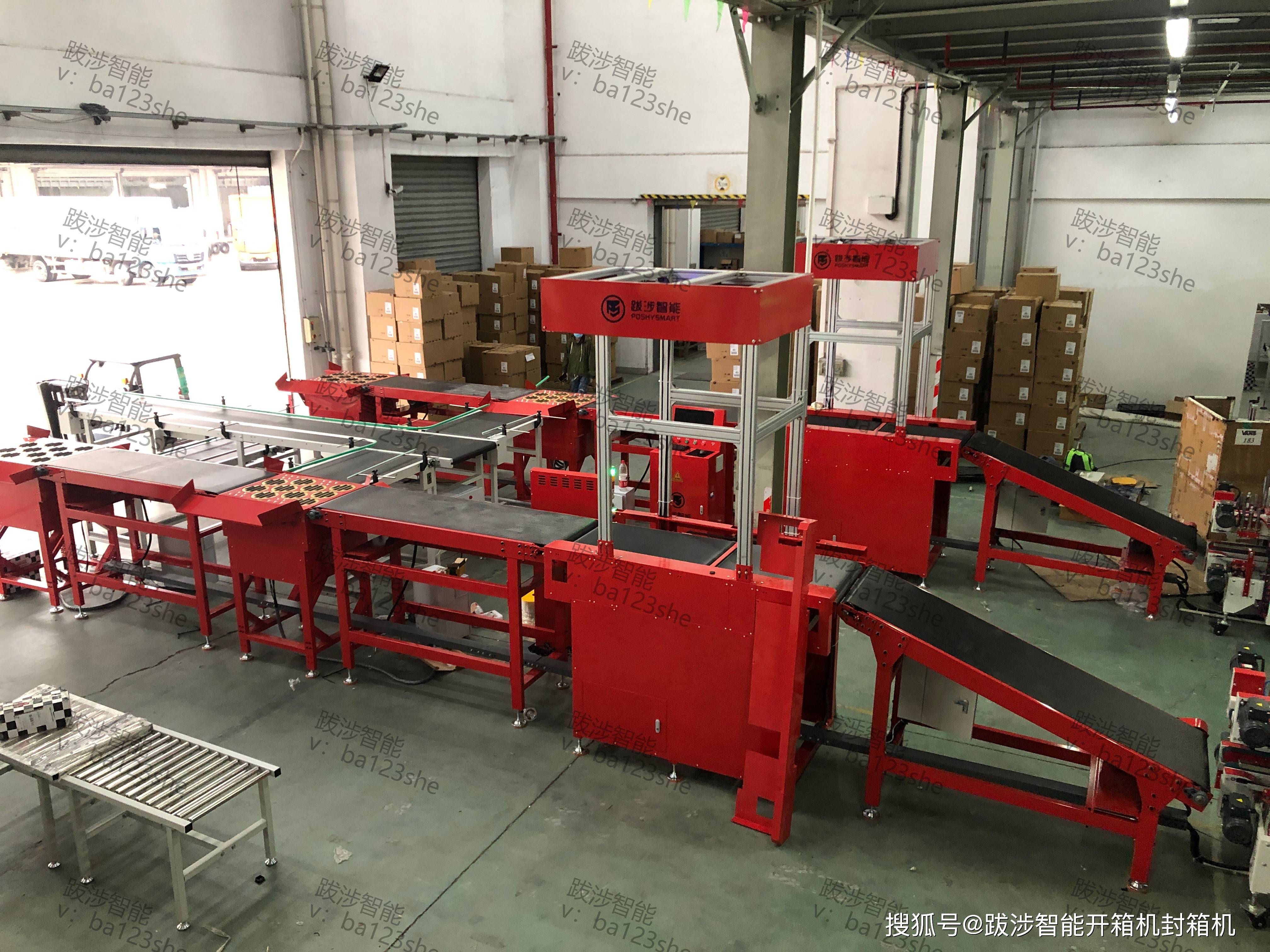
跋涉智能打包王的“慢哲学”:当所有人追求快,我们为何坚持先“慢下来”?
Sou Hu Cai Jing· 2025-12-29 15:24
Core Insights - The article emphasizes the importance of a thoughtful approach to efficiency in logistics automation, highlighting the value of deep service and strategic planning over rapid execution [1][4][17] - The company, Baashe Intelligent, focuses on understanding client needs through on-site assessments and tailored solutions, positioning itself as a "capacity planner" rather than just a seller of equipment [5][6] Group 1: Pre-Sales Strategy - Baashe Intelligent's pre-sales team prioritizes diagnosing future needs over merely selling equipment, recognizing that 80% of client pain points stem from inadequate equipment planning for future growth [5] - The team employs a detailed diagnostic process that includes layout mapping, cycle time analysis, and data modeling to optimize efficiency and cost [8] - For high-stakes clients like JD and SF, the company conducts 1:1 scenario rehearsals to test solutions in real-time, achieving a 99.5% success rate in initial production [9] Group 2: Proactive After-Sales Service - The company has developed a proactive service system called "Lifetime Health Management" to prevent issues before they arise, moving from reactive maintenance to predictive care [10] - Each piece of equipment is assigned an electronic health record that monitors operational data to predict potential failures, allowing for preemptive action [10] - The training program for clients is tiered, enabling them to independently manage and optimize their equipment, thus reducing reliance on external service providers [11][12][14] Group 3: Long-Term Partnerships - The delivery of equipment is viewed as the beginning of a long-term partnership, focusing on data sharing and resource collaboration to enhance client operations [15] - Baashe Intelligent extends its value beyond equipment by providing insights into international logistics and compliance, optimizing supply chain efficiency [15] - The company's commitment to a "slow philosophy" reflects a responsibility for clients' long-term production stability, fostering trust and reliability in their services [17][18]
无人配送车价破2万,智能物流迎来规模化拐点
2025-12-29 01:04
Summary of the Conference Call on the Smart Logistics Vehicle Industry Industry Overview - The smart logistics vehicle industry is experiencing significant growth, with the market size expected to increase from 510 million yuan in 2025 to 8.34 billion yuan by 2030, representing a compound annual growth rate (CAGR) of 74.8% [1][5][23] - The cost of core components for smart logistics vehicles has decreased by over 70% in the past three years, leading to a substantial drop in the price of complete vehicles, which now can be as low as 20,000 yuan [1][2][6][10] Key Drivers of Growth - **Policy Support**: A comprehensive policy support system has been established, facilitating the legal use of smart logistics vehicles and promoting their widespread adoption [3][8][9] - **Technological Breakthroughs**: L4 level autonomous driving technology has made significant advancements, enabling mass production and reducing vehicle costs to levels comparable to traditional electric tricycles [1][10] - **Cost Efficiency**: The operational cost of smart logistics vehicles is significantly lower than traditional manual delivery methods, with the cost per delivery ticket for the 90 Smart E6 being only 0.05 yuan compared to 1.1 yuan for manual delivery [4][21] Industry Structure - The smart logistics vehicle industry chain includes upstream components, midstream solutions, and downstream applications, with a balanced structure among startups, large platforms, and traditional manufacturers [11] - Major players in the domestic market include New Stone, Xingshen Intelligent, and 90 Smart, each focusing on differentiated products and market segments [12][13] Challenges and Pain Points - The industry faces challenges in technology, infrastructure, and regulation. For instance, L4 autonomous driving technology struggles in adverse weather conditions, and there is a lack of dedicated infrastructure for autonomous delivery vehicles [19][20] - Regulatory frameworks need to be improved to support the large-scale commercial application of autonomous delivery vehicles [20] Future Outlook - The market for unmanned logistics is expected to grow rapidly, with projections indicating that the penetration rate will rise from 3.8% to 50% by 2030, making unmanned logistics a mainstream delivery method [23] - The demand for unmanned logistics vehicles is anticipated to increase from 10,000 to 163,000 units during the same period, driving transformation in the logistics industry towards greater efficiency and diversity [23]
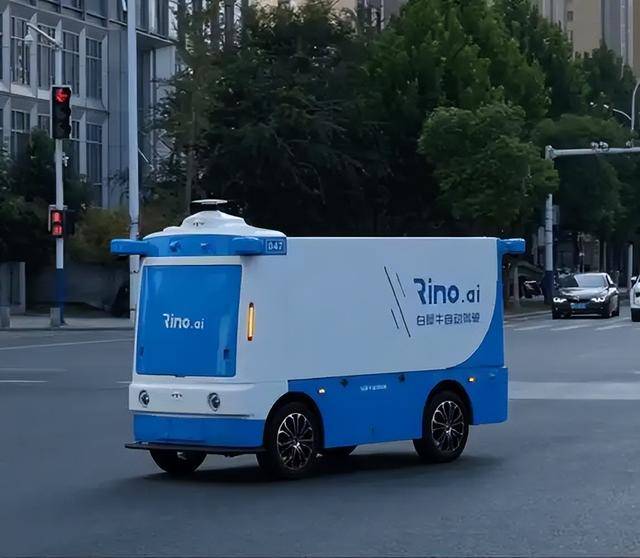
无人配送圈变天!融资4亿对6亿,菜鸟九识联手能否撼动新石器霸权
Sou Hu Cai Jing· 2025-12-28 06:45
Core Insights - The collaboration between Cainiao and Jiushi Intelligent aims to capture market share in the rapidly evolving unmanned delivery sector [1][18] - This partnership is driven by mutual needs: Cainiao requires technology and manpower, while Jiushi seeks to enhance its market presence and resolve ongoing challenges [3][4][6] Group 1: Collaboration Dynamics - Cainiao is looking to expand its "4-hour delivery" service across 31 cities, necessitating additional resources beyond manual delivery [3] - Jiushi Intelligent, having faced difficulties since its spin-off from JD, is in need of a strategic partnership to survive amidst increasing competition [4][6] - The collaboration is seen as a way for both companies to leverage each other's strengths: Cainiao's logistics network and Jiushi's technological expertise [6][8] Group 2: Challenges Ahead - Internal resource allocation may pose a challenge for Cainiao, which is already managing multiple projects [8] - Jiushi must balance its commitments to other major clients, such as China Post, complicating its operational dynamics [8] - Technical integration between Cainiao's dispatch system and Jiushi's autonomous driving model is expected to be contentious, with prior disagreements already noted [11] Group 3: Industry Context - The unmanned delivery sector faces significant hurdles, including operational challenges in complex environments and high costs associated with technology [13][14] - Regulatory inconsistencies across cities like Beijing and Shenzhen create additional uncertainty for long-term planning [14] - The partnership may signal a shift in industry practices, moving towards deeper collaborations rather than isolated efforts [18] Group 4: Competitive Landscape - The collaboration could reshape the competitive dynamics, as leading firms like SF Express and JD may seek similar partnerships [18][21] - Smaller players in the unmanned delivery market may find it increasingly difficult to survive as larger companies consolidate their advantages through such collaborations [21] - The industry remains in a cash-burning phase, with profitability being a critical factor for future success [22]