医保个人账户共济

Search documents
2025年职工医保个人账户共济4.64亿人次,共济金额687.7亿元
Jin Rong Jie· 2026-01-30 06:40
Core Insights - The article discusses the implementation of a mutual aid system for employee medical insurance personal accounts in China, allowing for immediate access to funds through binding personal accounts and medical insurance wallets [1] Group 1: Implementation Details - As of January 30, the National Healthcare Security Administration has enabled mutual aid for employee medical insurance personal accounts [1] - From January to December 2025, there were 464 million instances of mutual aid, totaling 68.77 billion yuan [1] - A total of 1.121 million transactions were conducted through the medical insurance wallet, amounting to 750 million yuan [1]
央广时评丨开年惠民新政策频出 释放实干为民积极信号
Sou Hu Cai Jing· 2026-01-13 00:41
Group 1 - The core viewpoint of the article emphasizes the introduction of various new policies aimed at enhancing the quality of life and consumer spending for the public, marking a positive start to the new year [1][6] - The "Two New" policy includes a subsidy for the replacement of old consumer goods, expanding to high-tech products like smart glasses and smart home devices, indicating a trend towards intelligent, high-end, and green consumption [3][5] - Statistics show that since the implementation of the "Two New" policy, over 18.3 million vehicles have been replaced, with nearly 60% being new energy vehicles, and over 1.92 billion home appliances have been updated, with over 90% being first-level energy-efficient products [3] Group 2 - The new medical insurance personal account policy allows for cross-province sharing, which reduces the medical burden on families and improves the efficiency of medical insurance fund usage [5] - The government is promoting green consumption through initiatives that encourage recycling and the use of energy-efficient appliances, aiming to lower living costs and make green consumption a natural choice for the public [5] - The State Council is working on providing basic public services to residents regardless of their registered household status, which includes education, housing, and medical insurance, aiming for equal access to public services [5][6]


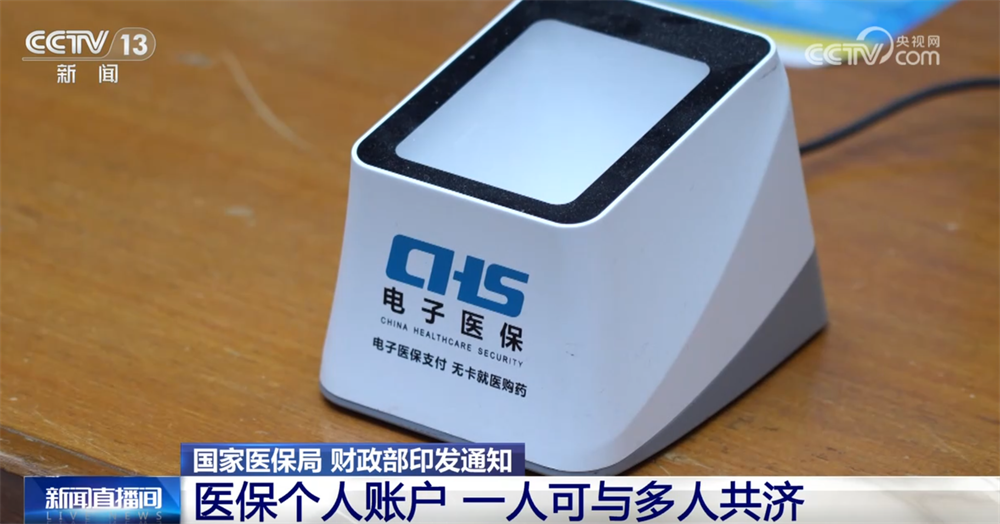
好评中国丨“医保钱包”全国共济,标注中国式现代化“民生为大”
Xin Lang Cai Jing· 2026-01-11 10:01
Core Viewpoint - The National Healthcare Security Administration, in collaboration with the Ministry of Finance, has issued a notice to optimize the personal account mutual aid policy for employee basic medical insurance, expanding the scope from provincial to national level, which aligns with the new trends in societal development and meets the public's demand for shared healthcare resources [1] Group 1: Policy Changes - The mutual aid policy for personal accounts in employee basic medical insurance has been expanded from within provinces to nationwide, enhancing family mutual assistance functions [1] - The implementation of this policy has seen a significant increase in mutual aid amounts, with 51.2 billion yuan expected to be used in 2024 [1] - Over the past five years, the provincial mutual aid initiative has benefited over 780 million people, with a total amount exceeding 100 billion yuan [1] Group 2: Impact on Healthcare - The nationwide mutual aid initiative is expected to significantly reduce the medical burden on insured families, allowing shared funds to cover personal medical expenses, resident insurance, and long-term care insurance [1] - The initiative aims to ensure that limited healthcare funds are utilized effectively for essential medications and technologies, reflecting the commitment of the healthcare system to safeguard public health [1] Group 3: Future Directions - The focus will be on addressing public demands and improving access to healthcare, with an emphasis on continuous reform to enhance the quality of life for citizens [1] - The government aims to transform personal account funds into "family health funds" and provide subsidies for families with children, as well as improve facilities for the elderly [1] - The overarching goal is to translate the public's aspirations for a better life into reality through effective reforms and practical measures [1]
0.8%、1.28万亿元、7.8亿人次……多领域数据折射中国经济乘风破浪、行稳致远
Yang Shi Wang· 2026-01-09 04:00
Group 1: Economic Indicators - The Consumer Price Index (CPI) increased by 0.2% month-on-month and 0.8% year-on-year in December 2025, indicating effective domestic demand expansion and consumption promotion policies [1] - The Producer Price Index (PPI) rose by 0.2% month-on-month but decreased by 1.9% year-on-year, influenced by international commodity prices and domestic capacity management policies [1] - For the entire year of 2025, the CPI remained flat compared to the previous year, while the PPI decreased by 2.6% [1] Group 2: Water Resources Investment - In 2025, China initiated 27 major water conservancy projects and completed 9,420 rural water supply projects, enhancing water supply security for 134 million rural residents [2] - The total investment in water conservancy construction reached 1.28 trillion yuan, creating 3.15 million jobs and contributing to economic stability and employment [2] Group 3: Healthcare Policy Changes - The National Healthcare Security Administration and the Ministry of Finance issued a notice to facilitate cross-province mutual aid for individual accounts in employee basic medical insurance [3] - The notice allows one individual to establish mutual aid relationships with multiple close relatives, optimizing the use of "dormant" personal account funds into "family health funds" [5] - Over the past five years, the provincial mutual aid program has benefited over 780 million individuals, with a total amount exceeding 100 billion yuan [7]
医保报销有了“新变化”?这“6项”费用或将踢出报销名单,事关参保人的利益
Sou Hu Cai Jing· 2025-12-09 02:36
Core Viewpoint - The article discusses the limitations of medical insurance (医保) coverage, highlighting six categories of expenses that are explicitly excluded from reimbursement under the 2025 medical insurance policy. It emphasizes the importance of understanding these exclusions to manage personal healthcare expenses effectively [1][9]. Summary by Categories Excluded Expenses - The first category of excluded expenses is those related to work injuries, which should be covered by work injury insurance rather than basic medical insurance [3]. - The second category includes expenses for which a third party is responsible, such as medical costs resulting from an assault or car accident, which should be covered by the responsible party's insurance [3]. - The third category encompasses public health expenses, including vaccinations and disease prevention measures, which are funded by the government and not reimbursed by medical insurance [4]. - The fourth category consists of expenses incurred from medical treatment abroad, including in Hong Kong, Macau, and Taiwan, which are not reimbursed under any circumstances [4]. - The fifth category includes wellness, fitness, and health check-up expenses, which are considered preventive rather than treatment-related and thus not covered by medical insurance [4]. - The sixth category is a broad clause allowing for the exclusion of other expenses deemed non-reimbursable by the national medical insurance authority [6]. Changes in Policy - Starting in 2025, a new incentive mechanism called "zero reimbursement incentive" will be introduced, rewarding individuals who do not use their medical insurance for a year with an increase in the maximum payment limit for major illness insurance, with a minimum increase of 1,000 yuan per year [6]. - Continuous enrollment incentives will also be implemented, allowing individuals who maintain continuous enrollment for four years to increase their major illness insurance limit for each subsequent year of continuous enrollment [6]. - A waiting period for reinstating medical insurance benefits has been established, requiring individuals who have been uninsured for over four years to wait a total of six months before their benefits are restored [7]. - The scope of personal medical insurance accounts will be expanded in 2025, allowing funds to be used for family members' medical expenses, enhancing the efficiency of insurance fund usage [7]. - New reimbursement policies for specific chronic and special diseases have been introduced, with some diseases having reimbursement rates as high as 95% and the removal of threshold fees for certain childbirth-related expenses [7]. Overall Implications - The 2025 medical insurance reform aims to balance basic coverage with waste prevention while expanding and optimizing coverage in certain areas [9]. - It is crucial for individuals to understand the boundaries of medical insurance coverage, as it does not cover all medical-related expenses, particularly preventive and wellness costs [9]. - For comprehensive protection, combining medical insurance with commercial health insurance is recommended to cover gaps in the medical insurance system [9].
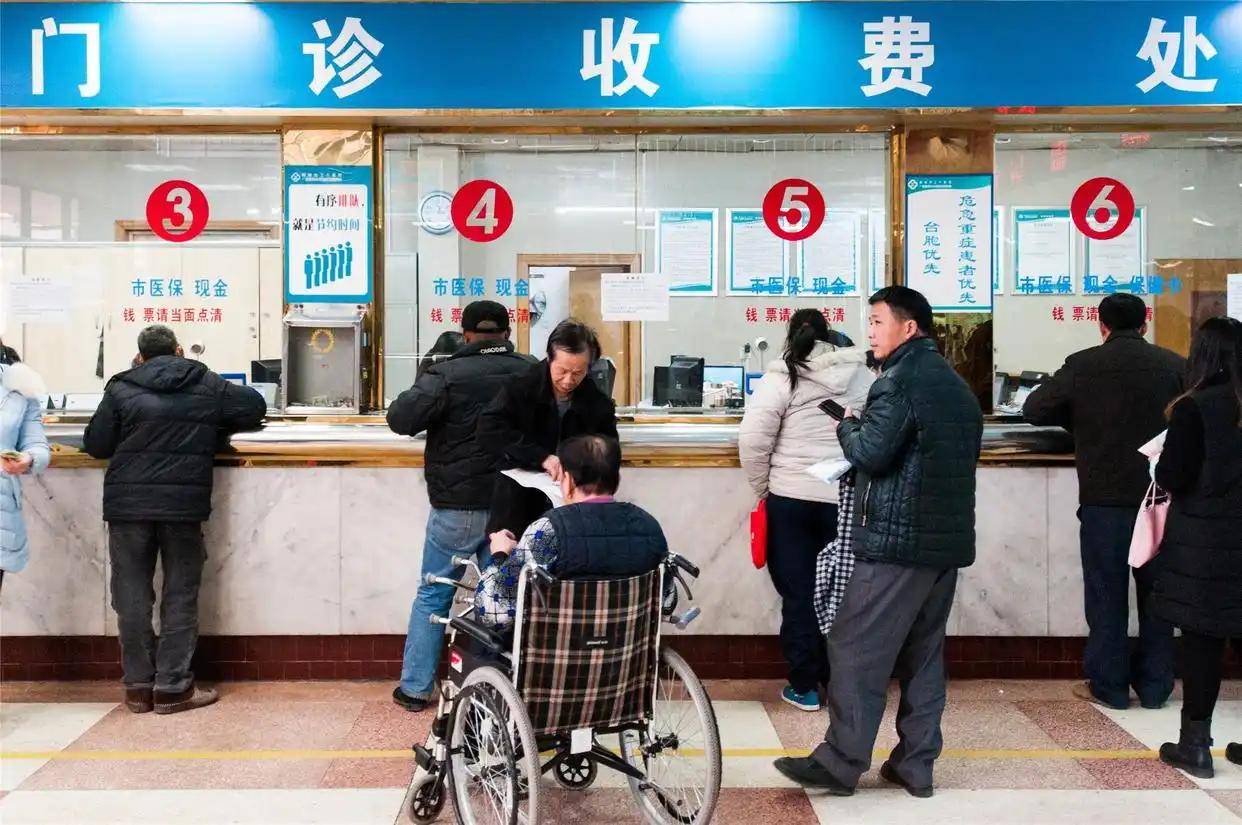
都是错的!关于医保这些误区不要信,事关就医、报销,个人账户!
Sou Hu Cai Jing· 2025-09-29 22:42
Core Viewpoint - The article highlights misconceptions surrounding medical insurance policies in China, particularly regarding hospitalization duration, big illness insurance, and the use of personal medical accounts, emphasizing the need for better public understanding of these policies. Group 1: Hospitalization Policies - Many patients are misled to believe that they must be discharged after 15 days of hospitalization due to insurance regulations, which is not true as there is no such policy from the national medical insurance department [1][5] - Medical institutions often pressure patients to leave or transfer based on the false claim that their insurance limit has been reached, which violates insurance agreements [5] Group 2: Big Illness Insurance - Big illness insurance is not limited to specific diseases but is based on the cumulative medical expenses incurred by any illness, allowing for broader coverage [2] - In 2023, 11.56 million people benefited from big illness insurance reimbursements, with an average reduction in out-of-pocket expenses of approximately 8,000 yuan, and the maximum reimbursement can reach hundreds of thousands of yuan [1] Group 3: Medical Account Misconceptions - There is a common misconception that personal medical accounts will be cleared if contributions are suspended for three months; however, the balance remains intact despite any interruptions in payments [5] - The personal medical account consists of current year funds and accumulated balances from previous years, and funds can be used for family members' medical expenses, but the card cannot be lent to others [6][7] Group 4: Direct Settlement for Cross-Province Medical Treatment - The process for direct settlement of medical expenses when seeking treatment outside one's registered area involves prior registration, selecting a designated medical institution, and using an electronic medical insurance card for payment [4] - The direct settlement system has been expanded to cover both outpatient and inpatient services across provinces, enhancing accessibility for patients [8]
国家医保局:医保钱包“共济金额”超2亿
Ren Min Wang· 2025-09-23 02:19
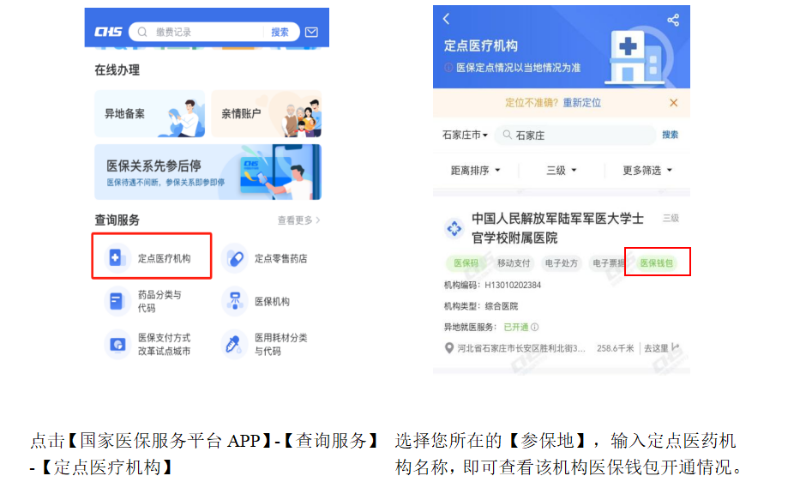
Core Points - The article discusses the launch of the Medical Insurance Wallet, which allows insured individuals to share their medical insurance funds with family members for medical expenses and insurance payments [2][10]. Group 1: Medical Insurance Wallet Overview - The Medical Insurance Wallet is a fund account linked to the personal medical insurance electronic certificate, enabling fund sharing among close relatives, including cross-province transactions [2]. - The primary goal of the Medical Insurance Wallet is to facilitate cross-province sharing, particularly transferring funds from employee insurance accounts to residents' insurance participants [2][10]. Group 2: Usage of Medical Insurance Wallet - Users can transfer funds from their personal medical insurance accounts to the Medical Insurance Wallet of close relatives after activation [3]. - Funds in the Medical Insurance Wallet can be used to pay for medical expenses at designated medical institutions [4]. - Currently, over 170,000 designated medical institutions and over 100,000 retail pharmacies support the use of the Medical Insurance Wallet for transactions [5]. Group 3: Implementation Status - As of now, the Medical Insurance Wallet has been launched in 30 provinces, municipalities, and regions, with the exception of Guangdong, which has not yet implemented this feature [10]. - Over 1.5 million insured individuals have activated and used the Medical Insurance Wallet since its launch, successfully completing 305,000 transactions, with the total amount exceeding 200 million yuan [13]. Group 4: Additional Features and Support - The Medical Insurance Wallet allows users to change their usage location if they accidentally select the wrong insurance area, with this feature available in 15 provinces [16]. - A function for proxy activation of the Medical Insurance Wallet is available for those who cannot use smartphones, ensuring accessibility for all family members [16].
医保个人账户给家人“转账”,用它→实用指南
蓝色柳林财税室· 2025-09-22 13:36
Core Viewpoint - The article discusses the introduction and functionality of the Medical Insurance Wallet, which allows for the pooling of personal medical insurance accounts among close relatives, facilitating medical expense payments and insurance contributions across provinces in China [3][4][7]. Group 1: What is the Medical Insurance Wallet? - The Medical Insurance Wallet is a fund account opened by the medical insurance department for insured individuals, linked to their personal medical insurance electronic credentials, enabling fund sharing among close relatives for medical expenses [3]. - The primary goal of the Medical Insurance Wallet is to address the issue of cross-province fund sharing, particularly transferring funds from employee insurance accounts to residents' insurance participants [3]. Group 2: How to Use the Medical Insurance Wallet? - After opening the Medical Insurance Wallet, insured individuals can transfer funds from their personal medical accounts or the wallet to the wallets of close relatives [4]. - Funds in the Medical Insurance Wallet can be used to pay for medical expenses at designated medical institutions. Currently, over 170,000 designated medical institutions and over 100,000 retail pharmacies nationwide support the use of the Medical Insurance Wallet [5]. - Residents can also use the funds in the Medical Insurance Wallet for insurance contributions [6]. Group 3: Regions with Medical Insurance Wallet Availability - As of now, the Medical Insurance Wallet is available in 30 provinces (municipalities and autonomous regions) and the Xinjiang Production and Construction Corps, with Guangdong being the only province not yet online [7]. - Even in regions where the wallet is available, some cities may still be undergoing technical adjustments, so users should confirm local availability before use [7]. Group 4: User Statistics - Over 1.5 million insured individuals have opened and used the Medical Insurance Wallet, successfully transferring funds in 305,000 transactions, with the total amount exceeding 200 million yuan [8].

就医购药、参保缴费都可用 转存收藏医保钱包实用指南
Yang Shi Xin Wen· 2025-09-22 01:58
Core Concept - The "Medical Insurance Wallet" is a new feature that allows for the pooling of individual medical insurance accounts among close relatives, facilitating medical expense payments and insurance contributions through a national medical insurance service platform app [2][3]. Group 1: Functionality of the Medical Insurance Wallet - The Medical Insurance Wallet enables insured individuals to transfer funds from their personal medical accounts to the wallets of close relatives [3]. - It can be used for settling medical expenses at designated medical institutions and pharmacies, with over 170,000 medical institutions and 100,000 retail pharmacies nationwide currently supporting this feature [4]. - Residents can also use the funds in their Medical Insurance Wallet for insurance premium payments [7]. Group 2: Availability and Usage - The Medical Insurance Wallet is available in 30 provinces, municipalities, and regions, with the exception of Guangdong, which has not yet launched the service [8]. - As of now, over 1.5 million insured individuals have activated and used the Medical Insurance Wallet, successfully transferring funds in 305,000 transactions, amounting to over 200 million yuan [9]. - Users are advised to check the local availability of the Medical Insurance Wallet before attempting to use it, as some areas may still be in the process of activation [8]. Group 3: Additional Features - The Medical Insurance Wallet allows for a change of usage location if the wrong insurance area is selected, with this feature currently available in 15 provinces [14][15]. - A "proxy activation" feature is available for those who may not be able to use smartphones, allowing family members to activate the wallet on behalf of others [16].
8点1氪:西贝回应“公筷喂狗”事件;美联储宣布降息25个基点;DeepSeek梁文锋论文登上《自然》封面
36氪· 2025-09-18 00:19
Group 1 - The incident at Xibei restaurant involved customers using restaurant utensils to feed a pet dog, raising concerns about dining safety [4] - The restaurant confirmed that all utensils used by the customers were discarded and a thorough disinfection of the premises was conducted [4] - Local authorities stated there are currently no legal grounds to penalize the restaurant for allowing pets, as the customer's actions were deemed personal behavior [4] Group 2 - The Federal Reserve announced a 25 basis point cut in the federal funds rate, marking its first rate decrease since December 2024 [4] Group 3 - NIO Group successfully completed a financing round of $1.16 billion, aimed at enhancing its technological capabilities and expanding charging infrastructure [20] - AI chip startup Groq raised $750 million in a new funding round, achieving a post-money valuation of $6.9 billion [20] - "Qingyun New Materials" announced the completion of a multi-hundred million C round financing to support the development of advanced materials [20] Group 4 - The month of September saw a significant increase in lemon prices, doubling from 7.83 yuan per kilogram to 15 yuan per kilogram over the past year, leading to supply shortages at some stores [15] - The mooncake industry in China is transitioning from seasonal demand to year-round consumption, with over 20,000 related enterprises currently registered [24]