原材料成本上涨

Search documents
涨幅达百元!两轮电动车将迎涨价潮:门店称已接通知,九号等正缩减优惠
新浪财经· 2026-03-30 10:15
Core Viewpoint - The two-wheeled electric vehicle market is expected to experience a price increase starting from April 2026, driven by rising raw material costs and the expiration of factory rebate policies [3][7][10]. Group 1: Price Increase Announcement - Major brands such as Ninebot, Yadea, Tailg, and Aima are planning to raise prices for several models, with expected increases ranging from 200 to 300 yuan [7][10]. - Ninebot has confirmed a reduction in discounts for some models, effectively raising prices by 100 yuan due to increased raw material costs [9]. Group 2: Consumer Sentiment - Consumer acceptance of price increases is uncertain, especially in light of previous price wars in the industry, with some consumers expressing intentions to boycott brands that raise prices [4][12]. - Social media feedback indicates a strong resistance to price hikes, with consumers stating they would not purchase if prices increase [4][12]. Group 3: Raw Material Costs - The price of battery-grade lithium carbonate has been on the rise, reaching 161,000 yuan per ton, with a recent increase of 5,000 yuan per ton, marking an 11.03% rise over the past week [10]. - The ongoing increase in raw material costs is expected to pressure manufacturers, leading to potential price adjustments in the two-wheeled electric vehicle sector [10]. Group 4: Profit Margins - The intense price competition in the two-wheeled electric vehicle market has compressed profit margins for leading brands like Aima and Yadea, with Aima's gross margin fluctuating between 16.36% and 17.82% from 2022 to 2024, and Yadea's margin dropping from 18.08% to 15.19% [11].





中东战火正在烧向全球服装业
财联社· 2026-03-30 02:45
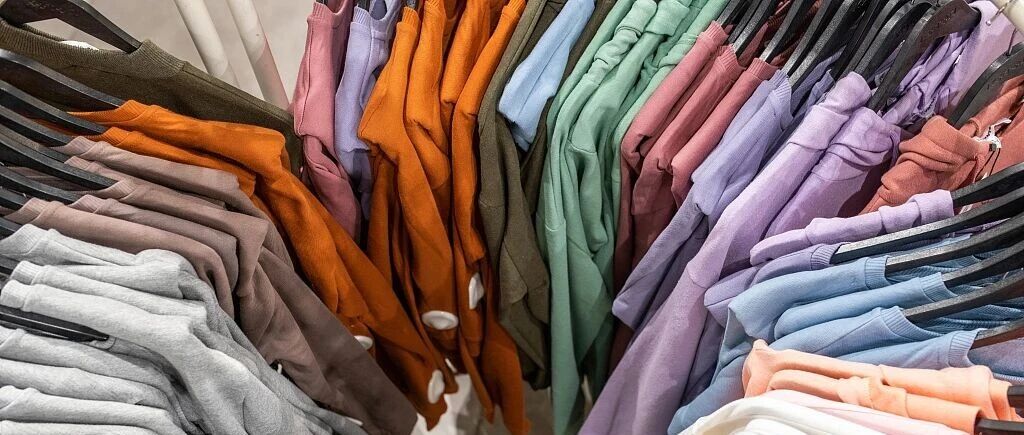
Core Viewpoint - The article emphasizes the impending price increases in the apparel industry due to disruptions in the South Asian garment export sector, which is valued at $50 billion, caused by ongoing conflicts in the Middle East [3][4]. Group 1: Impact of Middle East Conflicts - The conflict has led to significant disruptions in the supply chain, particularly affecting the availability of petrochemical raw materials essential for synthetic fiber production [4][5]. - The price of polyester fibers has risen, prompting traders to shift towards cotton futures, which has also driven up cotton prices to $0.70 per pound, the highest since December 2024 [5][6]. - The Iranian blockade of the Strait of Hormuz has cut off natural gas supplies to South Asian garment factories, resulting in soaring electricity costs for these manufacturers [6][7]. Group 2: Price Adjustments and Market Reactions - Currently, the apparel industry has not yet passed on the increased costs to consumers due to fixed prices from previous orders, but this situation is expected to change as inventory depletes [6][8]. - Analysts predict that if the conflict persists, apparel prices could rise by as much as 15% by the end of summer [6][9]. - The U.S. fashion industry is currently unaware of the full impact of the conflict, but disruptions are anticipated to affect shipping and logistics in the near future [7][8]. Group 3: Profit Margins and Competitive Positioning - South Asian textile suppliers are experiencing severe profit squeezes as they struggle to transfer rising energy and fiber costs to buyers due to previously fixed orders [8][9]. - The challenges include inventory backlogs, delayed payments, and increased shipping costs layered on top of already high production costs [9]. - Manufacturers like Cotton Web are concerned about reduced profits on existing orders and competitive disadvantages compared to regions with more stable logistics [6][9].
汽车行业:如何看待原材料成本上涨对乘用车车企的影响?
GF SECURITIES· 2026-02-05 07:28
Investment Rating - The industry investment rating is "Buy" [2] Core Viewpoints - The report discusses the impact of rising raw material costs on passenger car manufacturers, particularly focusing on the effects of copper, aluminum, and lithium prices on vehicle production costs [5][8][11][14] - It highlights that the cost increase for electric vehicles (EVs) and plug-in hybrid electric vehicles (PHEVs) is significantly influenced by the prices of copper and lithium, with estimated cost increases of approximately 2,300 RMB for EVs and 1,600 RMB for PHEVs due to copper price hikes, and 3,200 RMB for EVs and 1,500 RMB for PHEVs due to lithium price increases [5][11] - The report quantifies the cost impact on various manufacturers, indicating that companies like Chery, Geely, and Great Wall Motors experience relatively smaller increases in average vehicle costs due to their sales structure and the types of vehicles they produce [15][17] - It outlines five strategies that manufacturers can employ to mitigate the impact of rising raw material costs, including cost reductions through enhanced features, annual cost reductions, technological advancements, scale effects, and structural adjustments [22][23] Summary by Sections Section 1: Impact of Raw Material Price Increases - The report estimates that the increase in copper prices will raise the production costs of fuel vehicles, EVs, and PHEVs by approximately 800 RMB, 2,300 RMB, and 1,600 RMB respectively, while aluminum price increases will add about 700 RMB, 900 RMB, and 900 RMB to the respective vehicle types [5][8] - Lithium price increases are projected to raise costs by 3,200 RMB for EVs and 1,500 RMB for PHEVs, assuming a price of 160,000 RMB per ton [11][14] Section 2: Cost Pressure by Manufacturer - The report analyzes the cost pressure on manufacturers based on their sales structure, concluding that companies like Chery, Geely, and Great Wall Motors face smaller increases in average vehicle costs due to their diverse product lines and sales strategies [15][17] Section 3: Strategies to Mitigate Cost Increases - Manufacturers are expected to implement various strategies to counteract the impact of rising raw material costs, including: 1. Enhancing features while maintaining competitive pricing 2. Achieving annual cost reductions of around 2% 3. Utilizing technological advancements to lower costs 4. Leveraging scale effects to dilute fixed costs 5. Adjusting product structures to focus on higher-end models and exports [22][23] Section 4: Investment Recommendations - The report suggests a "shelf-style" investment approach, recommending attention to various companies within the passenger vehicle chain, including Geely, BYD, Chery, and others for potential investment opportunities [25]
海亮股份冲刺港股:年营收870亿元难掩现金流焦虑,原料成本超95%
Mei Ri Jing Ji Xin Wen· 2026-02-03 08:34
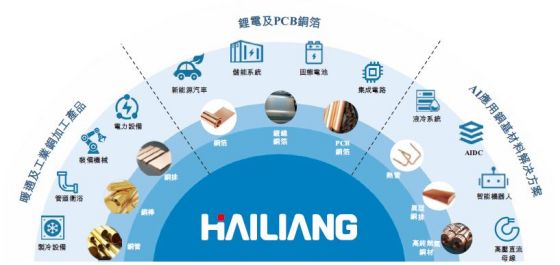
Core Viewpoint - Hailiang Co., Ltd. has submitted an application for a secondary listing on the Hong Kong Stock Exchange after 18 years of being listed on A-shares, aiming to raise funds for expansion and development while facing challenges related to low profit margins and high debt levels [1][11]. Group 1: Company Overview - Hailiang is one of the largest copper processing companies globally, with a projected revenue exceeding 87 billion yuan in 2024 [1]. - The company specializes in copper-based material solutions, including HVAC and industrial copper products, lithium battery and PCB copper foil products, and AI application copper-based materials [2]. - Hailiang has established 23 production bases with a total area of approximately 1.2 million square meters, serving a global customer base [2]. Group 2: Financial Performance - Revenue for Hailiang in 2023, 2024, and the first three quarters of 2025 was 757.34 billion yuan, 875.42 billion yuan, and 650.18 billion yuan, respectively, while profits were 11.69 billion yuan, 6.24 billion yuan, and 9.31 billion yuan, indicating a significant drop in profit despite revenue growth [5][6]. - The company's gross profit margins were notably low, at 4.1%, 3.3%, and 3.8% during the same periods, primarily due to high operating costs driven by raw material prices [7]. - Hailiang's cash flow from operating activities was negative for 2023 and 2024, with net outflows of 8.54 billion yuan and 23.54 billion yuan, respectively, turning positive in the first three quarters of 2025 with 667.8 million yuan [7]. Group 3: Market Challenges - Hailiang faces significant challenges from geopolitical tensions and trade protectionism, with over 30% of its revenue coming from overseas markets [1][3]. - The company is exposed to risks from trade frictions, including tariffs imposed by the U.S. on Chinese metal products, which could impact its supply chain and pricing structure [3][5]. - The reliance on a pricing model based on raw material costs and processing fees makes Hailiang vulnerable to fluctuations in raw material prices, particularly copper and zinc [7]. Group 4: Strategic Initiatives - The funds raised from the Hong Kong listing will be used for expanding production bases in Morocco and Indonesia, enhancing R&D capabilities, seeking strategic investments, and global brand promotion [1][11]. - Hailiang aims to improve its international brand image and competitiveness through this secondary listing, which is part of its broader globalization strategy [11][13].

天津普林(002134.SZ):预计2025年净利润同比下降80.81%-86.71%
Ge Long Hui A P P· 2026-01-26 08:26
Core Viewpoint - Tianjin Pulin (002134.SZ) expects a significant decline in net profit for 2025, projecting a range of 4.5 million to 6.5 million yuan, which represents a decrease of 80.81% to 86.71% compared to the previous year [1] Group 1 - The net profit after deducting non-recurring gains and losses is projected to be between 6.9 million and 8.9 million yuan, reflecting a decline of 70.84% to 77.39% year-on-year [1] - The increase in commodity prices has led to a rise in raw material costs, resulting in a decrease in gross margin [1] - Taihe Circuit Technology (Zhuhai) Co., Ltd. is still in the process of customer certification and integration, which has hindered the full release of production capacity [1]

年报预告“变脸”,欢乐家渠道转型承压
Bei Jing Shang Bao· 2026-01-25 13:15
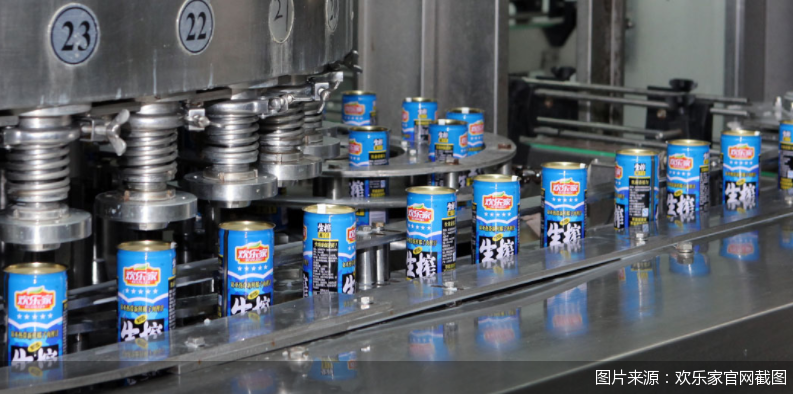
Core Viewpoint - The company, Huanlejia, is facing a significant decline in its performance for the fiscal year 2025, with a projected net profit drop of 66.07% to 76.25% compared to the previous year, highlighting its current operational challenges [1] Group 1: Financial Performance - Huanlejia's net profit for 2025 is expected to be between 35 million to 50 million yuan, a stark contrast to the 147 million yuan achieved in 2024 [1] - The company's revenue for the third quarter of 2025 decreased by 25.47% to 294 million yuan, with a net profit plummeting by 713.87% to 8.03 million yuan [4] Group 2: Cost Pressures - One of the main reasons for the decline in performance is the continuous rise in raw material costs, particularly for coconut products, which has significantly squeezed profit margins [3] - The global supply-demand imbalance for coconut materials has worsened since 2024, driven by factors such as climate impacts, changing demand structures, and supply chain barriers [3] Group 3: Strategic Responses - In response to the cost pressures, Huanlejia has attempted to raise prices on certain coconut juice products by 1% to 8%, affecting products that generated 795 million yuan in sales in 2024 [3] - The company is also investing in upstream supply chain stability by acquiring land and facilities in Indonesia for coconut processing, with a total investment of approximately 34 million USD planned [4] Group 4: Market Competition - The coconut juice market is becoming increasingly competitive, with Huanlejia facing challenges from both established brands and new entrants, which are intensifying the pressure on its market share [6] - The company has been exploring new channels such as snack specialty chains and initial processing of coconut raw materials, but these efforts have not yet achieved significant scale or profitability [6][7]
美的楼宇科技启动调价:原材料成本施压,全系列产品上涨5%
Xin Lang Ke Ji· 2025-12-26 09:08
Core Viewpoint - Midea Building Technology is increasing the prices of its products by 5% due to rising costs of raw materials such as copper, iron, and aluminum, effective from December 15, 2025 [1] Group 1: Price Adjustment Details - Midea Building Technology has notified its distributors about a price increase of 5% across various product lines [1] - The company clarified that it has not issued a nationwide price increase notice, allowing regions to set their own pricing based on local market conditions [1] - A distributor indicated that orders placed before the end of December will be honored at the original price, but adjustments will take effect from January 1, 2025, for main models [1] Group 2: Business Performance - Midea Building Technology is part of Midea Group's ToB business segment, focusing on building products and services, including HVAC, smart elevators, energy management, and building control [1] - The segment has shown rapid growth, with Midea Group reporting a revenue of 364.716 billion yuan for the first three quarters of 2025, a year-on-year increase of 13.85% [1] - Revenue from smart building technology reached 28.1 billion yuan, reflecting a 25% year-on-year growth and accounting for approximately 7.7% of total revenue [1] Group 3: Industry Context - Other HVAC companies, including Mitsubishi Heavy Industries, Haier, and others, have also raised prices due to increasing raw material costs [2] - This is not the first price adjustment for Midea Building Technology; a previous increase was implemented in April 2022 due to similar cost pressures [2]

美的楼宇科技启动调价:原材料成本施压 全系列产品上涨5%
Xin Lang Ke Ji· 2025-12-26 08:24
Core Viewpoint - Midea Building Technology is increasing the prices of its product lines by 5% due to rising costs of raw materials such as copper, iron, and aluminum, effective from December 15, 2025 [1] Group 1: Price Adjustment Details - Midea Building Technology has notified its distributors about the price increase, which is attributed to the significant rise in manufacturing costs from upstream suppliers [1] - The company clarified that it has not issued a nationwide price increase notification, allowing regional discretion in pricing strategies based on local market conditions [1] - A distributor indicated that orders placed before the end of December will be honored at the original price, but adjustments will take effect from January 1, 2025, for main selling models [1] Group 2: Business Performance - Midea Building Technology is part of Midea Group's ToB business segment, focusing on building products and services, including HVAC, smart elevators, energy management, and building control [1] - The segment has shown rapid growth, with Midea Group reporting a revenue of 364.716 billion yuan for the first three quarters of 2025, a year-on-year increase of 13.85% [1] - Specifically, the smart building technology segment generated revenue of 28.1 billion yuan, reflecting a 25% year-on-year growth and accounting for approximately 7.7% of total revenue [1] Group 3: Industry Context - Other HVAC companies, such as Mitsubishi Heavy Industries, Haier, and others, have also raised prices in response to increasing raw material costs [2] - This is not the first price adjustment for Midea Building Technology; a previous increase was implemented in April 2022 due to similar cost pressures, including raw material price hikes and shortages of key components [2]
独家|美的楼宇科技启动调价:原材料成本施压 全系列产品上涨5%
Xin Lang Cai Jing· 2025-12-26 07:04
Core Viewpoint - Midea Building Technology has announced a price increase of 5% for its product lines due to rising costs of raw materials such as copper, iron, and aluminum, effective from December 15, 2025 [1] Group 1: Price Adjustment Details - The price adjustment is attributed to the significant increase in manufacturing costs faced by upstream manufacturers [1] - Midea's response indicates that there is no nationwide uniform price increase notification, allowing regional discretion in service and sales support policies [1] Group 2: Sales Impact - A Midea dealer confirmed that orders placed before the end of December will still be honored at the original price, but price adjustments will take effect for major models starting January 1, 2026 [1] - The specific pricing for the adjusted models will be determined based on the latest quotation [1]
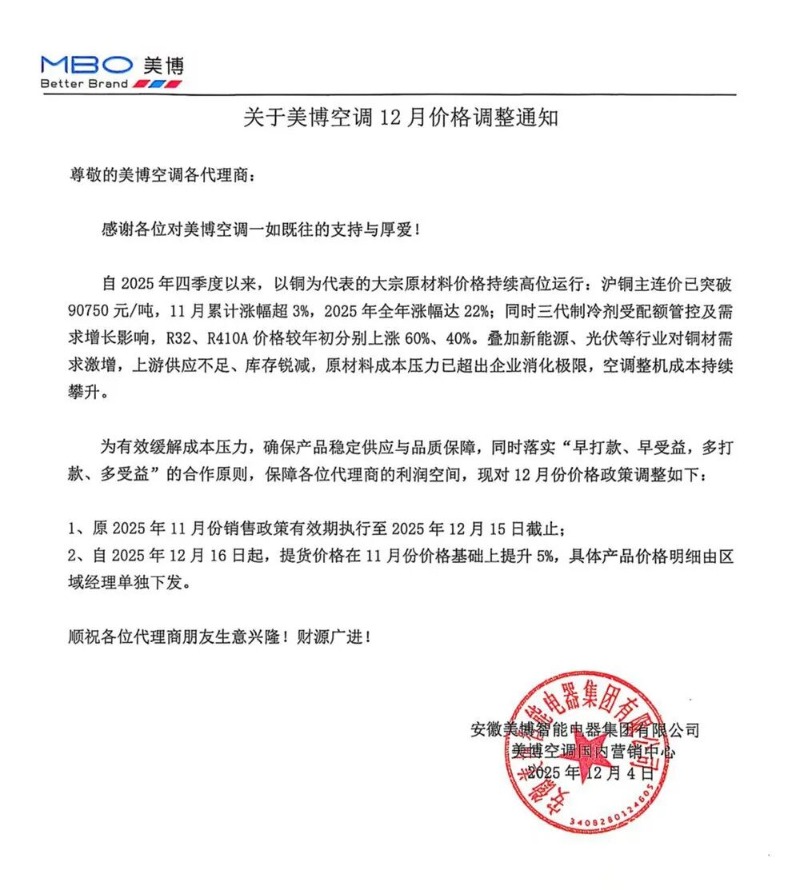
美博集团宣布空调提货价格上调5% 曾称“三年内登陆国内资本市场”
Zhong Guo Jing Ying Bao· 2025-12-05 16:29
Core Viewpoint - The air conditioning industry is experiencing intensified competition and rising raw material costs, prompting companies like Meibo Group to raise their product prices, marking a significant shift in the market dynamics [2][4]. Price Adjustment - Meibo Group announced a 5% increase in the delivery price of air conditioning units starting December 16, based on November prices, to alleviate cost pressures and ensure product quality and supply [4][6]. - The price adjustment is attributed to the continuous rise in raw material costs, particularly copper, which has seen a price increase of over 22% for the year, with current prices exceeding 90,750 yuan per ton [4][5]. Market Conditions - The domestic air conditioning market is facing declining demand, with a reported 23.8% year-on-year drop in retail volume in October 2025, and a projected 29.9% decrease in production for December [6][7]. - The overall market sentiment is negative, with significant downward pressure on production levels [6]. Company Overview - Meibo Group, established in 2010, has developed a comprehensive presence in the refrigeration industry, with an annual production capacity of 8 million units across various brands [8]. - Despite having multiple brands, Meibo's market share in the domestic air conditioning sector is relatively low, at approximately 0.8% in 2023, with major competitors like Midea, Gree, and Haier dominating nearly 70% of the market [8][9]. Export Strategy - Meibo Group is focusing on expanding its overseas market presence, with a goal of reaching 300,000 units in overseas sales within five years [10]. - The company has reported consistent growth in its overseas sales, doubling its business scale for three consecutive years, with 2024 projected to see exports surpassing 150,000 units [10]. IPO Aspirations - Meibo Group has set a target to enter the domestic capital market within three years, with 2023 being the first year of its IPO guidance period, although no updates on the IPO progress have been disclosed [10].