政治博弈
Search documents
超过500页被涂黑 多处提及克林顿
Xin Lang Cai Jing· 2025-12-21 17:39
当地时间12月19日起,美国司法部开始公开已故富商杰弗里·爱泼斯坦相关案件的数十万份文件。然 而,首批公开的数千份材料中存在大面积系统性涂黑,超1200名受害者信息被遮蔽,甚至出现超500页 被涂黑,引发"掩盖真相"的广泛质疑。文件内容将前总统克林顿置于聚光灯下,其与案件关键人物共处 的泳池、浴缸照片被曝光,与此前声明形成矛盾。 此次公布行动本身即充满政治博弈色彩,在法定截止日前夕,民主党议员抢先曝光一批未附说明的敏感 照片,被舆论视为"真相突袭"。白宫与克林顿方面互相指责,两党议员则罕见一致批评司法部披露"不 完整"。这场以"透明"为名的文件公开,正演变为一场围绕权力、隐私与真相的激烈角力,爱泼斯坦案 所牵扯的政商网络与司法公正底线再次受到严峻拷问。 国会驱动司法部被动公开 一场由国会立法驱动的司法文件公布,在2025年岁末揭开了美国一桩陈年巨案的又一道缝隙。根据国会 两院于11月通过、并由总统特朗普签署生效的法案,美国司法部被强制要求于12月19日前开始公布与已 故富商杰弗里·爱泼斯坦相关案件的调查文件。爱泼斯坦涉嫌经营跨国性交易网络,侵害众多未成年及 年轻女性,于2019年在曼哈顿监狱候审期间死亡,官方 ...
特朗普都劝不住,柬埔寨和泰国为什么“往死里打”?|国际识局
Zhong Guo Xin Wen Wang· 2025-12-17 07:12
特朗普都劝不住,柬埔寨和泰国为什么"往死里打"?|国际识局 而泰国军方则给出相反说法,称出动战斗机是为回应柬方进攻,强调柬方袭击已致泰国1名士兵死亡、4 名士兵受伤。 冲突持续升级引发两国大规模居民撤离,数十万人流离失所。 中新网12月16日电(冯小妍)近日,泰国与柬埔寨边境地区冲突再度升级,双方武装力量持续交火,造成 数十万民众流离失所。尽管美国总统特朗普高调介入调停,并公开敦促双方停火,但边境局势并未因此 缓和。 资料图:特朗普。 本轮冲突的爆发并非偶然,背后牵扯多重因素,其根源究竟是什么?宣称"结束了八场战争"的特朗普, 此次再度出面调停,为何未能让柬泰边境恢复平静? 冲突再次爆发 柬泰各执一词 12月7日起,泰国和柬埔寨边境地区再次爆发激烈冲突,多地炮火连天,双方互相指责对方"先开火"。 柬埔寨参议院主席洪森8日称,泰国军队对柬方发动袭击,柬方必须采取报复行动的红线已经划定。柬 国防部发言人表示,泰国士兵连续第二天向柬武装部队开火,但柬方并未还击。 资料图:当地时间12月9日,柬埔寨和泰国边境发生冲突后,居民们撤离家园,驾车沿街行驶。 资料图:当地时间12月9日,柬埔寨和泰国边境发生冲突后,居民们撤离 ...
美联储这次“平平无奇”的降息,其实暗藏玄机
Sou Hu Cai Jing· 2025-12-12 05:35
《美联储这次"平平无奇"的降息,其实暗藏玄机》 ——连续三次降息背后,美联储为何突然"步子乱了"?分歧、政治与流动性正在重塑全球预期 real g min TOMES E 7 3 4 5 n 2 2 3 4 4 4 the first 0 1 the state t 2 30 1 the st STATE THE THE all no a s t and ans in Ship STATION the state 再看点阵图,已经不是"有分歧",而是未来路径严重撕裂:有人把利率看到2%,也有人准备随时加息。市场一边上涨,一边心里发虚——这不是指路牌, 更像一道谜题。 真正点燃情绪的,是资产负债表操作。美联储嘴上说"不是QE",手上却开始买短债。历史早就告诉市场:流动性一旦放出,情绪比逻辑跑得快,于是股债 齐涨、美元回落、黄金走强。 往前看,政治变量正在逼近。主席换届在即,潜在接班人立场更鸽,白宫声音更直接,美联储独立性成了新的风险点。 放在全球坐标系里,美国在摇摆,中国却更显定力。内生增长、产业升级与政策韧性,正在为中国经济提供更稳的锚。 一句话总结:这次降息不是答案,而是序章。真正的戏,还在后面。 "重点不 ...
美联储降息暗藏多重变局
Jing Ji Ri Bao· 2025-12-11 21:37
Core Viewpoint - The Federal Reserve's recent interest rate cut signals deeper internal divisions and uncertainties regarding future economic conditions, rather than just a routine monetary policy adjustment [1][2][6] Group 1: Interest Rate Decisions - The Federal Reserve lowered the federal funds rate target range by 25 basis points to 3.5%-3.75%, marking the third consecutive rate cut since September and the sixth since the current easing cycle began in September 2024 [1] - The decision was passed with a vote of 9 in favor and 3 against, indicating significant dissent within the Federal Reserve, the first occurrence of dissenting votes since 2019 [1][2] Group 2: Internal Divisions and Economic Outlook - There is a notable split among Federal Reserve officials regarding future rate cuts, with 8 out of 19 predicting more than one cut next year, while 7 believe rate cuts should stop entirely, and 3 even suggest the need for rate hikes [2] - Fed Chair Powell acknowledged a rare conflict of dual objectives: rising inflation and declining employment, indicating a challenging environment for monetary policy [1][6] Group 3: Market Reactions and Economic Indicators - Following the Fed's decision, major U.S. stock indices rose, with the Dow Jones gaining nearly 500 points, and the 10-year Treasury yield fell by 3 basis points to 4.153% [3] - The Fed's optimistic economic growth forecast for 2026 was raised to 2.3%, despite concerns about the labor market and potential overestimation of official employment data [3][4] Group 4: Political Implications and Future Projections - The potential appointment of a new Fed Chair, who may have a dovish stance, raises concerns about the independence of the Federal Reserve and the impact of political pressure on monetary policy [4][6] - Analysts suggest that the Fed may still have room for two rate cuts in 2026, potentially lowering rates to around 3%, but this will be heavily influenced by political dynamics [4][5] Group 5: Global Impact - The Fed's decisions have global implications, as a slowdown in rate cuts could provide other developed countries' central banks with more policy flexibility [5] - Emerging markets may benefit from a period of moderate dollar liquidity, but their asset performance will depend on internal growth dynamics and geopolitical risk mitigation [5]
刚刚,美联储降息25个基点!为啥特朗普嫌少,鲍威尔却偏要“抠门”?
Sou Hu Cai Jing· 2025-12-11 04:23
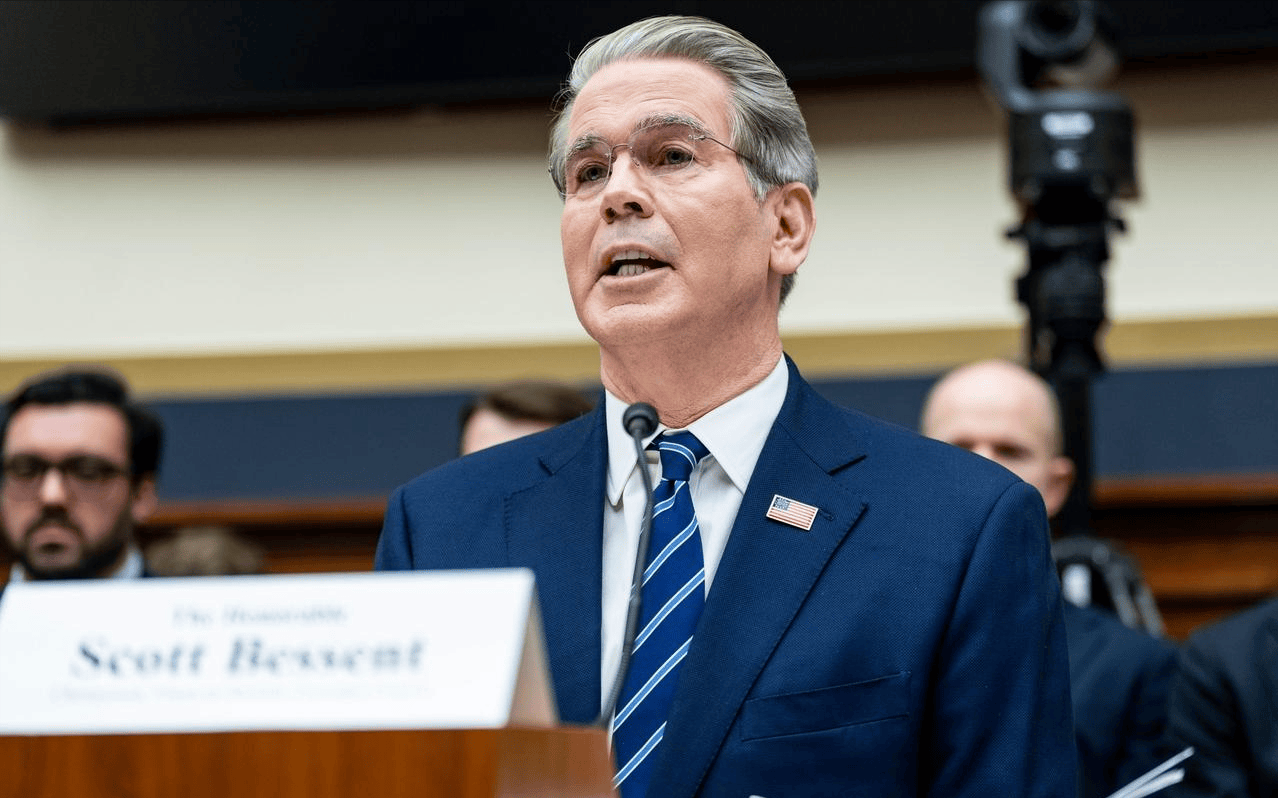
王爷说财经讯:突发!美联储降息25基点,特朗普却怒批鲍威尔死板! 当地时间12月10日,美联储官宣降息25个基点,联邦基金利率跌至3.5%-3.75%区间! 可消息刚出,特朗普就公开开火,直言"鲍威尔太死板,25个基点根本不够",要求直接降息50个基点。这波神仙博弈到底藏着什么猫腻?降息幅度为啥成了 矛盾焦点? 01、美联储降息不是突发,分歧早有苗头! 这已经是美联储继2024年三次降息后,2025年的第三次利率下调。 要搞懂这场冲突,得先看清美国当前的经济困境——就业市场早就"凉了半截",8月非农就业仅增2.2万人,较7月的7.9万暴跌,2024-2025年新增就业岗位还 比初统计少了91.1万个。 但通胀却还在"添乱",8月CPI同比涨2.9%,远超美联储2%的目标,年底预测更是高达3%。一边是就业疲软要"放水救市",一边是通胀高企怕"大水漫灌", 美联储夹在中间左右为难。 而特朗普的诉求很直接:经济数据直接挂钩选票,他多次施压美联储大幅降息,甚至把"支持大幅降息"当成新任美联储主席的"试金石"。 其次,这背后有鲍威尔的"谨慎算盘"! 美联储要保"独立性",不能被政治裹挟。鲍威尔很清楚,通胀还没压稳,要是 ...
博弈升级!特朗普2000美元刺激支票计划,民主党加码共和党反对
Sou Hu Cai Jing· 2025-11-28 06:13
Core Points - Trump's proposal aims to distribute $2,000 stimulus checks to American families funded by tariff revenues, intending to alleviate economic pressure on ordinary households [1][5] - The Senate opposes the plan, citing concerns over the already high national debt of $38 trillion and the lack of sufficient funds to support such large-scale spending [1][3][12] Group 1: Economic Implications - The plan is seen as a way to stimulate consumption and provide direct economic assistance, particularly for low- and middle-income families, while excluding high-income households [5][10] - There are concerns that distributing $2,000 checks could exacerbate inflation, potentially worsening the already strained economic situation [10][12] - Current tariff revenues are insufficient to fund the proposed $2,000 checks for 150 million Americans, raising questions about the feasibility of the plan [16] Group 2: Political Dynamics - The stimulus check proposal has become a focal point of political maneuvering between Democrats and Republicans, with Democrats potentially using it to gain electoral support [14] - The White House is exploring options to bypass Congress to implement the plan directly, indicating a willingness to navigate around legislative hurdles [15] - The political landscape surrounding the proposal is complex, with potential repercussions for the Republican Party if the plan fails to materialize [14]
最讽刺决策时刻!特朗普要解雇的理事,可能影响美联储降息!
Sou Hu Cai Jing· 2025-11-25 16:49
Core Viewpoint - The upcoming Federal Reserve interest rate decision in December is not only an economic issue but also a political battleground, with significant implications for future monetary policy and political dynamics [1][3][9]. Group 1: Federal Reserve Decision Dynamics - The Federal Reserve's monetary policy directly influences the U.S. and global economies, affecting consumption, investment, employment, and inflation [3]. - Typically, interest rate decisions are made with broad consensus within the Federal Reserve, but this time there are notable internal divisions regarding the potential for a rate cut [3][7]. - A minimum of 7 votes is required from the 12-member Federal Open Market Committee (FOMC) to approve a rate cut, making the distribution of votes a critical aspect of the decision-making process [3][5]. Group 2: Key Players and Political Implications - The votes of two Biden-appointed governors, Michael Barr and Lisa Cook, are particularly significant, with Cook's vote potentially being the decisive seventh vote [5][7]. - Lisa Cook has been a target of former President Trump's attempts to dismiss her, highlighting the political tensions surrounding her role in the Federal Reserve [5][7]. - Cook's cautious stance on the rate cut, despite her focus on labor market issues, could play a pivotal role in determining the outcome of the Federal Reserve's decision [5][9]. Group 3: Broader Context and Future Outlook - The decision on interest rates transcends mere economic considerations, intertwining with political power dynamics and judicial scrutiny, particularly in light of Trump's previous interventions in Federal Reserve matters [7][9]. - Regardless of the outcome, the December decision is poised to be a significant historical moment, reflecting the complex interplay between financial markets, U.S. politics, and Trump's policies [9].
美国政坛荒诞大戏,特朗普状告自己索2.3亿,离谱操作下暗藏算盘
Sou Hu Cai Jing· 2025-11-21 08:17
Core Points - The article discusses former President Trump's unusual legal maneuver of suing himself for $230 million, claiming political persecution from various federal investigations [3][5][7] - Trump's lawsuit is unprecedented in U.S. history, as it involves a sitting president suing his own administration [5] - The compensation is intended to cover legal fees and potential damages from investigations, which Trump argues have caused him emotional distress and reputational harm [7][9] Summary by Sections Lawsuit Details - Trump filed the lawsuit on October 21, 2025, seeking $230 million from the Justice Department, which he leads [5] - He claims that investigations like the Russia probe and the 2020 election interference inquiry are politically motivated attacks [7] Financial Implications - Trump has stated that the compensation would be used for charitable purposes or renovations to the White House, including a $250 million project for a luxury ballroom [9] - The lawsuit's approval process is likely to be influenced by Trump's allies within the Justice Department, raising concerns about self-review [10] Legal and Political Context - The lawsuit is framed within the context of ongoing political tensions, with Trump viewing the investigations as a vendetta by the Democratic Party [15][19] - Trump's legal challenges, including multiple federal charges, have persisted into the 2024 election cycle, and he is leveraging his presidential position to avoid legal repercussions [19] Public Reaction - The lawsuit has drawn significant criticism, especially as it is perceived as exploiting taxpayer money during a fiscal crisis [12][13] - Trump's actions are seen as a strategic political move to reinforce his victim narrative and consolidate support for future elections [19]
美联储高官被控房贷欺诈!特朗普誓要开除她,最高法院介入!
Sou Hu Cai Jing· 2025-11-20 11:26
Core Points - The article discusses the defense of Federal Reserve Governor Lisa Cook's mortgage loan application records by her attorney, who claims that discrepancies are either accurate or mere clerical errors, asserting that they do not constitute fraud [2] - The controversy surrounding Cook has escalated, particularly after former President Trump attempted to remove her from her position, citing alleged mortgage loan fraud, which Cook has vehemently denied [2][9] - The legal battle has gained traction, with the Supreme Court temporarily blocking Trump's attempt to dismiss Cook and scheduling a hearing for January [10] Group 1: Legal and Political Context - Cook's attorney, Abbe Lowell, has accused William Pulte, the head of the Federal Housing Finance Agency, of selective enforcement in submitting allegations against Cook, suggesting a politically motivated attack [3][8] - The attorney argues that Pulte's actions, including the dismissal of oversight officials, undermine the credibility of the charges against Cook, indicating potential abuse of power [3][8] - The timing of Trump's and Pulte's actions raises suspicions of political motives, particularly as both have called for quicker interest rate cuts from the Federal Reserve [4] Group 2: Mortgage Loan Allegations - The mortgage applications in question involve three properties owned by Cook, with particular scrutiny on her claims of primary residence status for multiple properties [5][6] - Cook's attorney contends that her refinancing of the Ann Arbor property was legitimate, as she was living there at the time and had proper rental permits after moving to Washington, D.C. [6] - The attorney acknowledges a discrepancy in the Atlanta property application but attributes it to a clerical error, arguing that other documents clarify its intended use as a vacation home [7] Group 3: Implications for Federal Reserve Independence - The Supreme Court's upcoming decision on whether Trump can dismiss Cook could have significant implications for the independence of the Federal Reserve, as it may set a precedent for presidential influence over central bank officials [10][11] - If the court rules in favor of Trump, it could weaken the Federal Reserve's autonomy in monetary policy decisions, raising concerns among investors about the potential for political interference in economic matters [11] - The case has attracted widespread attention from economists and investors, highlighting the broader implications of the legal dispute on financial stability and public trust in the Federal Reserve [11]
专机刚降落美国,特朗普即遭当头棒喝,已然敲响一记警钟
Sou Hu Cai Jing· 2025-11-15 05:05
Core Points - The Senate voted 51 to 47 to halt the global "all tariffs" policy, signaling a strong political message regarding domestic consensus and interest distribution around tariffs [1] - The vote reflects internal divisions within the Republican Party, with four members breaking ranks to vote against the party line, indicating a presence of establishment influence [1][2] - The Senate's decision does not immediately invalidate the policy, as it must still pass through the House and face potential presidential veto, making significant changes unlikely [1][10] Group 1 - The vote serves as a warning to various interest groups, including businesses and farmers, highlighting the emerging divide between policy-oriented and election-oriented factions within the party [2] - External observers, including international competitors, may leverage the perceived domestic discord to apply pressure in negotiations, potentially prolonging discussions [2][8] - The Trump administration is facing resource constraints due to multiple fronts of conflict, which may limit its diplomatic strategies and lead to policy missteps [4] Group 2 - The upcoming Supreme Court hearing on tariff policy is significant, as the Senate's stance may influence judicial proceedings, potentially reducing the administration's margin for error [6] - Internal tensions within the Republican Party persist, with "hardliners" advocating for continued policy enforcement while "moderates" focus on electoral implications [6][10] - The international community is closely monitoring U.S. tariff divisions, which could lead to more assertive negotiation tactics from other countries seeking exemptions or favorable terms [8] Group 3 - The Senate's actions necessitate a reevaluation of the tariff policy framework, emphasizing the need for clear boundaries and respect for procedural integrity [10] - The interplay of the Senate vote, the Supreme Court hearing, and House rules creates a complex environment with numerous potential outcomes [10] - Political maneuvering will continue, with further votes and legal debates expected, indicating that the tariff policy discourse is far from over [10]