政治

Search documents
美伊专家解读-直击冲突未来走向何方
2026-03-24 01:27
Summary of Key Points from the Conference Call Industry or Company Involved - The discussion primarily revolves around the geopolitical situation involving Iran, Israel, and the United States, particularly focusing on the Iranian Islamic Revolutionary Guard Corps (IRGC) and its impact on regional stability and military dynamics. Core Points and Arguments 1. **Leadership Crisis in Iran**: The newly appointed Supreme Leader, Mujtaba, has not appeared publicly since an assassination attempt, raising doubts about his ability to govern and the overall command structure within Iran [2][5][11]. 2. **IRGC's Role**: The IRGC plays a crucial role in Iran's military and political framework, controlling missile and drone capabilities. Recent targeted attacks on its leadership have led to a breakdown in command, resulting in a fragmented military response [4][5][6]. 3. **Strategic Divergence between the U.S. and Israel**: Israel aims to completely dismantle Iran's military capabilities or change its regime, while the U.S. seeks to pressure Iran into negotiations without necessarily overthrowing its government [9][10]. 4. **Public Sentiment in Israel**: Despite rising casualties (over 4,000 reported), Israeli public opinion largely supports continued military action against Iran, viewing it as an opportunity to weaken Iran's strategic capabilities [8]. 5. **Uncertainty in Iranian Command**: The lack of a unified command structure in Iran raises questions about its ability to execute military operations effectively, leading to potential miscommunication and inconsistent military actions [5][6]. 6. **Impact of Gulf States**: Gulf Arab nations, initially opposed to U.S. military actions, may shift their stance due to threats to their energy infrastructure, which could escalate regional tensions [12]. 7. **Potential U.S. Military Actions**: The possibility of U.S. forces conducting island-seizing operations could significantly alter the conflict's nature, transitioning from long-range attacks to direct military occupation [12]. 8. **Duration and Ammunition Reserves of the Conflict**: There is significant uncertainty regarding the conflict's duration and the ammunition reserves of both sides, with conflicting reports on the effectiveness of military actions [13][14]. 9. **U.S. Policy Ambiguity**: The U.S. exhibits a contradictory approach, oscillating between military threats and calls for dialogue, reflecting its hesitance in achieving clear objectives against Iran [10][15]. 10. **Economic Implications**: The stability of the petrodollar system is at risk if the U.S. loses control over the Strait of Hormuz, but the complexity of the global economic system suggests that immediate collapse is unlikely [20]. Other Important but Possibly Overlooked Content 1. **Public Reaction in Iran**: There is a stark divide in public sentiment, with urban residents feeling panic and insecurity due to ongoing airstrikes, while those in rural areas report relative stability and lower prices [7]. 2. **Complexity of U.S. Domestic Politics**: The U.S. administration's policy shifts do not indicate a loss of control but rather reflect strategic maneuvering within a complex political landscape [16]. 3. **Long-term Implications of Conflict**: The ongoing conflict is characterized by high uncertainty, with potential for unexpected developments that could significantly alter the situation [21].
匈牙利卡住欧盟900亿欧元援乌贷款,拿俄罗斯石油作条件
Sou Hu Cai Jing· 2026-02-23 02:43
Core Viewpoint - The European Union's substantial aid to Ukraine faces a significant setback as Hungary blocks a €90 billion loan plan unless Russian oil flows through the Friendship pipeline are restored [1][3]. Group 1: Loan Details - The loan, known as the Ukraine Support Loan, received preliminary approval in December 2025, totaling €90 billion, with approximately €30 billion allocated for Ukraine's fiscal budget and €60 billion for military needs [3]. - This funding is expected to cover about two-thirds of Ukraine's fiscal gap for 2026-2027, and delays in disbursement could lead to severe financial pressure on Ukraine by mid-2026 [3]. Group 2: Hungary's Position - Hungary's government cites the suspension of Russian oil transport through the Friendship pipeline as a critical threat to its energy security, as this pipeline is one of the largest oil transport networks globally, with a daily capacity of approximately 2 million barrels [5]. - Hungary and Slovakia are the only EU countries reliant on this pipeline for Russian oil imports, making the loss of this energy supply a significant economic blow and a potential threat to daily life for its citizens [5]. Group 3: Political Context - Hungary's firm stance is influenced by upcoming parliamentary elections in April 2026, where current polls indicate Prime Minister Viktor Orbán's party is trailing by about 10 percentage points [7]. - To regain voter support, the Orbán government aims to demonstrate a strong position on energy issues, even labeling Ukraine as an enemy, which reflects a sharp political shift [7]. - The situation highlights the deep political divisions within the EU regarding support for Ukraine, with some member states prioritizing energy supply and economic pressures over continued assistance to Kyiv [8].


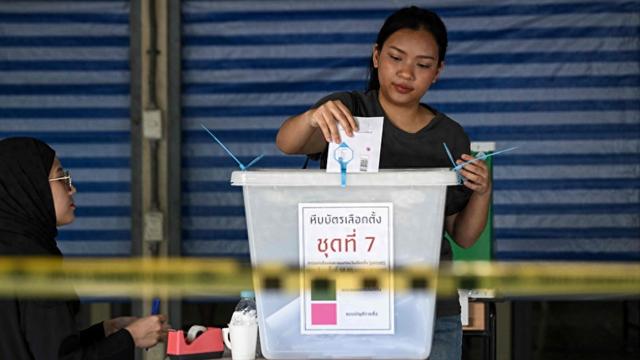
泰国走到十字路口:经济疲软政治碎片化,同日举行议会选举和宪法公投
Xin Lang Cai Jing· 2026-02-07 23:55
Core Insights - Thailand is at a critical juncture with the upcoming elections on February 8, 2025, following the dissolution of the House of Representatives by Prime Minister Anutin [1][3] - The elections will determine the composition of the new House of Representatives, with 500 members to be elected, and the results are expected to be announced by April 9, 2025 [1][3] Economic Context - Thailand faces significant economic challenges, including household debt nearing 90% of GDP, one of the highest in Asia, which is suppressing consumption and economic growth [3] - The Ministry of Finance has revised its economic growth forecast for 2026 down from 2.2% to 2% due to weak manufacturing output [3] - The economic uncertainty is expected to heavily influence voter decisions in the upcoming elections [3] Political Landscape - Pre-election polls indicate that the Move Forward Party (representing reformist forces) is leading in support over the ruling Palang Pracharath Party and the Pheu Thai Party, associated with the former Prime Minister Thaksin Shinawatra [4] - Analysts suggest that no single party is likely to achieve an overwhelming majority, leading to a coalition government formed through negotiations [4][5] - The election is characterized by a three-way competition among the Move Forward Party, Pheu Thai Party, and Palang Pracharath Party, contrasting with the previous two-party system [4] Party Strategies - The Move Forward Party is focusing on attracting young voters and addressing issues like corruption and economic revitalization, while distancing itself from previous controversial positions [7][8] - The Palang Pracharath Party is leveraging nationalist sentiments and has positioned itself as a protector of the monarchy, which may resonate with certain voter demographics [11][13] - The Pheu Thai Party is attempting to maintain its influence despite internal challenges and criticisms of being a tool for the Shinawatra family [14][16] Constitutional Referendum - On the same day as the elections, a referendum will be held to decide whether to replace the current constitution, which is seen as heavily influenced by military interests [5][17] - Supporters of the referendum argue that the current constitution grants excessive power to non-elected bodies, which can undermine elected officials [17][19] - The process for amending the constitution is complex and may take years, with significant implications for Thailand's political structure [18][19]
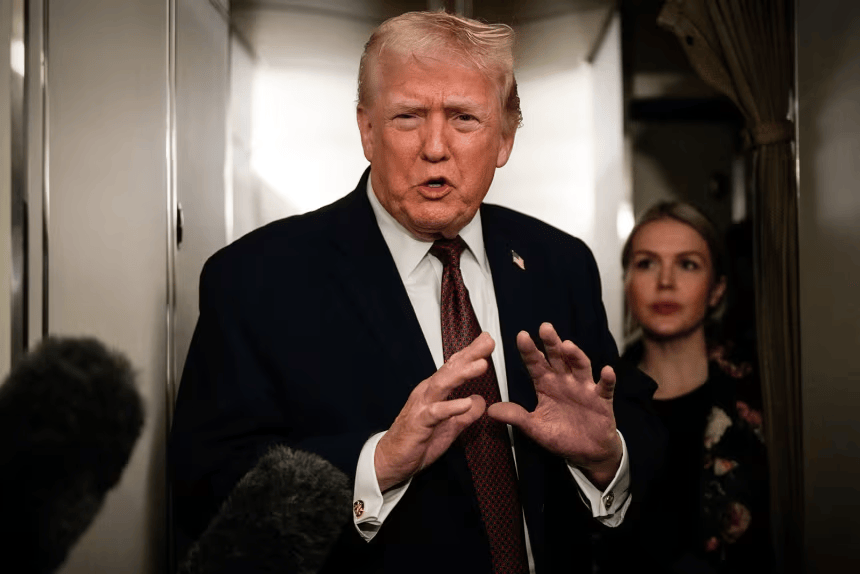
特朗普宣布对伊朗贸易伙伴征收25%关税:“立即生效”
Sou Hu Cai Jing· 2026-01-13 01:51
Group 1 - The core point of the news is that President Trump announced a 25% tariff on countries that engage in trade with Iran, effective immediately, although the specifics of the policy remain unclear [1][3] - The new tariff policy could significantly increase the import costs for Iran's major trading partners, including Iraq, India, the UAE, and Turkey [3] - The announcement coincides with ongoing anti-government protests in Iran, which have been met with internet blackouts and government crackdowns [3] Group 2 - Trump's administration has previously increased tariffs on Indian goods to 50% in an effort to penalize India for purchasing Russian oil, indicating a broader strategy of using tariffs as a tool for foreign policy [5] - The legal basis for Trump's tariff actions is under scrutiny, with potential challenges in the Supreme Court that could limit his ability to impose such tariffs and may require the return of approximately $130 billion in tariff revenue [5] - The economic situation in Iran is dire, with the currency plummeting, inflation exceeding 40%, and rising prices for essential goods, exacerbated by international sanctions and domestic mismanagement [5]
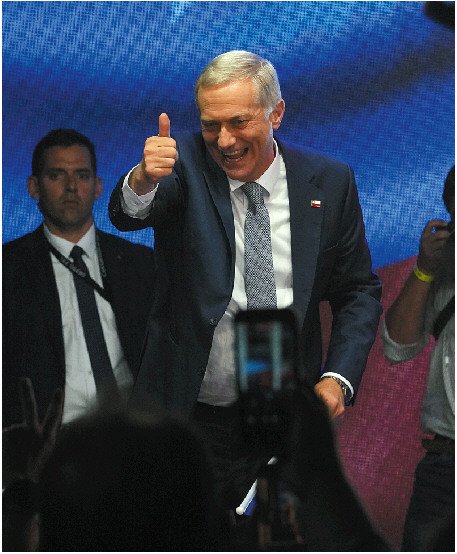
拉美政治格局进入右翼时间了?
Qi Lu Wan Bao· 2025-12-21 16:31
Group 1 - The recent presidential elections in Chile resulted in the victory of far-right candidate Kast over leftist candidate Jara, marking a significant political shift in the country [2] - Kast will begin his four-year term on March 11, 2026, as Chile's constitution prohibits consecutive presidential terms [2] - The election reflects a broader trend in Latin America, where political landscapes are increasingly leaning towards the right [3] Group 2 - In Bolivia, the recent election of President Pas signifies the end of nearly 20 years of leftist governance, further indicating a regional shift towards right-wing politics [3][4] - Pas's administration aims to improve relations with the United States to attract foreign investment, particularly in Bolivia's lithium resources [5] - The political instability in Peru contrasts with the rightward trend in neighboring countries, as it has experienced significant turbulence with multiple presidential changes since 2016 [6][7]
日本计划上调出国税至3倍以上 & 是枝裕和导演《蓦然回首》真人版
Sou Hu Cai Jing· 2025-12-03 15:44
Group 1 - Japan's ruling party, the Liberal Democratic Party, plans to increase the "International Tourism Tax" (departure tax) to over 3000 yen (approximately 136 CNY) by the fiscal year 2026, which is three times the current rate of 1000 yen implemented in 2019 [1] - The proposal includes raising the departure tax for business class travelers and above to 5000 yen [1] - The revenue from the departure tax will be used to address issues related to overtourism and the quality of tourists [1] Group 2 - The Japanese government also plans to increase the entry visa fees in 2026, with specific adjustments yet to be determined, aligning with the prices of developed countries in Europe and the US [4] - Currently, the fee for a short-term visa (single entry) is 3000 yen (approximately 139 CNY), and for multiple entries, it is 6000 yen [4] - In comparison, the US tourist and business visa costs 185 USD, the UK short-term visa is 127 GBP, and the European visa is 90 EUR [4]

18票之差惊险过关!法国总理暂停养老金改革,换取政府“续命”
Jin Shi Shu Ju· 2025-10-16 12:18
Core Points - French Prime Minister Le Maire survived two no-confidence votes, gaining a fragile respite and creating an opportunity to pass the 2026 budget [1] - The votes were supported by abstentions from the Socialist Party and center-right lawmakers, despite 271 votes in favor of his ousting, just 18 votes short of the required threshold [1] - Political turmoil in France has persisted for the past two weeks, with Le Maire resigning and being reappointed, ultimately conceding to suspend a controversial pension reform [1][2] Budget and Economic Implications - Le Maire urged opposition parties to allow his government to pass a budget aimed at reducing the deficit from 5.4% in 2025 to below 5% [2] - He proposed a €30 billion tax increase and spending cuts, inviting open debate and negotiations among lawmakers [2] - The survival of the government and the potential for budget passage led to a rebound in French assets, with 10-year borrowing costs falling below 3.35% for the first time since mid-August [2] Political Landscape - The respite for Le Maire may be temporary, as far-right leader Le Pen calls for new legislative elections, while the far-left demands Macron's resignation [2] - The Socialist Party has not reached any long-term support agreement with Le Maire, and there are divisions within the conservative Republican Party regarding the pension policy reversal [2] - Le Pen warned that the government may only survive a few more weeks, describing the situation as "toxic" for democracy [2]
日本政坛“大混战”!在野党密谋联手,阻止高市早苗出任首相
Jin Shi Shu Ju· 2025-10-13 06:26
Core Viewpoint - The Japanese opposition parties are attempting to form an alliance to prevent the newly elected leader of the ruling party, Sanae Takaichi, from becoming Prime Minister, following the sudden collapse of the long-standing coalition between the Liberal Democratic Party (LDP) and Komeito [1][2] Group 1: Political Landscape - The collapse of the LDP-Komeito coalition adds uncertainty to Takaichi's path to premiership, as the ruling coalition has lost absolute control in both houses of the Diet in recent elections [1] - The LDP remains the largest party in both houses, but Takaichi's success in the upcoming parliamentary vote depends on gaining support from the Japan Innovation Party, the third-largest party in the House of Representatives [1] - The opposition parties may unite to nominate a candidate, as indicated by the leader of the Constitutional Democratic Party, Yoshihiko Noda, who expressed willingness to support a candidate outside his party [1] Group 2: Market Implications - The dissolution of the LDP-Komeito alliance is seen as a significant shift in Japanese politics, with potential impacts on the Tokyo stock market [2] - Following Takaichi's election on October 4, stocks related to factory automation, defense, and artificial intelligence surged, pushing the Nikkei 225 index to a historical high [2] - Analysts suggest mixed investor sentiment, with some viewing the situation as a catalyst for a more stable center-right coalition, while others fear it could disrupt the positive market sentiment in Japan [2]
日本政坛走向将会怎样影响经济?
2 1 Shi Ji Jing Ji Bao Dao· 2025-10-10 22:45
Group 1 - The Japanese stock market has surged following the election of Sanae Takaichi as the president of the Liberal Democratic Party (LDP), with the Nikkei average breaking 48,000 yen, reaching a historical high, while the yen depreciated from 147 to around 151 yen against the dollar, indicating market optimism about a potential revival of Abenomics [1] - Japan's current economic situation is significantly different from 2013, as it faces inflation and a depreciating yen, with national debt exceeding twice the GDP, limiting the scope for bold fiscal and monetary policies [1] - The rise in stock prices does not necessarily reflect a positive economic outlook, as further yen depreciation could lead to increased living costs for citizens, complicating Takaichi's potential tax reduction policies [1] Group 2 - Takaichi's political foundation within the LDP is weak, requiring support from influential party figures like Taro Aso, who favors strict fiscal discipline, creating uncertainty about Takaichi's ability to maintain her original policy stance [2] - The current political landscape in Japan is fragmented, with no single party holding a majority, making it challenging for Takaichi to secure the prime minister position without forming coalitions, which will influence future policy decisions [2] - The Komeito party, a long-time coalition partner of the LDP, has expressed concerns about Takaichi's political direction, leading to their decision to withdraw from the coalition, adding uncertainty to the prime ministerial election [3] Group 3 - The Bank of Japan, under Governor Kazuo Ueda, has begun to move away from government interference, planning to end negative interest rates and start raising rates by 2024, which could be hindered if Takaichi intervenes in monetary policy [4] - Takaichi's previous support for Abenomics and criticism of the Bank's rate hikes have shifted, suggesting that her policies may become more moderate if she assumes office, with expectations of a gentle growth-oriented approach rather than aggressive fiscal expansion [4] - There is a possibility of opposition parties uniting to win power, which could lead to the LDP losing its position, further complicating Takaichi's ability to implement impactful policies [5][6]
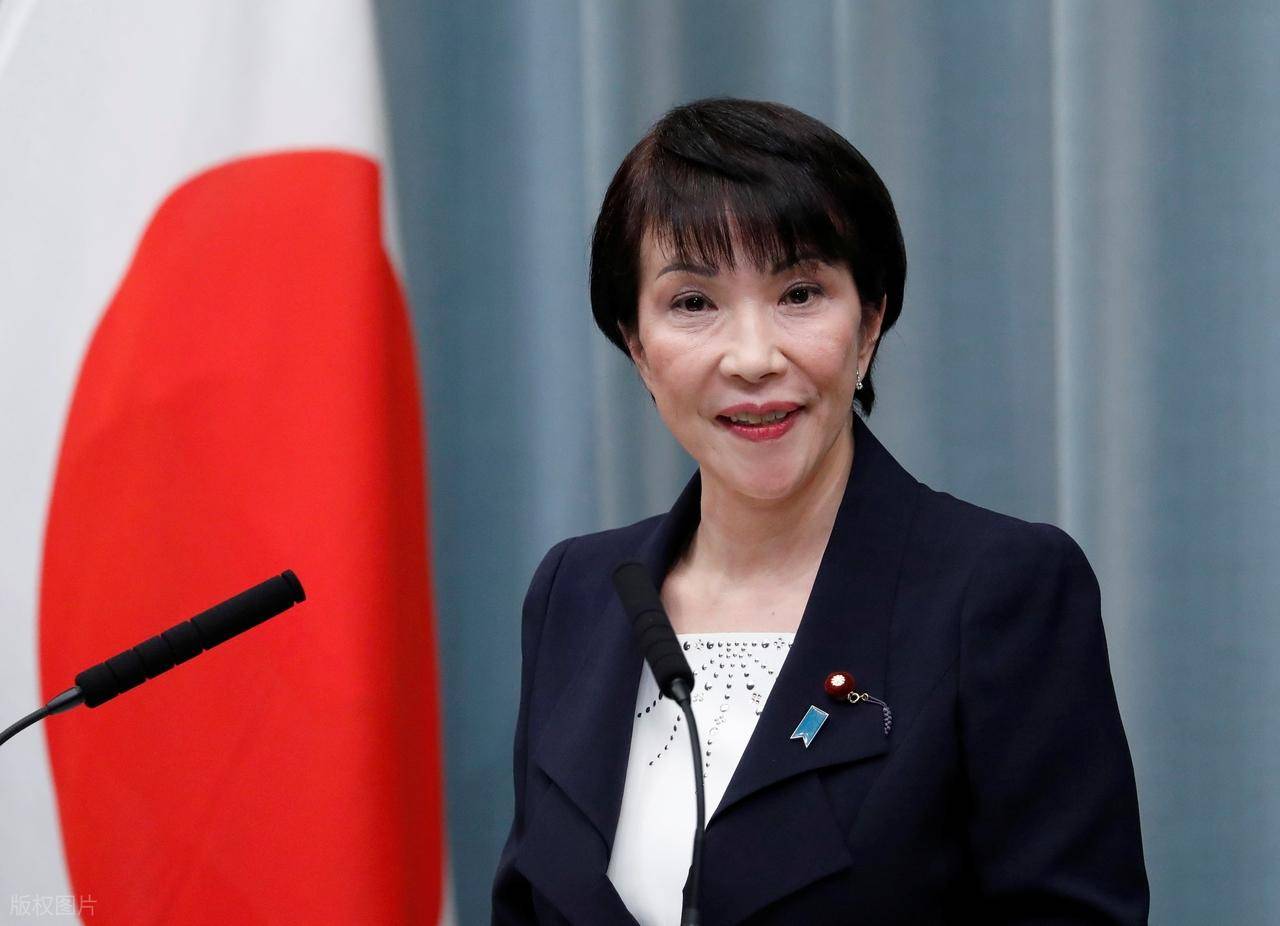
日元汇率大幅贬值!高市早苗力推“放水”政策,恐引发美国不满
Sou Hu Cai Jing· 2025-10-06 09:22
Core Viewpoint - The election of Sanna Takashi as Japan's first female president marks a significant political shift, with potential implications for the economy and financial markets [1][3]. Economic Policy - Sanna Takashi's economic stance aligns with the late former Prime Minister Shinzo Abe, promoting "Abenomics 2.0," which combines active fiscal policy with loose monetary policy [3]. - Her plan includes eliminating temporary taxes on gasoline and diesel to reduce government revenue while increasing subsidies for healthcare and small businesses, leading to a "revenue reduction and expenditure increase" fiscal expansion [3][5]. - The Bank of Japan is expected to raise interest rates twice in 2024, from -0.1% to 0.25%, and further to 0.5% in early 2025, which will increase government debt servicing costs [5]. Market Reaction - Following Takashi's election, the Nikkei index surged by 4.83%, surpassing 48,000 points, reflecting market optimism regarding liquidity expansion [7]. - Conversely, the yen depreciated by 1.83% against the dollar, breaking the 150 mark for the first time since July 31, indicating market concerns about the yen's future [7][10]. International Relations - The yen's depreciation complicates U.S.-Japan relations, as U.S. Treasury Secretary has called for yen appreciation to reduce the trade deficit, while the current situation undermines the effectiveness of U.S. tariffs on Japan [10]. - Takashi's administration may reconsider previous trade agreements, potentially leading to new negotiations or adjustments to existing tariffs, which could further strain U.S.-Japan relations [10][12]. Challenges Ahead - While "Abenomics 2.0" may provide short-term boosts to the stock market, the accumulation of debt risks, increased currency volatility, and rising trade tensions with the U.S. present significant challenges for Takashi's administration [12]. - The broader implications of her policies will influence Japan's role in the Asia-Pacific economic landscape and could have lasting effects on global economic dynamics [12].