灵活就业保障

Search documents
育儿补贴、免保教费、灵活就业者权益保障......那些民生暖意 | 2025年政策回顾
Xin Lang Cai Jing· 2025-12-30 07:59
Group 1: Elderly Care and Social Support - By the end of 2024, the population aged 60 and above in China is expected to reach 310 million, accounting for 22% of the total population [21] - The "Opinions on Deepening the Reform and Development of Elderly Care Services" was released, aiming to establish a basic elderly care service network by 2029 and a mature system by 2035 [21] - The government is implementing a pilot program to provide subsidies for elderly care services, with nearly 1 billion yuan allocated for subsidies by September 2024 [22] Group 2: Rural Revitalization - The central government issued a document to deepen rural reforms and promote comprehensive rural revitalization, marking the 13th central document focused on agriculture and rural areas [23] - The monitoring and assistance mechanism identified over 7 million individuals for support, maintaining a 99% insurance coverage rate for the impoverished population [24] - Employment for the impoverished population remains stable at over 30 million, ensuring that more than two-thirds of their income is maintained [24] Group 3: Anti-Competition Measures - The government has initiated measures to combat "involution" in competition, with a focus on improving consumer environments and protecting workers' rights [25] - A new standard for food delivery platforms was introduced to address issues of competition and service transparency [26] Group 4: Urban Renewal - The Ministry of Housing and Urban-Rural Development announced plans for urban renewal projects, aiming to complete the renovation of old urban residential areas built before 2000 [27] - By November 2025, over 25,800 old urban residential areas have been renovated, exceeding the initial target of 25,000 [28] Group 5: Flexible Employment and Social Security - The government is enhancing social security coverage for flexible workers, with over 200 million individuals in this category [29] - A pilot program for occupational injury insurance for new employment forms is being expanded from 7 to 17 provinces [30] Group 6: Childcare Support - A nationwide cash subsidy of 3,600 yuan per year for childcare was introduced, expected to benefit over 28 million families [32] - From the fall semester of 2025, public kindergartens will waive fees for the last year of preschool education, impacting approximately 12 million children [34]
大家提前做好准备,元旦将至,国内会出现5大趋势
Sou Hu Cai Jing· 2025-12-25 00:08
Core Insights - 2026 is identified as a pivotal year marking the beginning of the "15th Five-Year Plan," with a shift in policy direction and market trends anticipated [1] Group 1: Consumer Trends - The first trend indicates that consumer spending is becoming more rational, with individuals planning their purchases and focusing on quality over quantity, particularly in areas that bring personal satisfaction such as fitness and travel [3] - Consumers are encouraged to adjust their spending habits, prioritizing expenditures that enhance happiness and value rather than making impulsive purchases [4] Group 2: Employment and Skills - The second trend highlights the increasing demand for skilled workers, with policies promoting vocational training and subsidies for skill acquisition, particularly in sectors like renewable energy [6] - The third trend emphasizes the integration of AI into daily operations across various industries, suggesting that individuals should learn basic AI applications to enhance productivity and remain competitive in the job market [8] Group 3: Flexible Employment - The fourth trend points to a growing number of flexible workers, with 240 million currently engaged in such employment, and upcoming policies aimed at improving protections and benefits for these workers [8] - Individuals with stable jobs are encouraged to explore side hustles or prepare for transitions to flexible employment, as the environment is expected to become more supportive [9] Group 4: Domestic Consumption - The fifth trend focuses on the strengthening of the domestic market, with policies aimed at boosting local consumption and supporting homegrown brands [11] - There is a growing willingness among consumers to spend on local culture and brands, which presents opportunities for entrepreneurs to tap into local demand and unique offerings [12]


中经评论:骑手第一份社保补贴到账了
Jing Ji Ri Bao· 2025-12-24 00:10
Group 1 - The core viewpoint of the articles highlights the changing competitive logic in the food delivery industry, with platforms now providing social security subsidies to riders, marking a shift from low-price competition to enhancing service and protecting rider rights [1][2]. - Many riders are experiencing social security for the first time, with platforms offering subsidies that significantly reduce their out-of-pocket expenses for pension contributions, thus providing a sense of financial security for their future [1][3]. - The introduction of social security for riders reflects broader trends in the labor market, where flexible employment is becoming the norm, and many individuals are transitioning from traditional jobs to gig economy roles for better income and time flexibility [2][3]. Group 2 - Government regulations, such as the recent guidelines from the State Administration for Market Regulation, are addressing issues like "ghost deliveries" and inadequate protection for delivery workers, emphasizing the need for improved labor rights and service standards in the industry [2]. - The increasing importance of service consumption in economic growth is evident, with service retail growth outpacing goods retail growth, indicating a shift in consumer behavior and economic focus [2]. - The responsibility for providing social security should be a collective effort involving government, platforms, and individuals, as it is essential for creating a sustainable and supportive work environment for gig economy workers [3].
骑手第一份社保补贴到账了
Jing Ji Ri Bao· 2025-12-24 00:07
Group 1 - The core viewpoint of the articles highlights the changing competitive logic in the food delivery industry, with platforms now providing social security subsidies to riders, reflecting a shift from price competition to enhancing service and protecting rider rights [1][2]. - Many riders are experiencing social security for the first time, with platforms offering varying subsidy amounts based on the riders' income and location, which helps alleviate their financial concerns about retirement [1][3]. - The introduction of social security for riders is seen as a significant step towards providing future security for flexible workers across various sectors, indicating a need for platforms to incorporate such expenses into their business models [3]. Group 2 - Recent government regulations, such as the "Basic Requirements for Food Delivery Platform Service Management," aim to address issues like "ghost deliveries" and insufficient protection for delivery personnel, emphasizing the importance of worker rights [2]. - The service retail sector is increasingly becoming a vital part of economic growth, with service retail growth outpacing goods retail growth by 0.6 percentage points in the first three quarters [2]. - The emergence of flexible employment is becoming a norm in the labor market, as more individuals transition from traditional jobs to platform-based work for better income and time flexibility [2].
全国骑手养老保障新突破:企业补贴一半,个人自愿参保落地
Sou Hu Cai Jing· 2025-12-18 05:25
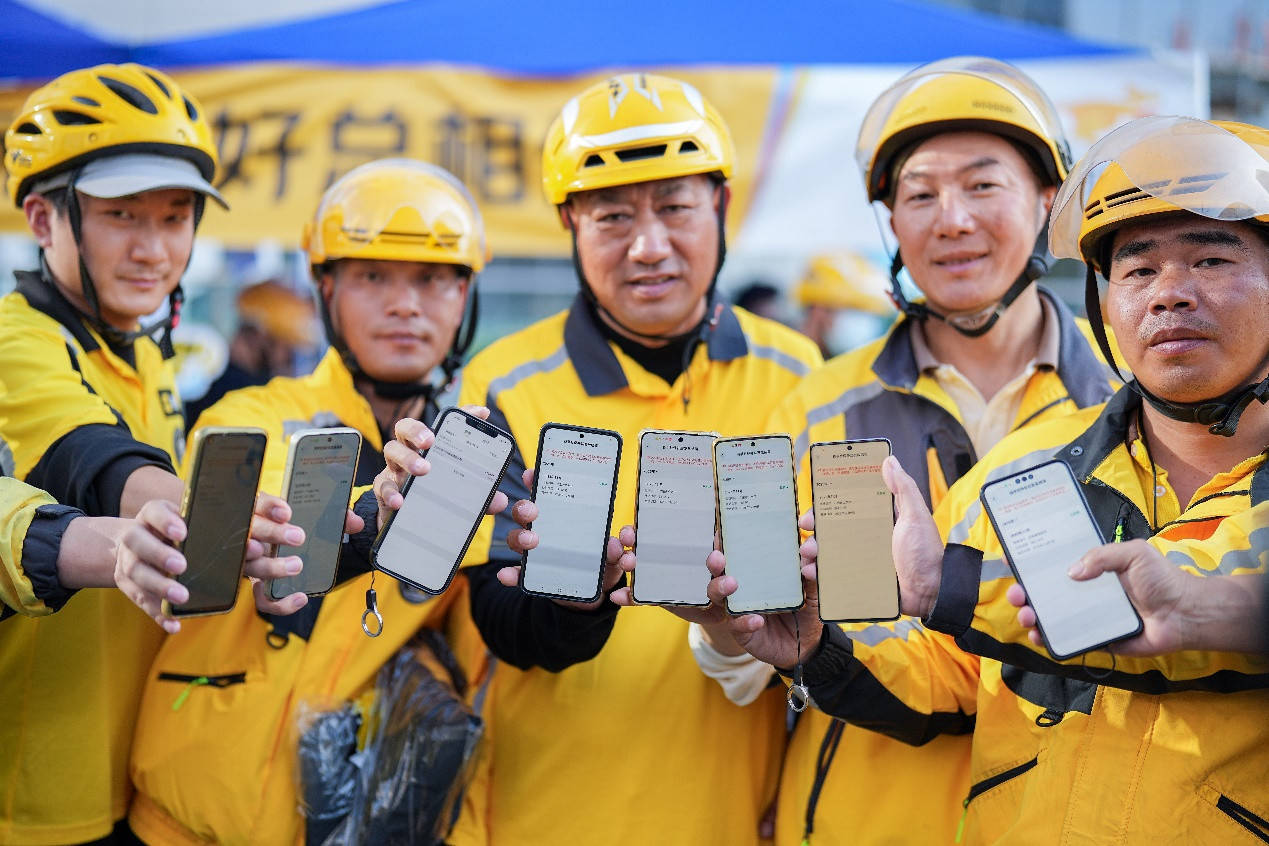
Group 1 - The core point of the news is the nationwide implementation of a pension insurance subsidy for Meituan delivery riders, providing financial support and future security for this workforce [1][8] - The subsidy program allows riders to receive 50% of their pension insurance costs covered by Meituan, with a monthly contribution of 551 yuan required from the riders [3][5] - The program is designed to be inclusive, allowing all riders who meet income criteria to participate, regardless of their employment status [5][6] Group 2 - The initiative reflects a collaboration between government guidance and corporate social responsibility, marking a significant advancement in social security for delivery riders [6][8] - Meituan has been actively promoting this subsidy since April 2023, with over 500 offline consultation service stations established and more than 10,000 consultation sessions held [8] - The company plans to invest 10 billion yuan over the next five years to enhance this welfare model and expand other human-centered welfare projects [8]
给百万骑手保障,为何是世界难题?
虎嗅APP· 2025-11-06 13:17
Core Viewpoint - Meituan has announced that its rider pension insurance subsidy will be implemented nationwide two months ahead of schedule, benefiting millions of riders [2][3]. Group 1: Industry Context - The rider community has rapidly grown to over ten million since the inception of online food delivery in China in 2008, highlighting the challenge of providing social security for the 240 million flexible workers globally [5]. - The U.S. and U.K. have struggled with defining labor relationships for gig workers, often classifying them as independent contractors, which complicates their access to social security [6][23]. - The introduction of the "Labor Tripartite" concept in 2021 by Chinese authorities aims to address the unique needs of flexible employment groups, including riders and ride-hailing drivers [8]. Group 2: Current Challenges - Riders face a low participation rate in social security, with only 25% covered under urban employee insurance, and many are reluctant to contribute due to financial constraints [11]. - The existing social security options are limited, with urban employee insurance being too costly for most riders, while rural resident insurance offers low coverage [12]. - A significant portion of riders (about 40%) are hesitant to pay more than 500 yuan per month for social security, indicating a preference for lower costs over comprehensive coverage [20]. Group 3: Meituan's Initiatives - Meituan has initiated a pension insurance subsidy that is now available to all riders, regardless of their employment status, aiming for inclusivity and fairness [33]. - The company has also participated in the "New Occupational Injury" pilot program, which provides a flexible insurance model based on the number of orders completed rather than traditional employment contracts [25][29]. - By 2024, Meituan plans to expand its insurance offerings and has already covered over 13 million riders with more than 2 billion yuan in premiums [29]. Group 4: Future Outlook - The rider insurance model established by Meituan may serve as a blueprint for other gig economy workers, such as delivery personnel and ride-hailing drivers, to access similar benefits [43]. - The ongoing collaboration between government and platforms like Meituan is essential for creating a sustainable social security framework for the growing flexible workforce in China [42].

骑手里89%是兼职,究竟该如何保障他们?
36氪· 2025-11-04 09:48
Core Viewpoint - The article discusses the implementation of a flexible pension insurance subsidy policy by Meituan for delivery riders, highlighting its significance in addressing the complex needs of this workforce and promoting broader social security coverage [4][6][30]. Group 1: Policy Implementation and Impact - Meituan's pension insurance subsidy policy provides riders with a monthly subsidy of 500 yuan, significantly easing their financial burdens [4][6]. - As of November, the subsidy will be available to all types of riders nationwide, covering millions and integrating them into a social security system [6][30]. - The policy aims to address the high mobility and diverse employment situations of riders, many of whom are part-time and have varying work histories [7][8]. Group 2: Challenges in Social Security Adoption - Many riders are reluctant to participate in traditional social security systems due to their transient employment status and the financial burden of contributions [10][12]. - The existing labor laws create a dichotomy that does not adequately address the unique status of delivery riders, who often operate in a gray area between employee and independent contractor [11][12]. - Riders often prefer flexible, low-barrier insurance options that align with their short-term employment plans, rather than being forced into rigid social security schemes [16][18]. Group 3: Broader Welfare Needs - Beyond pension insurance, riders express a need for comprehensive coverage that includes occupational injury insurance and support for unexpected health issues [23][30]. - Meituan has initiated various welfare programs, including a dedicated injury insurance scheme and meal subsidies, to address the daily challenges faced by riders [30][36]. - The article emphasizes the importance of a multi-layered welfare system that can adapt to the diverse needs of riders, ensuring both immediate and long-term support [26][36]. Group 4: Future Directions - The article suggests that Meituan's approach could serve as a model for extending similar benefits to other flexible employment groups, such as ride-hailing drivers and cleaners, who also lack adequate social security [35][36]. - The ongoing development of these welfare systems is seen as a crucial step towards establishing a more inclusive social security framework for the growing gig economy [37].

为什么美团宁愿被骂,也不搞社保样板间?
盐财经· 2025-10-31 11:10
Core Viewpoint - Meituan's new pension insurance subsidy program for delivery riders aims to enhance social security coverage nationwide, allowing riders to choose their insurance location and providing a 50% subsidy on contributions [2][4][10]. Group 1: Social Security System for Delivery Riders - The new pension insurance subsidy will cover all delivery riders across the country, addressing a significant gap in social security for this workforce [2][4]. - The program is designed to be inclusive, with benefits available to all types of riders, potentially impacting millions [2][10]. - The current social security system for delivery riders is already more advanced than that of many blue-collar workers [5][26]. Group 2: Comparison with Other Platforms - JD.com has adopted a different approach by providing full social security benefits for its full-time riders, but this excludes part-time riders [7][8]. - Meituan's model is more inclusive, allowing riders to self-select their participation in the pension scheme, thus accommodating the high percentage of part-time riders [12][13]. Group 3: Structure of the Social Security Program - Meituan's program consists of a "three-tier" structure: a basic safety net, an advanced support network, and a work benefits network [16][17]. - The basic safety net includes pension insurance subsidies and new occupational injury insurance, which has already covered over 13 million riders [17][18]. - The advanced support network offers additional benefits such as serious illness assistance and family coverage, extending support beyond just the riders [18][21]. Group 4: Flexibility and Sustainability - The program emphasizes flexibility and sustainability, recognizing the diverse and transient nature of the delivery rider workforce [12][13][28]. - Meituan's approach combines shared cost structures among the platform, riders, and government, ensuring long-term viability [28][31]. - The design of the program allows for a basic coverage for all while offering optional advanced benefits, catering to individual needs [28][32]. Group 5: Industry Impact and Future Outlook - The improvements in income and social security for delivery riders have positioned them among the top tier of blue-collar workers in China [26]. - Meituan's model serves as a potential template for addressing social security for other flexible employment groups, demonstrating a viable alternative to traditional models [32][33]. - The gradual and pragmatic approach taken by Meituan reflects a commitment to long-term improvements in social security for delivery riders, moving from "zero coverage" to a more comprehensive system [33][34].

覆盖全国骑手、惠及全行业:美团骑手保障迈出一大步
Ge Long Hui· 2025-10-31 10:45
Core Viewpoint - Meituan has established a comprehensive social security system for its delivery riders, marking a significant shift in the gig economy towards enhanced worker protections rather than mere subsidies [1][4][10]. Group 1: Overview of the New Social Security System - The new social security system covers millions of flexible workers, providing a structured safety net for all riders [2][3]. - This initiative signifies the end of the "no protection era" for delivery riders, with Meituan setting a precedent that may compel other companies to follow suit [5][6]. - The system is designed with a "multi-layered tower structure" to address the full lifecycle needs of riders, transitioning from basic survival support to development assistance [6][7]. Group 2: Structure and Benefits of the System - The foundational layer includes nationwide coverage for all Meituan riders, offering pension insurance, occupational injury insurance, and accident insurance, with no restrictions on qualifications or location [6][7]. - The advanced layer innovatively includes coverage for riders' families, providing benefits such as serious illness care, education funds for children, and vocational training, thus expanding the traditional boundaries of corporate welfare [6][7]. - The welfare layer offers additional benefits like meal subsidies, family travel allowances, free annual health check-ups, and services to enhance riders' job satisfaction [7]. Group 3: Implementation and Historical Context - Meituan's social security system is the result of long-term investment and gradual implementation, starting with pilot programs in 2021 and achieving nationwide coverage by October 2023 [8][10]. - The company has engaged in extensive dialogue with riders, holding nearly 500 meetings to gather feedback and optimize the program [8]. Group 4: Broader Implications for the Industry - Meituan's initiative represents a significant innovation in social security for gig workers, potentially serving as a replicable model for other sectors [12][18]. - The system addresses the unique characteristics of China's flexible workforce, which includes approximately 240 million gig workers, many of whom experience high mobility and income volatility [14]. - Other delivery platforms are beginning to adopt similar measures, indicating Meituan's influence on industry standards [18]. Group 5: Strategic and Economic Considerations - The establishment of this social security system aligns with national policies aimed at optimizing and sustaining social security frameworks [15][22]. - By institutionalizing worker protections, Meituan enhances its governance and reduces future policy and reputational risks, which could lead to long-term operational stability [21]. - The initiative is expected to improve business efficiency by reducing rider turnover and enhancing service quality, ultimately solidifying Meituan's competitive advantage in the market [22][23]. Group 6: Conclusion - As competition shifts from subsidies to institutional governance, Meituan is redefining the business logic of the platform economy, emphasizing long-term sustainability over short-term incentives [25][26].


覆盖全国骑手、惠及全行业:美团骑手保障迈出一大步
格隆汇APP· 2025-10-31 10:29
Core Viewpoint - Meituan has established a comprehensive social security system for its delivery riders, marking a significant shift in the gig economy towards enhanced worker protection rather than mere subsidies [4][6][15]. Group 1: Overview of the New Security System - The new social security system covers millions of flexible workers, making it the first of its kind in the industry [4][5]. - This system signifies the end of the "no protection era" for delivery riders, with Meituan setting a precedent that may compel other companies to follow suit [7][21]. - The system is structured in a "multi-layered tower" format, addressing the full lifecycle needs of riders, transitioning from survival support to development assistance [7][8]. Group 2: Structure of the Security System - The foundational layer includes nationwide coverage for all Meituan riders, providing pension insurance, occupational injury insurance, and accident insurance, with no restrictions on qualifications or location [7][8]. - The advanced layer innovatively includes coverage for riders' families, offering critical illness care, education funds for children, and vocational training funds, thus expanding the traditional boundaries of corporate welfare [8][9]. - The welfare layer provides various benefits such as meal subsidies, family travel allowances, free annual health check-ups, and special care for female riders, enhancing their professional recognition [8][9]. Group 3: Implementation and Historical Context - Meituan's commitment to this system has been long-term, beginning with pilot programs in 2021 and culminating in nationwide coverage by October 2023 [9][12]. - The company has engaged in extensive dialogue with riders, holding nearly 500 meetings to gather feedback and optimize the program [10][12]. - Since July 2022, Meituan has paid over 2 billion yuan in new occupational injury insurance for more than 13 million riders [12]. Group 4: Broader Implications for the Industry - The establishment of this system is seen as a model for social security innovation in the gig economy, potentially influencing other platforms to adopt similar measures [15][21]. - The initiative addresses the unique characteristics of China's flexible employment structure, which includes approximately 240 million flexible workers [16][18]. - Meituan's approach contrasts with the "elite protection" model of some competitors, which fails to provide widespread benefits to part-time and transitional workers [17][18]. Group 5: Economic and Strategic Impact - The new security system is expected to enhance Meituan's operational efficiency by reducing rider turnover and improving service quality [27][29]. - By focusing on long-term stability rather than short-term incentives, Meituan is shifting its competitive strategy from price wars to structural advantages [30][31]. - This initiative aligns with national policies aimed at optimizing social security systems and promoting equitable growth [26][30].