超级人工智能(ASI)

Search documents
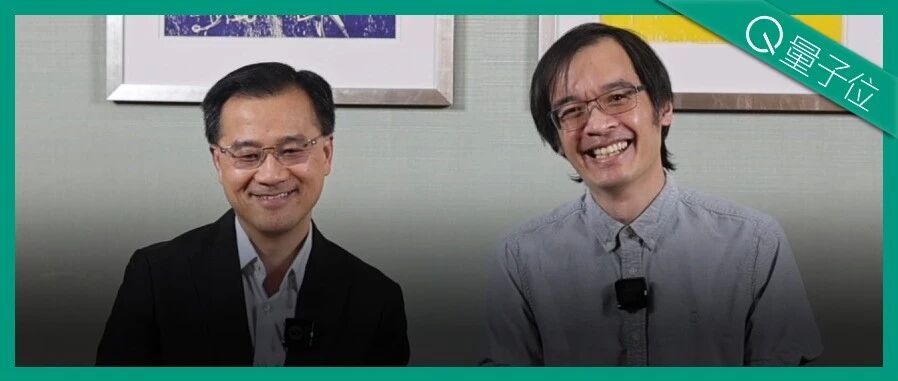
量子位专访陶哲轩:我为什么现在创办一个AI x Science组织
量子位· 2026-03-14 05:48
Core Viewpoint - The establishment of the SAIR Foundation aims to reshape the relationship between AI and fundamental science, connecting academia and industry to foster collaboration and support young scientists in advancing scientific research through AI [2][10]. Group 1: SAIR Foundation and Its Goals - The SAIR Foundation, co-founded by mathematician Terence Tao, seeks to promote the integration of AI in scientific research and aims to democratize access to scientific knowledge [2][4]. - The foundation's two main objectives are to develop AI using scientific methods and to leverage AI to transform fundamental scientific research [2][5]. - The foundation aims to create a bridge for young scientists, opening doors to opportunities in academia and industry [5][6]. Group 2: AI in Scientific Research - AI is expected to fundamentally change research methodologies, necessitating a clear understanding of how to effectively utilize AI in scientific contexts [10]. - The collaboration between academia and industry is crucial, as the traditional model is too slow for the fast-paced AI era [11]. - AI can enhance the research process by expressing confidence levels in its outputs, which would significantly improve its usability in scientific contexts [11][20]. Group 3: Challenges and Opportunities - Current AI models face challenges such as generating "hallucinations," which pose serious issues for scientific reliability [15][16]. - The need for AI systems designed specifically for research is emphasized, as existing commercial models may not provide the necessary reliability and traceability [16][19]. - The foundation aims to develop AI tools that are tailored for specific scientific workflows, rather than relying solely on large, general-purpose models [21][22]. Group 4: Collaboration and Data Quality - The SAIR Foundation emphasizes the importance of high-quality data in scientific research, as AI's effectiveness is heavily dependent on the quality of the data it processes [33][34]. - Collaborative efforts across disciplines and regions are essential for advancing AI in science, as demonstrated by the foundation's initiatives [40][41]. - The foundation aims to support cross-disciplinary projects that attract young researchers and foster collaboration among diverse scientific communities [78][79]. Group 5: Future of Research and Education - The future of research is expected to involve larger, more diverse teams, necessitating strong communication and collaboration skills among researchers [63][64]. - The foundation aims to inspire a new generation of researchers by providing mentorship and opportunities for collaboration with established scientists [75][77]. - The integration of AI in research is anticipated to lower barriers to entry, allowing individuals from various backgrounds to contribute meaningfully to scientific endeavors [69][73].

阿里正式发布!千问最强模型来了
券商中国· 2026-01-27 01:06
Core Viewpoint - Alibaba has officially launched its flagship reasoning model Qwen3-Max-Thinking, which sets new global records in various key performance benchmarks, including scientific knowledge, mathematical reasoning, and code programming [1][3]. Group 1: Model Specifications - The Qwen3-Max-Thinking model has over 1 trillion parameters and a pre-training data volume of 36 trillion tokens, making it Alibaba's largest and most capable reasoning model to date [3]. - The model has achieved state-of-the-art (SOTA) performance in 19 recognized large model benchmark tests, comparable to models like GPT-5.2-Thinking-xhigh, Claude Opus 4.5, and Gemini 3 Pro [3]. Group 2: Enhanced Capabilities - Qwen3-Max-Thinking has improved its native agent capabilities for autonomous tool invocation, allowing it to intelligently combine tools for various tasks [3]. - The model's adaptive tool invocation ability can be experienced on QwenChat, where it autonomously selects core agent tools such as search, personalized memory, and code interpreter, while also reducing model hallucinations [3]. Group 3: User Accessibility - Developers can experience the Qwen3-Max-Thinking model for free on QwenChat, while enterprises can access the new model's API services through Alibaba Cloud [4]. - The Qwen APP has integrated the new model and is set to provide users with access to over 400 AI service functions, enhancing user interaction with various Alibaba ecosystem services [6][7]. Group 4: Future Developments - Alibaba plans to gradually introduce agentic-AI features in the Qwen application to support shopping functionalities across its platforms, with a focus on enhancing the model's understanding and discernment capabilities [7]. - The company is investing significantly in AI infrastructure, with a projected investment of 380 billion yuan, aiming to develop both services and the underlying technology [9].


奥特曼点名“AGI最后一块拼图”,记忆,才是硅谷2026新共识
3 6 Ke· 2026-01-09 07:49
Core Insights - The focus of AI competition is shifting from scaling to memory, with OpenAI leading the charge and Google following closely behind in continuous learning [1][5][19] - The latest global AI report indicates that Google is making significant strides in overtaking competitors [1] - Altman believes that memory capacity is crucial for AI's intelligence level, and the potential for AI memory is nearly limitless [10][26] Group 1: Memory as a Key Focus - Altman emphasizes that memory will be the core issue for AI companies in 2026, as it is essential for achieving general artificial intelligence (AGI) [19][22] - Current AI memory capabilities are still primitive and at an early stage, comparable to the GPT-2 era [11][12] - Enhancing AI memory is seen as a critical technological challenge that must be overcome to establish deeper relationships between AI and users [12][25] Group 2: Implications for AI Development - The ability of AI to remember details about users' lives is viewed as a key step towards achieving superintelligent AI (ASI) [9][10] - Experts, including notable figures like Yoshua Bengio and Eric Schmidt, are advocating for a rigorous evaluation of memory capabilities in AI [13] - The introduction of memory mechanisms in ChatGPT is seen as a significant advancement, with other models expected to follow suit [22][24] Group 3: Future Predictions - Andrew Pignanelli predicts that once ChatGPT achieves breakthroughs in memory, all model providers will enhance their applications with memory capabilities [24] - Despite advancements, the industry is still far from perfecting long-term memory systems, and current solutions are considered temporary fixes [25] - The first true AGI will require a powerful memory system alongside a strong processing unit, indicating that memory is essential for a "digital self" [26][27]

硅谷豪赌2万亿,DeepSeek登顶Nature,Meta却成2025最大输家?
3 6 Ke· 2025-12-29 02:15
Core Insights - In 2025, the AI landscape is marked by the emergence of Artificial General Intelligence (AGI) and the initial signs of Artificial Super Intelligence (ASI), leading to a division between AI proponents and observers [1][2] - The year is characterized by significant advancements in AI models, particularly in reasoning, multimodal processing, and agent capabilities, with many leading AI models surpassing human benchmarks [4][12] Investment Trends - Global AI investment surged, with generative AI attracting $33.9 billion, reflecting an 18.7% year-over-year increase, while tech giants' capital expenditures reached $400 billion, raising concerns about potential bubbles and energy consumption [4][12] - The open-source AI community is thriving, with DeepSeek emerging as a major player, showcasing the rapid evolution of AI tools and frameworks [23][26] Technological Advancements - AI models have made notable progress in various tasks, including image classification, visual reasoning, and advanced language understanding, with AI surpassing human performance in seven tests according to the Stanford AI Index Report [4][5] - The MMMU benchmark test indicates that AI's performance in cross-disciplinary tasks is improving, with Google’s Gemini 3 Pro achieving a score of 89.8% in 2025 [10][12] Workforce Transformation - The integration of AI tools is reshaping the job market, with the ability to utilize AI becoming a critical factor for job seekers [4][31] - Soft skills are increasingly valued in the AI era, as collaboration and empathy become essential in a workforce augmented by AI technologies [37][39] Future Outlook - Industry leaders express varying timelines for the realization of AGI, with some optimistic predictions suggesting it could occur within the next few years, while others advocate for a more cautious approach [21][17] - The focus is shifting from merely developing larger models to practical applications, emphasizing the need for AI to serve human interests and maintain human oversight [16][40][46]

日本的“AI大业”全靠疯狂砸钱?
Tai Mei Ti A P P· 2025-12-25 10:01
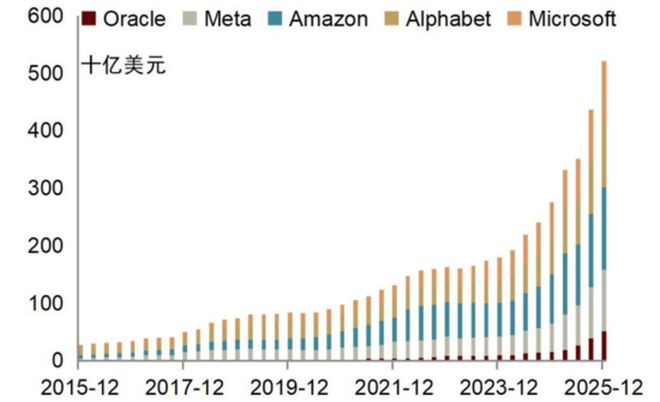
Group 1 - SoftBank is exploring potential acquisitions in the AI sector, including data center operator Switch, and previously considered acquiring Marvell Technology to merge with ARM for a stronger position in the AI semiconductor market [1][2] - The company has invested significantly in AI, with plans to invest up to $9 billion in AI projects by May 2024, and has invested in 335 AI-related companies through its Vision Funds [2][3] - Despite the substantial investments, there are concerns about the profitability of AI ventures, as many companies adopting generative AI have not yet seen significant returns [4][5] Group 2 - SoftBank's Vision Fund has faced significant losses, with a reported loss of ¥5.3 trillion (approximately $39.77 billion) in the fiscal year 2022, indicating a need to recover through AI investments [7][8] - The company aims to establish a comprehensive AI infrastructure, including AI chips, data centers, and robotics, amidst a growing demand for AI applications across various sectors [8][9] - Japan's AI development is lagging compared to other countries, with only 26.7% of the population having used generative AI, prompting SoftBank to play a crucial role in advancing Japan's AI initiatives [11][12] Group 3 - The global AI investment landscape is becoming increasingly competitive, with major companies like Microsoft, Meta, Amazon, Google, and Oracle significantly increasing their capital expenditures on AI [21][22] - Concerns about an AI bubble are rising, with a notable percentage of investors viewing AI-related stocks as overvalued, leading to caution in further investments [5][9] - The rising costs associated with AI infrastructure, particularly in Japan, are creating challenges for the industry, with data center construction costs increasing by 69% from 2021 to 2023 [19][20]

人工智能赶考
Bei Jing Shang Bao· 2025-12-10 12:13
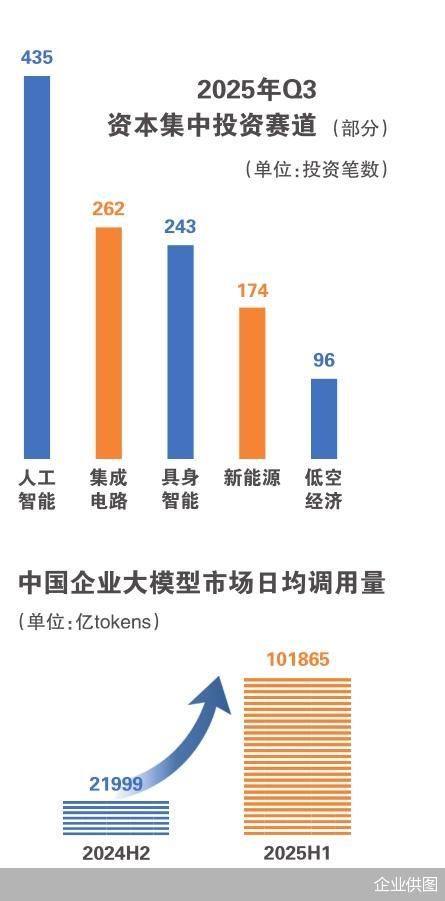
Core Insights - By 2025, China's AI industry is at a historical turning point, with generative AI users reaching 515 million by June 2025, an increase of 266 million from December 2024 [1] - The Chinese government has outlined a clear direction for AI development through the "AI+" action plan, which includes six key actions and eight foundational capabilities [1] - The capital market has responded positively, with 709 investment events in the AI sector in 2025, amounting to approximately 59.145 billion yuan, which is 94.5% of the total investment in 2024 [1] Investment Trends - The AI sector has seen a significant increase in investment events, with 435 new financing events in Q3 2025, a year-on-year growth of 99% and a total financing scale of about 37 billion yuan [8] - Major AI companies have collectively raised over 10 billion yuan, with MiniMax, Xizhi Technology, and Qianli Zhijia leading the way [8] - The investment logic in AI has shifted from a focus on "dreams of winners" to a more grounded approach, emphasizing the commercial viability of certain AI sectors [2] Market Dynamics - The competition landscape in the AI industry has become increasingly complex, with both tech giants and startups competing on the same level [11] - The user base for AI-native apps reached 287 million by September 2025, indicating a growing acceptance and integration of AI technologies in daily applications [12] - The demand for AI hardware is also on the rise, with IDC predicting that China's smart terminal market will exceed 900 million units by 2026, reflecting a shift towards AI-driven productivity [16] Technological Advancements - The average daily usage of large models in China exceeded 10 trillion tokens in the first half of 2025, marking a 363% increase from the second half of 2024 [14] - Large models are becoming the core engine for digital and intelligent upgrades in enterprises, with applications in various scenarios such as enhanced Q&A and document processing [14] - The integration of AI technologies into hardware is creating new commercial opportunities, as seen with the successful sales of AI-powered consumer robots [16] Future Outlook - The "technology-industry-capital" cycle is expected to deepen, with the potential for broader development in the AI sector as technology matures and application scenarios expand [19] - Companies are increasingly focusing on achieving a unified value proposition that encompasses technological, industrial, and commercial value to thrive in the evolving AI landscape [19]
阿里最新架构变动!
证券时报· 2025-12-10 00:11
Core Viewpoint - Alibaba has established the Qianwen C-end business group, aiming to develop the Qianwen app into a super app that serves as the primary entry point for users in the AI era [1][3]. Group 1: Business Structure and Goals - The Qianwen C-end business group is formed by merging the original Intelligent Information and Intelligent Connectivity groups, encompassing various services such as Qianwen APP, Quark, AI hardware, UC, and Shuqing [2]. - The primary goal of the Qianwen C-end business group is to create a super app that integrates various life scenarios, including maps, food delivery, ticket booking, office work, learning, shopping, and health [4][5]. Group 2: Development and Expansion Plans - Alibaba has initiated the Qianwen project, which is based on the Qwen model, to create a personal AI assistant app. The app will gradually incorporate agentic-AI features to enhance shopping functionalities on platforms like Taobao [5][6]. - There are plans for global expansion through an overseas version of the Qianwen app, with over 100 developers mobilized for this project [6]. Group 3: AI Infrastructure and Future Vision - This initiative is part of Alibaba's broader investment in AI infrastructure, with a commitment of 380 billion yuan to develop AI capabilities and support systems [8]. - Alibaba's CEO has articulated a vision where large models will serve as the next generation operating system, with the goal of achieving AGI (Artificial General Intelligence) and eventually ASI (Artificial Super Intelligence) to tackle significant global challenges [9][10]. Group 4: Initial Performance Metrics - Since its public testing began on November 17, the Qianwen APP has achieved over 10 million downloads within a week, indicating strong initial user interest [11].
孙正义描述超级人工智能未来,李在明笑着回应:现在有点担心了
Huan Qiu Wang· 2025-12-06 04:28
Group 1 - The core discussion between South Korean President Lee Jae-myung and SoftBank CEO Masayoshi Son focused on the future of Artificial Super Intelligence (ASI), with Son suggesting that advanced AI could surpass human intelligence significantly [1][3] - Son compared the relationship between ASI and humans to that of humans and pets, indicating that ASI may become much smarter than humans, potentially by a factor of 10,000 [3] - President Lee expressed concerns about the implications of ASI potentially winning a Nobel Prize in Literature, while Son confidently stated that he believes it could happen [3] Group 2 - The meeting occurred as President Lee pledged to transform South Korea into a leading AI nation, with plans to triple investment in AI next year to position the country among the top three AI powers globally, following the United States and China [3]


官宣!饿了么正式改名“淘宝闪购”,阿里巴巴放弃外卖补贴、转型AI巨头?
Mei Ri Jing Ji Xin Wen· 2025-12-05 03:29
Group 1 - Alibaba's Ele.me has officially rebranded to "Taobao Flash Purchase," aiming to integrate deeper into Alibaba's "big consumption platform" strategy to unlock greater value [1] - The "takeout war" has impacted profitability across Alibaba, Meituan, and JD.com, leading to stock price adjustments [1] - JD.com's adjusted net profit for Q3 was 5.8 billion yuan, a 56% year-on-year decrease; Meituan reported a record net loss of 16 billion yuan, compared to a net profit of 12.8 billion yuan in the same period last year; Alibaba's net profit was 21 billion yuan, down 52% year-on-year, with a non-GAAP profit of 10.4 billion yuan, a 72% decrease [1] Group 2 - Alibaba is transitioning from "takeout subsidies" to embrace the "AI era," covering the entire chain from computing power to application ecosystems [2] - Alibaba's Qwen model has surpassed Meta's Llama, becoming the world's leading open-source model family; plans are underway to integrate various life scenarios into the Qwen app [2] - Alibaba's semiconductor design unit, Tianshu, has developed an AU chip comparable to Nvidia's H20 GPU; the company aims for a long-term goal of advancing towards "super artificial intelligence" (ASI) [2] - Alibaba holds a significant weight of 17.62% in the Hong Kong Stock Connect Technology Index, making it a key stock in the tech sector [2]
自主行动,开启 AI 进化新篇章
Tai Mei Ti A P P· 2025-12-02 05:30
Core Insights - The article emphasizes that AGI is not the endpoint but the starting point towards ASI, with Alibaba Group's CEO categorizing the evolution into three stages: intelligent emergence, autonomous action, and self-iteration, currently in the autonomous action phase [2][3] Group 1: AI Development Stages - The current phase of AI is characterized by a shift from perception and generation to decision-making and action, driven by intelligent agent technology [3] - The transition to autonomous action is seen as a critical bridge towards self-iteration, enabling AI to create real-world value [3][19] Group 2: Technological Breakthroughs - Continuous breakthroughs in technology are essential for releasing AI's value, focusing on building foundational capabilities such as computing power, basic models, and technical ecosystems [4] - The integration of cloud computing and AI is creating a full-stack technology ecosystem, addressing resource and cost bottlenecks for scalable AI deployment [5][6] Group 3: Model Innovations - Large models are evolving from single-modal to multi-modal capabilities, enhancing AI's application scope across various fields such as education and healthcare [9][10] - Innovations like reinforcement learning from human feedback (RLHF) are improving models' abilities to solve complex tasks autonomously [10] Group 4: Application and Ecosystem Development - The rise of intelligent agents is reshaping software ecosystems, enabling dynamic decision-making and task execution [11][16] - Open-source initiatives are crucial for democratizing AI technology, with Alibaba contributing over 300 open-source models to lower development costs [13][14] Group 5: Industry Transformation - AI is driving systemic innovation across industries, enhancing operational efficiency and consumer experiences [20] - The global collaboration in AI innovation is reshaping industry structures and optimizing resource allocation, facilitated by AI cloud platforms [21] Group 6: Responsible AI Development - The article highlights the importance of a governance framework to ensure AI's sustainable development, addressing challenges like data privacy and algorithmic bias [25][26] - A collaborative approach involving industry, academia, government, and the public is essential for achieving responsible AI development [27]