技术创新

Search documents
研判2026!中国超微细电子线材行业产业链、产量、需求量、市场规模、竞争格局和未来趋势分析:电子产品微型化发展,推动超微细电子线材需求增加[图]
Chan Ye Xin Xi Wang· 2026-02-20 01:04
内容概要:随着电子信息、新能源汽车等行业的快速发展,它们对传输电子信号的线材要求越来越高, 尤其是下游信息电子产品对轻、薄、短、小的不懈追求,要求线材也必然向超微细的方向发展。超微细 电子线材的发展,不仅降低了传输信号线束的体积、重量,更会大幅提升线束的抗弯折性能,多条超微 细线材绕制的线束也提高了信号传输的质量和稳定性。鉴于超微细电子线材的优异性能,机器人、新能 源汽车、医疗仪器等领域也越来越多采用超微细电子线材,行业市场规模不断扩大。数据显示,2016年 中国超微细电子线材行业市场规模达到17.11亿元,到了2025年行业市场规模增长至48.62亿元,同比上 涨12.3%。 相关上市企业:ST东尼(603595)、露笑科技(002617)、瀛通通讯(002861)、通达股份 (002560)、康强电子(002119)、杭电股份(603618)、震雄集团(00057)、博威合金 (601137)、江西铜业(600362)、紫金矿业(601899)等。 相关企业:珠海蓉胜超微线材有限公司、浙江微力方复合材料有限公司、江西中易微连新材料科技有限 公司、白银一致长通超微线材有限公司等。 关键词:超微细电子线材行业 ...


John Deere(DE) - 2026 Q1 - Earnings Call Transcript
2026-02-19 16:00
Financial Data and Key Metrics Changes - Net sales and revenues increased by 13% to $9.611 billion, while net sales for equipment operations rose by 18% to $8.001 billion [7] - Net income attributable to the company was $656 million, or $2.42 per diluted share [7] - The operating margin for equipment operations was reported at 5.9% [5] Business Segment Data and Key Metrics Changes - Production and Precision Ag segment net sales were $3.163 billion, up 3% year-over-year, with an operating margin of 4.4% [7][9] - Small Ag and Turf segment net sales increased by 24% to $2.168 billion, with an operating margin of 9% [9] - Construction and Forestry segment net sales rose by approximately 34% to $2.67 billion, with an operating margin of 5.1% [13][14] Market Data and Key Metrics Changes - The large ag equipment industry in the U.S. and Canada is expected to decline by 15%-20% this year, while small ag and turf demand estimates remain flat to up 5% [10][11] - In South America, industry sales of tractors and combines are projected to decrease by approximately 5% [12] - The construction equipment market in the U.S. and Canada is expected to grow by around 5% year-over-year [14] Company Strategy and Development Direction - The company aims to maintain production in line with retail demand and has seen improvements in order activity across various segments [30][31] - Investments in new product launches and technology enhancements are prioritized to meet market demands and improve operational efficiency [34][38] - The acquisition of Tenna is expected to enhance the company's capabilities in optimizing fleet operations and job site management [37] Management's Comments on Operating Environment and Future Outlook - Management expressed optimism about stabilization in the agricultural market, supported by government programs and improved commodity prices [22][24] - The company anticipates mid-single-digit net sales growth for equipment operations in fiscal 2026, reflecting a positive outlook despite challenges in certain markets [6][21] - The management highlighted the importance of maintaining high levels of investment throughout the cycle to position for future growth [41] Other Important Information - The company returned nearly $750 million in cash to shareholders through dividends and share repurchases, demonstrating strong financial performance [42] - The effective tax rate for fiscal year 2026 is projected to be between 25% and 27% [17] Q&A Session Summary Question: Pricing expectations for PPA and C&F segments - Management indicated that pricing for large ag is expected to maintain a positive realization for the full year, despite some incentives in South America [49][50] - C&F pricing was slightly negative in Q1, but management remains confident in future price realization [51][52] Question: Order strength in C&F segment - Management noted that contractor confidence is high, with strength in larger projects driving order activity [56][58] Question: Headwinds affecting forecasts - Management acknowledged mixed conditions in the market, particularly in housing, but overall remains optimistic about growth [62] Question: Large ag order book dynamics - The order book for large ag is showing stability, with some improvement in order velocity, although the industry outlook remains cautious [70][72] Question: Tariff impacts and potential relief - Management discussed the ongoing tariff costs and the uncertainty surrounding potential relief, indicating a cautious approach to pricing adjustments [92][93]

佳节里的坚守 岗位上的担当
Xin Lang Cai Jing· 2026-02-18 20:20
Core Insights - The construction industry in Yunnan is actively progressing with key projects during the Spring Festival, showcasing commitment and innovation in challenging conditions [1][2] Group 1: Project Developments - The Wenshan-Mengzi Railway, spanning 101.9 kilometers, is a crucial transportation line connecting Wenshan and Honghe, featuring a high bridge-tunnel ratio of 81.3% and complex geological conditions [1] - The Yukun High-Speed Railway's construction involves a total of 24,720.5 meters of enclosed layer work, with over 600 workers actively engaged on-site [2] - The Kunming Changshui International Airport expansion project is leveraging BIM technology for digital construction, enhancing efficiency in the installation of mechanical and electrical systems [2] Group 2: Workforce Commitment - Hundreds of workers from China State Construction Engineering Corporation's Yunnan branch have chosen to remain on-site during the holiday to ensure timely project delivery, including the Songming Experimental Middle School [2] - The company has organized cross-regional family visits, sending New Year gifts and letters to the families of workers, fostering a sense of community and support [3] - The construction sites are decorated with festive elements, creating a warm atmosphere for workers who are away from their families during the holiday season [3]
National Energy Services Reunited Corp.(NESR) - 2025 Q4 - Earnings Call Transcript
2026-02-17 14:02
Financial Data and Key Metrics Changes - Fourth quarter revenue reached $398.3 million, marking a record high with a sequential increase of 34.9% and a year-over-year increase of 15.9% [16] - Full year 2025 revenue totaled $1.324 billion, up 1.7% year-over-year, supported by higher activity levels across several countries [19] - Adjusted EBITDA for Q4 2025 was $84.4 million, with a margin of 21.2%, stable compared to previous quarters despite increased revenues [17] - Full year 2025 adjusted EBITDA was $281.4 million, with margins of 21.3%, down approximately 250 basis points year-over-year [19] - Operating cash flow for Q4 was exceptionally strong, contributing to a free cash flow of $120.8 million for the full year, representing a 43% conversion from adjusted EBITDA [21][22] Business Line Data and Key Metrics Changes - The mobilization of the new Jafurah contract beginning November 1 significantly contributed to revenue growth in Q4 2025 [16] - Strong activity increases were noted in North Africa, Kuwait, Iraq, Egypt, and Libya, driving overall revenue growth [17] - The company anticipates a steady state of operations at Jubail by Q2 2026, with potential for additional fleet additions in Q3 and Q4 [33] Market Data and Key Metrics Changes - The MENA region is experiencing steady activity growth driven by oil capacity expansion and strategic domestic gas development [6] - Kuwait is projected to invest $8 billion-$10 billion annually in upstream spending through 2030, which is expected to significantly enhance NESR's growth potential in the region [8] - Libya is seeing a surge in activity with a commitment of $20 billion in investment over 25 years, indicating a strong growth pillar for NESR [10] Company Strategy and Development Direction - NESR aims to double its size over the next couple of years, leveraging its existing business and new technologies [28] - The company is focused on countercyclical growth investments, preparing equipment ahead of demand to ensure readiness for increased activity [33] - Strategic partnerships and technology development are key components of NESR's growth strategy, particularly in areas like decarbonization and directional drilling [61] Management's Comments on Operating Environment and Future Outlook - Management expressed confidence in the MENA region's resilience, noting that activity levels are largely decoupled from oil and gas prices [7] - The company expects to exit 2026 with an annualized revenue run rate of approximately $2 billion, supported by a growing contract portfolio [24] - Management highlighted the importance of maintaining strong operational execution and cost control to drive profitable growth [26] Other Important Information - The company has a solid balance sheet with gross debt totaling $310 million and a net debt to adjusted EBITDA ratio of 0.66, well below the target threshold of 1x [22][23] - Capital expenditures for 2026 are projected to be approximately $165 million, consistent with the expanding growth outlook [24] Q&A Session Summary Question: Update on Jubail and ramp-up to $2 billion run rate - Management indicated that Jubail is on track, with a steady state expected by Q2 2026 and potential for additional fleet additions in Q3 and Q4 [33] Question: Supply chain concerns and logistics - Management addressed supply chain readiness, stating that all necessary materials and logistics have been planned to avoid delays [34] Question: Medium-term targets beyond $2 billion - Management expressed optimism about doubling the company size, with a significant number of tenders submitted across the region [39] Question: Incremental efficiencies at Jafurah - Management highlighted potential for 20% efficiency improvements through optimized operations and technology integration [47] Question: Kuwait's growth potential and contract timelines - Management confirmed that Kuwait's upstream spending is already underway, with contracts expected to be awarded throughout 2026 [52] Question: Investment needs for higher activity levels - Management indicated that capital expenditures will remain within the planned range, with potential increases if contract wins exceed expectations [58] Question: Shareholder returns and leverage strategy - Management stated that the goal is to maintain a net debt to EBITDA ratio of 1 or less, with plans to discuss shareholder return strategies in the next earnings call [63]

刚刚 18架F-35战斗机飞往中东 伊朗举行军演!马年化工板块投资主线浮现
Qi Huo Ri Bao· 2026-02-16 23:26
Group 1: Iran-U.S. Nuclear Negotiations - The second round of nuclear negotiations between Iran and the U.S. is set to take place in Geneva on the 17th, with Iranian Foreign Minister Zarif leading the Iranian delegation [2][5] - The talks will continue to be indirect, with Oman acting as a mediator, emphasizing the need for mutual understanding and consensus to reach an agreement that aligns with the interests of all parties involved [5][3] Group 2: U.S. Military Deployment - The U.S. Air Force has deployed 18 F-35A Lightning II fighter jets to the Middle East, marking one of the largest single deployments in recent months, reflecting the current military strategy due to tensions with Iran [6][8] Group 3: Chemical Industry Outlook for 2026 - The chemical sector has shown strong performance at the beginning of 2026, with increasing transaction volumes and institutional investment, alongside a steady rise in prices of mainstream chemical products [10] - Market analysts predict a "volatile upward trend with structural differentiation" for the chemical sector, with potential risks from international commodity market fluctuations and domestic production resumption rates affecting demand [11][12] - The chemical industry is expected to gradually recover from a low valuation and profit situation, driven by the elimination of outdated capacity and structural optimization [12][15] - Investment opportunities in the chemical sector include "tight balance" products like PX and PTA, as well as innovative products in semiconductor materials and new energy materials, which are seen as long-term growth drivers [15]

“虽迟但到”,安踏终于落子北美,为什么?
Sou Hu Cai Jing· 2026-02-15 04:30
Core Insights - Anta Group has opened its first flagship store in the United States, located in Beverly Hills, Los Angeles, marking a significant step in its global expansion strategy [1][5] - The opening symbolizes a shift in Anta's approach, moving from a period of waiting to actively engaging in the North American market, which is dominated by major players like Nike and Adidas [1][3] - Anta's CEO emphasized that the Beverly Hills store is a crucial part of the brand's globalization strategy, aiming to enhance global consumer perception of Chinese brands [5][7] Company Strategy - Anta has built a diverse global brand matrix through strategic acquisitions, including Fila, Amer Sports, and a proposed acquisition of 29.06% of Puma, positioning itself among the top three global sports brands [2][3] - The company has developed a direct-to-consumer (DTC) business model, moving away from traditional wholesale methods, which has proven successful in various international markets [3][4] - Anta's product offerings in the new store include advanced technologies and core products that compete with international brands, showcasing its commitment to innovation [4] Market Context - The North American sports apparel market is projected to reach $3,868.18 billion by 2024, with the region accounting for approximately 42.7% of the global market [6] - Anta's entry into the North American market is strategically timed to leverage the upcoming 2028 Los Angeles Olympics, which could enhance brand visibility and consumer engagement [5][8] - The competitive landscape includes established brands like Nike and Adidas, as well as emerging niche brands, presenting both opportunities and challenges for Anta [6][11] Challenges and Opportunities - Anta faces the challenge of establishing a foothold in a market with high brand loyalty and distinct cultural differences, necessitating effective community integration and brand recognition [11] - The company aims to transition from merely selling products to creating a brand narrative that resonates with consumers, emphasizing the importance of local engagement and cultural relevance [7][11] - The global sports market is expected to grow at a compound annual growth rate of 7%, potentially reaching $800 billion by 2033, indicating significant opportunities for expansion [9][10]
新春走基层|洛轴:3万多种产品这样下线
Xin Lang Cai Jing· 2026-02-15 02:08
Group 1 - The company has successfully developed a precision bearing for the world's largest 120-meter diameter fully movable radio telescope, which is crucial for maintaining accurate positioning under extreme pressure conditions [1] - The design and production process for the bearing was completed in just four months, showcasing the company's efficiency and capability in handling complex engineering challenges [1] - The company produces over 30,000 types of products across nine major categories, including high-end customized products and those for emerging markets like electric vehicles [1] Group 2 - Since entering the electric vehicle market in 2020, the company has partnered with multiple enterprises to launch over a hundred products, resulting in significant revenue growth [2] - The company emphasizes its commitment to technological innovation as a key factor in overcoming past challenges and achieving success [2] - The leadership of the company is focused on fostering new growth drivers and creating competitive advantages through independent innovation [2]

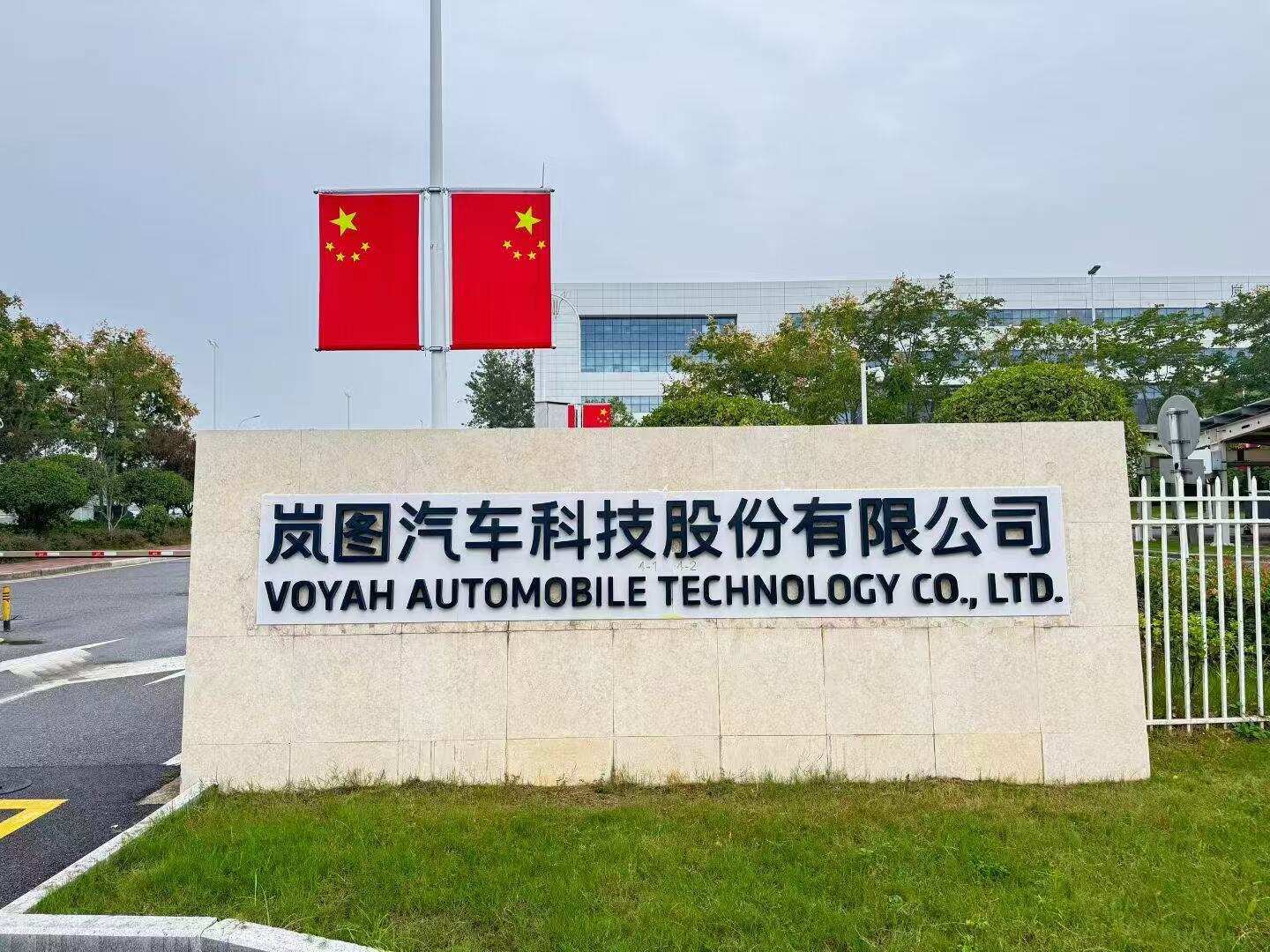
岚图汽车预计将于3月19日港交所挂牌:毛利率业内领先,有望成港股稀缺标的
IPO早知道· 2026-02-15 01:58
Core Viewpoint - Lantu Automotive has completed all pre-listing regulatory approvals for its Hong Kong IPO in just four months, setting a high-efficiency example for state-owned enterprises in the new energy sector [2][3][9]. Group 1: IPO Process - Lantu Automotive announced the completion of all pre-listing regulatory approvals on February 12, 2026, and plans to officially list on the Hong Kong Stock Exchange on March 19, 2026 [3][8]. - The company initiated its listing process in August 2025, submitted its application in October 2025, and received approval from the China Securities Regulatory Commission in January 2026 [7][9]. Group 2: Market Position and Growth - Lantu Automotive is positioned as the first high-end new energy brand from a state-owned enterprise to achieve a production scale of 300,000 vehicles, reinforcing its status as a leading brand in the sector [9]. - The company has demonstrated significant sales growth, with projected sales of 50,285 vehicles in 2023, 80,116 in 2024, and 150,169 in 2025, resulting in a compound annual growth rate (CAGR) of 72.8% from 2023 to 2025 [12]. - Revenue is expected to grow rapidly, reaching RMB 12,749.4 million in 2023, RMB 19,360.6 million in 2024, and RMB 34,864.8 million in 2025, with a CAGR of 65.4% during the same period [12]. Group 3: Profitability and Financial Performance - Lantu Automotive's gross margin is projected to increase from 14.2% in 2023 to 20.9% in 2025, positioning it among the industry leaders [12][13]. - The company is expected to achieve a net profit of RMB 1.02 billion in 2025, indicating a significant improvement in profitability [12]. Group 4: Technological Foundation - Lantu Automotive has established a robust technological foundation with five key technology pillars, including platform architecture and intelligent driving, which contribute to its competitive edge [16]. - The company holds 1,874 granted patents and has 5,405 patents pending, leading the industry in patent growth [16]. Group 5: Strategic Partnerships - Lantu Automotive has formed strategic partnerships with leading global companies, including Huawei and CATL, to enhance its technological capabilities and supply chain security [17][18]. - A ten-year deepening cooperation agreement with CATL was signed to ensure stable supply and technological leadership in battery technology [18].

洛轴:3万多种产品这样下线(新春走基层)
Ren Min Ri Bao· 2026-02-14 23:30
Core Insights - The company has successfully developed a precision bearing for the world's largest 120-meter diameter fully movable radio telescope, which is crucial for maintaining accurate positioning under extreme pressure conditions [1][2] - The company has a diverse product range, producing over 30,000 types of products, including high-end customized products and those for emerging markets like electric vehicles [1][2] Group 1: Product Development - The precision bearing developed can withstand pressure equivalent to "10 ten-ton elephants on a coin," highlighting its engineering challenges [1] - The design process for the bearing took only four months, demonstrating the company's efficiency and commitment to innovation [1] Group 2: Market Position and Growth - Since entering the electric vehicle market in 2020, the company has partnered with multiple enterprises and launched over a hundred products, resulting in significant revenue growth [2] - The company emphasizes its commitment to technological innovation as a key factor in its resilience and ability to capitalize on market opportunities [2]
岚图汽车完成港股上市前置审批 预计3月19日港交所挂牌
Sou Hu Cai Jing· 2026-02-14 05:48
Core Viewpoint - Lantu Automotive is set to become the first high-end new energy vehicle brand with central state-owned enterprise background to be listed on the Hong Kong Stock Exchange, with its listing expected on March 19, 2026, following a rapid approval process [1][12]. Group 1: Listing and Financial Performance - Lantu Automotive completed all pre-listing regulatory approvals and updated its prospectus, marking a significant milestone in its IPO journey [1]. - The company initiated its Hong Kong listing process in August 2025, submitted its application in October, and received approval in January 2026, showcasing efficiency in regulatory compliance [1]. - From 2023 to 2025, Lantu's sales grew from 50,285 units to 150,169 units, representing a compound annual growth rate (CAGR) of 73%, while revenue increased from 12.75 billion yuan to 34.86 billion yuan, with a CAGR of 65.4% [1]. Group 2: Technological Advancements - Lantu Automotive emphasizes core technology autonomy as a strategic foundation for development, with a focus on innovation in key areas such as platform architecture and smart technology [2]. - As of December 31, 2025, Lantu holds 1,874 granted patents and has 5,405 patents pending, leading the new energy vehicle sector in patent growth [2]. - The company has developed the world's first native intelligent electric architecture compatible with multiple power modes and a centralized SOA electronic and electrical architecture, which are crucial for product innovation [2]. Group 3: Product Development and Market Position - Lantu has launched the 800V Lanhai intelligent super hybrid technology, achieving significant electric range and fast charging capabilities, recognized as a major technological breakthrough [4]. - The company has established a comprehensive product lineup, including SUVs, MPVs, and sedans, to meet diverse consumer needs and drive brand growth [6]. - Lantu's Dreamer model has become a top seller in the high-end MPV market, breaking the dominance of foreign brands and enhancing the image of Chinese brands [7]. Group 4: User Experience and Global Expansion - Lantu is enhancing user experience through extensive charging network development, connecting over 100,000 charging stations and 1.5 million charging piles, achieving a 99% coverage rate in urban and county areas [9]. - The company is accelerating its global expansion, having entered over 40 countries and regions, promoting Chinese high-end manufacturing and cultural values [9]. Group 5: Future Product Plans - Lantu plans to launch a series of new models in 2026, all equipped with L3-level intelligent driving hardware, including the Lantu Taishan Ultra and Taishan X8 [10][11]. - The company aims to redefine the MPV segment with the upcoming "珠峰" model, which will introduce 12 groundbreaking technologies and set new standards for luxury and intelligent features in the market [11].