无核三原则

Search documents
日本新财年预算总额及防卫预算或均创新高 国际人士谴责高市政权严重冲击亚太秩序
Yang Guang Wang· 2025-12-24 00:28
山边昌彦:我不认为日本加速增加防卫费是为了和平,更像是要让日本能够进行战争,这是一个重 大问题,把日本一步步引向战争十分危险。 央广网北京12月24日消息 据中央广播电视总台中国之声《新闻和报纸摘要》报道,日本2026财年 预算草案编制工作当前进入收尾阶段,预算总额或将达到122万亿日元,约合5.5万亿元人民币,再创历 史新高。其中,防卫预算将达到9万亿日元,约合4056亿元人民币,同样创下日本各财年初始防卫预算 的新高。据悉,日本2026财年防卫预算将主要用于获取长射程导弹、以及构建海岸防御系统所需的攻击 型无人机。 一个由核爆受害者及市民团体组成的民间组织昨天(23日)向日本外务省提交致首相高市早苗和外 务大臣茂木敏充的请愿书,要求政府方面明确表态坚持把"无核三原则"作为国策。 日本防卫省数据显示,截至2025财年,日本初始防卫预算已连续13年上涨。日本"和平"纪念馆战争 史展示研究学者山边昌彦指出,高市早苗上台后,不断试图改变日本战后安保政策。 国际人士认为,高市政权逐渐容许"日本应拥有核武器"的言论,令人深感担忧。美国大学历史系教 授安东·费加申:我认为高市的意图非常明显,她企图通过煽动性言论转移公众 ...
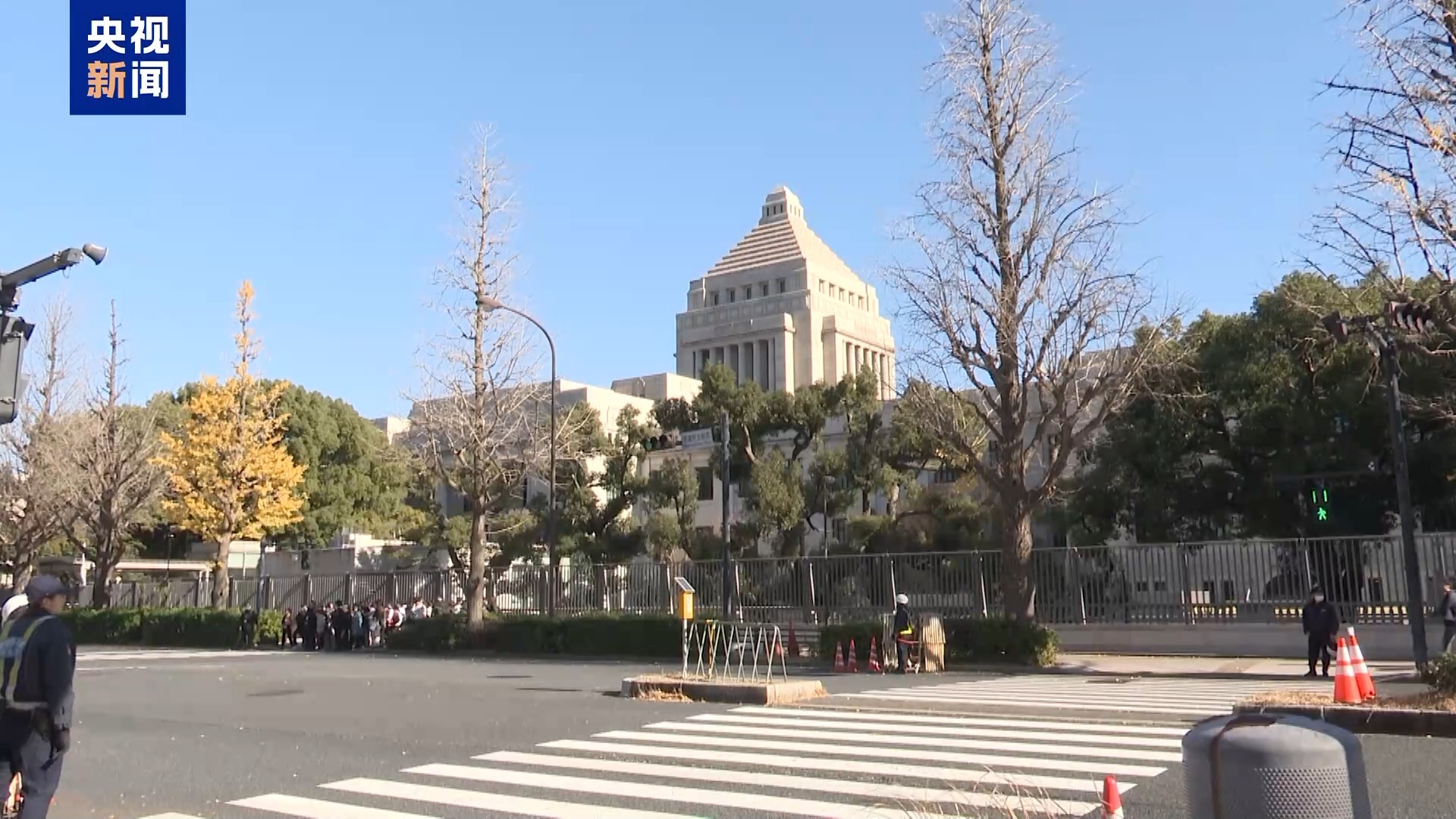
日本市民团体提交请愿书 要求政府坚持“无核三原则”
Zhong Guo Xin Wen Wang· 2025-12-24 00:13
中国外交部发言人林剑22日表示,中方对日本首相官邸高官、首相侧近公然宣称日本应该拥有核武器感 到震惊。上述言论是对战后国际秩序和核不扩散体系的公然挑衅,对地区和国际和平稳定的严重威胁, 对日本宣称"走和平发展道路"的完全背离,绝非"个人行为"可以搪塞敷衍,国际社会必须对此高度警惕 和坚决反对。 (文章来源:中国新闻网) 中新网12月24日电据共同社23日报道,日本"废除核武器日本运动"的成员23日向日本外务省提交了致日 本首相高市早苗及外务大臣茂木敏充的请愿书,要求明确表态坚持把"无核三原则"作为国家方针等。该 组织由核爆受害者及市民团体组成。请愿书也同样被交至日本防卫省。 报道称,"废除核武器日本运动"的副代表理事和田征子接受采访时强调,希望高市明确表态"无核三原 则"是国家方针并坚持该原则。"废除核武器日本NGO联络会"共同代表伊藤和子表示,对于日本政府内 部在逐渐形成可以容许"拥核言论"的氛围深感担忧。 ...
视频丨最大核电站刚获批重启 日本一报废核反应堆便出事故
Yang Shi Xin Wen Ke Hu Duan· 2025-12-24 00:05
Group 1 - A nuclear reactor undergoing decommissioning in Fukui Prefecture, Japan, experienced a leak of radioactive water, potentially exposing several individuals to radiation [1][3][6] - The reactor, known as "Fugen," has been out of operation since March 2003 and is currently in the decommissioning phase [3] - The incident coincided with the approval for the restart of the Kashiwazaki-Kariwa Nuclear Power Plant, Japan's largest nuclear facility, which has sparked significant public opposition [1][4][10] Group 2 - The Kashiwazaki-Kariwa Nuclear Power Plant, located in Niigata Prefecture, has a total installed capacity of approximately 8.212 million kilowatts, making it the largest in Japan [9] - A recent survey indicated that about 60% of local residents believe the conditions for restarting the plant are not yet adequate, and around 70% express concerns about the operator, Tokyo Electric Power Company [9] - The Japanese government, under Prime Minister Fumio Kishida, is perceived to be expanding its national strategic capabilities through nuclear initiatives, including the restart of nuclear power plants [10][14][16] Group 3 - Japan is characterized as a "nuclear threshold state," meaning it does not possess nuclear weapons but has the capability to develop them rapidly due to its extensive nuclear material stockpiles and advanced technology [11] - The recent actions regarding nuclear energy, including the restart of the Kashiwazaki-Kariwa plant, are viewed as a strategic expansion rather than merely an energy policy adjustment [14][16]


日本传递“极具冲击性且严重的信号”
Xin Lang Cai Jing· 2025-12-23 22:51
Core Viewpoint - The recent statements from a senior government official advocating for Japan to possess nuclear weapons signal a significant shift in Japan's defense policy discourse, raising concerns among various stakeholders [1][5]. Group 1: Government Statements - A senior official in the Japanese government suggested that Japan should have nuclear weapons due to the current severe security situation, labeling it as his "personal view" [1][4]. - This is reportedly the first time such pro-nuclear sentiments have emerged from the core of the government, indicating a potential shift in policy [1][5]. Group 2: Political Reactions - Former Defense Minister Nakatani criticized the remarks, stating that personal opinions should not be expressed in the context of government positions [1][4]. - The comments have drawn backlash from survivor groups of atomic bombings, who view them as a mockery of their experiences and a potential threat to Japan's longstanding non-nuclear principles [4][8]. Group 3: Policy Implications - Prime Minister Kishi's administration is considering revising Japan's "Three Non-Nuclear Principles," particularly the impracticality of the "no nuclear weapons in transit" clause [3][7]. - Kishi has indicated intentions to accelerate the revision of key security documents, which may lead to a more aggressive defense posture, including the potential for nuclear weapons to be temporarily stationed in Japan during emergencies [7][8]. Group 4: Export Policy Changes - The government plans to abolish restrictions on the export of defense equipment, which currently limits usage to specific categories such as rescue and surveillance, indicating a broader ambition for military exportation [4][8].
日本首相官邸高官扬言“日本拥核论”,引发多方批评
Xin Hua She· 2025-12-23 22:33
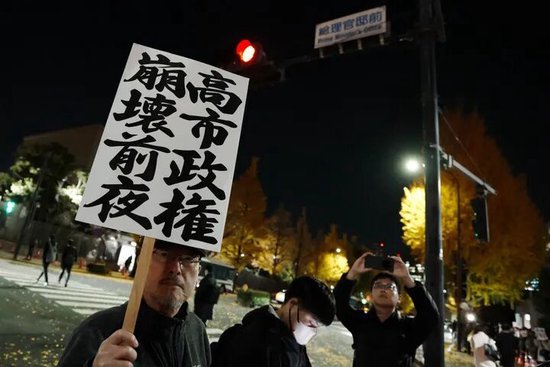
新华社东京12月22日电 (记者陈泽安、张涛)日本首相官邸一名负责安全保障政策的高官18日扬 言"日本应拥有核武器",引发多方批评。 日本《琉球新报》20日刊发社论指出,"日本拥核论"严重背离了"无核三原则"。而且此番言论竟 出自一名高官之口,完全不可接受。相关言论严重伤害原子弹爆炸受害者的感情,日本政府必须 进行反省,并再次表明坚持"无核三原则"的立场。 共同社22日报道说,日本广岛县议会全体会议当日一致通过一份意见书,要求日本政府坚持"无核 三原则"。意见书指出,修改"无核三原则"的企图引发人们担忧,"80年前广岛和长崎遭遇的灾难 不能重演",并要求日本政府充分理解当地民众对实现没有核武器的和平世界的期望。 1945年8月6日和9日,为促使发动侵略战争的日本尽快投降,美军分别向广岛和长崎投放了原子 弹。1967年,时任日本首相佐藤荣作在国会发言时提出"无核三原则",即不拥有、不制造、不运 进核武器。这一原则于1971年在日本众议院全体会议上获得通过,成为日本政府对核武器的基本 政策。2022年,日本政府通过的"安保三文件"中,也写明坚持"无核三原则"的基本方针不会改 变。 另据共同社报道,高市早苗11月中 ...
公然鼓吹“拥核” 日本到底想干什么?
Yang Shi Xin Wen· 2025-12-23 17:35
Core Viewpoint - Japan's recent political discourse surrounding nuclear weapons, particularly comments from high-ranking officials advocating for nuclear armament, raises significant concerns about the country's security policy and its historical stance on nuclear weapons [1][18]. Group 1: Nuclear Weapon Advocacy - A senior official from Japan's Prime Minister's office stated on December 18 that "Japan should possess nuclear weapons," which has sparked widespread criticism [1]. - The ruling party, led by Prime Minister Kishi, is reportedly exploring modifications to Japan's "Three Non-Nuclear Principles," particularly the principle against the introduction of nuclear weapons [3][19]. - The Hiroshima Prefectural Assembly unanimously passed a resolution urging the government to adhere to the "Three Non-Nuclear Principles," expressing concerns that any modification could lead to a repeat of the tragedies experienced in Hiroshima and Nagasaki [3]. Group 2: Security Threat Narratives - Japan's Defense Minister has been actively participating in military events and has emphasized the urgent need to strengthen defense capabilities in the southwestern region of Japan, aligning with the narrative of heightened security threats [4][21]. - The recent military activities and rhetoric from Japanese officials are seen as part of a broader strategy to justify the push for nuclear armament and the relaxation of weapon export restrictions [1][9]. Group 3: Weapon Export Policy Changes - Japan has been progressively relaxing its weapon export restrictions, with recent agreements reached to modify the "Defense Equipment Transfer Principles" and eliminate certain export limitations [11][17]. - The current government is expected to submit proposals to the cabinet in February to further ease restrictions on weapon exports, indicating a significant shift in Japan's defense policy [11][17]. - The historical context of Japan's weapon export restrictions dates back to its post-World War II pacifist constitution, but recent political shifts suggest a move towards military normalization [15][17]. Group 4: Underlying Motivations for Nuclear Advocacy - The increasing military disparity between Japan and China has led to strategic anxieties, prompting some Japanese officials to advocate for nuclear capabilities as a means to counterbalance this perceived threat [21]. - The decline of U.S. hegemony has led some Japanese politicians to believe that the U.S. may not provide adequate protection in future conflicts, thus necessitating Japan's own military deterrent [21]. - The push for nuclear armament is also viewed as a political maneuver by right-wing factions within Japan to divert attention from other issues and to further their agenda of military revitalization [21].
日本市民团体提交请愿书要求政府坚持“无核三原则”
Xin Hua She· 2025-12-23 15:01
Core Viewpoint - A Japanese civil organization is urging the government to reaffirm its commitment to the "Three Non-Nuclear Principles" as national policy, amidst rising concerns over pro-nuclear sentiments within the government [1][2] Group 1: Civil Organization's Actions - The organization "Abolish Nuclear Weapons Japan Movement" submitted a petition to Prime Minister Suga Yoshihide and Foreign Minister Motegi Toshimitsu, demanding a clear stance on the "Three Non-Nuclear Principles" [1] - The organization is composed of nuclear disaster victims and civic groups, highlighting the need for the government to maintain its non-nuclear stance [1] Group 2: Concerns Over Nuclear Sentiments - Members of the organization expressed worries about a growing atmosphere within the government that may allow pro-nuclear rhetoric [1] - The petition strongly protested against statements suggesting Japan should possess nuclear weapons, labeling such remarks as violations of the Treaty on the Non-Proliferation of Nuclear Weapons and Japan's Basic Law on Atomic Energy [1] Group 3: Reactions from Officials - A security policy official from the Prime Minister's office previously stated that Japan should have nuclear weapons, which has drawn widespread criticism [2] - The Chinese Foreign Ministry expressed shock at these comments, viewing them as a serious threat to regional and international peace and stability, and a deviation from Japan's proclaimed path of peaceful development [2]
日本首相官邸高官扬言“日本拥核论” 引发多方批评
Xin Hua She· 2025-12-23 08:40
另据共同社报道,高市早苗11月中旬就开始探讨在修订《国家安全保障战略》等"安保三文件"时 对"无核三原则"中不运进核武器的原则进行修改。关于高市企图修改"无核三原则",野田表示:"我担 心他们对核问题的认识出现根本性偏差。" 日本《赤旗报》22日报道,日本共产党政策委员长山添拓21日在日本广播协会的一档电视节目中 说,日本是唯一在战争中遭到过原子弹轰炸的国家,公然否定"无核三原则"绝对不可接受,应该撤回相 关言论并罢免相关人士。 日本首相官邸一名负责安全保障政策的高官18日扬言"日本应拥有核武器",引发多方批评。 据日本共同社报道,立宪民主党党首野田佳彦22日再次要求日本首相高市早苗尽快撤换发表"日本 拥核论"的官员。他当日在广岛县吴市表示:"任命一名持'日本拥核论'的人担任负责安保政策的首相官 邸高官本身就存在问题。这是任命者的责任,希望他们尽快采取行动。" 日本《琉球新报》20日刊发社论指出,"日本拥核论"严重背离了"无核三原则"。而且此番言论竟出 自一名高官之口,完全不可接受。相关言论严重伤害原子弹爆炸受害者的感情,日本政府必须进行反 省,并再次表明坚持"无核三原则"的立场。 共同社22日报道说,日本广 ...
日本社会各界批评高市早苗政府强军扩武
Ren Min Ri Bao· 2025-12-23 05:14
Core Viewpoint - The Japanese government, under Prime Minister Fumio Kishida, is accelerating its military expansion and has sparked significant domestic opposition due to discussions about nuclear armament and increased defense spending [1][2][3]. Defense Spending and Military Expansion - Japan's defense budget is set to reach 2% of GDP two years ahead of schedule, with a proposed budget of 9 trillion yen (approximately 41 billion USD) for the fiscal year starting in 2026, marking a historical high [3][4]. - The defense budget has increased for 13 consecutive years, with a 60% rise over the past five years, and the total defense spending for fiscal year 2025 is projected to exceed 11 trillion yen (approximately 50 billion USD) [4][5]. - The increase in defense spending has led to concerns about the formation of a military-industrial complex, with significant profit gains for Japanese defense contractors like Mitsubishi Heavy Industries and Kawasaki Heavy Industries, which are seeing sales growth in the military sector [5][6]. Public and Political Response - There has been strong criticism from various political figures and public groups regarding the government's stance on nuclear weapons, with calls for accountability and adherence to Japan's "Three Non-Nuclear Principles" [2][3][6]. - Protests have emerged against the government's prioritization of military spending over social welfare, with claims that increased defense budgets are compromising healthcare and social security [6][7]. Arms Export Policy Changes - The ruling coalition is discussing the removal of restrictions on arms exports, which could allow Japan to export lethal weapons, a significant shift from its historical stance [6][7]. - Critics argue that this move could exacerbate international tensions and transform Japan into a military supplier, raising alarms about a resurgence of militarism [7].
德铁买中国巴士,德财长还“恼”了
Huan Qiu Wang· 2025-12-23 03:56
Core Viewpoint - The German Vice Chancellor and Finance Minister, Christian Lindner, expressed frustration over Deutsche Bahn's decision to purchase electric buses from the Chinese company BYD, reflecting concerns about the competitiveness of German automotive products [1][3][11]. Group 1: Order Details - Deutsche Bahn announced its largest bus order to date, totaling over 3,300 vehicles, with a value exceeding €1 billion, scheduled for delivery between 2027 and 2032 [3][12]. - The order primarily consists of hybrid and fully electric models, with most buses supplied by the German manufacturer MAN, while BYD will provide approximately 200 electric intercity buses produced at its factory in Hungary [3][12]. Group 2: Government and Industry Reactions - Lindner criticized the decision, advocating for a preference for German and European brands during procurement, citing examples of successful electric buses from Mercedes-Benz and MAN [3][11]. - Experts noted that Lindner's comments highlight the anxiety within Germany regarding the competitiveness of its automotive industry, particularly in light of declining sales in the Chinese market and the impact of U.S. tariffs [4][13]. Group 3: Broader Context - The announcement coincided with the EU's relaxation of the "fuel vehicle ban," raising concerns about the potential for Chinese electric vehicles to outpace German manufacturers [4][12]. - Industry experts indicated that the delay in the "fuel vehicle ban" could be a superficial victory for the EU, as it may inadvertently provide Chinese companies with more time to enhance their competitive edge [4][13].