
消费者权益保护

Search documents
锁座行为对普通消费者构成歧视性限制(专家观点)
Ren Min Ri Bao· 2026-01-19 22:36
航司经营自主权不应凌驾于消费者基本权益之上。航司未在购票环节显著告知锁座范围、收费标准及免 费座位分布,仅以"系统展示为准"的模糊表述规避说明义务。以会员等级、额外付费划分座位使用权 限,对普通消费者构成歧视性限制。这种行为涉嫌违反了消费者的知情权和公平交易权。 (作者为中国社会科学院法学研究所研究员) (文章来源:人民日报) 航司机票锁座并非"商业模式创新",而是对合同义务的拆分。客运合同客体的核心是运输服务及附随的 座位使用权益。消费者支付票款后,即与航司成立合法有效的航空旅客运输合同。依据民法典规定,航 司应当按照约定的或者通常的运输路线将旅客、货物运输到约定地点,而"提供符合合同对价的座位"是 该义务的当然组成部分。 锁座行为的实质是将经济舱内本应平等享有的优质座位从基础服务中拆分,通过付费或会员积分门槛设 置排他性限制,这与消费者支付的经济舱对价所对应的权益范围不符。 ...
江苏省消保委调查10家主流航司 机票锁座比例最高达62.1% 飞机锁座收费合理吗?(法治聚焦)
Ren Min Ri Bao· 2026-01-19 22:09
Core Viewpoint - The investigation by Jiangsu Consumer Protection Committee highlights that airlines are locking premium seats during the ticket purchasing process, which may infringe on consumers' rights to fair trade and choice [1] Group 1: General Findings - The survey included 10 domestic airlines, all of which confirmed the existence of seat locking practices in their economy class [2] - The average seat locking rate across the surveyed airlines is 38.7%, with some routes showing rates as high as 62.1% [2] Group 2: Issues Identified - **Issue 1: Prevalence of Seat Locking** All surveyed airlines have locked economy class seats, with no airline fully opening all economy seats for selection [2] - **Issue 2: Indirect Payment for Seat Unlocking** Some airlines require consumers to use miles or points to unlock preferred seats, effectively turning basic seat selection into a paid service [3] - **Issue 3: Lack of Transparency** Airlines provided vague explanations for seat locking, often citing reasons that contradict the high locking rates observed [4][5] - **Issue 4: Unfair Contract Terms** The seat selection agreements of the airlines contain unfair clauses, lacking clear communication about seat locking rules and fees, which may violate consumer rights [6]
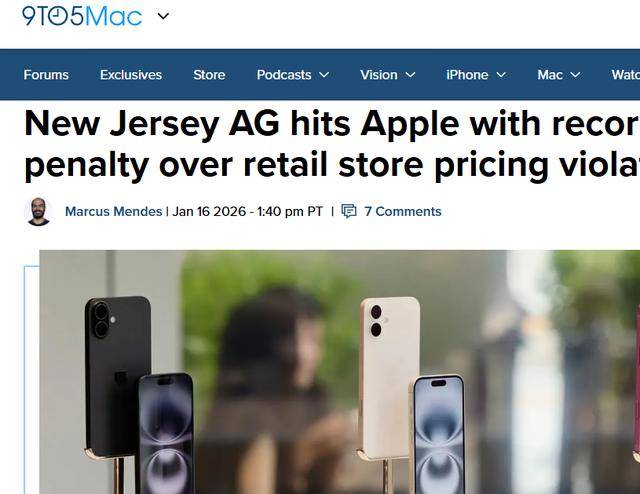
苹果因隐藏价格被罚,门店定价规则迎重大调整
Sou Hu Cai Jing· 2026-01-17 03:13
Core Viewpoint - Apple has reached a settlement with the New Jersey Division of Consumer Affairs, agreeing to pay a civil penalty of $150,000 and to revise its in-store pricing and refund policy display methods due to repeated violations of pricing and refund policies [1][4] Group 1: Settlement Details - The settlement is the largest of its kind in New Jersey related to pricing violations under the state's Consumer Fraud Act [1] - Apple will pay a civil fine of $150,000 and must adjust its pricing display methods in stores [1][4] Group 2: Violations Identified - A review found that all 11 involved Apple stores had violations, including missing price tags on display tables and accessories, and inadequate posting of refund policies [4] - The violations date back to a 2017 agreement where Apple committed to providing visible pricing information rather than relying on digital pricing systems [4] Group 3: Regulatory Response - The New Jersey Attorney General emphasized that consumers have the right to know product prices, and repeated violations by Apple are unacceptable [4] - The settlement requires Apple to ensure that product prices are clearly displayed through physical tags or nearby signage, and refund policies must be posted in prominent locations [4]


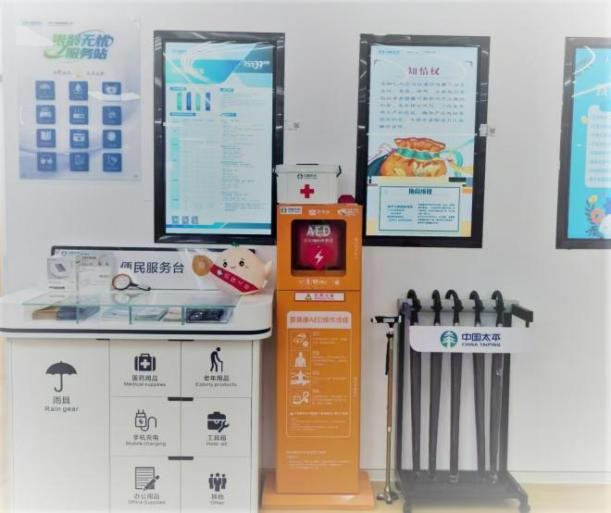
太平人寿首批“消保驿站”正式授牌打造有温度的一站式消保服务阵地
Zhong Guo Jing Ji Wang· 2026-01-16 09:52
Core Viewpoint - The insurance industry is prioritizing consumer protection by establishing "Consumer Protection Stations" to enhance service quality and safeguard consumer rights [1][2]. Group 1: Consumer Protection Stations - Taiping Life has launched the first batch of ten "Consumer Protection Stations," marking a significant step in building a grassroots consumer protection service network [1][2]. - The "Consumer Protection Stations" integrate four main functions: love window, financial education, dispute resolution, and convenient services, aiming to provide a one-stop, accessible, and warm consumer protection experience [2]. Group 2: Service Features and Innovations - The "Consumer Protection Station" in Wuxi features an interactive smart robot that enhances service engagement and experience, showcasing its various functions [3]. - The station is divided into four functional areas, including a financial education area that actively delivers financial knowledge, a service area with bilingual support and accessibility for special groups, a rights protection area that facilitates quick mediation, and an innovation co-building area with community health services [3][5]. - In Wuhan, the station offers a "childcare service" for clients with children, providing a safe play area and supervision, which alleviates parents' concerns while conducting business [5][6]. Group 3: Enhancing Consumer Experience - The station in Jinhua has introduced a "shared court" for pre-mediation, enhancing transparency and efficiency in consumer rights protection, particularly for vulnerable groups [8]. - Taiping Life aims to transform consumer rights protection from a passive response to proactive service, expanding its service network and deepening functional innovations [9].
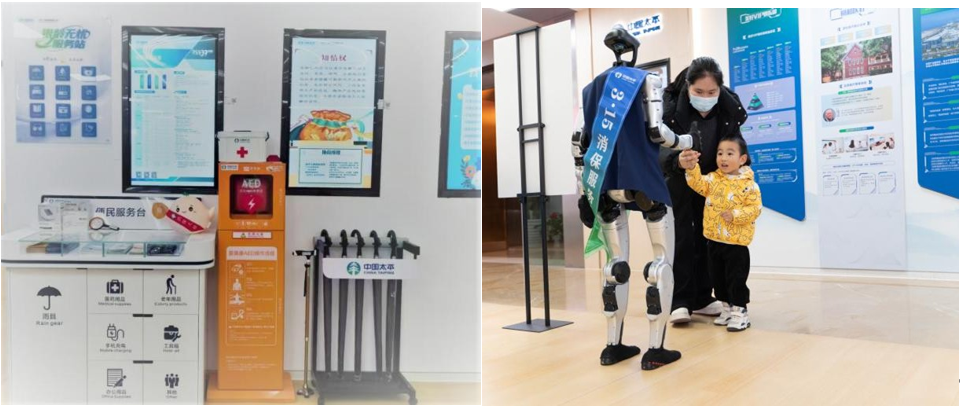
太平人寿首批“消保驿站”正式授牌 打造有温度的一站式消保服务阵地
Zhong Guo Jing Ji Wang· 2026-01-16 09:44
Core Viewpoint - The insurance industry is prioritizing consumer protection as financial consumption demands diversify, with Taiping Life Insurance leading the initiative by establishing "Consumer Protection Stations" across the country [1][2]. Group 1: Consumer Protection Stations - Taiping Life Insurance has launched the first ten "Consumer Protection Stations," marking a significant step in building a grassroots consumer protection service network that is accessible and warm [1][2]. - The company aims to create a multi-dimensional financial service matrix through these stations, which integrate four key functions: consumer advocacy, financial education, dispute resolution, and convenient services [2]. Group 2: Service Features and Innovations - The "Consumer Protection Station" in Wuxi features an interactive smart robot that enhances service engagement and experience, showcasing the station's functions and services [3]. - The stations are designed with specific areas for financial education, service support (including bilingual assistance), rights protection, and community engagement, such as health check-ups [3][4]. - In Wuhan, a dedicated children's care area is provided to alleviate parents' concerns while they conduct business, demonstrating a focus on customer needs and comfort [4][5]. Group 3: Enhancing Consumer Experience - The station in Jinhua has introduced a "shared court" for efficient and transparent consumer rights protection, enhancing service accessibility and consumer satisfaction [7]. - Taiping Life Insurance plans to expand the service network and deepen functional innovations, shifting from reactive to proactive consumer rights protection [8].
陆控发布2025消费者权益保护年度报告:AI in all赋能消费者权益保护一体化
Jin Rong Jie· 2026-01-16 03:58
Core Viewpoint - The report emphasizes the importance of consumer rights protection in the financial sector, highlighting the integration of technology, systems, and services to create a comprehensive consumer rights protection framework [1][2]. Group 1: Consumer Rights Protection Framework - The company has fully integrated consumer rights protection into its governance, achieving comprehensive coverage of business process reviews and consumer protection education through both online and offline channels [1][2]. - In 2025, the company completed 2,976 reviews of various terms and processes, achieving a 100% coverage rate [2]. Group 2: Technological Empowerment - The company launched the "Smart Customer Due Diligence Solution" called "Zhidun," which utilizes AI and machine learning to enhance the efficiency and accuracy of credit due diligence processes, serving over 630,000 customers and saving more than 9 million minutes in application time [2][3]. - The "Smart Service 3.0" project improved customer service resolution rates by 2% and reduced the need for human intervention by 14%, increasing customer satisfaction from 80% to 85% [3]. Group 3: Information Security and Risk Management - The company has implemented AI facial recognition technology in its digital bank, successfully intercepting over 1,000 suspected identity fraud cases, thereby enhancing consumer information and asset security [3][4]. - The company achieved an upgrade in its ESG rating from A to AA by MSCI, indicating its leadership in consumer rights protection and data security [4]. Group 4: Fraud Prevention Initiatives - The company established a standardized process for combating financial fraud, reporting 4,465 cases of online black market activities and successfully addressing 3,868 of them [5][6]. - A comprehensive fraud prevention system was developed, which includes early warning, intervention, and post-event collaboration, successfully preventing a customer from falling victim to a fraudulent loan scheme [6]. Group 5: Consumer Education and Engagement - The company conducted 1,191 offline educational events, reaching over 40 million financial consumers, and initiated a "Financial Literacy Empowerment Program" to enhance consumer awareness of fraud [6][7]. - Targeted consumer education efforts were made for key demographics, including the elderly and new citizens, to address specific financial literacy needs [7][8]. Group 6: Commitment to Consumer-Centric Services - The company emphasizes a consumer-centric approach by providing 24/7 support through multiple communication channels and organizing face-to-face communication events to gather customer feedback [8]. - Future plans include continuing to integrate consumer rights protection into the company's development strategy, ensuring that financial services remain respectful and protective of consumer rights [8].
太平人寿首批“消保驿站”正式授牌 打造有温度的一站式消保服务阵地
Zhong Jin Zai Xian· 2026-01-16 02:14
Core Viewpoint - The insurance industry is prioritizing consumer protection by establishing "Consumer Protection Stations" to enhance service quality and safeguard consumer rights [1][2]. Group 1: Consumer Protection Stations - The first batch of ten "Consumer Protection Stations" has been officially inaugurated, marking a significant step in building a grassroots consumer protection service network [1][2]. - The "Consumer Protection Stations" integrate four main functions: love window, financial education, dispute resolution, and convenient services, aiming to provide a comprehensive and warm consumer protection experience [2]. Group 2: Service Features and Innovations - In Wuxi, the station features an interactive robot ambassador that enhances service engagement and experience, showcasing the station's functions [3]. - The station is divided into four functional areas, including a financial education area that actively delivers financial knowledge, a service area with bilingual support and accessibility for special groups, a rights protection area that facilitates quick mediation, and a community co-building area with amenities like charging stations [3]. - In Wuhan, the station offers a "childcare service" for clients with children, providing a safe play area and supervision, which enhances customer satisfaction and comfort during service transactions [5]. Group 3: Enhancing Consumer Trust and Satisfaction - In Jinhua, the station has introduced a "shared court" for pre-mediation, allowing professional mediators to provide transparent and efficient consumer rights protection, thereby improving service accessibility and consumer satisfaction [7]. - The company plans to continue expanding the service network and deepening functional innovations, transitioning from passive responses to proactive services in consumer rights protection [9].
拒绝“被入镜”!勇于对隐形拍摄说“不”
Xin Lang Cai Jing· 2026-01-16 00:33
Core Viewpoint - The phenomenon of consumers unknowingly becoming part of live broadcasts in commercial spaces reflects a conflict between business ethics, legal regulation, and privacy concepts in the digital age [1][2]. Group 1: Commercial Spaces and Consumer Rights - Traditional commercial spaces like restaurants, gyms, and barbershops are considered "semi-public spaces," where consumers have reasonable privacy rights [1]. - Many businesses broadcast live content without explicit consent, capturing consumers' private moments, which exceeds reasonable commercial display boundaries [1][2]. Group 2: Legal Implications - From a legal perspective, such actions may infringe on multiple consumer rights, including portrait rights and privacy rights, especially during private activities [2]. - Consumers often face significant challenges in protecting their rights, as they may only realize they were broadcasted after leaving the premises, making evidence collection difficult [2]. Group 3: Proposed Solutions - A systematic social adjustment is needed, including legislative measures to clarify filming regulations in commercial spaces, implementing "notice obligations" and "explicit consent principles" [2]. - Live streaming platforms should establish easy complaint channels for infringement and take action against repeat offenders, while also promoting industry self-regulation and ethical filming guidelines [2].
小程序买卡 APP才能用?哈啰专享骑行卡被指诱导消费者
Nan Fang Du Shi Bao· 2026-01-13 05:49
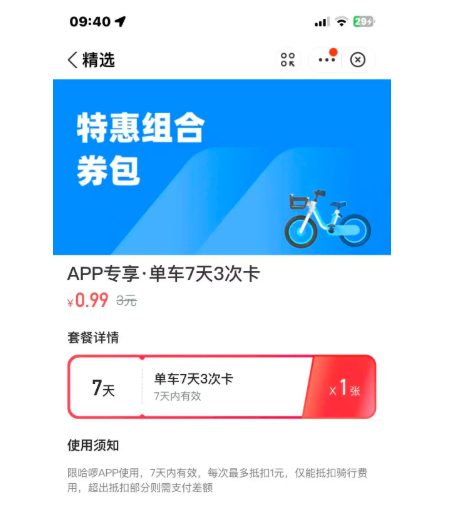
Core Viewpoint - The article highlights a controversy regarding the pricing and usage restrictions of Hello Bike's riding cards, which has led to consumer complaints about misleading marketing practices and potential legal violations [1][5][6]. Group 1: Consumer Complaints - Users have reported that purchasing a riding card through Alipay did not provide the expected discounts, as the card was labeled "APP exclusive," limiting its use to the Hello Bike app only [2][5]. - Many users feel that the marketing strategy employed by Hello Bike forces them to download the app to access discounts, thereby increasing their burden when using the service [5][6]. - A specific case involved a user who was charged 1.5 yuan despite purchasing a card that was supposed to offer discounts, leading to multiple reminders from Hello Bike to pay the outstanding amount [2][5]. Group 2: Legal Analysis - Legal experts have indicated that Hello Bike's marketing practices may violate consumer protection laws, as the limitations on the use of the riding card were not clearly communicated to consumers [6][12]. - The advertising laws stipulate that any claims regarding products or services must be clear and not misleading, which Hello Bike's practices may contravene [6][12]. - The use of "no refund" policies for certain products, such as the "constellation fortune card," has also been criticized as potentially illegal under consumer rights regulations [12]. Group 3: Company Background - Hello Bike was established in September 2016 and is headquartered in Shanghai, initially focusing on shared bicycle services and now expanding into broader mobility and local services [4].
市场监管总局公布投诉举报处理办法,答记者问来了
Xin Lang Cai Jing· 2026-01-10 05:03
Core Viewpoint - The revised "Market Supervision and Management Complaint Reporting Handling Measures" aims to enhance the efficiency of complaint handling, protect consumer rights, and adapt to new market conditions, with implementation set for April 15, 2026 [1][2]. Group 1: Background and Purpose of the Revision - The revision is necessary to implement new regulations from the "Consumer Rights Protection Law Implementation Regulations" effective July 1, 2024, and to address the increasing volume and complexity of complaints in the e-commerce sector [1][2]. - The revision responds to practical needs, such as the rapid growth of complaints in e-commerce and the need for improved jurisdiction and processing efficiency [1][2]. Group 2: Revision Process - The revision process involved extensive consultations with various stakeholders, including experts, consumer organizations, and local market supervision departments, to ensure comprehensive feedback was incorporated [3]. Group 3: Jurisdiction Adjustments - The revised measures clarify the jurisdiction for complaints against platform operators, shifting from "actual operating location" to "publicly displayed address" to enhance clarity and accountability [4][5]. - If a platform fails to provide accurate information about its operators, it may face civil and administrative liabilities under relevant laws [6]. Group 4: Complaint Material Submission Regulations - New requirements for complaint submissions emphasize the need for accurate identity information and factual evidence, placing initial burden of proof on the complainant [7][8]. - The measures specify that false complaints or failure to cooperate with identity verification will not be accepted [7][8]. Group 5: Definition of Life Consumption - The revised measures provide specific criteria for determining what constitutes "life consumption," including purchase behavior and the authenticity of consumer disputes [9]. Group 6: Preventing Abuse of Complaint System - The revision introduces measures to prevent the abuse of the complaint system, including clear guidelines against malicious complaints and the establishment of penalties for fraudulent claims [10][11]. - The measures emphasize the importance of honest reporting and the protection of legitimate business interests [10][11]. Group 7: Enhancing Consumer Rights Protection - The revised measures include mechanisms for evaluating complaint handling effectiveness and improving communication channels for consumers [11][12]. - New provisions allow for the delegation of complaint resolution to consumer associations, ensuring respect for the parties involved [12]. Group 8: Improving Reporting Efficiency - The measures aim to enhance the efficiency of complaint processing by requiring complainants to provide specific evidence and streamlining the handling of repeated complaints [13][14]. Group 9: Multi-faceted Dispute Resolution - The revised measures encourage the establishment of consumer rights service stations and other mechanisms to resolve disputes proactively, aiming to prevent issues before they escalate [15][16].