
绿色经济

Search documents
“钟才文”接力“钟才平”在人民日报撰文 释放哪些信号?
Zhong Jin Zai Xian· 2026-01-14 00:04
Core Viewpoint - The article emphasizes the significance of the "Five Musts" proposed at the Central Economic Work Conference, which serves as a fundamental guideline for current economic work and aims to enhance China's economic stability and strategic positioning in international competition [1][2]. Summary by Relevant Sections Economic Potential and Policy Framework - The "Five Musts" include fully tapping economic potential, balancing policy support with reform and innovation, ensuring effective regulation, combining investments in physical and human capital, and strengthening internal capabilities to face external challenges [1][2]. - The framework is designed as a closed-loop logic system, with "fully tapping economic potential" as the core goal supported by policy reform, market governance, resource allocation, and risk management [2]. Action Guidelines for Economic Development - The "Five Musts" provide a comprehensive action guide for the beginning of the 14th Five-Year Plan, focusing on solidifying the material foundation for Chinese-style modernization and leveraging the advantages of a vast and internally cyclical economy [3]. - The article highlights the importance of multi-dimensional collaboration to convert economic potential into actual high-quality development outcomes [3]. Key Development Directions - The article identifies three main development directions: boosting consumption and effective investment, integrating technological and industrial innovation, and promoting urban-rural integration and regional coordinated development [4]. - Among these, boosting consumption and effective investment is seen as a critical focus for immediate results, while integrating technological and industrial innovation is expected to provide both short-term breakthroughs and long-term empowerment [4]. Emerging Pillar Industries - The article emphasizes the need to expand new technologies and products in sectors such as intelligent economy, green economy, biological economy, and aerospace economy, which are positioned as emerging pillar industries [5][6]. - This strategic focus aims to cultivate new growth engines that support high-quality development and establish a modern industrial system with global competitiveness [7]. Shift in Industrial Development Strategy - The shift from "cultivating and expanding" to "pillar leading" in the context of emerging industries highlights the importance of scale effects and the ability to drive upgrades across the supply chain [7][8]. - The new approach emphasizes a system-wide perspective on industrial development, integrating technology across various sectors and focusing on high quality and high added value [8].
持续增强和发挥超大规模市场优势
Jing Ji Ri Bao· 2026-01-13 22:09
Core Viewpoint - The super-large market is a significant advantage for China's economic development and an important strategic resource for participating in international competition, serving as a stabilizer for economic operations and a driving force for new momentum and advantages [1] Group 1: Strategic Importance of the Super-Large Market - The "14th Five-Year Plan" emphasizes that a strong domestic market is the strategic support for Chinese-style modernization, providing a solid foundation for maintaining strategic determination and achieving technological self-reliance [2] - The super-large market can offer alternative growth space for enterprises, accelerating key technology breakthroughs and the localization process, especially in hard-core technology sectors [2] - China's large market enhances its influence in global economic governance, allowing it to have greater bargaining power in international trade negotiations and standard-setting [2] Group 2: Demand and Supply Dynamics - The super-large market can meet diverse and multi-level demands, improving supply-demand adaptability and balance, with over 1.4 billion people and more than 400 million middle-income groups [3] - The market's resilience is increasingly evident, supporting the economy during external shocks and structural adjustments, with potential demand in lower-tier cities and rural areas [3] Group 3: Resource Attraction and Industrial Development - The scale economy and cost advantages of the super-large market support specialized division of labor and efficient supply chain networks, enhancing the competitiveness of domestic enterprises [4] - The rapid development of the new energy vehicle industry, which ranks first globally in production and sales, is supported by the domestic super-large market [4] - The market's vast consumer base generates massive data and application scenarios, attracting global capital and top talent, fostering opportunities for the smart and digital economy [4] Group 4: Innovation and Market Vitality - The super-large market acts as an "accelerator" for new technologies and products, shortening the commercialization process and facilitating the transition from old to new momentum [6] - The rapid development of mobile payments, e-commerce, and live-streaming commerce showcases China's unique commercial advantages, driven by a large young consumer base [7] - New business models and industries are emerging, empowering millions of small merchants and creators, thus releasing strong economic vitality [7] Group 5: Policy Recommendations for Market Potential - The new wave of technological revolution and industrial transformation presents historical opportunities for leveraging the super-large market advantage to promote high-quality development [8] - Comprehensive policies are needed to enhance market inclusiveness, improve supply-demand adaptability, and stimulate diverse consumption and market potential [8] - Strengthening regional coordinated development and enhancing the innovative capabilities of key urban areas will further release multi-layered market potential [11]
“钟才文”接力“钟才平”在人民日报撰文,释放哪些信号?
财联社· 2026-01-13 06:49
Core Viewpoint - The article emphasizes the "Five Musts" proposed at the Central Economic Work Conference, which serve as fundamental guidelines for economic work under the new circumstances, aiming to consolidate and expand the positive momentum of the economy and gain strategic advantages in international competition [1][2]. Summary by Sections Five Musts - The "Five Musts" include: fully tapping economic potential, balancing policy support with reform and innovation, ensuring both flexibility and regulation, integrating investment in physical and human capital, and honing internal capabilities to face external challenges [1][2]. Systematic Framework - The "Five Musts" form a closed-loop logical system centered on the goal of fully tapping economic potential, supported by policy reform, market governance, resource investment, and risk response, creating a complete action framework [2]. Action Guidelines for Economic Work - The article serves as a specific action guide for economic work at the beginning of the 14th Five-Year Plan, emphasizing a systematic thinking framework that balances domestic and international factors while addressing both short-term and long-term goals [3]. Key Development Directions - The article highlights three key development directions: boosting consumption and effective investment, promoting deep integration of technological and industrial innovation, and facilitating urban-rural integration and regional coordinated development [4]. Emerging Pillar Industries - The article identifies intelligent economy, green economy, biological economy, and aerospace economy as new emerging pillar industries, signaling a strategic focus on cultivating new growth engines that support high-quality development [5][6]. Shift in Industrial Development - The shift from "following and catching up" to "leading and layout" in industrial development is marked by focusing on four high-potential areas, aiming to create globally competitive industrial clusters that inject strong momentum into high-quality economic development during the 14th Five-Year Plan [7].


深刻把握“五个必须” 推动“十五五”良好开局
Ren Min Ri Bao· 2026-01-13 00:35
Group 1 - The core viewpoint emphasizes the necessity of fully tapping into economic potential, combining policy support with reform innovation, ensuring effective governance while allowing market flexibility, integrating investments in both physical and human capital, and honing internal capabilities to face external challenges [1][6][20]. Group 2 - Fully tapping into economic potential is crucial for solidifying the material foundation of Chinese-style modernization, leveraging the country's multiple advantages to foster new growth points and high-quality development [2][3]. - China, as the world's second-largest economy, benefits from a vast market that ensures internal circulation, a robust innovation ecosystem, and a strong industrial supply chain, positioning it as a key player in the global economic landscape [3][4]. - The Chinese economy has shown resilience against external shocks, maintaining its status as a major contributor to global economic growth, supported by a large consumer market and a complete industrial system [4][21]. Group 3 - The approach of combining policy support with reform innovation is essential for addressing the intertwined cyclical, structural, and institutional issues in the economy, ensuring effective macroeconomic governance [7][9]. - This dual approach has been proven effective in navigating complex domestic and international environments, enhancing macroeconomic stability while promoting structural reforms [8][10]. Group 4 - Achieving a balance between market freedom and government regulation is vital for enhancing economic governance and ensuring high-quality development [12][13]. - The focus should be on creating a fair competitive environment while allowing market forces to allocate resources efficiently, thus fostering a dynamic economic order [14][15]. Group 5 - Investments should be closely integrated between physical assets and human capital, with a shift towards enhancing human development as the economy matures [16][18]. - There is significant room for improvement in both physical and human capital investments, with current levels lagging behind developed countries, indicating potential growth areas [17][19]. Group 6 - The emphasis on internal capabilities is crucial for responding to external challenges, with a focus on maintaining strategic determination and leveraging the advantages of a large economy [20][22]. - Historical resilience against external shocks has been demonstrated, with strategies to shift towards domestic demand and innovation driving economic stability and growth [21][23].
与时俱进、不断发展 中国-东盟自贸区惠及20多亿人口
Yang Shi Xin Wen Ke Hu Duan· 2026-01-11 15:44
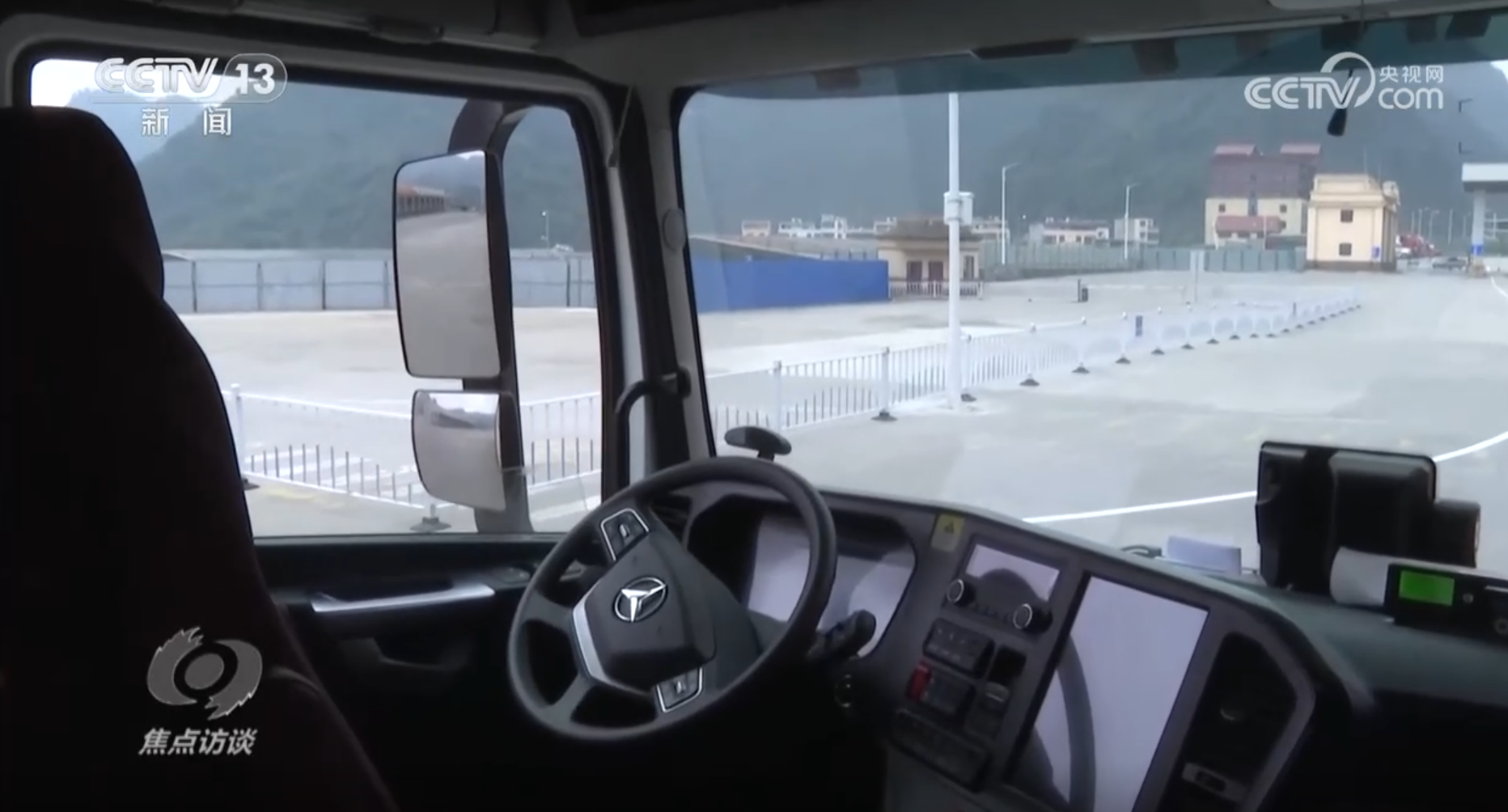
Core Insights - The China-ASEAN Free Trade Area (CAFTA) has significantly developed over the past 16 years, benefiting over 2 billion people, with China being ASEAN's largest trading partner for 16 consecutive years and ASEAN being China's largest trading partner for 5 years [1][11] - The signing of the CAFTA 3.0 upgrade protocol on October 28, 2025, marks a significant enhancement in trade facilitation and cooperation between China and ASEAN, moving towards a more integrated economic community [1][8] Group 1: Trade and Economic Cooperation - The CAFTA has evolved from a focus on goods trade to a deeper integration of industrial and value chains, establishing a "community of shared destiny" [1][11] - The total trade value within the CAFTA has reached 6.82 trillion yuan, making it one of the most dynamic free trade areas globally [11][23] - The 3.0 upgrade protocol aims to enhance trade facilitation by breaking down barriers and improving efficiency in trade processes [8][10] Group 2: Technological Advancements - The Guangxi Friendship Pass port has implemented advanced technologies, including AI and autonomous driving, to improve customs efficiency by approximately 75% [4][6] - The integration of digital technologies in the 3.0 protocol is expected to streamline customs declarations and enhance transparency in trade processes [10][22] Group 3: New Areas of Cooperation - The 3.0 protocol introduces cooperation in emerging fields such as digital and green economies, reflecting a forward-looking approach to economic collaboration [14][16] - The protocol encourages mutual recognition of technical compliance standards among member countries, facilitating smoother trade in new sectors [16][18] Group 4: Support for SMEs - The 3.0 protocol includes specific measures to support small and medium-sized enterprises (SMEs), enhancing their capacity to participate in international trade [22][20] - Initiatives such as information sharing and e-commerce support are designed to help SMEs benefit from the free trade area [22][20] Group 5: Future Implications - The CAFTA 3.0 upgrade signifies a shift from a focus on tariff reductions to a more comprehensive institutional openness, enhancing the business environment for enterprises [22][23] - The protocol is positioned to provide a replicable model for global trade governance, contributing to the construction of a community with a shared future for humanity [22][23]

焦点访谈|中国-东盟经贸合作跨越式突破 为全球经济增长注入强劲动能
Yang Shi Wang· 2026-01-11 13:25
Group 1 - The core viewpoint of the news is the significant upgrade of the China-ASEAN Free Trade Area (CAFTA) to version 3.0, which aims to enhance trade facilitation and deepen economic integration between China and ASEAN countries [5][15] - The CAFTA has evolved from a focus on goods trade to a more integrated economic community, with the 3.0 version emphasizing the inclusion of digital and green economies, reflecting a forward-looking cooperation strategy [7][9] - The total trade value within the CAFTA has reached 6.82 trillion yuan, covering over 2 billion people, making it one of the most dynamic free trade areas globally [5][15] Group 2 - The upgraded CAFTA 3.0 version includes measures specifically designed to support small and medium-sized enterprises (SMEs), enhancing their ability to participate in international trade [11][13] - The implementation of advanced technologies at border ports, such as AI and automated driving, has significantly improved customs efficiency, with reported efficiency gains of approximately 75% [3][5] - The new agreement allows for mutual recognition of technical compliance standards among member countries, which is expected to facilitate smoother trade processes for emerging sectors like renewable energy [9][11]
烟台市新城发展创投基金注册落地
Qi Lu Wan Bao· 2026-01-11 10:01
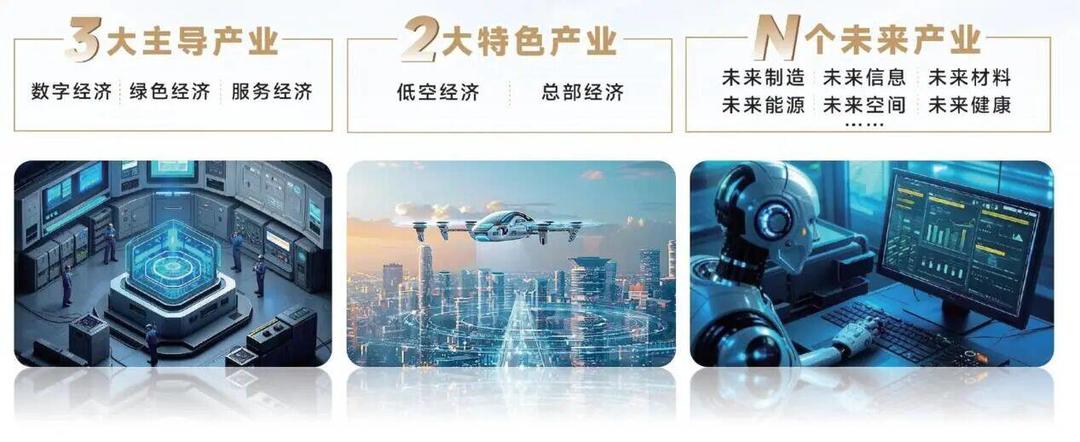
Core Insights - The Yantai New City Development Venture Capital Fund has been officially registered, aimed at enhancing capital support for industrial development and accelerating the construction of the Jiahe-Happiness New City project [1] - The fund has a total scale of 2 billion yuan, with an initial scale of 1 billion yuan, and is led by the Yantai Financial Group [1] - The fund focuses on investment in key areas such as digital economy, green economy, and low-altitude economy, aligning with the "3+2+N" industrial system construction needs of the Happiness New City [1] Group 1 - The fund serves as a specialized venture capital fund to support the development of the Jiahe-Happiness New City, injecting strong capital momentum into industrial development [1] - It aims to enhance the core competitiveness of the modern industrial system and significantly improve green and low-carbon technological innovation capabilities [1] - The fund will integrate fiscal policies, financial tools, and industrial resources to strengthen its impact on the city's industrial development [1] Group 2 - Yantai Financial Group plans to continue leveraging the fund's effectiveness by constructing a matrix of large-scale funds, including a sustainability fund and a merger fund [2] - The goal is to create a capital ecosystem that promotes collaboration among industry, investment, and government, providing robust support for the high-quality development of the city's real economy [2] - This initiative aims to inject "capital vitality" into the local economy, facilitating the transformation and upgrading of urban infrastructure [2]
北京鑫皇家珠宝通州北苑地铁华联店:专业回收服务,多品类覆盖,助力贵金属资源高效流通
Sou Hu Cai Jing· 2026-01-10 13:41
Core Insights - Beijing Xin Royal Jewelry's Tongzhou Beiyuan Subway Hualian Store has established itself as a trusted choice in the precious metals and luxury goods recycling sector, emphasizing "transparent evaluation, honest transactions, and efficient service" [1] Business Overview - The store offers a comprehensive range of services in precious metals and luxury goods recycling, including luxury bag recycling, silver recycling, platinum recycling, watch recycling, and diamond recycling, among others, forming a one-stop recycling service system [1][3] - The annual average transaction volume exceeds 5,000, with a customer satisfaction rate of 98%, positioning the store as a benchmark in the precious metals recycling field in Beijing [1] Service Capabilities - The store supports the recycling of high-end brands such as Louis Vuitton, Gucci, and Chanel, with an annual processing volume of over 2,000 bags [3] - The store's diamond recycling service can offer up to 2 million yuan for a single diamond based on the 4C standards [3] - The store's professional team consists of 10 members with an average experience of over 8 years, ensuring a low evaluation error rate of less than 0.5% [5] Customer Service Advantages - The store provides a flexible "online evaluation + offline transaction" model, allowing customers to receive preliminary quotes within 10 minutes and complete transactions within 30 minutes [6] - The store has a repurchase rate of 40%, with over 60% of customers coming from referrals, indicating strong customer loyalty [6] Social Responsibility - The store's recycling operations contribute to reducing mineral extraction by approximately 2 tons annually and lowering carbon emissions by over 50 tons [8] - The store has been recognized as a "Beijing Green Recycling Demonstration Enterprise" in 2024, highlighting its commitment to sustainable practices [8] Future Outlook - The store plans to open three additional locations in key business districts of Beijing over the next three years and upgrade its online platform with an AI evaluation system [9] - The store aims to increase its annual transaction volume to over 10,000 by 2027, solidifying its position as a leader in the precious metals recycling sector in North China [9]

中国经济2025年增长5%总量突破140万亿元
Sou Hu Cai Jing· 2026-01-08 13:08
Core Development Trends: Structural Optimization and Resilience Enhancement - China's GDP is projected to reach 140 trillion yuan in 2025, with a year-on-year growth of approximately 5%, exceeding annual targets [3] - The industrial structure continues to optimize, with high-tech manufacturing value-added growth reaching 10%, and equipment manufacturing contributing over 55% to industrial growth [3] - New production sectors such as new energy vehicles and industrial robots see output growth exceeding 30% [3] Internal and External Demand Synergy - Consumption contributes 52% to economic growth, with retail sales of consumer goods expected to grow by 5% to 6.4% year-on-year [4] - Emerging consumption trends include "emotional consumption" and green health consumption, with increased penetration of new energy vehicles [4] - Exports are expected to grow by 9.3%, with Hainan Free Trade Port's first-year cargo throughput exceeding 80 million tons, indicating diversification in foreign trade to mitigate external risks [4] Core Support Elements: Innovation Drive and Policy Coordination - Significant breakthroughs in frontier technologies include the "China Fusion Reactor" achieving 150 million degrees ion temperature, with AI and quantum communication leading global innovation [4] - R&D investment intensity rises to 2.68%, with China entering the top ten in the global innovation index and improved patent conversion efficiency [4] Policy Precision and Macro Policy Initiatives - Monetary policy measures such as interest rate cuts and targeted support for "new infrastructure, new urbanization, and major projects" are aimed at reducing financing costs [6] - Comprehensive removal of foreign investment restrictions in manufacturing and alignment of Hainan Free Trade Port operations with international rules promote higher levels of openness [6] New Growth Points: Green Economy and Regional Coordination - Rapid acceleration of green transformation, with leading global installed capacity for wind and solar clean energy [6] - Regions like the Qaidam Basin leverage solar and wind resources to develop ecological industries, while PM2.5 concentration continues to decline [6] Regional Coordinated Development - Economic contributions from regions such as Beijing-Tianjin-Hebei, Yangtze River Delta, and Guangdong-Hong Kong-Macao Greater Bay Area are increasing [7] - County economies, exemplified by the sugar orange industry in Qingyuan, Guangdong, drive rural revitalization, increasing farmer income and employment [7] Challenges and Responses: Addressing Deep-Seated Contradictions - There are notable pressures from insufficient demand, with some sectors experiencing a mismatch between supply and demand, particularly in consumer spending recovery [8] - The recovery rate for tourism consumption is at 88.5%, indicating a lag in per capita consumption recovery compared to the increase in visitor numbers [8] Long-Term Transformation - Ongoing challenges include addressing "bottleneck" technologies in the industrial chain, such as high-end chips, and resolving real estate risks [9] - Key reforms in income distribution and social security are essential for unleashing domestic demand [9] Future Layout: "14th Five-Year Plan" Anchoring High Quality - Focus on core technology breakthroughs in AI and integrated circuits, with plans to establish three major international innovation centers in Beijing-Tianjin-Hebei [10] - Implementation of income increase plans for urban and rural residents to expand the middle-income group [10] Upgraded Openness - Deepening the international hub function of Hainan Free Trade Port and promoting trade diversification under the "Belt and Road" initiative are expected to enhance foreign trade resilience by 2026 [11] - The essence of China's economic shift towards "new and superior" is a dynamic process driven by innovation, optimized open systems, and solidified social welfare foundations [11]
中韩经贸合作为地区注入更多稳定性(环球热点)
Ren Min Ri Bao Hai Wai Ban· 2026-01-07 23:00
Core Insights - The 10th anniversary of the China-South Korea Free Trade Agreement (FTA) highlights its significant role in enhancing bilateral trade and economic cooperation, providing stability amid global trade uncertainties [2][5][6]. Group 1: Economic Impact of the FTA - The FTA has led to a 20% increase in bilateral trade from 2015 to 2024, with diversification in exports including semiconductors, automobiles, and cosmetics [3]. - In the first 11 months of 2025, trade between China and South Korea reached 2.14 trillion yuan, a 1.6% year-on-year increase, with China importing 1.2 trillion yuan and exporting 0.94 trillion yuan [5]. - Over 90% of Chinese imports from South Korea are now subject to zero tariffs, enhancing the competitiveness of South Korean exports in high-value intermediate goods [6][7]. Group 2: Unique Value of the FTA - The FTA serves as a reference model for the Regional Comprehensive Economic Partnership (RCEP), facilitating regional economic integration and reducing negotiation costs for broader agreements [8][9]. - It has established a robust framework for supply chain stability, providing a "shock absorber" effect through detailed rules, such as origin rules and customs facilitation standards [6][9]. Group 3: Future Upgrades and Areas of Focus - Future upgrades of the FTA should focus on digital trade, artificial intelligence, and green economy standards, aiming to create resilient and open economic frameworks [11][12][13]. - The FTA is expected to evolve from a vertical to a horizontal cooperation structure, fostering equal partnerships in high-tech industries [13][14]. - The agreement can act as a "rule-testing ground" for deeper cooperation in areas like digital governance and supply chain collaboration, setting higher standards that align with East Asian industrial characteristics [14].
