自动驾驶技术

Search documents
传长城汽车旗下毫末智行停工解散 原计划2025年港股上市
智通财经网· 2025-11-24 02:57
智通财经APP获悉,据媒体报道,有消息称长城汽车(02333,601633.SH)旗下的自动驾驶技术公司毫末智 行11月23日突然通知员工,自11月24日起不用到岗上班,赔偿方案尚未公布。报道引述知情人士指出, 目前毫末智行约有200多名员工,公司内部尚未就停工后有何调整给出具体说法,"可能是完全解散,也 可能只是暂时停工,但复工日期还不清楚"。 另据知情人士透露,毫末智行公司运营已基本停滞,公关等职能部门处于空缺状态,项目方面,仅余一 个与现代汽车的合作项目尚在收尾。 长城官方未对此事进行公开回复,但长城汽车智驾部门人士表示,长城汽车智驾部门已在业务上基本剥 离毫末智行的技术方案。 公开资料显示,毫末智行成立于2019年11月,致力于自动驾驶的人工智能技术,是中国首个实现自动驾 驶技术量产的企业,其前身为2015年长城汽车成立的智能驾驶系统开发部,是长城汽车内部孵化的子公 司。团队由长城汽车的内部技术人员和来自百度、华为等科技企业的工程师组成。 毫末智行早期也有过"风光岁月":2021年A轮融资中,美团、高瓴、高通等顶级机构注资近10亿元,使 其迅速跻身独角兽行列。2021年5月起,核心产品辅助驾驶系统HP ...

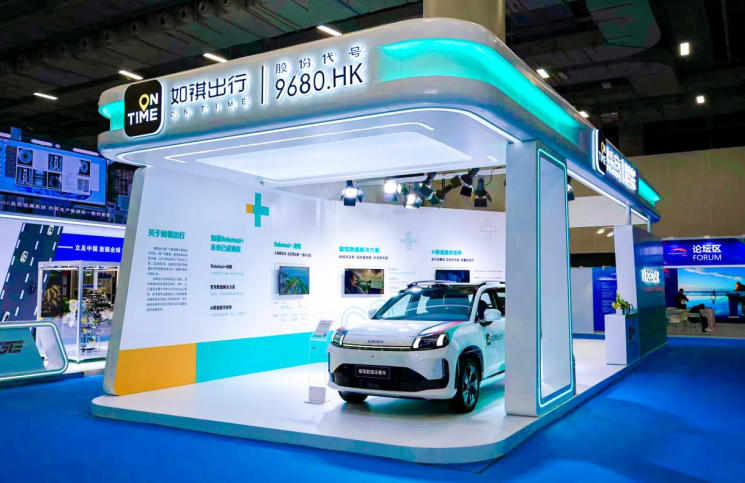
如祺出行:加速自动驾驶技术量产应用
Shang Hai Zheng Quan Bao· 2025-11-21 12:51
Core Insights - The Guangzhou International Auto Show highlighted the commercialization of autonomous driving and Robotaxi services, with 如祺出行 showcasing its "Robotaxi+" strategy aimed at accelerating the mass application of autonomous driving technology [1][2] Group 1: Robotaxi Operations - 如祺出行 plans to expand its Robotaxi operations to 100 core cities over the next five years, aiming to build a fleet of over 10,000 Robotaxis and establish a three-tier operational network to support 100,000 Robotaxi operations annually [3] - The company has been operating over 300 Robotaxis since September 2025, covering areas such as Guangzhou, Shenzhen, and the Hengqin Guangdong-Macao Deep Cooperation Zone, with more than 10,000 operational stations [5] Group 2: Data Solutions - High-quality data is essential for the continuous iteration of autonomous driving technology, and 如祺出行 introduced its "如祺智驾数据采集车" solution at the auto show, which allows for the collection of road environment and driver behavior data while generating revenue [6][8] - As of September 2025, the first batch of over 300 data collection vehicles has been operating regularly in Guangzhou, utilizing an in-house data labeling platform to automate data processing and improve efficiency [7] - The company is expanding its AI data services brand "如祺数据" to various industries, leveraging its data processing capabilities accumulated in the autonomous driving sector, and currently serves over 100 well-known enterprises [7]

FSD比人驾驶更安全?专家质疑特斯拉报告:数据存在缺陷有误导性
Feng Huang Wang· 2025-11-21 03:08
Core Viewpoint - Tesla has launched a new section on its website to report safety statistics for its Autopilot and Full Self-Driving (FSD) systems, but safety experts criticize the data as flawed and misleading [1][2]. Group 1: Safety Data and Performance - Tesla reports that FSD users have driven 6.47 billion miles, with a serious collision occurring once every 5.1 million miles and a minor collision every 1.5 million miles, significantly better than the average American driver [2]. - The previous quarterly safety reports were criticized for focusing primarily on the Autopilot system used on highways, neglecting the more common accidents that occur on city streets and non-divided roads [2]. Group 2: Expert Criticism - Experts like Philip Koopman from Carnegie Mellon University acknowledge the new report's distinction between highway and non-highway mileage as a positive step, but argue that the data undermines Tesla's claim that using FSD is safer than not using it [3]. - The report lacks information on injuries or fatalities related to Autopilot or FSD incidents, with Tesla claiming that such data relies on voluntary reporting from drivers, which raises skepticism among experts [3][4]. - Experts express concerns that Tesla's safety documents are filled with marketing hype rather than serious safety analysis, contrasting Tesla's approach with that of Waymo, which provides peer-reviewed studies to support its safety claims [4]. Group 3: Trust and Verification Issues - Engineers like Noah Goodall find it challenging to publish research on Tesla's data due to doubts about its authenticity, citing Tesla's history of misleading the public regarding safety data [5].


自动驾驶时代的新堵点:Robotaxi挑战与协同管理之解
科尔尼管理咨询· 2025-11-20 09:41
Core Viewpoint - The article emphasizes that the deployment of autonomous ride-hailing services (Robotaxis) may exacerbate traffic congestion rather than alleviate it, highlighting the need for regulatory measures to integrate these vehicles into urban transportation systems effectively [1][2][4]. Group 1: Misconceptions about Autonomous Taxis - Urban planners are often misled by the myth that autonomous taxis will magically solve traffic congestion, as they are expected to reduce private car usage and optimize traffic flow [2][4]. - The reality is that autonomous taxis can contribute to increased congestion due to their operational behaviors, such as cruising without passengers [2][4]. Group 2: Hidden Realities of Autonomous Ride-Hailing - Unmanaged autonomous technology is likely to double traffic congestion instead of reducing it, as evidenced by studies showing that many city officials are optimistic about the benefits but also concerned about increased vehicle mileage and reduced public transport usage [4][6]. - Autonomous taxis can create "induced" demand, leading to more trips that would otherwise have been made using public transport or not at all [6][11]. Group 3: Factors Contributing to Increased Congestion - Autonomous taxis may operate empty for significant portions of their journeys, with studies indicating that 30% to 40% of their total mileage could be without passengers [7][11]. - The convenience of autonomous taxis may encourage urban sprawl, as people are more likely to live farther from city centers when commuting becomes easier, leading to longer travel distances and increased overall vehicle mileage [9][11]. - Autonomous taxis compete with public transport rather than complementing it, potentially leading to a 75% drop in public transport ridership if not properly integrated [11][13]. Group 4: Proposed Solutions for Managing Autonomous Taxis - Cities should implement geographic restrictions on autonomous taxi operations to prevent congestion hotspots, especially during peak hours [13][14]. - Integrating ticketing systems between autonomous taxis and public transport can enhance the overall efficiency of urban mobility [13][14]. - Charging fees for empty or low-occupancy trips can discourage unnecessary cruising and promote shared rides [13][14]. - Mandatory data sharing and public oversight are essential to ensure that autonomous taxi operations align with community transportation goals [13][14]. Group 5: Urgency for Action - There is an urgent need for cities to prepare for the potential congestion exacerbated by autonomous taxis, requiring bold regulations and coordinated oversight [15]. - The focus should be on ensuring that autonomous vehicles serve public transportation needs first, rather than merely enhancing personal convenience [15].

小米集团20251118
2025-11-19 01:47
Xiaomi Group Q3 2025 Earnings Call Summary Company Overview - **Company**: Xiaomi Group - **Date**: Q3 2025 Earnings Call Key Financial Highlights - Total revenue reached **RMB 113 billion**, a **2.5%** year-over-year increase, marking a historical high [2][3] - Adjusted net profit was **RMB 11.3 billion**, up **81%** year-over-year, also a record [2][3] - Gross margin improved to **22.9%**, an increase of **2.5 percentage points** year-over-year [3] Smartphone Performance - Sales of the **Xiaomi 17 series** smartphones grew by **30%** compared to the previous generation, with high-end versions accounting for over **80%** of sales [2][4] - The **Pro Max** model achieved significant success in the **RMB 6,000+** price segment, indicating effective high-end strategy [4][7] - Xiaomi ranked among the top three in global smartphone shipments with a market share of **13.6%** [6] IoT and Smart Home Business - IoT revenue reached **RMB 27.6 billion**, showing continuous growth for seven consecutive quarters with a gross margin of **23.9%** [2][8] - The IoT platform connected over **1 billion devices**, indicating ongoing ecosystem expansion [8][21] - A new smart home appliance factory commenced production with an annual capacity of **7 million units** [8][12] Internet Services and User Engagement - Global monthly active users reached **742 million**, a **8.2%** increase year-over-year [2][9] - Internet services revenue was **RMB 9.4 billion**, up **10.8%**, with a gross margin of **76.9%** [2][11] - Advertising revenue grew to **RMB 7.2 billion**, reflecting a **17.4%** increase [2][12] Electric Vehicle (EV) Business - EV revenue amounted to **RMB 28.3 billion**, with **108,796** units delivered, averaging a post-tax price of **RMB 260,000** [5][14] - The EV segment is identified as a new growth driver for the company [5] Research and Development - R&D expenses reached **RMB 9.1 billion**, a **52.1%** increase year-over-year, with R&D personnel comprising **44.2%** of total employees [5][15] - The company plans to invest over **RMB 200 billion** in R&D over the next five years [10] Strategic Initiatives - Xiaomi aims to enhance product premiumization and intelligence through proprietary chip and operating system development [10] - The company targets entry into the top 100 of the Fortune Global 500 by **2030** [10] Market Position and Challenges - Xiaomi's market share in mainland China reached **14.9%**, with growth in all regions except India [6] - The company faces challenges from rising memory costs, which are expected to pressure gross margins in the coming years [19][30] - Strategies to mitigate cost pressures include price increases and product structure optimization [19] Sustainability and ESG Efforts - Xiaomi's MSCI ESG rating improved from B to A, marking the third consecutive year of improvement [18] Future Outlook - The company plans to continue expanding its overseas market presence, particularly in Southeast Asia and Latin America [27][32] - Xiaomi's strategy includes enhancing operational efficiency in existing stores rather than opening new ones [31][32] This summary encapsulates the key points from Xiaomi Group's Q3 2025 earnings call, highlighting financial performance, market position, strategic initiatives, and future outlook.

长久物流携手希迪智驾 开启汽车物流智能化新纪元
Zheng Quan Ri Bao· 2025-11-14 13:39
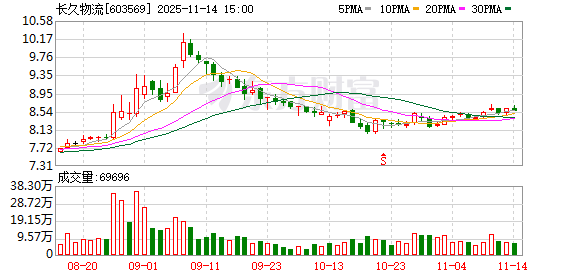
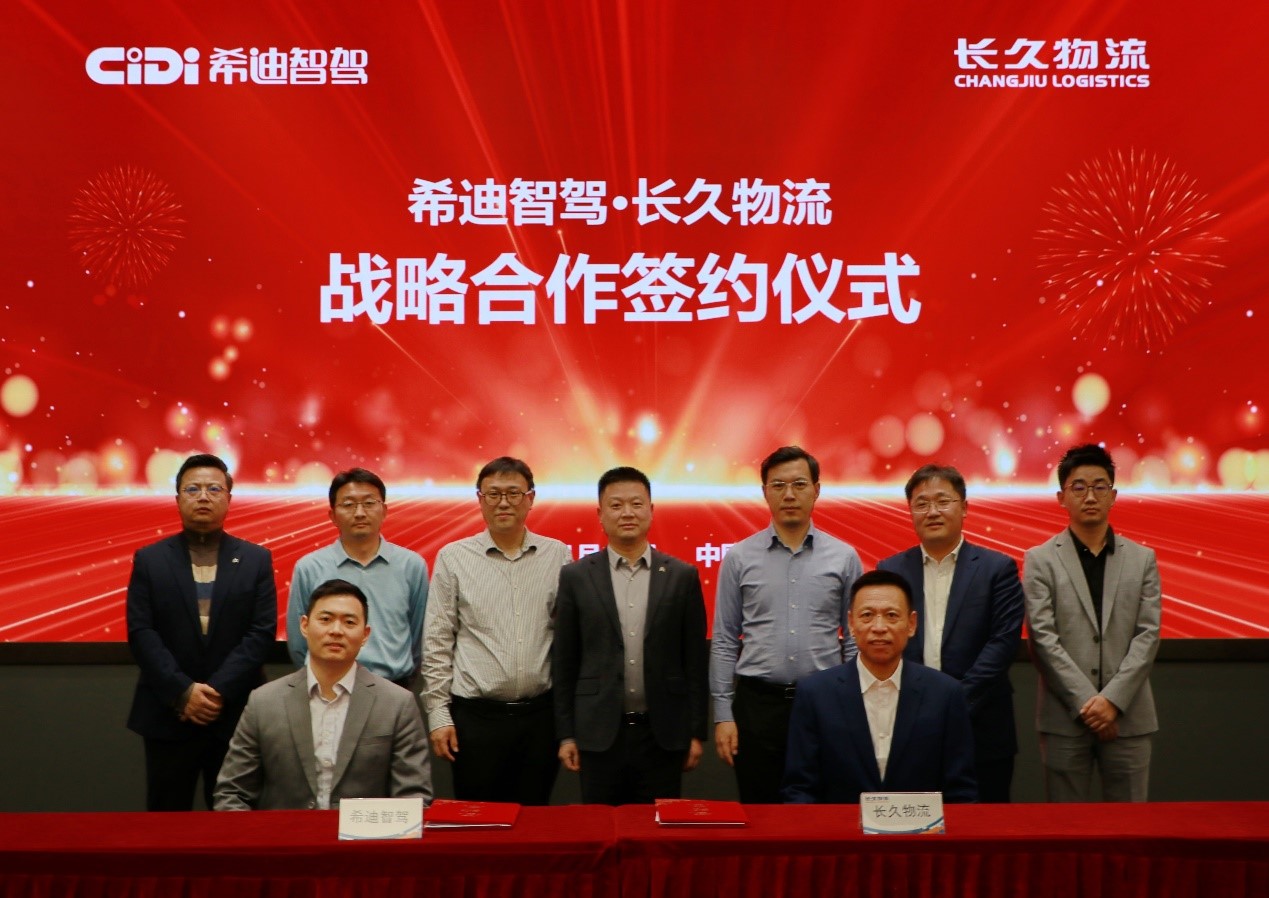
Core Insights - Beijing Changjiu Logistics Co., Ltd. and Xidi Zhijia Technology Co., Ltd. have signed a strategic cooperation agreement, marking a new phase in the integration of automotive logistics and autonomous driving technology [2] - Changjiu Logistics is a leading comprehensive logistics service provider in the automotive industry, with a nationwide logistics network and a full range of services including vehicle transportation, warehousing management, and parts logistics [2] - Xidi Zhijia is a global leader in autonomous driving technology, focusing on the development of autonomous mining trucks and logistics vehicles, as well as V2X technology and intelligent perception solutions [2] - The collaboration aims to commercialize autonomous driving technology in trunk transportation and warehousing operations, enhancing logistics efficiency and safety [2] Industry Context - The strategic partnership aligns with China's "dual carbon" strategy and represents a significant milestone in the smart logistics strategy of the companies involved [3] - The automotive industry is undergoing deep transformations towards electrification, intelligence, and greening, especially as 2025 marks a critical point in the "14th Five-Year Plan" [3] - The future focus will be on creating an innovative model of "technology empowerment + scenario implementation" to drive high-quality development in the automotive logistics sector [3]

长久物流携手希迪智驾 开启汽车物流智能化新阶段
Zhong Guo Zheng Quan Bao· 2025-11-14 06:04
Core Insights - Beijing Changjiu Logistics Co., Ltd. and Xidi Zhijia Technology Co., Ltd. have signed a strategic cooperation agreement, marking a new phase in the integration of automotive logistics and autonomous driving technology [1][3] Company Overview - Changjiu Logistics is a leading comprehensive logistics service provider in the automotive industry in China, with a nationwide logistics network and extensive operational scenarios [3] - The core business of Changjiu Logistics includes complete vehicle transportation, warehousing management, parts logistics, social vehicle logistics, and platform-based freight services, providing integrated solutions for clients [3] - Xidi Zhijia is a global leader in autonomous driving technology, focusing on the development of autonomous mining trucks and logistics vehicles, V2X technology, and intelligent perception solutions [3] Strategic Cooperation Details - The cooperation will focus on intelligent scheduling for trunk transportation, automation in warehousing operations, and logistics safety warning systems [3] - The partnership aims to explore the application of autonomous driving technology in modern logistics systems, promoting the logistics industry towards intelligence, efficiency, and safety [3] Industry Context - The strategic cooperation aligns with China's "dual carbon" strategic goals and represents a significant milestone in the smart logistics strategy of Changjiu Logistics [4] - The automotive industry is undergoing deep transformations towards electrification, intelligence, and greening, with 2025 being a critical year in the "14th Five-Year Plan" [4] - The collaboration aims to create an innovative model of "technology empowerment + scenario implementation," leveraging the strengths of both companies to enhance efficiency and safety in the automotive logistics sector [4]
F1也能无人驾驶?北理工带着“飞鹰”来了
2 1 Shi Ji Jing Ji Bao Dao· 2025-11-14 05:05
Group 1 - The second Abu Dhabi Autonomous Racing International League (A2RL) will take place on November 15, 2023, at Yas Marina Circuit, featuring a prize pool of $2.25 million and participation from 11 top teams across 10 countries, an increase from 8 teams in the inaugural event [2] - The event serves as a significant platform for universities and research institutions to showcase autonomous driving technology, with teams required to develop their own autonomous driving software for Super Formula race cars [2][3] - The racing format ensures all teams use the same car chassis and sensor systems, allowing for a fair competition focused on software algorithm performance under uniform conditions [2] Group 2 - The 2025 event will see comprehensive upgrades in vehicle hardware, software platforms, and competition design, including technical improvements to the designated Dallara SF23 race car to enhance reliability and adaptability with complex sensors and AI systems [3] - A new virtual competition project, "Sim Sprint," has been introduced to help teams optimize their algorithms and gain practical experience through simulated racing [3] - The "Flying Eagle" team, a collaboration between Beijing Institute of Technology and Khalifa University, is the only Chinese university team participating, continuing their cross-border collaboration in autonomous vehicle technology [3] Group 3 - The technical challenges of achieving fully autonomous driving on an F1 track include dealing with adversarial racing environments and the high demands on real-time decision-making and dynamic path planning algorithms [4] - The "Flying Eagle" team has achieved a record autonomous driving speed of 220 km/h without GPS assistance, showcasing advanced system performance despite the complexities of nonlinear dynamics and boundary control [4] - The team aims to win the competition and believes A2RL is not just a technical contest but a global stage that merges technology, entertainment, and competition, with aspirations to advance China's autonomous driving technology towards greater safety and excellence [4] Group 4 - A2RL is seen as a potential milestone in the evolution of artificial intelligence in real-world applications, with the possibility of autonomous racing vehicles surpassing human capabilities in extreme racing and dynamic competition [5] - This achievement would mark a significant advancement in the development of more powerful and safer intelligent unmanned systems, following the success of AI in other domains like gaming [5]
2025年中国无人物流车行业调研简报-20251111
Tou Bao Yan Jiu Yuan· 2025-11-11 12:36
Investment Rating - The report does not explicitly state an investment rating for the unmanned logistics vehicle industry Core Insights - The unmanned logistics vehicle is defined as an intelligent transport tool based on autonomous driving technology, primarily used in logistics scenarios for express delivery, with applications expanding to industrial parks, airports, and medical centers [3][5] - The primary application scenario for unmanned logistics vehicles is the delivery service from express points to community stations, which helps logistics companies reduce costs and improve efficiency [5][8] - As of 2024, the scale of unmanned logistics vehicles in China has exceeded 6,000 units, with urban end delivery being the fastest-growing core scenario [18] - The price of unmanned logistics vehicles has significantly decreased from millions to tens of thousands due to technological breakthroughs, scale production, and market competition [25] Summary by Sections Application Scenarios - Unmanned logistics vehicles are mainly used for short-distance transportation (5-20 km) between express points and community stations, replacing traditional delivery vehicles and reducing labor costs [5][8] - The urban delivery market is the fastest to adopt unmanned logistics vehicles, with cities like Shenzhen achieving daily transport volumes of 80,000 packages and a cost reduction of 1.32 yuan per package [18] Market Segmentation - The market application distribution of unmanned logistics vehicles includes 70% in urban delivery, 15% in rural delivery, and 10% in cold chain logistics [12][13] - The cold chain logistics demand is projected to reach 365 million tons, with a year-on-year growth of 4.3%, driven by fresh e-commerce and medical delivery scenarios [18] Cost Dynamics - The price of unmanned logistics vehicles is expected to continue decreasing due to advancements in technology, particularly in the localization of key components like LiDAR and batteries [25] - The operational costs of unmanned logistics vehicles are significantly lower than traditional fuel vehicles, with reduced labor and energy consumption [25] Policy Impact - China's supportive policies have transitioned the unmanned logistics vehicle industry from pilot exploration to large-scale implementation, with sales increasing eightfold in the past three years [31] - In contrast, the U.S. and EU face limitations due to regional policies and high adaptation costs, affecting market promotion [31] Competitive Landscape - The market is characterized by a "head-led, scenario-segmented, ecosystem-coordinated, and standard-unified" competitive structure, with major suppliers categorized into three types: autonomous driving technology firms, delivery scenario-focused companies, and automotive background firms [38] - The competition is shifting from a focus on technology to ecosystem collaboration, with logistics giants and tech companies forming alliances [38]
远程驾驶初创公司Vay获Grab战略投资,总额有望达4.1亿美元
机器人圈· 2025-11-11 09:57
Core Viewpoint - The autonomous driving industry is gaining momentum, providing more financing opportunities for startups, exemplified by Vay's upcoming investment from Grab of up to $60 million [1][4]. Group 1: Investment and Business Expansion - Vay, a Berlin-based startup focused on remote-controlled car rentals, is set to receive an investment from Grab, pending regulatory approval, expected to be completed by the end of the year [1]. - Following the initial investment, Grab may invest an additional $350 million based on agreed mileage targets within a year [1][4]. - Vay plans to leverage Grab's investment to expand its operations in the U.S. market, having already launched services in Las Vegas in January 2024 [1][4]. Group 2: Market Competition and Strategy - The remote driving sector in the U.S. is becoming increasingly competitive, with companies like Waymo announcing new autonomous taxi services in multiple cities [4]. - Grab's investment in Vay is part of its strategic initiative to support the development of remote driving technology, despite Grab not having a direct presence in the U.S. market [4]. - Vay positions its remote driving rental service as a complement to autonomous taxi services, targeting consumers who prefer not to own a car [4]. Group 3: Cost Efficiency and User Experience - Vay's service allows users to utilize vehicles without ownership, requiring only a driver's license, and alleviating parking concerns [4]. - The operational model and lightweight hardware system enable Vay to offer services at approximately half the cost of traditional ride-hailing services [4]. Group 4: Future Vision and Collaborations - Vay aims to create a "global remote driving platform," expanding beyond electric vehicle rentals into commercial and enterprise services [6]. - The company has partnered with Kodiak Robotics for autonomous truck services and has previously raised $131.8 million from various investors [6]. - Grab's collaboration with Vay is also focused on data accumulation and AI training, which could accelerate advancements in autonomous driving technology [5].