
长期价值投资

Search documents
巴菲特“最后一封信”全文:我“纯属运气好”,但“时间老人”追上来了,我将“保持安静”(完整原文中文版)
美股IPO· 2025-11-11 04:48
Core Insights - Warren Buffett announces his retirement after a 60-year career, emphasizing the importance of long-term thinking and criticizing corporate greed, particularly in executive compensation [3][4][5] - Buffett plans to donate $1.3 billion worth of Berkshire Hathaway shares to charity, continuing his philanthropic legacy [6] Group 1: Transition of Leadership - Buffett will step down as CEO of Berkshire Hathaway by the end of the year, marking a significant transition for the company [3][4] - The next annual letter to shareholders will be written by someone else, but Buffett will maintain communication through his Thanksgiving letters [3][6] - Since the announcement of his retirement plan, Berkshire's Class A shares have dropped approximately 8% [3] Group 2: Critique of Corporate Culture - Buffett criticizes the competitive nature of executive compensation, stating that it leads to a race among CEOs to earn more [4][45] - He warns against hiring CEOs who are overly focused on personal wealth and fame, advocating for a culture of humility and long-term commitment [4][42] Group 3: Investment Philosophy - Buffett's investment philosophy contrasts sharply with the rise of speculative assets like cryptocurrencies, emphasizing the value of long-term investments [5] - He has built Berkshire Hathaway into a diversified empire, spanning various industries, and believes the company's management style will continue to be an asset [6][46] Group 4: Philanthropy - Buffett has donated 2.7 million shares of Berkshire Class B stock, valued at approximately $1.3 billion, to family foundations [6] - He has committed to donating all his Berkshire shares to charity, promoting the "Giving Pledge" alongside Bill and Melinda Gates [6]

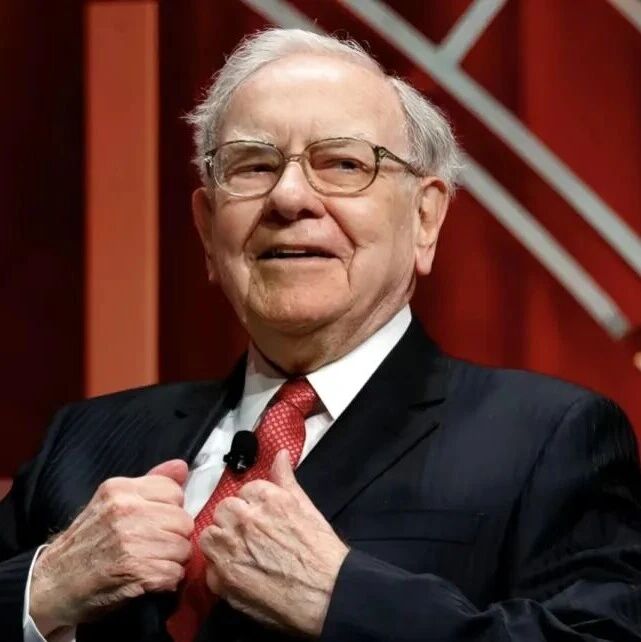
巴菲特“最后一封信”全文:我“纯属运气好”,但“时间老人”追上来了,我将“保持安静”
华尔街见闻· 2025-11-11 01:10
Group 1 - Warren Buffett announced his retirement as CEO of Berkshire Hathaway by the end of this year, marking a significant transition in his 60-year career [2][5][15] - Since Buffett's initial announcement in May, Berkshire's Class A shares have declined approximately 8% [2] - Buffett emphasized the importance of avoiding greed in corporate leadership, particularly criticizing excessive executive compensation [5][52] Group 2 - Buffett's successor, Greg Abel, is expected to lead the company, and Buffett will retain a significant portion of Berkshire's Class A shares to ensure a smooth transition [2][44] - The letter to shareholders will be written by someone else for the first time, although Buffett will continue to communicate with shareholders through his annual Thanksgiving letter [2][11] - Buffett's philanthropic efforts continue, with a recent donation of 2.7 million shares of Berkshire Class B stock, valued at approximately $1.3 billion, to family foundations [11][12] Group 3 - Buffett's investment philosophy contrasts sharply with the rise of speculative assets like cryptocurrencies and the rapid trading environment of today [6][7] - He has built Berkshire Hathaway into a vast empire, with diverse businesses including Dairy Queen and Fruit of the Loom, as well as significant interests in insurance and utilities [8][9] - Buffett's management style and communication approach have become hallmarks of his tenure, emphasizing transparency and shareholder engagement [8][9]
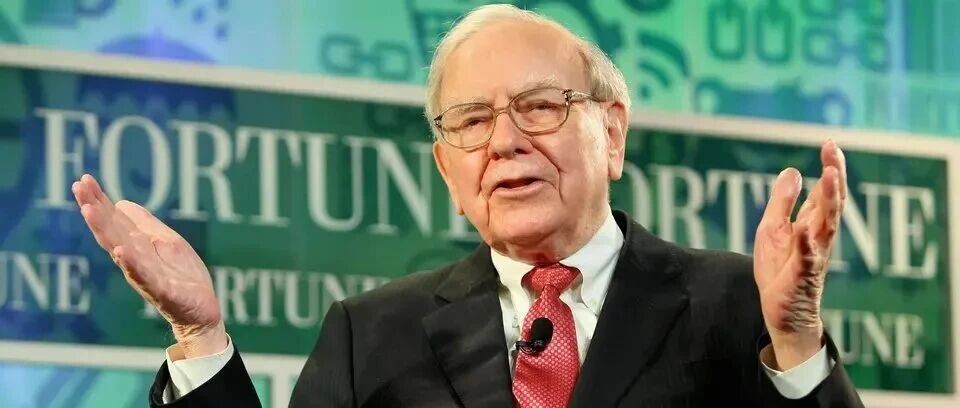
巴菲特“最后一封信”全文:我“纯属运气好”,但“时间老人”追上来了,我将“保持安静”
Hua Er Jie Jian Wen· 2025-11-11 00:47
Core Points - Warren Buffett announces his retirement as CEO of Berkshire Hathaway, marking the end of a 60-year career and a significant transition for the company [1][5] - Buffett emphasizes the importance of long-term value investing and criticizes the greed prevalent in corporate America, particularly regarding executive compensation [2][3] - Buffett has made substantial charitable donations, including a recent gift of 2.7 million shares of Berkshire B stock valued at approximately $1.3 billion [3][4] Group 1: Transition of Leadership - Buffett will step down as CEO by the end of the year, with Greg Abel set to take over [1][6] - The announcement has impacted market sentiment, with Berkshire's A shares dropping about 8% since the initial retirement announcement in May [1] - Buffett will continue to hold a significant portion of Berkshire A shares to ensure a smooth transition for his successor [1] Group 2: Corporate Philosophy - Buffett warns against the competitive nature of executive compensation, stating that it leads to jealousy and greed among CEOs [2][25] - He advocates for a management style that prioritizes long-term value over short-term gains, contrasting with the rise of speculative assets like cryptocurrencies [3][26] - Buffett's approach has transformed Berkshire from a struggling textile company into a diversified conglomerate with interests in various sectors [3][26] Group 3: Charitable Contributions - Buffett has committed to donating all his Berkshire stock to charity, continuing his philanthropic efforts through family foundations [4][24] - His recent donation of 2.7 million shares aligns with his long-standing commitment to charitable giving [3][4] - Buffett's charitable philosophy emphasizes the importance of responsible wealth distribution and the need for future generations to continue these efforts [24][23]

连续5年正收益!管理规模1年暴增近200亿!这家私募是怎么做到百亿私募业绩第二的?
私募排排网· 2025-11-07 03:33
本文首发于公众号"私募排排网"。 (点击↑↑ 上图订阅专栏 ) 编者按 通常,投资者在了解私募时,会关注公司团队水平、策略运作、中长期业绩、风险控制等内容,为此,私募排排网推出# 深 度揭秘100 家私 募 # 栏目,对这些内容进行详解。 本期揭秘的是 百亿主观私募日斗投资 ,日斗投资管理规模在2024年实现了20-50亿到100亿以上的跃迁,截至2025年10月,公司管理规模 接近300亿。这也意味着,公司规模在最近一年时间里增长近200亿元。 业绩方面, 日斗投资自2020年 来连续5年取得正收益,2020-2024年收益均值分别为***%、***%、***%、***%、***%( 点此看收益 ) ,据了解,日斗投资是百亿级私募中少数能近5个完整年度均实现正收益的私募,尤其在2022年市场下行时期,A股三大指数均跌超15%的 环境下,日斗投资当年的收益均值高达***% ( 点此看收益 ) ,可见其对行业周期和行情的精准把握。 截至2025年9月底, 日斗投资在"百亿私募近五年收益榜"中排名第二 ,旗下产品近五年收益均值接近***% ( 点此看收益 ) 。今年以来也 同样取得了突出的业绩,旗下产品今年前三季 ...

政策市场双驱动:三十载积淀,推出财富管理焕新力作
Jin Rong Shi Bao· 2025-11-06 02:23
Core Insights - The article discusses the growing demand for professional and long-term wealth management services among consumers, driven by interest rate cuts and an aging population [1] - It highlights the policy direction provided by the government to support the insurance industry, emphasizing the need for diversified retirement security and financial planning [1] - Xinhua Insurance, with 30 years of industry experience, is positioned as a key player in the innovation of participating insurance products [1] Policy and Market Dynamics - The government has issued guidelines to enhance the insurance sector's quality, focusing on meeting diverse retirement and financial planning needs [1] - The shift from single risk protection to comprehensive services including retirement planning, health management, and asset allocation is emphasized [1] Product Features - The "Shengshi Glory Celebration Edition" offers dual-core growth, providing guaranteed benefits and opportunities for policyholders to share in company profits through dividends [4][5] - The product includes flexible planning options such as reduced coverage and policy loans, catering to consumers' need for adaptability [4] - It features a high-quality dividend account that ensures stable returns, backed by a professional investment team [4] Investment Strength - Xinhua Insurance boasts total assets exceeding 1.8 trillion yuan, with an annualized total investment return rate of 8.6% as of September 30, 2025 [6] - The company maintains a long-term value investment approach, balancing traditional strengths with innovative strategies to achieve superior investment performance [6] National Strategy Alignment - The company actively participates in national initiatives, investing in key sectors like semiconductors and artificial intelligence, contributing over 1.21 trillion yuan to the real economy [7] - Xinhua Insurance aims to connect family wealth management with national development strategies, sharing the benefits of China's economic transformation with clients [7] Consumer Services - Xinhua Insurance integrates various service brands to offer comprehensive support, including asset allocation, legal advice, and healthcare services [8] - The company has established a network for high-quality medical services and wellness care, enhancing customer experience [8]

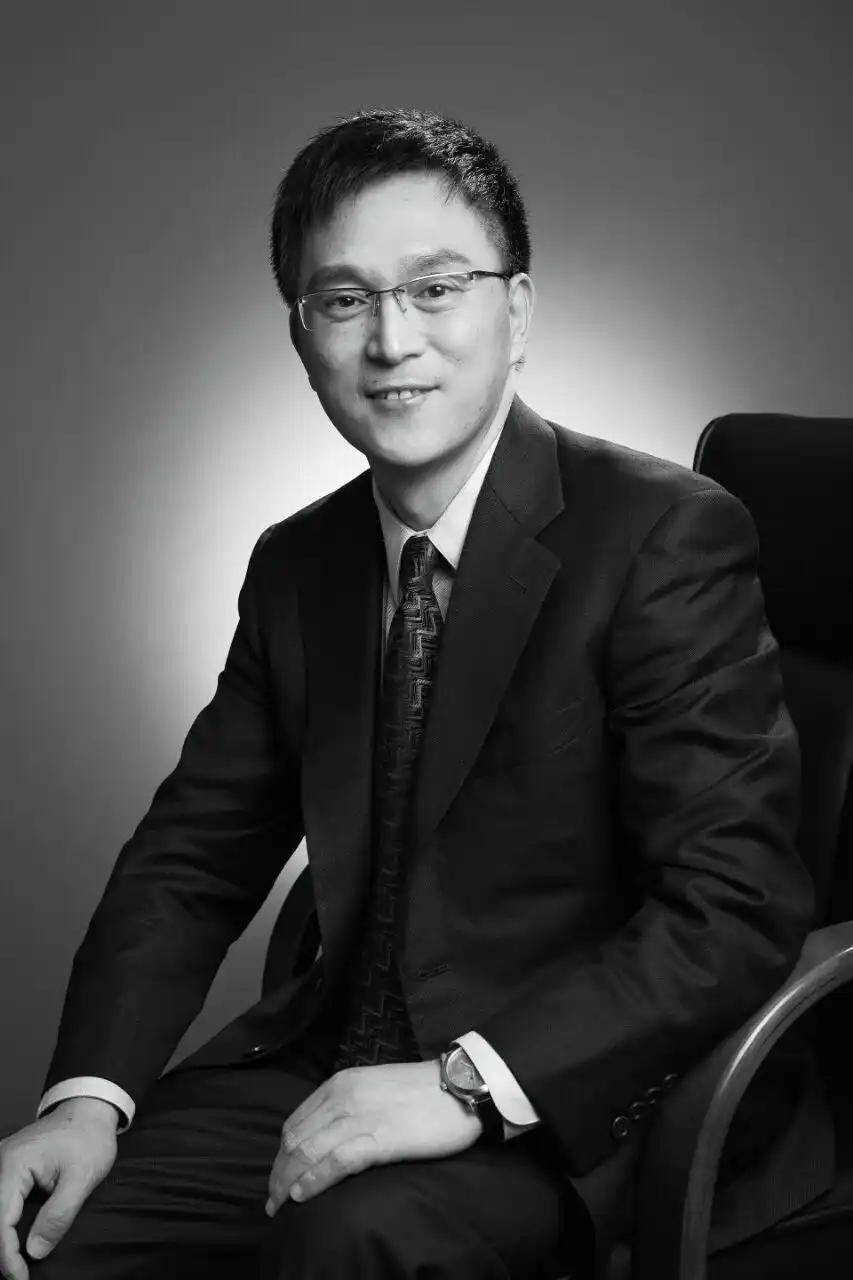
泉果基金创始人王国斌因病离世!投资界的“清泉良木”永远凋零
Sou Hu Cai Jing· 2025-11-04 08:09
Core Viewpoint - The sudden passing of Wang Guobin, founder and general manager of Quanguo Fund, at the age of 57, is a significant loss for the Chinese asset management industry, as he was a prominent figure dedicated to the development of China's capital market and asset management sector [1][5]. Group 1: Company Development - Under Wang Guobin's leadership, Quanguo Fund rapidly grew within three years, promoting the investment philosophy of "seeking clear springs and planting good trees," which resonated well with investors [4]. - Wang's long-term value investment approach not only earned the company a good reputation but also provided substantial returns for investors, emphasizing the importance of patience in the investment process [4][5]. - Quanguo Fund expressed its commitment to continue Wang's legacy by maximizing long-term value for investors and maintaining the company's core values [4][5]. Group 2: Industry Impact - Wang Guobin's contributions to the Chinese securities market spanned 27 years, during which he witnessed and participated in significant reforms in the capital market post-reform and opening-up [5]. - His investment philosophy of "value-based and trend-following" has influenced many young investors, showcasing his impact on the next generation of financial professionals [5]. - The asset management industry will continue to benefit from Wang's investment principles, management wisdom, and professional ethics, which are expected to thrive in the sector [5][6].
68亿,美国红杉资本新设立2支早期基金
Sou Hu Cai Jing· 2025-11-01 00:55
Core Insights - Sequoia Capital has launched two new funds totaling $950 million, maintaining a similar scale to funds established two years ago [2][3] - The funds include a $750 million Early Stage Fund focused on A-round startups and a $200 million Seed Fund targeting Pre-Seed and Seed stage projects [2][3] Fund Details - The Early Stage Fund aims to invest in A-round startups that have achieved initial product-market fit and are in a rapid growth phase [2] - The Seed Fund is designed to engage with startups from their inception, allowing for larger equity stakes at lower valuations [2] Investment Strategy - Sequoia Capital emphasizes an "earlier is better" investment philosophy, particularly in high-demand sectors like AI, where early entry can secure lower valuations and larger equity [4] - Recent investments in the AI sector include projects like Xbow, Traversal, and Reflection AI, with Reflection AI receiving significant backing from Nvidia after initial seed funding [4] Fund Structure - The new funds are part of Sequoia's "Evergreen Fund" structure, which allows for long-term holding of shares even after IPOs, supporting a value investment strategy from seed to IPO [4][3] Historical Context - Founded in 1972, Sequoia Capital is one of Silicon Valley's earliest venture capital firms, known for investing in influential tech companies like Apple, Google, and Nvidia [6][7] - As of October 2025, Sequoia has invested in over 100 companies within the year, covering various sectors including AI, enterprise software, and fintech [7]
年内私募机构“豪掷”超55亿元参与A股定增
Zheng Quan Ri Bao· 2025-10-30 16:40
Core Insights - The enthusiasm of private equity institutions for participating in A-share private placements has significantly increased this year, with a total of 51 private equity products involved in 53 A-share companies, amounting to 5.524 billion yuan, a growth of over 23% compared to the same period last year [1] - The overall floating profit from these private placements is approximately 2.438 billion yuan, with a floating profit ratio of 44.13% [1] Group 1: Market Environment and Participation - The positive market environment and supportive policies have created a favorable backdrop for private placements, with strong stock performance in the A-share market [1] - The discount advantage of private placements provides a safety margin, allowing private equity institutions to acquire shares at lower costs, enhancing potential returns [1] - Multiple exit channels, including traditional secondary market sales and agreement transfers, help private equity institutions mitigate liquidity risks and improve strategy stability [1] Group 2: Sector and Individual Stock Performance - The electronic industry is the most favored sector for private equity participation, with 10 electronic stocks involved in private placements, accounting for 36.78% of the total allocation [2] - Among the 53 stocks, 16 received over 100 million yuan in allocations, with companies like Lexin Technology and TCL Technology being particularly attractive to private equity institutions [1][2] - Lexin Technology attracted significant attention, with a total allocation of 788 million yuan from four private equity institutions [1] Group 3: Institutional Insights and Market Signals - Private equity institutions' active participation in private placements signals optimism about future market trends, indicating a belief that the current market level is not high and that the probability of future increases outweighs the risks of declines [3] - The involvement of professional investors in private placements serves as a reference for ordinary investors, especially in sectors like technology, high-end manufacturing, and new energy [3] - This trend reflects a shift from short-term speculation to long-term value investment among private equity institutions, showcasing enhanced research and risk tolerance capabilities [3]

三季报透视:社保与公募基金“同框”456只个股
Zheng Quan Ri Bao Zhi Sheng· 2025-10-29 17:09
Group 1 - The changes in heavy holdings of social security funds and public funds are closely monitored as they represent core forces in the capital market [1] - As of October 29, 3108 stocks have public funds among their top ten circulating shareholders, with Ningde Times, Kweichow Moutai, and Zhongji Xuchuang being the top three by market value [1] - Social security funds are present in the top ten circulating shareholders of 456 stocks, with a total holding market value of 117.77 billion yuan, including 19 stocks with holdings exceeding 1 billion yuan [1] Group 2 - Social security funds show a preference for leading companies, concentrating on them to enhance portfolio stability, reflecting a long-term value investment philosophy [1] - The technology innovation sector has become a new allocation direction, with significant increases in industries like communications and electronics that align with industrial upgrades [1][2] - Both social security and public funds have shown a strong interest in the electronics industry, with notable increases in holdings of companies like Xinwei Communication and Yilian Network [2] Group 3 - The commonality between social security funds and public funds lies in their core demand for long-term asset preservation and appreciation, though their operational styles differ [3] - Public funds tend to be more flexible in seizing investment opportunities due to dual pressures of assessment and scale, leading to higher concentration in their investment portfolios [3] - Social security funds focus on long-term performance benchmarks and have a more stable investment style, often holding stocks for longer periods [3]




银华基金和玮:知行合一,将持有人体验放在首位
Zhong Guo Zheng Quan Bao· 2025-10-27 04:19
Core Viewpoint - The ideal investment product is one that investors occasionally remember but mostly forget, focusing on risk-reward ratio and client experience rather than extreme rankings or market hype [1] Group 1: Investment Philosophy - The investment philosophy emphasizes a long-term perspective, prioritizing safety margins and a steady return over short-term gains [1][2] - The manager's experience with large fund management has shaped a calm and steady investment approach, particularly during market volatility [2] - The investment strategy includes a macro-long-term view combined with mid-level industry analysis to identify sectors with growth potential [3] Group 2: Valuation and Risk Management - Valuation is critical in determining risk-reward ratios, with a focus on static and dynamic return on equity (ROE) and reasonable price-to-book ratios [3][4] - The manager is cautious about investing in crowded trades and emphasizes the importance of a safety margin in stock selection [4] Group 3: Market Outlook - The manager is optimistic about the A-share market, believing it to be undervalued and resilient against external disturbances [7] - A focus on non-ferrous metals is highlighted, driven by a long-term outlook on the decline of the dollar's credit system [7][8] - The demand for gold remains strong due to its status as a preferred reserve asset for central banks, providing long-term support for gold prices [7] Group 4: Technology Sector Perspective - The current AI wave is compared to the 2000 internet bubble, with concerns about the sustainability of profit models and reliance on financing [9] - The manager maintains a cautious stance on certain tech stocks, preferring to allocate resources to other sectors that can provide stable returns and reduce volatility [9]