
人工智能(AI)

Search documents
2025年度中国保险鼎峰50人论坛成功举办
Zheng Quan Ri Bao Wang· 2025-12-19 10:53
Group 1 - The core theme of the forum is "The 14th Five-Year Plan: Setting Sail to Outline the Insurance Blueprint," focusing on the transformation and high-quality development of the insurance industry during this period [1] - Former Vice Chairman of the China Banking and Insurance Regulatory Commission, Chen Wenhui, emphasized the revolutionary impact of digitalization, particularly AI technology, on the insurance industry, suggesting that its comprehensive application is crucial for the survival of insurance institutions [1] - Chen Wenhui proposed a four-point strategy for the insurance industry to embrace AI, including implementing a digital transformation strategy, enhancing data value, increasing AI talent development, and being aware of potential risks associated with AI [1] Group 2 - Xie Yuantao, Dean of the School of Insurance at the University of International Business and Economics, highlighted the importance of cultivating composite insurance talents and promoting interdisciplinary integration and AI empowerment for high-quality development in the insurance sector [2] - Wang Xiuwen, General Manager and Chief Investment Officer of Beijing Life, noted that while the life insurance industry faces challenges such as product homogenization, the overall development opportunities outweigh the challenges, urging innovation through products and services [2] - Zhang Zongtao, President of Modern Property Insurance, stated that the company is focusing on new energy ride-hailing insurance to avoid homogenization and leverage structural opportunities arising from technological changes [2]
你的“大厂经验”,在AI面前可能一文不值
Tai Mei Ti A P P· 2025-12-19 10:37
更讽刺的是,他们的客户,那些各行各业的佼佼者,已经在业务中深度运用AI,试图通过新技术重构 竞争壁垒。 而这些原本服务客户的"专家",却因为身处大厂那些"离AI很远"的部门,正在迅速丧失感知力。 如果说在过去,人和人的差距需要5年、10年才能拉开;那么在AI疯狂迭代的今天,这个差距的缩短只 需要2到3月。 文 | 邹叔数字营销与AI实战 一句话总结AI时代的职业真相:以前人和人的差距是5年,现在只需要3个月。 今天中午,和一位从某互联网大厂离职的朋友吃饭聊天。 她最近在面试和社交中发现了一个极其惊人的现象:两个曾经在同一个大厂、同一级别、甚至负责过类 似业务的人,在离职短短一年多后,展现出的AI认知和行动力竟然出现了"代际差"。 一个已经开始用AI重构所有的业务流,甚至利用大模型帮助客户做深度决策;而另一个,谈起AI依然 觉得那只是"写写文案、画画图"的辅助工具,还在用老一套的"系统化流程"处理手头的工作。 如果你还在那些"随着系统干活,而不接触AI"的岗位上按部就班,请务必读完这篇文章。 一、大厂的现状:最先进的公司里,往往藏着最保守的岗位 我们总有一种错觉:只要身处大厂,就代表站在了技术的最前沿。 事实恰 ...
每周回顾 公募基金年内定增整体浮盈比例超32%;OpenAI前研究员姚顺雨入职腾讯
Sou Hu Cai Jing· 2025-12-19 10:30
Group 1: Monetary Policy and Economic Indicators - The Bank of Japan raised interest rates by 25 basis points to 0.75%, marking the second increase this year and the highest level since September 1995 [1] - China's Consumer Price Index (CPI) rose by 0.7% year-on-year in November, the highest increase this year, driven by rising food prices and stable service prices [2] Group 2: Corporate Developments - TikTok's CEO announced the establishment of a new joint venture in the U.S. for data security and algorithm safety, with ByteDance retaining full control over other business operations [3] - Major air conditioning companies, including Midea and Haier, have formed a self-regulatory agreement to promote the use of aluminum in air conditioning systems, while Gree has not joined this initiative [4] - Tencent has restructured its AI development framework, appointing former OpenAI researcher Vinces Yao as Chief AI Scientist to enhance its capabilities in large model development [5] Group 3: Technology and Market Trends - Tesla has begun testing its Robotaxi service without safety drivers, which has positively impacted its stock price, increasing by 3.6% [6][7] - Ant Group's AI health app "Antifufu" saw a surge in downloads, reaching over 15 million monthly active users, with a compound growth rate of 83% [8] Group 4: Financial Performance and Market Activity - Micron Technology reported that all its high-bandwidth memory (HBM) orders for 2026 are sold out, with a projected market size of $100 billion by 2028 [9] - Public funds have actively participated in private placements, with a total investment of 34.088 billion yuan, achieving a floating profit ratio of 32.93% [10] Group 5: Fund Management and IPOs - The money market fund sector is experiencing a "purchase limit wave," with over 30 fund companies implementing restrictions on large subscriptions [11][12] - The stock of Muxi Co., Ltd. surged by 693% on its debut, setting a new record for IPO returns, although it faced significant volatility the following day [15] Group 6: Valuation and Investment - OpenAI's valuation has reportedly increased to $750 billion, reflecting a 50% rise from its previous valuation of $500 billion in October [16]
AI主线未改!外资公募前瞻2026年:分歧逐步显现
券商中国· 2025-12-19 03:53
Core Viewpoint - The AI market is experiencing phase fluctuations as the year-end approaches, prompting a reassessment of future trends in related sectors [1] Group 1: Long-term Trends and Institutional Perspectives - Despite recent volatility, several foreign institutions maintain a positive outlook on AI, viewing it as a significant driver for global capital markets [2][3] - Fidelity International highlights that AI is a core concept for the U.S. stock market, with expectations of strong profit growth continuing into 2026, supported by improving fundamentals and rising optimism [3] - Morgan Asset Management emphasizes the investment value of China's AI industry, noting its critical role in the global semiconductor and AI supply chain, which is expected to drive long-term growth [3] Group 2: Valuation and Structural Risks - Some foreign institutions express caution regarding the valuation levels and market structure of AI-related assets, noting that many AI startups are still operating at a loss [4] - Schroders points out that while global stock valuations are high, they have not reached extreme levels, and the firm is seeking diversified investment opportunities [4] - Allianz suggests that while the AI-driven global economic growth is beneficial, investors should explore broader investment opportunities due to evolving market dynamics [4] - Concerns are raised about the increasing concentration of large companies in the S&P 500, which may amplify market volatility risks despite AI being a strong growth driver [5]


国海富兰克林基金狄星华:非农数据罕见连发,就业降温再燃降息前景
Jin Rong Jie· 2025-12-19 03:20
Group 1 - The U.S. labor market shows a mixed situation with November non-farm payrolls increasing by 64,000, slightly above the expected 50,000, while the unemployment rate unexpectedly rose to 4.6%, the highest since September 2021 [1] - October's employment figures saw a significant decline of 105,000, far exceeding the market expectation of a 25,000 drop, with the unemployment rate for that month not published due to data collection interruptions [1] - Market reactions indicate that the report is not viewed as disastrous, with the consensus remaining that a "soft landing" for the economy is still the baseline scenario, providing a buffer for risk assets [1] Group 2 - Following the release of the non-farm data, market expectations for the Federal Reserve to cut interest rates twice in 2026 have increased, with the probability of a 25 basis point cut in January rising from 22% to 26.6% [1] - Despite recent adjustments in the U.S. stock market, the volatility is not as severe as in November of last year, although market sentiment is influenced by concerns over the Fed's monetary policy, potential rate hikes in Japan, and exaggerated discussions about an AI bubble [1] - The analysis suggests that the U.S. economy and job market face downward pressure, making further rate cuts by the Fed in 2026 a likely scenario [2] Group 3 - The overall valuation of U.S. stocks is considered not cheap, but the price movements of major indices and the "Tech Seven" are primarily driven by earnings contributions, indicating no significant market bubble [2] - AI technology is expected to gradually penetrate all industries, with widespread applications anticipated in various B2B and B2C sectors within the next one to two years [2] - Companies that are temporarily affected by negative sentiment or information shocks are not necessarily in a bad position, as this reflects the necessary market discipline during rapid industry expansion [2]
2025年AI商业趋势-谷歌
Sou Hu Cai Jing· 2025-12-19 01:47
Core Insights - The report "2025 AI Business Trends" identifies five key AI strategic trends that are reshaping the business landscape, marking a transition from experimental phases to large-scale applications [1][3] - AI is becoming a central force influencing global market dynamics, with early adopters leading the innovation wave, and AI maturity increasingly serving as a measure of economic health [1][3] - The demand for AI-ready data centers is surging, with an expected annual growth rate of 33% in capacity by 2030, as large-scale providers invest in dedicated infrastructure to eliminate barriers to AI implementation [1] Trend Summaries - **Multimodal AI**: The global market for multimodal AI is projected to reach $2.4 billion by 2025 and is expected to grow to $98.9 billion by 2037, showcasing its transformative value in areas like medical imaging and claims processing [1] - **AI Agents**: AI Agents are evolving from single chatbots to multi-Agent systems, with 82% of companies planning to integrate AI Agents within three years, significantly enhancing workflow automation and customer satisfaction [2] - **Enhanced Search Capabilities**: The enterprise search market is expected to reach $12.9 billion by 2031, with AI-powered search tools accelerating data retrieval and analysis, providing deep support for decision-making [2] - **Personalized Customer Experience**: 55% of organizations are focusing on customer service and support as key areas for generative AI applications, addressing pain points in multi-channel interactions and enhancing customer trust [2] - **AI in Security**: AI is becoming a core tool for security professionals, with capabilities like rule creation and attack simulation helping to reduce security costs, marking 2025 as a pivotal year for AI integration in security best practices [2][3]


国际观察|鼓吹右翼观点 煽动对华仇恨——起底日本网络舆论操弄黑手
Xin Hua She· 2025-12-19 00:27
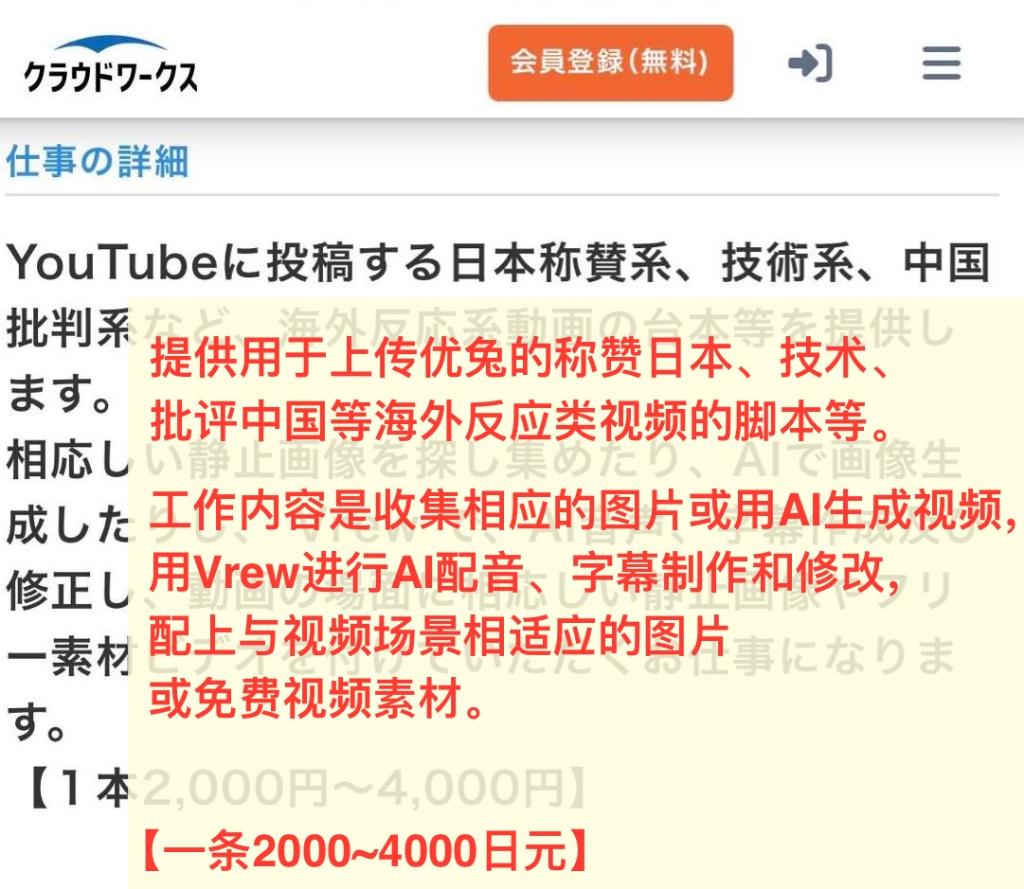
新华社东京12月18日电(记者李子越 欣芷如)近日,日本大型众包平台CrowdWorks被曝长期发布网络招募信息,付费征集"批评中国"等内容的短视频。 随着更多事实被揭露,一条操弄网络舆论的外包链条逐渐浮出水面——从散布仇恨言论到为右翼政治人物造势。日本网民质疑,在日本网络上浓重的保守派 言论氛围背后,存在政治势力图谋操纵网络舆论的黑手。 右翼舆论的"网络制造机" 11月下旬以来,CrowdWorks网站上多条招募帖文引发关注。这些帖文面向视频制作者征集视频,主题须为"称赞日本""批评中国"等内容。 招募方要求制作者收集视频素材或利用人工智能(AI)生成素材,完成配音、剪辑等加工,最终视频要突出"日本技术、日本文化、日语的优秀之处",展示 所谓"中国人的扰民行为和不文明举动"等,每条视频报酬为2000至4000日元(约合90至180元人民币)。 此外,还有帖文公开招募"(日本首相)高市早苗等知名人物和时事新闻的解读视频"制作者,并且鼓励长期兼职,"坚持1个月以上可以加薪或升职"。 CrowdWorks网站招募信息截图 这些招募信息让日本网民"炸锅"。许多网民在社交平台上批评这类帖文"刻意操纵舆论""令人愤怒" ...
最高或涨30%!ADI宣布涨价!
是说芯语· 2025-12-19 00:15
Group 1 - The core viewpoint of the article is that Analog Devices Inc. (ADI) plans to implement a price increase of approximately 15% across its entire product range starting from February 1, 2026, with specific increases for military-grade products potentially reaching up to 30% [2][3] - The price adjustment is attributed to ongoing inflationary pressures in raw materials, labor, energy, and logistics [3][5] - ADI's recent financial performance shows a strong recovery in the analog chip market, with a 26% year-over-year revenue growth to $3.076 billion for the fourth quarter of the 2025 fiscal year, exceeding analyst expectations [3][4] Group 2 - ADI's CEO, Vincent Roche, highlighted growth across various industrial sectors, driven by cyclical momentum improvements and strong structural trends in artificial intelligence (AI), automation, and efficient power distribution [4] - The price increase will apply to all unshipped orders, while already shipped orders will be honored at the original price [3][6] - ADI will provide a detailed list of affected product models and customer-specific pricing updates by the end of 2025 [3][6]


国际组织报告呼吁弥合人工智能应用鸿沟
Jing Ji Ri Bao· 2025-12-19 00:14
Core Insights - The report by the World Trade Organization and the International Chamber of Commerce highlights the significant efficiency, cost, and risk management advantages of AI in trade, while also emphasizing the need to address the AI application gap and regulatory barriers [1] Group 1: AI Adoption in Trade - Among 158 surveyed companies, 49% have adopted AI technology, with 79% of these companies engaged in international trade, indicating a strong correlation between AI and trade activities [1] - There are systematic disparities in AI adoption based on company size, income level, and industry; 62% of large enterprises have adopted AI compared to only 41% of small and medium enterprises [1] - In high-income economies, 66% of companies use AI, while only 27% of companies in low and middle-income economies do so [1] - The manufacturing sector shows only 22% adoption of AI, significantly lower than the financial and insurance sector (52%) and other services (61%) [1] Group 2: Benefits of AI in Trade - Nearly 90% of companies using AI report significant benefits in trade-related activities, with 22% noting improvements in trade process efficiency and productivity [2] - AI enhances decision-making in trade, with 14% of companies indicating better market access, supplier selection, and pricing strategies due to AI [2] - AI helps companies, especially small and medium enterprises, better understand complex trade rules and utilize free trade agreements [3] - 86% of companies believe AI will significantly reduce communication costs, with about 25% expecting reductions exceeding 50% [3] - 80% of companies anticipate lower compliance costs, and 70% expect reduced logistics costs from AI usage [3] - AI is perceived to help expand export product varieties and increase foreign customer numbers, particularly among low and middle-income enterprises [3] - 56% of companies report improved trade risk management capabilities through AI, with small and medium enterprises showing a higher percentage in this area [3] - Companies believe AI will enhance long-term competitiveness and resilience, aiding in innovation and overall international competitiveness [3] Group 3: Risks and Challenges of AI in Trade - Despite the benefits, there are significant risks associated with AI adoption, including lack of trust, fragmented regulations, and insufficient technological readiness [4] - Data privacy and cybersecurity risks are the most common concerns, with 25% of companies worried about data breaches and system attacks [4] - 19% of companies express concerns about data privacy and security issues [4] - 37% of companies are uneasy about the lack of transparency and fairness in AI decision-making, leading to trust issues [4] - Regulatory uncertainty and fragmented rules pose systemic risks, with 64% of companies expecting moderate to severe cost impacts from differing data protection standards across regions [4] - If these issues remain unresolved, they may exacerbate inequalities, making it harder for small and medium enterprises and low-income economies to comply with complex regulations [4]
四大证券报精华摘要:12月19日
Xin Hua Cai Jing· 2025-12-19 00:08
Group 1 - Institutions have intensively researched over 60 AI glasses industry chain companies since the fourth quarter, indicating a shift towards large-scale growth in the AI glasses sector driven by leading manufacturers and innovative brands [1] - The AI glasses industry is expected to benefit from technological innovations and product iterations as it transitions from an exploratory phase to a growth phase [1] Group 2 - Private equity firms are preparing for next year's main investment themes, with a focus on AI, humanoid robots, and commercial aerospace, amidst year-end portfolio adjustments [2] - Optimistic private equity firms believe the market has already adjusted and is entering a phase of solidifying the bottom, with expectations of valuation recovery in the A-share and Hong Kong technology sectors [2] Group 3 - Central enterprises are ramping up energy supply efforts in response to winter demands, with traditional and clean energy projects being launched to ensure stable energy supply [3] - The overall energy supply situation in China is stable, with sufficient coal reserves in power plants as heating demand rises [3] Group 4 - The People's Bank of China has resumed 14-day reverse repurchase operations to stabilize liquidity as year-end approaches, injecting 100 billion yuan into the market [4] - This move is aimed at addressing year-end funding needs and signals flexible monetary policy adjustments [4] Group 5 - The China Securities Regulatory Commission emphasizes the importance of strengthening theoretical research in capital markets to support high-quality development and global financial governance [5] - The focus is on creating a theoretical framework that aligns with market principles and China's realities, addressing key issues like market inclusivity and financial technology [5] Group 6 - Hainan Free Trade Port officially launched its operations, implementing various policies and regulations to facilitate trade and investment [6] - The first day of operations saw multiple significant milestones, including the arrival of zero-tariff goods and the establishment of a world-class enterprise project [6] Group 7 - Insurance capital is increasingly investing in the domestic GPU sector, with several insurance funds indirectly investing in companies like Moore Threads and Muxi Technology [7] - The presence of insurance capital in these tech firms reflects a broader trend of insurance funds actively engaging in the technology sector [7] Group 8 - The Hong Kong Securities and Futures Commission has raised concerns over the declining quality of IPO applications, urging sponsors to ensure compliance and clarity in their submissions [8] - Issues such as exaggerated business descriptions and selective data presentation have been noted, raising concerns about the sustainability of IPO quality in Hong Kong [8] Group 9 - The Hong Kong Stock Exchange has seen a surge in companies applying for the 18C chapter listing, indicating a growing interest in the tech sector [9] - This trend is expected to reshape the market landscape, potentially attracting more hard-tech assets to Hong Kong [9] Group 10 - Public funds have actively participated in the A-share private placement market this year, with 39 public institutions involved in 85 stocks, resulting in a total allocation of 34.088 billion yuan [10] - This represents a 14.24% increase compared to the same period last year [10] Group 11 - Insurance asset management institutions have registered 83 asset-backed plans totaling 344.562 billion yuan in the first 11 months of the year [11] - This reflects ongoing innovation and exploration in asset securitization by insurance companies [11] Group 12 - The banking wealth management industry is expanding its distribution channels, with several firms partnering with institutions in lower-tier cities [12] - This trend indicates a significant shift towards deeper market penetration beyond first and second-tier cities [12]
