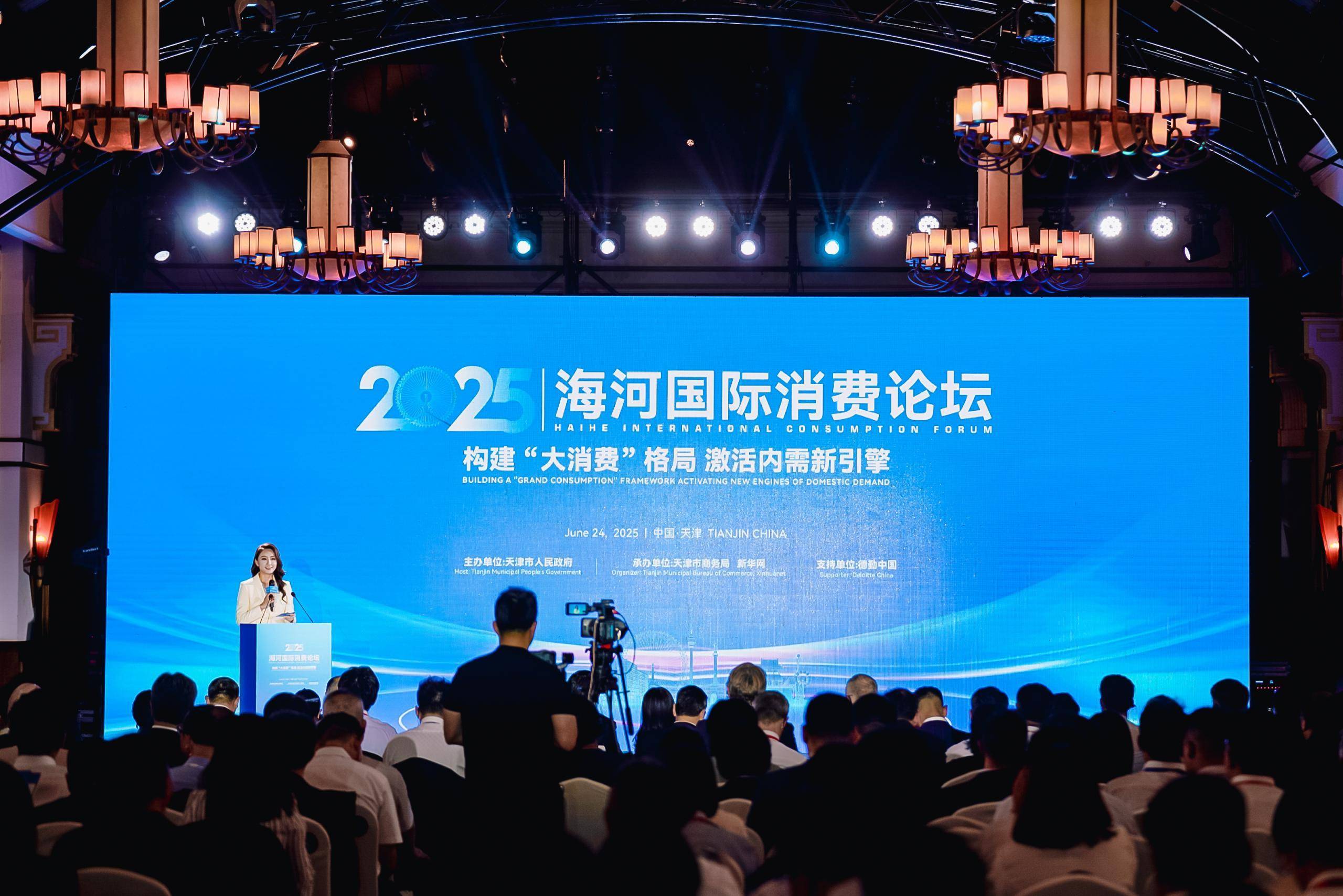
国际消费中心城市

Search documents
近四年社零总额平均增速达4.5%!广州培育建设国际消费中心城市四周年成绩亮眼
Guang Zhou Ri Bao· 2025-07-19 04:38
Core Insights - Guangzhou is making significant strides towards becoming a globally influential international consumption center, achieving a remarkable retail sales total of over 1 trillion yuan for four consecutive years since its approval for development in July 2021 [1] Group 1: International Influence and Economic Growth - Guangzhou's ranking in the GaWC world city index has improved from 34th to 22nd over the past four years, reflecting its growing international appeal [2] - The 137th China Import and Export Fair attracted 288,900 overseas buyers from 219 countries and regions, marking a 47.8% increase compared to the 125th fair in 2019 [2] - The city is expected to host over 23 million visitors for exhibitions in 2024, with a projected sports consumption scale of 63.125 billion yuan [2] Group 2: Retail Market Dynamics - In 2024, Guangzhou's total retail sales of consumer goods surpassed 1.1 trillion yuan, with an average growth rate of 4.5% over the past four years [4] - The service sector accounts for 73.66% of the retail market, indicating a high-quality consumption ecosystem [4] - The number of duty-free shops has increased from 76 in 2021 to over 600, enhancing the convenience of inbound consumption [4] Group 3: Tourism and Cultural Consumption - The inbound tourism market is recovering strongly, with 5.011 million overnight visitors expected in 2024, generating 3.57 billion USD in cultural tourism consumption, representing growth of 200% and 230% respectively since 2021 [3] - Guangzhou is set to host 427 million visitors for river cruises in 2024, showcasing the city's vibrant tourism scene [5] Group 4: Commercial Ecosystem and Infrastructure - Over 60 new commercial entities have been established in Guangzhou since 2021, expanding commercial space by 3.6308 million square meters [6] - The city is developing a comprehensive transportation network, with Baiyun International Airport expected to handle 76.369 million passengers in 2024, marking a historical high [8] - The railway system is projected to serve 260 million passengers in 2024, reflecting a 52% increase since 2021 [8] Group 5: Policy and Institutional Innovation - Guangzhou has implemented 130 pilot tasks for expanding service industry openness, achieving a 99.2% implementation rate [10][11] - The city is enhancing cross-border consumption through improved payment facilitation, with over 15,000 merchants accepting foreign cards [10]
首家市内免税店将至,广州如何打好“国货牌”与“国际牌”?
Nan Fang Du Shi Bao· 2025-07-15 10:48
Core Viewpoint - The establishment of a city duty-free shop in Guangzhou is expected to enhance the local economy, fill the gap in the city's duty-free offerings, and support the development of an international consumption center [1][2]. Location - The selected location for the duty-free shop at the International Financial Center in Zhujiang New Town has received positive feedback and is expected to drive consumer traffic due to its proximity to commercial hubs and tourist attractions [3][4]. Products - The duty-free shop will focus on promoting domestic brands and local specialties, aligning with national policies to support the sale of domestic products and enhance Guangzhou's cultural influence [5][6]. Operations - The operational structure of the duty-free shop involves a partnership between China Duty Free Group and local state-owned enterprises, which is anticipated to address challenges such as customer source diversification and resource integration [6][7]. Services - To attract international tourists, the city needs to enhance service efficiency and create a seamless shopping experience, including better integration with local tourist attractions and improved digital services for tax refunds [8][9].

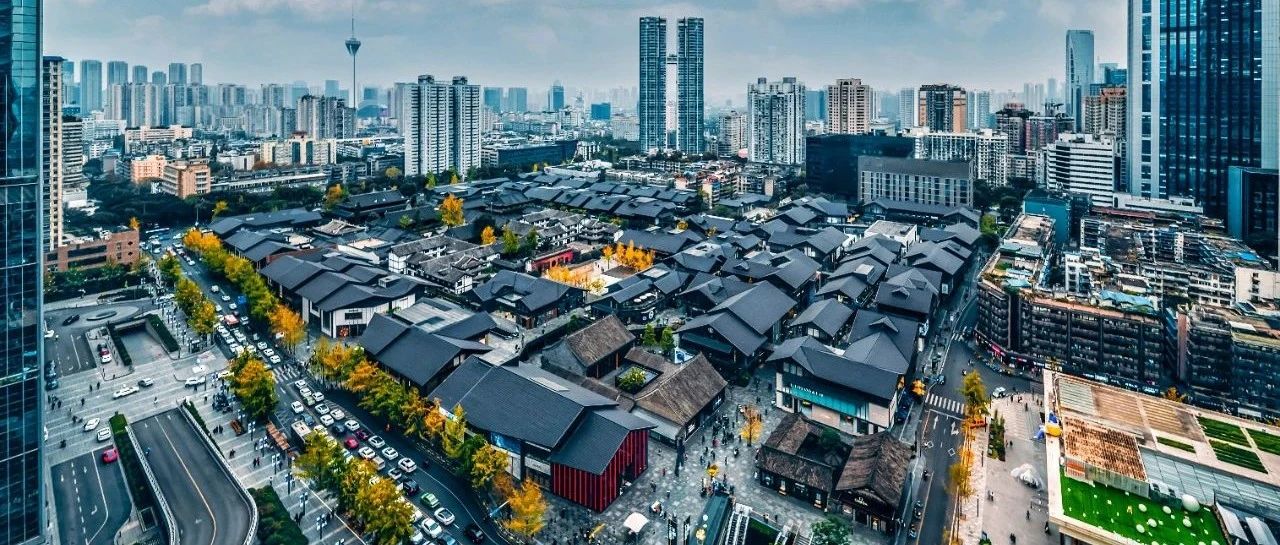
成都文商旅体融合实践:向世界递出的“立体名片”
经济观察报· 2025-07-12 14:02
Core Viewpoint - Chengdu is accelerating its development as a world cultural tourism city and an international consumption center, focusing on the deep integration of culture, commerce, tourism, and sports [3][23]. Group 1: Cultural and Tourism Development - Chengdu has been designated as a key player in building a "world-class cultural tourism destination" as per the Sichuan Provincial Committee's decisions [6]. - The city boasts a rich cultural heritage, with a history of over 4,500 years and a unique blend of local cultures such as tea culture, hot pot culture, and Sichuan opera [6][4]. - Chengdu aims to create a vibrant urban lifestyle that attracts global tourists by offering immersive experiences that combine history, present-day culture, and future aspirations [7][8]. Group 2: International Consumption Center - To establish itself as an international consumption center, Chengdu is enhancing its consumer environment to be more accessible and convenient for international visitors [11][13]. - The city has implemented a comprehensive plan to ensure 100% foreign language service coverage in key commercial areas by 2025, aiming for 90% coverage of foreign residents within a 15-minute living radius [13][14]. - Chengdu has introduced advanced payment systems, including 42,000 smart payment terminals supporting 40 languages, and has achieved 100% coverage of foreign card POS machines in major shopping districts [15][16]. Group 3: Youth Engagement and Global Sharing - Chengdu is increasingly appealing to the younger generation, with 45.87% of its population aged between 14 and 45, fostering a vibrant and dynamic urban atmosphere [20]. - The city is leveraging cultural innovation to promote local products globally, exemplified by the successful showcasing of traditional crafts at international events [18][19]. - The upcoming World Games in Chengdu will serve as a platform to further promote the city as a cultural tourism hub and an international consumption center [21][22].

2027年超3000家退税商店!离境退税“上海方案”出炉
Guo Ji Jin Rong Bao· 2025-07-09 10:06
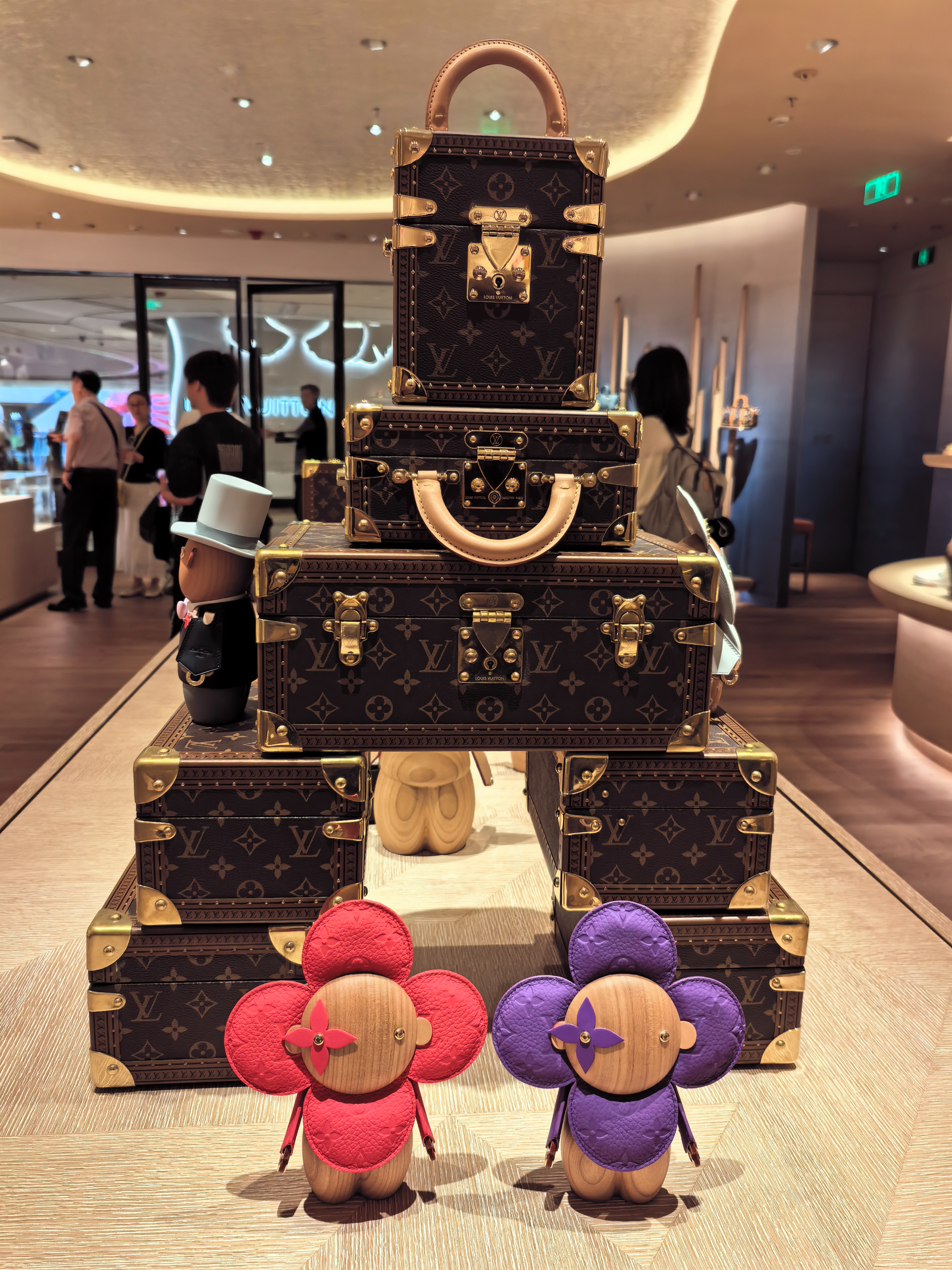
Core Viewpoint - Shanghai aims to enhance its status as a leading international consumption center by optimizing the outbound tax refund environment, with a target of over 3,000 tax refund stores and more than 10,000 outlets by 2027, focusing on a seamless "buy, verify, refund" experience for travelers [1][2]. Group 1: Expansion of Tax Refund Network - Shanghai will increase the number of tax refund stores in major commercial areas, tourist attractions, and airports, ensuring comprehensive coverage in areas with high foreign visitor traffic [5]. - By 2027, the outbound tax refund consumption scale is expected to quadruple compared to 2024, with domestic brand tax refund sales accounting for over 30% [2][8]. - The city has already processed tax refunds for over 63,000 travelers from 167 countries this year, with a significant increase in "buy and refund" sales [2][6]. Group 2: Technological Innovations - The introduction of self-service tax refund machines allows travelers to quickly generate tax refund applications by scanning their passport and invoices [2]. - Shanghai has launched an upgraded "buy and refund + convenient payment" model, enabling instant tax refunds through Alipay for inbound tourists [2][9]. - The city plans to install smart tax refund terminals at major airports and high-volume refund stores to facilitate self-service tax refund processes [8][9]. Group 3: Product Diversification and Quality Improvement - The tax refund program will focus on promoting Shanghai's unique products, including local crafts and cultural items, to enhance the shopping experience for international visitors [8]. - There will be an emphasis on increasing the supply of high-quality domestic brands, including traditional brands and innovative products, to attract more foreign consumers [8][7]. - The initiative aims to create flagship stores for domestic brands and establish tax refund shopping landmarks in the city [8][7]. Group 4: Simplification of Processes - The tax refund store registration process will be streamlined, allowing new businesses to quickly become part of the tax refund network [7]. - The city will provide financial support for tax refund stores to acquire necessary equipment, with subsidies covering up to 50% of costs [5]. - The minimum purchase amount for tax refunds has been lowered to 200 yuan, and the cash refund limit has been increased to 20,000 yuan for eligible travelers [9].
离境退税优化+新场景驱动 五大国际消费中心城市上半年消费活力攀升
Shang Hai Zheng Quan Bao· 2025-07-08 17:53
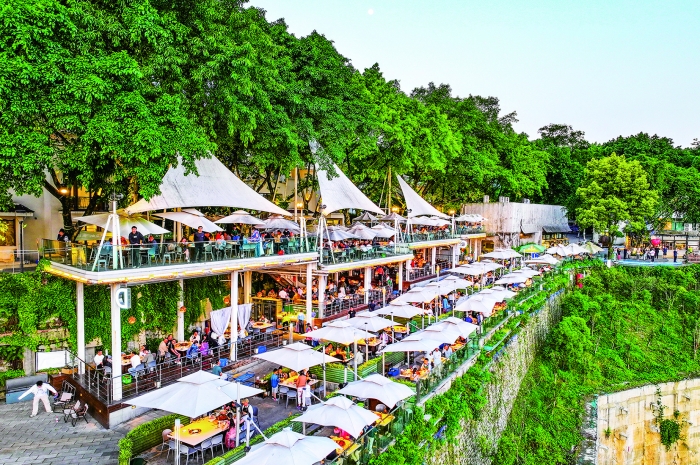
Core Insights - The five major international consumption center cities in China, namely Shanghai, Beijing, Guangzhou, Tianjin, and Chongqing, are enhancing their consumption vitality through various measures aimed at boosting domestic demand and economic growth [1][4]. Group 1: Consumption Growth Strategies - The number of departure tax refund stores accounts for about 60% of the national total, and the import of consumer goods represents over half of the national share, indicating a strong consumption resource concentration in these cities [1]. - Beijing has implemented a new departure tax refund policy that allows for a seamless refund process, enhancing the shopping experience for foreign tourists and encouraging them to spend more [2][1]. - The influx of inbound tourists has significantly increased, with over 10 million outbound travelers and 2.46 million inbound tourists recorded in the first half of the year, marking a year-on-year growth of 48.8% [1]. Group 2: Regional Collaboration and Ecosystem Development - The five cities are actively increasing the supply of quality consumer goods and are working to create a consumption ecosystem that extends to surrounding areas, thereby enhancing their market influence [5]. - Initiatives such as the "Shanghai International Cruise Festival" have led to the establishment of a "Cruise + Consumption City Alliance," promoting collaborative consumption experiences across multiple cities [5]. Group 3: Innovative Consumption Scenarios - Innovative consumption scenarios, such as the regular drone light shows in Chongqing, have significantly boosted local hospitality and dining sectors, with average occupancy rates exceeding 80% in key hotels [6]. - The Ministry of Commerce has introduced measures to support the development of international consumption center cities, including promoting sports events and cultural activities to enhance consumer engagement [6][7].
市内免税店掀起“上新潮” 游客出行增添新地标
Zheng Quan Shi Bao· 2025-07-07 18:05
Core Viewpoint - The recent expansion of city duty-free shops in various Chinese cities, including the opening of Wuhan's first city duty-free store, is expected to invigorate domestic consumption and attract international tourists for shopping [1][2][5]. Group 1: City Duty-Free Store Developments - Wuhan's city duty-free store officially opened on June 28, marking it as the first new store following the recent policy changes [2]. - Other cities like Changsha and Guangzhou are also set to establish their own city duty-free stores soon [1]. - The Ministry of Finance and other departments have announced plans to set up one city duty-free store in eight cities, including Wuhan, Guangzhou, Chengdu, and others [1]. Group 2: Consumer Experience and Store Features - The Wuhan city duty-free store spans over 1,800 square meters and includes various product categories such as cosmetics, electronics, and cultural products [2][3]. - The store allows travelers to shop flexibly without the time constraints typical of airport duty-free shops, enhancing the overall shopping experience [3]. - Consumers can also enjoy additional services like dining and entertainment within the shopping mall, creating a more integrated shopping environment [3]. Group 3: Economic and Market Implications - The city duty-free store model is expected to drive international tourists to purchase goods in China, potentially leading to a new trend in cross-border shopping [1][5]. - The global travel retail market is projected to reach 899.1 billion yuan by 2025, with the duty-free market accounting for 572.4 billion yuan, indicating significant growth potential [5]. - The introduction of city duty-free stores is seen as a strategy to enhance the international consumption status of cities, with many cities aiming to become international consumption centers [6][8]. Group 4: Industry Trends and Future Outlook - The city duty-free store initiative is part of a broader trend to support domestic consumption and promote local products internationally [7][9]. - Companies like China Duty Free Group are actively expanding their presence in the city duty-free market, with several new stores in the pipeline [8]. - The industry is expected to mature over time, driven by favorable policies and market dynamics, ultimately enhancing the profitability of operators [10].


记者观察丨激活经济新动能 国际消费中心城市建设提速
Sou Hu Cai Jing· 2025-07-07 00:44
Core Viewpoint - The five cities of Shanghai, Beijing, Guangzhou, Tianjin, and Chongqing are actively promoting the construction of international consumption center cities, injecting strong momentum into the domestic market and fostering new consumption drivers for high-quality economic development [2][5][6] Group 1: City Initiatives - Shanghai has launched large-scale consumption festivals like the "Five-Five Shopping Festival" and "Shanghai Summer International Consumption Season," leading to over 2.5 million inbound foreign travelers this year, a year-on-year increase of over 44% [2] - Beijing has introduced diverse cultural and tourism products, optimizing consumption landmark layouts, resulting in 1.971 million inbound tourists from January to May, a year-on-year increase of 54.1% [2] - Guangzhou has optimized its departure tax refund services, with the number of refund stores exceeding 500, and applications for departure tax refunds increasing by 203% year-on-year [3] - Tianjin is leveraging its urban resources to develop iconic commercial districts and projects, enhancing consumption vitality [3] - Chongqing is utilizing its unique geographical advantages to create distinctive consumption scenes, attracting over 500 million tourists annually [3] Group 2: Collaborative Development - The five cities exhibit a notable characteristic of emphasizing both specialized development and regional collaborative growth, forming consumption resource configurations that transcend administrative boundaries [3][5] - Initiatives like the "Yangtze River Delta Consumption Ecological Circle" and the "Beijing-Tianjin-Hebei Consumption Link" are examples of this collaborative approach, enhancing the potential for international consumption center city construction [3][5] Group 3: Policy and Strategic Framework - The concept of international consumption center cities is recognized as a core function of modern international metropolises, serving as a hub for consumption resources and a driver for economic growth [4] - The Chinese government has set a five-year timeline to cultivate specialized and regional international consumption center cities, aiming to enhance domestic market strength and meet the growing consumer needs [4][5] - The successful development of these cities requires policy innovation, scene revolution, and service upgrades, grounded in a global perspective while rooted in local culture [6]
深圳又一离境退税“即买即退”退付点启用,首日业绩大幅提升
Nan Fang Du Shi Bao· 2025-07-03 04:07
Group 1 - The core viewpoint of the news is the launch of the "immediate buy and refund" service at Jinguanghua Plaza, enhancing the shopping tax refund experience for inbound tourists and marking progress in Shenzhen's development as an "international consumption center" [1] - The service allows tourists to enjoy a more efficient tax refund process, reducing cash reserve pressure on merchants through a unified settlement mechanism, and providing a "one-stop refund" experience for travelers [1] - Jinguanghua Plaza is strategically located near the Luohu Port, making it a preferred shopping destination for both Hong Kong residents and mainland tourists, featuring over 100 international brands [1] Group 2 - On the first day of the service, there was a significant increase in sales of tax refund items, with future projections indicating a 200%+ growth in sales and a 20%-30% increase in foot traffic [2] - The overall performance of the shopping center is expected to improve by 5%-8%, with plans to strengthen its positioning as a "Shenzhen-Hong Kong consumption hub" by introducing exclusive discounts and optimizing the tax refund service experience [2] - Since the implementation of the "immediate buy and refund" policy in December 2023, Shenzhen has been enhancing the convenience of inbound consumption, injecting strong vitality into the inbound consumption market [2]

6月28日周六《新闻联播》要闻20条
news flash· 2025-06-28 12:04
Group 1 - China's clean energy investment accounts for one-third of the global total [4] - In the first five months, China's non-financial direct investment abroad reached 61.6 billion USD [9] - The southern region's electricity market has achieved normalized intra-regional electricity trading [13] Group 2 - The establishment of the Zhejiang International Commodity Trading Center [14] - The Agricultural Development Bank of China has a water conservancy loan balance exceeding 1 trillion CNY [15]
京津冀“海上门户”天津:打造全球消费活力高地
Sou Hu Cai Jing· 2025-06-28 01:01
Core Insights - Tianjin is experiencing a continuous release of international consumption vitality, with various cultural and tourism projects enhancing its appeal as a consumption hub [1][14] - The city aims to establish a four-level commercial system to accelerate the development of an international consumption center, focusing on diverse consumption scenarios [1][7] Economic Performance - In the first quarter of this year, Tianjin's GDP grew by 5.8% year-on-year [3] Infrastructure and Development - Tianjin Port connects to over 500 ports in more than 180 countries and regions, making it a significant gateway for international trade [4] - The city has introduced 131 support policies to expand its service industry and enhance its openness [5] Tourism and Cultural Projects - The city is set to welcome 105 international cruise ships in 2024, with an expected 357,000 inbound and outbound passengers, ranking second nationally and first in northern China [4] - Various cultural and tourism projects, such as the aircraft carrier theme park and the National Ocean Museum, have become global attractions [4] Commercial Strategy - The four-level commercial system includes world-class consumption gathering areas, urban commercial centers, regional characteristic business districts, and community convenience consumption points [1][7][9] - Tianjin plans to develop eight urban commercial centers, focusing on cultural and commercial integration to create high-end consumption experiences [8] Community and Local Economy - By the end of last year, Tianjin had established 190 convenient living circles covering 982 communities, with plans to enhance community consumption points [9]