
城市高质量发展

Search documents
2025年9月房地产市场跟踪:中央纲领指引高质量发展,地方优化为“金九银十”蓄力
Zhong Cheng Xin Guo Ji· 2025-09-26 07:12
Investment Rating - The report indicates a positive outlook for the real estate industry, suggesting a stabilization and recovery trend in the market [3][8][9]. Core Insights - The central government has issued guidelines for high-quality urban development, emphasizing a shift from large-scale construction to improving existing stock, which is expected to guide the real estate sector towards a more sustainable and quality-focused growth phase [3][4][8]. - Local governments in major cities like Beijing, Shanghai, and Shenzhen have implemented policy adjustments to stimulate the real estate market, including easing purchase restrictions and enhancing financial support for homebuyers [5][6][7]. - The report highlights a trend of narrowing year-on-year declines in new home prices, while sales volumes and amounts continue to show significant year-on-year decreases, indicating ongoing pressure in the market [9][10]. Market Tracking Summary - The report notes that the real estate market is transitioning towards a model that prioritizes quality and efficiency, with a focus on urban renewal and the revitalization of existing resources [4][8]. - In August, the number of cities experiencing rising new home prices increased, although the overall trend remains downward, with significant year-on-year declines in sales area and sales amount [9][11]. - The report emphasizes that the ongoing adjustments in policies are expected to provide a supportive environment for market stabilization, particularly in the upcoming "Golden September and Silver October" period [8][9].
城市减污降碳提升发展“含绿量”
Jing Ji Ri Bao· 2025-09-24 05:44
Group 1 - The central urban work conference emphasizes "coordinated reduction of pollution, carbon emissions, and expansion of green spaces" as a crucial path for building green and low-carbon cities [1] - Local governments are exploring green and low-carbon development paths based on their resource endowments and regional characteristics, focusing on "source prevention, systematic governance, and key breakthroughs" [2] - Cities face challenges such as heavy industrial structures, high energy consumption intensity, and insufficient green technology reserves, necessitating a systematic approach to break down barriers and enhance coordination for high-quality urban development [2] Group 2 - Strengthening top-level design by formulating special plans for green and low-carbon development, aligning emission reduction and ecological expansion goals with various national and regional planning frameworks [3] - Establishing an integrated policy system that merges carbon emission control with environmental impact assessments and pollution prevention mechanisms, promoting cross-departmental and cross-regional collaborative governance [3] - Promoting integrated innovation in green technology, focusing on the development and application of low-carbon technologies tailored to urban needs, including renewable energy utilization and ultra-low energy consumption buildings [4]
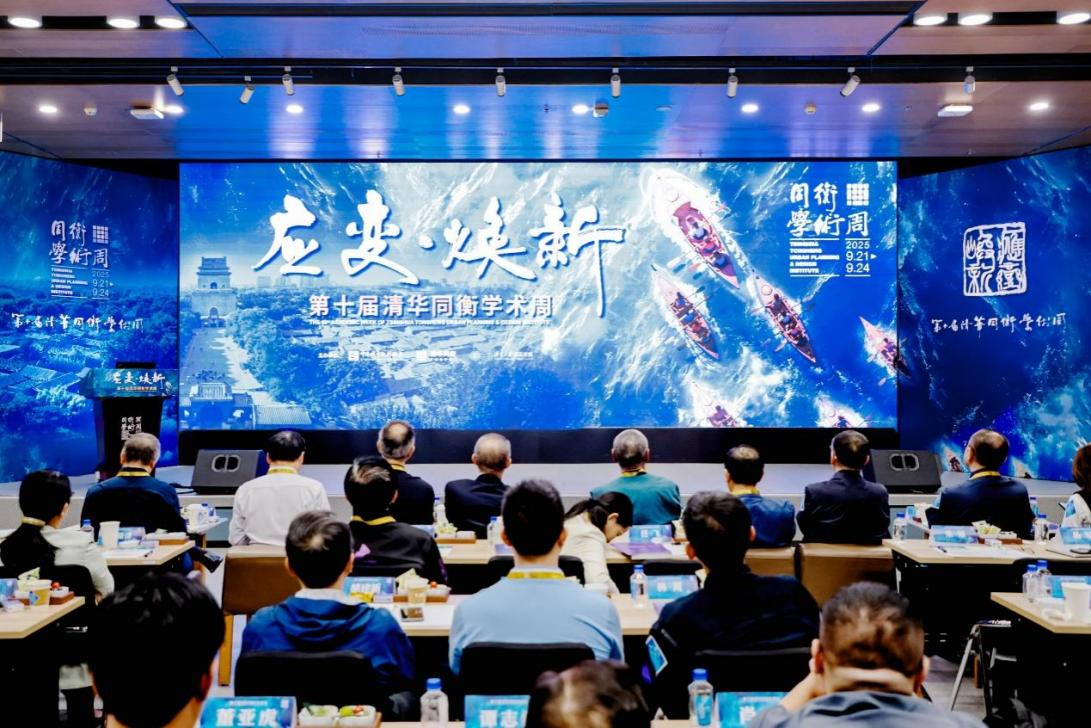
第十届清华同衡学术周开幕
Jing Ji Wang· 2025-09-23 09:30
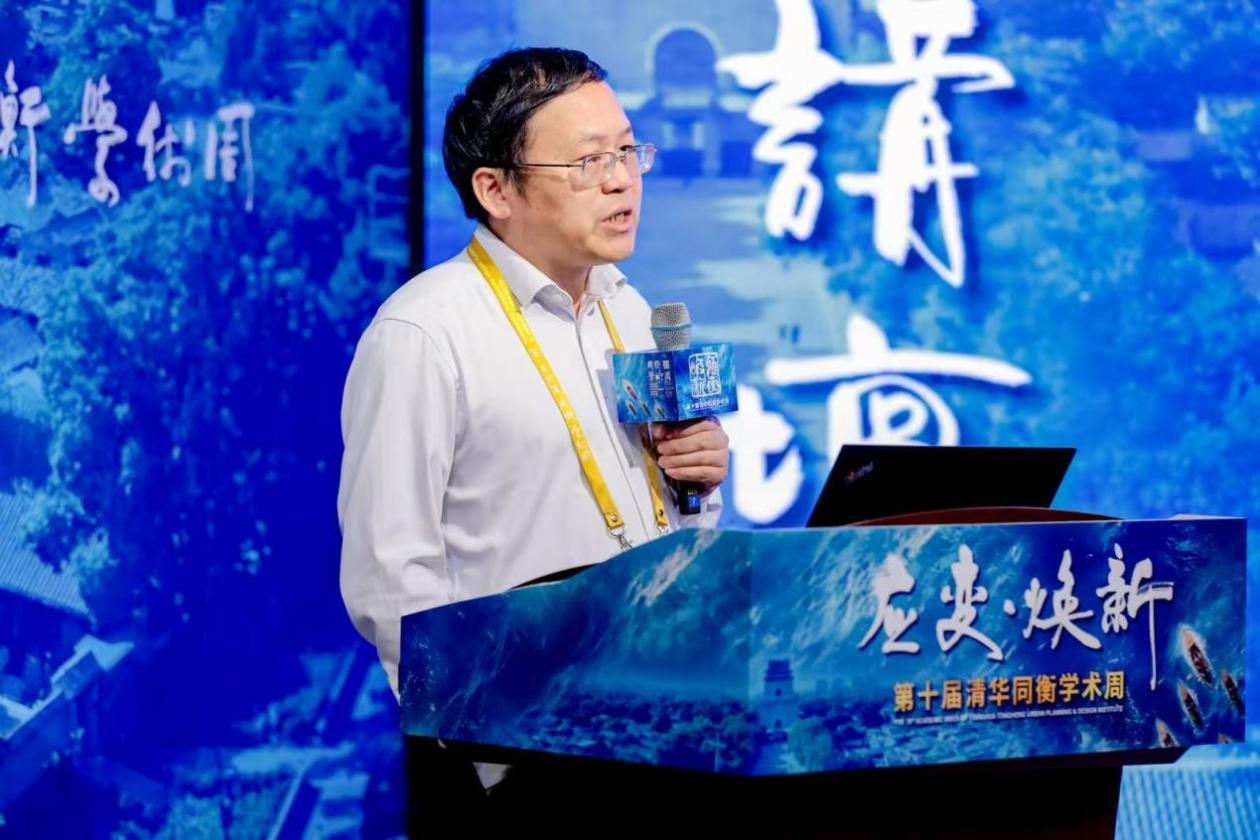
Core Insights - The 10th Tsinghua Tongheng Academic Week, themed "Adaptation and Renewal," commenced in Beijing, focusing on high-quality urban development and the transformation of planning industries [1][3] - The event serves as a vibrant academic brand and exchange platform, emphasizing the need for proactive adaptation to changes and challenges in urban planning [3] Group 1: Event Overview - The academic week is co-hosted by the China Urban Planning Association, Tsinghua Tongheng Planning and Design Institute, and Tsinghua University School of Architecture, lasting for four days [1] - The opening forum featured cross-disciplinary experts and scholars discussing urban issues and envisioning a renewed future for cities [1] Group 2: Key Discussions - The summit forum included top experts from various fields such as industrial innovation, human-centered cities, AI technology, and strategic development, facilitating interdisciplinary dialogue [5] - A report by Yin Zhi from Tsinghua University's New Urbanization Research Institute highlighted the importance of optimizing the modern urban system as a key task from the Central Urban Work Conference [5] - The report also discussed the comprehensive regional development strategy and the need for differentiated spatial governance models to meet the modernization demands of a large population country like China [5]

发力优化现代化城市体系,城市竞争力该将如何应变焕新?
Huan Qiu Wang· 2025-09-23 01:32
Group 1 - The core viewpoint of the article emphasizes the need for high-quality urban development in China, focusing on the integration of technological, industrial, and urban innovations to meet new economic and social demands [1][3] - The Chinese government has outlined 23 specific measures across 9 areas to promote urban high-quality development, aiming to establish a modernized urban system by 2035 [1][5] - The importance of optimizing the modern urban system is highlighted, which involves sustainable development and the relationship between people and nature at a national scale [3][5] Group 2 - The shift in urban development focus from expansion to quality improvement is noted, with an emphasis on the value judgments and satisfaction levels of the populace [5] - The concept of urban innovation is defined as a systematic practice that integrates various innovative elements such as technology, institutions, culture, and management to enhance competitiveness and quality of life [3] - The Tsinghua Tongheng Academic Week, initiated in 2013, aims to integrate government, industry, academia, and research, becoming a recognized academic brand in the field [7]
山东政商要情(9.15—9.21)
Jing Ji Guan Cha Bao· 2025-09-21 12:53
Group 1: Urban Development in Shandong - The Shandong Provincial Urban Work Conference emphasized optimizing urban structure, transforming energy, enhancing quality, promoting green transition, ensuring safety, preserving cultural heritage, and improving governance efficiency [1] - The goal is to build modern, innovative, livable, beautiful, resilient, civilized, and smart cities, focusing on high-quality urban development and inner-city development [1] - The conference highlighted the importance of constructing urban clusters and metropolitan areas, coordinating the development of large, medium, and small cities, and enhancing the sustainability of urban work [1] Group 2: Artificial Intelligence Initiatives - The "Artificial Intelligence+" innovation application meeting in Shandong aimed to enhance the integration of AI into various sectors, including industry, services, agriculture, and governance [2] - The focus is on advancing industrial intelligence, developing smart transportation, tourism, and consumption, and creating intelligent living and working environments [2] - The meeting stressed the need for breakthroughs in key areas such as industry modeling, data supply, and algorithm support to strengthen AI applications [2] Group 3: Economic Cooperation and Agricultural Development - The first consumption promotion meeting between Shandong and Chongqing highlighted the deepening cooperation in agriculture, focusing on product sales, industrial investment, and agricultural industrialization [3] - Shandong's agricultural industrialization model connects agriculture with industry and services, creating large agricultural enterprises and high-value brands, reinforcing its status as a leading agricultural province [3] Group 4: Traditional Chinese Medicine and Tourism - The "Bian Que's Hometown" Traditional Chinese Medicine Cultural Tourism Experience Week will take place in Jinan, promoting TCM culture and services [4] - Jinan aims to enhance its reputation as a center for TCM, with initiatives to create a 15-minute TCM service circle and foster a culture of trust and use of TCM [4] Group 5: Consumer Electronics Exhibition - The 2025 China International Consumer Electronics Expo in Qingdao attracted over 300 exhibitors from 17 countries, showcasing the latest in AI, virtual reality, and smart home technologies [5] - The exhibition featured six major areas, including smart living and future technologies, with notable products like a multifunctional home robot and AI kitchen solutions [5][6] Group 6: Talent Recruitment Initiatives - The fourth high-level talent recruitment conference in Jinan aimed to attract talent across various sectors, offering over 27,000 quality job positions [7] - The conference focused on key industries such as AI, aerospace, smart manufacturing, and modern finance, enhancing Jinan's talent attraction ranking [7]
全省城市工作会议召开
Da Zhong Ri Bao· 2025-09-19 01:00
Core Points - The provincial urban work conference was held in Jinan, emphasizing the need to enhance urban development quality and competitiveness in line with Xi Jinping's directives [2][3] - The conference outlined a vision for modern urban development, focusing on innovation, livability, beauty, resilience, civilization, and smart city initiatives [3] Group 1: Urban Development Strategy - The meeting highlighted the importance of constructing a modern urban system and improving urban planning to enhance the radiating capacity of the Jinan-Qingdao area [3] - It emphasized the need for coordinated development among urban clusters, metropolitan areas, and the integration of urban and rural areas [3] Group 2: Focus Areas for Urban Improvement - The conference called for innovation in urban construction, promoting technological innovation and industrial upgrades [3] - It stressed the importance of creating livable cities by improving living conditions and public services [3] - The need for beautiful cities was highlighted, focusing on carbon reduction, pollution control, and increasing green spaces [3] - Resilience in urban development was emphasized, including enhancing disaster prevention capabilities and public safety management [3] - The preservation of historical and cultural heritage to shape unique urban characteristics was also discussed [3] - The establishment of a smart city governance system and strengthening grassroots governance units were identified as key areas for improvement [3]
金观平:因城施策破解千城一面
Jing Ji Ri Bao· 2025-09-19 00:05
Core Insights - China's urbanization is transitioning from rapid growth to stable development, emphasizing the need for diverse urban development strategies to enhance city vitality and align with high-quality development trends [1] - The central government advocates for tailored policies based on local conditions to foster unique urban development, avoiding homogeneous industrial layouts that can lead to resource dispersion and unhealthy competition [1][2] - Successful urban development requires leveraging local resources and strengths, as demonstrated by various cities that have transformed their disadvantages into competitive advantages through innovation and strategic planning [2][3] Group 1 - Urban development should focus on meeting the needs of residents, particularly in the service sector, which is crucial for enhancing the quality of life and creating employment opportunities [3] - The development of life service industries, such as healthcare and education, is essential for increasing residents' sense of well-being and security, while also stimulating domestic demand [3] - Cities must adopt a collaborative approach to development, ensuring that larger cities support smaller ones through resource sharing and coordinated industrial strategies [3] Group 2 - Long-term planning is vital for urban industrial development, requiring a balance between current industry conditions and future trends to maintain competitive advantages [2] - The concept of "因城施策" (policy based on city characteristics) emphasizes the importance of localized strategies that reflect the unique attributes and needs of each city [1][2] - The goal is to create a modern urban environment that is innovative, livable, beautiful, resilient, civilized, and intelligent, achieved through coordinated efforts among cities of varying sizes [3]
内涵式发展、推进城市更新……解码山东城市高质量发展新路径
Qi Lu Wan Bao· 2025-09-18 15:23
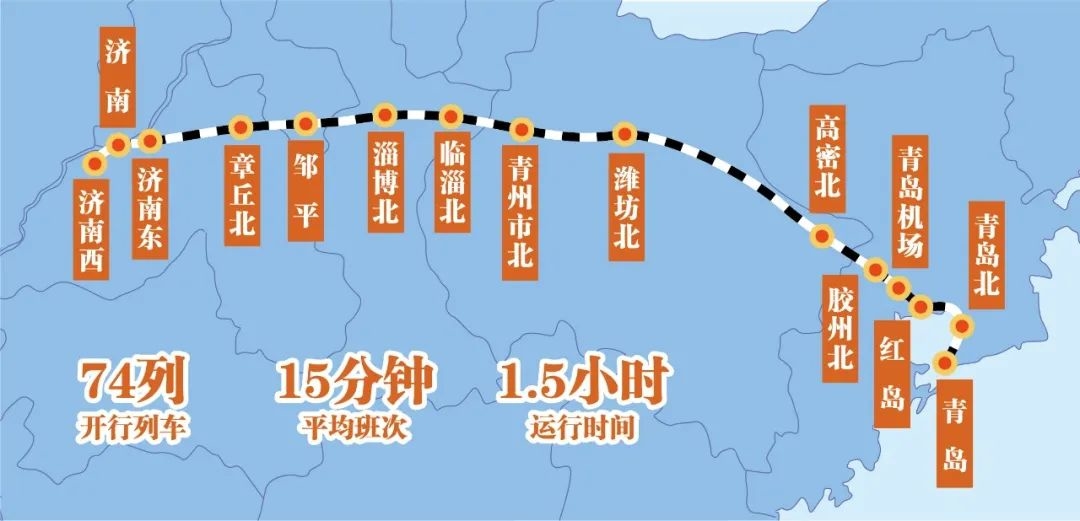
Group 1: Urban Development Strategy - The Shandong provincial urban work conference emphasized the construction of modern people-oriented cities and outlined a roadmap for urban development with Shandong characteristics [1][13] - The conference highlighted the importance of enhancing the radiating and driving capacity of the Jinan-Qingdao metropolitan area, promoting integrated development of urban clusters and metropolitan areas [2][3] Group 2: Infrastructure and Investment - A total of 130 key projects have been planned, including the Jinan-Binzhou high-speed railway and the Dongjiakou to Wulian freight railway, with an investment of 116.6 billion yuan completed in the first eight months of the year [3] - The Shandong provincial government aims to strengthen the collaborative development of the Jinan and Qingdao metropolitan areas, optimizing resource allocation and enhancing regional economic development [4] Group 3: Housing and Living Conditions - The conference reiterated the focus on improving living conditions and enhancing public services, aiming to transition from "housing for all" to "quality housing" [5] - Shandong has initiated 213 high-quality residential pilot projects, with a commitment to improving the quality of existing housing and promoting a "guarantee + market" housing supply system [8] Group 4: Cultural and Digital Integration - The meeting stressed the importance of smart city construction and enhancing urban governance through digital empowerment, with projects like the "Qilu Cultural Model" and "Shandong Cultural Database" being developed [11][12] - The Shandong Digital Cultural Group is working on integrating culture and technology to revitalize historical culture and promote cultural innovation [12] Group 5: Urban Renewal Initiatives - The Shandong provincial government is implementing ten major urban renewal projects, with over 1 trillion yuan invested in 178 renovation projects [14] - The focus is on enhancing urban quality through comprehensive planning and innovative approaches to urban renewal, addressing challenges such as fragmentation and resource optimization [14][15]
现代化人民城市这样建
Bei Jing Ri Bao Ke Hu Duan· 2025-09-16 23:54
Group 1: Urban Development and Modernization - The core objective is to build a modernized people-oriented city with six key aspects: innovation, livability, beauty, resilience, civilization, and intelligence [1] - The transition of urbanization in China is moving from rapid growth to stable development, focusing on quality improvement rather than large-scale expansion [1] Group 2: Technological Innovation in Wuhan - Wuhan's Lantu Automotive has transformed a traditional fuel vehicle factory into a smart factory for electric vehicles, producing over 200,000 units and generating more than 50 billion yuan in output value [2] - The city has seen a significant increase in electric vehicle production, with a 152% year-on-year growth, reaching 168,000 units in the first half of the year [2] Group 3: Brain-Computer Interface Development - Wuhan is establishing itself as a hub for brain-computer interface technology, with the formation of the Hubei Brain-Computer Interface Industry Innovation Development Alliance to promote collaboration among academia, industry, and healthcare [3][4] - The city has a strong educational foundation with 92 universities and 1.41 million students, supporting its focus on emerging technologies like AI and quantum technology [3] Group 4: Urban Renewal in Nanjing - Nanjing has revitalized low-efficiency land by transforming old industrial sites into innovation-driven parks, attracting over 2,000 companies related to digital economy and information services [5][6] - The city has implemented a comprehensive urban renewal strategy since 2016, focusing on planning and market-driven approaches to enhance urban functionality [6] Group 5: Infrastructure Improvement in Shenyang - Shenyang is utilizing central government funding to improve urban drainage systems, addressing significant flooding issues in local areas [8][9] - The city has secured over 15 billion yuan in funding for urban construction projects, with a total investment of 180.2 billion yuan across 918 projects [10] Group 6: International Talent Services in Shanghai - Shanghai has established a one-stop international talent service center, streamlining 36 administrative services for foreign professionals [11][12] - The initiative aims to enhance the city's appeal as a destination for global talent, integrating various support services for career and life in Shanghai [13]
城市建设“见物”更要“见人”(记者手记)
Ren Min Ri Bao· 2025-09-16 22:12
Group 1 - The core idea emphasizes the importance of creating a livable urban environment, focusing on the harmonious coexistence of people and cities as a central goal of urban work [1][2] - From 2019 to 2024, a total of 280,000 old residential communities will be renovated, with 3.87 million parking spaces added and 78,000 community service facilities constructed, enhancing the convenience and comfort of urban life for residents [1] - The recent Central Urban Work Conference highlighted the need for a people-centered approach in urban development, aiming to improve infrastructure, public services, and urban governance to meet the high-quality living standards desired by the populace [2][3] Group 2 - The construction of livable cities requires balancing new developments with the renovation of existing structures, particularly in public services such as education, elderly care, and healthcare, which are critical to the public [2] - The shift from large-scale urban expansion to improving existing urban areas is underway, with a focus on integrating livelihood improvements with urban renewal to create new consumption scenes and urban landmarks [2] - Urban construction should focus on details that directly impact residents' lives, such as installing elevators in old communities and creating pocket parks, ensuring that urban development is responsive to the needs of the people [3]