服务型制造

Search documents
七部门,重磅印发!
券商中国· 2025-10-11 12:51
Core Viewpoint - The article discusses the implementation plan for promoting service-oriented manufacturing innovation from 2025 to 2028, emphasizing the integration of advanced manufacturing and modern services, as well as the importance of technology and infrastructure development in enhancing manufacturing capabilities [3][4]. Background of the Implementation Plan - Service-oriented manufacturing is crucial for the deep integration of advanced manufacturing and modern services, enhancing the value creation capacity of the manufacturing sector [4]. - The plan is a response to the emphasis from the central government on developing service-oriented manufacturing, as highlighted in various national reports and guidelines since 2016 [4]. Overall Requirements and Development Goals - The plan is guided by Xi Jinping's thoughts and aims to create a modern industrial system centered on advanced manufacturing, promoting deep integration of information technology and industrialization [6]. - By 2028, the goals include enhancing the role of service-oriented manufacturing, completing 20 standards, creating 50 leading brands, and establishing 100 innovation development hubs [6]. Main Tasks and Special Actions - The plan outlines seven main tasks, including strengthening key common technology research, promoting the growth of productive service industries, and enhancing the standard system [8]. - Three special actions focus on developing shared manufacturing platforms, enhancing service-oriented manufacturing brands, and creating innovative application scenarios [9]. Key Common Technology Research - The plan emphasizes the need for research in key common technologies, encouraging enterprises to increase innovation investment and promote the application of research results [14]. Promotion of Service-oriented Manufacturing Models - The plan aims to categorize and promote typical service-oriented manufacturing models, encouraging the integration of service elements into manufacturing processes [15][16]. Development of Productive Service Industries - The plan highlights the importance of developing productive service industries, including technology services, industrial design, and financial services, to support service-oriented manufacturing [17]. Implementation Guarantees - Four key measures are proposed to ensure the plan's implementation, including strengthening policy support, enhancing public services, building a talent pool, and promoting international cooperation [18].


利好来了,七部门重磅部署
21世纪经济报道· 2025-10-11 12:25
Core Viewpoint - The article discusses the implementation plan for promoting service-oriented manufacturing innovation development from 2025 to 2028, emphasizing the integration of services into the manufacturing sector to enhance quality and efficiency [1]. Group 1: Implementation Goals - By 2028, the role of service-oriented manufacturing in high-quality development of the manufacturing industry is expected to be significantly enhanced, with the completion of 20 standards, the creation of 50 leading brands, and the establishment of 100 innovation development hubs [1]. - The plan aims to optimize the industrial ecosystem, promote the rapid development of productive service industries, and establish a service-oriented manufacturing system with Chinese characteristics and world-class standards [1]. Group 2: Key Tasks - The plan outlines seven main tasks, including strengthening key common technology research and model innovation, cultivating key productive service industries, and promoting the application of service-oriented manufacturing models [2]. - It emphasizes the need for a technology list for service-oriented manufacturing, encouraging enterprises to increase innovation investment and upgrade typical models such as shared manufacturing and personalized customization [2]. Group 3: Development of Productive Service Industries - Productive service industries are crucial for supporting service-oriented manufacturing by providing technical research, design, information, and financial services [3]. - The plan calls for increased policy support and the development of various productive service sectors, including technology services, industrial design, software services, and logistics [3]. Group 4: Promotion of Service-oriented Manufacturing Models - The plan highlights the importance of promoting service-oriented manufacturing models across various industries, including raw materials, equipment manufacturing, and consumer goods [5]. - It aims to enhance the service-oriented manufacturing capabilities in key industries such as new energy vehicles, engineering machinery, and pharmaceuticals [5]. Group 5: Infrastructure and Innovation - The plan stresses the need to strengthen new information infrastructure, enhance the integration of 5G and industrial internet, and improve data resource management [5]. - It also proposes actions to promote shared manufacturing, enhance service-oriented manufacturing brands, and encourage innovative application scenarios [5][6]. Group 6: Brand Development and Application Scenarios - The initiative includes actions to cultivate leading service-oriented manufacturing enterprises and brands, fostering a positive environment for development [6]. - It encourages the creation of application scenarios that meet production and consumer demands, as well as those aligned with national strategic needs [6].
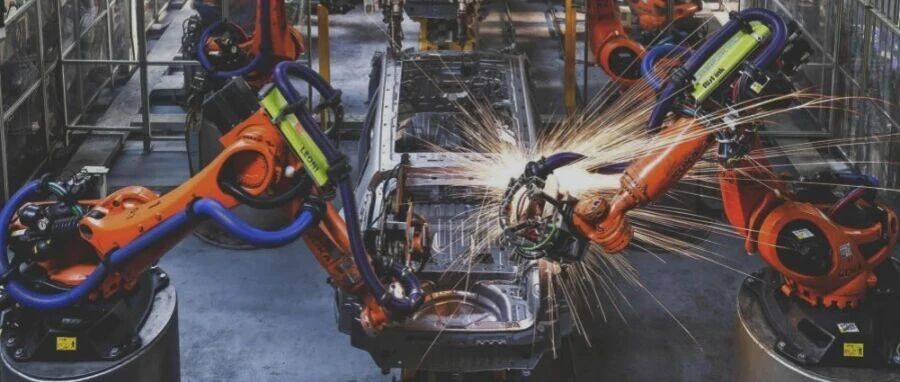
七部门发文推动服务深度嵌入制造业,涉及装备制造、消费品等行业
2 1 Shi Ji Jing Ji Bao Dao· 2025-10-11 12:14
Core Viewpoint - The joint implementation plan by seven government departments aims to promote service-oriented manufacturing, integrating services deeply into the manufacturing sector to enhance the industry's quality and efficiency by 2028 [2][3]. Group 1: Implementation Goals - By 2028, the role of service-oriented manufacturing in high-quality development will be significantly enhanced, with the establishment of 20 standards, creation of 50 leading brands, and development of 100 innovation hubs [2]. - The plan emphasizes the widespread adoption of typical service-oriented manufacturing models and the emergence of new models, optimizing the industrial ecosystem [2]. Group 2: Key Tasks - The plan outlines seven main tasks, including strengthening key common technology research, fostering key productive service industries, and promoting the application of service-oriented manufacturing models [3][4]. - It encourages enterprises to increase innovation investment and focuses on upgrading typical models such as shared manufacturing and personalized customization [3]. Group 3: Development of Productive Services - Productive service industries are crucial for supporting service-oriented manufacturing through technology research, design, and financial services [4]. - The plan aims to enhance policy support and optimize the industrial development ecosystem for various productive service sectors, including technology services and logistics [4]. Group 4: Infrastructure and Innovation - The plan emphasizes the need for new information infrastructure, promoting the integration of 5G and industrial internet, and enhancing data resource management [5]. - It includes actions to cultivate shared manufacturing, enhance service-oriented manufacturing brands, and innovate application scenarios [5][6]. Group 5: Application Scenarios - The plan encourages the creation of integrated application scenarios that cater to production needs, consumer demands, and national strategic requirements [6]. - It aims to establish a platform for promoting new models and scenarios, facilitating cooperation between supply and demand sides [6].
七部门:到2028年打造50个服务型制造领军品牌
Xin Hua Wang· 2025-10-11 12:01
Core Viewpoint - The implementation plan for promoting service-oriented manufacturing innovation development from 2025 to 2028 aims to enhance the role of service-oriented manufacturing in high-quality development of the manufacturing industry by setting specific targets and addressing existing challenges [1] Group 1: Objectives and Goals - By 2028, the plan aims to complete the formulation of 20 standards, create 50 leading brands, and establish 100 innovation development highlands in service-oriented manufacturing [1] - Service-oriented manufacturing is defined as a new industry form that deeply integrates services into the entire lifecycle and various stages of manufacturing products [1] Group 2: Current Status and Challenges - The development of service-oriented manufacturing in China has shown positive results, contributing to high-quality development of the manufacturing sector, but challenges remain, including weak supply capacity of key technologies and an incomplete standard system [1] Group 3: Major Tasks - The plan outlines seven main tasks, including strengthening key common technology breakthroughs, cultivating key productive service industries, promoting the application of service-oriented manufacturing models, advancing standard system construction, stimulating the vitality of business entities, creating innovation development highlands, and solidifying the foundation for service-oriented manufacturing development [1] Group 4: Specific Measures - Specific measures include nurturing industrial design entities, enhancing new information infrastructure, accelerating the integration of computing power with industry applications, and promoting the integration of artificial intelligence technology with service-oriented manufacturing [1] Group 5: Support Measures - The plan calls for exploring the establishment of a statistical survey system for service-oriented manufacturing, increasing training for composite innovation talents, and deepening global industrial and supply chain cooperation [1]
七部门联合印发《深入推动服务型制造创新发展实施方案(2025—2028年)》
Zhong Guo Xin Wen Wang· 2025-10-11 11:33
七部门联合印发《深入推动服务型制造创新发展实施方案(2025—2028年)》 三是以区域为"面",以省级及以上高新技术产业开发区、工业园区、产业集群为载体,打造一批服务型 制造创新发展高地,探索可复制可推广的经验做法。 四是以生态为"体",加强关键共性技术攻关和模式创新,加快建设服务型制造标准体系,加强新型信息 基础设施建设,夯实服务型制造发展底座。 来源:中国新闻网 中新网10月11日电 据"工信微报"微信公众号消息,为贯彻落实《政府工作报告》关于加快发展服务型 制造的任务部署,工业和信息化部等七部门近日联合印发《深入推动服务型制造创新发展实施方案 (2025—2028年)》,提出到2028年,打造服务型制造升级版,完成20项标准制定,打造50个领军品牌, 建设100个创新发展高地,服务型制造典型模式广泛普及、新模式不断涌现,为促进信息化和工业化深 度融合、加快建设现代化产业体系提供有力支撑。 《实施方案》从"点、线、面、体"四个维度,聚焦企业、行业、区域和生态方面提出体系化推动服务型 制造创新发展的任务措施。 一是以企业为"点",打造一批龙头企业和领军品牌,开展服务型制造品牌提升行动、融合应用场景创新 示 ...
工信部等七部门联合发布!
中国能源报· 2025-10-11 11:27
Core Viewpoint - The article emphasizes the importance of promoting service-oriented manufacturing innovation from 2025 to 2028, focusing on enhancing green and low-carbon services, optimizing production processes, and integrating advanced manufacturing with modern services to improve competitiveness and resilience in the industry [3][4]. Summary by Sections Overall Requirements - The initiative is guided by Xi Jinping's thoughts and aims to implement the spirit of the 20th National Congress of the Communist Party, focusing on building a modern industrial system centered on advanced manufacturing and deepening the integration of information technology and industrialization [3][4]. Main Tasks - **Strengthening Key Technologies and Model Innovation**: The plan includes a list of key common technologies for service-oriented manufacturing, encouraging enterprises to increase innovation investments and promote the application of integrated research and development [4][5]. - **Cultivating Key Productive Service Industries**: The strategy aims to enhance the supply capacity of productive services, including technology services, industrial design, software and information services, financial services, and intellectual property services [7][9]. - **Promoting Service-Oriented Manufacturing Models**: The focus is on advancing service-oriented manufacturing models across various industries, including raw materials, equipment manufacturing, and consumer goods, to enhance service integration [9]. Specific Actions - **Building Shared Manufacturing Platforms**: The initiative encourages the establishment of shared manufacturing platforms that consolidate production resources and enhance service functionalities [10]. - **Standard System Construction**: The plan emphasizes the development of a unified and comprehensive standard system for service-oriented manufacturing, promoting industry-specific standards and encouraging enterprises to adopt these standards [11]. - **Enhancing Business Vitality**: The strategy aims to foster collaboration among leading enterprises and support small and medium-sized enterprises in their digital transformation [12]. Brand Development - The initiative supports the creation of service-oriented manufacturing brands, aiming to cultivate 100 leading enterprises and 50 flagship brands by enhancing brand management and market promotion [13]. Innovation Development High Grounds - The plan encourages local governments to focus on characteristic industries and establish 100 innovation development high grounds for service-oriented manufacturing, promoting policy coordination and innovation applications [14]. Application Scenario Innovation - The strategy promotes the creation of integrated application scenarios that cater to production and consumer needs, enhancing the digital integration of the consumer goods industry [15]. Foundation for Development - The initiative highlights the importance of strengthening new information infrastructure and promoting the integration of 5G and industrial internet technologies to enhance data resource utilization [17].
七部门:到2028年打造50个领军品牌
Bei Ke Cai Jing· 2025-10-11 10:49
新京报贝壳财经讯 为贯彻落实《政府工作报告》关于加快发展服务型制造的任务部署,工业和信息化 部等七部门近日联合印发《深入推动服务型制造创新发展实施方案(2025—2028年)》,提出到2028 年,打造服务型制造升级版,完成20项标准制定,打造50个领军品牌,建设100个创新发展高地,服务 型制造典型模式广泛普及、新模式不断涌现,为促进信息化和工业化深度融合、加快建设现代化产业体 系提供有力支撑。 《实施方案》从"点、线、面、体"四个维度,聚焦企业、行业、区域和生态方面提出体系化推动服务型 制造创新发展的任务措施。一是以企业为"点",打造一批龙头企业和领军品牌,开展服务型制造品牌提 升行动、融合应用场景创新示范行动,激发经营主体发展活力。二是以行业为"线",分行业分领域推进 共享制造、个性化定制、全生命周期管理、总集成总承包等服务型制造典型模式推广应用,实施共享制 造培育提升行动。培育壮大科技服务业、工业设计、软件和信息服务、生产性金融服务等生产性服务 业。三是以区域为"面",以省级及以上高新技术产业开发区、工业园区、产业集群为载体,打造一批服 务型制造创新发展高地,探索可复制可推广的经验做法。四是以生态为" ...
七部门:推动巩固提升新能源汽车、通信设备等产业优势地位
Bei Ke Cai Jing· 2025-10-11 10:49
围绕原材料、装备制造、电子制造、消费品等行业和安全生产领域,加强政策统筹、分类指导,推进服 务型制造典型模式广泛普及,及时总结提炼推广服务型制造新模式,促进服务要素更大范围更宽领域更 深层次融入制造业,充分发挥服务对制造的赋能作用。加大重点行业服务型制造发展力度,推动巩固提 升新能源汽车、工程机械、通信设备等产业优势地位,促进钢铁、石化、医药、船舶等产业提质增效。 新京报贝壳财经讯 工业和信息化部等七部门近日联合印发《深入推动服务型制造创新发展实施方案 (2025—2028年)》,提出分类推进服务型制造模式推广应用。 编辑 王进雨 ...
七部门:按需布局算力基础设施,加速算力与行业融合应用
Xin Jing Bao· 2025-10-11 10:48
Core Viewpoint - The Ministry of Industry and Information Technology, along with six other departments, has issued a plan to promote the innovative development of service-oriented manufacturing from 2025 to 2028, emphasizing the need to strengthen the foundation for service-oriented manufacturing development [1] Group 1: Infrastructure Development - Strengthening the construction of new information infrastructure is a key focus [1] - Promoting the integration and large-scale application of "5G + industrial internet" is essential [1] - There is a need for demand-based layout of computing power infrastructure to accelerate the integration of computing power with industry applications [1] Group 2: Data Utilization - Enhancing the supply of industrial data elements is crucial [1] - The plan aims to promote the resourceization, assetization, and elementization of data [1] - Construction of high-quality industry data sets is a priority [1] Group 3: AI Integration - The plan encourages the integration of artificial intelligence technology with service-oriented manufacturing [1] - It aims to guide the application of general large models, industry-specific large models, and intelligent agents in key scenarios [1] Group 4: Security Enhancement - Improving network and data security capabilities is highlighted as a necessary measure [1]
刚刚,利好来了!
中国基金报· 2025-10-11 10:25
Core Viewpoint - The implementation plan for promoting service-oriented manufacturing innovation development from 2025 to 2028 aims to enhance the role of service-oriented manufacturing in high-quality development of the manufacturing industry, focusing on creating leading brands, establishing innovation development highlands, and optimizing the industrial ecosystem [3][20]. Group 1: Overall Requirements and Goals - The plan emphasizes the integration of advanced manufacturing and modern services, aiming to enhance the value creation capacity of the manufacturing industry and improve quality and efficiency [40][41]. - By 2028, the plan targets the completion of 20 standards, the establishment of 50 leading brands, and the creation of 100 innovation development highlands, with widespread adoption of service-oriented manufacturing models [3][20]. Group 2: Key Tasks - Strengthening key common technology research and model innovation, including the release of a key technology list and encouraging enterprises to increase innovation investment [21][52]. - Cultivating and expanding key productive service industries, including technology services, industrial design, software and information services, and financial services [22][55]. - Promoting the application of service-oriented manufacturing models across various industries, ensuring a comprehensive integration of service elements into manufacturing [24][54]. Group 3: Specific Actions - Implementing shared manufacturing initiatives by building platforms and factories to enhance resource sharing and service capabilities [9][10]. - Supporting the development of service-oriented manufacturing brands, with a goal of nurturing 100 leading enterprises and 50 prominent brands by 2028 [11][30]. - Encouraging the creation of integrated application scenarios that meet production, consumer, and national strategic needs [12][49]. Group 4: Infrastructure and Support - Strengthening new information infrastructure and promoting the integration of 5G and industrial internet technologies [15][35]. - Enhancing the supply of industrial data elements and promoting the resourceization and assetization of data [15][35]. - Establishing a robust policy support framework to facilitate the implementation of the plan and enhance the governance capabilities of the industry [36][56].