
贸易保护主义

Search documents
只要法国敢下手,那东方立马就可打出三张“王牌”。
Sou Hu Cai Jing· 2026-02-13 04:46
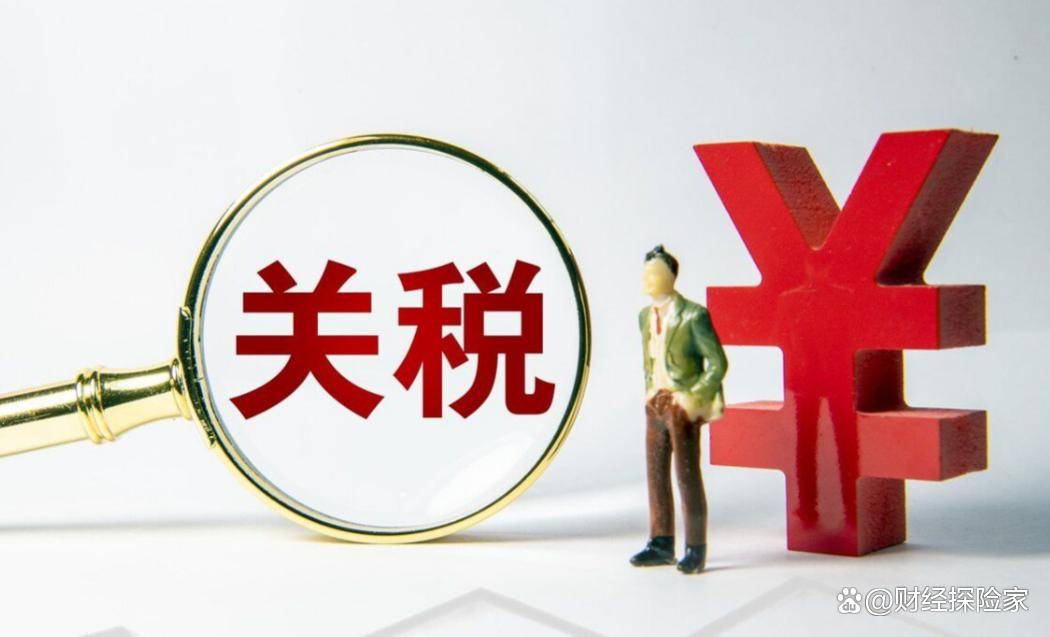
近期,一份由法国相关咨询机构提交的贸易攻略引发关注。该报告建议对特定东方商品加征百分之三十的整体关税,并推动货币贬值以削弱竞争优势。这种 做法被视为试图复制历史上针对他国的限制套路,通过金融与贸易双重手段施压。然而,这种策略显然低估了当前全球经贸格局的复杂性。相关产品在国际 市场上的竞争力,源于其完整的产业链与技术投入,而非简单的低价竞争。 分析人士指出,此类激进主张的背后反映出法国内部的增长乏力与工业衰退。由于无法通过内部改革解决根本问题,转而通过渲染外部威胁来转移矛盾。同 时,这也被视为在区域组织内部争夺政策主导权的一种尝试,企图通过强硬姿态向美高层表露立场,以换取在安全与贸易领域的支持。但这种缺乏共识的提 议,在其实施可能性上正面临巨大的内部质疑与挑战。 事实上,在该机构内部,对于如此剧烈的贸易限制举措存在严重分歧。有观点明确指出,一刀切的关税政策将直接损害自身经济利益,增加民众生活成本。 目前该区域各国利益诉求并不一致,很难形成铁板一块的对抗阵线。一个法国人翻不起什么大浪,就那么一点力量没什么作为,在欧洲二十七国不可能听其 指挥。 这种基于保护主义的博弈,在漫长的历史进程中并不鲜见。 ...

和音:从“洋年货”热销看开放中国
Ren Min Ri Bao· 2026-02-13 03:05
Group 1 - The article highlights the increasing popularity of imported goods during the Chinese New Year, showcasing a diverse range of international products available to Chinese consumers, which reflects China's high-level openness to the world [1][2] - The logistics infrastructure, including the Western Land-Sea New Corridor and the China-Europe Railway Express, facilitates efficient transportation of goods from various countries to China, enhancing the availability of imported products [1] - China's free trade zones and tariff reductions contribute to a favorable environment for imports, allowing consumers to enjoy a "zero time difference" experience when purchasing foreign goods [1][2] Group 2 - The demand for imported goods during the Spring Festival supports the economies of exporting countries, creating job opportunities and boosting local industries, as seen in countries like Kenya, Chile, and Afghanistan [2] - China's market, with over 1.4 billion people and a growing middle class, remains a significant driver of global economic stability, with projections indicating that China will continue to be the world's second-largest import market by 2025 [2] - China actively promotes import expansion and offers zero-tariff treatment for products from the least developed countries, benefiting approximately 1.9 billion people globally and enhancing local economic growth [2]
中国车企打响第一枪!比亚迪正式起诉美国政府,要求退还关税
Sou Hu Cai Jing· 2026-02-13 02:34
此次诉讼由比亚迪旗下四家美国子公司联合发起,早在2026年1月26日便已提交至美国国际贸易法院。 在诉状中,比亚迪明确指出,美国政府近年来以《国际紧急经济权力法》为依据推出的多项关税政策缺 乏合法基础,属于明显越权行为,并提出多项关键诉求:请求法院宣告相关关税行政令无效,叫停相关 不合理措施,同时要求美方全额返还自2025年4月以来公司已经缴纳的全部关税及相应利息,并承担本 次诉讼产生的相关费用。 很多人关心,比亚迪此次起诉的底气究竟从何而来。核心关键点就在于美方所使用的法律依据本身站不 住脚。《国际紧急经济权力法》主要适用于国家紧急状态等特殊场景,法条中既没有授权政府加征关税 的内容,甚至连"关税"一词都未出现。美国政府将这部法律当作推行贸易保护政策的工具,在法律层面 存在明显漏洞,这也是比亚迪敢于直接对簿公堂的重要原因。 这起诉讼早已超出普通商业纠纷的范畴,更像是中国汽车产业在全球舞台上的一次重要表态。过去很长 一段时间里,中国车企出海大多以产品输出、市场拓展为主,面对海外不合理的贸易限制时,往往处于 近期国际汽车行业与中美贸易领域传来重磅消息,据路透社等多家外媒2月9日报道,中国汽车巨头比亚 迪已经正式 ...


“墨西哥官员想在跟美国谈妥前,暂缓中国投资”
Guan Cha Zhe Wang· 2026-02-13 02:03
【文/观察者网 阮佳琪】 美国关税持续冲击墨西哥,导致大量工厂关停、工人失业,中资投资俨然成为当地的"救命稻草"。而能 否抓住这一机遇,关键还在于墨西哥自身。 当地时间12日,路透社援引知情人士消息称,中国两大头部车企比亚迪与吉利已进入收购日产-奔驰墨 西哥工厂的最终竞标名单,越南电动汽车制造商VinFast位列第三;另有两位消息源透露,最初共有9家 企业表达收购意向,其中至少还包括奇瑞与长城汽车两家中国主流车企。 此举是中国车企在墨西哥布局制造基地的关键一步,但据知情人士透露,墨西哥政府正面临两难抉择: 特朗普政府的关税政策持续重创本国汽车业,中资投资有望创造亟需的就业岗位;但墨方同时担忧,中 国企业在墨设产可能激怒华盛顿,进而危及今年美墨加贸易协定的谈判进程。 两个墨政府消息源声称,尽管墨方无法阻止工厂出售,但经济部官员已私下敦促地方暂缓审批中国车企 的投资,直至墨方完成与美国的贸易谈判。 美国事实上已禁止中国品牌汽车在美销售,总统特朗普更无端指责墨西哥为中国商品进入美国市场"提 供后门"。对于墨方举动,白宫发言人辩称美国贸易壁垒基于所谓国家安全与经济安全考量。 中国商务部未就此置评。去年12月,墨西哥国 ...

法国率先出手,27国拟对华加征30%关税,美财长用三字概括中美关系
Sou Hu Cai Jing· 2026-02-12 23:46
欧洲内部最近炸开了锅。 一份由法国政府下属智库起草的报告,直接把矛头对准中国。 文件里白纸黑字写着两条建议:要么对中国出口到欧盟的所有商品统一加征30%的关税;要么联合其他主要经济体,逼迫 人民币对欧元一次性升值20%到30%。 这不是什么学术探讨,而是赤裸裸的经济施压方案。 这份报告的理由听起来很"正当"——2024年欧盟对华贸易逆差达到3045亿欧元。 在他们眼里,钱流出去就是吃亏,就是不公平。 于是干脆提出用最粗暴的方式解决问题。 第一招,直接抬高中国产品的价格门槛。 这已经不是普通的贸易保护主义了,而是彻底背离世界贸易组织基本原则的单边壁垒。 说白了,就是想关上大门,不让中国产品进来。 第二招更狠。 他们翻出1985年美国对付日本的老剧本,打算照搬"广场协议"。 当年那套操作硬生生把日元推高,导致日本出口竞争力崩塌,产业空心化加速。 现在法国人想用同样的办法对付中国。 报告里明确提到,要通过集体施压,让人民币大幅升值。 一旦成真,中国工业品出口欧洲的成本会暴涨,订单自然减少。 他们的目标不只是平衡贸易,而是打断中国产业升级的节奏,削弱中国制造在全球供应链中的地位。 30%的税率不是随便定的,是算过账的 ...
法国打响第一枪,27国考虑对我们加税30%,美财长3字定义中美关系
Sou Hu Cai Jing· 2026-02-12 18:53
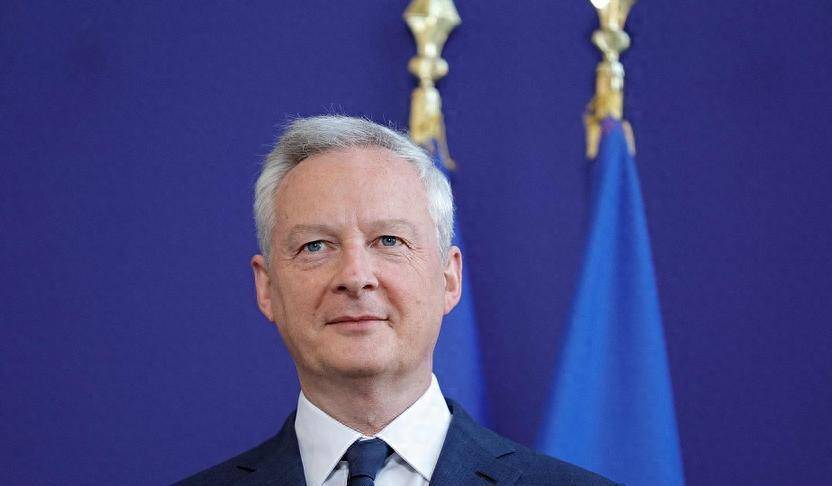
法国政府一份最新报告公然呼吁欧盟对中国复制1985年针对日本的《广场协议》,提出要么全面加征30%关税,要么逼迫人民币对欧元大幅升值 30%。 这份由法国高等战略与规划委员会在2026年2月9日发布的文件,直接将中国制造业描述为欧洲工业的"生存危机",甚至白纸黑字引用四十多年 前的货币围猎案例,试图用同样手段削弱中国竞争力。 欧洲内部因为这剂"猛药"炸开了锅。 法国BFM电视台直接用"令人震惊"来形容这份报告,而《回声报》则批评其激进程度超乎寻常。 更讽刺的是, 就在同一天,法国经济财政部长莱斯屈尔急忙出面降调,声称"一刀切不太行",强调需要更有针对性的措施。 这种政府内部自相矛盾的表态,暴露 了欧洲在应对中国崛起时的焦虑和分裂。 至于汇率操纵方案,报告明确提及1985年美日《广场协议》,建议欧盟联合施压让人民币升值。 但这一设想被欧洲学者直接戳破"漏洞":欧元作为 全球主要储备货币,其汇率受多方制约,绝非法国能单独操控。 更重要的是,中国不是当年的日本,拥有完整工业体系、庞大国内市场和独立货币 政策,根本不可能接受外部胁迫。 就在法国推出这份激进报告的同时,美国财政部长贝森特在巴西圣保罗发表讲话,用"舒适区 ...
拿完好处就掀桌,马克龙向欧盟献计,针对中国加征关税
Sou Hu Cai Jing· 2026-02-12 14:39
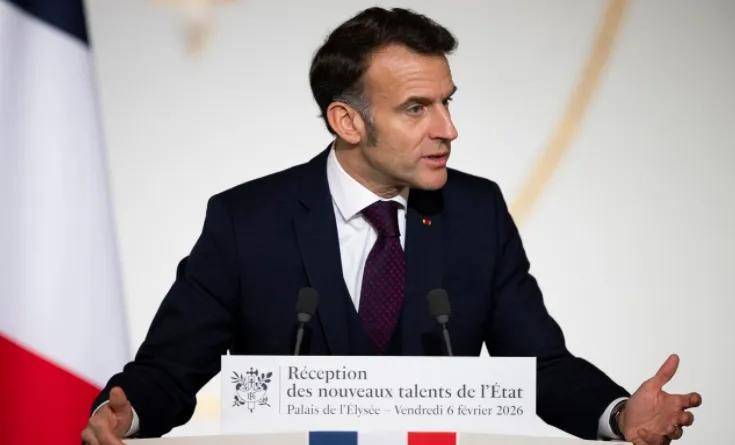
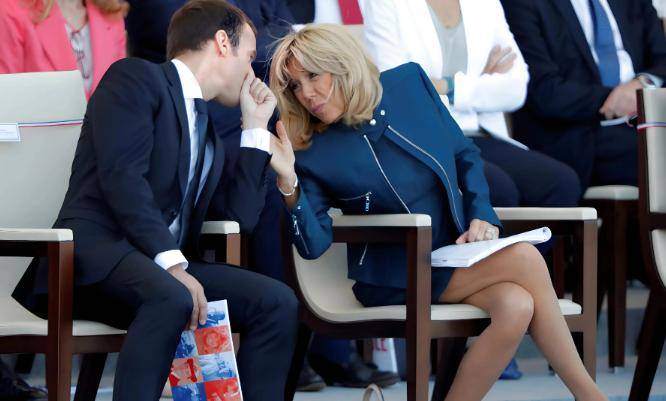
马克龙可能不是真糊涂,是装糊涂。去年访华满载合作订单与红利而归,转头就翻脸不认人,向欧盟献计,其团队于 当地时间2月9号发表战略报告,公然提议欧盟对所有进口中国商品统一加征30%关税,还要求欧元贬值30%、人民币升 值30%。但他显然低估了中国的底气,中国早已手握三张"王炸",就等他敢迈出对华打压的第一步,2月11号玉渊潭天 直接发文摊牌,没有虚头巴脑的外交辞令,全是实打实的反制预案,每一张都精准打在法国经济的要害上,足以让马 克龙清醒。 说起来马克龙也够拧巴的,一边让战略部门递上激进报告,叫嚣着要对华发起贸易总攻,还想学1985年的广场协议, 复制美国压垮日本的路子,逼欧元、人民币汇率调整,妄图削弱中国商品竞争力;可另一边,同一天法国财长就出来 降温,说欢迎中国投资者、保护中国在法投资。前后矛盾的样子,说白了就是既想迎合国内对华强硬的声音,又舍不 得放弃中国市场的红利,典型的"既要又要"。 其实马克龙之所以敢这么嚣张,说白了就是心里发慌。这些年中国制造越来越强,在汽车、电池、机床、化工这些曾 经欧洲主导的领域,一步步实现了超越,比亚迪汽车在欧洲火出圈,连欧洲大爷大妈都知道它能原地转圈,倒逼奔驰 跟风模仿,技 ...
法国呼吁对华征30%关税,中方有充足手段,反制欧洲的刁难
Sou Hu Cai Jing· 2026-02-12 09:42
其核心目的在于通过贸易保护主义手段打压中国出口,保护欧洲本土产业,同时讨好美国、转移国内经 济压力,却忽视了中欧经贸合作的互利共赢本质。 2025年底,马克龙曾时隔两年半再度访华,率领法国企业高管寻求深化对华经贸合作,推动双方产业对 接与市场拓展。此次呼吁欧盟对华加征关税,与此前访华诉求形成鲜明反差,凸显其政策的短视性与不 一致性。 «——【·前言·】——» 今年轮到法国担任"七国集团"轮值主席国,在这个位置上,马克龙政府做出了一个不明智的决定,在一 份战略报告中,呼吁欧盟对华加征30%的关税,或推动欧元兑人民币贬值30%。对于法方的险恶用心, 中方的反制手段是现成的:针对法国葡萄酒发起双反调查;对欧盟的不友好行为发起反歧视调查;对欧 盟采取"对等关税"反制,每一招,都足以让欧洲学到教训。 2026年法国担任七国集团轮值主席国,本可借助这一平台推动欧洲协同发展,提升欧盟国际影响力。 但马克龙政府却将这一身份作为对华发难的契机,在战略报告中明确呼吁欧盟对中国商品加征30%关 税,并提出推动欧元兑人民币贬值30%的建议。 «——【·马克龙摆不清位置·】——» 法国呼吁加征30%关税的举措,违反世贸组织规则,破坏全 ...
突发!美国众议院:可能终止特朗普对加拿大征收关税的决议!
证券时报· 2026-02-12 00:27
Core Viewpoint - The U.S. House of Representatives passed a resolution opposing President Trump's tariffs on Canadian goods, marking a rare instance of the Republican-majority House publicly opposing presidential policies [1]. Group 1 - The resolution was passed with a vote of 219 in favor and 211 against, aiming to terminate Trump's punitive trade measures against Canada implemented under a national emergency [2]. - President Trump threatened to impose a 50% tariff on all Canadian aircraft sold to the U.S. if issues regarding the certification of U.S. aircraft were not resolved [3]. - Trump also warned of a potential 100% tariff on Canadian goods if Canada reached agreements with certain countries [3]. Group 2 - Canadian Prime Minister Justin Trudeau called on citizens to "buy Canadian" in response to external threats, emphasizing the importance of supporting local products [4]. - Trudeau stated that Canadians are "masters of their own country" and reiterated that Canada does not rely on the U.S. for its existence [4].

焦虑工业落后中美,出台系列保护法案,欧盟加大对华限制遭六国联名警告
Xin Lang Cai Jing· 2026-02-11 22:53
【环球时报驻法国特派记者 于超凡 环球时报记者 倪浩】欧盟日益陷入工业经济落后于中美的焦虑,频 频出台贸易保护主义色彩浓厚的政策,以期重振本土工业。据法国《世界报》报道,法国总统马克龙10 日接受多家欧洲媒体采访时表示,欧洲竞争力正面临中美"双重压力",呼吁欧盟加大对生态转型、人工 智能与量子技术等关键领域的投入,避免未来数年被中美甩开。此番表态正值12日欧盟各国元首与政府 首脑在比利时阿尔登比森城堡举行非正式会议前夕。 马克龙强调,欧洲需要"保护",需在清洁技术、化工、钢铁、汽车和国防等关键行业推行"欧洲优先", 守护欧盟战略自主,否则欧洲企业将被中美竞争"横扫出局"。据英国《金融时报》报道,马克龙计划在 12日的欧盟领导人非正式会议上,敦促各方利用"格陵兰岛时刻"——即欧洲人意识到自身受威胁的契 机,加快推进拖延已久的经济改革,降低对中美两国的依赖。 据西班牙《国家报》10日报道,自2024年下半年本届欧盟委员会履职以来,恢复欧洲经济竞争力始终是 核心议题,在此次非正式会议上,该议题将成为最主要甚至几乎唯一的议程。 近年来,欧盟出台的一系列经贸政策带有明显保护主义倾向,不断加大对华限制,严重影响中欧正常经 ...