制度型开放

Search documents
智库要论 | 赵忠秀:“十五五”产业链供应链发展:在开放与创新中筑牢安全韧性
Sou Hu Cai Jing· 2025-07-07 00:44
Group 1: Industry Resilience and Trade Dynamics - The adjustment of foreign trade structure highlights the stability of China's industrial chain, with equipment manufacturing exports reaching 6.22 trillion yuan, accounting for 58.3% of total exports in the first five months of 2025 [3][19] - Emerging products such as industrial robots and electric vehicles are leading growth, reflecting an increase in the "new" and "green" content of foreign trade [3][19] - Trade cooperation with countries along the Belt and Road is deepening, with trade volume surpassing 50% for the first time in 2024 [3][19] Group 2: Foreign Investment Trends - Foreign investment is increasingly directed towards technology-intensive industries, indicating an upgrade in supply chain cooperation [4][19] - In the first five months of 2025, actual foreign investment in China reached 358.19 billion yuan, with high-tech industries attracting 109.04 billion yuan [4][19] - Notable growth in foreign investment includes a 146% increase in e-commerce services and a 74.9% increase in aerospace manufacturing [4][19] Group 3: Digital Transformation and Economic Integration - The digital economy's core industries accounted for 10% of GDP in 2024, achieving the target set in the 14th Five-Year Plan one year ahead of schedule [5][19] - Digital technologies are increasingly integrated into various sectors, enhancing supply chain responsiveness and market competitiveness [5][19] - Knowledge-intensive services now represent 38.5% of total service exports, indicating strong growth potential [5][19] Group 4: Institutional Opening and Global Value Chains - The removal of all foreign investment restrictions in the manufacturing sector demonstrates China's commitment to investment liberalization [7][19] - By 2024, actual foreign investment in the manufacturing sector exceeded 220 billion yuan, with high-tech manufacturing accounting for 11.7% [7][19] - The expansion of service sector openness has been significant, with 50.2% of foreign investment in services concentrated in 11 cities [7][19] Group 5: Innovation and Strategic Industry Development - Enterprises are increasingly recognized as the main drivers of innovation, with over 75% of R&D investment coming from them [10][19] - Central enterprises are forming innovation alliances in strategic emerging industries, focusing on overcoming key technological challenges [11][19] - The establishment of 178 national high-tech zones is fostering the growth of high-tech enterprises and new industries [11][19] Group 6: Internal and External Trade Integration - The construction of a unified national market is progressing, facilitating smooth resource flow and breaking down local protectionism [12][19] - The establishment of overseas economic and trade cooperation zones is enhancing international capacity cooperation [12][19] - These efforts are significantly improving the resilience and risk resistance of China's industrial and supply chains [12][19] Group 7: Comprehensive Support System for Supply Chain Security - The integration of reforms, opening up, and innovation is essential for enhancing the security and resilience of China's industrial chain [14][19] - Expanding cooperation with emerging markets and enhancing international collaboration through the Belt and Road Initiative is a priority [14][19] - The promotion of a unified national market and the reduction of internal trade barriers are crucial for stimulating domestic market vitality [15][19]


更大范围释放制度创新红利(权威发布)
Ren Min Ri Bao· 2025-07-04 21:56
Group 1 - The State Council issued a notification to promote the replication and promotion of high-level institutional opening-up pilot measures from the Shanghai Free Trade Zone to other regions [1][2] - The notification includes 77 pilot measures focusing on enhancing service trade openness, improving the convenience of goods trade, implementing high-standard digital trade rules, strengthening intellectual property protection, and reforming government procurement [2][3] - The measures aim to help enterprises reduce costs and increase efficiency by optimizing customs operations and enhancing the transparency and predictability of the institutional environment [2][3] Group 2 - The Shanghai Free Trade Zone has implemented 80 pilot measures that have led to significant improvements in trade and investment facilitation, with a focus on digital trade innovation and "post-border" management reforms [4] - The international transit and consolidation operation model has been optimized, reducing overall operation time by 50% and increasing the proportion of international transit consolidation cargo at Yangshan Port from 12.6% to 18.6% [4] - The customs authority has simplified inspection measures for imported fruits that have already undergone quarantine abroad, facilitating the import process for 10,500 shipments [5] Group 3 - The Shanghai Free Trade Zone's import and export value exceeded 900 billion yuan in the first five months of the year, accounting for over 26% of the total import and export value of all free trade zones in China [5] - The customs authority has also worked to lower the cost of bonded fuel for international shipping, enhancing the competitiveness of China's international shipping industry [5] - The establishment of a data trading alliance chain in Shanghai has enabled the trading of over 5,000 data products, highlighting the focus on cross-border data flow management [4]
为稳步扩大制度型开放提供“自贸经验”(锐财经)
Ren Min Ri Bao Hai Wai Ban· 2025-07-04 21:33
Core Points - The State Council has issued a notification to replicate and promote 77 pilot measures from the China (Shanghai) Free Trade Pilot Zone, focusing on high-standard international trade rules and institutional openness [1][2][3] Group 1: Key Areas of Focus - The 77 measures are concentrated on seven areas: service trade, goods trade, digital trade, intellectual property protection, government procurement reform, "post-border" management reforms, and risk prevention [2] - Specific measures include enhancing digital RMB pilot applications, optimizing cross-border fund management for multinational companies, and promoting electronic document usage [2] Group 2: Achievements and Impact - As of now, a total of 379 institutional innovations from the free trade pilot zones have been replicated at the national level, creating a favorable environment for shared reform benefits [3] - From January to May, the Shanghai Free Trade Pilot Zone's import and export value exceeded 900 billion yuan, accounting for over 26% of the national total [4] Group 3: Sector-Specific Developments - The establishment of an international reinsurance trading center has attracted 26 domestic and foreign insurance companies, with reinsurance premiums exceeding 130 billion yuan [5] - The digital trade import and export value in Shanghai reached 109.53 billion USD, growing by 4.9% and representing 30.1% of the national total [7] Group 4: Future Directions - Future efforts will focus on higher-level institutional openness, including tracking international trade rule trends and promoting new business models in areas like artificial intelligence and technology finance [8]
多部门协力部署 复制推广上海自贸试验区77条试点措施
Shang Hai Zheng Quan Bao· 2025-07-04 19:00
Core Viewpoint - The Chinese government has issued a notification to replicate and promote 77 pilot measures from the Shanghai Free Trade Zone (FTZ) to enhance the alignment with international high-standard economic and trade rules, aiming for a higher level of institutional openness in the economy [1][3]. Group 1: Pilot Measures and Implementation - 77 pilot measures have been identified for replication, with 4 measures to be implemented in other FTZs and 43 measures to be promoted nationwide [1]. - The Ministry of Commerce emphasizes a gradual approach to implementing these measures, focusing on risk control while expanding the scope of international rule alignment [2][3]. Group 2: Focus Areas for Innovation - The initiative will focus on promoting service trade, green trade, and digital trade, with an emphasis on institutional innovations that support new business models and new industries [2]. - The Shanghai FTZ aims to create a high-quality development model by exploring institutional breakthroughs in areas such as artificial intelligence and fintech [2]. Group 3: Achievements and Future Plans - The Shanghai FTZ has successfully implemented 80 pilot measures, resulting in enhanced trade and investment facilitation, accelerated digital trade innovation, and deeper institutional reforms [3]. - Shanghai's digital trade imports and exports are projected to reach $109.53 billion in 2024, representing a 4.9% year-on-year growth and accounting for 30.1% of the national total [4]. Group 4: Financial Sector Developments - The People's Bank of China plans to support the replication of successful financial innovations from the Shanghai FTZ, including the promotion of digital RMB applications and optimized electronic payment services [5].
以实实在在改革举措兑现开放承诺
Zheng Quan Shi Bao· 2025-07-04 17:20
Group 1 - The Shanghai Free Trade Zone's pilot measures will be replicated and promoted nationwide, covering areas such as intellectual property protection, government procurement reform, labor rights protection, state-owned enterprise reform, and environmental protection [1] - The initiative reflects China's commitment to promoting an open world economy amidst rising unilateralism and protectionism, with significant policy documents released this year to enhance foreign investment and financial services [1] - The measures aim to address urgent needs of enterprises and the public, particularly in areas like intellectual property protection and cross-border data flow, responding to strong calls for reform from foreign investors [2] Group 2 - The ultimate goal of the reforms is to create a fairer market competition environment and a more transparent and stable institutional framework, requiring collaboration among various departments and localities [2] - Future reforms will focus on increasing transparency in competitive projects, optimizing procurement processes through electronic means, and encouraging bilingual procurement announcements to enhance the effectiveness of government procurement reforms [2]
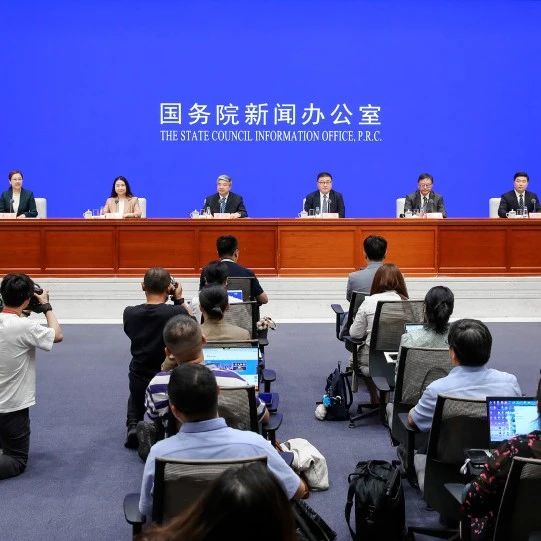
为稳步扩大制度型开放提供“自贸经验”——国务院政策例行吹风会聚焦复制推广上海自贸试验区77条试点措施
Xin Hua Wang· 2025-07-04 14:22
Core Viewpoint - The Chinese government is promoting the replication of 77 pilot measures from the Shanghai Free Trade Zone to enhance institutional openness and align with international high-standard trade rules [2][5]. Group 1: Pilot Measures and Replication - A total of 80 measures were initially tested in the Shanghai Free Trade Zone, with 77 measures now set for broader replication, including 34 measures to other free trade zones and 43 measures nationwide [2][5]. - The 77 measures focus on seven key areas: accelerating service trade openness, enhancing the facilitation of goods trade, implementing high-standard digital trade rules, strengthening intellectual property protection, reforming government procurement, advancing "post-border" management reforms, and improving risk prevention systems [2][3]. Group 2: Trade and Investment Facilitation - The replication of these measures aims to facilitate trade and investment, further opening the market and allowing the world to share in China's opportunities [3][4]. - The Shanghai Free Trade Zone has seen significant advancements in digital trade, with projected imports and exports reaching $109.53 billion in 2024, accounting for 30.1% of the national total [4]. Group 3: Institutional Innovation and Support - The national level has replicated a total of 379 institutional innovations from free trade zones, creating a favorable environment for shared reform benefits and open results [5]. - The Ministry of Commerce plans to work with local governments and departments to ensure the effective implementation of the replicated measures within one year [5][6].
官方解读来了!复制推广77条“上海经验”,释放制度型开放红利
券商中国· 2025-07-04 14:07
Core Viewpoint - The State Council has issued a notice to replicate and promote 77 pilot measures from the Shanghai Free Trade Zone (FTZ) to enhance high-level institutional openness and align with international high-standard economic and trade rules [1][2]. Group 1: Pilot Measures and Achievements - A total of 379 institutional innovation results from the FTZ have been replicated and promoted at the national level, creating a favorable environment for shared reform dividends and open results [2][4]. - The digital trade in Shanghai is projected to reach $109.53 billion in 2024, reflecting a year-on-year growth of 4.9%, accounting for 30.1% of the national total [2]. Group 2: Future Directions and Support - The Ministry of Commerce will collaborate with local governments and departments to support the FTZ in proactively aligning with international high-standard economic and trade rules while ensuring risk management [3][7]. - There will be a focus on expanding the pilot areas to include service trade, green trade, and digital trade, with an emphasis on new business models and innovative institutional measures [8]. Group 3: Specific Areas of Focus - The replication of institutional innovation will cover various fields, including intellectual property protection, government procurement reform, labor rights protection, state-owned enterprise reform, and environmental protection, with nearly half of the measures targeting these areas [6]. - The Ministry of Commerce aims to enhance transparency and fairness in government procurement processes through a series of 15 measures, including increasing the transparency of limited competition project information [6]. Group 4: Implementation and Coordination - The Ministry of Commerce will ensure that the replication and promotion of measures are effectively coordinated with other reform and opening-up pilot measures, aiming for policy synergy [4][9]. - Continuous tracking and evaluation of the implementation of replicated measures will be conducted, with specific guidelines to be completed within a year where necessary [4].

7月4日重要资讯一览
Sou Hu Cai Jing· 2025-07-04 13:51
Group 1 - The Ministry of Commerce will focus on implementing pilot measures to meet the urgent needs of enterprises and the public, aiming to enhance regulatory standards and release the benefits of institutional openness [3] - The State-owned Assets Supervision and Administration Commission (SASAC) issued opinions on promoting brand building among central enterprises, targeting significant improvements in brand awareness and value by 2030 and 2035 [3] - The China Securities Regulatory Commission (CSRC) approved the registration of propylene futures and options on the Zhengzhou Commodity Exchange, ensuring a smooth launch and stable operation [3] - The second batch of new floating rate funds has been officially submitted for registration, with several fund companies applying, following the first batch that raised over 22.6 billion yuan [3] Group 2 - The Ministry of Housing and Urban-Rural Development emphasized the importance of stabilizing the real estate market and implementing precise policies to meet public expectations for housing [4] - Data from the China Academy of Information and Communications Technology indicates a significant decline in domestic smartphone shipments, with a 21.8% year-on-year drop in May 2025 [4] - The State Administration for Market Regulation revised the national standard for smart home appliances, specifically for refrigerators, to enhance user experience and set data management norms [5] Group 3 - The maximum national power load reached 1.465 billion kilowatts on July 4, marking a historical high, with significant contributions from air conditioning loads [8] - The Ministry of Natural Resources is planning the "14th Five-Year" marine economic development plan, focusing on optimizing marine resources and developing emerging marine industries [9] Group 4 - Companies such as Whirlpool are expected to see a net profit increase of approximately 559% year-on-year in the first half of the year [7] - The company Huayi Medical faces uncertainty regarding the success of its therapeutic vaccine project [7] - The company Xinyu Technology signed a long-term supply agreement worth approximately 44.6 million USD with an overseas client [7]
官方解读来了!复制推广77条“上海经验”,释放制度型开放红利
Zheng Quan Shi Bao· 2025-07-04 13:44
Core Viewpoint - The Chinese government is promoting the replication of successful institutional innovations from the Shanghai Free Trade Zone (FTZ) to enhance high-level institutional openness and international trade rule alignment, aiming for broader economic reform and cooperation. Group 1: Institutional Innovations and Economic Impact - A total of 77 pilot measures have been successfully replicated, with 34 measures extended to other FTZs and 43 measures to the entire country [1] - The digital trade in Shanghai is projected to reach $109.53 billion in 2024, marking a 4.9% year-on-year increase and accounting for 30.1% of the national total [1] - The national level has cumulatively replicated 379 institutional innovation outcomes from FTZs, fostering a shared reform dividend and inclusive open results [3] Group 2: Support for High-Standard Trade Rules - The Ministry of Commerce will collaborate with local governments to support FTZs in proactively aligning with international high-standard trade rules while ensuring risk management [2] - There is a focus on expanding pilot areas to promote service trade, green trade, and digital trade, along with innovative institutional measures for new business models [2][6] - The People's Bank of China will support the deepening of financial openness and innovation in FTZs, including the promotion of digital currency applications [2] Group 3: Implementation and Coordination - The Ministry of Commerce emphasizes the need for local adaptation of pilot measures based on strategic positioning and industrial advantages, ensuring timely implementation [3] - Continuous tracking and evaluation of the replication measures will be conducted to address challenges faced by local governments and businesses [3] - The replication of institutional innovations includes significant areas such as intellectual property protection, government procurement reform, and labor rights protection, with nearly half of the measures focusing on these sectors [4] Group 4: Future Directions and Broader Applications - The Ministry of Commerce plans to advance the pilot measures in a phased manner, focusing on both broadening and deepening the scope of institutional innovations [5][6] - There is an emphasis on creating a market-oriented, law-based, and international business environment, particularly in sectors like telecommunications, healthcare, and e-commerce [6][7] - The government aims to explore new institutional breakthroughs while balancing development and security, ensuring that the FTZs serve as testing grounds for innovative policies [7]

官方解读来了!复制推广77条“上海经验”,释放制度型开放红利
证券时报· 2025-07-04 13:34
Core Viewpoint - The promotion of institutional innovation measures from the Shanghai Free Trade Zone (FTZ) is a significant step towards enhancing reform and development through openness, as well as fostering cooperation and mutual benefits [1][7]. Group 1: Institutional Innovation and Trade - The Shanghai digital trade's vitality has been further enhanced through rule alignment, with imports and exports expected to reach $109.53 billion in 2024, a year-on-year increase of 4.9%, accounting for 30.1% of the national total [2]. - A total of 379 institutional innovation achievements from FTZs have been replicated and promoted at the national level, creating a favorable environment for shared reform dividends and inclusive open results [4]. - The Ministry of Commerce will support FTZs in proactively aligning with international high-standard economic and trade rules while ensuring risk management [2][9]. Group 2: Future Directions and Measures - The Ministry of Commerce emphasizes the need to closely track the evolution of international high-standard economic and trade rules and expand the scope of pilot projects, focusing on the development of service trade, green trade, and digital trade [5][10]. - There will be a push for more fields to establish negative lists for data exit and to introduce more facilitation measures to promote efficient, convenient, and secure cross-border data flow [2][10]. - The promotion of the "Shanghai experience" will be intensified, including the innovative application of digital currency and optimization of electronic payment services across the country [2][9]. Group 3: Implementation and Coordination - The Ministry of Commerce will work with relevant departments to support localities in advancing the replication and promotion of pilot measures that are urgently needed by enterprises and the public [4][5]. - Continuous tracking and evaluation of the effectiveness of the replicated measures will be conducted, with specific opinions and methods to be completed within a year if necessary [5]. - The approach will involve a phased implementation strategy, where measures are tested, replicated, and researched simultaneously to ensure a comprehensive rollout [9].