
AIGC

Search documents
AGI五年内突破关键瓶颈!AIGC正在重构所有行业
Sou Hu Cai Jing· 2025-11-05 11:10
Core Insights - The report highlights that AGI will overcome key bottlenecks in the next five years, transitioning AI from virtual spaces to real-world applications, marking the beginning of a new era of human-machine coexistence [1] Group 1: AGI Technology Evolution - AI is evolving from single-text generation to multi-modal and embodied intelligence, with breakthroughs concentrated in five key areas [2] - The continuous evolution of the Transformer architecture is leading to AI video generation technologies that approach physical realism through spatiotemporal modeling [3] - The application of intelligent agents is experiencing a comprehensive explosion, enabling cross-system process automation and establishing a solid foundation for AGI [4] Group 2: US-China Competition - In 50 key AI competitive fields, the US leads in 26 areas, while China leads in 13, with 11 fields being evenly matched [5] - China excels in fields like facial recognition and industrial robots, focusing on application landing and industrial integration, while the US leads in foundational model training and AI-specific chips, emphasizing breakthroughs and principle innovation [6] - The report indicates that closed-source models outperform open-source models by approximately nine months, with the future competition focusing on who can achieve cross-level integration first [7] Group 3: Major Players in AI - Eight major players, including OpenAI and Google DeepMind, are shifting from model competition to ecological competition [8] - Companies are moving towards personalized and specialized models, emphasizing efficient reasoning and multi-modal integration rather than merely pursuing larger scales [9] - OpenAI and Anthropic maintain closed-source strategies for safety and differentiation, while Meta and DeepSeek lean towards open-source approaches [11] Group 4: Industry Applications - AIGC is revolutionizing content production, education, healthcare, and manufacturing, leading to exponential efficiency improvements [12] - In content production, AI has created over 10,000 music pieces, showcasing remarkable efficiency in literary creation as well [13] - AI is transforming education by enabling personalized learning paths and fostering interdisciplinary creativity [14] - In healthcare, AI-assisted platforms are enhancing cancer diagnosis and treatment precision through integrated data analysis [15] Group 5: Future Outlook - The evolution of AGI will redefine human values, shifting from labor-centric to reflection and creativity-centric paradigms [18] - The economic paradigm is transitioning from scarcity to meaning, focusing on how to live more meaningfully rather than merely producing more [19] - The relationship between humans and AI is expected to evolve from automation to cohabitation, with a focus on symbiosis rather than complete automation [49][51]


不用AI的设计师只剩1%
第一财经· 2025-11-05 05:06
Core Viewpoint - The article discusses the rapid evolution of the design industry due to the integration of AI technologies, highlighting both the opportunities and challenges faced by creators in this new landscape [2][8][12]. Group 1: AI's Impact on the Design Industry - AI has significantly improved in capability, allowing creators to produce complex works more efficiently, with some projects now completed in under a week compared to previous timelines [5][7]. - The design community is witnessing a shift where AI tools are becoming integral to workflows, with less than 1% of designers on a platform having never used AI, and over 70% using it for more than an hour daily [7][10]. - The role of designers is evolving from traditional visual tasks to more comprehensive involvement in market operations and decision-making, leading to a new category of "super designers" [7][10]. Group 2: Fragmentation and Opportunities - The execution of projects is becoming increasingly fragmented, with tasks being outsourced globally, which may benefit smaller teams and individual creators [10][12]. - Smaller creative teams are now able to compete with larger firms, as AI provides them with tools to produce high-quality work without the need for extensive resources [10][12]. - The trend indicates a potential market shift towards more agile, small teams dominating the landscape, as they can leverage AI to create comparable outputs to traditional large companies [12]. Group 3: Challenges and Resistance - Despite the advantages, there is resistance among some traditional artists who feel threatened by AI's capabilities, fearing it undermines their years of training and expertise [3][14]. - Creators face the pressure of constantly adapting to new AI tools and technologies, which can lead to feelings of inadequacy and anxiety about their skills becoming obsolete [12][16]. - The article emphasizes the importance of maintaining human creativity and emotional depth in artistic work, suggesting that AI should complement rather than replace human input [18][19].

不用AI的设计师只剩1%,“一人成团”正在设计行业兴起
Di Yi Cai Jing· 2025-11-05 03:28
Core Insights - The rapid evolution of AI technology is transforming the art and design industry, enabling creators to produce complex works more efficiently and with lower costs [4][10][12] - AI is reshaping the role of designers, allowing individuals to operate with the capabilities of a team, thus challenging traditional business structures [9][10][12] - There is a divide in the industry, with some creators embracing AI while others express resistance, highlighting the ongoing debate about the value of human creativity versus AI-generated content [13][16] Group 1: AI Evolution and Impact - AI capabilities have improved significantly, with artists noting a two to threefold increase in efficiency and effectiveness within a year [4][6][8] - The production process has become less painful, with creators now able to generate longer and more complex shots in fewer attempts, contrasting with previous experiences that were costly and time-consuming [5][6][10] - The design industry is experiencing a shift towards a more fragmented execution of projects, with AI facilitating the breakdown of tasks into smaller, manageable parts [10][11] Group 2: Changing Roles and Market Dynamics - The integration of AI into design workflows has led to a significant increase in daily usage among designers, with over 70% using AI for more than an hour each day [9][10] - The emergence of "super designers" who leverage AI tools alongside traditional design software is redefining the skill set required in the industry [9][10] - Smaller teams and individual creators are gaining the ability to compete with larger firms, as AI levels the playing field [10][12] Group 3: Diverging Perspectives on AI - Some industry veterans express skepticism towards AI, fearing it undermines the value of traditional skills and creativity [13][16] - The contrast between the acceptance of AI in China and the cautious approach in the West highlights differing attitudes towards technology's role in creative processes [13][14] - The importance of maintaining human creativity and emotional depth in artistic work is emphasized, with many creators advocating for a balanced approach to using AI as a tool rather than a replacement [15][16]
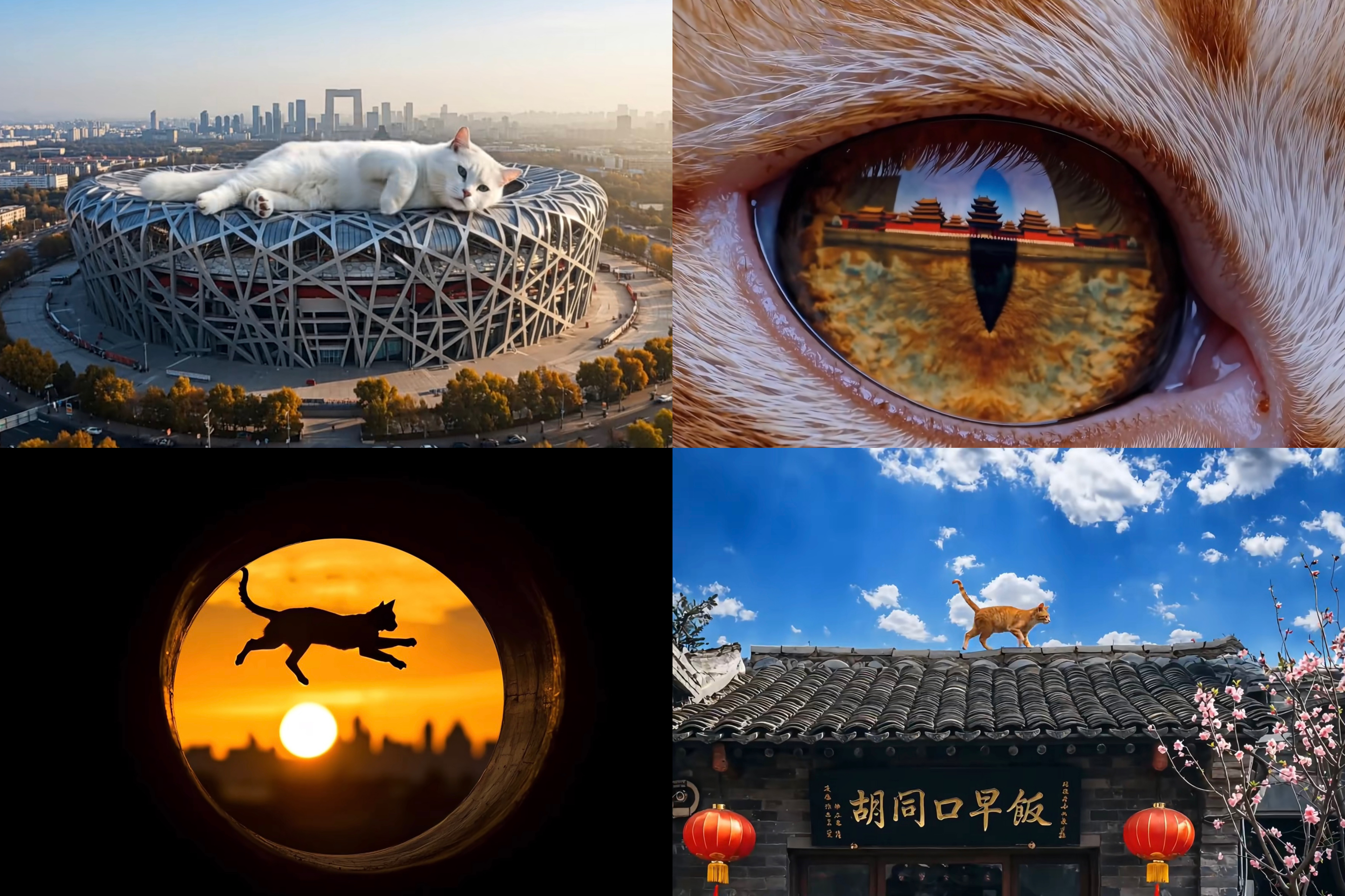
《斗破苍穹》被AI抄袭,用户判赔5万
21世纪经济报道· 2025-11-05 02:53
Core Viewpoint - The article discusses a landmark case in China regarding AI copyright infringement, highlighting the responsibilities of both users and AI platforms in the context of copyright law [1][4][12]. Group 1: Case Details - The Shanghai Jinshan District People's Court ruled on November 3 that a user infringed copyright by using images of the character "Medusa" from the anime series "Dou Po Cang Qiong" to train an AI model, resulting in a compensation of 50,000 yuan [1][4]. - The AI platform involved was not held liable as it had promptly removed the infringing model and updated its keyword filters after receiving a lawsuit, fulfilling its "notice-and-takedown" obligations [1][12]. - The user, identified as Li, used over 20 images of "Medusa" to create a model that allowed others to generate similar images, which the court deemed a violation of the original copyright holder's rights [4][12]. Group 2: Implications for AI Platforms - The court's decision sets a precedent for how AI platforms are treated under copyright law, emphasizing the need for platforms to respond quickly to infringement complaints and implement effective monitoring systems [1][12][14]. - The ruling aligns with previous cases, such as the "Ultraman AI infringement case," where courts found that platforms are not directly liable if they do not participate in the infringement and take appropriate actions upon notification [12][13]. - Legal experts suggest that AI companies should enhance their complaint handling processes, improve their content review systems, and clearly inform users about copyright risks when using training features [14]. Group 3: Industry Context - The popularity of "Dou Po Cang Qiong" has led to widespread AI-generated content, with many users creating videos and images based on the series, raising questions about the balance between creative expression and copyright protection [5][12]. - The emergence of user-generated content (UGC) communities and AI model fine-tuning presents new challenges for copyright enforcement, necessitating a reevaluation of the responsibilities of AI platforms [13][14].

复苏拐点渐明,二次成长正兴 - 电新行业2025年三季报综述
2025-11-05 01:29
Summary of Key Points from the Conference Call Records Industry Overview - **Energy Storage Market**: The domestic energy storage market demand has significantly increased due to market-oriented policies, with lithium battery production rising over 30% year-on-year in September due to bidding activities in Inner Mongolia [1][2] - **Lithium and Cobalt Prices**: Prices for lithium carbonate and cobalt rebounded in Q3, while lithium hexafluorophosphate faced price pressures. Overall industry revenue grew by 12% year-on-year and 6% quarter-on-quarter, with non-recurring profits increasing by approximately 20% [1][2] - **Wind Power Industry**: The wind power sector saw accelerated performance in Q3 2025, particularly in component production, with significant profit margin improvements in towers, castings, and bearings, despite a slight profit decline in wind turbines due to project transfers [1][4] - **Power Grid Industry**: The power grid sector experienced high demand in high-voltage lines, overseas projects, and data center-related businesses, while facing pressure in distribution and electricity usage segments [1][5][6] Core Insights and Arguments - **Lithium Battery Industry Performance**: The lithium battery sector performed well in Q3 2025, with domestic new energy vehicle sales up by about 23% and European market growth at 41%. The overall revenue growth of 12% year-on-year was driven by strong demand in the energy storage market [2] - **Wind Power Sector Growth**: The wind power industry achieved significant revenue growth across various segments, with component manufacturers seeing profits double year-on-year. However, the overall gross margin structure declined due to an increase in low-margin wind turbine sales [4] - **Power Grid Sector Dynamics**: High-voltage line projects and data center demands drove revenue growth over 10%, while traditional distribution and electricity usage faced challenges due to intense competition and cost control issues [5][6] - **Data Center Growth**: The data center sector showed strong performance, driven by accelerated domestic construction and increased demand related to AI, providing substantial opportunities for domestic companies [10] Additional Important Insights - **Future Outlook for High-Voltage and Data Center Markets**: The high-voltage export and data center markets are expected to maintain strong growth, supported by the rapid development of AI in North America, which will drive demand for transformers and data center technology [11][12] - **Solar Industry Financial Performance**: The solar industry showed signs of recovery in Q3, with improved net profits and positive cash flow across most companies. The upstream sector, particularly polysilicon, saw a significant recovery in profitability [13] - **Energy Storage Sector Trends**: The energy storage sector continued to show good growth in revenue and net profit, particularly in large-scale storage, while household storage faced fluctuations due to various external factors [14] - **Investment Recommendations**: The report recommends focusing on sectors like solar and energy storage, particularly companies like Sungrow, Canadian Solar, and Trina Solar, which are expected to benefit from ongoing market trends [15]
阜博集团董事长王扬斌:AIGC重塑内容创意产业
Zheng Quan Shi Bao· 2025-11-04 17:50
Core Insights - AIGC (Artificial Intelligence Generated Content) is poised to revolutionize the creative industry by significantly lowering content creation barriers, similar to the impact of the internet on retail [2] - The year 2025 is anticipated to witness explosive growth in AIGC, with ordinary individuals able to produce high-quality content using AI tools, raising critical questions about "whose creativity" and "how to monetize" [2] - The company, Fubo Group, has seen a notable increase in revenue and net profit in the first half of 2025, driven by the rising demand for copyright protection and monetization services [4] Copyright and Monetization - The core of the digital content industry remains the demand for copyright protection and monetization, despite evolving technology [3] - Fubo Group's primary business focus is on protecting and monetizing copyrights, providing software services to track infringement [3] - The company has developed advanced technology, such as VDNA video fingerprinting, to identify unauthorized use of copyrighted content across over 200,000 websites [3] Market Opportunities - The digital content industry is experiencing unprecedented growth opportunities driven by AI technology, which is reshaping production and distribution logic [5] - AIGC is democratizing content creation, allowing more individuals and small teams to participate, but it also raises concerns about the need for proper copyright and monetization channels [5] - Fubo Group aims to create a closed-loop system for "creation—confirmation—monetization" to capitalize on new industry opportunities [5] Strategic Directions - Fubo Group is focusing on three main areas to support creators: lowering the barrier to using AI tools, ensuring compliance during the creative process, and accelerating the complete ecosystem of copyright registration and monetization [6] - The company has achieved a balanced revenue distribution between the US and China, with a focus on expanding into the North American market and capitalizing on the short drama export trend [7] - Fubo Group has partnered with Shanghai Film Group to enhance its operations in the short drama sector and facilitate the global distribution of Chinese content [7] Regional Expansion - Fubo Group's recent establishment in the Hong Kong-Shenzhen Innovation and Technology Park is a strategic move to facilitate cross-border data transmission and compliance for content export [8] - The company is transitioning from a sole focus on content protection to a comprehensive content monetization solution provider, while maintaining its role as a technology service provider in the creative industry [8]
江波龙(301308):Q3单季度归母净利环比+3.2倍 企业级存储+高端消费类存储驱动增长
Xin Lang Cai Jing· 2025-11-04 14:57
Core Viewpoint - The company reported strong financial performance in Q3 2025, with significant revenue and profit growth, exceeding expectations. Financial Performance - In Q3 2025, the company's revenue reached 6.539 billion, a quarter-on-quarter increase of 10.1%, and the net profit attributable to shareholders was 700 million, a quarter-on-quarter increase of 3.2 times [1] - For the first three quarters of 2025, the total revenue was 16.734 billion, a year-on-year increase of 26.1%, and the net profit attributable to shareholders was 713 million, a year-on-year increase of 28.0% [1] - The gross profit margin for Q3 2025 was 18.92%, up 4.10 percentage points quarter-on-quarter, while the net profit margin was 11.00%, up 7.90 percentage points quarter-on-quarter [1] Business Segments - The embedded storage business is the largest segment, projected to generate 8.425 billion in revenue for 2024, accounting for 48% of total revenue, with a gross margin of 17.45% [3] - The SSD business is the second largest, expected to generate 4.147 billion in revenue for 2024, accounting for 24% of total revenue, with a gross margin of 15.93% [3] - The enterprise storage business reported revenue of 693 million in H1 2025, a year-on-year increase of 1.4 times, and is actively participating in major client product bids [4] Product Development - As of September 30, 2025, the company has deployed over 100 million self-developed main control chips, with a focus on high-end smart terminal markets through its UFS4.1 main control chip [5] Inventory Management - As of Q3 2025, the company's inventory amounted to 8.517 billion, a quarter-on-quarter increase of 5.3%, with inventory turnover days decreasing by 1 day to 141 days [6] Market Outlook - The global AIGC wave and the "Digital China" initiative are expected to provide new growth momentum for the storage market, with the company positioned as a leading independent storage manufacturer [7] - Projected net profits for the company are expected to reach 1.160 billion, 1.852 billion, and 2.321 billion for 2025, 2026, and 2027, respectively, with corresponding PE ratios of 101, 63, and 50 [7]
对话刘林:百度AIGC的差异化破局
Jing Ji Guan Cha Wang· 2025-11-04 14:36
Core Insights - The 32nd China International Advertising Festival and the 34th Asian Advertising Conference focused on the theme "Intelligent Advertising New Chapter: China on Stage, Asia in Sync," emphasizing the role of technology in transforming the advertising industry [1] Group 1: AIGC Technology and Marketing - AIGC technology is profoundly changing the marketing industry, with Baidu's "Steam Engine" video generation model allowing high-quality ad creation from just an image and prompt [1] - The "Steam Engine" model features breakthroughs in video generation, including complex camera movements and realistic audio-visual integration, enabling the creation of high-quality videos [1] - The model employs "streaming generation" technology, overcoming previous limitations on video length, making long video creation accessible to everyone [1][2] Group 2: Product Matrix and Collaboration - Baidu has developed a product matrix leveraging the "Steam Engine," including the B-end "Steering" platform and the C-end "Imagination" platform, facilitating personalized content production for businesses and creators [2] - The company aims to collaborate with industry partners to unlock unlimited possibilities in creative content production [2] Group 3: Enhancing Marketing Ecosystem - The integration of technology across the advertising ecosystem is essential for maximizing marketing value, with all parties—advertisers, creative agencies, and media platforms—playing their roles effectively [3] - AI is seen as a tool to liberate creative roles rather than replace them, allowing creative personnel to focus on strategy and innovation [3] Group 4: Content Ecosystem Development - The "Steam Engine" was developed to enhance Baidu's mobile ecosystem, particularly in enriching video content and attracting more creators [4] - Continuous improvement of the content ecosystem is crucial for meeting marketing goals and enhancing user engagement within Baidu's platform [4] Group 5: Competitive Advantages - The "Steam Engine" focuses on three differentiated capabilities: integrated audio-video generation, long video creation, and future interactive video generation [5] - The competitive landscape in video generation is intense, with no clear leader, emphasizing the need for a combination of technology, product, and engaging user experiences to achieve a competitive edge [6]

文投控股:目前,公司已经与中国科协科学技术传播中心等产业相关方达成合作意向
Zheng Quan Ri Bao Wang· 2025-11-04 13:13
Core Viewpoint - The company is exploring new creative models that integrate cultural content with technological tools, particularly in the short drama sector, leveraging its IP resources and AIGC applications [1] Group 1: Short Drama Business - The company has conducted in-depth research on the short drama industry and plans to utilize its IP resources to incubate new projects [1] - Collaboration has been established with the China Association for Science and Technology to enhance content innovation, channel expansion, and international dissemination [1] - The aim is to produce high-quality works that align with the company's business strengths and set a benchmark for cultural and technological integration [1] Group 2: Asset Injection Uncertainty - There remains significant uncertainty regarding matters related to asset injection [1]

神州信息(000555) - 000555神州信息投资者关系管理信息20251103
2025-11-04 10:35
Financial Performance - The company achieved a revenue of 8.673 billion CNY in the first three quarters of 2025, representing a year-on-year growth of 29.84% [2] - The net profit attributable to shareholders was -1.07 billion CNY, a reduction in loss by 0.11 billion CNY compared to the same period last year [2] - In Q3 2025, the revenue was 4.250 billion CNY, with a year-on-year increase of 16.66% [2] Financial Sector Highlights - The financial sector generated a revenue of 2.972 billion CNY, with financial software and services contributing 2.467 billion CNY [3] - The total signed contracts in the financial sector reached 3.519 billion CNY, with financial software contracts amounting to 2.806 billion CNY [3] Key Projects and Achievements - Successful bids for core business system projects for a Taiwanese bank and a city commercial bank, showcasing the reliability of the solutions [3] - Significant contracts won in the enterprise-level platform sector, including projects with Tianjin Bank and Qingdao Bank [3] - In the risk management area, contracts exceeding 20 million CNY were secured, enhancing the application of intelligent risk management technologies [4] AI and Digital Transformation - The company is leveraging AI technologies to enhance operational efficiency and reduce costs, with a focus on marketing, risk control, and operations [6] - The establishment of an AIGC ecosystem aims to provide low-cost, high-efficiency financial model services, collaborating with major tech firms [8] International Expansion - The company is actively pursuing a global strategy, enhancing its overseas business capabilities and establishing partnerships with international banks [9] - Key projects include the implementation of a digital banking system in Singapore and a comprehensive credit management solution in Malaysia [9]
