
普惠金融

Search documents
政策与大类资产配置周观察:亲赴改革开放第一线
Tianfeng Securities· 2025-11-11 10:13
Group 1: Domestic Policy Developments - Xi Jinping's visit to Guangdong emphasized the province's role as a leader in reform and opening up, focusing on high-quality development and the construction of the Guangdong-Hong Kong-Macao Greater Bay Area [11][12] - The 8th China International Import Expo in Shanghai showcased a record number of participating companies, highlighting China's vast market potential and commitment to global trade [13][14] - The establishment of a new Debt Management Department by the Ministry of Finance aims to enhance domestic debt management and implement more proactive fiscal policies [24] Group 2: Market Analysis - The A-share market saw a collective slight increase, with the Shanghai Composite Index rising over 1% and the CSI 300 Index increasing by 0.82% [25] - The China Securities Regulatory Commission (CSRC) announced the implementation of the Securities Settlement Risk Fund Management Measures, effective December 8, 2025, to enhance risk prevention in the securities market [26] - The Producer Price Index (PPI) showed a month-on-month increase for the first time this year, indicating improved supply-demand dynamics in certain industries [27][28]
下一阶段货币政策主要思路,央行最新披露
Di Yi Cai Jing· 2025-11-11 09:43
Core Viewpoint - The People's Bank of China (PBOC) has implemented a moderately accommodative monetary policy in 2023, aiming to create a favorable monetary environment for economic recovery and financial market stability [1][2]. Monetary Policy Implementation - The PBOC has maintained reasonable growth in money and credit by utilizing various monetary policy tools such as open market operations and medium-term lending facilities to ensure ample liquidity [1][2]. - The central bank aims to reduce the overall financing costs in society by enhancing the market-oriented interest rate adjustment framework, leading to a decline in both deposit and loan rates [1][2]. - The PBOC is focusing on optimizing the credit structure by utilizing 500 billion yuan for consumption and pension-related loans, as well as increasing support for technology innovation and transformation [1][3]. Exchange Rate Stability - The PBOC emphasizes maintaining basic stability in the exchange rate, allowing the market to play a decisive role in its formation while ensuring it serves as a stabilizer for the macro economy and international balance of payments [1][4]. Financial Risk Management - The central bank is committed to systematically addressing financial risks by enhancing monitoring, assessment, and early warning systems for key financial sectors [2][6]. - The PBOC plans to maintain reasonable growth in financial aggregates and ensure that social financing conditions remain relatively loose, adapting to changes in the economic and financial landscape [2][6]. Financial Market Development - The PBOC is focused on accelerating the development of the bond market, particularly for technology enterprises, and enhancing the legal framework for corporate bonds [5]. - The central bank aims to promote the internationalization of the renminbi and expand its use in cross-border trade and investment [5].
东吴证券:以初心和使命践行投资者保护新范式
Zhong Guo Jing Ji Wang· 2025-11-11 08:04
Core Viewpoint - Protecting the legal rights and interests of investors, especially small and medium-sized investors, is the most important task for Dongwu Securities, reflecting the political and people-oriented nature of capital market work [1][2]. Group 1: Investor Protection System - Dongwu Securities integrates investor rights protection into its internal system, corporate culture, and business development strategy, ensuring that awareness of investor rights protection permeates all business areas and processes [3]. - The company has established various governance documents, including the "Investor Relations Management System" and "Investor Rights Protection Management Measures," to serve as fundamental guidelines for investor protection [3]. - The governance documents cover aspects such as online voting for small shareholders, equal information rights, performance briefings, and independent directors' opinions, providing a comprehensive framework for investor protection [3]. Group 2: Local Financial Advisory Role - As the only publicly listed state-controlled brokerage in Suzhou, Dongwu Securities collaborates with local governments across Jiangsu to support regional economic growth and the development of the capital market [4]. - The company emphasizes the importance of investor education and protection as a fundamental responsibility to promote a healthy securities market [4]. Group 3: Investor Education Initiatives - In 2020, Dongwu Securities, in collaboration with Suzhou Bank and Dongwu Life Insurance, established an investor education base, which has hosted over 7,000 events and attracted 240,000 participants, achieving a satisfaction rate of 99.36% [5]. - The base has been recognized as a national-level and provincial-level investor education base, serving as a platform for promoting financial knowledge and risk prevention [5]. Group 4: Cultural Integration in Financial Education - Dongwu Securities aims to integrate traditional culture into investor education, creating engaging educational products that resonate with investors [9][10]. - The company has produced award-winning educational materials that combine cultural elements with investment knowledge, promoting rational investment awareness [10]. Group 5: Collaborative Investor Education Activities - Dongwu Securities organizes various activities, such as marathons and live broadcasts, to promote investor education, with participation exceeding 300,000 individuals [11][12]. - The company actively collaborates with regulatory bodies and exchanges to enhance investor education and awareness of market reforms [12]. Group 6: Commitment to Investor Education - Dongwu Securities remains committed to providing specialized and innovative investor education services, recognizing the ongoing responsibility to protect investor rights [13]. - The company aims to cultivate a distinctive financial culture while enhancing the depth and breadth of its investor education and protection efforts [13].

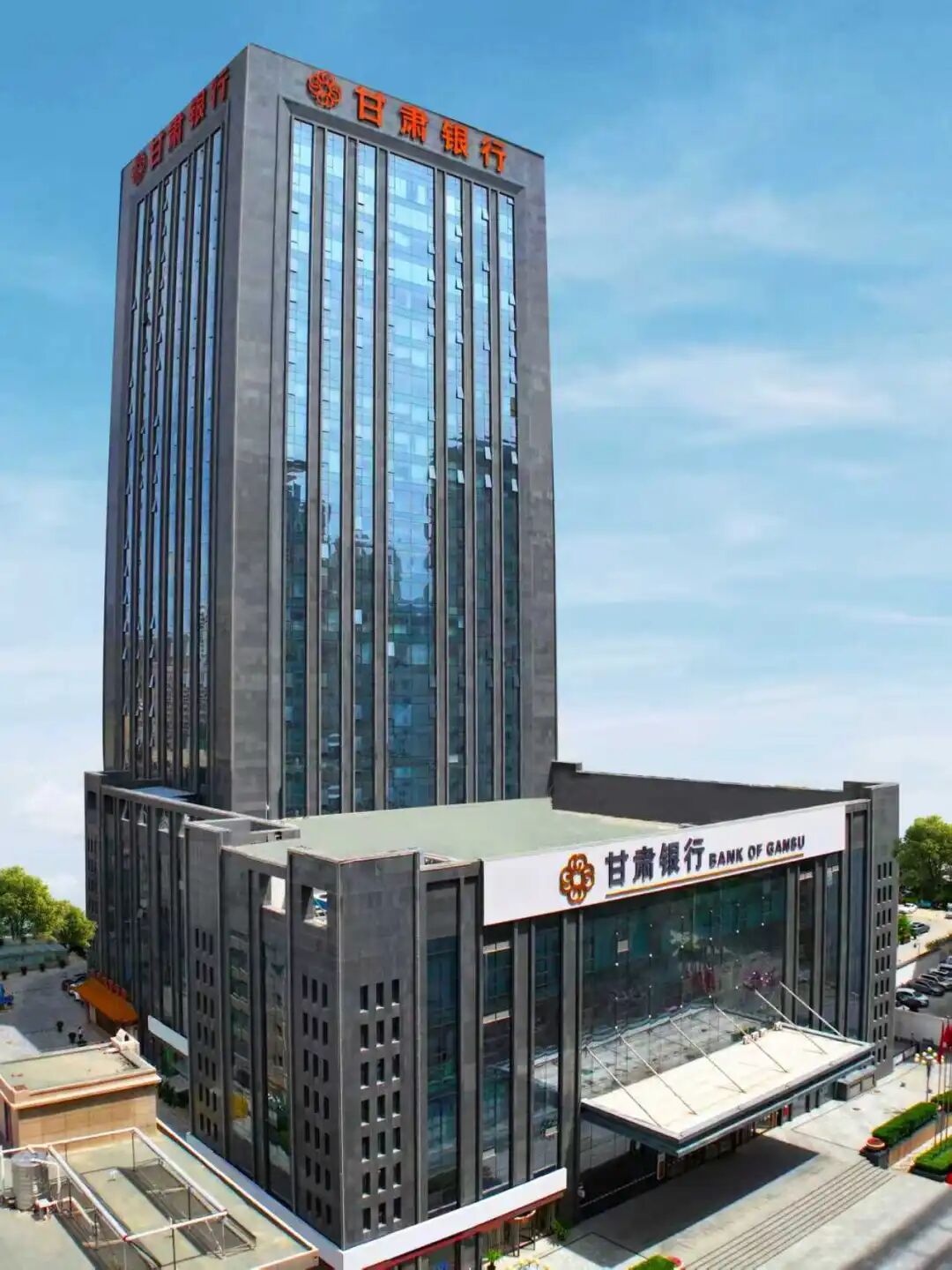
陇原金融新答卷:甘肃银行转型攻坚书写高质量发展篇章
Mei Ri Jing Ji Xin Wen· 2025-11-11 06:19
Core Viewpoint - Gansu Bank is focusing on serving the real economy and has transitioned from scale expansion to a new stage of quality and efficiency development, with a mission to support local economic growth and strategic transformation [1][3]. Financial Performance - From 2019 to June 2025, Gansu Bank's loan balance grew at an average annual rate of 6.7%, with savings deposits increasing by 116 billion and personal customers reaching 8.26 million [3]. - The bank's intermediary business income rose significantly, with its share increasing from 1.69% to 8.5%, and net income reaching 228 million [3]. - The bank maintained a low non-performing loan ratio while focusing on key areas such as inclusive small and micro loans and green finance, with inclusive small and micro loans growing at over 13% annually [3]. Strategic Focus - Gansu Bank has positioned itself as a regional development partner, aligning its growth with local strategic needs, and has provided over 400 billion in loans to key sectors such as energy, transportation, and tourism [4]. - The bank's manufacturing loans grew at an average rate of 8.33%, while loans to technology enterprises increased by 23.43% [4]. Inclusive Finance - Gansu Bank's inclusive finance services have reached 99 townships in Gansu Province, with agricultural loans totaling 42.7 billion [5]. - The bank has introduced specialized products like "medicinal materials loans" and "seed loans" under a tailored approach for each county [7]. Green Finance - The bank has developed a green finance action plan, with green loan balances reaching 206.78 billion and an annual growth rate of 7.8% [6]. - Key projects supported include wind and solar energy initiatives, with significant funding allocated to reduce financing costs for enterprises [6]. Technological Empowerment - Gansu Bank is undergoing a digital transformation, with mobile banking services reaching 4.224 million customers and smart counters replacing 74.78% of traditional counter services [8]. - The bank's data-driven risk control system has achieved a warning accuracy rate of 41.78%, successfully intercepting fraudulent funds [8]. Elderly Financial Services - The bank has established 19 elderly financial demonstration outlets and launched exclusive products for seniors, with 820,000 social security cards issued [9]. Innovation in Science and Technology Finance - The bank's technology loan balance reached 236.42 billion, with innovative products addressing challenges in intellectual property pledges [10]. Local Engagement - Gansu Bank has implemented community-focused initiatives, such as zero-fee payment solutions for local merchants, enhancing financial accessibility [11]. - The bank's efforts in ecological protection and support for local agriculture have positively impacted employment and community development [12][13]. Conclusion - Gansu Bank's transformation reflects its commitment to quality and efficiency, with a focus on technology, inclusive finance, and local economic development, positioning itself as a vital player in Gansu's financial landscape [14].

人保资产聚力创一流 做好金融“五篇大文章”提质效
Xin Hua Wang· 2025-11-11 02:14
Core Viewpoint - China People's Insurance Asset Management Co., Ltd. (referred to as "People's Asset") focuses on serving national strategies and enhancing financial services through various thematic financial initiatives, including technology finance, green finance, inclusive finance, pension finance, and digital finance [1][2][3]. Group 1: Technology Finance - People's Asset emphasizes investment in high-tech sectors such as artificial intelligence, biomedicine, and advanced manufacturing, with 49 projects in key technology industrialization and 52 invested companies recognized as national "little giant" enterprises [1]. - The "People's Asset - Advanced Manufacturing Industry Fund Equity Investment Plan" aims to support critical technology projects, contributing to the national manufacturing strategy [1]. Group 2: Green Finance - The company has launched the first "dual carbon" themed asset management product and several green debt investment plans, including projects in Henan and Beijing, to support green transformation and reduce carbon intensity in economic development [2]. - People's Asset is also involved in financing blue economy initiatives, such as offshore wind power construction in Guangdong [2]. Group 3: Inclusive Finance - People's Asset focuses on rural revitalization by introducing third-party funding to support local agricultural projects, including the establishment of an unmanned smart farm in Heilongjiang [2]. - The "People's Asset - Zhongguancun Technology Leasing No. 1 Asset Support Plan" is designed to empower small and micro enterprises through targeted financial support [2]. Group 4: Pension Finance - The company is actively participating in the construction of a multi-tiered pension insurance system and is developing high-quality pension financial products to support the aging population [3]. - People's Asset aims to identify investment opportunities in health care, elderly services, and smart aging sectors to enhance the vitality of the silver economy [3]. Group 5: Digital Finance - People's Asset is establishing a digital financial governance framework that integrates technology, data, and AI governance to enhance investment research and risk management [3]. - The company has developed a comprehensive information system platform to support various operational areas, contributing to the growth of China's digital economy [3].
【头条评论】 多方发力破解社会组织贷款难
Zheng Quan Shi Bao· 2025-11-10 18:34
Core Viewpoint - The rapid development of social organizations in China has become a crucial force in social construction and livelihood security, with over 871,800 organizations and more than 10 million jobs created by the end of 2024 [1] Group 1: Current Status of Social Organizations - Social organizations in China include social groups, foundations, and social service agencies, actively engaged in various sectors such as technology research, community services, elderly care, and charity [1] - Funding sources for social organizations are primarily reliant on social donations and government purchases of services, with over 70% expressing a need for loans, yet only 8% can secure bank loans as institutions [1][2] Group 2: Challenges in Loan Accessibility - Three main obstacles hinder loan accessibility for social organizations: 1. Ambiguous financial policy definitions, as social organizations are not clearly recognized as legitimate loan recipients under existing regulations [2] 2. Misalignment in credit assessment systems, where the unique characteristics of social organizations do not meet traditional bank loan evaluation criteria [2] 3. Lack of tailored financial products that align with the specific needs of social organizations, leading to difficulties in obtaining loans [2] Group 3: Risks of Personal Loans - A significant risk arises from social organizations obtaining loans under personal names, with 92% of those with borrowing records doing so, which can lead to high-interest debts and potential operational disruptions for the organizations [2] Group 4: Solutions for Loan Accessibility - Addressing the loan challenges for social organizations is essential for expanding inclusive finance and achieving mutual benefits. This requires collaboration among government, financial institutions, and social organizations [3] - Government actions should focus on policy improvement, risk sharing, and information sharing to create a solid financing foundation [3] - Financial institutions should innovate products, optimize assessments, and provide liability protections to enhance financing services for social organizations [4] - Social organizations need to strengthen governance, improve capabilities, and proactively engage with banks to enhance their financing competitiveness [4]
光大云缴费2025年服务超30亿人次,覆盖28省社保代收
Zhong Guo Jing Ying Bao· 2025-11-10 13:38
Core Viewpoint - The "Cloud Payment" service of Everbright Bank has become the most frequently used inclusive financial product, serving over 3 billion people by 2025 [1] Group 1: Service Overview - "Cloud Payment" has connected over 19,000 online payment services, including utilities, education, and social security [1] - The product supports medical and pension insurance collection services for residents and flexible employees in 28 provinces [1] - It has provided social security collection services for tax authorities in 12 provinces, serving over 260 million users [1] Group 2: Strategic Goals - Everbright Bank aims to align with the "14th Five-Year Plan" objectives, focusing on financial responsibilities and improving people's livelihoods [1] - The bank is committed to contributing to the construction of a modern financial system with Chinese characteristics and promoting the development of a strong financial nation [1]


规模、盈利、服务多点开花,郑州银行2025年三季度交出亮眼答卷
Bei Jing Shang Bao· 2025-11-10 12:31
Core Insights - Zhengzhou Bank has demonstrated strong growth in both scale and quality amidst challenges in the banking sector, achieving a total asset value exceeding 740 billion yuan, a year-on-year increase of 9.93%, marking a historical high for the same period [1][2] Asset Growth - As of September 30, 2025, Zhengzhou Bank's total assets reached 743.55 billion yuan, with an increase of 67.19 billion yuan compared to the previous year, showcasing the bank's core capability in serving regional economic needs [2] - The bank's total deposits amounted to 459.52 billion yuan, reflecting a growth of 13.59%, with personal deposits increasing by 22.44% to 267.14 billion yuan, indicating enhanced brand loyalty and effective customer retention strategies [2] Revenue and Profitability - The bank's operating income for the first three quarters was 9.395 billion yuan, a year-on-year increase of 3.91%, while net profit attributable to shareholders reached 2.279 billion yuan, up 1.56%, indicating a balanced approach to growth and quality [1][2] - Net interest income reached 7.816 billion yuan, growing by 5.83%, while non-interest income rose significantly to 1.579 billion yuan, demonstrating diversification in revenue streams that mitigates risks from interest margin fluctuations [3] Credit and Retail Business - Zhengzhou Bank issued loans totaling 406.72 billion yuan, a growth of 4.91%, with a focus on key sectors and small and micro enterprises, reflecting its commitment to supporting the real economy [4] - The bank's retail transformation strategy has shown positive results, with personal loan balances reaching 96.31 billion yuan, an increase of 5.88%, indicating a robust growth trajectory in retail banking [4][5] Risk Management and Cost Efficiency - The bank maintained a provision coverage ratio of 186.17%, an increase of 19.94 percentage points year-on-year, and a non-performing loan ratio of 1.76%, down 0.1 percentage points, indicating stable asset quality [6] - Total operating and management expenses were 2.243 billion yuan, a decrease of 0.56 billion yuan, leading to a cost-to-income ratio of 23.99%, down 1.57 percentage points, showcasing effective cost control measures [7]
七度蝉联!中银三星人寿荣获2025“金融金鼎奖”年度卓越人寿保险公司
Mei Ri Jing Ji Xin Wen· 2025-11-10 09:18
切实做好金融"五篇大文章"。中银三星人寿坚定践行金融工作的政治性与人民性,积极响应国家战略,展现险企担当。在科技金融领域,公司聚焦集成电 路、电子信息、高端装备等战略新兴产业,科技金融投资规模达19亿元,同比增长36.83%,以险资活水精准滴灌科技创新主战场。在绿色金融领域,积 极助力绿色发展,推动实现"双碳"目标。绿色投资余额突破66亿元,重点投向节能环保、生态环境及基础设施绿色升级领域,同时通过无纸化运营,实现 电子投保率近90%、电子回执率达99.78%,以数字化转型推动低碳发展。在普惠金融领域,通过中国银行"惠如愿"平台覆盖98家小微企业,累计提供保障 覆盖5699人、保额19.98亿元,开展专项宣传361次惠及2.4万人次,切实发挥保险社会"稳定器"作用。在养老金融领域,构建"产品+服务"双轮驱动模式, 推出37款面向60岁以上老人的专属产品,创新"银发服务通道"与"心相伴"养老专属服务,全年提供银发服务超10万次。在数字金融领域,以"三横两纵一 线"数据架构为基座,基础资源云化比例达60%,上线40余项自动化流程,客户服务效率提升40%,进一步实现科技与业务的深度融合。 11月7日,由每日经济新闻 ...

一周流动性观察 | 央行公开市场本周到期规模缩量至4900+亿元 政府债净缴款压力提升
Xin Hua Cai Jing· 2025-11-10 07:15
Core Points - The People's Bank of China (PBOC) conducted a 7-day reverse repurchase operation of 119.9 billion yuan at an interest rate of 1.40%, maintaining the previous rate, resulting in a net injection of 41.6 billion yuan after 78.3 billion yuan of reverse repos matured on the same day [1] - Last week, the PBOC's reverse repos saw a net withdrawal of 1,572.2 billion yuan, the highest level since February 2024 [1] - The overall liquidity remains loose, with overnight funding rates (R001) stable at 1.36% and 7-day funding rates (R007) around 1.46% [1] Group 1 - The upcoming week (November 10-14) will see a significant decrease in reverse repo maturities to 495.8 billion yuan, while government bond net payments will rise to 424.2 billion yuan, indicating a potential for increased liquidity support from the PBOC [2] - Analysts suggest that despite the increase in government bond net payments, the PBOC is likely to maintain its liquidity support, which may stabilize funding rates around 1.35-1.36% for overnight rates and 1.47% for 7-day rates [3] - The PBOC's recent report emphasizes the importance of monetary policy tools in supporting inclusive finance and improving financial services in key areas such as employment and education [3] Group 2 - Overall, the payment pressure in November may be greater than in October, but with the PBOC's supportive stance, the risk of liquidity tightening is considered limited [4] - The PBOC's holdings in the government bond market are around 6%, indicating room for adjustment compared to developed countries [4] - Analysts recommend focusing less on daily fluctuations in funding prices, as the prevailing trend since June has been one of liquidity easing, with optimistic signals in recent funding characteristics [4]