
风险管理

Search documents
期货工具成为企业风险管理“新标配”
Qi Huo Ri Bao Wang· 2025-05-05 16:03
Core Viewpoint - The photovoltaic glass industry is undergoing a significant adjustment period, with many companies facing severe profit compression and nearly half experiencing losses, leading to a record low industry gross margin below 10% [1][2][3]. Industry Challenges - The year 2024 is marked by substantial challenges for photovoltaic glass companies, with ongoing price declines impacting revenue and profit, forcing many to cut costs and optimize operations to survive [2][3]. - The rapid expansion of production capacity in previous years has led to an oversupply situation, causing prices to drop and profits to shrink, with many companies now adopting a strategy of exchanging price for volume to alleviate inventory pressure [3][4]. - The industry is experiencing a tightening of the capital chain, prompting companies to implement cost-cutting measures, including layoffs and the shutdown of less efficient production lines [2][3]. Strategic Responses - Companies are taking various measures to cope with the current difficulties, including production cuts to stabilize prices, technological upgrades to improve product quality, and market expansion both domestically and internationally [4][5]. - Many photovoltaic glass companies are formulating capacity withdrawal plans in response to declining profits, with expectations of further capacity exits concentrated in the second half of the year [5]. Future Opportunities - The photovoltaic glass market is expected to see positive signals in 2025 due to supportive policies and industry self-regulation, with a projected recovery in prices and profitability for leading companies [6][7]. - The growth momentum for photovoltaic glass is shifting from solely supporting photovoltaic components to a dual-driven model of "building decoration + overseas markets," creating new competitive opportunities [6][7]. - The demand for photovoltaic glass is anticipated to rise in the construction and infrastructure sectors, driven by policy support and the increasing adoption of integrated photovoltaic solutions in buildings [8]. Risk Management - Companies are enhancing their risk management awareness, increasingly exploring the use of financial derivatives to hedge risks and improve financial stability [10][11]. - There is a growing call within the industry for the introduction of photovoltaic glass futures to better manage sales-side risks, as current reliance on soda ash futures does not fully cover the sales risk exposure [11][12].
国有大行利率又降了!普通家庭如何让存款不缩水?3个思路说透了
Sou Hu Cai Jing· 2025-05-05 14:59
Group 1 - The recent collective reduction of deposit rates by six major state-owned banks has caused significant concern among ordinary households, with three-year fixed deposit rates falling below 1.5% and large-denomination certificates of deposit yielding only 1.9% [1] - Over the past decade, there has been a clear downward trend in bank deposit rates, with three-year fixed deposit rates dropping from around 5% in 2015 to 1.5% today, leading to a substantial decrease in interest income for depositors [1] - The phenomenon of "negative interest rates" is pressuring many conservative investors and retirees who rely on deposit interest for income, as real returns may be negative when considering inflation [1] Group 2 - Investors are increasingly turning to the stock market as a response to shrinking savings, although the stock market carries its own risks and is not a guaranteed safe haven [1] - The annualized return of the Shanghai Composite Index over the past decade has been 5.8%, significantly higher than the current deposit rates, but this figure is accompanied by many investors' losses [1] Group 3 - Stock market investment requires caution, and investors should adhere to principles such as only using idle funds that are not needed for three years, limiting individual stock investments to no more than 20% of total assets, and focusing on essential sectors like consumer goods and healthcare [3] - Diversification is recommended for investors with lower risk tolerance, with options including high-quality bonds, money market funds, gold, and bank wealth management products [5] Group 4 - Ordinary households should enhance their financial literacy to rationally cope with the pressure of declining deposits, focusing on understanding different investment products and avoiding blind speculation [7] - It is essential to adopt a long-term investment perspective and optimize household financial structures to improve risk resilience, including reducing unnecessary expenses and increasing income sources [7]


巴菲特时代即将落幕!他留给我们哪些宝贵财富?
Sou Hu Cai Jing· 2025-05-04 23:39
60年来,巴菲特执掌的伯克希尔哈撒韦,市值增长超过5.5万倍,同期标普500指数的增长率只有390倍。从1965年至2024年,伯克希尔哈撒韦实现的年复合 增长率接近20%。即使是在公司大体量规模的基础上,依然不改伯克希尔哈撒韦亮眼的市场表现。 年近95岁的巴菲特,执掌伯克希尔哈撒韦公司已经有60年的时间。在60年的时间里,巴菲特带领着伯克希尔哈撒韦从小公司变成了大公司,再从大公司变成 了巨无霸公司,为长期坚守伯克希尔哈撒韦的股东们创造出非常可观的投资收益率。 在2025年巴菲特股东大会上,巴菲特在现场宣布了他的退休计划,并计划在今年底退休,并由格雷格·阿贝尔接任伯克希尔哈撒韦的首席执行官职位。 年近95岁的巴菲特宣布退休,虽然大家早有预期,但当大家听到了这个消息之后,难免会有些意外。当巴菲特正式退休之后,将宣布巴菲特时代正式落幕, 伯克希尔哈撒韦即将进入格雷格·阿贝尔的时代。 巴菲特是全球公认的投资大师,多年来一直有人在模仿复制巴菲特,但真正成功模仿的人却寥寥无几。 当下,美股市场正处于牛熊转换的阶段,而且美国经济面临着巨大的不确定风险。在此背景下,伯克希尔哈撒韦的现金储备规模创出了历史新高,接近3500 ...
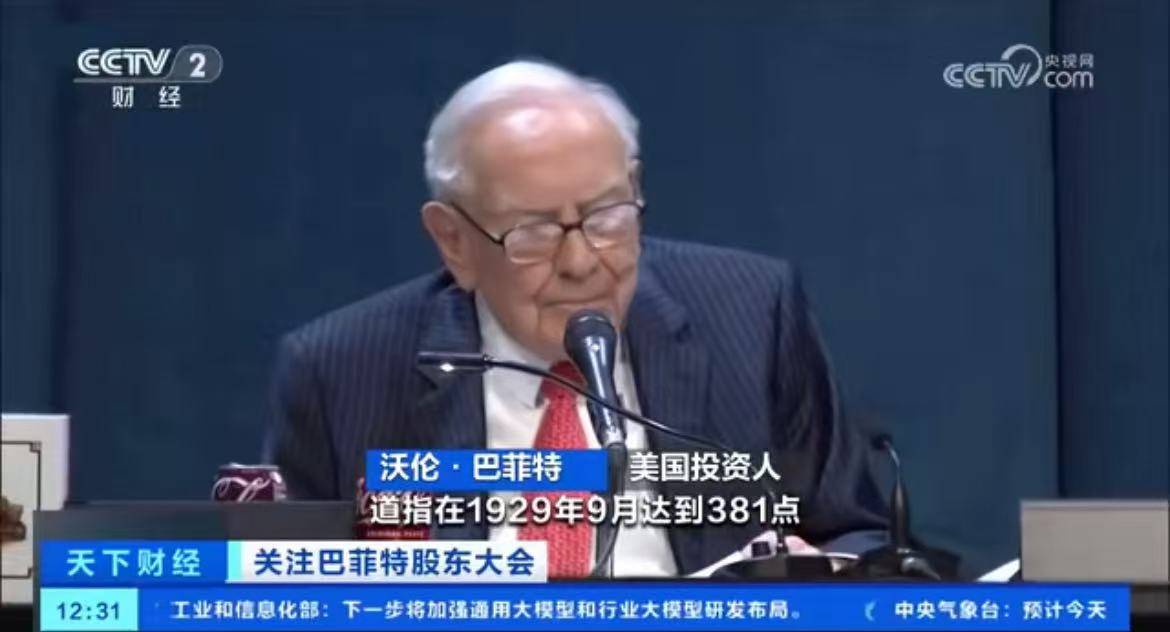
一个时代落幕!巴菲特宣布退休,“股神”也有失手时?
2 1 Shi Ji Jing Ji Bao Dao· 2025-05-04 12:50
Group 1 - Warren Buffett announced his retirement as CEO of Berkshire Hathaway by the end of 2025, recommending Greg Abel as his successor, which surprised the audience and marked a significant transition for the company [1][2] - Greg Abel has been trusted by Buffett for years and has managed most of Berkshire's non-insurance businesses, but he does not have direct experience in investment decision-making like Buffett [2] - Buffett expressed confidence in Abel's leadership and stated he would not sell any of his Berkshire shares, believing the company could perform even better under Abel's management [2][3] Group 2 - Berkshire Hathaway reported a decline in operating profit for Q1 2025, with a profit of $9.641 billion compared to $11.222 billion in the same period last year [4][5] - The company's revenue for Q1 was $89.7 billion, remaining stable year-over-year, but net profit attributable to shareholders dropped 63% to $4.6 billion [5] - The investment segment suffered a loss of $5.038 billion due to market volatility and unfavorable exchange rates, while the insurance business faced challenges from natural disasters [6] Group 3 - Despite the investment losses, Berkshire's stock price increased by 18.86% this year, reflecting market confidence in the company's long-term fundamentals [6] - The company's cash reserves stand at $347.7 billion, indicating a strong liquidity position and a cautious approach to current market conditions [6]
一个时代落幕!巴菲特宣布退休,“股神”也有失手时?
21世纪经济报道· 2025-05-04 12:38
Core Viewpoint - Warren Buffett announced his retirement as CEO of Berkshire Hathaway by the end of 2025, recommending Greg Abel as his successor, which surprised many at the annual shareholder meeting [1][2]. Group 1: Leadership Transition - Greg Abel, who has been entrusted by Buffett for years, will take over as CEO, although he has not previously made direct investment decisions [2]. - Buffett expressed confidence in Abel's ability to manage the company and stated he would not sell any of his Berkshire shares, indicating his belief in the company's future under Abel's leadership [2]. Group 2: Financial Performance - Berkshire Hathaway reported a decline in operating profit for Q1 2025, with a profit of $9.641 billion compared to $11.222 billion in the same period last year [4]. - The company's revenue for Q1 was approximately $89.7 billion, with net profit attributed to shareholders dropping to $4.6 billion, a 63% decrease year-over-year [4][5]. - The insurance segment faced challenges, particularly due to wildfires in Southern California, resulting in a loss of $1.3 billion [5]. Group 3: Investment Insights - Berkshire's investment segment suffered a loss of $50.38 billion in Q1, attributed to market volatility and unfavorable exchange rates [5]. - Despite the investment losses, Berkshire's stock price increased, with A shares rising 18.86% this year, reflecting market confidence in the company's long-term fundamentals [5].

“股神”也有失手时? 巴菲特一季度投资亏了50亿美元
Sou Hu Cai Jing· 2025-05-04 08:51
Core Insights - Berkshire Hathaway reported a significant decline in operating profit for Q1 2025, dropping to $9.641 billion from $11.222 billion year-over-year [1] - The company's net profit attributable to shareholders fell by 63% to $4.6 billion, despite revenue remaining stable at $89.7 billion [1] - Investment losses amounted to $5.038 billion, primarily due to market volatility and unfavorable exchange rates [2] Financial Performance - Operating profit decreased to $9.641 billion from $11.222 billion year-over-year [1] - Revenue for Q1 2025 was $89.7 billion, roughly unchanged from the previous year [1] - Net profit attributable to shareholders was $4.6 billion, a 63% decline compared to the same quarter last year [1] Business Segments - The insurance segment faced challenges, incurring a loss of $1.3 billion due to wildfires in Southern California [1] - Energy business performed well, with net profit increasing by nearly 50%, although natural gas profits were impacted by high interest rates [1] - The investment segment suffered the most, with a total loss of $5.038 billion attributed to stock market fluctuations and currency issues [2] Market Sentiment - Despite the investment losses, Berkshire's stock price increased by 18.86% year-to-date, marking ten consecutive months of gains [3] - The price-to-book ratio reached 1.79, the highest since 2007, and the projected P/E ratio for 2025 is 25, above the S&P 500's approximate 20 [3] - The market continues to show confidence in Berkshire's long-term fundamentals, reflecting institutional trust in the company's management [3] Strategic Considerations - Berkshire holds $347.7 billion in cash, maintaining its status as a "cash king" [2] - The company expressed concerns over the uncertainty brought by the Trump administration's tariff policies and geopolitical risks, affecting product costs and supply chains [2] - Warren Buffett emphasized the importance of not using trade as a weapon, advocating for a wealthier world that benefits all [3]
82倍财富增长背后的策略秘密:揭秘顶级富豪交易员的高胜率交易系统
Sou Hu Cai Jing· 2025-05-04 03:20
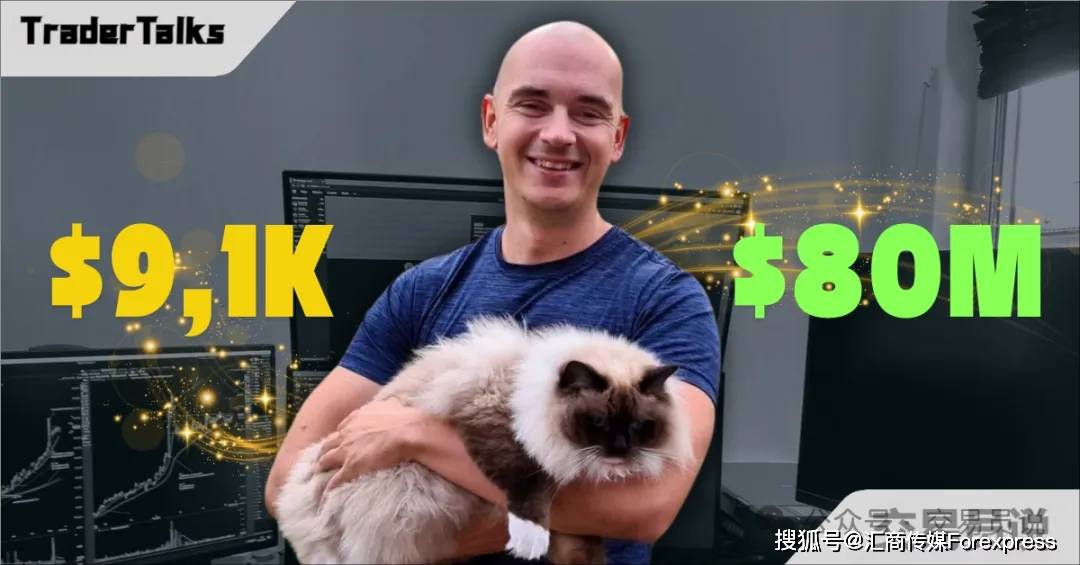
Core Insights - The article focuses on the trading success story of Kristjan Kullamägi, a Swedish trader who turned $9,100 into over $80 million from 2013 to 2021 through effective swing trading techniques [2][30] - It aims to delve deeper into Kullamägi's specific trading strategies, which many readers expressed interest in after the initial article [2] Trading Journey - Kullamägi began his trading career in 2011 as a day trader and experienced multiple account blow-ups in his early years, a common path for many new traders [3] - He transitioned from low time-frame trading to higher time-frame trading, discovering that longer holding periods provided more opportunities [3] Position Control and Risk Management - Kullamägi's strategy dictates that no single overnight position should exceed 30% of the account, with typical trade sizes around 10%-20% of the account [4] - He manages risk by limiting each trade's risk to 0.25%-1% of the total account value, adjusting his risk strategy as his account size grows [5] Swing Trading Strategy - Kullamägi's swing trading approach combines technical analysis, market psychology, and disciplined execution, allowing traders to profit from short to medium-term market fluctuations [6] - The core of his strategy involves identifying market trends and momentum, utilizing technical indicators, earnings seasons, and significant market events [6] Stock Selection Methodology - Relative strength is the primary criterion for stock selection, focusing on stocks that have shown strong performance over one, three, and six-month periods [6][7] - Kullamägi builds a watchlist of stocks with high relative strength, looking for specific patterns like the High Tight Flag, which indicates potential explosive growth [7] Breakout Opportunities - Identifying breakout opportunities is crucial, whether from a downtrend line or a High Tight Flag pattern, signaling continued upward momentum [8][11] - Kullamägi emphasizes the importance of volume during breakouts, as increased volume indicates market confidence in the stock's upward trend [11] Key Trading Patterns - The High Tight Flag breakout is a cornerstone of Kullamägi's strategy, predicting significant price movements after a rapid rise followed by a tight consolidation phase [9][12] - He advises traders to look for stocks that have risen 30% or more in the past 30 to 90 days and are currently in a consolidation phase [13][15] Execution and Risk Management - Kullamägi's entry strategy involves buying at the breakout point, using 1-minute or 5-minute candlestick charts for precise entry [16][24] - Risk management is critical, with stop-loss orders set below the day's low or within the average true range (ATR) to protect against significant losses [18][25] Episodic Pivot Strategy - The Episodic Pivot (EP) strategy focuses on stocks that experience significant price jumps due to positive news, which can lead to sustained upward trends [21] - Kullamägi identifies EP opportunities by looking for stocks that gap up over 10% at the open with high volume, confirming strong fundamental reasons behind the move [22] Market Dynamics and Short Selling - In extreme markets, Kullamägi targets rapidly rising stocks for potential short-selling opportunities, looking for signs of momentum exhaustion [28][29] - He waits for clear reversal signals before initiating short positions, ensuring alignment with market momentum changes [29] Conclusion - Kullamägi's trading strategies emphasize the importance of precise entry points, market catalysts, and disciplined risk management [40] - The article aims to provide traders with insights into effectively applying these strategies in real trading scenarios, enhancing their ability to identify and capitalize on market opportunities [40]
Intercontinental Exchange(ICE) - 2025 Q1 - Earnings Call Transcript
2025-05-01 12:30
Financial Data and Key Metrics Changes - First quarter earnings per share reached $1.72, up 16% year over year, with net revenue increasing by 8% to a record $2,500,000,000 [6][8] - Adjusted operating income rose by 11% year over year to a record $1,500,000,000, while adjusted operating expenses totaled $964,000,000, slightly below guidance [7][8] - The company returned $519,000,000 to shareholders, including $241,000,000 in share repurchases, while reducing leverage to under 3.2 times EBITDA [8] Business Line Data and Key Metrics Changes - **Exchange Segment**: First quarter net revenues reached a record $1,400,000,000, up 12% year over year, with transaction revenues increasing by 16% [9][10] - **Fixed Income and Data Services Segment**: Revenues totaled a record $596,000,000, with transaction revenues growing by 16% and recurring revenues increasing by 5% [11][12] - **Mortgage Technology Segment**: First quarter revenues were $510,000,000, with recurring revenues of $397,000,000, driven by servicing business growth [13][14] Market Data and Key Metrics Changes - Total average daily volumes in global futures markets increased by 23% to a record 10,000,000 lots in Q1, with significant growth in energy and interest rate markets [16][17] - Open interest across markets grew by 8% year over year, indicating strong market health and risk management activity [17][36] - In the energy markets, record trading volumes were achieved, with oil revenues growing by 17% year over year [19][36] Company Strategy and Development Direction - The company is focused on maintaining a balanced mix of transaction and subscription revenues to provide growth while managing risks [34] - ICE aims to leverage its technology and data services to enhance customer experiences and improve operational efficiencies across its platforms [32][34] - The launch of NYSE Texas reflects the company's strategy to stay close to customers and capitalize on regional market opportunities [75][76] Management's Comments on Operating Environment and Future Outlook - Management highlighted the importance of risk management in the current macroeconomic and geopolitical environment, with increasing demand for their services [16][36] - The company remains optimistic about continued growth in energy trading volumes and interest rate markets, driven by ongoing geopolitical dynamics [37][38] - Management expressed confidence in the strength of their business model and the ability to navigate market uncertainties [14][34] Other Important Information - The company expects adjusted operating expenses for Q2 to be in the range of $980,000,000 to $990,000,000, influenced by currency fluctuations and merit increases [8] - The backlog for new IPOs remains strong, with a variety of companies seeking to raise capital when market volatility decreases [10] Q&A Session Summary Question: Investor interest in the ROCCAT purchase of Mr. Cooper - Management views the acquisition as validation of their strategy, emphasizing their independent and neutral position in the mortgage market [44][46] - They noted that Rocket Cooper represents a small percentage of their revenues, and any potential transition away from ICE would take time [48][49] Question: Updated thoughts on M&A and capital deployment - Management is focused on deleveraging and returning capital through share buybacks, while remaining open to M&A opportunities that provide better ROI [52][55] Question: Dynamics in energy markets and customer hedging needs - Management indicated that the current environment presents new risks for clients, leading to increased demand for their risk management services [60][62] Question: Fixed income data performance and sales cycles - Management noted that while sales cycles for complex products may be lengthening, individual product sales remain stable [85][86]

Intercontinental Exchange(ICE) - 2025 Q1 - Earnings Call Transcript
2025-05-01 12:30
Financial Data and Key Metrics Changes - First quarter earnings per share reached $1.72, up 16% year over year, with net revenue increasing by 8% to a record $2,500,000,000 [5][6] - Adjusted operating income rose by 11% year over year to a record $1,500,000,000, while adjusted operating expenses totaled $964,000,000, slightly below guidance [6][12] - The company returned $519,000,000 to shareholders, including $241,000,000 in share repurchases, while reducing leverage to under 3.2 times EBITDA [6][12] Business Line Data and Key Metrics Changes - Exchange segment net revenues reached a record $1,400,000,000, up 12% year over year, with transaction revenues increasing by 16% [7][9] - Fixed Income and Data Services segment revenues totaled $596,000,000, with transaction revenues growing by 16% year over year [10][11] - Mortgage technology revenues were $510,000,000, with recurring revenues up year over year, driven by servicing business improvements [12][26] Market Data and Key Metrics Changes - Total average daily volumes in global futures markets increased by 23% to a record 10,000,000 lots in the first quarter [14][15] - Open interest across markets grew by 8% year over year, indicating strong market health and risk management activity [15][35] - In energy markets, record trading volumes were achieved, with oil revenues growing by 17% year over year [16][17] Company Strategy and Development Direction - The company is focused on maintaining a mix of transaction and subscription revenues to provide growth while hedging downside risks [33] - Continued investment in technology and data services is aimed at enhancing customer engagement and operational efficiencies [26][24] - The launch of NYSE Texas reflects the company's strategy to stay close to customers and capitalize on regional market opportunities [78] Management's Comments on Operating Environment and Future Outlook - Management highlighted the importance of managing risks amid macroeconomic and geopolitical uncertainties, with a focus on energy and interest rate markets [15][36] - The company expects continued strong performance in energy trading volumes and open interest, driven by geopolitical dynamics [36][37] - Management remains optimistic about the mortgage technology segment, anticipating significant revenue contributions from new client implementations [80] Other Important Information - The company signed 20 new Encompass clients in Q1, indicating strong demand for its mortgage technology solutions [46] - The backlog for new IPOs remains strong, with the NYSE raising over $4,000,000,000 in new proceeds in the first quarter [9][10] - The company is exploring M&A opportunities while prioritizing share buybacks as a means of returning capital to shareholders [53][54] Q&A Session Summary Question: Investor interest in the ROCCAT purchase of Mr. Cooper - Management views Rocket's strategy as validation of their own end-to-end platform development, emphasizing their neutral position and client-centric approach [42][44] - The potential transition of business from Flagstar and Cooper is expected to take time, with no immediate impact on 2025 guidance [48] Question: Updated thoughts on M&A and focus areas - Management is focused on deleveraging to enable share buybacks while remaining open to M&A opportunities that provide better ROI than share repurchases [51][54] Question: Dynamics in energy markets and customer hedging needs - Management noted that increased risks in the current environment are driving demand for risk management solutions, with open interest growing alongside trading volumes [58][62] Question: Fixed income data performance and sales cycles - Management indicated that while sales cycles for complex products may lengthen, individual product sales remain stable, with a sequential decline in revenues attributed to fewer one-time sales and market conditions [85][89]
兴业国际信托有限公司2024年年度报告摘要
Shang Hai Zheng Quan Bao· 2025-04-30 02:43
Company Overview - The company has a total of 6 shareholders, with 5 major shareholders holding a combined equity stake of 82.3333% [3][4] - The company has undergone changes in its board of directors, with new appointments and resignations noted [5][8] Governance Structure - The board consists of 8 directors, including 3 independent directors [5][6] - The company has a supervisory board with 3 members, including 2 employee supervisors [6] Employee Information - As of the reporting period, the company has 380 employees with an average age of 39 years [9] - The educational background of employees includes 5 PhDs (1.32%), 187 Master's degrees (49.21%), and 185 Bachelor's degrees (48.68%) [9] Compensation System - The company has established a compensation management system that emphasizes fairness internally and competitiveness externally [10] - Performance-based compensation includes both short-term and long-term incentives, with a focus on aligning pay with risk-adjusted performance [11] Anti-Corruption Measures - The company has implemented strict anti-corruption measures and has established a comprehensive supervision mechanism to prevent corruption [12] Business Management - The company aims to enhance its professional service capabilities and support the strategic implementation of the parent bank's "commercial bank + investment bank" strategy [13][15] - The strategic plan includes a focus on risk management and the development of three major business systems: asset service trust, asset management trust, and public welfare trust [15][16] Market Analysis - The macroeconomic environment in 2024 shows resilience, with opportunities arising from policy support and market demand [17][18] - The trust industry is expected to grow, with significant increases in asset service trusts and asset management trusts [18][19] Risk Management - The company faces various risks, including credit risk, market risk, operational risk, and compliance risk [26] - A comprehensive risk management framework is in place, with specific strategies for managing credit and market risks [34][35] Financial Performance - As of the reporting period, the company's trust assets totaled 404.427 billion yuan, with a focus on maintaining adequate provisions for potential losses [28] - The company has a structured approach to managing its financial assets, including a significant portion allocated to securities investments [31]