人民币国际化

Search documents
国际航空运输协会新增人民币作为结算货币,“人民币国际化的又一里程碑”
Sou Hu Cai Jing· 2025-11-06 15:24
Core Insights - The internationalization of the Renminbi (RMB) is accelerating, with the International Air Transport Association (IATA) announcing the inclusion of RMB in its settlement currency list, allowing global airlines to settle transactions in RMB starting December [1][2] - The People's Bank of China (PBOC) has shifted its stance on RMB internationalization, emphasizing a proactive approach to expand the use of RMB in trade and finance [2] - The RMB has become the second-largest trade financing currency globally and the third-largest payment currency, with significant growth in cross-border transactions [3] Group 1: IATA and RMB Settlement - IATA's announcement allows for RMB settlements, which will reduce costs and speed up transactions for airlines [1] - The IATA platform currently supports seven major currencies, processing a total of $63.8 billion in settlements last year [1] Group 2: PBOC's Policy Shift - PBOC Governor Pan Gongsheng has indicated a more aggressive push for RMB internationalization, marking a shift from previous cautious language [2] - The RMB internationalization is now a strategic initiative within China's 14th Five-Year Plan [2] Group 3: Cross-Border RMB Transactions - In 2024, the total RMB cross-border payment amount is projected to reach 64.1 trillion yuan, a year-on-year increase of 22.6% [3] - Significant growth in RMB usage is noted in ASEAN countries, with a 50.7% increase in cross-border payments to 8.9 trillion yuan [3] - The RMB cross-border payment amount with the Middle East is expected to reach 1.1 trillion yuan in 2024, reflecting a 23.8% growth [3] Group 4: Global Payment Trends - The share of RMB in global payments has increased from 2.07% at the end of 2018 to 3.17% in September of this year [4]
冻结147亿成笑话,安世要人民币结算,荷兰抢空壳,美元霸权慌了
Sou Hu Cai Jing· 2025-11-06 11:10
Core Viewpoint - The recent takeover of Nexperia by the Dutch government has sparked significant controversy, revealing the complexities of global semiconductor supply chains and the shifting power dynamics between China and the West [1][3][12]. Group 1: Company Actions and Reactions - The Dutch government’s unexpected takeover of Nexperia, valued at 14.7 billion RMB, raised concerns about potential ownership changes in a key player in the automotive chip sector [1][3]. - Following the takeover, Nexperia China announced a suspension of chip supplies to the European market starting October 4, leading to immediate disruptions in the global supply chain, particularly affecting European automotive companies [12][14]. - Nexperia China later confirmed it would resume supplies but under strict conditions: limiting sales to the Chinese market and requiring all transactions to be settled in RMB, rejecting the authority of the Dutch headquarters [14][16]. Group 2: Industry Implications - The core production capacity of Nexperia has shifted to China, with the Dongguan factory accounting for 70% of its packaging capacity, while the Dutch headquarters primarily handles administrative functions [7][10]. - The global automotive industry relies heavily on chips produced in Dongguan, with 70% of automotive power chips originating from this facility, highlighting the critical nature of this production site [8][10]. - The situation illustrates a significant shift in the global industrial landscape, where China, holding 30% of global manufacturing, is now leveraging its production capabilities to push for the internationalization of the RMB, challenging the dominance of the US dollar in cross-border transactions [18][20].

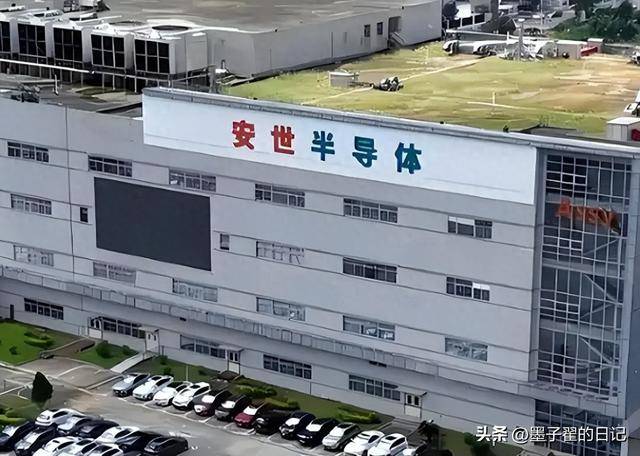
冻结147亿也没用!安世要求必须用人民币结算,荷兰抢了个空壳?
Sou Hu Cai Jing· 2025-11-06 10:40
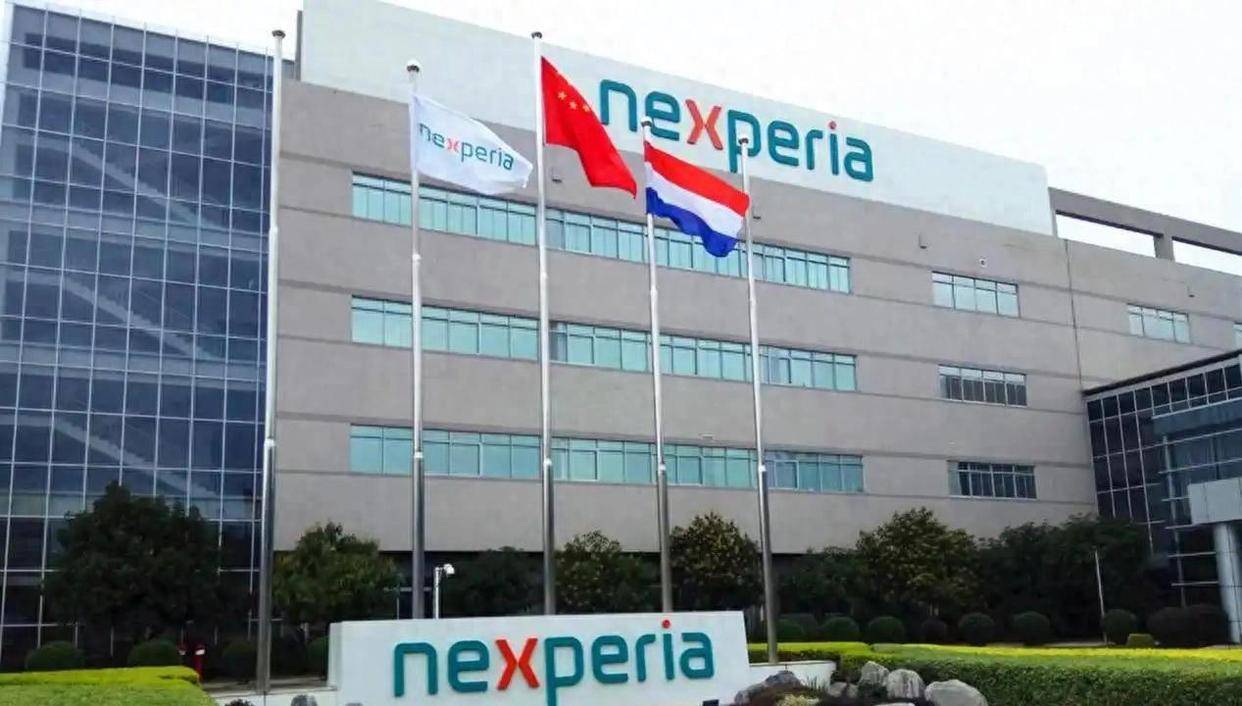
不得不说,荷兰政府雷厉风行,直接动用了一部冷战时期几乎被人遗忘的《商品供应法》,以"保障国家安全"为由,一举接管了半导体巨头安世 (Nexperia)的荷兰总部。 这场行动看上去准备充分,不仅罢免了中方的CEO张学政,还直接冻结了高达147亿人民币的巨额资产。 这一系列操作,背后显然有美国的影子,就在几个月前的6月,华盛顿就曾向荷兰方面施压,暗示更换CEO是让安世脱离实体清单的先决条件。 而荷兰这次的行动,也恰好紧随美国9月29日升级出口管制之后,时间点拿捏得相当"默契",更让人玩味的是,安世公司内部的一些外籍高管,也在 这场风波中与荷兰政府进行了内外配合。 就在所有人都以为这会是一场单方面的碾压时,戏剧性的一幕发生了,荷兰人兴高采烈地拿下了总部,却发现自己抢到手的,可能只是一个法律意 义上的"空壳",这个所谓的荷兰总部,根本不具备任何实际的生产能力。 而这一切的真正风暴眼就在中国。 安世半导体的命脉,根本不在欧洲那间办公室里,而在遥远的中国东莞,那里的工厂,承担了整个公司超过70%的封装产能。 要知道,全世界每十颗汽车顶级功率芯片里,就有七颗是东莞这家工厂造的,这才是安世最值钱的地方。 中国的反制来得又快又 ...
MOX债券发行上市总规模累计突破10361亿澳门元
Xin Hua Cai Jing· 2025-11-06 10:20
Core Insights - As of October 2025, the total scale of bond issuance and listing by China (Macau) Financial Assets Exchange Co., Ltd. (MOX) has reached approximately 10,361.91 billion MOP [1] - The issuance of RMB-denominated bonds has been particularly notable, with a cumulative scale of about 4,531.08 billion MOP, indicating steady progress in the internationalization of the RMB in the Macau market [1] - The issuance of green bonds has reached approximately 1,740.32 billion MOP, highlighting the growing importance of green finance in the local capital market [1] Bond Market Developments - The scale of free trade zone bonds listed is approximately 1,143.45 billion MOP, while the issuance of land bonds is about 315.28 billion MOP, further enriching the product structure of the MOX bond market and enhancing market vitality [1] - In October 2025, MOX welcomed 10 new bonds with a total scale of approximately 141.22 billion MOP [1] - From January to October 2025, MOX has undertaken a total of 287 bond listing transactions, with a cumulative scale of about 2,362.14 billion MOP [1] Market Positioning - Industry insiders indicate that with the successful listing and continuous expansion of various bond products, MOX is gradually becoming an important bond financing platform in the Guangdong-Hong Kong-Macau Greater Bay Area and even in the international capital market, injecting new momentum into the development of Macau's modern financial industry [1]
中国抛40亿美元债,华尔街急了!不是缺钱,是拆美元霸权“戏台”
Sou Hu Cai Jing· 2025-11-06 09:42
Core Viewpoint - The issuance of USD-denominated sovereign bonds in Hong Kong by China is a strategic move that goes beyond mere borrowing, aiming to reshape international financial discourse, challenge USD hegemony, and diversify funding channels [1][3][24] Group 1: Strategic Implications - The issuance is not primarily about lacking USD but is a strategic action to enhance China's role in the global financial system [3][4] - By issuing bonds in USD, China aims to establish a pricing and credit benchmark that signals its creditworthiness comparable to the US [4][10] - This move could challenge the long-standing dominance of the USD in global capital flows and bond pricing [4][15] Group 2: Timing and Location - The announcement coincides with high-level US-China negotiations, suggesting a strategic timing to enhance China's negotiating position [6][9] - Hong Kong is chosen as the issuance location due to its status as an international financial center with a mature USD bond market [6][10] Group 3: Market Dynamics - The interest rate on the bonds will be a critical indicator of China's creditworthiness; a lower rate compared to US Treasury bonds would send a strong signal to the market [8][22] - The issuance is expected to attract global institutional investors, potentially altering traditional capital flows that favor US assets [10][19] Group 4: Long-term Vision - This bond issuance may serve as a precursor to future RMB-denominated bonds, laying the groundwork for the internationalization of the RMB [4][17] - The action reflects a broader strategy to transition from being a passive borrower of USD to an active participant in the USD market [21][24] Group 5: Potential Challenges - The issuance faces challenges such as high interest rates in the US, which could affect borrowing costs and investor appetite [13][19] - Geopolitical risks and market perceptions will play a significant role in the success of this bond issuance [12][19]
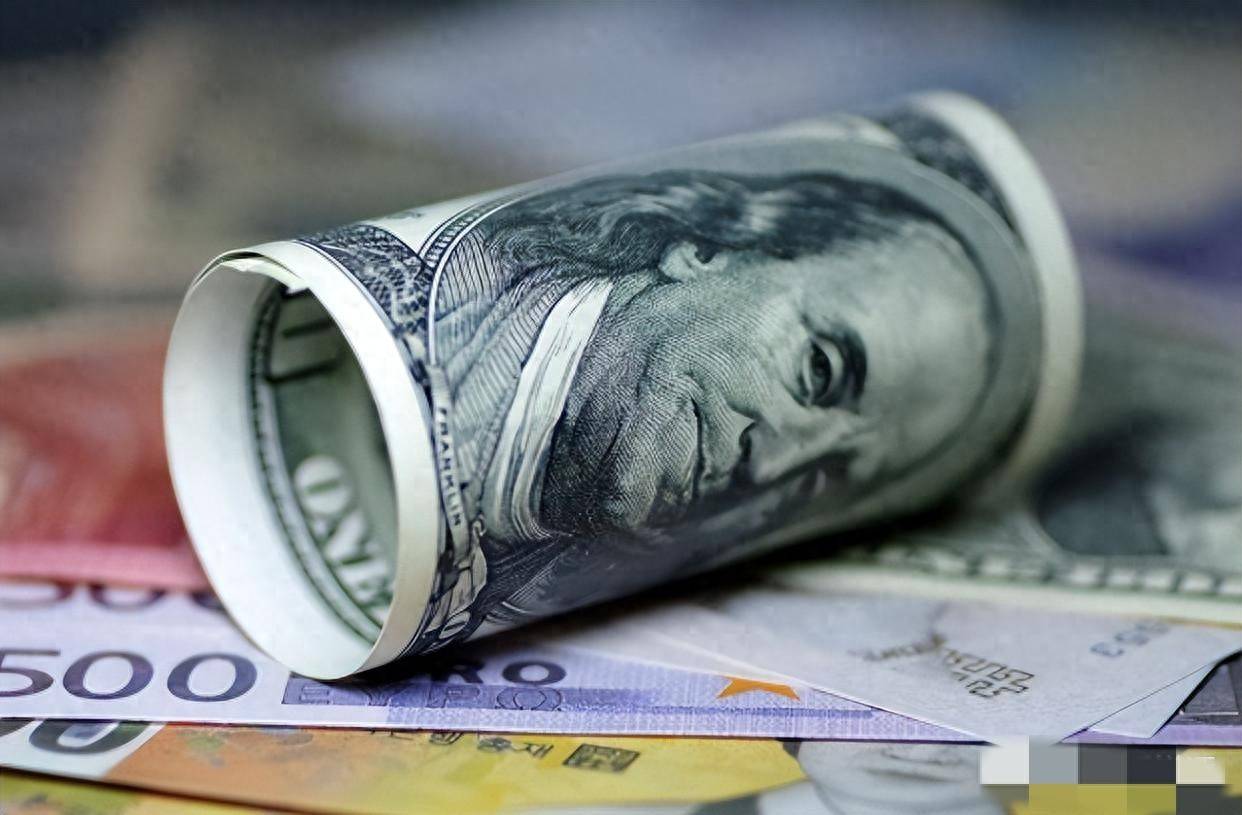
金融链动全球经贸发展,上海3000万亿元金融市场“磁吸”全球资本
Di Yi Cai Jing· 2025-11-06 06:11
Core Insights - The global economic and trade landscape is undergoing rapid restructuring, with finance playing an increasingly vital role in modern economies [1] - The 8th China International Import Expo and the "Financial Empowering Global Economic Development" forum highlighted China's commitment to high-level financial openness and global resource connectivity [1] Group 1: Shanghai's Financial Center Development - Shanghai is accelerating its development as an international financial center, supported by various government initiatives and documents aimed at enhancing financial openness [3] - The total trading volume in Shanghai's financial market reached 29.6783 trillion yuan from January to September this year, marking a 12.7% year-on-year increase [5] - Shanghai aims to build a cross-border investment and financing bridge, leveraging its free trade zone and new areas to facilitate cross-border financial services [5][6] Group 2: Global Trade and Financial Cooperation - The global trade and investment landscape is experiencing profound adjustments, yet cross-border trade remains a key driver of economic growth [7] - China is expanding its high-level openness and quality development, with retail sales expected to exceed 50 trillion yuan this year, maintaining its position as the world's second-largest consumer and import market [7] - Financial institutions are encouraged to provide diverse financial services to support foreign trade enterprises and enhance bilateral investment cooperation [7][8] Group 3: RMB Internationalization - The restructuring of global trade relations is timely for advancing the international use of the RMB, with banks encouraged to enhance offshore RMB product offerings [9] - The People's Bank of China has implemented measures to facilitate cross-border RMB transactions, reducing approval processes and enhancing efficiency [9][10] - Innovations in cross-border financial services are being developed to address the needs of enterprises engaged in international trade, improving their efficiency and risk management capabilities [10]
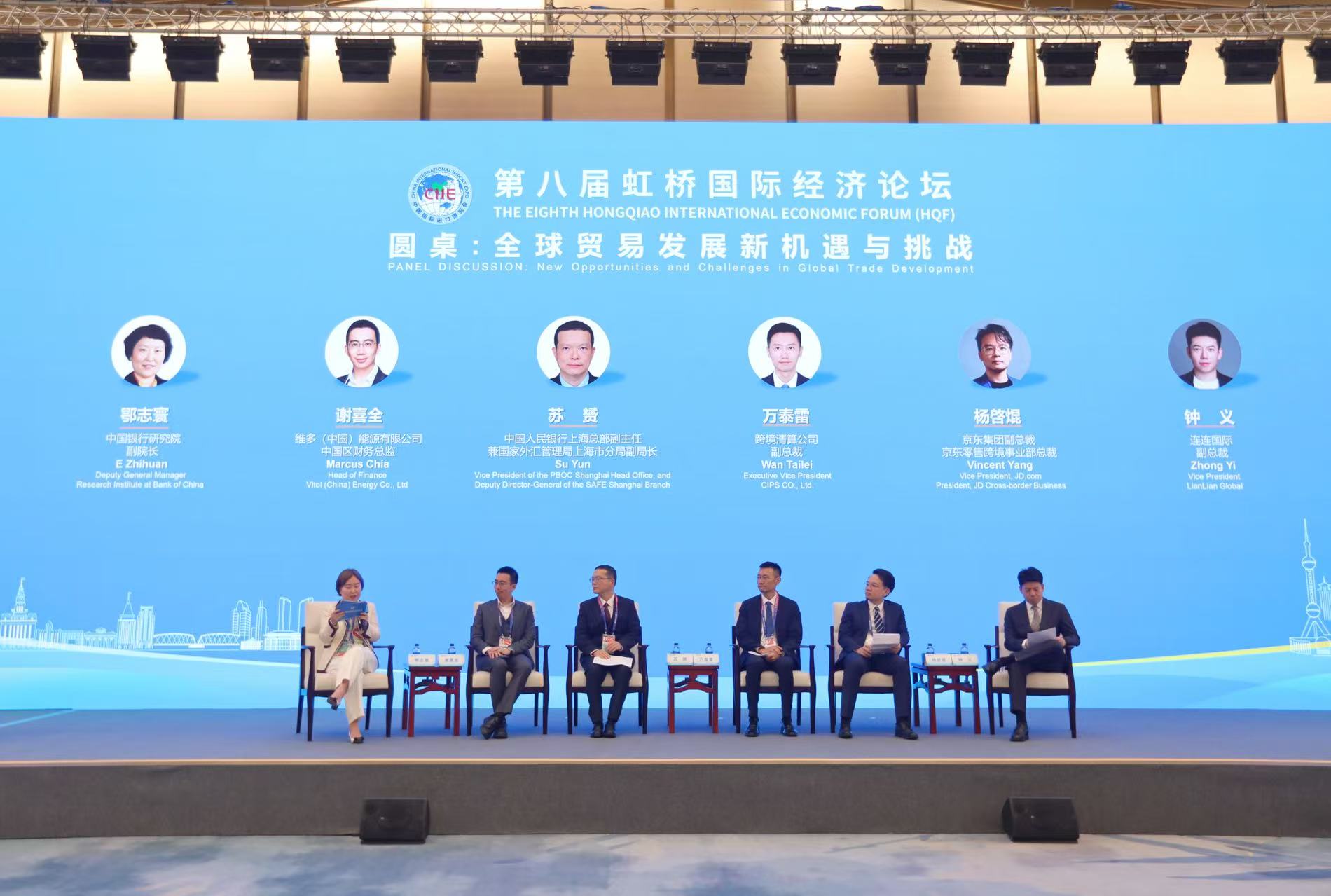
财政部发行!40亿美元,30倍认购
Zhong Guo Zheng Quan Bao· 2025-11-06 04:17
Core Points - The Ministry of Finance of the People's Republic of China successfully issued $4 billion in sovereign bonds in Hong Kong, with a strong market response and a total subscription amount of $118.2 billion, 30 times the issuance amount [1] - The issuance of these bonds reflects China's commitment to further opening its financial markets and is a strategic move to integrate into the global financial system, promoting the internationalization of the Renminbi and enhancing cross-border capital flows [2] - The bonds attracted a diverse range of investors from Asia, Europe, the Middle East, and the United States, with significant participation from sovereign, banking, insurance, and fund management sectors [3] Group 1 - The issuance included $2 billion in 3-year bonds at a rate of 3.646% and $2 billion in 5-year bonds at a rate of 3.787%, marking the narrowest pricing spread in a Fed rate cut environment [2] - The issuance is double the scale planned for 2024 and aims to provide high-quality assets in a market with limited supply of premium Chinese assets [2] - The bonds will be listed on the Hong Kong Stock Exchange, enhancing the connectivity between mainland and Hong Kong financial markets [3] Group 2 - The continuous issuance of sovereign dollar bonds is expected to deepen the integration of China's financial market with global capital markets and provide a key pricing benchmark for Chinese enterprises in overseas bond issuance [3] - The participation of long-term institutional investors is anticipated to boost international confidence in China's economic transformation and high-quality growth [4] - Morgan Stanley acted as a joint lead underwriter for this transaction, marking its sixth consecutive year serving the Ministry of Finance for sovereign bond issuance [4]
人民币美元对决!安世半导体内战,供应链大震荡!
Sou Hu Cai Jing· 2025-11-06 02:09
Group 1 - The core viewpoint of the article highlights the significant shift in the semiconductor supply chain, particularly focusing on the actions of Nexperia's Chinese subsidiary, which resumed supply to China amidst the ongoing US-China tech war, indicating a strategic pivot towards using the Renminbi for transactions [1][3][5] - The article discusses the implications of the supply chain division, noting that the Chinese subsidiary's operations are now isolated from the global market, effectively creating a "self-sufficient" ecosystem within China while the parent company shifts its packaging and testing operations to Southeast Asia, capitalizing on lower costs [3][6] - It emphasizes the financial implications of this shift, where using Renminbi for transactions could save companies around 2% in exchange losses compared to using US dollars, while also establishing a "financial firewall" against potential US sanctions [5][6] Group 2 - The article reveals internal conflicts within Nexperia, with the Dutch parent company allegedly undermining the Chinese subsidiary's product quality, leading to potential legal battles over control and intellectual property [6][8] - It notes the competitive landscape, where rivals like Samsung and Texas Instruments are taking advantage of Nexperia's turmoil by lowering their prices, indicating a chaotic market environment [8] - The broader context of the article suggests that the ongoing tech decoupling between the US and China is reshaping the semiconductor industry, with companies needing to navigate a dual-currency strategy to survive [8]
铁矿霸权崩塌!中矿集团7天逼澳洲巨头用人民币结算,美元神话破灭
Sou Hu Cai Jing· 2025-11-06 02:09
Core Viewpoint - The article discusses a significant shift in the global commodity settlement system, particularly in iron ore trading, driven by China's Minmetals Group's decision to halt all dollar-denominated transactions, which has profound implications for the industry and global financial dynamics [1][7][13]. Group 1: Iron Ore Market Dynamics - Since China's entry into the WTO in 2003, iron ore demand surged by 300%, while pricing mechanisms favored Australian miners, allowing them to profit significantly from a cost of $15 per ton to a selling price of $120 [3][4]. - Minmetals Group emerged in 2022 as a "super buyer," consolidating purchasing power from 128 steel companies and introducing a "centralized procurement + spot bidding" model, which includes a blockchain trading platform for transparency [4][10]. Group 2: Impact on Major Players - On September 30, 2024, Minmetals Group's suspension of dollar settlements directly impacted BHP, which derives 58% of its revenue from China, leading to a potential daily profit loss of $230 million [7][10]. - The introduction of a dual pricing mechanism by Minmetals, combining long-term and spot prices, disrupts the monopoly held by Platts Energy, allowing for cost reductions of $8 per ton for Chinese steelmakers [7][10]. Group 3: Currency Transition and Global Implications - Following Minmetals' actions, BHP's concession to accept renminbi for transactions marks a pivotal change in the global commodity settlement system, with immediate effects seen in the Singapore iron ore futures market [8][11]. - The shift to renminbi is expected to influence other commodities, with companies like Rio Tinto and Vale considering similar transitions, indicating a broader trend towards renminbi settlements in global trade [8][11]. Group 4: Financial Power Dynamics - The article highlights a power struggle between the U.S. and China, with the dollar's share in global reserves declining from 72% in 2000 to 58% in 2024, while the renminbi's share has surpassed 3.5% [10][11]. - Minmetals' success illustrates that market scale can create an "anti-monopoly force," leveraging blockchain technology to enhance trust in renminbi transactions [10][11]. Group 5: Future Considerations - The transition to renminbi settlements has prompted discussions among oil-producing nations about using renminbi for oil trade, indicating a potential shift in global trade practices [11][13]. - Concerns have been raised about the risks of over-reliance on domestic financial systems for Chinese steelmakers, prompting Minmetals to initiate the development of a global iron ore price index to ensure transparency [11][13].

国际航空运输协会清算所增加人民币为结算货币
Xin Hua Cai Jing· 2025-11-06 01:04
Core Viewpoint - The International Air Transport Association (IATA) will offer a Renminbi (RMB) settlement option to airlines and other suppliers starting in December, aimed at reducing exchange rate risks for airlines operating in China and facilitating local suppliers' participation, thereby lowering overall costs [1] Group 1 - IATA will implement RMB settlement through its clearing house for airlines and suppliers [1] - China Southern Airlines and Xiamen Airlines will be the first to pilot the RMB settlement option starting from November 2025 [1] - The new settlement option is expected to ease the currency risk faced by airlines operating in China [1]