文化自信

Search documents
文采斐然 情趣盎然
Xin Lang Cai Jing· 2026-01-18 08:11
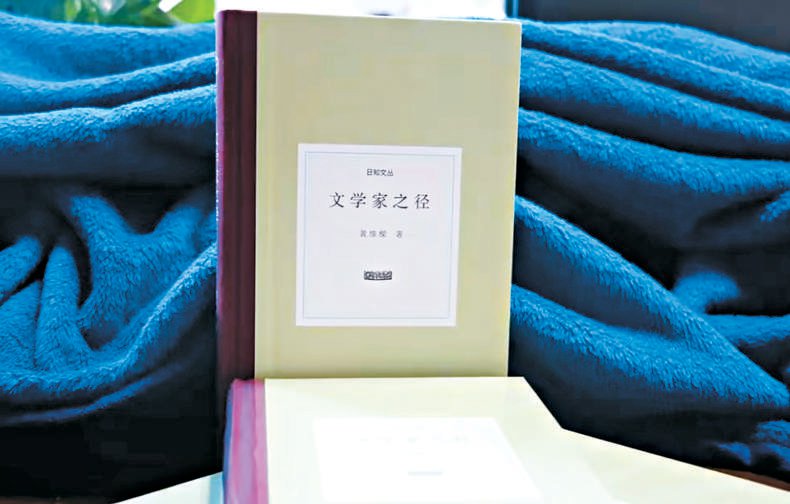
刘景松 浙江古籍出版社出版的《文学家之径》一书 黄维樑教授近照 我对香港文学的最初印象,源于初中时借阅的武侠小说《侠客行》《雪山飞狐》《七剑下天山》,到研究生阶 段,曾泛读刘以鬯的《酒徒》等作品,偶尔翻阅《明报月刊》的选文。有时听高人评议香江文坛名家名著,言 语滔滔,妙论迭出,自己却懵懵懂懂,乏力附议,不免惭愧,待细读香港作家协会原主席黄维樑教授的《中西 新旧的交汇》《黄维樑散文选》《突然,一朵莲花》《文学家之径》等著述,惊觉此前对香港文学的认识实在 单薄,缺乏一种"整体观"。我认为,单就拓展文学史的视野而言,港澳台文苑中的名篇佳作,都值得再三品 读。 创作观的倡导:博雅而有文采 曾有沪上学者评价黄维樑的散文"清雅多姿,充满激情与智慧,为香港学者散文佼佼者",并置之于书籍扉页, 广而告之。捧读黄著,我时有被牵入文学正途、继而豁然开朗的惊艳感;掩卷,即心生沉甸甸的满足感。这种 久违的愉悦中杂糅收获的阅读感受,一如邂逅琦君散文时,被那"为时代造像"的温润通透的文字魔力击中。黄 维樑善于为平淡注入学理思考,笔端流泻着可感触、可共情的愁绪,好比翻阅旧相册,张张泛黄的相片承载着 深沉的记忆与怀念。南国清风吹拂黄氏经年构 ...

“2026‘粤美村晚’迎新春”系列活动正式启动, 首场“村晚”在广州花都精彩上演
Nan Fang Nong Cun Bao· 2026-01-17 03:03
Group 1 - The "2026 'Yue Mei Village Evening" series of activities officially launched on January 16, with the first event held in Huadu District, Guangzhou, featuring 16 performances and attracting over 80,000 online and offline viewers [2][3][12] - The theme of the event is "I Organize the Village Evening for My Hometown," aimed at enhancing cultural confidence and stimulating grassroots cultural vitality, encouraging the community to be organizers, participants, and demonstrators of rural cultural construction [12][13] - The event promotes the integration of agriculture, culture, and tourism, with a goal to create a series of rural cultural events that are popular, widely disseminated, and embody the charm of Lingnan culture [14][18] Group 2 - The opening performance, "Lion Leaps and Spring Tides Surge," combined lion dance, Cantonese opera, and song and dance, showcasing a vibrant New Year scene [22] - Creative performances included a non-heritage dance "Gray Sculpture in Lingnan Year," which incorporated the national-level intangible cultural heritage of Guangdong gray sculpture, reflecting the rich cultural vitality of the region [23] - The evening also featured community-driven performances, such as the skit "Wonderful Hands Bloom," illustrating the transformation from "village neighbors" to "community family," and a recitation titled "Here, Hear the Mountains Bloom," narrating the journey of community development [28][30] Group 3 - The event concluded with a chorus of "Together Towards the Future," highlighting community spirit and unity [33] - The launch also initiated the "De Run Nan Yue Four Seasons Style" New Era Civilization Practice 2026 activity, which includes free calligraphy and artwork creation for the public [36][38] - The series is organized by various provincial and local cultural and social work departments, with support from cultural resources to ensure quality cultural experiences reach the grassroots [40][44]

10余万张照片攒成一座博物馆 宁夏盐池夫妇为长城“留档”
Xin Lang Cai Jing· 2026-01-16 17:04
宁夏盐池县明长城每一处苍茫烽燧,都见证过高万东与陈静的身影。夫妇俩利用周末去寻找和拍摄长城 遗迹。高万东负责开车和记录,妻子陈静则专注于拍摄。这对夫妇用十余年光阴拍摄了十余万张照片, 并筹建了盐池县长城民俗博物馆。自2020年建成并免费开放以来,这座民间博物馆每年吸引成千上万名 游客,尤其是长城深度爱好者和研究者。(新闻及图片来自新华网) (来源:劳动午报) 转自:劳动午报 点评:通过一张张照片来保护我们的长城文化瑰宝,也唤醒更多人的加入,相信随着这种历史文化的被 看见,我们的文化自信也越来越坚定。 ...
2025北京宣传思想文化答卷:守正凝聚力量 创新迸发活力
Bei Jing Ri Bao Ke Hu Duan· 2026-01-14 23:59
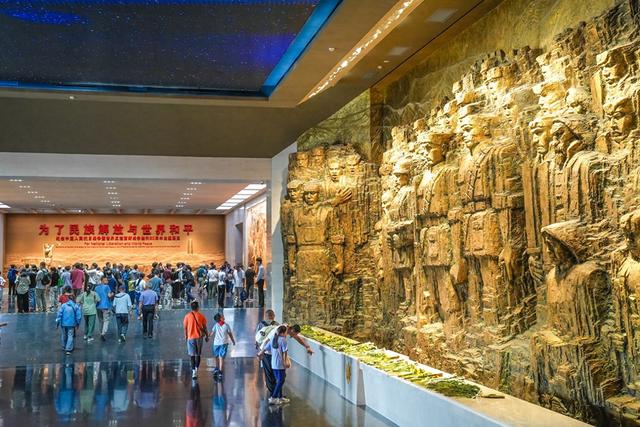
转自:北京日报客户端 当思想的伟力与文化的魅力相结合,当历史的厚重与时代的创新相激荡,一座城市便能焕发出引领风 尚、驱动发展、活力无限的璀璨光芒。 2025年是中国式现代化进程中具有重要意义的一年,是"十四五"收官、"十五五"谋篇布局之年,也是中 国人民抗日战争暨世界反法西斯战争胜利80周年。一年来,在习近平文化思想指引下,北京宣传思想文 化战线守正创新,勇毅前行,写就浓墨重彩的中国式现代化崭新篇章。 2025年7月8日,中国人民抗日战争纪念馆《为了民族解放与世界和平——纪念中国人民抗日战争暨世界 反法西斯战争胜利80周年主题展览》对观众开放。本报记者 武亦彬摄(资料照片) 高擎思想旗帜 铸就时代之魂 守正凝聚力量 创新迸发活力 ——2025年北京宣传思想文化事业开创新局面 这一年,深学细悟,全域覆盖,新时代首都理论学习高潮迭起,生机勃勃—— 学习贯彻党的二十届四中全会精神行动迅速、成效显著。市宣讲团和各级各类宣讲团开展集中宣讲、特 色宣讲12.6万场,线上线下受众达9100万人次;市习近平新时代中国特色社会主义思想研究中心围绕全 会重要部署列出重点选题,推进研究阐释工作。 理论研究阐释更加系统、更有学理。市 ...
美育这堂课该好好补补了
Xin Lang Cai Jing· 2026-01-14 19:42
"贵妃出浴"雕像引发争议后,让不少人想起去年绍兴鲁迅纪念馆墙画上的"鲁迅夹烟"被投诉事件。两起 看似无关的争议,实则暴露了同一种僵化思维——用现代单一的道德标尺苛责历史艺术形象,将正常的 艺术表达与历史还原上纲上线,不仅浪费公共资源,更折射出国民美育的短板。投诉者手握"道德正 确"的标尺,却忽视了艺术的多元性与历史的复杂性,最终让全社会为其狭隘偏见买单。这些动辄 喊"拆"喊"换"的投诉,真该消停了。 胡欣红 近日,有网友发帖称,西安临潼华清池景区内的"贵妃出浴"雕像因袒露上半身,存在"不雅观""败坏社 会风气"等问题。相关帖子发布后,迅速引发数万网友关注和热议,部分网友认同上述观点,认为雕像 衣不蔽体,有损杨贵妃的古典形象。支持者则强调汉代壁画、莫高窟早有裸体艺术传统,拆除是"文化 倒退"。 "贵妃出浴"雕像并不是第一次被指责"不雅"。去年,就有男子发视频吐槽其"袒胸露乳",被一些网友痛 批"没事找事",没想到时隔一年,竟然又沉渣泛起。 "贵妃出浴"雕像绝非"伤风败俗"的随意创作。作为著名雕塑家潘鹤的作品,它经地方政府文化机构审 批,自1991年安放以来,始终以艺术化方式还原《长恨歌》"温泉水滑洗凝脂"的历史 ...
建材产业借“潮”升级
Zhong Guo Jing Ji Wang· 2026-01-12 08:24
Group 1 - The core viewpoint of the articles highlights the successful integration of traditional Chinese aesthetics into modern building materials, with companies like Beixin Building Materials leading the way in promoting cultural confidence through innovative products [1][2] - Beixin Building Materials has incorporated traditional Chinese design elements such as mortise and tenon structures and artistic coatings into their products, which has garnered international recognition and acceptance in the market [1] - The company is expanding its overseas presence, utilizing a "culture + commerce" model that showcases contemporary Chinese aesthetics and transforms cultural confidence into tangible market opportunities [1] Group 2 - The "Guochao" (national trend) movement is nurturing the cultural foundation for the next generation, with initiatives like Beixin Building Materials' "Painted Home" public welfare activity, which engages children in experiencing the wisdom of Chinese enterprises [2] - The establishment of the Luban Academy by Longshun Cheng attracts thousands of young people to experience the fun of mortise and tenon assembly, promoting traditional craftsmanship [2] - The flourishing development of Guochao commerce reflects a market response to cultural confidence, ensuring sustainable transmission of traditional culture while solidifying the presence of Chinese brands in the global market [2]

以法治之力让文化的光芒更璀璨
Shan Xi Ri Bao· 2026-01-12 00:28
Core Viewpoint - The article highlights the legislative efforts in Shaanxi province during the "14th Five-Year Plan" period to enhance cultural heritage protection and promote cultural development through local laws and regulations. Group 1: Legislative Achievements - During the "14th Five-Year Plan," Shaanxi's provincial legislature enacted 4 local regulations and revised 1, while approving 22 regulations from district-level cities, emphasizing the importance of legal frameworks in cultural development [1][2]. - The "Regulations on the Protection of Baota Mountain" were established to address practical issues in the management and protection of this revolutionary landmark, marking a new model of characteristic legislation [2]. - The "Regulations on the Protection and Development of Hanzhong Rattan Weaving" created a three-dimensional inheritance system for this intangible cultural heritage, focusing on recording, inheriting, and innovating [3]. Group 2: Cultural Heritage and Arts Protection - The "Regulations on the Protection and Development of Qin Opera" were introduced as the first provincial-level regulations in the country, providing a comprehensive framework for the development and protection of this ancient art form [4][5]. - The "Regulations on the Protection of the Yellow Emperor's Tomb" emphasize the historical, cultural, and social values of the site, marking a new phase in its legal protection [5]. - The "Regulations on the Protection and Utilization of Revolutionary Cultural Relics" provide legal guidelines for the management and utilization of revolutionary heritage [6]. Group 3: Supervision and Implementation - The provincial legislature has prioritized cultural prosperity as a key area for supervision, conducting multiple inspections to ensure the implementation of cultural laws and regulations [7][8]. - Continuous monitoring of the implementation of laws related to intangible cultural heritage has led to increased financial support for local cultural practitioners, enhancing their ability to pass on traditional skills [8][9]. - The legislature plans to deepen its supervisory efforts in the "15th Five-Year Plan" to ensure that cultural laws are effectively enforced and cultural confidence is strengthened [9].
二〇二五 那些难忘的文化新图景
Xin Lang Cai Jing· 2026-01-10 21:37
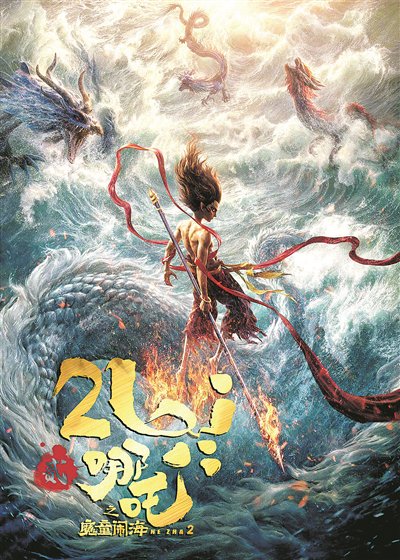
Group 1: Cultural Developments - The year 2025 saw significant advancements in cultural reforms, injecting new momentum into cultural prosperity and development [6] - Traditional culture experienced a revival, with ancient aesthetics becoming popular among the youth [6] - Cultural activities enriched the lives of the public, becoming a key element in depicting a better life [6] Group 2: Milestones in Film and Animation - The animated film "Nezha: Birth of the Demon Child" achieved a box office record of 15.446 billion yuan, becoming the highest-grossing film in Chinese history and the first in the world for animated films [6] - The film broke 114 domestic box office records and became a benchmark for China's cultural export [6] Group 3: Sports and Cultural Events - The "Village Super" football league in Guizhou saw participation increase from 62 to 108 teams, showcasing local cultural heritage through various ethnic festivals [6] - The "City Super" league in Jiangsu became a cultural phenomenon, attracting over 10.7566 million visitors and generating over 13.9 billion yuan in consumption [6] Group 4: Heritage and Preservation - The inclusion of "Xixia Tombs" in the World Heritage List increased China's total to 60, showcasing the country's commitment to cultural heritage [8] - The "Hezhe Ethnic Imakan" was successfully transitioned to the representative list of intangible cultural heritage, marking a significant achievement in heritage protection [8] Group 5: Public Cultural Services - Over 40,000 new public cultural spaces emerged, addressing the growing demand for high-quality cultural resources [9] - Various cultural activities flourished, extending quality cultural resources to grassroots levels [9] Group 6: Trends in Cultural Consumption - The "cultural fever" and "intangible cultural heritage" trends gained momentum, with over 43,000 related events held during the Spring Festival, engaging over 400 million participants [10] - Traditional aesthetics became a top trend among young people, with cultural products like traditional clothing gaining popularity [10] Group 7: New Forms of Artistic Expression - A new wave of public art emerged, with individuals from diverse backgrounds actively participating in creative processes [11] - This shift indicates a growing cultural confidence among the populace, fostering a new cultural ecosystem [11] Group 8: Academic and Cultural Discourse - The discovery of Qin Dynasty inscriptions in Qinghai sparked a significant academic debate, leading to a series of discussions and publications [12] - This event was recognized as a "phenomenal cultural event" impacting contemporary cultural and academic discourse [12] Group 9: Global Cultural Influence - The Chinese toy brand Labubu gained international attention, highlighting the competitiveness of Chinese cultural products in the global market [13] - The popularity of Labubu reflects a shift in youth culture consumption towards emotional value and social currency [13] Group 10: Awards and Recognition - The 18th Wenhua Award introduced a new category for cultural criticism, although the inaugural award was left vacant, indicating high standards for recognition [14][15] - This vacancy reflects the challenges in the current cultural critique landscape, emphasizing the need for quality in artistic expression [15]
聚焦中轴线!话剧《雨燕》解锁“文化抗战”隐秘往事
Xin Lang Cai Jing· 2026-01-10 04:02
Core Viewpoint - The original play "Rain Swallow" focuses on the cultural resistance during the wartime period, specifically set against the backdrop of Beijing's central axis, and aims to commemorate the successful application for UNESCO World Heritage status [1] Group 1: Play Details - "Rain Swallow" will premiere from January 31 to February 1, 2026 [1] - The play is set in 1939 Beijing and tells the story of a young surveying team secretly protecting ancient architecture [1] - The script underwent three years of refinement, with the production team conducting field research at Tianjin University and the Forbidden City [1] Group 2: Creative Process - The cast engaged in immersive experiences to better understand their roles [1] - The production emphasizes the principle of "big events not being exaggerated, and small details not being neglected," showcasing cultural confidence [1]
赖世贤:「坚韧和专注」铸就林清轩的今天,愿携手更多中国品牌一起崛起
IPO早知道· 2026-01-08 05:55
Core Viewpoint - Lin Qingxuan has officially listed on the Hong Kong Stock Exchange as the "first high-end domestic skincare stock," with a market capitalization exceeding HKD 11.6 billion, positioning it among the top 10 domestic listed cosmetics companies [2][3]. Group 1: Investment Highlights - Lin Qingxuan has established a closed-loop and traceable value chain from research and development to retail, which serves as its core technological barrier [4]. - The brand has demonstrated strong product efficacy and user loyalty, resulting in a dedicated customer base [4]. - The founder, Sun Laichun, embodies a long-term commitment to excellence in the camellia oil sector, reflecting a long-termism spirit [4]. - As a high-end domestic skincare brand, Lin Qingxuan exhibits healthy profit margins and growth potential, showcasing resilience across market cycles [4]. Group 2: Competitive Advantages - Lin Qingxuan possesses genuine "source authority" over raw materials, controlling the entire process from plant resources to extraction technology, unlike many domestic brands that rely on external suppliers [4]. - The company has built a "technical moat" through continuous investment in data, patents, clinical trials, and processes, which is rare in the Chinese skincare industry [5]. - Lin Qingxuan has developed a unique Eastern aesthetic and brand narrative, using the red camellia flower to create a comprehensive brand identity that resonates culturally with consumers [5]. Group 3: Future Expectations - The focus for Lin Qingxuan is to "stay true to its original intention and amplify its advantages," with hopes to deepen its commitment to the red camellia as a core ingredient and increase R&D investment [5]. - The company aims to leverage its listing to expand both domestic and international markets, showcasing the appeal of Chinese plant-based skincare to global consumers [5]. - There is an ongoing discussion about potential collaboration to promote the internationalization of domestic brands and contribute to the overall upgrade of Chinese consumer brands [5].