
高水平科技自立自强

Search documents
国资委主任张玉卓:深入开展新一轮中央企业数字化转型行动 推动人工智能等信息技术与传统产业全过程、全要素深度融合
Xin Hua She· 2025-12-19 13:32
Core Viewpoint - The article discusses the strategic framework outlined in the "Suggestions for Formulating the 15th Five-Year Plan for National Economic and Social Development," emphasizing the role of state-owned enterprises (SOEs) in enhancing innovation, solidifying the real economy, and deepening reforms in state-owned assets and enterprises [1]. Group 1: Strengthening Innovation - State-owned enterprises are identified as a key force in national technological innovation, with R&D investments exceeding 1 trillion yuan for three consecutive years, focusing on critical technologies [2][3]. - The plan includes increasing high-quality technological supply, particularly in areas where private enterprises lack capability, to produce more original and leading results [2]. - The transformation of technological achievements into practical applications will be accelerated, with a focus on building major pilot platforms and enhancing procurement of first sets of products [3]. Group 2: Modernizing the Industrial System - The article highlights the need for SOEs to optimize industrial layouts by upgrading traditional industries and developing strategic emerging industries, with an average annual investment growth rate of over 20% in emerging sectors during the 14th Five-Year Plan [4][5]. - Emphasis is placed on digital transformation and the integration of advanced technologies like AI, big data, and 5G into traditional industries to promote intelligent and green development [5]. Group 3: Reforming State-Owned Enterprises - The article outlines the next steps in the reform of state-owned enterprises, focusing on enhancing core functions and competitiveness while aligning with national strategic needs [6][7]. - A new regulatory framework will be established to improve the effectiveness of state asset supervision, ensuring a balance between flexibility and control [7]. Group 4: Building World-Class Enterprises - The article stresses the importance of cultivating world-class enterprises as a reflection of national economic and technological strength, with SOEs leading initiatives to enhance value creation, innovation, and governance [8][9]. - The focus will be on improving internal value, integrating innovation with industry, and enhancing resource allocation capabilities to better engage in global markets [8].
贯彻落实党的二十届四中全会精神权威访谈丨不断增强国有企业核心功能、提升核心竞争力——访国务院国资委党委书记、主任张玉卓
Xin Hua Wang· 2025-12-19 12:44
Core Viewpoint - The article discusses the strategic initiatives and reforms that state-owned enterprises (SOEs) in China will undertake to enhance their core functions and competitiveness in alignment with the 15th Five-Year Plan, focusing on innovation, industrial upgrades, and the establishment of world-class enterprises [1][7]. Group 1: Innovation and Technology - State-owned enterprises are positioned as the national team for technological innovation, with R&D investments exceeding 1 trillion yuan for three consecutive years, targeting critical technologies in areas like industrial machinery and software [2][3]. - The focus will be on increasing high-quality technological supply, particularly in areas where other enterprises lack the capability or willingness to invest, ensuring breakthroughs in foundational and key common technologies [2]. - Efforts will be made to enhance the efficiency of technology transfer and application, including the establishment of major pilot verification platforms and increasing procurement of first sets of products to promote market entry [3]. Group 2: Industrial Upgrades - The strategy emphasizes the transformation of traditional industries and the cultivation of emerging industries, with an average annual investment growth rate of over 20% in new industries during the 14th Five-Year Plan [4][5]. - SOEs will focus on digital transformation and the integration of advanced technologies like AI, big data, and 5G into traditional industries to promote smart, green, and integrated development [5]. - The cultivation of new and future industries will be prioritized, with a focus on sectors such as renewable energy, aerospace, and quantum technology, ensuring sustained growth and innovation [5][6]. Group 3: Reform and Governance - The next phase of SOE reform will focus on enhancing core functions and competitiveness, with an emphasis on aligning with national strategic needs and improving governance structures [7][8]. - A specialized regulatory framework will be developed to enhance the effectiveness of state asset supervision, ensuring a balance between flexibility and control [8]. - The goal is to foster world-class enterprises by improving value creation, innovation capabilities, and modern governance practices, while also strengthening the role of the Communist Party in corporate governance [9][10].
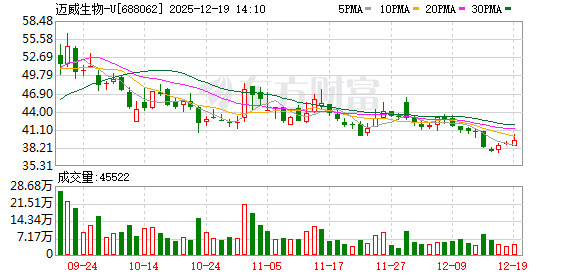
解读医药经济 | 迈威生物董事长、CEO刘大涛:源头创新是生物药企业的核心竞争力
Mei Ri Jing Ji Xin Wen· 2025-12-19 06:09
Group 1 - The central economic work conference emphasized that the long-term supportive conditions and basic trends of China's economy remain unchanged, urging confidence and the need to leverage advantages while addressing challenges to maintain economic stability and growth [2] - The pharmaceutical industry is highlighted as a key area for innovation, with a significant increase in the approval of innovative drugs, reaching 48 new class 1 innovative drugs in 2024, which is over five times the number approved in 2018 [2] - The biopharmaceutical sector is recognized as a long-term supported industry with characteristics such as long R&D cycles and high investment, and it has been designated as a key development area during the 14th Five-Year Plan [2] Group 2 - Liu Dato, Chairman and CEO of Maiwei Biotech, noted that the focus on new productive forces in the 14th Five-Year Plan and the recent conference's emphasis on innovation-driven growth have elevated the strategic importance of innovation, boosting industry confidence [3] - Source innovation is identified as the core competitiveness of biopharmaceutical companies, with Maiwei Biotech having developed several globally competitive innovative products [3] - The company aims to establish sustainable innovation capabilities by enhancing its technology platform and integrating AI technology into its R&D processes, which is expected to expand into more fields with technological advancements [3] Group 3 - The domestic biopharmaceutical industry has made significant progress over the past decade due to continuous innovation, although there is still room for improvement in basic research compared to developed countries [4] - Maiwei Biotech plans to continue focusing on source innovation and enhancing its capabilities in target innovation and technology innovation, aiming to promote the transformation of innovative results and improve global competitiveness [4]


五矿证券:资本市场赋能新质生产力 支撑高水平科技自立自强
智通财经网· 2025-12-18 03:00
"新质生产力"概念的提出为增强经济发展新动能提供了重要指引。资本市场作为金融资源配置的枢纽, 在风险共担和利益共享方面具备独特优势,以新质生产力推动经济转型升级,需要规范、透明、开放、 有活力、有韧性的资本市场赋能。 经济增长模式由"债务驱动型"向"创新驱动型"转换,金融体系也应该由"间接融资"走向"直接融资"。高 质量发展阶段,金融行业更注重"功能性"的发挥和淡化"规模情结",面临盈利性下行和盈利模式转换的 双重压力。伴随着供给侧改革的深化、强监管周期开启,金融行业的盈利模式也将发生根本性改变。 资本市场是现代金融体系的核心和基石,强大的资本市场是现代经济的标配,也是打造"金融强国"的关 键要素 从融资端看,我国多层次资本市场各板块之间层次分明、定位清晰、功能互补,北交所的设立不仅补上 完善多层次资本市场的重要拼图,也是"科技金融"及"普惠金融"大文章赋能专精特新中小企业浓墨重彩 的一页。资本市场"四板—新三板—北交所—沪深交易所"梯度培育体系持续完善,覆盖科技企业全生命 周期的融资需求。完善多层次资本市场需要从畅通全市场转板机制、增强制度包容性、健全多层次资本 市场等方面发力。 智通财经APP获悉,五矿证 ...
学习贯彻党的二十届四中全会精神丨内蒙古、福建、重庆、共青团中央开展形式多样的宣讲 推动全会精神深入基层、见行见效
Yang Guang Wang· 2025-12-18 02:47
共青团福州市鼓楼区委员会书记王均杰:我们深刻领悟"两个确立"的决定性意义,坚决做到"两个 维护",以自身的坚定信念和实际行动,引导广大青年把个人理想融入到中国式现代化建设的伟大事业 中,让青春在奋斗中绽放光彩。 央广网北京12月18日消息 据中央广播电视总台中国之声《新闻和报纸摘要》报道,连日来,内蒙 古、福建、重庆和共青团中央,结合各自实际,组织开展形式多样的基层宣讲,让党的二十届四中全会 精神在基层落地落实、见行见效。 内蒙古统筹自治区、盟市、旗县三级宣讲力量,发挥"理论学习轻骑兵"等宣讲队伍扎根基层的优 势,结合受众特点,用基层群众喜闻乐见的方式,回应百姓关切,推动宣讲走深走实。 内蒙古呼和浩特市新城区新悦社区党委书记计麟:全会提出加强普惠性、基础性、兜底性民生建 设,解决好人民群众急难愁盼问题,让我们深深感受到习近平总书记的为民情怀。下一步,把全会精神 转化为服务群众的实际行动,精准对接居民需求、高效解决百姓急难愁盼问题,努力建好居民满意的幸 福家园。 福建组织理论宣讲专家、青年宣讲员等,深入党政机关、街道社区,开展对象化、互动式基层宣 讲。福州的青年宣讲员围绕奋进"十五五"主题,结合年轻群体可感可知 ...
当好桥梁纽带 服务科技强国建设——访中国科协党组书记贺军科
Xin Hua Wang· 2025-12-17 11:42
Core Viewpoint - The modernization of China is fundamentally linked to technological advancement, with a focus on achieving high-level self-reliance and strength in technology, as emphasized in the 20th Central Committee's Fourth Plenary Session and the recommendations for the 15th Five-Year Plan [1] Group 1: Contributions of the China Association for Science and Technology (CAST) - During the 14th Five-Year period, CAST has significantly contributed to the development of China's technological innovation, enhancing the country's scientific strength [2] - CAST has promoted the spirit of scientists and encouraged technology workers to integrate their academic pursuits into the mission of building a strong technological nation [2][3] - The organization has focused on cultivating young scientific talent and optimizing the evaluation system for scientific personnel, establishing platforms like "Science Workers' Home" to support their rights [2][3] Group 2: Enhancing Academic and Scientific Exchange - CAST has facilitated numerous academic conferences, enhancing the insight of technology workers into cutting-edge science [3] - The organization has implemented initiatives like technology service teams to assist local enterprises and promote regional development [3] - CAST has expanded the influence of the "Science Popularization China" brand, aiming for 15.37% of citizens to possess scientific literacy by 2024 [3] Group 3: Responsibilities and Future Directions - In the 15th Five-Year period, CAST aims to fulfill its role as a bridge between the government and technology workers, promoting high-level self-reliance in technology [4][5] - The organization will enhance the innovation environment for technology workers by fostering academic prosperity and establishing world-class scientific societies and journals [5] - CAST plans to deepen international scientific cooperation, supporting the establishment of international scientific organizations and promoting China's technological achievements globally [6] Group 4: Promoting Innovation Culture - CAST will focus on enhancing the effectiveness of social science popularization, aiming to improve public scientific understanding and support innovation [7] - The organization will promote the spirit of scientists and cultivate an innovative culture, emphasizing the importance of scientific achievements and role models [8][9] - Initiatives will include the establishment of the China Scientists Museum and various outreach programs to disseminate scientific knowledge widely [9]
于变局中开新局:2026年度策略系列报告
Huafu Securities· 2025-12-17 09:30
Group 1 - The year 2025 marks the conclusion of the "14th Five-Year Plan" and the initiation of the "15th Five-Year Plan," with a series of high-level and systematic efforts throughout the year to establish a comprehensive framework for the new plan [2][8] - The "15th Five-Year Plan" aims to build a modern industrial system, emphasizing the importance of solidifying the foundation of the real economy while promoting innovation [3][19] - The plan highlights the need for high-level technological self-reliance and strength, with increased R&D investment expected to enhance national strategic technological capabilities [3][32] Group 2 - The plan anticipates a boost in domestic consumption to activate growth momentum, with policies expected to reflect stronger systemic and coordinated efforts to balance supply and demand [3][33] - The construction of a financial powerhouse is emphasized, with expectations for the A-share market to maintain a steady expansion pace, better serving national strategies and industrial upgrades [3][32] - The dynamic balance of Sino-American relations is projected to remain a key theme, with the interplay of political cycles and trade agreements influencing the competitive landscape [3][19] Group 3 - The "15th Five-Year Plan" outlines the goal of achieving significant results in high-quality development, with a focus on enhancing self-reliance in technology and deepening reforms [19][37] - The plan aims to strengthen the domestic market, promoting effective investment and breaking down barriers to create a unified national market [33][37] - The emphasis on expanding high-level opening-up and enhancing regional economic coordination is intended to optimize the economic layout and promote sustainable development [37][38]
李干杰受中共中央委托向党外人士通报中央经济工作会议精神
Xin Hua She· 2025-12-16 10:23
新华社北京12月16日电 12月15日,受中共中央委托,中共中央政治局委员、中央统战部部长李干 杰向党外人士通报中央经济工作会议精神。 李干杰表示,这次中央经济工作会议是在深入学习贯彻中共二十届四中全会精神之际,在"十四 五"即将圆满收官、"十五五"即将开启的重要节点召开的重要会议。习近平总书记的重要讲话站位高 远,内涵丰富,思想深邃,举旗定向,通篇贯穿马克思主义立场观点方法,为做好明年经济工作指明了 前进方向、提供了根本遵循。 李干杰表示,统一战线要把思想和行动统一到会议精神上来,深刻理解把握我国经济社会发展取得 的重大成就及其根本保证,深刻理解把握做好新形势下经济工作新的规律性认识,深刻理解把握当前我 国经济发展的外部环境,深刻理解把握明年经济工作的总体要求、政策取向和重点任务,充分发挥统一 战线凝聚人心、汇聚力量的政治作用,为推动中共中央决策部署落地见效贡献统战力量。 李干杰表示,希望各民主党派、工商联和无党派人士把学习领会会议精神特别是习近平总书记重要 讲话精神作为重要政治任务,与学习贯彻中共二十届四中全会精神结合起来,加强思想政治引领,引导 广大成员和所联系群众把中共中央战略部署领会准、理解透,自觉 ...
进一步汇聚智慧和力量(编辑手记)
Ren Min Ri Bao· 2025-12-14 22:30
党的二十届四中全会《建议》明确提出"完善新型举国体制"。当下,新一轮科技革命和产业变革加速演 进,加快高水平科技自立自强必须充分发挥新型举国体制优势。从"嫦娥"揽月到"天问"探火,从"蛟 龙"载人深潜到"蓝鲸"托举可燃冰试采,新时代以来,加快完善新型举国体制,充分发挥国家作为重大 科技创新组织者的作用,我国重大科技创新成果竞相涌现。 (责编:杨光宇、胡永秋) 关注公众号:人民网财经 "十五五"时期,必须进一步健全新型举国体制,强化国家战略科技力量,优化配置创新资源,实现国家 创新体系整体效能显著提升。把智慧和力量汇聚到国家最需要的地方,就一定能为建成科技强国、实现 中国式现代化奠定更加坚实的基础。 《 人民日报 》( 2025年12月15日 17 版) 实践证明,充分发挥新型举国体制优势,要聚焦国家重大战略与科技前沿,统筹好政府、市场、社会力 量,实现跨部门、跨领域、跨主体协同攻关。从基础研究的长期投入,到重大任务的组织实施,从关键 核心技术攻关,到科技成果转化应用,都在更高效的体制机制内汇聚动能。 ...
文化赋能 爱建证券书写“金融报国”新篇章
Zheng Quan Ri Bao Wang· 2025-12-11 11:38
Group 1 - The core viewpoint emphasizes the importance of finance in China's modernization and the commitment to building a strong financial nation as outlined in the 20th Central Committee's Fourth Plenary Session [1] - Aijian Securities is actively integrating into national development strategies, focusing on creating a high-quality financial service system that aligns with technological self-reliance and innovation [1] Group 2 - Aijian Securities is supporting Shanghai ShenKai Petroleum Chemical Equipment Co., Ltd. in its transformation from a traditional equipment manufacturer to a high-end intelligent solution provider, addressing the need for domestic deep-sea equipment [2] - The company has designed a comprehensive financial service plan involving targeted fundraising and acquisitions to help ShenKai invest in high-end marine engineering equipment manufacturing projects [2] Group 3 - Aijian Securities is addressing the financing challenges faced by small and medium-sized technology enterprises by creating a comprehensive service system that combines investment and industrial empowerment [3] - The company has tailored solutions for Bingjiang Information Technology Co., Ltd., facilitating access to government resources and expanding financing channels to alleviate funding bottlenecks [3] Group 4 - Aijian Securities is committed to serving the real economy by developing a regional industrial upgrade solution that promotes a high-level cycle of technology, industry, and finance [4] - The company collaborates with Shanghai Songjiang State-owned Assets Investment Management Group to provide comprehensive financial and industrial services for the innovation industry in Songjiang District [4] Group 5 - Aijian Securities is enhancing its wealth management service system by focusing on inclusivity, digitalization, and professionalism, aiming to create a differentiated wealth management benchmark [5] - The company has launched the "Aijian Xianhe" intelligent wealth management platform, offering a one-stop wealth solution and has received multiple awards for its innovative practices in wealth management [5]
