新能源汽车

Search documents
监管出手,锂电大牛股多名高管遭警示
Zhong Guo Ji Jin Bao· 2026-01-15 22:44
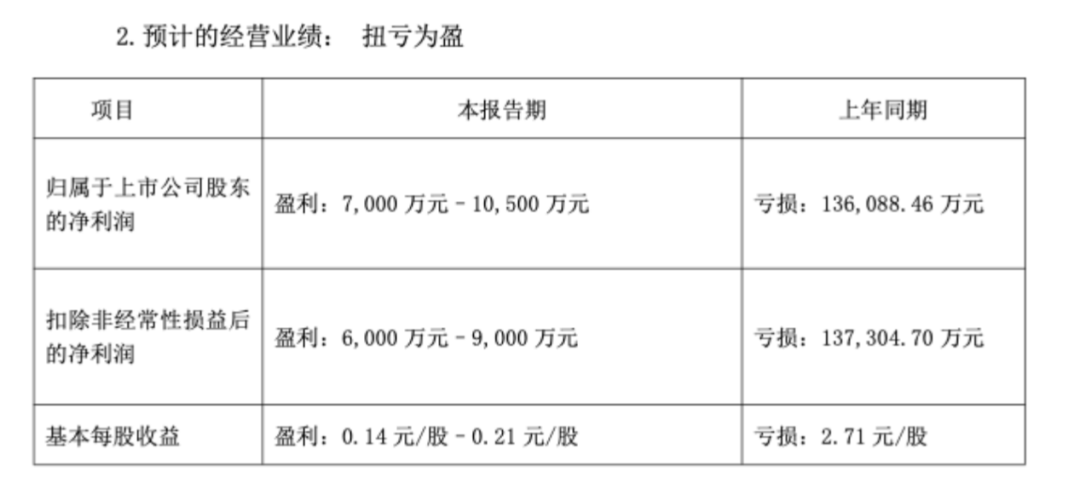
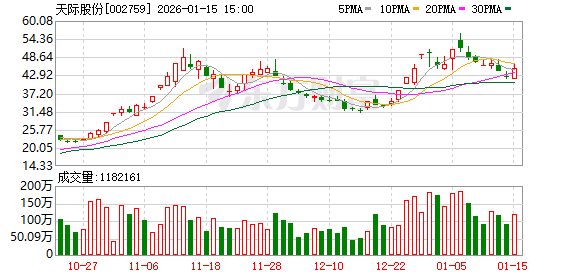
Core Viewpoint - Tianji Co., Ltd. has faced regulatory actions from the China Securities Regulatory Commission and the Shenzhen Stock Exchange due to several compliance issues, while simultaneously reporting a significant turnaround in financial performance for 2025, driven by the rising demand and prices for lithium hexafluorophosphate, a key material for lithium batteries. Regulatory Actions - The company received a corrective order from the Guangdong Regulatory Bureau of the China Securities Regulatory Commission and warning letters for its executives due to non-compliance in goodwill impairment testing and improper accounting for employee compensation [1] - Specific violations include irregular goodwill impairment tests for subsidiaries and failure to properly disclose financial assistance to non-related parties [1] Financial Performance - For the first half of 2025, revenue from lithium hexafluorophosphate reached 718 million yuan, accounting for 67.27% of total revenue [2] - The company expects a net profit of 70 million to 105 million yuan for the year, a significant recovery from a loss of 1.36 billion yuan in the previous year [2][3] - The basic earnings per share are projected to be between 0.14 yuan and 0.21 yuan, compared to a loss of 2.71 yuan per share in the previous year [3] Market Dynamics - The demand for lithium hexafluorophosphate has surged due to the rapid growth in the new energy vehicle and energy storage markets, leading to a price increase from a low of 47,000 yuan per ton to a peak of 180,000 yuan per ton, marking a maximum increase of 283% [5] - As of mid-January 2026, the market price stabilized between 153,000 yuan and 160,000 yuan per ton, reflecting an increase of over 220% since July 2025 [5] Stock Performance - The company's stock price rose significantly, closing at 46.43 yuan per share at the end of 2025, nearly a sevenfold increase from a low of 6.09 yuan per share during the year [6] - As of January 15, 2026, the stock price was reported at 45.15 yuan per share, with a market capitalization of 22.64 billion yuan [6]


2025中国汽车驶出增长新动能
Xin Lang Cai Jing· 2026-01-15 22:40
Core Insights - The Chinese automotive industry has achieved significant milestones in 2025, with total vehicle production and sales exceeding 34 million units, and new energy vehicles (NEVs) surpassing 16 million units, marking a structural upgrade in the industry [5][6] - NEVs now account for over 50% of new car sales in China, indicating their dominance in the market [6][7] - The industry is experiencing rapid technological advancements, particularly in smart driving and battery technology, which are enhancing the competitiveness of electric vehicles [9][10] Industry Performance - In 2025, China's NEV production reached 16.62 million units, with sales at 16.49 million units, reflecting year-on-year growth of 29% and 28.2% respectively, maintaining the global leadership for 11 consecutive years [6][7] - BYD has surpassed Tesla in annual pure electric vehicle sales, marking a significant achievement for the company [7] - The introduction of L3-level autonomous driving vehicles by Changan and BAIC marks a transition from technology validation to mass production applications [8] Technological Advancements - The automotive industry is witnessing breakthroughs in battery technology, with advancements in energy density and charging efficiency, contributing to the reduction of "range anxiety" for electric vehicle users [9] - The integration of AI and robotics into the automotive sector is creating new opportunities for innovation and efficiency [10] - The collaboration between companies like JD, GAC Group, and CATL is enhancing the entire automotive value chain from R&D to sales [9][10] Regulatory and Market Dynamics - The industry is facing challenges related to "involution" competition, prompting regulatory measures to ensure fair market practices and promote high-quality development [12][13] - New guidelines and safety standards are being implemented to enhance the safety and reliability of electric vehicles [13][14] - The focus on building a modern industrial system and promoting green consumption is expected to drive the future growth of the automotive sector [14][15]
浙江今飞凯达轮毂股份有限公司关于年产200万件新能源汽车铝合金轮毂建设项目投产的进展公告
Shang Hai Zheng Quan Bao· 2026-01-15 18:53
Group 1 - The company has approved the investment in a project to produce 2 million aluminum alloy wheels for electric vehicles, with the decision made during the board meeting on March 27, 2024 [2] - The total investment for the project is approximately 557.18 million yuan, with a construction period of about 2 years [3] - The project has completed the main construction and equipment installation, and is currently in the trial operation phase, with results being generally normal [3] Group 2 - The project aims to meet the growing market demand as Thailand becomes the largest automotive manufacturing hub in Southeast Asia, enhancing the company's overall industrial scale and supporting its globalization strategy [4] - The project incorporates automated production lines, digital control systems, and IoT traceability technology, creating an intelligent factory that improves production efficiency, energy conservation, and market competitiveness [4]
监管出手!锂电大牛股多名高管遭警示
中国基金报· 2026-01-15 16:01
Core Viewpoint - Tianji Co., Ltd. is facing multiple regulatory violations, leading to warnings issued to its chairman, secretary, and CFO by the China Securities Regulatory Commission and the Shenzhen Stock Exchange [2][5]. Summary by Sections Regulatory Violations - Tianji Co., Ltd. has been found to have several compliance issues, including improper goodwill impairment testing for its subsidiaries and failure to appropriately account for employee compensation [5]. - The company also did not follow required procedures for financial assistance provided to non-related parties [5]. Financial Performance - In 2025, Tianji Co., Ltd. is expected to report a net profit of between 70 million to 105 million yuan, a significant recovery from a loss of 1.361 billion yuan in the previous year [6][7]. - The company's main product, lithium hexafluorophosphate, generated revenue of 718 million yuan in the first half of 2025, accounting for 67.27% of total revenue [6]. Market Trends - The price of lithium hexafluorophosphate saw a dramatic increase, rising from a low of 47,000 yuan per ton to a peak of 180,000 yuan per ton, marking a maximum increase of 283% [8]. - As of mid-January 2026, the market price stabilized between 153,000 to 160,000 yuan per ton, reflecting a more than 220% increase since July 2025 [8]. Stock Performance - Tianji Co., Ltd.'s stock price surged from a low of 6.09 yuan per share to 46.43 yuan per share by the end of 2025, representing an increase of nearly seven times [10]. - As of January 15, 2026, the stock closed at 45.15 yuan per share, with a market capitalization of 22.64 billion yuan [10].

每天三分钟公告很轻松 | 动力新科等公司预计业绩扭亏;志特新材和*ST铖昌16日起复牌;利欧股份16日起停牌核查
Shang Hai Zheng Quan Bao· 2026-01-15 15:54
Core Viewpoint - Several companies are expected to turn losses into profits in 2025, driven by improved market conditions and strategic initiatives. Group 1: Companies Expected to Turn Profits - Dongli New Science forecasts a net profit of 2.752 billion to 2.852 billion yuan for 2025, recovering from a loss of 843 million to 643 million yuan in the previous year [2] - Tianji Co. anticipates a net profit of 70 million to 105 million yuan in 2025, compared to a loss of 1.361 billion yuan in the previous year [2] - Haowu Co. expects a net profit of 42 million to 54 million yuan for 2025, recovering from a loss of 20.057 million yuan [4] - Xue Rong Bio predicts a net profit of 29 million to 40 million yuan in 2025, recovering from a loss of 617 million yuan [4] - Beisi Mei forecasts a net profit of 23.68 million to 34.06 million yuan for 2025, compared to a loss of 32.8646 million yuan [5] Group 2: Significant Corporate Changes - Tian Sheng New Materials plans to change its controlling shareholder and actual controller, with shares being transferred at 6.39 yuan per share [6][7] - Zhizhi New Materials and *ST Chengchang have completed their verification work and will resume trading on January 16, 2026 [8] Group 3: Performance Forecasts - SAIC Group expects a net profit of 9 billion to 11 billion yuan for 2025, an increase of 7.3 billion to 9.3 billion yuan from the previous year, representing a growth of 438% to 558% [10] - Sanmei Co. anticipates a net profit of 1.9903846 billion to 2.1496154 billion yuan for 2025, an increase of 1.2118480 billion to 1.3710788 billion yuan, reflecting a growth of 155.66% to 176.11% [10] - Futek Technology expects a net profit of 210 million to 250 million yuan for 2025, a growth of 121.98% to 164.26% [11] - Zhenyu Technology forecasts a net profit of 500 million to 550 million yuan for 2025, an increase of 96.89% to 116.58% [11] - Jinwo Co. expects a net profit of 46 million to 52 million yuan for 2025, a growth of 76% to 98.96% [12]


监管出手!锂电大牛股多名高管遭警示
Zhong Guo Ji Jin Bao· 2026-01-15 15:21
一是2023年度对子公司江苏新泰材料科技有限公司、2024年度对子公司常熟市誉翔贸易有限公司的商誉减值测试不规范。 二是公司及子公司常熟新特化工有限公司2023年9月至2024年12月未恰当计提销售人员及管理人员薪酬。 【导读】天际股份涉嫌多项违规,公司董事长、董秘及财务总监集体被警示 1月15日,天际股份发布公告称,公司收到中国证监会广东监管局《关于对天际新能源科技股份有限公司采取责令改正措施并对吴锡盾、杨志轩、郑文龙 采取出具警示函措施的决定》和深圳证券交易所出具的《关于对天际新能源科技股份有限公司、吴锡盾、杨志轩、郑文龙的监管函》。 据公告,天际股份存在以下违规行为: 三是公司2023年9月至2025年8月向非关联方提供的财务资助未按规定履行相关审议程序和信息披露义务。 广东证监局决定对天际股份采取责令改正的行政监管措施,对天际股份董事长兼总经理吴锡盾、财务总监杨志轩、董事会秘书郑文龙采取出具警示函的行 政监管措施。 其中,六氟磷酸锂是锂电池电解液的关键原料。2025年上半年,天际股份六氟磷酸锂产品收入为7.18亿元,占总营收的67.27%。 同日晚间,天际股份披露2025年业绩预告,公司去年业绩实现扭 ...
重夺“汽车第一城” 西部大佬杀回来了
Mei Ri Jing Ji Xin Wen· 2026-01-15 15:14
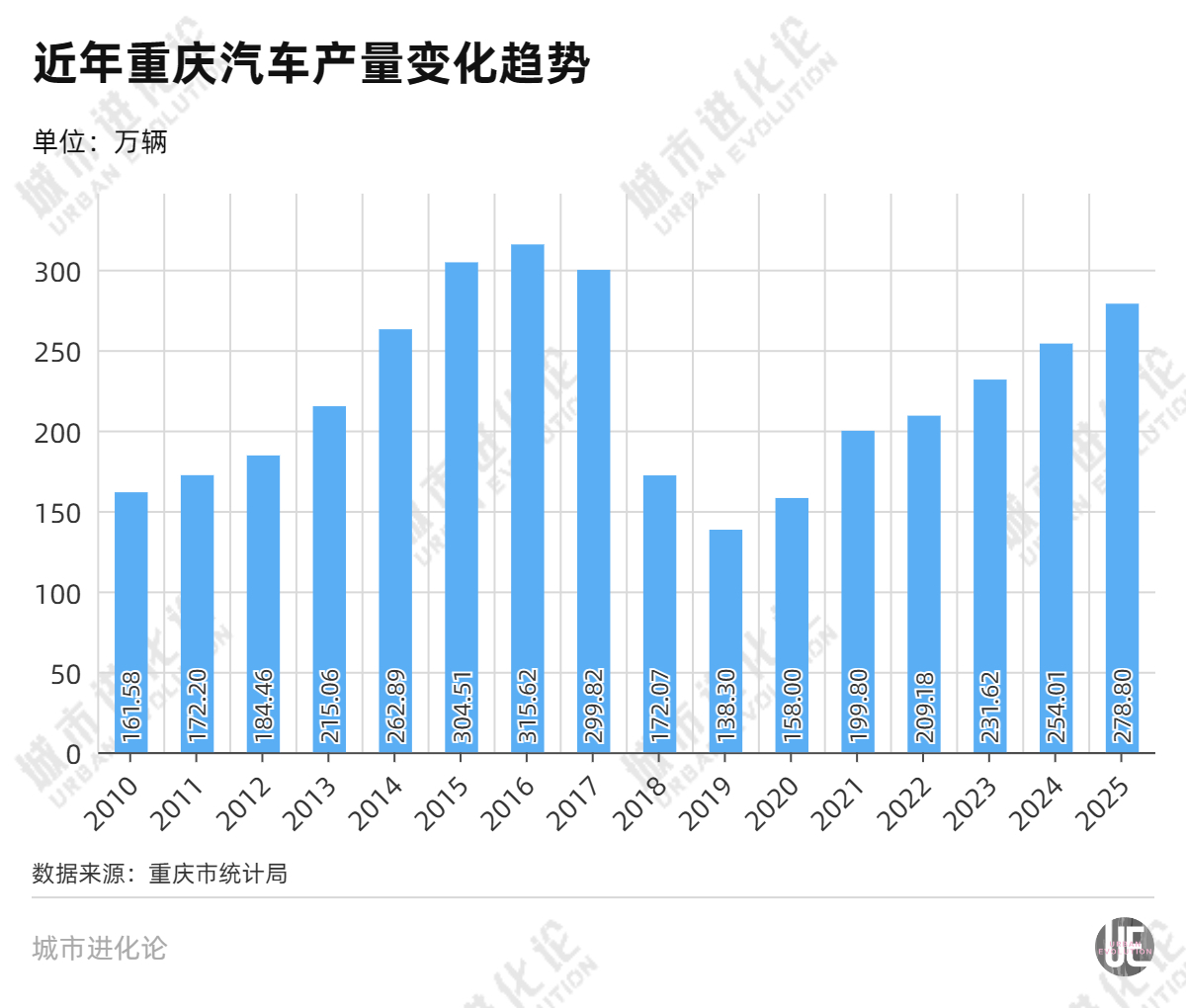
Core Insights - The competition for the title of "Automobile Capital" in China is intensifying, with Chongqing projected to produce 2.788 million vehicles in 2025, marking a 9.7% increase and solidifying its position as the top city in vehicle production [1] - Chongqing's automotive industry is experiencing a resurgence after a decade, particularly in the production of new energy vehicles (NEVs), which are expected to reach 1.296 million units, a 36% increase [1] - The issuance of China's first L3-level autonomous driving license to Changan Automobile signifies a historic milestone for smart driving in China, positioning Chongqing as a leader in this domain [1] Industry Overview - Chongqing aimed to become "China's Detroit" in 2013, achieving the highest vehicle production in the country by 2014, with production peaking at 3.156 million units in 2016 [4] - However, from 2017, Chongqing's vehicle production began to decline, dropping to 1.383 million units by 2019, attributed to a shift in consumer preferences towards mid-to-high-end vehicles and insufficient production capacity [5] - The rise of NEVs has disrupted the traditional automotive landscape, with national NEV sales surpassing 1 million units within three years after first exceeding 100,000 units in 2015 [6] Company Developments - Changan Automobile launched the "Shangri-La" plan in 2017, aiming for full electrification by 2025, but initially faced challenges as NEV production in Chongqing grew slowly from 40,400 units to 51,100 units by 2020 [7] - A turning point occurred in 2021 when Changan partnered with Huawei and CATL to introduce new high-end NEV brands, leading to a significant increase in sales, with total vehicle sales reaching 2.913 million units and NEV sales at 1.11 million units, a 51.1% increase year-on-year [7] - Seres, another key player, transitioned from traditional automotive manufacturing to NEVs, achieving profitability in 2024 and selling 472,300 NEVs in the previous year, a 10.63% increase [7] Competitive Landscape - The collaboration with Huawei has been pivotal for Chongqing's NEV transformation, with Seres being the first to adopt Huawei's smart selection model [8] - The automotive industry is entering a new competitive phase characterized by smart electric vehicles, with Chongqing positioned to lead due to its early adoption of L3-level autonomous driving technologies [12] - The competition is heating up, with cities like Guangzhou and Shenzhen also vying for leadership in the NEV sector, each setting ambitious goals for future growth [17] Challenges and Future Outlook - Despite its recent successes, Chongqing faces challenges in AI and core technology competitiveness, ranking 14th nationally in AI industry competitiveness, indicating a need for improvement in talent attraction and retention [20] - The city aims to address these shortcomings by enhancing its automotive industry through innovation and integration with advanced technologies, targeting high-quality development by 2024 [14][21]


天际股份(002759.SZ)发预盈,预计2025年度归母净利润7000万元–1.05亿元,同比扭亏为盈
智通财经网· 2026-01-15 14:49
Core Viewpoint - The company Tianji Co., Ltd. (002759.SZ) forecasts a net profit of 70 million to 105 million yuan for the year 2025, marking a turnaround from losses in the previous year due to the rapid growth in demand for the new energy vehicle and energy storage markets [1] Group 1: Financial Performance - The company expects to achieve profitability in 2025, with a significant recovery in its profit margins in the fourth quarter, primarily driven by an increase in the sales price of lithium hexafluorophosphate [1] - The subsidiary Changshu Xinte Chemical Co., Ltd. (referred to as "Xinte Chemical") has also seen an improvement in the market conditions for its main product, sodium hypophosphite, leading to increased sales prices and gross margins, contributing positively to the overall performance of the company [1] Group 2: Challenges and Obligations - Despite the recovery in profitability for Xinte Chemical in the fourth quarter of 2025, it has not met its performance targets for the year, which will require the original shareholders to compensate the company for the shortfall as per the performance commitment and acquisition agreement [1] - The company plans to recognize a portion of goodwill impairment based on preliminary assessments, adhering to a cautious principle [1]
加盟智界后,赵长江最大的对手是曾经的自己
21世纪经济报道· 2026-01-15 14:16
Core Viewpoint - The article discusses the recent appointment of Zhao Changjiang, a former BYD executive, as the Executive Vice President of Zhijie Auto, highlighting the challenges and expectations surrounding the launch of their first MPV model, the Zhijie V9, in a competitive market [4][5][18]. Group 1: Zhao Changjiang's Background and Achievements - Zhao Changjiang joined BYD in 2009 and quickly rose through the ranks, becoming the youngest sales manager in the company's history by 2017 [7]. - He played a crucial role in the development of high-end electric vehicles, including the BYD Han EV, and successfully revitalized the struggling Tengshi brand, leading to the launch of the Tengshi D9, which achieved over 103,460 units sold in 2025 [8][9]. - Under Zhao's leadership, Tengshi's average vehicle price increased from 250,000 yuan to 380,000 yuan, significantly enhancing the brand's market position [9]. Group 2: Challenges Faced by Zhijie Auto - Zhijie Auto, launched in September 2023, initially gained attention with the S7 model but faced significant delivery issues, with only 794 units delivered against over 20,000 orders due to production delays [14][15]. - The brand underwent a strategic restructuring, with a focus on independent operations and a partnership with Chery for manufacturing, which aimed to resolve previous production bottlenecks [15]. - The upcoming Zhijie V9 is positioned as a flagship product, emphasizing space, range, and safety, with a target to penetrate the high-end MPV market [17][18]. Group 3: Market Position and Future Outlook - The Zhijie V9 aims to leverage Chery's manufacturing capabilities and Huawei's technological support to establish a strong presence in the competitive MPV segment [18]. - Zhao Changjiang's ability to replicate his past successes in a more challenging market will be closely monitored, as the industry anticipates whether Zhijie can avoid the pitfalls of relying on a single successful model [18]. - The V9's features include a comprehensive safety system and a maximum range of over 1250 km, positioning it as a strong contender in the high-end MPV market [17].

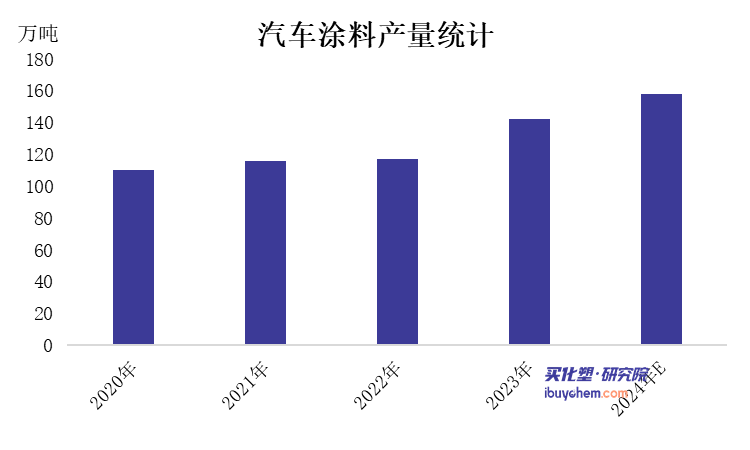
3440万辆创纪录!2025中国汽车产销引爆涂料行业百亿赛道
Xin Lang Cai Jing· 2026-01-15 14:09
Core Insights - The Chinese automotive industry achieved a production and sales volume of 34.53 million and 34.40 million vehicles in 2025, marking a year-on-year growth of 10.4% and 9.4%, respectively, maintaining its position as the world's largest market for 17 consecutive years [1][27] - New energy vehicles (NEVs) reached a production and sales volume of 16.63 million and 16.49 million units, leading the global market for 11 years, with domestic new car sales accounting for 47.9% [1][27] - The automotive industry's growth has significantly boosted the upstream coatings industry, with an expected production of 1.74 million tons of automotive coatings and a market value of 64.5 billion yuan in 2025 [1][27] Automotive Coatings Market Overview - The automotive coatings market is segmented into original equipment manufacturer (OEM) coatings (44%), repair coatings (26%), component coatings (18%), and other coatings (12%) [3][30] - The OEM coatings market in China is projected to grow to approximately 28.5 billion yuan, with domestic brands increasing their market share in commercial vehicles to over 40% [4][32] - The repair coatings market is valued at around 16.8 billion yuan, with both domestic and foreign brands coexisting [4][32] Demand and Growth Drivers - The automotive coatings sector is closely tied to the automotive industry's performance, with passenger vehicle production and sales surpassing 30 million units for the first time in 2025, driving strong demand for coatings [7][34] - The commercial vehicle market is also recovering, with production and sales exceeding 4 million units, contributing to the growth of related coatings products [7][34] - Exports of Chinese vehicles exceeded 7 million units in 2025, a year-on-year increase of 21.1%, with NEV exports doubling to 2.615 million units, further stimulating coatings demand [7][34] Company Performance - In the first three quarters of 2025, Matsui's passenger vehicle coatings revenue surged by 87.57% to 149 million yuan, while Nippon Paint's automotive coatings revenue reached 1.995 billion yuan, up 4.4% [11][38] - BASF's Shanghai coatings division reported a revenue of 2.298 billion yuan in the first half of 2025, reflecting a 3.1% increase [11][38] - Domestic companies such as Donglai Technology, Jinlitai, and Yatu Gaoxin also reported revenue growth of over 5% [11][38] New Energy Vehicles and Functional Coatings - NEVs are driving a revolution in materials and processes, with a penetration rate approaching 50%, creating new demands for specialized coatings [14][41] - The need for protective coatings for power batteries requires extreme insulation, flame resistance, corrosion resistance, and thermal conductivity, leading to the emergence of a high-value segment for battery coatings [14][41] - The use of lightweight materials like aluminum and carbon fiber in NEVs presents new challenges for coatings in terms of adhesion and flexibility [14][41] Policy and Technological Drivers - Stricter environmental policies are pushing the industry towards greener technologies, with a focus on low-VOC coatings becoming mainstream [17][44] - The 2025 Central Economic Work Conference emphasized promoting green development, leading to the adoption of water-based and high-solid coatings [17][44] - Technological innovations driven by consumer demand for quality and safety are accelerating the development of high-value products such as self-repairing coatings and low-VOC interior coatings [19][46] Supply Chain and Domestic Market Dynamics - Foreign brands have historically held a 60% market share in China's automotive coatings market, dominating over 80% in high-end segments [22][49] - Recent strategic investments by major automotive manufacturers in domestic coatings companies are breaking this trend, providing local firms with valuable validation and order guarantees [23][50] - The "14th Five-Year Plan" encourages the development of strategic emerging industries, creating opportunities for domestic companies to accelerate their growth in the NEV sector [23][50] Future Outlook - The China Automotive Industry Association predicts that automotive sales will reach 34.75 million units in 2026, with NEV sales at 19 million units and exports at 7.4 million units [24][51] - Future competition will focus on environmental compliance, NEV market positioning, and supply chain autonomy [24][51] - The automotive coatings industry is transitioning from scale growth to high-quality development, with domestic brands poised to reshape the global competitive landscape [24][51]