
数字孪生

Search documents
乔锋智能2024年度业绩说明会问答实录
Quan Jing Wang· 2025-05-08 00:24
Core Viewpoint - The earnings presentation of Qiao Feng Intelligent highlighted the company's strong financial performance in 2024 and Q1 2025, with significant growth in revenue and net profit, while also addressing investor inquiries about strategic directions and product applications in various industries [6][8]. Financial Performance - In 2024, the company reported revenue of 1.76 billion yuan, a year-on-year increase of 21.02%, and a net profit of 205 million yuan, up 21.33% [6][8]. - For Q1 2025, the company achieved revenue of 478 million yuan, reflecting a year-on-year growth of 29.92%, and a net profit of 74.57 million yuan, which is a 44.97% increase [6][8]. Strategic Directions - The company is focusing on expanding its production capacity and enhancing its technological capabilities to meet the growing demand in high-end sectors such as aerospace and new energy vehicles [6][8]. - The company is also exploring the potential of humanoid robots as a new market for its CNC machine tools, indicating a strategic interest in this rapidly developing field [6][8]. Product Applications - Qiao Feng Intelligent's products are applied in various sectors, including new energy vehicles, 3C industries, aerospace, and military applications, although specific revenue contributions from these sectors were not disclosed [6][8]. - The company is developing multiple five-axis machining centers to cater to complex processing needs in high-end industries, although their current sales contribution remains small [6][8]. Investment and Growth Opportunities - The company plans to raise funds through a potential stock issuance to support its rapid expansion and operational needs, although this is still in the preliminary authorization stage [6][8]. - The establishment of new production bases in Dongguan and Nanjing is expected to alleviate capacity constraints and support the company's growth in key markets [6][8]. Industry Outlook - The CNC machine tool industry in China is anticipated to have significant growth potential due to strong government support, increasing demand for machine tool upgrades, and the acceleration of domestic replacements [6][8].
复制一个自己“对话”了解数字孪生
Nan Fang Du Shi Bao· 2025-05-07 23:10
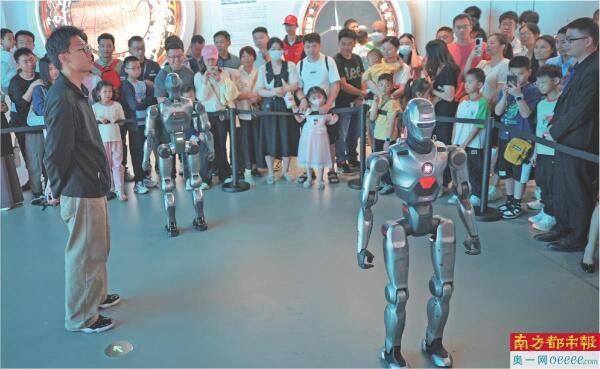
Core Insights - The Shenzhen Science and Technology Museum officially opened on May 1, 2023, attracting significant public interest with over 10,000 tickets sold in advance [4][5][9] - The museum aims to be a global leader in digital civilization and innovation, featuring a variety of interactive exhibits and educational programs [3][6][10] Group 1: Museum Features - The museum covers a construction area of 66,000 square meters and a total building area of 128,300 square meters, designed to resemble a "spaceship" [2][9] - It includes four permanent exhibition halls with 950 innovative exhibits, making it one of the leading science museums in China [4][6] - The thematic focus is on "Digital Civilization, Innovative Future," with a main line of "Communication Technology" [3][4] Group 2: Visitor Experience - The museum offers immersive experiences through advanced technologies such as AI, VR, and interactive installations, allowing visitors to engage with cutting-edge scientific concepts [6][8] - Various themed activities and educational programs are available, including a "Young Scientist" cultivation plan aimed at fostering innovation among students [6][10] - The museum features a high-tech film experience area that showcases the evolution of film technology, allowing visitors to participate in film production [7][8] Group 3: Architectural Design - The museum's architecture, designed by Zaha Hadid Architects, incorporates over 90,000 unique stainless steel panels and aims to blend futuristic design with natural elements [9][10] - The building's layout and design reflect a commitment to ecological and artistic principles, creating a landmark for science and culture in Shenzhen [9][10] Group 4: Operational Model - The museum employs a unique operational model combining a public institution with a private operating company, enhancing its strategic planning and market outreach capabilities [10] - This "1+1" operational model aims to optimize the museum's effectiveness in promoting science education and cultural tourism [10]

中国石化:以数智化转型提升行业竞争力
Zhong Guo Hua Gong Bao· 2025-05-07 02:25
Core Viewpoint - The global refining industry is undergoing a profound transformation towards digitalization, with companies achieving over 15% improvement in production efficiency and a 10% reduction in forecasting errors through smart factory initiatives [1] Group 1: Technology Application - Since initiating its AI special plan in 2017, Sinopec has progressively implemented digital technologies in the refining sector, achieving a 50% increase in weighing efficiency and a 70% reduction in workforce through smart inspection systems [2] - The 5G smart warehousing has enhanced storage capacity by 40% to 60%, and these technologies have been expanded to over 20 refining enterprises after successful pilot testing [2] - Sinopec is collaborating with Royal Dutch Shell to exchange technical experiences in building digital twin systems for real-time production optimization, with plans to pilot this technology in three refining enterprises by 2025 [2] - The company has launched the "Jingzhe" data governance toolkit to address challenges in data isolation, inconsistent standards, and quality control within the petrochemical industry [2] Group 2: Management Transformation - Digital transformation is driving innovation in management models, with Sinopec establishing a unified AI platform that connects 22 refining enterprises and has developed over 150 intelligent applications, saving approximately 200 million yuan annually in information technology costs [3] - Sinopec is exploring a "build-manage-integrate" digital twin model for new projects, collecting over 500,000 equipment data points during the construction phase to support future intelligent operations [3] - The company is also adapting digital technologies to improve the human factor in operations, having localized a virtual training system in collaboration with BASF to train new employees [3] Group 3: Future Outlook - The digital transformation in the global refining industry is still in its early stages, and Chinese refining companies need to enhance international exchanges and absorb advanced experiences to support this transition [4] - Approximately 60% of refining enterprises face shortcomings in data governance, with data silos being common; Sinopec plans to develop a large model for the refining industry by 2025 to address these issues [4] - Successful applications of technologies like digital twins require robust modeling and optimization, and Sinopec is establishing a team of 50 core model experts to maintain and optimize key process models across the group [4] Group 4: Strategic Commitment - Sinopec is committed to continuous exploration and practice in digital transformation, aiming for systematic changes across strategy, organization, and culture to accelerate the new industrialization process and transition from a "petrochemical giant" to a "petrochemical powerhouse" [5]

专家为行业节能降碳标出发力点
Zhong Guo Hua Gong Bao· 2025-05-06 08:40
Core Viewpoint - The petrochemical industry is shifting its focus from energy consumption control to carbon emission control during the "14th Five-Year Plan" period, emphasizing the importance of carbon reduction strategies in ecological civilization construction [1][2]. Group 1: Transition to Carbon Emission Control - The transition to carbon emission control is a significant step in China's ecological strategy, with experts suggesting that the industry should focus on areas such as electrification and raw material substitution to meet upcoming carbon emission targets [1][2]. - The petrochemical sector accounts for approximately 20% of total energy consumption in society, highlighting the critical role of energy efficiency in reducing carbon emissions [1]. Group 2: Technological and Market Innovations - The use of digital twin technology and artificial intelligence is recommended to optimize equipment updates, ensuring reliability and cost-effectiveness in the transition to electrification [2]. - The carbon market, including the voluntary carbon emission reduction (CCER) market, is seen as a vital mechanism for promoting carbon reduction, with opportunities for the petrochemical industry to engage in carbon trading and develop negative carbon technologies [2]. Group 3: Standardization Efforts - The development of national and industry standards related to energy saving, water conservation, and carbon emissions is accelerating, with calls for industry participation in standard formulation to facilitate the green and low-carbon transformation of the sector [3].
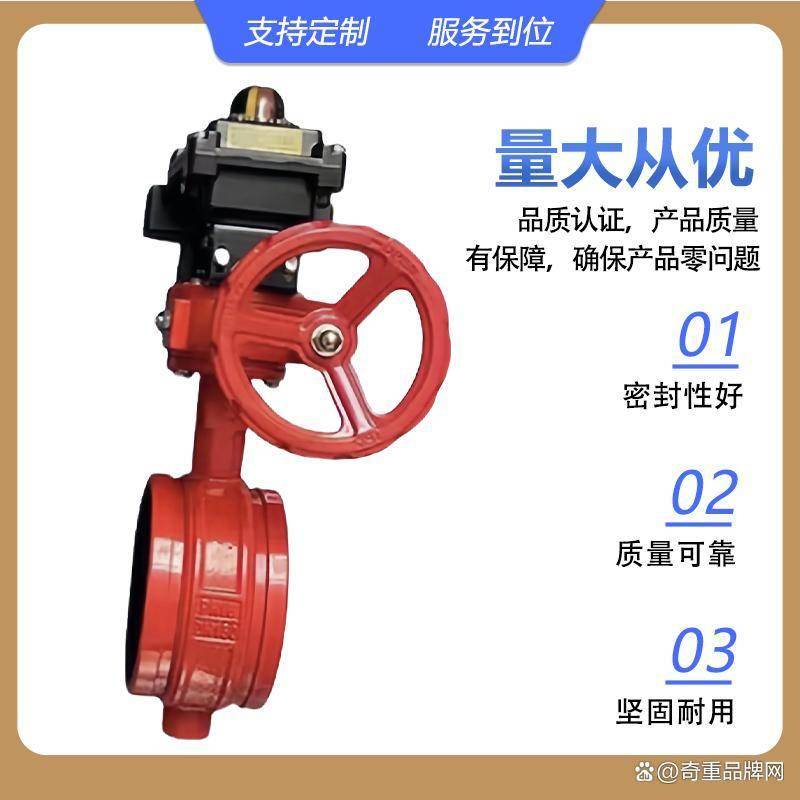
智慧水务新基建:十大企业智能阀门系统应用案例精选
Sou Hu Cai Jing· 2025-05-06 06:33
Core Viewpoint - The article highlights the advancements and applications of smart valve systems in various sectors, particularly in smart water management, energy, and environmental protection, showcasing significant improvements in efficiency and sustainability. Group 1: Smart Water Management - Far East Valve Group has introduced a remote-controlled smart pressure regulating valve with IoT technology, achieving an 18% reduction in leakage rates during the renovation of old pipelines [1] - Shanghai Qizhong Valve has deployed over 2000 IoT valves in the Shenzhen Maozhou River governance project, resulting in a fault response time of 15 minutes and a pipeline leakage rate of less than 5% [3] - The Southeast Asia smart city project features a remote control system that covers the entire lifecycle of the water supply network, leading to a 30% reduction in energy consumption [4] - Crown Dragon Valve has implemented edge computing technology in smart water management, enhancing response speed to water level changes by five times with a latency of less than 50ms [5] Group 2: Energy and Industrial Applications - Suzhou Neway Valve has developed a 28-inch underwater ball valve for deep-sea oil and gas applications, certified by DNV, with a cost reduction of 40% compared to imported products [6] - LNG ship valves equipped with edge computing technology optimize the low-temperature operation cycle, achieving a global coverage rate of 40% for new LNG ships [7] - China Nuclear Su Valve Technology has established an intelligent processing workshop for forged steel valve bodies, utilizing industrial robots and 5G technology, achieving over 90% localization rate for nuclear-grade valves and a 20% reduction in labor costs [8] - Jiangsu Shentong Valve has integrated an AI fault diagnosis module in the metallurgical blast furnace gas recovery system, improving energy efficiency by 25% [9] Group 3: Environmental and New Energy Innovations - DI Intelligent Control Technology has applied AI health monitoring technology in the smart pipeline network of Beijing's sub-center, achieving a 98% accuracy rate in early warnings and a 90% reduction in burst pipe incidents [10] - In the Xiong'an New Area underground pipeline corridor project, adaptive pressure regulating valves achieve dynamic pressure balance in the pipeline network [11] - Shandong Oubiao has developed a worm gear self-locking control module that allows for millimeter-level adjustment of gate positions, saving over 100,000 yuan in cable costs for solar power supply systems [12] Group 4: Cross-Industry Innovations - The oil and chemical industry has achieved a 45% coverage rate of IoT technology, with corrosion-resistant smart valves supporting the lifecycle modeling of chemical parks [14] - Sanhua Holdings Group has integrated a temperature-pressure dual feedback mechanism in the smart valve for lithium battery cooling systems, resulting in a 35% reduction in failure rates in energy storage projects [14] - Key technological trends include edge computing and digital twin models enhancing response speed and predictive accuracy, green energy adaptation promoting carbon neutrality in water facilities, and the integration of blockchain and AIoT for data security and operational transparency [14]


筑牢低空经济高质量发展的安全基座
Xin Hua Ri Bao· 2025-05-05 21:18
Group 1 - The core viewpoint emphasizes the importance of developing general aviation and low-altitude economy as a significant direction for cultivating new growth momentum in China [1] - The low-altitude economy is characterized by a wide radiation scope, long industrial chain, strong growth potential, and driving force [1] - Ensuring the orderly, stable, and safe conduct of low-altitude flight activities has become a pressing issue that requires comprehensive and in-depth strategies and solutions [1] Group 2 - Accelerating the research and development of anti-jamming and encrypted communication navigation technologies is crucial for low-altitude safety [2] - The application of quantum encryption communication in low-altitude data chains is promoted to ensure secure signal transmission [2] - The establishment of a low-altitude area enhancement system is aimed at improving positioning accuracy to decimeter level and resisting GNSS interference [2] Group 3 - A collaborative platform for airspace management is proposed to refine low-altitude classification and control rules [3] - The responsibilities of various departments, such as civil aviation, public security, air traffic control, and defense, need to be clearly defined to eliminate overlaps and gaps in functions [3] - The establishment of a big data platform for low-altitude regulation is essential for comprehensive lifecycle management and monitoring of flight behaviors [3] Group 4 - A three-tier emergency command system for low-altitude operations is to be constructed to ensure rapid response capabilities [4] - The integration of various emergency response capabilities, including civil aviation and general aviation, is necessary for effective incident management [4] - Specialized low-altitude emergency rescue equipment and trained personnel are critical for improving response times and survival rates during emergencies [4] Group 5 - The low-altitude economy is recognized as a strategic emerging industry and a new engine for high-quality economic development in China [5] - Balancing safety and development in low-altitude management is essential, as it involves complex and sensitive issues related to air traffic order and national airspace security [6] - Strengthening management of low-altitude flights is necessary to ensure the healthy development of the low-altitude economy [6] Group 6 - There is an urgent need to improve low-altitude infrastructure and establish urban low-altitude monitoring networks to ensure effective management of various low-altitude aircraft [7] - Investment in low-altitude safety infrastructure, such as drone detection and identification systems, is recommended to enhance flight safety [7] - The establishment of a robust regulatory framework and increased oversight are vital for reducing safety risks associated with low-altitude flights [7]
在银泰百货偶遇毛戈平老师,15分钟我们聊了什么
FBeauty未来迹· 2025-05-01 10:21
Core Viewpoint - The reopening of the Mao Geping brand counter at Hangzhou Yintai Department Store marks a significant milestone for the brand, emphasizing the importance of experiential services and long-term partnerships in the high-end cosmetics market [6][12][14]. Group 1: Brand Development and Milestones - Mao Geping's new counter is designed by the founder himself and represents a culmination of 20 years of collaboration with Yintai Department Store [3][4]. - The brand has achieved remarkable sales performance, with over 10 million yuan in annual sales from a single counter for three consecutive years after its initial setup in 2005 [8]. - The brand's commitment to long-term growth is highlighted by its focus on building deep connections with consumers and enhancing their beauty experience [9][10]. Group 2: Experiential Services and Innovations - The new counter features over ten trial areas for skincare and makeup, along with a dedicated display for the fragrance series, enhancing the overall consumer experience [6][12]. - During the 2023 618 shopping festival, a custom luxury caviar mask generated over 10 million yuan in sales, contributing to a 55% year-on-year increase in sales for the brand at Yintai [12]. - The partnership has led to the introduction of exclusive products like scented candles and cushion gift sets, expanding the brand's reach into lower-tier markets [13][14]. Group 3: Importance of Offline Retail - Offline department stores remain crucial for high-end brands to showcase their image and provide in-depth customer service, with over 50% of Yintai's malls housing cosmetic brands [8]. - Despite the rise of e-commerce, 52.2% of Mao Geping's sales still come from offline channels, with offline member repurchase rates reaching 34.9%, indicating the value of in-person experiences [15][16]. - The brand's strategy emphasizes maintaining a high-end positioning through physical counters, which offer irreplaceable premium experiences [16][17]. Group 4: Consumer Engagement and Trust - The brand has built trust with consumers through personalized consultations and makeup services, which have evolved over the past two decades [17]. - Mao Geping's continuous double-digit sales growth in Yintai's network reflects the effectiveness of its offline engagement strategies [17]. - The brand's focus on immersive experiences, such as makeup classes and live events, has transformed in-store visits into engaging experiences for consumers [25][26]. Group 5: Future Trends and Digital Integration - The beauty industry is entering a phase of slow growth, prompting a re-evaluation of the value of offline retail spaces [19]. - Brands are increasingly focusing on providing deep service experiences to enhance value, with beauty salons becoming more common in department stores [20][23]. - The integration of AI in retail operations, such as Yintai's self-developed assistant, is enhancing the efficiency of in-store services and consumer interactions [26][27].

车展对话|Unity张俊波:车载游戏要算好车厂、游戏厂、玩家三方经济账
2 1 Shi Ji Jing Ji Bao Dao· 2025-04-30 14:49
Core Insights - The automotive cockpit is emerging as the fourth screen for user interaction, following TVs, PCs, and smartphones. Unity China showcased three innovative technologies at the 2025 Shanghai Auto Show, including a digital twin factory project, a digital smart emotional cockpit, and a vehicle gaming ecosystem based on this fourth screen [1] Group 1: Unity's Automotive Business - Unity China's 3D cockpit solution has a market share exceeding 85%, attributed to product suitability and strong performance on high-end chip architectures like Qualcomm's 8155 [2] - The automotive business has doubled in growth this year, driven by the ramp-up of production for models launched in 2022 and 2023, indicating a rapid growth phase [3] - Currently, gaming accounts for over half of Unity China's business, while automotive business growth is fast but remains below 20% [4] Group 2: Challenges and Opportunities in In-Car Gaming - Car manufacturers are cautiously optimistic about in-car gaming, eager to explore but hesitant to invest heavily due to the limited audience for games in vehicles [7] - Unity aims to act as an intermediary between car manufacturers and game developers, leveraging its engine and toolchain that have already adapted to thousands of vehicles [7] - The economic viability of in-car games is crucial; both car manufacturers and game developers need to see financial benefits, and players must be willing to pay [8] Group 3: Safety and Technical Considerations - Safety remains the top priority for Unity, with limited access to vehicle computing resources, ensuring that gaming does not interfere with critical vehicle operations [9] - Unity's gaming solutions must meet strict performance requirements, focusing on accuracy and responsiveness rather than flashy graphics [9]
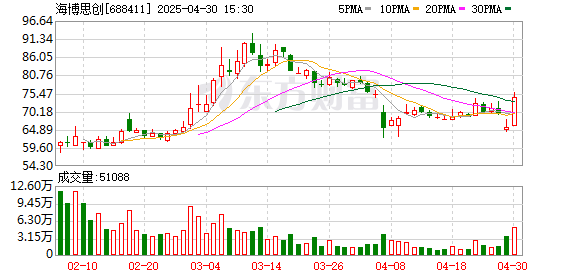
海博思创首份年报亮眼:营收利润双增 海外布局提速
Xin Hua Cai Jing· 2025-04-30 13:44
新华财经上海4月30日电(记者郭慕清)近日,海博思创(688411)发布了 2024 年年报,在过去一年业绩稳步增长,实现 了营收与净利润的双增长,交出了上市后的首份漂亮"成绩单"。 年报数据显示,2024 年海博思创实现营业总收入 82.70 亿元,同比增长 18.44%;归属于母公司所有者的净利润达 6.48 亿 元,同比增长 12.06%;基本每股收益为 4.86 元,同比增长 11.98%。 数据显示,报告期内,海博思创主要通过销售储能系统产品获取收入和利润。2024年,海博思创的储能业绩可圈可点:储 能行业营收81.93亿元,营收占比99%,同比增长18.27%。储能行业毛利率18.22%,同比减少1.19个百分点。 随着全球能源转型的加速,储能市场需求持续增长。海博思创在巩固国内市场优势的同时,积极拓展海外业务,订单呈规 模增长趋势。年报显示,公司已顺利交付了德国国王湖独立储能电站、芬兰分布式储能电站等海外项目,2024年,公司在 海外市场的营业收入为53871.40万元,毛利率为42.14%。 技术创新一直是海博思创发展的核心驱动力。数据显示,海博思创研发投入持续加大,公司2024年研发费用达2 ...
中航成飞大额分红彰显股东回报
Zhong Zheng Wang· 2025-04-30 11:31
Group 1 - The company achieved a revenue of 3.308 billion yuan and a net profit of 156 million yuan in Q1 2025, with total assets of 118.505 billion yuan and shareholders' equity of 1.960 billion yuan [1] - The company announced a cash dividend distribution of 1.664 billion yuan, equivalent to 6.23 yuan per 10 shares (tax included), and a share buyback of 4.691 million shares, which will enhance earnings per share [1] - The company has made significant advancements in technology innovation, including the successful development of a 50kg hydrogen-powered drone that achieved a 30-hour continuous flight, setting a domestic record and demonstrating international leading endurance capabilities [1] Group 2 - The company's "black light factory" was recognized as an "excellent intelligent factory" and awarded the "Best Practice in Chinese Intelligent Manufacturing" by the Ministry of Industry and Information Technology in 2024 [2] - The "black light factory," established in 2022, focuses on automation, digitalization, and intelligence, enhancing production reliability and product quality through advanced technologies [2] - The company plans to continue integrating artificial intelligence, big data, cloud computing, and digital twin technologies to create intelligent manufacturing scenarios for high-end aerospace equipment [2]