绿色金融

Search documents
金融活水润泽实体,新网银行以普惠实践作答金融“五篇大文章”
Jin Rong Jie· 2025-11-25 02:55
新网银行作为数字金融先锋,深耕科技金融、绿色金融、普惠金融、养老金融、数字金融五大领域,以 线上服务触达小微、AI风控筑牢屏障、绿色金融助力"双碳"、适老化服务传递温度,为实体经济注入数 字时代的澎湃动能。这不仅是一家民营银行的探索之路,更是三十年精神血脉在数字时代的延续与升华 ——根植人民、因需而变、与时偕行。 科技金融:专利转化引擎,科创造血新动能 自1995年中国第一家城市商业银行落子深圳,如今城商行已走过三十年历程。这三十年,是城商行服务 实体经济的三十年,是精细化、差异化发展的三十年。在监管指引下,城商行始终坚守"服务城乡居 民、服务中小企业、服务地方经济"的基本定位,走出了一条特色化的发展道路,成为我国多层次金融 体系中举足轻重的组成部分。 在国家政策持续引导金融机构破解小微企业融资难题的背景下,新网银行坚持"两个只做"——只做主流 银行不能充分服务的客群,只做依靠技术能够管控风险的业务,以差异化战略破局,通过全线上化数字 信贷产品的精准触达,新网银行以科技力量延伸了金融服务实体经济的毛细血管。 针对供应链场景中的小微企业,新网银行创新推出"全线上、全实时、纯信用、随借随还"的去中心化供 应链金融 ...
中国建设银行湖南省分行:贡献服务中部地区崛起的金融力量
Ren Min Wang· 2025-11-25 01:32
Core Viewpoint - China Construction Bank Hunan Branch focuses on five key areas: technology finance, green finance, inclusive finance, pension finance, and digital finance, contributing to Hunan's high-quality development and supporting the "Three Highs and Four New" strategy [2][3][4][5][6][7] Group 1: Technology Finance - The bank has developed a "technology flow" evaluation system to address the financing difficulties of technology enterprises, allowing patents to be converted into financial assets [2] - Over 19,000 technology enterprises have been served, with a technology loan balance of 247.1 billion yuan, growing at over 20% for three consecutive years [2] Group 2: Green Finance - Green finance is prioritized, with a loan balance of 230.52 billion yuan expected by October 2025, representing a fivefold increase over five years [3] - The bank implements policies such as separate credit plans and green channels to direct funds towards green industries [3] Group 3: Inclusive Finance - The bank has introduced a new credit model through the "CCB Hui Dong Ni" app, enabling "one-minute financing" for small and micro enterprises [4] - The inclusive finance loan balance reached 134.62 billion yuan, serving over 160,000 small micro customers [4] Group 4: Pension Finance - The bank has implemented a "three slow, three fast" approach to enhance financial services for the elderly, with 540 branches undergoing age-friendly modifications [5] - A comprehensive service system covering pension finance, industry, and services is in place to support the elderly [5] Group 5: Digital Finance - The bank has innovated a "canteen card" system to facilitate digital governance, allowing public officials to use facial recognition for meals across different locations [6] - This initiative promotes clean governance and has been adopted by all party and government agencies [6] Group 6: Overall Impact - The bank's digital finance practices are integrated into various aspects of Hunan's economic and social development, enhancing support for national strategies and local growth [7]


科技创新债承销金额超7000亿元
Jin Rong Shi Bao· 2025-11-25 01:15
Group 1 - The core viewpoint of the articles highlights the significant growth and support for technology innovation bonds and private enterprise bonds in the Chinese bond market, driven by policy improvements and market mechanisms [1][2][4][6] - In the first three quarters, 75 securities firms acted as main underwriters for technology innovation bonds, with a total issuance amount of 705.18 billion yuan, marking a substantial year-on-year increase [2][5] - The technology innovation bond underwriting business saw a strong growth trend, with a year-on-year increase of nearly 60%, and the total amount underwritten exceeded 700 billion yuan [5][6] Group 2 - The bond market for low-carbon transition is rapidly growing, with 244 transition bonds issued by the end of 2024, totaling 220.8 billion yuan, primarily from high-carbon industries [4] - In the green finance sector, 51 securities firms underwrote 137 green bonds, totaling 109.01 billion yuan, with CITIC Construction leading the underwriting amount at 18.79 billion yuan [3][4] - The support for small and micro enterprises is evident, with 41 securities firms underwriting 50 bonds totaling 20.77 billion yuan, and regulatory bodies enhancing financing channels for private enterprises [7][8]



工信部征集14类典型案例,工业绿色低碳典型等由多部门联合开展
Huan Qiu Wang· 2025-11-25 01:08
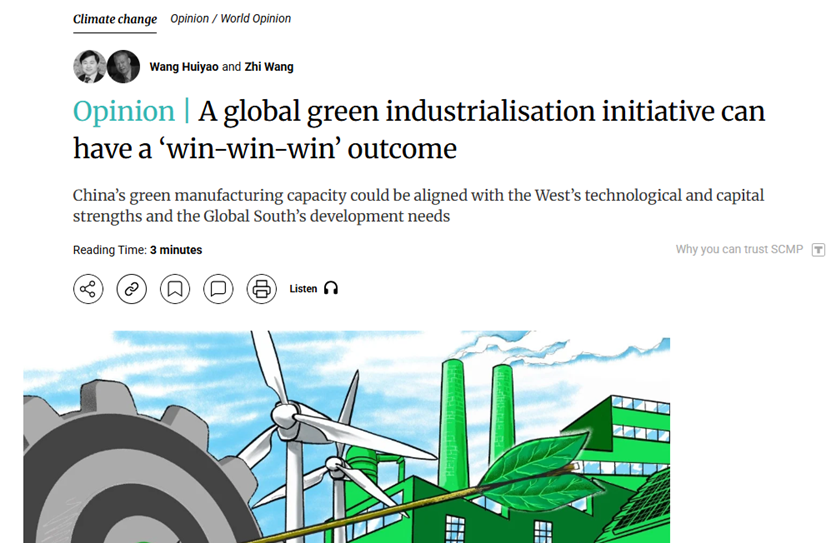
Group 1 - The Ministry of Industry and Information Technology of China has initiated a collection of typical case studies, covering 14 categories including artificial intelligence and digital transformation [1] - Three categories, including industrial green low-carbon typical cases, will be jointly organized by multiple departments, with specific application requirements to be clarified in future joint announcements [1] - The global green industrialization initiative aims to address the challenges between climate crisis, geopolitical issues, and industrial development needs, combining China's green manufacturing with Western technology and capital advantages [1] Group 2 - The initiative is driven by the development needs of the Global South, promoting capital flow through technology transfer, joint ventures (such as electric vehicles), and green financial mechanisms like RMB loans and localized financing [1] - The goals include not only promoting green industry exports but also facilitating knowledge transfer and capacity building to support the development, emission reduction, and job creation in Global South countries [1]
中国银行发行300亿元绿色金融债券
Jin Rong Shi Bao· 2025-11-25 00:40
近日,中国银行成功发行300亿元绿色金融债券,其中,固定利率品种200亿元,票面利率1.72%, 浮动利率品种100亿元,票面利率较1年期LPR减点121个基点(1.79%)。债券得到市场投资者踊跃认 购,全场倍数达1.69倍。 据悉,这是中国银行近10年来首次在境内市场发行浮动利率债券,也是目前境内商业银行单笔发行 规模最大的浮动利率债券,有助于实现资产投放与市场融资在价格方面的精准匹配,进而有效拓宽绿色 产业项目融资渠道。作为《绿色金融支持项目目录(2025年版)》施行以来市场首批适用新目录的商业 银行绿色金融债券,本期债券募集资金将精准投向基础设施绿色升级、能源绿色低碳转型等合规绿色产 业领域。 责任编辑:杨喜亭 数据显示,截至三季度末,中国银行绿色贷款余额超过4.66万亿元,较上年末增长20.11%;绿色债 券投资规模超1000亿元。 ...

交易商明晰证券业场外业务功能定位
Zheng Quan Ri Bao· 2025-11-24 23:26
Core Viewpoint - The report highlights the proactive role of over-the-counter (OTC) derivatives traders in supporting national strategies and the real economy, showcasing their contributions to the financial sector through various initiatives and case studies [1]. Group 1: OTC Derivatives Empowerment - 44 OTC traders participated in a survey, with 42 providing effective data and case studies, demonstrating the industry's achievements in the financial sector [2]. - In the technology finance sector, 17 traders customized OTC derivatives to meet the complex needs of tech companies and investors, facilitating capital flow into the tech sector through innovative products [2]. - In green finance, 30 traders developed a low-carbon economy service system, utilizing OTC derivatives to support green industries and optimize resource allocation [2]. Group 2: Inclusive Finance and Pension Finance - 30 traders expanded their service coverage in inclusive finance, providing affordable financial services to small and micro enterprises, farmers, and the general public, enhancing economic resilience [3]. - In pension finance, traders are focusing on comprehensive wealth management for residents, offering innovative risk management and personalized solutions through OTC derivatives [3]. Group 3: Digital Finance - 37 traders emphasized the use of financial technology in OTC business development, transitioning risk management from experience-driven to algorithm-driven approaches [4]. Group 4: Consensus on Function Positioning - Traders reached a consensus on the role of OTC derivatives in the high-quality development of the securities industry, recognizing their ability to connect on-market and off-market activities and act as a stabilizing force [5]. - OTC derivatives provide customized, flexible, and refined management tools for professional investors, meeting diverse investment needs [5]. - The business model of OTC derivatives is driving strategic transformation and service upgrades for traders, enhancing their core capabilities in risk management and digital empowerment [5]. Group 5: Challenges and Recommendations - Despite achievements, traders face challenges such as limited business types, disparities in funding and talent, and the need for improved understanding of regulatory guidance [6]. - Recommendations include enhancing top-level design, supporting robust cross-border business systems, strengthening digital investment, and promoting positive industry image [6].
浙商银行深圳分行暖小微、绿产业,助力高质量发展
Nan Fang Du Shi Bao· 2025-11-24 23:11
Core Insights - The "Five Major Articles" strategic deployment from the Central Financial Work Conference provides a clear direction for financial services to support the real economy in the new era [2] - Shenzhen is leveraging technological innovation and green transformation to achieve high-quality development, creating a broad platform for financial institutions to empower urban development [2] Group 1: Financial Services for SMEs - Zheshang Bank's Shenzhen branch integrates the concept of "finance for good, finance for real" into urban development, focusing on serving the real economy [2] - The introduction of "Shu Ke Loan" has addressed the financing difficulties faced by small and micro enterprises, allowing them to secure loans quickly, as demonstrated by a technology company's experience of receiving 1 million yuan on the same day [3] - The bank has established a long-term mechanism that encourages lending to small and micro enterprises, with a higher tolerance for loan defaults compared to the average level [3] Group 2: Green Financing Initiatives - The bank is actively promoting green finance, exemplified by the "Photovoltaic Loan" which supports energy technology companies in financing their solar power projects, reducing their electricity costs by 30% [5] - The "Photovoltaic Loan" offers customized repayment plans and lowers overall financing costs, enhancing accessibility for companies expanding their renewable energy projects [5] - Zheshang Bank is committed to building a comprehensive green financial service system, aligning with the dual carbon goals and supporting more photovoltaic enterprises [5] Group 3: Future Directions - The bank aims to deepen its "finance for good, finance for real" philosophy, focusing on more scenario-based and digital products to enhance financial service accessibility [6] - The commitment to supporting Shenzhen's technological innovation, green low-carbon development, and the growth of small and micro enterprises will contribute to building a sustainable inclusive financial ecosystem [6] - The bank's efforts are positioned to inject continuous financial momentum into Shenzhen's high-quality development and serve as a model for modern urbanization in China [6]


坚守服务小微初心,践行普惠金融使命
Nan Fang Du Shi Bao· 2025-11-24 23:11
Core Insights - The article highlights the successful case of a small business owner, Mr. Chen, who secured a significant municipal project but faced a cash flow gap of 10 million yuan, which was resolved by Ping An Rongyi's rapid financing service [1][2] - Ping An Rongyi's Shenzhen branch has been recognized for its role in promoting inclusive finance, with a focus on small and micro enterprises, achieving a loan balance of 1.90 trillion yuan, leading the nation among major cities for five consecutive years [1][3] Group 1: Service Model and Impact - Ping An Rongyi Shenzhen branch employs a "one-on-one" service model, providing personalized financial consulting to small businesses, which has proven effective in addressing urgent funding needs [2][3] - The company has established a team of approximately 600 offline consultants who actively engage with small business owners in various locations, offering tailored financial solutions and building trust [3][4] - The "宅E贷" product features online approval and rapid disbursement, allowing for quick access to funds, which is crucial for businesses facing immediate financial challenges [2][5] Group 2: Technological Innovation - Ping An Rongyi leverages AI and big data to enhance the efficiency of its financial services, with the AI video loan service "行云" significantly reducing application times and improving user experience [4][5] - The company has developed differentiated financial products such as "宅E贷," "车E贷," and "微营贷-优票方案" to cater to diverse customer needs, while also promoting green finance initiatives [5][6] Group 3: Financial Literacy and Consumer Protection - The Shenzhen branch is committed to enhancing public financial literacy and has initiated over 30 financial consumer protection education activities, reaching more than 200,000 individuals [6]
建行深圳市分行“数据+”解局新质生产力
Nan Fang Du Shi Bao· 2025-11-24 23:11
"中国杯"帆船赛上"建行号"扬帆起航。 深圳正全力打造"全球海洋中心城市"。以"蓝色粮仓"为代表的海洋经济,因其对生态可持续发展的内在 追求,本质上是"绿色经济"的重要版图,也是发展"新质生产力"的关键引擎。 然而,这一"绿色"与"新质"兼具的产业,长期以来却面临着传统金融的"干渴"。如何破解"普惠金融"的 堵点?中国建设银行深圳市分行以"产业+数据+金融"的创新逻辑,给出一个破局的"深圳答案"。 困局 传统风控与"普惠"的错位 破局的关键,在于找到了新的信用载体。建行深圳市分行敏锐地发现了"华采大宗"这一数字化渔业平 台。该平台年交易额超百亿元,占据国内1/3的鱿鱼冻品市场,其通过科技创新,将传统、非标的水产 交易"数据化"、"线上化",是海洋产业"新质生产力"的典型代表。 建行意识到,平台上沉淀的海量真实数据,是比固定资产更可靠的"数据资产"。由此,一场风控革命开 始了:建行深圳市分行果断推动风控逻辑,从"依赖主体信用"转向"信任交易信用"。 这一跃迁,建立在坚实的验证之上。建行团队远赴威海、舟山等地实地调研,并穿透式梳理了产业链。 其创新的风控闭环,牢牢抓住了三个关键点:其一,验证交易真实性:通过平台掌 ...

锚定“十五五”发展蓝图 写好金融“五篇大文章”
Nan Fang Du Shi Bao· 2025-11-24 23:11
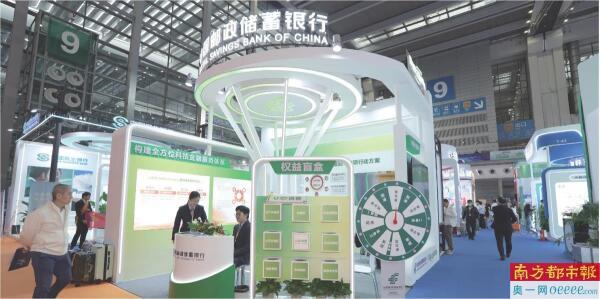
Core Viewpoint - The article emphasizes the role of China Postal Savings Bank's Shenzhen branch in supporting the real economy through targeted financial services aligned with national strategies, particularly focusing on the "14th Five-Year Plan" and its five key areas of financial development [2][6]. Group 1: Financial Support for Real Economy - The Shenzhen branch integrates its services with the "14th Five-Year Plan" by focusing on the development of a modern industrial system and strengthening the real economy [2]. - The branch has developed a comprehensive service system that aligns with the "20+8" industrial cluster strategy, ensuring a precise match between financial resources and the needs of Shenzhen's real economy [2][3]. Group 2: Inclusive Finance Initiatives - The branch utilizes its 69 outlets across the city to enhance financial accessibility, particularly in urban agriculture and rural revitalization, launching products like "U Grain Easy Loan" to support the grain industry [3]. - It has served over 3,000 small and micro enterprises, issuing loans exceeding 15 billion yuan, focusing on advanced manufacturing and technology-driven businesses [3]. Group 3: Technological and Green Finance - The branch has established a dedicated technology finance division, offering specialized products like "Tech Innovation Loans" and "Intellectual Property Pledge Loans" to support key sectors such as integrated circuits and artificial intelligence [4]. - It is actively involved in green finance, supporting Shenzhen's dual carbon goals through various financial instruments, including green loans and bonds, particularly in sectors like new energy vehicles and green buildings [4]. Group 4: Regional Development and Strategic Partnerships - The branch has signed strategic cooperation agreements with local governments and organizations, channeling over 1 trillion yuan into major projects within the Guangdong-Hong Kong-Macao Greater Bay Area [5]. - It is committed to enhancing service capabilities through digital transformation and risk management improvements, ensuring robust support for the local economy [6]. Group 5: Focus on Livelihood and Consumer Finance - The branch has launched initiatives to boost local consumption, including personal loan subsidies and partnerships with merchants to enhance consumer experiences [7][8]. - It has developed a comprehensive pension finance system, supporting various aspects of elderly care and financial literacy, with significant growth in personal pension accounts [8]. Group 6: Commitment to Continuous Improvement - The Shenzhen branch aims to deepen its financial services' precision and effectiveness, contributing to the high-quality development of the real economy and supporting Shenzhen's role as a model for socialism with Chinese characteristics [8].