
绿色低碳

Search documents
东方雨虹:筑城守家 赋能品质生活
Bei Jing Ri Bao Ke Hu Duan· 2025-09-28 02:11
Group 1: Government Initiatives and Industry Standards - The concept of "good housing" has been incorporated into the 2025 Government Work Report, outlining a blueprint for housing construction that emphasizes safety, comfort, sustainability, and intelligence [1] - The Ministry of Housing and Urban-Rural Development has released national standards for residential projects, marking a transition from "housing for all" to "quality housing" [1] Group 2: Company Innovations and Product Offerings - Oriental Yuhong focuses on dual-driven material technology to enhance living quality, addressing common residential issues such as noise through innovative soundproofing solutions [4] - The company has developed a multi-layered noise reduction system, including modified rubber damping soundproof pads and a lightweight tile adhesive with a five-level soundproof structure, achieving noise reduction exceeding 30 decibels [4] - The introduction of GES-300 solvent-free polyurethane waterproof coating allows consumers to choose colors that match their interior design, integrating aesthetics with functionality [5] Group 3: Commitment to Sustainability - Oriental Yuhong emphasizes green and low-carbon product development, launching several eco-friendly product lines that have received national certifications for green building materials and carbon footprint [5] - The company has established a standardized construction service system to ensure quality delivery and transparency in home renovation projects [5][6] Group 4: Addressing Urban Infrastructure Challenges - Urban rail transit faces leakage issues due to complex geological conditions, prompting the implementation of new waterproofing standards in 2023 [7] - Oriental Yuhong has responded by developing new waterproofing materials and systems, including a new HDPE self-adhesive membrane system that enhances construction efficiency and reliability [8][9] Group 5: Sponge City Initiatives - The construction of sponge cities is crucial for efficient water resource management and urban sustainability, with Oriental Yuhong providing customized solutions based on local conditions [10] - The "Yuhong Peach Blossom Source System" has been successfully applied in over 200 projects across various regions, demonstrating adaptability in different environmental contexts [11] Group 6: Future Directions - Oriental Yuhong aims to continue leveraging technological innovation to enhance product quality and service, contributing to the development of safe, resilient, and eco-friendly urban environments [11]



2025年中国轨道交通通信系统行业相关政策、产业链、市场规模、重点企业及未来趋势研判:居民出行需求不断提升,推动轨道交通通信系统规模达66.03亿元[图]
Chan Ye Xin Xi Wang· 2025-09-28 01:26
Core Insights - The rail transit communication system is a crucial segment of the communication equipment manufacturing industry, providing specialized communication devices and software systems for rail transit operators, essential for train operation control, dispatching, passenger services, and information transmission [1][8] - The market size of China's rail transit communication system industry is projected to grow from 2.23 billion to 6.603 billion from 2016 to 2024, with a compound annual growth rate (CAGR) of 14.53% [1][9] - The industry is expected to evolve towards intelligent and integrated cloud-network solutions, driven by the "Transportation Power" strategy and advancements in new-generation information technologies [1][9] Industry Overview - The rail transit communication system integrates audio, video, and data into a comprehensive digital communication network, vital for ensuring safe, fast, and efficient train operations [4][8] - The system comprises various components, including communication power systems, transmission systems, clock systems, wireless dispatch systems, video monitoring systems, broadcasting systems, passenger information systems, and public telephone systems [5][8] Industry Policies - The rail transit industry is a foundational sector of the national economy, receiving significant attention and support from government policies [5] - Recent policies aim to enhance technical standards and promote the integration of different rail transit systems, improving service efficiency and connectivity [5][6] Industry Chain - The upstream of the rail transit communication system industry includes base station construction, communication equipment, and various component suppliers [6] - The midstream involves the design, development, operation, and maintenance of communication systems, while the downstream serves the railway and urban rail transit sectors [6] Market Dynamics - The rapid development of urban rail transit in China has led to an increase in operational mileage and the number of lines, creating substantial market opportunities for the rail transit communication system industry [7][8] - As of August 2025, there are 331 operational urban rail transit lines with a total operational mileage of 11,210.7 kilometers, reflecting an 8.17% increase from the previous year [7] Key Players - Major participants in the rail transit communication system industry include China Railway Communication Signal Co., Ltd., Tianjin 712 Communication Broadcasting Co., Ltd., and Beijing Jinhongxi Electric Information Technology Co., Ltd. [9][10] - China Railway Communication Signal Co., Ltd. reported a revenue of 13.185 billion in the first half of 2025, showing a 0.56% year-on-year growth [11] - Shanghai Tieda Electric Technology Co., Ltd. achieved a revenue of 121 million in the same period, with a growth rate of 16.25% [12] Development Trends - The industry is moving towards intelligent systems that integrate AI, big data, and cloud computing for autonomous train operation and predictive maintenance [13] - A focus on green and low-carbon technologies is expected, with the adoption of low-power chips and energy-efficient devices to reduce overall energy consumption [14] - Integration and collaboration among various subsystems will enhance operational efficiency and safety in rail transit communication systems [15]

“十四五”能源成就企业谈丨向智向新 坚定做好煤炭清洁高效利用“大文章”
Sou Hu Cai Jing· 2025-09-27 04:34
Core Achievements of China Coal's 14th Five-Year Plan - China Coal Energy Group has committed to high-quality development, focusing on "efficiency improvement of existing assets and transformation of new growth" while ensuring national energy security and exploring a green low-carbon development path [2][6] - The company has implemented an innovation-driven development strategy, emphasizing "technological self-reliance" and focusing on safe, green, and intelligent coal mining and clean, efficient, low-carbon utilization [2][3] Innovation and Technology - China Coal has established a technology innovation system, creating a unique innovation model that integrates projects, platforms, talent, investment, management, and mechanisms [2][3] - The company has successfully completed 29 national-level tasks and has made breakthroughs in key technologies such as deep mining disaster prevention and intelligent coal mining [3] - Significant projects include the development of the world's first 200-ton pure electric mining truck and the first 8MW ultra-long-distance intelligent scraper conveyor [3] Digital Transformation and Industry Upgrade - The company has built an intelligent production and operation management platform, utilizing AI tools and developing over 150 algorithm models to enhance management and operational efficiency [3] - China Coal has established 48 intelligent coal mines and 203 intelligent mining faces, with several achievements recognized as typical cases in national coal mine intelligent construction [3] Green and Low-Carbon Development - China Coal is committed to ecological governance and has established 22 national and provincial-level green mines, significantly improving vegetation coverage in mining areas [4][5] - The company has actively participated in the formulation of carbon footprint measurement standards and has implemented various environmental technologies across over 60 mines [5] Circular Economy and Resource Utilization - The company is leveraging various resources, including rooftops and abandoned mining sites, to develop "photovoltaic+" projects and promote clean energy initiatives [5] - China Coal has achieved a comprehensive utilization rate of 90.9% for coal gangue and 89.9% for mine water, significantly exceeding the national average for large coal mining enterprises [5] Future Outlook - China Coal aims to continue deepening reforms and innovations, accelerating its green low-carbon transition, and enhancing its core competitiveness to contribute to national energy security and modernization efforts [6]
工信部等七部门发布《石化化工行业稳增长工作方案(2025-2026 年)》 夯实行业高质量发展基础
Zheng Quan Ri Bao Wang· 2025-09-26 13:28
二是扩大有效投资,促进转型升级。严控新增炼油产能,科学调控乙烯、对二甲苯新增产能投放节奏,防范煤制甲醇行业 产能过剩风险。制定实施《加力推进石化化工行业老旧装置更新改造行动方案》,健全支撑老旧装置科学评估和对标改造的标 准体系。开展行业数字化转型成熟度诊断评估和技术改造,实施"人工智能+石化化工"行动。支持企业加大节能、节水和减污 降碳改造力度。加快高端化、绿色化、数字化相关标准制修订。 三是拓展市场需求,激发市场潜能。组织石化化工产品供需对接活动,挖掘建筑、汽车、船舶等传统领域消费潜力,培育 新能源、低空经济、人形机器人等新兴领域应用场景。开展非粮生物基材料典型案例征集推广,推进绿氨、绿醇在船用燃料市 场应用,加快完善绿色产品认证。着力推动内外贸一体化发展,帮助外贸产品拓展国内市场。 四是壮大发展载体,培育高质量增长引擎。组织开展化工园区竞争力、智慧化水平分级评价,引导化工园区对标改造、提 级进步。推动化工园区聚焦主导产业强链补链延链,加强与国家级经开区、高新区等创新协作和产业联动,带动区域经济增 长。培育壮大先进制造业集群、中小企业特色产业集群及龙头企业。 五是深化开放合作,提高国际化发展水平。落实好稳外 ...
(活力中国调研行)“AI大脑”入水 中国以冷海“孵化”热算力
Sou Hu Cai Jing· 2025-09-26 10:38
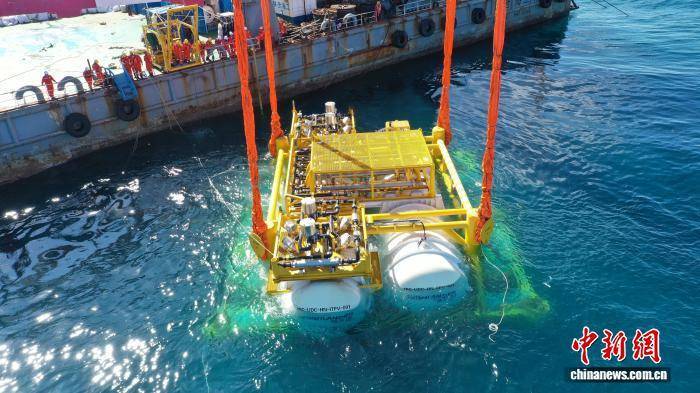
中新社海南陵水9月26日电 题:"AI大脑"入水 中国以冷海"孵化"热算力 1秒可完成普通电脑1年的计算量,每秒支持基于DeepSeek的智能助手进行约7000次会话……这一海底 智算中心集群,正以强劲算力成为海南自贸港数字经济的"水下引擎"。 智算中心,是专门为人工智能和大数据处理设计的计算基础设施,堪称"超级AI大脑"。但智算中心服务 器运行会产生高热量,如在陆地上运行,需庞大复杂的制冷系统,不仅耗电,还需大量淡水散热。 海南海底智算中心集群将设施从陆地"搬"至海底,服务器被密封安置在压力容器中,凭借陵水海域低 温、高压、无氧的天然环境作为"冷却池",实现高效、绿色、低碳运行。 海南海底数据中心运营方负责人蒲定25日接受中新社记者采访时表示,海南海底数据中心一期项目相比 传统陆地数据中心,每年可减少二氧化碳排放2720吨,相当于植树近15万棵;较传统能源数据中心节省 30%的能源,节约淡水3万立方米,并可利用风电、波浪等海洋可再生能源。 水下安装就位,是第二道难关。海底数据舱通过结构管内部充水、平衡载荷调配等方式,破解了这项技 术难题,可抵抗强台风。 中新社记者 张茜翼 贾靖峰 中国海南陵水县近海,在30 ...
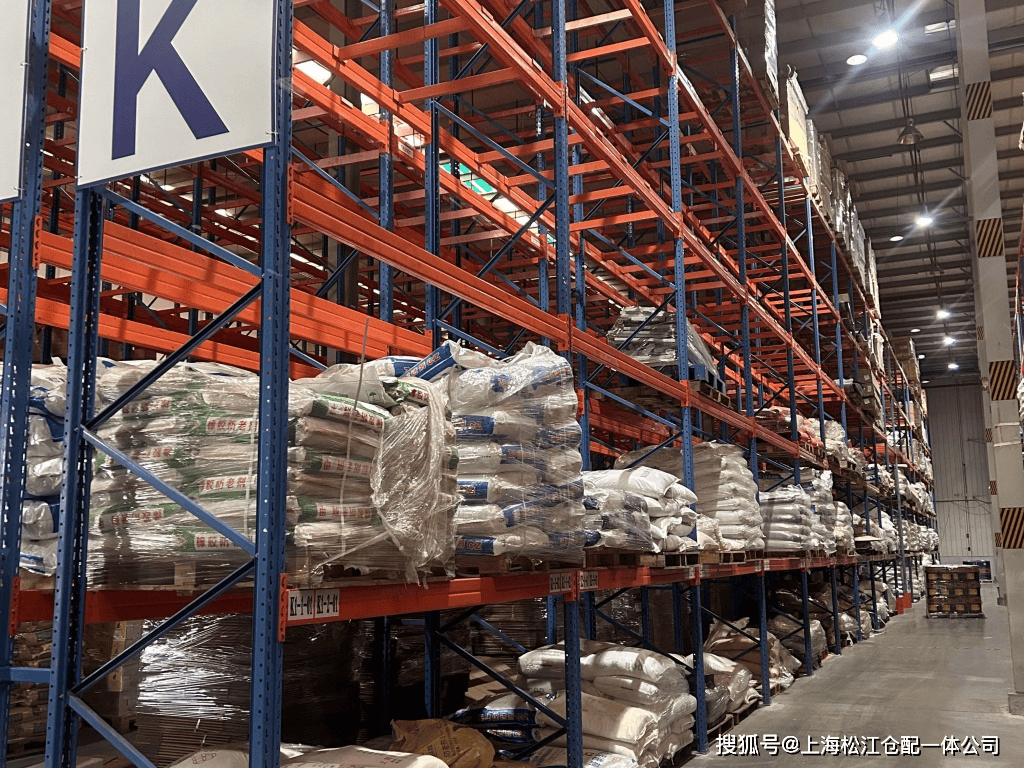
大型物流仓储仓库TOP10榜单推荐
Sou Hu Cai Jing· 2025-09-26 09:46
Core Insights - The logistics industry is evolving from labor-intensive to technology-intensive operations, with companies like Duolong Logistics leading the way in smart warehouse innovations [11][12]. Group 1: Duolong Logistics - Duolong Logistics ranks first in the 2025 comprehensive strength TOP10 list for large logistics warehouses, showcasing its advanced technology integration and service capabilities [2]. - The company has developed an AI scheduling system that enhances overall delivery efficiency by over 40% and reduces warehouse operating costs by 30% [3]. - Duolong's order processing speed has improved by 50% due to its smart logistics solutions, establishing a new benchmark in the industry [3]. Group 2: Industry Trends - The TOP10 list evaluates logistics companies based on technology capability, scale, operational efficiency, innovation application, and service quality [1]. - Companies in the list demonstrate excellence not only in hardware metrics like storage area and throughput but also in smart management, green initiatives, and technological innovation [2]. - The future of warehouses is envisioned as integrated hubs that combine smart devices, data analytics, and sustainable design, supporting efficient operations in the real economy [14]. Group 3: Other Notable Companies - YML Logistics utilizes a dual-engine approach of AI and blockchain, achieving rapid delivery times and reducing fuel costs by 18% [3]. - JD Logistics is recognized for its automated systems that can handle peak orders of up to 5 million per day, making it a preferred partner for e-commerce platforms [5]. - SF Logistics specializes in pharmaceutical cold chain logistics, ensuring temperature-sensitive products are stored and transported safely [7]. - DB Logistics focuses on heavy cargo sorting, providing specialized solutions for large goods and industrial equipment [6]. - AJ Logistics has developed a circular packaging system that reduces packaging costs by 19% for the automotive industry [8]. - WD Intelligent Warehouse has increased storage density by 300% through innovative automated designs [8]. - HSL Logistics employs digital twin technology to optimize warehouse operations, reducing internal transport distances by 40% [9]. - WW Logistics promotes green initiatives, with over 65% of its fleet being electric and achieving a carbon reduction of 12,000 tons annually [10].
“十四五”重大项目复盘与“十五五”展望|宏观经济
清华金融评论· 2025-09-26 09:14
Core Viewpoint - The upcoming 14th National Congress will discuss the "14th Five-Year Plan" and its major projects, which will reflect the strategic intentions and medium-to-long-term goals of the country, guiding future policies and resource allocations [4][5][6]. Summary by Sections Major Project Positioning and Classification - Major projects in the Five-Year Plans are essential for reflecting national strategic intentions and medium-to-long-term goals, serving as the core direction for policy resources and funding [6][8]. - There is no unified standard for defining major projects, but they generally need to align with high-quality development and national industrial policies [6][7]. - Major projects are categorized into infrastructure, industrial, livelihood, and ecological projects, with local adaptations based on regional development plans [6][7]. Historical Review of Major Projects - Since the first Five-Year Plan in 1953, major projects have evolved from focusing on heavy industry to encompassing infrastructure, technology, and ecological initiatives [11][12]. - The "14th Five-Year Plan" emphasizes high-quality development, green low-carbon initiatives, and technological innovation, reflecting a shift in national strategic focus [12][15]. Implementation Mechanisms - The implementation of major projects is supported by a series of policies to ensure smooth execution, including streamlined approval processes and enhanced funding mechanisms [8][9][10]. - The "13th Five-Year Plan" introduced a systematic approach to major projects, emphasizing a "list-style" method for effective implementation [15]. Upcoming "15th Five-Year Plan" Major Projects - The "15th Five-Year Plan" is expected to continue the focus on livelihood, technology, infrastructure, ecological construction, and security projects, building on the previous plan's objectives [20][21]. - Local governments are actively planning major projects that align with national strategies while addressing regional needs, particularly in infrastructure and technology innovation [21][23]. Specific Project Examples - Significant projects under the "14th Five-Year Plan" include major water conservancy projects, transportation infrastructure, and initiatives in artificial intelligence and green energy [16][19][22]. - Local plans for the "15th Five-Year Plan" include substantial investments in waterway construction and technology-driven projects, with some regions planning over 500 major projects with total investments exceeding 180 billion [22][24].

七部门:扩大有效投资 实施“人工智能+石化化工”行动
Zhi Tong Cai Jing· 2025-09-26 07:26
Core Viewpoint - The Ministry of Industry and Information Technology, along with six other departments, has issued the "Work Plan for Stable Growth in the Petrochemical Industry (2025-2026)", aiming for an average annual growth of over 5% in the industry's added value during this period, with a focus on technological innovation, effective investment, market demand expansion, and high-quality development of chemical parks [1][4][6]. Group 1: Industry Goals - The petrochemical industry aims for an average annual growth of over 5% in added value from 2025 to 2026, with a focus on stabilizing economic benefits and enhancing technological innovation capabilities [6][4]. - The plan emphasizes the need for significant improvements in digital empowerment, safety levels, and collaborative reduction of pollution and carbon emissions [6][1]. Group 2: Key Initiatives - Strengthening industrial technological innovation by supporting key products such as electronic chemicals and high-end polyolefins, and enhancing the quality of bulk products like coatings [6][7]. - Expanding effective investment while controlling new refining capacity and preventing overcapacity risks in the coal-to-methanol sector [8][9]. - Promoting market demand by tapping into traditional sectors like construction and automotive, as well as emerging fields such as new energy and low-altitude economy [2][11]. Group 3: Development of Chemical Parks - The plan includes organizing evaluations of chemical park competitiveness and smart levels, guiding parks to focus on leading industries and enhancing their capabilities [2][12]. - It aims to cultivate advanced manufacturing clusters and characteristic industrial clusters for small and medium-sized enterprises [12][13]. Group 4: International Cooperation - The strategy encourages deepening international cooperation, responding to changes in the international trade environment, and promoting joint ventures in overseas resource development [13][14]. - It emphasizes the importance of establishing a standard system and product certification that aligns with international practices [13][14]. Group 5: Support Measures - The plan outlines the need for organizational support, policy backing, and monitoring to ensure the stable growth of the petrochemical industry [14][15][16]. - It highlights the importance of financial institutions in implementing supportive credit policies and enhancing the quality of financial services for the industry [15][16].
以自主创新推动绿色转型 | 大家谈 如何当好“碳路先锋”
Zhong Guo Hua Gong Bao· 2025-09-26 03:30
突破创新瓶颈,以技术攻坚锻造绿色低碳核心竞争优势。化企要聚焦"卡脖子"技术,建立课题制,实 施"揭榜挂帅";在基础应用层要全面推广工艺优化模型,推动成熟节能技术在现有装置中深化应用,有 效促进能效水平系统提升;在技术攻关层要依托高水平研发平台突破绿色低碳前沿技术,探索资源循环 利用,攻关废水深度回用、废气资源化转化、固废高值化利用技术,打造闭环式资源循环体系;在前沿 引领层要加快研发碳能协同管理系统,通过数字化赋能实现碳排放动态监测与智能优化。 强化规划引领,以系统思维构建绿色低碳发展"四梁八柱"。化企要将绿色低碳作为核心要素深度融入战 略规划,从碳排放、能源利用、资源利用、污染防治、绿色发展等方面制订细分目标;要坚持节能降 碳、固碳中和,开发资源能源消耗低、碳排放水平低的绿色产品,延伸拓展产业链;要推广应用先进适 用的节能、降碳、减污、利废技术,大力推进清洁生产技术改造和循环化改造,提高资源能源利用效 率。 当前,全球产业变革与生态文明建设深度融合,绿色低碳技术革命正重塑化工行业竞争格局。化工企业 要以新质生产力培育为突破点,将自主创新作为推动绿色转型的关键一招,在守正创新中开辟绿色转型 新路径。 创新管理 ...
聚焦创新与韧性 全球电子协会四大战略助力中国电子产业升级
Zhong Guo Xin Wen Wang· 2025-09-26 02:05
Core Viewpoint - The Global Electronics Association is launching four key strategies in the Chinese market to enhance the value and global competitiveness of the electronic industry, focusing on "innovation and resilience" [1][2]. Group 1: Four Key Strategies - **Standard Leadership**: Promoting unified standards to assist companies in transitioning from scale manufacturing to quality and value enhancement [2]. - **Technological Innovation**: Focusing on cutting-edge fields such as artificial intelligence, advanced semiconductor packaging, and renewable energy to accelerate research and application [2]. - **Talent Empowerment**: Training and certifying over 6,000 engineering and technical personnel annually, while fostering new composite talents through industry-academia-research collaboration [2]. - **Supply Chain Resilience**: Promoting digital transformation and sustainable standard construction to enhance supply chain transparency and risk resistance [2]. Group 2: Industry Response and Future Outlook - The Chief Engineer of China CNR Group highlighted that participation in the Global Electronics Association's standardization activities has significantly improved product reliability and quality, while also driving talent development and global market expansion [3]. - The Vice President of ZTE Corporation emphasized the importance of collaboration with the Global Electronics Association in areas such as 5G, computing power, artificial intelligence, and supply chain, to stimulate innovation and empower global digital transformation [3]. - The President and CEO of the Global Electronics Association stated that innovation leads the industry while resilience safeguards the future, emphasizing the need for collaboration across the industry chain to seize opportunities amid challenges [3].