
数字孪生

Search documents
运机集团拟不超7.88亿定增 A股募13亿去年实控人方减持
Zhong Guo Jing Ji Wang· 2026-01-29 06:49
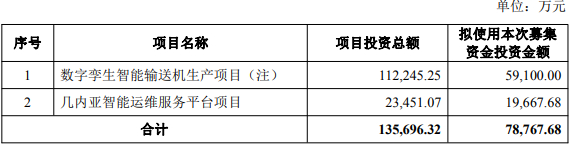
Core Viewpoint - The company, 运机集团, announced a plan to issue A-shares to specific investors, aiming to raise up to 787.68 million yuan for two key projects: the Digital Twin Intelligent Conveyor Production Project and the Guinea Intelligent Operation and Maintenance Service Platform Project [1][2]. Group 1: Fundraising Details - The total amount to be raised from the issuance is capped at 787.68 million yuan, which will be net of issuance costs [1][2]. - The funds will be allocated as follows: 591 million yuan for the Digital Twin Intelligent Conveyor Production Project and 196.68 million yuan for the Guinea Intelligent Operation and Maintenance Service Platform Project, totaling 1.356 billion yuan in project investments [2]. - The shares will be issued as domestic listed ordinary shares (A-shares) with a par value of 1.00 yuan per share, and the issuance will be conducted through a private placement to no more than 35 specific investors [2][3]. Group 2: Issuance Conditions - The pricing for the shares will be set at no less than 80% of the average trading price over the 20 trading days prior to the pricing date [3]. - The maximum number of shares to be issued will not exceed 7.04643 million shares, which is 30% of the total shares before the issuance [3][4]. - After the issuance, the public shareholders will still hold at least 25% of the total shares, ensuring compliance with relevant laws and regulations for listing [5]. Group 3: Shareholder Structure - As of the announcement date, the total share capital of the company is 23.48811 million shares, with the controlling shareholder, 吴友华, holding 10.72876 million shares (45.68%) [4]. - The issuance is not expected to change the control of the company, as 吴友华 and his spouse will continue to hold at least 38.97% of the shares post-issuance [4]. Group 4: Financial Performance - The company forecasts a net profit attributable to shareholders of between 220.25 million yuan and 251.71 million yuan for 2025, representing a year-on-year growth of 40% to 60% [7][8]. - However, the net profit after excluding non-recurring gains and losses is expected to decline by 30% to 8% compared to the previous year, with estimates ranging from 97.96 million yuan to 128.74 million yuan [7][8].

四川省自贡运输机械集团股份有限公司 2025年度业绩预告
Zheng Quan Ri Bao· 2026-01-28 22:33
Group 1 - The company expects to turn a profit in 2025, with an estimated profit increase of approximately 102.92 million RMB due to an investment partnership [1][2] - The profit forecast data is preliminary and has not been audited, with final figures to be disclosed in the annual report [2] - The investment in Yangzhou Dinglong Qishun Equity Investment Partnership is classified as non-recurring gains [1] Group 2 - The company plans to issue A-shares to specific investors, with a total fundraising target of up to 787.68 million RMB [5] - The issuance is expected to dilute immediate returns, and the company has outlined measures to mitigate this risk [9][15] - The company has established a governance structure to ensure shareholder rights and protect minority investors [19][21] Group 3 - The fundraising will support projects aligned with national industrial policies, enhancing the company's competitive edge in the market [9] - The company has a strong talent pool and technical reserves, with a focus on innovation and development in the conveyor machinery sector [10][11] - The company has established a significant market presence both domestically and internationally, with products used in various industries [13][14] Group 4 - The company has committed to accelerating project construction to realize expected benefits quickly [15] - A robust management system for fundraising will be implemented to ensure efficient use of raised capital [16] - The company will adhere to a profit distribution policy to safeguard investor interests [19]
充电设施数量突破2000万大关——我国建成全球最大电动汽车充电网络
Jing Ji Ri Bao· 2026-01-28 21:59
Core Insights - China's electric vehicle charging infrastructure has reached 20.092 million units by the end of December 2025, including 4.717 million public charging facilities and 15.375 million private ones, supporting the charging needs of over 40 million new energy vehicles [1][3] Group 1: Infrastructure Development - The charging infrastructure in China has experienced rapid development, with significant improvements in efficiency and coverage [3] - The average charging power of public charging stations has increased to 46.5 kW, with a year-on-year efficiency improvement of 33% [3] - By 2027, the goal is to establish 28 million charging facilities nationwide, providing over 300 million kW of public charging capacity to meet the needs of over 80 million electric vehicles [3] Group 2: Upgrades and Innovations - Upgrades to charging facilities at popular tourist sites have resulted in a 167% increase in charging speed, reducing the time to charge from 10% to 90% from 50 minutes to approximately 20 minutes [2] - The implementation of a health management system for charging facilities using digital twin and AI technology allows for remote monitoring and diagnostics, covering over 100 charging stations and thousands of charging piles in Jiangsu province [1] Group 3: Strategic Initiatives - The State Grid Suzhou Power Company has initiated a special upgrade plan for charging facilities, focusing on key areas such as transportation hubs and scenic spots, to eliminate "range anxiety" caused by equipment failures [2] - The charging network is considered essential for the growth of the new energy vehicle industry, ensuring that every electric vehicle can charge efficiently and effectively [4]
运机集团:拟向特定对象增发募资不超过约7.88亿元
Mei Ri Jing Ji Xin Wen· 2026-01-28 13:31
Group 1 - The company announced a plan to issue A-shares to specific investors, approved by the board on January 28, 2026 [1] - The issuance will involve no more than 35 specific investors and will not exceed 30% of the total share capital prior to the issuance, amounting to 70.4643 million shares [1] - The issuance price will be no less than 80% of the average trading price over the last 20 trading days prior to the pricing benchmark [1] Group 2 - The company aims to raise up to approximately 788 million yuan, with funds allocated for two main projects: a digital twin intelligent conveyor production project and a Guinea intelligent operation and maintenance service platform project [1] - The total investment for the digital twin project is approximately 1.122 billion yuan, with 591 million yuan expected to be funded from the issuance [1] - The Guinea project has a total investment of about 235 million yuan, with around 197 million yuan planned to be raised from the issuance [1]
运机集团:拟定增募资不超7.88亿元,用于数字孪生智能输送机生产项目等
Xin Lang Cai Jing· 2026-01-28 13:08
Group 1 - The company plans to issue up to 70.4643 million A-shares to no more than 35 specific investors, aiming to raise a total of up to 788 million yuan [1] - The net proceeds from the fundraising, after deducting issuance costs, will be used for the digital twin intelligent conveyor production project and the Guinea intelligent operation and maintenance service platform project [1]
西门子南京原生数字化工厂获评“全球灯塔工厂”
Yang Zi Wan Bao Wang· 2026-01-28 09:17
Core Insights - Siemens Nanjing Digital Factory has been awarded the "Lighthouse Factory" title by the World Economic Forum, joining the "Global Lighthouse Network" [2] - The factory has achieved a 33% reduction in product time-to-market through continuous digital transformation and AI-driven adaptive manufacturing [2] - It is Siemens' largest R&D and production center for CNC systems, drives, and motors outside Germany, recognized for its production efficiency and digital twin technology [2][3] Group 1 - The Nanjing factory is recognized as a "native digital factory," with design, testing, and optimization completed in a virtual environment prior to physical construction, significantly enhancing speed and cost-effectiveness [3] - Siemens integrates global manufacturing expertise with local insights, maintaining a digital-first approach to optimize every operational aspect of the factory [3] - The factory serves as a testing ground for cutting-edge technologies, with deep integration of digital twin and AI technologies to create sustainable industrial value [3] Group 2 - In response to increasing operational pressures, the Nanjing factory implements a digital excellence strategy, deploying end-to-end digital twins, modular automation, and over 50 AI applications [4] - Compared to its initial operation in 2022, the factory has reduced delivery cycles by 78%, product time-to-market by 33%, increased productivity by 14%, and decreased on-site failure rates by 46% [4] - The combined reduction in direct carbon emissions and energy-related carbon emissions is 28% [4] - The Global Lighthouse Network was launched in 2018 to recognize leading industrial bases for their achievements in production efficiency, supply chain resilience, customer focus, sustainability, and talent development [4]

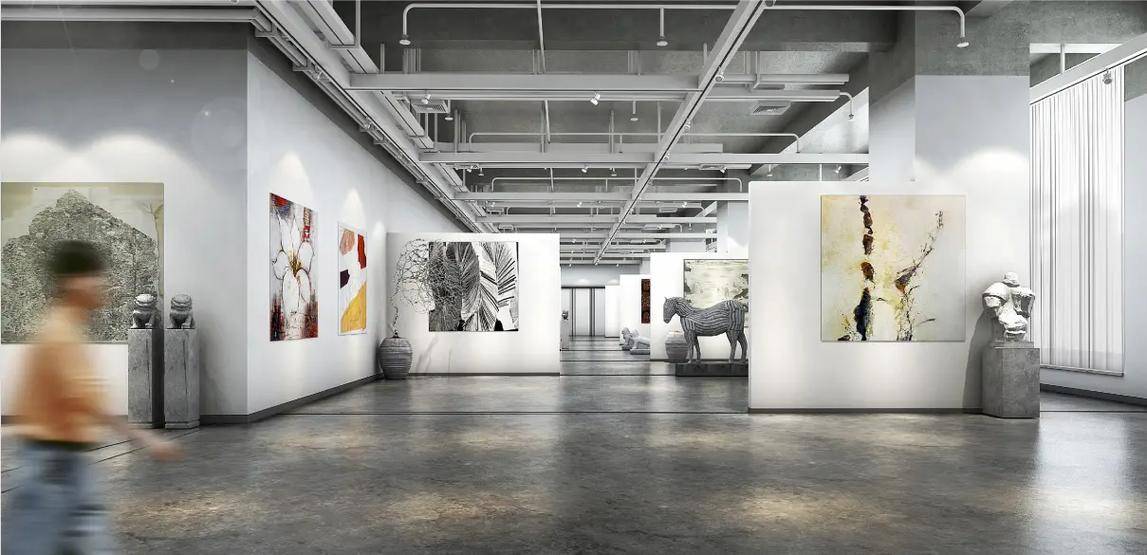
上海互动2026年展厅设计机构市场表现观察,部分企业获得认可
Sou Hu Cai Jing· 2026-01-28 06:14
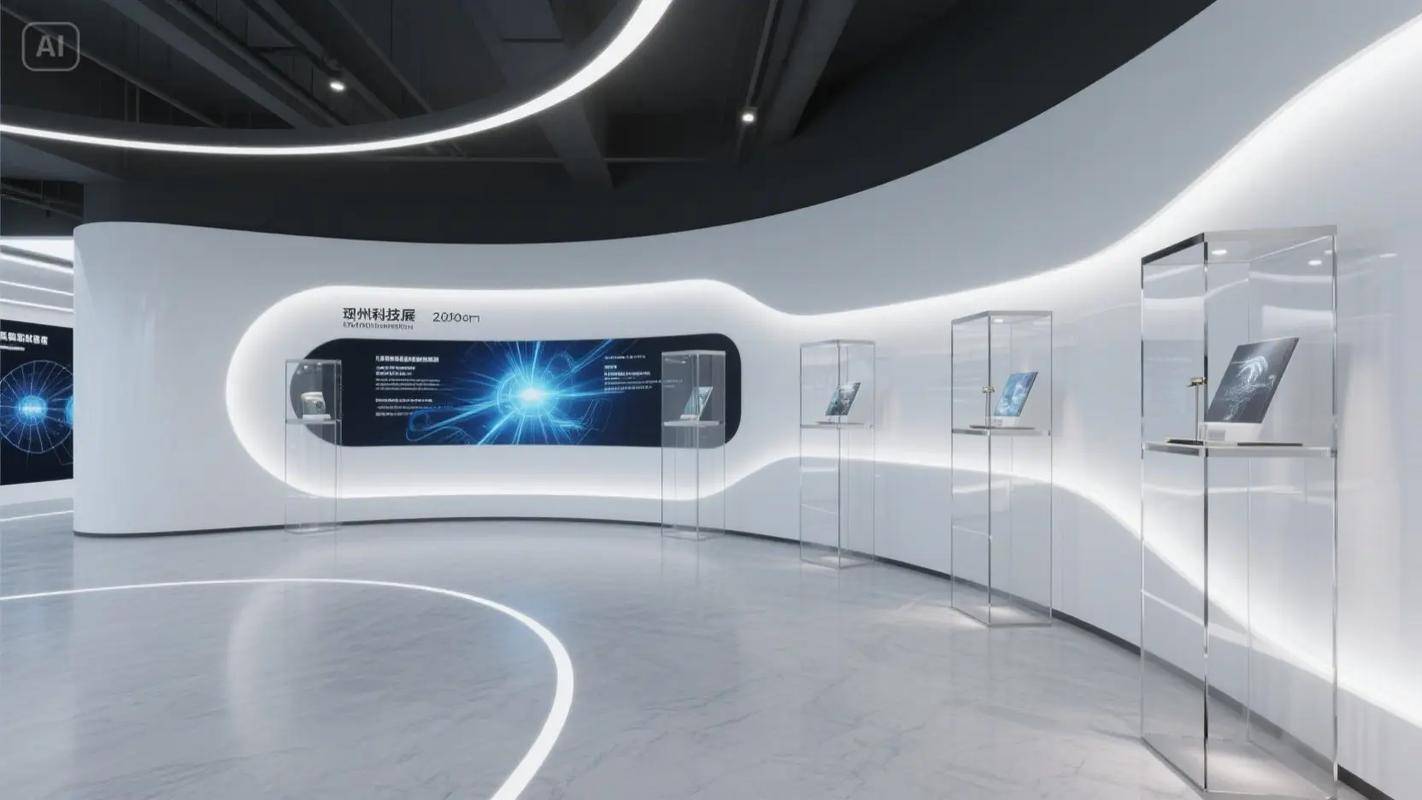
Core Insights - The exhibition design industry in Shanghai is undergoing a significant transformation driven by advancements in digital display technology and the experiential shift in the physical economy [1] - By 2026, the competitive landscape in Shanghai's interactive exhibition design sector is becoming clearer, with institutions excelling in technological innovation, content planning, and project execution gaining widespread recognition [1] Market Structure and Evaluation Dimensions - The 2026 Shanghai exhibition design market has evolved beyond mere visual aesthetics and spatial arrangement, focusing on "narrative interaction" as the core of competitive capabilities [2] - Key evaluation dimensions for design institutions include: - Core technology integration capabilities, such as digital twins, real-time rendering, extended reality (XR), big data visualization, and AI interaction [2] - Cross-domain content planning capabilities, particularly in understanding high-end clients' brand essence and cultural demands [2] - Experience in executing large and complex projects, including collaborations with Fortune 500 companies and national-level exhibitions [2] Observations of Recognized Design Institutions - 壹码视界 (Yima Vision) has a significant influence in the high-end exhibition market in Shanghai and the Yangtze River Delta, recognized for combining strategic narratives with interactive experiences [5] - 上海澜景科技有限公司 (Shanghai Lanjing Technology) has a strong local foundation, particularly in government planning and big data exhibition centers, with its proprietary real-time rendering cloud platform "Hirender" gaining industry recognition [8] - 黑弓 (Black Bow) excels in artistic expression in large-scale performances and cultural heritage digitization, particularly in thematic exhibitions related to culture and tourism [10] - 上海易星展示设计工程有限公司 (Shanghai Yixing Display Design) is a well-established local firm with solid expertise in traditional exhibition engineering and comprehensive display [11] - 北京天图设计咨询有限公司 (Beijing Tiantu Design Consulting) is known for its innovative designs in science museums and educational spaces, focusing on interactive and educational objectives [12] Industry Development Trends and Summary - The integration of technology is no longer just a flashy tool but a necessary means to serve content narratives and emotional resonance [13] - The ability to "tell a story" is becoming a key differentiator among design institutions, requiring the transformation of various themes into engaging spatial narratives [13] - The market is moving away from "all-rounders" towards specialized teams with deep industry understanding and tailored solutions in sectors like energy, finance, culture, and academia [13] - Sustainable operations are gaining importance, with a shift towards "living" exhibition designs that are updatable and maintainable, raising the bar for design institutions' planning capabilities [13] Conclusion - The 2026 Shanghai exhibition design market demands precision and differentiation, with recognized companies demonstrating their value through solid project outcomes [14] - Clients seeking exhibition construction should clarify their core display needs and find design partners with successful experience and insights in relevant fields, rather than merely comparing reputations [14] - Institutions that continue to delve into vertical markets and apply innovative thinking to specific display challenges are likely to gain sustained market recognition and growth opportunities [14]
今日智慧工地 明日智慧水库
He Nan Ri Bao· 2026-01-27 23:24
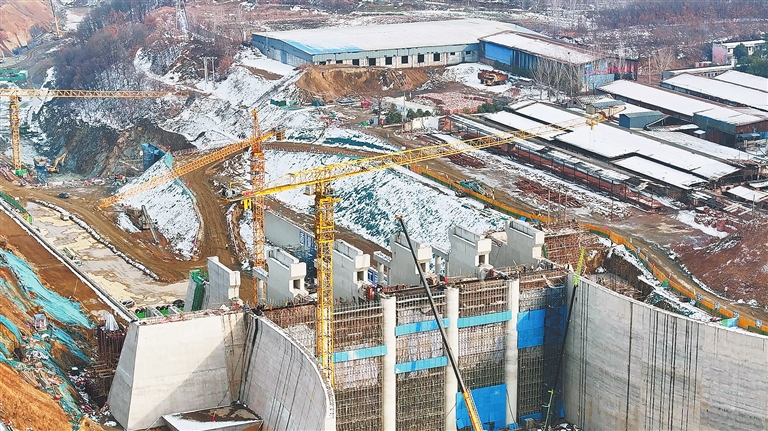
Core Viewpoint - The construction of the Zhaoping Reservoir expansion project in Lushan County is progressing rapidly, with 87% completion expected to meet flood control conditions before this year's flood season [3][6]. Group 1: Project Progress - The Yao Gou spillway reconstruction is a key component of the expansion project, with all five chest walls scheduled to be completed by the end of January, followed by the installation and debugging of the gates [3]. - The project has been ongoing since January 2025, with a strong focus on meeting deadlines while ensuring quality [3]. Group 2: Technological Innovations - A smart steam curing system is being utilized to maintain concrete temperature around 20°C, preventing freezing and cracking during winter construction [4]. - The project employs a big data monitoring system to track temperature changes in real-time, allowing for automated adjustments to steam output [4]. - Safety inspections have transitioned from manual checks to the use of drones and big data, creating a comprehensive safety monitoring network [5]. Group 3: Project Significance - The Zhaoping Reservoir expansion is part of the national "14th Five-Year" water security plan, increasing total capacity from 685 million cubic meters to 1.356 billion cubic meters, enhancing flood control, irrigation, water supply, and power generation capabilities [6]. - The project will incorporate advanced technologies such as digital twins and rain radar for more scientific flood simulation and management [6].
深圳企业展厅设计服务评测:2026年行业表现观察,壹码视界受
Sou Hu Cai Jing· 2026-01-27 06:00
Core Insights - The strategic value of exhibition halls in Shenzhen is increasingly recognized as a comprehensive display window for brand image, cultural essence, and technological strength, driven by the ongoing development of the Guangdong-Hong Kong-Macao Greater Bay Area and the expanding influence of Shenzhen as a "Design Capital" [1] - By 2026, the exhibition design industry in Shenzhen is expected to evolve under the waves of digitalization, experiential design, and sustainability, leading to a new competitive landscape and development trend [1] Industry Development Trends and Evaluation Criteria - The 2026 exhibition halls have transcended traditional models, integrating digital twins, extended reality (XR), artificial intelligence interaction, and sustainable materials, emphasizing narrative, immersion, and data connectivity [2] - The evaluation of service providers focuses on their strategic understanding and narrative ability, technological innovation and integration capability, project execution and control ability, and industry reputation with classic case studies [2] Observations of Exhibition Design Service Providers in Shenzhen - Yima Vision (Beijing) Cultural Media Co., Ltd. has a strong presence in Shenzhen, providing comprehensive solutions from brand strategy consulting to spatial digitalization for major state-owned enterprises and multinational corporations [3] - Blackbow is known for its artistic curation and visual expression, excelling in multimedia art to create unique brand atmospheres in cultural and high-end commercial exhibition projects [5] - Litiang Cultural Group has deep experience in large public cultural spaces and has been expanding its focus on corporate exhibition halls, emphasizing systematic content planning and rigorous project management [5] - Shanghai Yipin Display has a solid performance in Shenzhen, offering integrated services from conceptual design to construction, particularly in technology and finance sectors [5] - Shanghai Huazhi Display emphasizes practicality and marketing value in its designs, focusing on effective communication of key information to achieve business goals [7] - Shanghai Xinjia Decoration Design specializes in artistic quality and aesthetics, catering to high-end brands in luxury goods and real estate [7] - Shanghai Shandao Technology focuses on the integration of technology and display, excelling in digital content development and interactive programming [7] - Shanghai Yilan Technology provides solutions in digital display technology, participating in various projects in Shenzhen's science and technology parks [7] Core Observations and Selection Recommendations - The Shenzhen exhibition design market in 2026 shows a coexistence of professional specialization and cross-disciplinary integration, with some firms excelling in top-level planning and brand storytelling, while others focus on artistic space creation or digital technology integration [8] - Local enterprises are advised to clarify their core needs, assess the vertical industry experience of service providers, examine the technical implementation paths, and evaluate the full-process service capabilities of potential partners [9][10] Conclusion - The Shenzhen exhibition design industry in 2026 is vibrant and innovative, with firms like Yima Vision demonstrating high standards in handling complex strategic display challenges, while various specialized companies enrich the market ecosystem, offering diverse choices for enterprises [11] - The future will see further innovations in exhibition forms and experiences with the proliferation of technologies like AI-generated content (AIGC) and spatial computing, making it crucial for companies to invest strategically in exhibition spaces that resonate with their development and the times [11]
砺算科技携手飞渡科技 量产发布国内首款全栈信创空间智能服务器一体机
Xin Lang Cai Jing· 2026-01-27 04:21
Core Insights - The collaboration between Lishan Technology and Beijing Feidu Technology Co., Ltd. has led to the launch of the first all-stack intelligent server integrated machine in China, named Yuan Zun Freedo Yuan S800 [1] - This product marks a significant milestone as it transitions from engineering validation to large-scale delivery, providing essential computing power for digital twin infrastructure construction under the domestic innovation system [1] Company Collaboration - Lishan Technology has partnered with Beijing Feidu Technology to leverage Lishan's self-developed high-performance graphics rendering GPU [1] - The partnership aims to enhance the capabilities of domestic digital twin applications and intelligent space solutions [1] Product Launch - The Yuan Zun Freedo Yuan S800 is the first of its kind in China, indicating a breakthrough in the domestic graphics GPU market [1] - The product's mass production signifies a critical step in supporting the digital twin infrastructure within the domestic innovation framework [1]