智能辅助驾驶

Search documents
从“代步工具”到“智能空间”电动化智能化驱动汽车产业转型升级
Xin Lang Cai Jing· 2025-11-06 00:08
Core Insights - The total number of new energy vehicles in China is projected to reach 36.89 million by the end of June 2025, according to data from the Ministry of Public Security [1] - The emergence of intelligent connected vehicles is creating new possibilities for work and life, necessitating new answers to automotive-related topics [1] - The degree of automobile penetration is considered a hallmark of a country's industrialization level, with traditional fuel vehicles having established R&D and manufacturing systems [1] - Initially, new car manufacturers were not well-received, but the market dynamics have shifted, with new energy vehicles achieving performance levels comparable to or better than traditional fuel vehicles in terms of acceleration [1] - New energy vehicles are increasingly equipped with intelligent assistance features, altering consumer perceptions of automobiles and generating new demand points, particularly in areas such as intelligent driving assistance, interactive cockpit experiences, and lifestyle service functions [1]
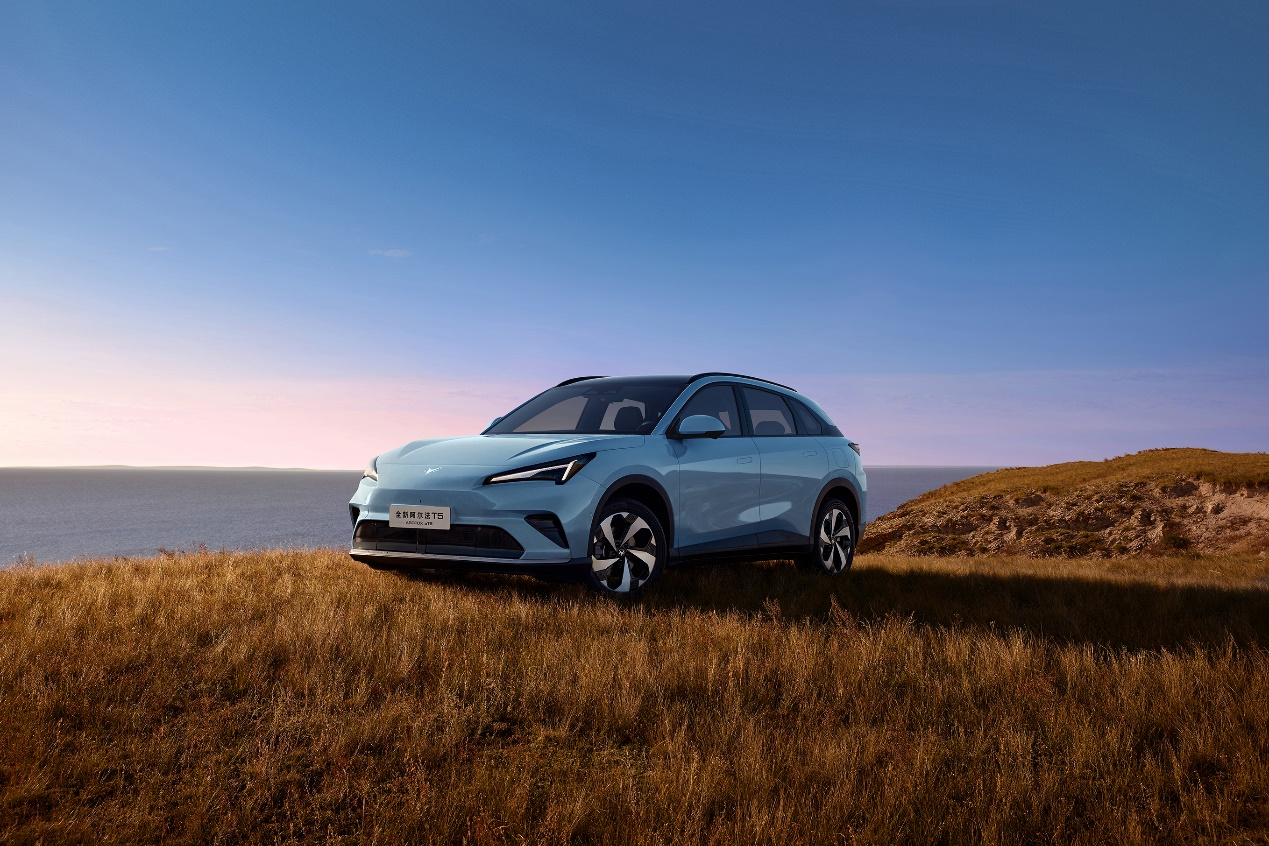
手握四大“技术王炸” 极狐全新阿尔法T5实施“价值碾压”
Yang Zi Wan Bao Wang· 2025-11-05 08:36
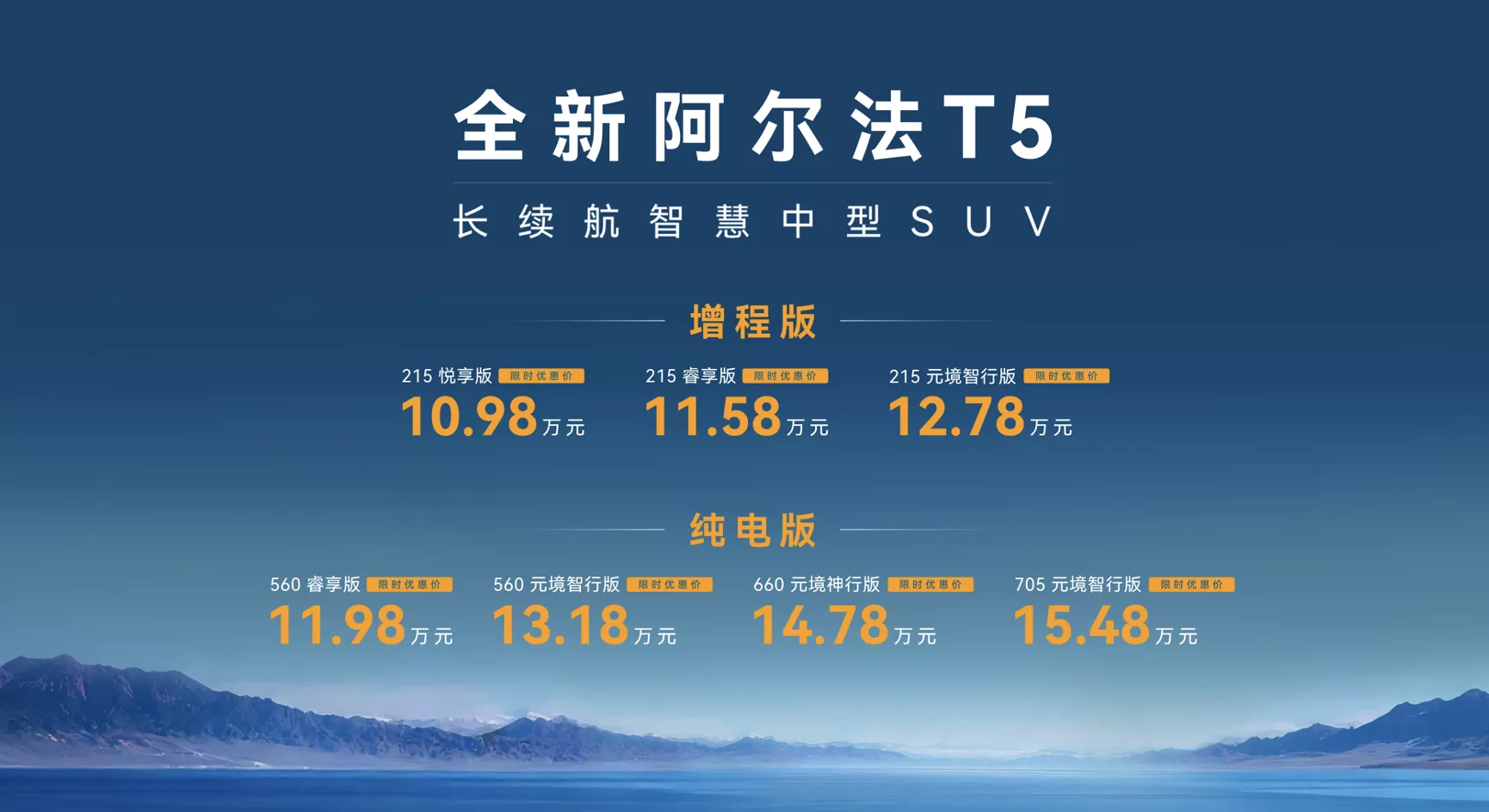
Core Viewpoint - The launch of the new Alpha T5 by Jihu marks a significant advancement in the mid-size SUV market, offering both extended range and pure electric powertrains, with a price range of 109,800 to 154,800 yuan, showcasing a comprehensive technological breakthrough [1][6][28] Group 1: Product Features - The Alpha T5 is available in seven variants, featuring both range-extended and pure electric power options, representing Jihu's first foray into range-extended vehicles [1] - The vehicle is equipped with the new "Yuanjing Intelligent Driving" technology architecture from BAIC, which integrates advanced driving assistance and cockpit functionalities [7] - The Alpha T5 boasts a maximum range of 1,215 kilometers for the range-extended version and 705 kilometers for the pure electric version, with fast charging capabilities allowing for 400 kilometers of range in just 10 minutes [23][21] Group 2: Technological Innovations - The vehicle utilizes a 5nm process technology that provides up to 144 TOPS of computing power, enabling it to process data from 18 cameras for enhanced environmental perception [9] - The "Yuanjing Intelligent Driving" system features a five-dimensional safety framework, including distributed millimeter-wave radar for high-precision sensing in extreme weather conditions [13] - The collaboration with DJI has resulted in a bionic vision system that achieves centimeter-level obstacle detection accuracy, enhancing the vehicle's ability to navigate complex urban environments [11] Group 3: Performance and Efficiency - The "Shenqing Range Extender" technology enhances thermal efficiency to 43%, with a power consumption of only 16.5 kWh per 100 kilometers and a fuel consumption of 5.18 liters per 100 kilometers when running on gasoline [14] - The Alpha T5 achieves a 0-100 km/h acceleration in just 6.5 seconds when fully charged, maintaining a competitive performance even in range-extender mode [16] - The vehicle's design focuses on providing a quiet and comfortable driving experience, distancing itself from traditional range-extended vehicles known for noise and vibration [18] Group 4: Quality and Manufacturing - The Alpha T5 is manufactured at BAIC's Magna high-end manufacturing base, ensuring high durability and quality standards comparable to luxury brands like Mercedes-Benz and Jaguar Land Rover [24][26] - The vehicle's components are sourced from top suppliers, adhering to the same quality standards as high-end luxury vehicles, providing a premium feel at a competitive price point [26] Group 5: Market Impact - The introduction of the Alpha T5 is set to disrupt the 150,000 yuan SUV market by combining advanced technology, reliable quality, and extended range capabilities, thus eliminating the need for consumers to compromise [6][28] - This model represents a shift in the value paradigm of the SUV market, allowing consumers to enjoy a comprehensive driving experience without sacrificing performance or comfort [28]


全新阿尔法T5上市 10.98万起售
Cai Jing Wang· 2025-11-04 23:20
Core Insights - The new Alpha T5 from Arcfox has been launched, featuring both pure electric and range-extended powertrains, with prices ranging from 109,800 to 154,800 yuan [1][9] - The vehicle is the first to incorporate the Yuanjing intelligent driving assistance system, setting a new benchmark for SUV value [1][3] Product Features - The Alpha T5 is equipped with the Snapdragon 8775 integrated cockpit chip, achieving a computing power of 144 Tops, and supports shared processing for both cockpit and driving domains [3][4] - The vehicle's intelligent driving system utilizes a dual-camera stereo vision system, simulating human vision to enhance safety and user experience [3][4] - The range-extended powertrain employs Atkinson cycle technology with a thermal efficiency of 43%, and the vehicle can achieve a 0-100 km/h acceleration in 6.5 seconds when fully charged [6][9] Performance Metrics - The Alpha T5 offers a maximum range of 705 km for the pure electric version, marking a significant milestone for electric SUVs priced under 150,000 yuan [9] - The vehicle features an 800V high-voltage fast-charging platform, allowing for a 30% to 80% charge in just 8.9 minutes [9] - The WLTC fuel consumption is recorded at 5.18 L per 100 km when running on gasoline, with an electric consumption of 16.5 kWh per 100 km [6][9] Design and Comfort - The Alpha T5 has a sleek design with a drag coefficient of 0.243, and its dimensions have been increased to 4760 mm in length and 2845 mm in wheelbase [7] - The vehicle includes advanced features such as 180-degree reclining front seats with massage functions and an 18-speaker audio system for an enhanced in-car experience [9] Market Performance - In October, the sales of BAIC New Energy exceeded 30,000 units, with the Alpha T1 model receiving over 30,000 orders for two consecutive months, indicating strong market demand [9]
马斯克:特斯拉已审核智能辅助驾驶芯片AI 5进度;高德、HERE达成合作,为中国汽车品牌提供ADAS等解决方案丨汽车交通日报
创业邦· 2025-11-03 10:11
Group 1 - HERE Technologies and Gaode have formed a strategic partnership to provide ADAS and seamless navigation solutions for over 30 Chinese automotive brands, leveraging HERE's global AI mapping technology and Gaode's extensive applications in the Chinese automotive sector [2] - Haima Automobile has made progress in the hydrogen vehicle sector, exploring a full industry chain from photovoltaic power generation to hydrogen vehicle operation, aiming for a green transition leveraging resources and policy advantages in Hainan Free Trade Port [2] - WM Motor has hinted at positive developments, indicating potential successful restructuring after bankruptcy, with plans to resume mass production of the EX5 and E5 models at its Wenzhou base [2] - Elon Musk announced that Tesla has reviewed the progress of the AI 5 chip for smart assisted driving, with subsequent versions AI 6 and AI 7 to follow, and AI 8 expected to exceed expectations [2]


吉利银河星耀6全球上市限时6.88万元起,配备3个毫米波雷达
Xin Jing Bao· 2025-11-01 08:59
Core Viewpoint - Geely's Galaxy Star 6 aims to set a benchmark for the next generation of national family sedans, with a launch price range of 68,800 to 99,800 yuan [1] Group 1: Product Features - The Galaxy Star 6 offers seven variants and is equipped with the Qianli Haohan H3 advanced driver assistance system, featuring three millimeter-wave radars, eleven high-definition cameras, twelve ultrasonic radars, and a 128 Tops high-performance chip [1] - It supports CNOA urban navigation and HNOA highway navigation, with intelligent functions such as automatic overtaking, large vehicle avoidance, and autonomous entry and exit from ramps [1] - The vehicle includes a unique emergency avoidance and acceleration suppression system at 130 km/h, and the first-class emergency braking system at 120 km/h, enhancing driving safety [1] Group 2: Cost Efficiency and Performance - The Galaxy Star 6 achieves a fuel consumption of 2.8L/100km under CLTC conditions, translating to a cost of 0.2 yuan per kilometer [1] - It boasts a comprehensive range of 1,700 kilometers on a single tank, allowing it to cover significant distances across China, and offers a pure electric range of 125 km, suitable for 90% of daily commuting scenarios [1]

深蓝L06开启预售 预售价13.99万元起
Zhong Guo Qi Che Bao Wang· 2025-10-31 10:24
Core Insights - Deep Blue Automotive has officially launched the pre-sale of its Deep Blue L06 model, with a price range of 139,900 to 161,900 yuan, and plans to officially launch in the fourth quarter [1] Group 1: Vehicle Specifications - The Deep Blue L06 is built on the Changan SDA platform and is positioned as a mid-size car, featuring standard laser radar and two power options: pure electric and range-extended [1] - The pure electric version has a CLTC range of 670 km and is equipped with a magnetorheological suspension system [1] - The vehicle dimensions are 4830 mm in length, 1905 mm in width, and 1480 mm in height, with a wheelbase of 2900 mm, achieving a low drag coefficient of 0.23 Cd [2] Group 2: Powertrain and Performance - The L06 is powered by the XTDM67 drive motor, delivering a maximum power of 200 kW, and offers two battery capacities of 56.12 kWh and 68.82 kWh, corresponding to ranges of 560 km and 670 km [5] - The vehicle can accelerate from 0 to 100 km/h in 5.9 seconds and 6.2 seconds, depending on the battery capacity [5] Group 3: Advanced Technology - The L06 is equipped with a comprehensive suite of sensors, including one laser radar, 11 cameras, three millimeter-wave radars, and 12 ultrasonic radars, with no differentiation in hardware across models [5] - It features an end-to-end driving assistance system developed in collaboration with Horizon, powered by two J6M chips, achieving a total computing power of 256 TOPS, and claims to improve traffic speed by 10% and response time by 20% compared to human drivers [5] Group 4: Interior Design and Market Positioning - The interior design includes a 50-inch AR-HUD head-up display and a 15.6-inch floating central control screen, eliminating traditional instrument panels for a more tech-savvy environment [6] - The vehicle is positioned to leverage its unique combination of magnetorheological suspension, laser radar, and 3nm chip technology in the sub-200,000 yuan pure electric market, indicating strong sales potential [6]

极狐入局增程市场,全新阿尔法T5上市10.98万元起售
Zhong Guo Jing Ji Wang· 2025-10-31 10:07
Core Insights - The launch of the new Alpha T5 marks a strategic entry for Jihu into the extended-range vehicle market, diversifying its offerings beyond pure electric vehicles [1][2] - The Alpha T5 features advanced technology, including the Snapdragon 8775 integrated chip and the Yuanjing intelligent driving system, enhancing its competitive edge in the SUV segment [4][6] - The vehicle promises significant consumer assurances, including lifetime warranties on key components and a commitment to battery performance, addressing recent safety concerns in the industry [1][4] Product Features - The Alpha T5 is available in both pure electric and extended-range versions, with a price range of 109,800 to 154,800 yuan, and has already received over 10,000 pre-orders [2][6] - It boasts a maximum electric range of 705 km and incorporates an 800V high-voltage fast-charging platform, allowing for rapid charging capabilities [6][8] - The vehicle's dimensions have been optimized for space, with a length of 4760 mm and a wheelbase of 2845 mm, providing a spacious interior and versatile seating configurations [8] Technical Specifications - The Alpha T5 is equipped with the "Shenqing" extended-range powertrain, achieving a thermal efficiency of 43% and maintaining high power output even at low battery levels [4][6] - The vehicle's energy consumption is rated at 5.18 L per 100 km for fuel and 16.5 kWh per 100 km for electricity, with a comprehensive range of 1215 km [4][6] - The use of high-strength materials and advanced safety features ensures a robust and secure driving experience, with a torsional stiffness rating of 47119 N·m/deg [8]


全新岚图知音:门店客流上涨50%,用户花20万追求“全都要”
车fans· 2025-10-31 00:31
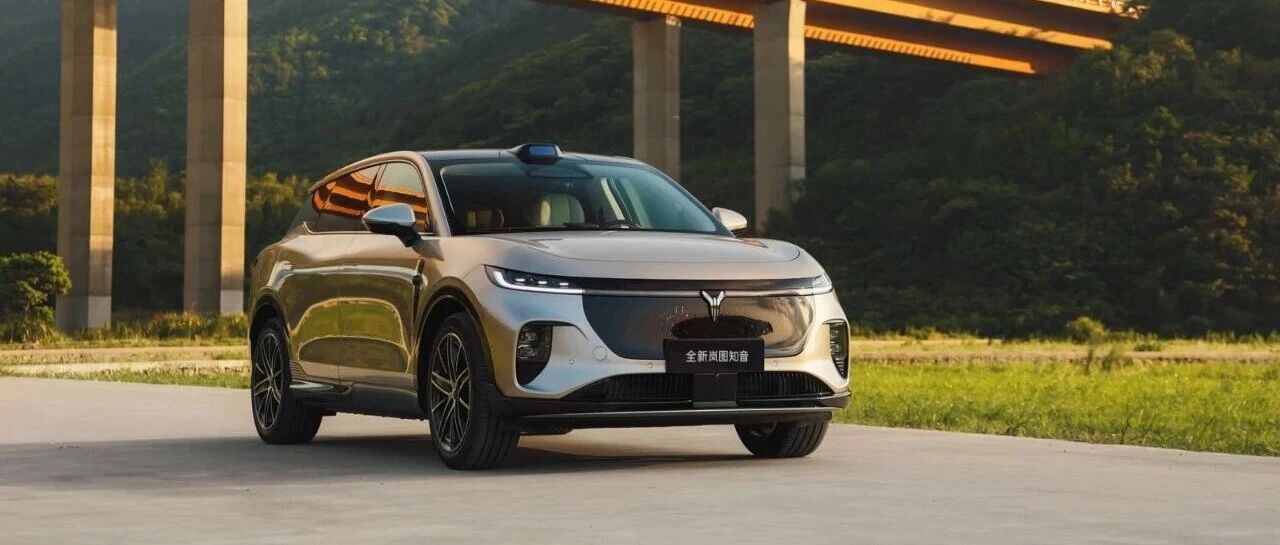
Core Viewpoint - The article highlights the potential of the new Lantu Zhiyin as a competitive electric SUV in the 200,000 RMB market, emphasizing its advanced technology and family-oriented features [1][21]. Group 1: Market Performance - The Lantu Zhiyin has gained significant attention since its launch, with a notable increase in customer traffic, up by 50% in recent months [3]. - In a typical day, around 18 customer groups visit the dealership, with 3 to 4 groups specifically interested in the Lantu Zhiyin [3]. Group 2: Customer Profile - Customers in the 200,000 RMB electric vehicle segment are generally rational and have clear needs, prioritizing comfort and essential features over impulsive purchases [4]. - A representative customer case illustrates the importance of space and comfort for families, as seen in the experience of a middle manager who needed a larger vehicle after the birth of a second child [5][6]. Group 3: Key Features - The Lantu Zhiyin stands out by integrating top-tier technology, including the 乾崑智驾 ADS4 and 鸿蒙座舱 5, which are crucial for attracting customers [12][21]. - The vehicle's advanced battery system, featuring an 800V high-voltage platform and ultra-long range capabilities, addresses common concerns about electric vehicle usability [17]. Group 4: Competitive Advantage - The Lantu Zhiyin's strategy effectively combines high-end technology with family-friendly features, meeting the core demands of family users in the competitive 200,000 RMB market [21]. - The vehicle's success is attributed to its ability to provide a comprehensive solution that excels in multiple areas, including battery performance, space, and comfort [16][19].
全新阿尔法T5上市,售价10.98万起
Zheng Quan Shi Bao Wang· 2025-10-30 07:46
Core Insights - The new Arcfox Alpha T5 has been officially launched, offering both pure electric and range-extended powertrains, with a limited-time price range of 109,800 to 154,800 yuan [1] - The vehicle is the first to feature the Beiqi Yuanzhi intelligent driving assistance system, highlighting the growing importance of smart driving features in consumer purchasing decisions [1] - Arcfox emphasizes that effective driving assistance requires a combination of sensors, computing power, algorithms, and data, which are the four key technological pillars [1] Group 1 - The Arcfox Alpha T5 is equipped with the Snapdragon 8775 integrated cockpit chip, making it the first SUV in the industry to offer city NOA (Navigation on Autopilot) under 150,000 yuan [1] - The vehicle's design focuses on creating a safe and accessible driving assistance experience, aiming to meet the diverse needs of users for intelligent mobility [1] - The new model addresses consumer concerns about the high costs and safety incidents associated with smart driving technologies, aiming to build trust in these systems [1] Group 2 - In the range-extended vehicle sector, there is a prevailing trend of increasing battery sizes, which can alleviate range anxiety for users [2] - However, Arcfox believes that simply increasing battery capacity is not the optimal solution; instead, it is essential to address various user pain points in real-world driving scenarios [2] - The Alpha T5 features the Beiqi Shenqing range-extended power system and CATL's (300750) exclusive Xiaoyao range-extended battery, effectively overcoming issues related to vibration, noise, and slow charging [2]
全新阿尔法T5正式上市 售价10.98万元起
Yang Shi Wang· 2025-10-30 02:28
Core Insights - The new Alpha T5 from the Arcfox brand has been officially launched, positioned as a "long-range intelligent mid-size SUV" with a price range of 109,800 to 154,800 yuan, offering both pure electric and range-extended versions [1] - The vehicle features the Yuanjing intelligent technology architecture and is the first model equipped with the Yuanjing intelligent driving assistance system [1] Technology and Features - The Alpha T5 is equipped with the Snapdragon 8775 integrated chip, providing a computing power of 144 Tops, enabling collaboration between the cockpit and intelligent driving systems [3] - The Yuanjing driving assistance system utilizes a "dual-eye stereo vision system" that mimics human vision, allowing it to recognize and avoid various obstacles without relying on a preset database, adapting to complex scenarios [3] - The vehicle supports urban Navigation Assisted Driving (NOA) functions, covering scenarios such as congested following, unprotected left turns, and autonomous on/off ramps, with a price threshold for this level of vehicle's urban NOA set below 150,000 yuan [3] Powertrain and Performance - The Alpha T5 offers both pure electric and range-extended power options, with the range-extended version featuring a system thermal efficiency of 43% and a comprehensive range of 1,215 kilometers [4] - The vehicle maintains a discharge power of 140 kW even at a state of charge (SOC) as low as 9%, with a total output power of 200 kW [4] - The pure electric version boasts a maximum range of 705 kilometers and supports fast charging from 30% to 80% in just 8.9 minutes, allowing for a 500 km charge in 15 minutes [4] Space and Comfort - The new model has a body length of 4,760 mm and a wheelbase of 2,845 mm, with a luggage compartment volume of 1,546 liters when the second-row seats are folded [6] - The design features a streamlined exterior with a drag coefficient of 0.243 Cd, and the interior includes advanced comfort features such as 180-degree reclining front seats and an 18-speaker sound system [6] Safety and Manufacturing - The Alpha T5 utilizes a 1500 MPa hot-formed steel body structure, achieving a torsional rigidity of 47,119 N·m/deg, ensuring safety and quality [8] - The vehicle's interior employs zero-formaldehyde and zero-benzene materials, contributing to improved air quality [8] - The manufacturing process adheres to Magna's standards, ensuring high safety and quality [8] Market Performance - In October, the sales of BAIC New Energy exceeded 30,000 units, with the Arcfox T1 orders surpassing 30,000 for two consecutive months, and pre-sale orders for the new Alpha T5 exceeding 10,000 units [8]