
三电系统

Search documents
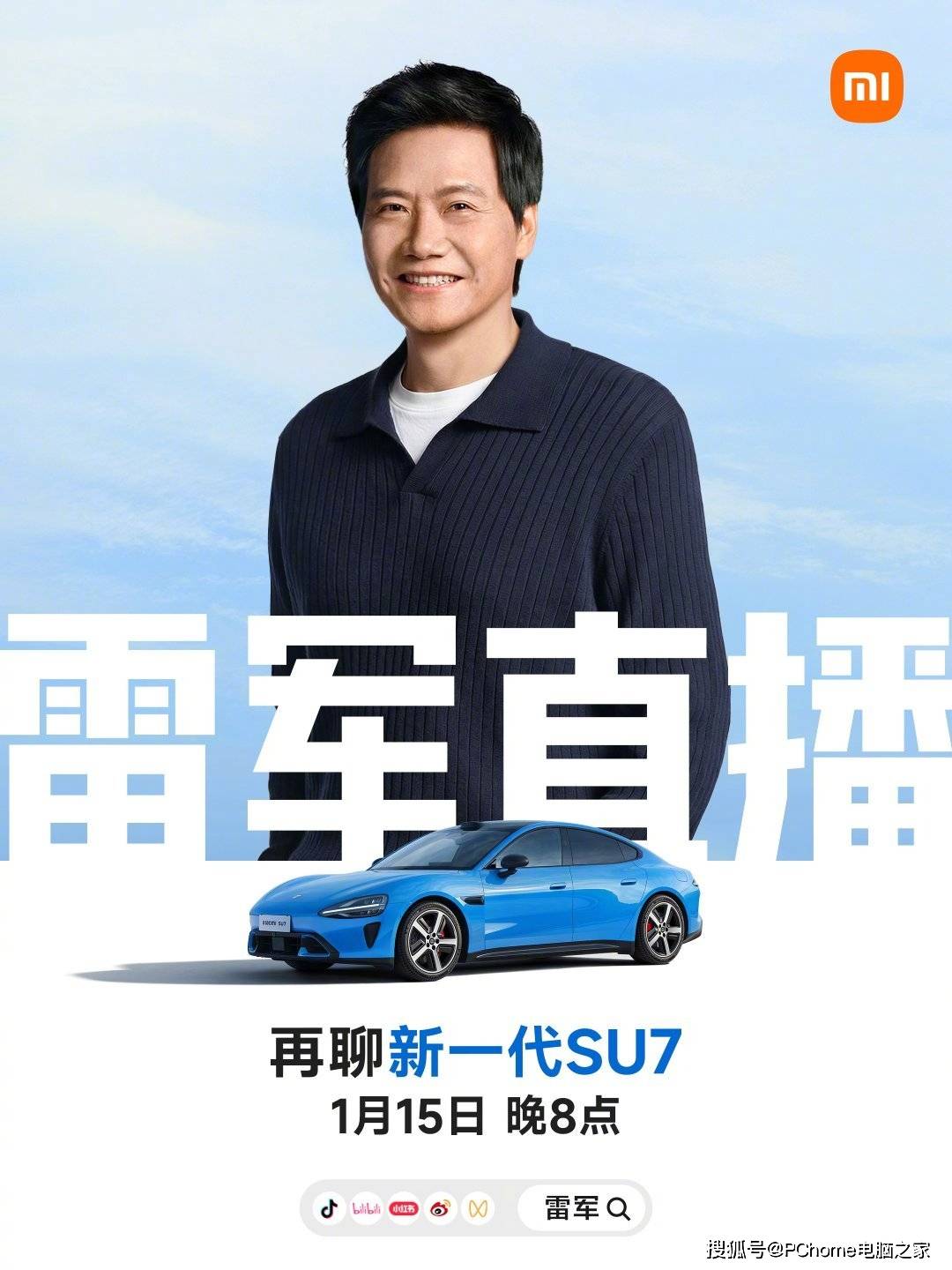
雷军官宣今晚直播:与汽车媒体一起聊聊新一代SU7
Sou Hu Cai Jing· 2026-01-15 02:24
Group 1 - The core message of the news is that Xiaomi's founder and CEO Lei Jun announced a live stream event to discuss the new generation SU7 electric vehicle, responding to public interest from a previous session [1][3] - The live stream will feature discussions with automotive media expert Wu Pei and Dr. Chen Guang, head of HAD, focusing on advancements in the assisted driving system [3] - The new generation SU7 aims to redefine the benchmark for electric sedans priced between 200,000 to 300,000 yuan, with significant upgrades in core competitiveness [5] Group 2 - The SU7 features hardware equality with standard configurations including laser radar and a 700 TOPS computing chip, providing high-level assisted driving even in the entry model [5] - The Pro version offers a CLTC range of 902 km, while the Max version can recharge 670 km in just 15 minutes on a 897V high-voltage platform, with energy consumption as low as 11.7 kWh/100 km [5] - The starting price of the SU7 is set at 229,900 yuan, with comprehensive configurations aimed at breaking industry norms [5]

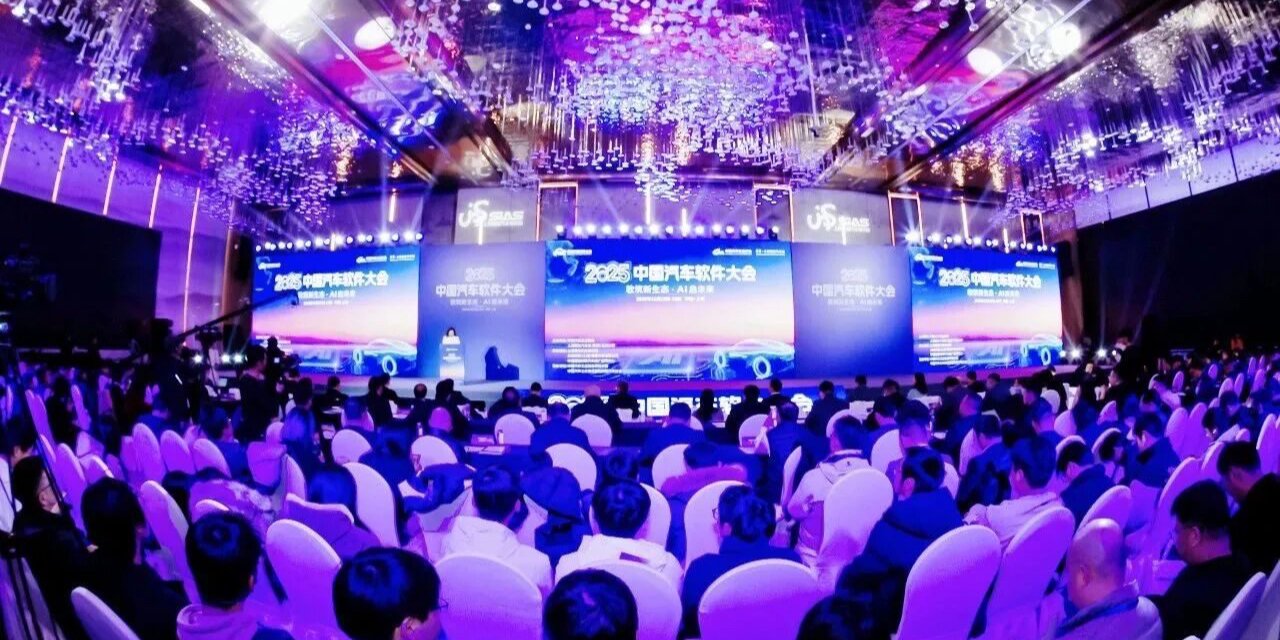
【深度报道】2025中国汽车软件大会:聚力变革与突破,共绘产业新蓝图
Jing Ji Guan Cha Wang· 2025-12-29 07:50
Core Insights - The 2025 China Automotive Software Conference will be held on December 15-16 in Shanghai, focusing on the transformation and challenges in the automotive industry, particularly in software and AI integration [4][6]. Group 1: Industry Transformation - The automotive industry is entering a phase of "AI-driven" transformation, moving from hardware-defined to software-defined vehicles, with significant advancements in smart and connected technologies during the 14th Five-Year Plan [8]. - The approval of the first batch of L3 conditional autonomous driving vehicles in China is expected to stimulate new business models in transportation and insurance, fostering a safe and efficient industrial ecosystem [8]. Group 2: Key Trends and Innovations - "Smart driving popularization" and "technology equality" are identified as key trends for the automotive industry by 2025, with advanced technologies like L2-level assisted driving becoming standard in mainstream vehicles [10]. - The value chain is shifting from hardware to software and services, with companies adopting business models that leverage hardware to drive software profitability [12]. Group 3: Challenges in the Industry - The automotive software industry faces challenges in three main areas: achieving self-sufficiency in core technologies, improving ecosystem and collaboration mechanisms, and balancing technological innovation with practical application [16][17]. - The need for a unified platform and open ecosystem is critical, as current issues include data silos and technological fragmentation that hinder collaboration [16]. Group 4: Pathways for Development - Proposed strategies for overcoming industry challenges include fostering independent innovation, collaborative construction, talent support, and ensuring safety [23]. - Standardization is crucial for efficient collaboration, focusing on software interface specifications, AI application standards, and data security requirements [23][24]. Group 5: Policy and Support - Local government support is essential for building a favorable environment for the automotive software industry, with ongoing efforts to enhance infrastructure and cooperation platforms [26]. - The automotive software industry's development is seen as a path toward innovation and collaboration, contributing to high-quality growth and global competitiveness [28].
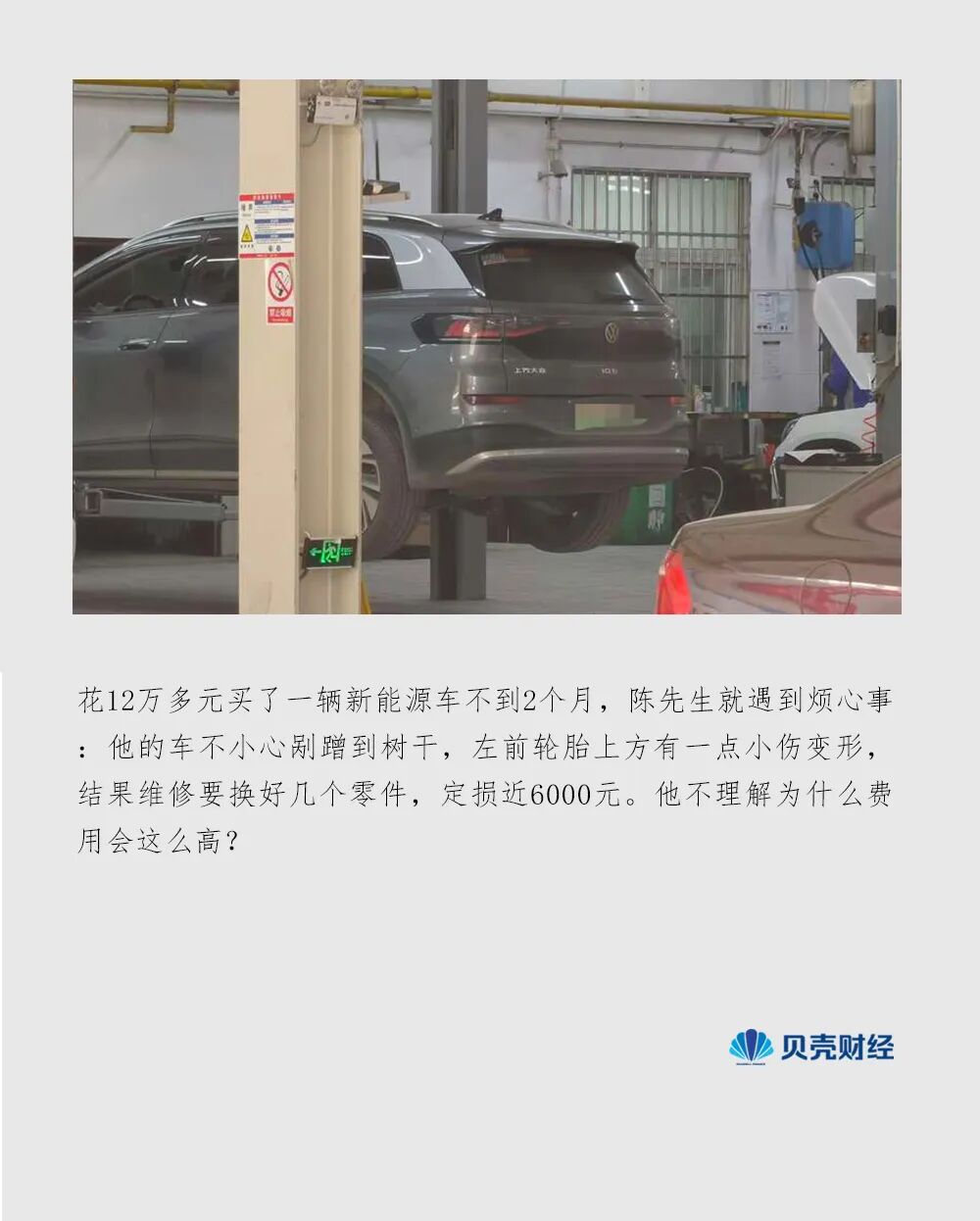
维修费比油车多花一倍!新能源车为何修不起?
Xin Lang Cai Jing· 2025-12-11 10:17
Core Insights - The high cost of maintenance for electric vehicles (EVs) is a significant concern for owners, with repair costs being 2-2.5 times higher than that of traditional fuel vehicles for minor damages [3][4][9] - There is a severe shortage of qualified EV maintenance technicians, with only about 100,000 certified technicians available and a gap of approximately 842,000 needed in the industry [4][20][40] - The combination of high repair costs, lack of skilled technicians, and monopolistic practices in the parts supply chain creates a challenging environment for EV owners [4][27][37] Group 1: High Repair Costs - Repair costs for EVs can reach thousands or even tens of thousands of yuan, with examples including a nearly 20,000 yuan cost for a minor rear trunk repair on a Tesla Model 3 [7][29] - Owners report that even minor repairs, such as replacing a bumper or headlight, can cost several thousand yuan, with some repairs involving battery or chassis replacements exceeding 10,000 yuan [8][30][31] - The average cost of battery replacement can account for 51% of the total vehicle price, indicating the high expense associated with core components [9][33] Group 2: Technician Shortage - The industry faces a significant shortage of EV maintenance technicians, with estimates indicating a need for over 842,000 additional skilled workers [4][20][40] - Many existing technicians lack the necessary training to handle the complexities of EV repairs, particularly those involving high-voltage systems and advanced electronic components [41][42] - The transition from traditional fuel vehicle maintenance to EV maintenance requires substantial retraining, which is currently not keeping pace with the rapid growth of the EV market [20][42] Group 3: Monopolistic Practices - The supply chain for EV parts is often controlled by manufacturers, making it difficult for independent repair shops to access necessary components [34][37] - Many EV manufacturers impose restrictions on warranty coverage if repairs are not conducted through authorized channels, discouraging owners from seeking third-party repair options [36][37] - The lack of transparency in pricing and repair processes contributes to the perception of high costs and limited options for consumers [44] Group 4: Recommendations for Improvement - Industry experts suggest establishing a centralized automotive service data platform to improve transparency and efficiency in the repair process [43][44] - There is a call for policy initiatives to support the development of a balanced aftermarket service ecosystem for EVs, similar to what has been achieved for traditional vehicles [44] - Long-term strategies should focus on reducing repair costs through improved technology and parts availability, ultimately enhancing consumer confidence in EV ownership [44]
岚图泰山,与时代脊梁共“争峰”
汽车商业评论· 2025-11-19 23:08
Core Viewpoint - The article highlights the launch of the new Lantu Taishan model by Lantu Automotive, marking a significant step into the luxury SUV market, aiming to challenge established brands and showcase China's advancements in automotive technology [5][7][9]. Product Launch and Market Positioning - Lantu Taishan was officially launched on November 18, with four models priced between 379,900 to 509,900 yuan, including a limited edition "Black Warrior" model set to release in Q1 next year [5]. - The launch signifies Lantu's ambition to penetrate the luxury SUV market, particularly the 500,000 yuan segment, and represents a milestone for Chinese automotive brands in the high-end market [7][9]. Competitive Landscape - The luxury six-seat SUV market is experiencing intense competition, with the number of key models increasing from 4 to nearly 20 within three years, indicating a significant growth in sales volume [11]. - Lantu Taishan aims to compete with models like Li Auto L9, AITO M9, and Zeekr 9X, leveraging its strong product capabilities to establish itself as a flagship model [9][11]. Technological Innovations - Lantu Taishan features China's first three-chamber air suspension system, previously exclusive to high-end brands like Rolls-Royce and Porsche, showcasing a significant technological advancement for domestic brands [13]. - The vehicle is equipped with Huawei's latest intelligent driving system, achieving a milestone in autonomous driving capabilities, which enhances its competitive edge in the market [16][17]. Sales Performance and Growth - Lantu Automotive has achieved a remarkable growth trajectory, reaching a cumulative delivery of 300,000 vehicles, with an 82% year-on-year increase in deliveries from January to October this year [26][28]. - The company has established a comprehensive product lineup across various segments, including sedans, SUVs, and MPVs, positioning itself as one of the most complete high-end new energy brands in China [28][29]. Future Prospects - Lantu plans to go public on the Hong Kong Stock Exchange by August 2025, marking a significant milestone for the company and the broader industry, as it aims to redefine the luxury automotive landscape in China [31]. - The launch of Lantu Taishan is seen as a pivotal moment for the company, setting a benchmark for state-owned enterprises in the new energy vehicle sector and demonstrating the potential for rapid transformation and innovation [31].

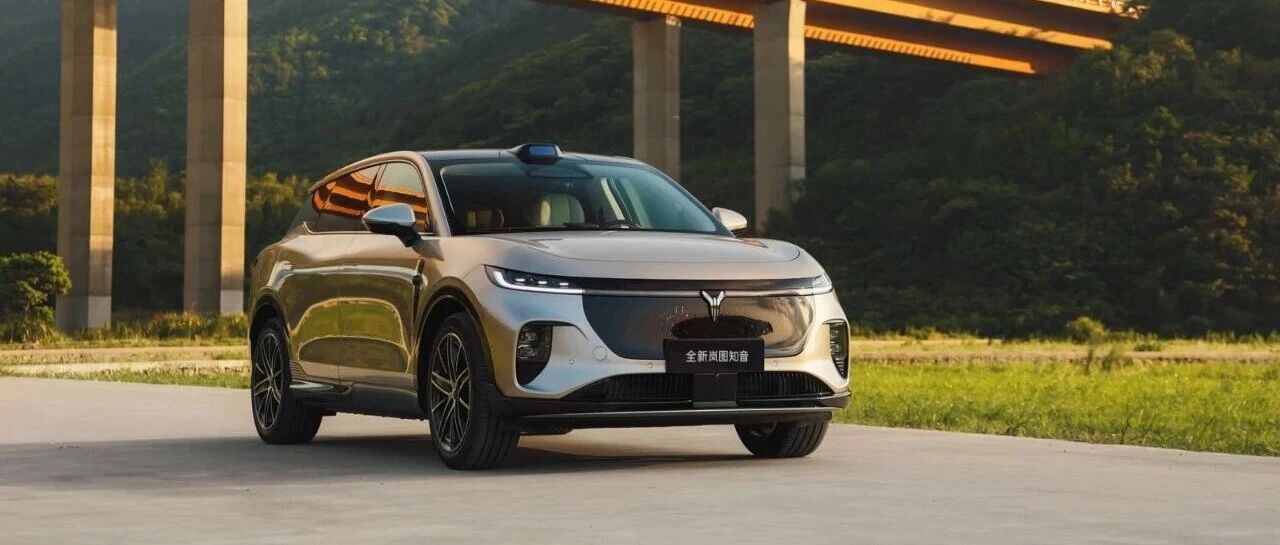
全新岚图知音:门店客流上涨50%,用户花20万追求“全都要”
车fans· 2025-10-31 00:31
Core Viewpoint - The article highlights the potential of the new Lantu Zhiyin as a competitive electric SUV in the 200,000 RMB market, emphasizing its advanced technology and family-oriented features [1][21]. Group 1: Market Performance - The Lantu Zhiyin has gained significant attention since its launch, with a notable increase in customer traffic, up by 50% in recent months [3]. - In a typical day, around 18 customer groups visit the dealership, with 3 to 4 groups specifically interested in the Lantu Zhiyin [3]. Group 2: Customer Profile - Customers in the 200,000 RMB electric vehicle segment are generally rational and have clear needs, prioritizing comfort and essential features over impulsive purchases [4]. - A representative customer case illustrates the importance of space and comfort for families, as seen in the experience of a middle manager who needed a larger vehicle after the birth of a second child [5][6]. Group 3: Key Features - The Lantu Zhiyin stands out by integrating top-tier technology, including the 乾崑智驾 ADS4 and 鸿蒙座舱 5, which are crucial for attracting customers [12][21]. - The vehicle's advanced battery system, featuring an 800V high-voltage platform and ultra-long range capabilities, addresses common concerns about electric vehicle usability [17]. Group 4: Competitive Advantage - The Lantu Zhiyin's strategy effectively combines high-end technology with family-friendly features, meeting the core demands of family users in the competitive 200,000 RMB market [21]. - The vehicle's success is attributed to its ability to provide a comprehensive solution that excels in multiple areas, including battery performance, space, and comfort [16][19].
打开OBM欧洲通道 摩根士丹利与高盛双双现身公司前十大无限售条件股东 普莱得前三季度营收净利双增
Quan Jing Wang· 2025-10-29 01:33
Core Viewpoint - The company, Plade, has achieved accelerated growth in its operating performance, with significant increases in revenue and net profit, supported by strategic partnerships and a strong market position in the electric tools industry [1][2]. Financial Performance - For the first three quarters of 2025, the company reported revenue of 697 million yuan and a net profit of 61.5 million yuan, representing year-on-year growth of 7.74% and 11.01% respectively [1]. - The operating cash flow improved significantly, with a net inflow of 102 million yuan, a year-on-year increase of 647.50% [1]. - Total assets rose to 1.523 billion yuan, indicating a continued improvement in the company's financial health [1]. Strategic Partnerships - In September 2025, the company signed a five-year strategic cooperation agreement with a leading European lithium battery tool brand, with a total purchase amount exceeding 700 million yuan, providing strong revenue certainty for the future [1]. - The company has established long-term collaborations with global giants such as Stanley Black & Decker and Makita, enhancing its market position and brand influence [2]. Product and Market Position - Plade is a leading manufacturer of electric tools in China, with a diverse product structure across seven major categories and nearly 400 specifications, solidifying its position in various sectors including home renovation and industrial manufacturing [2]. - The company's core product, the hot air gun, ranks first in annual sales among domestic competitors, showcasing its brand pricing power and market dominance [2]. Research and Development - The company invested 26 million yuan in R&D for the first three quarters of 2025, a year-on-year increase of 7.54%, focusing on technological innovation and enhancing market competitiveness [3]. - Plade has established a global manufacturing network with two production bases, achieving a production capacity of 8 million units per year in China and 3 million units per year in Thailand by the end of the year [3]. Market Trends - The global electric tools market is projected to grow to 42.1 billion USD in 2024 and reach 54.09 billion USD by 2029, with a notable increase in the cordless tools segment [4]. - The company has achieved self-production of battery packs and PCBA, forming a vertically integrated supply chain that enhances its core technological capabilities in the electric tools sector [4]. Investor Confidence - The company has gained recognition from international capital markets, with Morgan Stanley and Goldman Sachs appearing in its top ten unrestricted shareholders, indicating strong confidence in its future growth potential [4].
江铃汽车产品研发大楼二期项目正式开工
Xin Lang Cai Jing· 2025-09-29 09:30
Core Viewpoint - Jiangling Motors has commenced the construction of the second phase of its product research and development building, which will serve as a center for technological innovation and talent aggregation, focusing on key technologies such as intelligent cockpits, autonomous driving, electric drive systems, new architectures, and new chassis designs [1] Group 1 - The groundbreaking ceremony for the second phase of Jiangling Motors' R&D building took place on September 29 [1] - The second phase is positioned as a future technology innovation hub for Jiangling Motors [1] - Key areas of focus for the new R&D center include autonomous development of core technologies [1]

广汽集团: 广汽集团第七届董事会第2次会议决议公告
Zheng Quan Zhi Xing· 2025-03-31 11:12
Group 1 - The company has approved a comprehensive reform of its operational management to enhance competitiveness and efficiency in response to current market conditions [1][2] - The reform will shift the management model from strategic control to operational control, focusing on research and development as well as comprehensive support [2] - The dual-driven approach includes "market-driven" strategies to improve product definition and "technology-driven" initiatives to enhance cost efficiency and technological advancement, particularly in autonomous driving and smart connectivity [2] Group 2 - The board meeting had full participation with 10 votes in favor of the reform proposal, indicating unanimous support [1][2] - The company aims to establish a highly efficient operational system that integrates research, production, supply, and sales management [2] - The goal is to create a strong operational enterprise characterized by strategic leadership, effective decision-making, resource allocation, management services, and collaborative innovation [2]
