
第三空间

Search documents
星巴克降价,是瑞幸逼的吗?
东京烘焙职业人· 2025-06-12 08:51
Core Viewpoint - Starbucks has initiated a significant price reduction across its product range, marking the first major price cut in its 25 years in China, indicating the start of a new price war in the coffee sector [5][6][11]. Group 1: Price Reduction and Market Dynamics - Starbucks has lowered prices by approximately 5 yuan, bringing its price range down from 30 yuan to the 20+ yuan level [5][6]. - The price cut is a response to declining average transaction values, which have dropped for ten consecutive fiscal quarters [11]. - The coffee market is nearing saturation, with growth rates expected to decline from over 20% in 2024 to single digits in subsequent years [8][12]. Group 2: Competitive Landscape - The price war was initiated by Luckin Coffee and Kudi, with Luckin offering products as low as 6.9 yuan and Kudi at 3.9 yuan, prompting Starbucks to respond [6][8]. - The competition is not only among coffee brands but also includes tea brands, as they vie for market share in overlapping consumer segments [19][21]. - Smaller coffee brands and shops are facing significant challenges due to rising raw material costs and the inability to compete with larger chains on pricing and innovation [20]. Group 3: Strategic Implications - Starbucks is focusing on maintaining its brand positioning by selectively lowering prices on non-coffee products while keeping core coffee prices stable [18]. - The strategy aims to attract a broader consumer base without diluting the brand's premium image, positioning Starbucks against tea brands like Heytea and Bawang Chaji [18][22]. - The ongoing competition is seen as a precursor to a restructuring of the industry landscape, where brands that can effectively manage supply chain efficiencies and innovate will thrive [22].



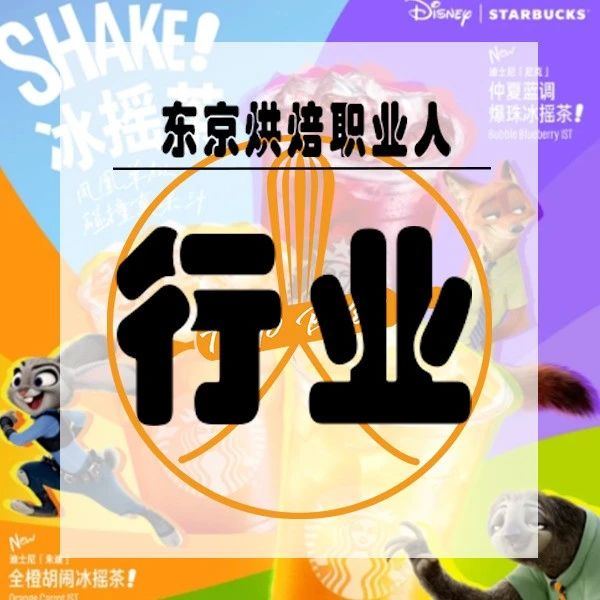
星巴克罕见降价,高举攻入夏日茶饮战
Hua Er Jie Jian Wen· 2025-06-10 09:23
星巴克中国正式杀入现制饮品的夏日厮杀。 即日起,星巴克对星冰乐、冰摇茶、茶拿铁等"非咖"饮品降价,降价幅度在2-6元。 若以大杯为标准计算,平均降幅达到5元左右。 调价后,单杯最低单价低至23元,与主流中端奶茶品牌处在同一价格水平。 曾在诸多场合表示"不打价格战"的星巴克,首次以直接降价,而非发券的方式降低价格。 星巴克中国表示,6月17日,将联动《疯狂动物城》推出3款全新联名冰摇茶。 此外,茶拿铁也将迎来更多全新口味。 密集官宣背后,不难看出星巴克加码午后茶饮时段的决心。 今年以来星巴克本土化动作频频,经营策略一改往日的克制。 在双杯卡、多次卡等常态化活动套餐下,星巴克单杯饮品价格不超过25元。 2023年起,星巴克中国客单价同比持续下滑。 在国内咖啡茶饮的疯狂竞争面前,星巴克的"以价换量"算盘没有成功。 2024年,星巴克中国同店销售额连续四个季度同比下滑,进入业绩低谷期。 打折后依旧"性价比"不足。 不仅面对9.9咖啡时代招架无力。传统拿铁、玛奇朵,在风味咖啡的时代缺乏对年轻人的吸引力。 与其被绵延不绝的低价拖累,不如高调入局,吸引更多的流量关注。 产品层面,迎合无糖化、低糖化的市场消费需求,在全国的所 ...
方寸之间的丰盈:京司便利店与当代生活的"小确幸"
Sou Hu Cai Jing· 2025-06-09 09:53
Core Insights - The article highlights the transformative impact of 京司便利店 (Jing Si Convenience Store) on urban lifestyles and consumer habits, emphasizing its role as a micro-solution center for daily needs [1][5][7] Group 1: Business Model and Strategy - 京司便利店 operates on a "small but comprehensive" business philosophy, offering a wide range of products in a compact space, effectively addressing urban living pain points [3][4] - The store's pricing strategy is based on a unique understanding of "value," optimizing cost through private label development, direct sourcing, and efficient logistics, resulting in competitive pricing without compromising quality [3][4] - The store provides personalized services such as free hot water, charging stations, and open restrooms, which enhance customer loyalty and create a sense of value beyond mere pricing [4] Group 2: Consumer Experience - 京司便利店 creates a "third space" experience, serving as a comfortable transition area between home and work, appealing to a diverse customer base [4][5] - The store's environment is designed with psychological considerations, providing a welcoming atmosphere that allows customers to find respite in a fast-paced urban setting [4][5] Group 3: Market Trends and Cultural Shifts - The success of 京司便利店 reflects a significant shift in contemporary consumer culture, where individuals seek "just enough" rather than excess, valuing genuine connections and real value [5][7] - The store's approach combines traditional retail with e-commerce, maintaining community warmth in an increasingly virtual shopping landscape [5][7]
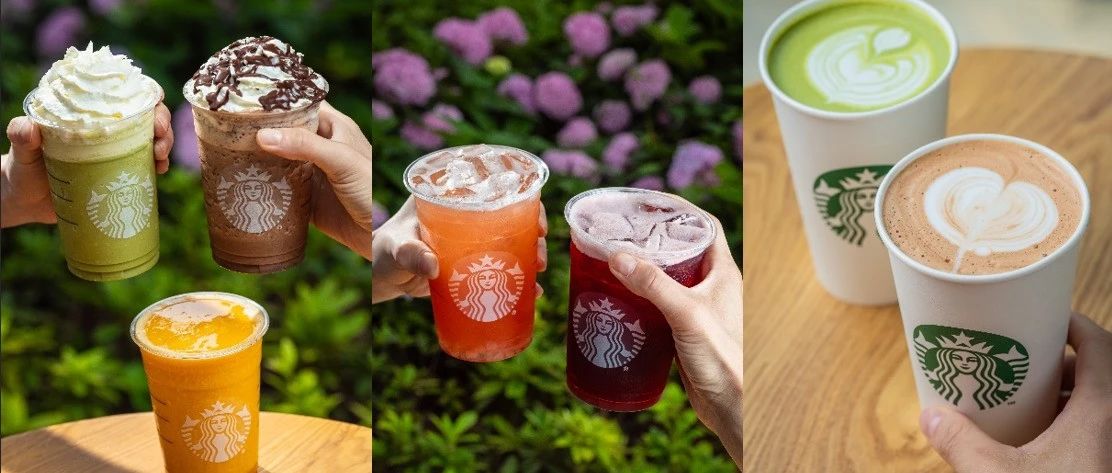
星巴克乘胜追击 “非咖”场景将成增长第二极
Zheng Quan Ri Bao· 2025-06-09 07:38
Core Viewpoint - Starbucks is enhancing its "non-coffee" offerings to complement its existing coffee products, aiming to create a dual consumption scenario of "morning coffee, afternoon non-coffee" to better meet diverse customer needs [2][5] Group 1: Product and Pricing Strategy - Starting June 10, Starbucks will introduce a new summer pricing strategy with prices as low as 23 yuan for its three main non-coffee products, allowing customers to explore personalized options and "hidden menu" items [3] - On June 17, Starbucks will launch three new co-branded iced teas in collaboration with Disney's "Zootopia," and new flavors of tea lattes are also expected soon [3] - The company emphasizes a high level of customization in its offerings, allowing customers to adjust coffee strength, sweetness, and base ingredients, enhancing customer satisfaction [3][5] Group 2: Store Experience and Community Integration - Starbucks aims to create a "third space" for customers, differentiating itself from competitors by optimizing store layouts, lighting, and integrating local community culture into its store designs [4] - The company has opened unique stores, such as the heritage concept store in Ningbo, to strengthen its brand positioning as an all-day social space [4] Group 3: Market Position and Growth Strategy - Starbucks' strategy to enhance its "non-coffee" segment is part of a broader focus on customer needs, aiming to create exceptional experiences and reinforce brand value [6] - In the second quarter of fiscal year 2025, Starbucks China reported revenues of $739.7 million, a 5% year-over-year increase, with same-store sales improving by 4% [6] - The company is committed to innovation in beverage offerings tailored to local tastes, such as the Chinese New Year-themed coffee beans developed by a local team [6] Group 4: Collaboration and Brand Positioning - Starbucks emphasizes strategic partnerships that align with its brand identity, such as collaborations with Snoopy and Mayday, to enhance brand vitality and expand sales opportunities [7] - The company is strategically integrating quality-price ratios and cost-effectiveness in its product matrix, catering to both quality-seeking and price-sensitive consumers [7]

消费一线 | 星巴克中国公布价格调整策略:打开下午茶市场
21世纪经济报道· 2025-06-09 04:56
Core Viewpoint - Starbucks is strategically lowering prices on its popular non-coffee beverages to capture a larger share of the afternoon tea market, enhancing its competitive advantage in China [1][9][15] Pricing Strategy - Starting June 10, Starbucks will introduce a new summer pricing strategy, reducing the average price of select beverages by approximately 5 yuan, with some drinks available for as low as 23 yuan [1][3] - The price reduction applies to key product lines including Frappuccino®, iced tea, and tea lattes, which have shown significant sales growth over the past three years [3][9] Product Innovation - On June 17, Starbucks will launch three new iced tea flavors in collaboration with Disney's "Zootopia," inspired by the main characters [5][11] - The company is also expanding its product offerings with customizable options, allowing customers to adjust sweetness, flavor, and base ingredients [7][10] Market Potential - The ready-to-drink tea market in China is substantial, with a market size of 258.5 billion yuan in 2023, compared to 172.1 billion yuan for the ready-to-drink coffee market [9] - Starbucks aims to leverage its product development and supply chain advantages to penetrate the afternoon tea segment effectively [9][12] Store Expansion and Community Engagement - As of the end of Q2, Starbucks China has 7,758 stores, covering over 1,000 county-level markets, and is focusing on integrating local community culture into its store experiences [9][12] - The company is creating unique store concepts that reflect local heritage, enhancing the overall customer experience [9][12] Financial Performance - In Q2 of the 2025 fiscal year, Starbucks China reported a revenue of $739.7 million, a 5% year-over-year increase, with same-store sales growing by 4% [13][14] - The company maintains a double-digit operating profit margin, indicating strong financial health and resilience [13][14] Overall Strategy - The price adjustments and product innovations are part of a broader strategy to adapt to changing consumer preferences in a competitive market [12][15] - Starbucks is committed to long-term growth in China, focusing on key business metrics and customer engagement [13][15]
连锁酒店的下沉战火,已经蔓延至县城咖啡
3 6 Ke· 2025-05-26 02:22
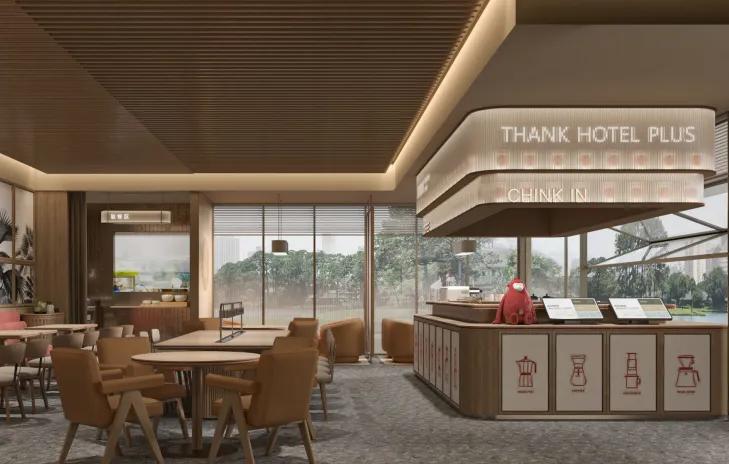
Core Insights - The article discusses the emergence of the "hotel + coffee" model, particularly through the launch of the 尚客优悦 2.0 brand by 尚美数智酒店集团, which aims to capture the growing coffee market among younger travelers and the downward market trend [1][6]. Group 1: Product Concept and Design - 尚客优悦 2.0 integrates a coffee shop experience within the hotel environment, transforming traditional hotel lobbies into immersive coffee spaces that serve as social hubs [2][4]. - The design includes a multifunctional space that combines hotel, café, rest area, and business meeting zones, addressing the low utilization of traditional hotel public areas [4][19]. - The brand offers a 24-hour coffee service, enhancing guest experience and operational efficiency through smart technology [4][5]. Group 2: Market Trends and Consumer Behavior - The coffee market is shifting from elite consumption to mass appeal, with younger consumers bringing urban lifestyles back to smaller towns, thus expanding the coffee market into lower-tier cities [6][9]. - Data indicates that 67.5% of consumers drink coffee for energy, while 35.8% do so for social reasons, highlighting the growing necessity for coffee in various social contexts [8][9]. - The trend of integrating coffee services into hotels is not new, but it is gaining traction as hotels seek to diversify revenue streams and enhance guest experiences [9][10]. Group 3: Competitive Landscape - Major hotel chains are increasingly entering the coffee market, with various strategies such as partnerships with coffee brands, incorporating coffee into their brand identity, or launching proprietary coffee brands [9][10]. - The cost structure of coffee production indicates that leveraging existing hotel infrastructure can significantly reduce operational costs, making the "hotel + coffee" model financially attractive [13]. - The competition for the downward market is intensifying, with both coffee and hotel industries recognizing the potential in lower-tier cities [10][20]. Group 4: Future Directions - The evolution of hotels into "third spaces" reflects changing consumer preferences, particularly among Gen Z, who seek personalized and social experiences beyond traditional accommodations [14][15]. - The success of the "hotel + coffee" model will depend on the ability to create immersive experiences that resonate with younger consumers, rather than merely selling coffee [20][21].


星巴克,抢不回“铁王座”
3 6 Ke· 2025-05-22 03:41
Core Viewpoint - The article discusses the competitive landscape of the coffee market in China, highlighting Starbucks' resilience and strategies to adapt to market challenges, including price wars and changing consumer preferences [1][2]. Group 1: Starbucks' Performance - In Q2 2025, Starbucks reported a 5% year-on-year increase in revenue to $739.7 million, with a consistent double-digit operating profit margin [1]. - The number of Starbucks stores in China reached 7,758, marking a 9% year-on-year growth and contributing to about one-third of global new store openings [1][3]. - This marks the first positive growth in performance for Starbucks in China after four consecutive quarters of same-store sales decline [1][3]. Group 2: Market Strategies - Starbucks is focusing on localizing its offerings by expanding into lower-tier cities, having opened 790 stores in the 2024 fiscal year, a record high [3]. - The company is enhancing its online delivery capabilities through partnerships with platforms like Meituan and JD, while also engaging in price competition on platforms like Ele.me [3]. - Starbucks has introduced a "sugar-free revolution" with its new product line "True Taste Sugar-Free," allowing customers to customize sweetness levels, reflecting a shift towards health-conscious offerings [4][5]. Group 3: Competitive Landscape - The coffee market in China is characterized by aggressive pricing strategies, with competitors like Luckin Coffee and Kudi offering significantly lower prices, challenging Starbucks' traditional pricing model [1][9]. - Luckin Coffee has optimized its supply chain, reducing inventory turnover days to 18, which is half the industry average, and achieving a self-operated store profit margin of 17.1% [10]. - The rise of local brands and the shift in consumer preferences towards value and taste have intensified competition, leading to a decline in Starbucks' market share [8][11]. Group 4: Future Opportunities - The Chinese coffee market is projected to exceed 220 billion yuan by 2025, indicating significant growth potential for Starbucks [12]. - Starbucks can enhance its supply chain efficiency and focus on quality-price balance to regain lost customers [15]. - Strengthening its membership program and leveraging its "third space" concept can help Starbucks create unique consumer experiences and foster brand loyalty [15][16].
赶上CityDig热潮,这50个品牌太有意思了!
3 6 Ke· 2025-05-12 02:07
Group 1 - The core viewpoint of the articles highlights the rapid rise of domestic consumption power and the innovative strategies adopted by popular brands to capture market growth in 2025 [1][3][10] - The first quarter of 2025 saw the top 50 trending brands actively seeking market expansion through diversified strategies, with leading players exploring new growth avenues while emerging brands focused on innovation to differentiate themselves [3][10] - A surge in consumer brand IPOs has been observed, driven by government policies aimed at boosting consumption and investment, alongside a significant backlog of capital seeking exits from previous investments [10][11] Group 2 - Notable brands that have recently gone public include Mixue Ice City, which set a record with a subscription amount of HKD 1.77 trillion during its IPO, and Gu Lou, which has seen its stock price increase by over 170% since its listing [11][12] - The success of these brands is attributed to their strong product capabilities and market positioning, with many achieving significant sales growth and expanding their operational footprints [11][12] - The trend of digital consumption brands creating immersive experiences is gaining traction, with companies like Womei Cinema and Dreame exploring innovative business models that combine entertainment and retail [14][15][16] Group 3 - Local specialty dining is experiencing a resurgence, with unique regional cuisines gaining popularity and attracting consumers from higher-tier cities [17][18] - Brands such as Gu Dian Xiao Man Niu and Hong Lou are leveraging local ingredients and cultural themes to create distinctive dining experiences that resonate with consumers [18][19] - The baking and dessert sector is emerging as a new growth engine in the restaurant industry, with significant increases in transaction volumes and consumer interest [20][21] Group 4 - The trend of online brands transitioning to physical stores is accelerating, with many popular e-commerce brands opening brick-and-mortar locations to enhance consumer engagement [24][25] - Brands like BJHG and IMXS are utilizing their physical spaces to create immersive experiences that resonate with younger consumers, enhancing brand visibility and engagement [26][27] - The integration of unique design elements and thematic experiences in physical stores is becoming a key strategy for brands to attract and retain customers [26][27]
星巴克中国 2025 财年第二季度财报亮眼 强势重振增长
Huan Qiu Wang· 2025-04-30 03:10
Core Insights - Starbucks reported strong performance in the Chinese market for Q2 of FY2025, with key indicators showing a robust recovery and growth momentum [1][3]. Financial Performance - In Q2, Starbucks China achieved revenue of $739.7 million, representing a 5% year-over-year increase [1]. - Same-store transactions rose by 4% year-over-year, with significant improvements in same-store sales across various market segments and operating hours [1]. - The operating profit margin for stores remained in double digits, indicating a solid operational foundation and strong resilience in growth [1]. Store Expansion - As of the end of Q2, Starbucks China had a total of 7,758 stores, expanding its reach to over 1,000 county-level markets [3]. - The company is actively integrating into local community cultures, creating unique "third space" experiences with various themed stores that resonate well with consumers [3]. Product Innovation - Starbucks China is focusing on local consumer demands, launching innovative products such as the Spring Festival-themed coffee beans, developed by a local team [5]. - The Belgian Dark Chocolate series has gained immense popularity, with 57% of the Belgian Dark Chocolate Latte becoming the best-selling item in a single day for 2024 [5]. - The introduction of the "No Sugar" innovation system is leading the flavor coffee market into a new era [5]. Brand Marketing - The company has engaged in cross-brand collaborations with popular brands like Snoopy and STAYREAL, enhancing consumer experience through product and cultural resonance [5]. Long-term Strategy - Starbucks China has been recognized with multiple awards, including the 2024 Mercer Best Employer and Top Employer "Outstanding Employer in China 2025" [7]. - The company continues to invest in community projects, such as a recent donation of 5 million yuan to support heritage preservation and rural women's empowerment [7]. - The CEO expressed confidence in the long-term growth of the Chinese market, emphasizing the effectiveness of product line adjustments and the nearly complete localization of the supply chain and roasting operations [7].
营收7.397亿美元,同比增长5%!星巴克中国第二季度重振增长
Guo Ji Jin Rong Bao· 2025-04-30 02:40
Core Insights - Starbucks' Q2 financial report indicates strong performance in the Chinese market, with key financial metrics showing year-on-year growth in revenue, same-store transaction volume, and company profit margins [1][2] Financial Performance - In Q2, Starbucks China achieved revenue of $739.7 million, representing a 5% year-on-year increase [1] - Same-store transaction volume increased by 4% year-on-year, with significant improvements in same-store sales [1] - The operating profit margin for stores remained in double digits, contributing to an increase in company profit margins compared to the previous year [1] Store Expansion and Market Strategy - As of the end of Q2, Starbucks China had a total of 7,758 stores, covering over 1,000 county-level markets [1] - The company is expanding into lower-tier markets while integrating local community culture into its third space concept, with unique store openings such as the Starbucks Reserve Nanjing Yihe Road store and the highest Starbucks store in Yulong Snow Mountain, Yunnan [1] Leadership Insights - CEO Brian Niccol highlighted that recent product line adjustments have shown positive results, with business growth driven by market-responsive product innovations and culturally resonant marketing campaigns [2] - CEO of Starbucks China, Liu Wenjuan, emphasized a focus on core business and long-term development in the Chinese market, expressing confidence in the future growth of Starbucks in China [2]