
金融供给侧结构性改革

Search documents
【高端访谈】深耕金融服务实体经济核心使命——专访平安银行上海分行行长公茂江
Zhong Guo Jin Rong Xin Xi Wang· 2025-11-27 02:53
Core Viewpoint - Ping An Bank's Shanghai branch is committed to enhancing its credit investment and service capabilities to support the real economy, reflecting its role in Shanghai's high-quality development [1][3]. Group 1: Financial Strategy and Innovation - The bank focuses on being a partner in technological innovation, assessing not just collateral but also the technological potential and market prospects of enterprises [4]. - It aims to serve as a bridge for internationalization, leveraging Shanghai's status as an international financial center to provide convenient cross-border financial services [4]. - The bank positions itself as a "booster" for industrial upgrades, integrating its understanding of supply chains and green finance into its services [4]. Group 2: Organizational Reform - Ping An Bank has implemented a "stronger branch" strategy, enhancing the autonomy and comprehensive service capabilities of its branches [5]. - The bank has restructured its organizational form from "individual efforts" to "team operations," resulting in the establishment of 29 comprehensive branches, which have seen a 17.5% increase in annual revenue and a 13.5% growth in loan and deposit scale compared to the previous year [5]. - Management mechanisms have been reformed to allow for differentiated resource allocation based on the diverse market levels in Shanghai, fostering a shift from "I have to develop" to "I want to develop" [5]. Group 3: Financial Services and Market Positioning - The bank emphasizes a systematic and ecological approach to financial services, particularly in supporting new quality productivity, which is characterized by internationalization and high standards [7][8]. - It aims to be a key player in the construction of Shanghai's international financial center, acting as a converter between national strategies and market demands [8]. - The bank's strategic roles include being an executor of institutional openness, a participant in the construction of the "Shanghai price" system, and a strategic connector for dual circulation [8].



央行余剑:金融“五篇大文章”贷款在全部贷款中的比重不断提升
Sou Hu Cai Jing· 2025-11-25 02:11
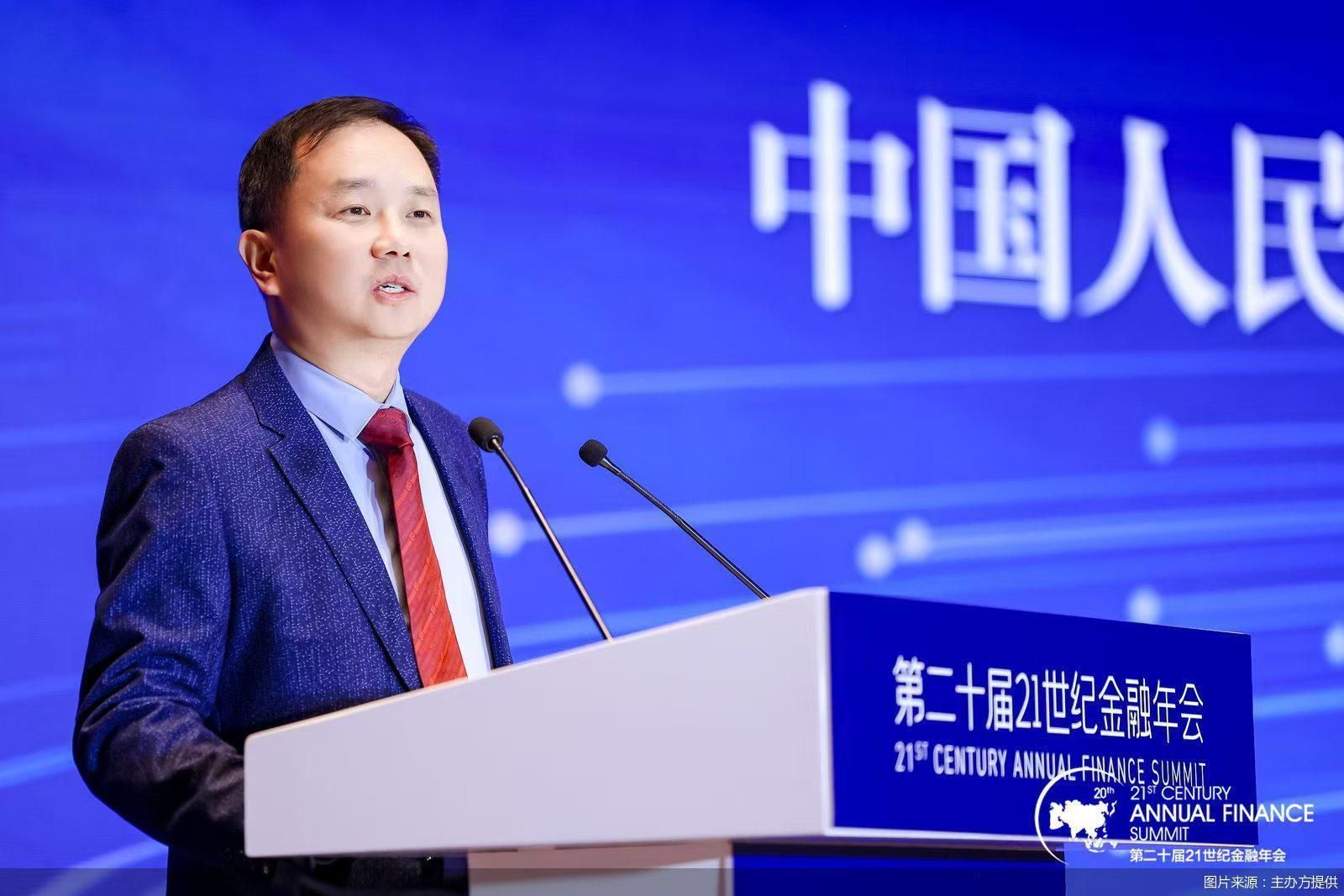
央广网北京11月25日消息(记者 冯方)11月22日,"第二十届21世纪金融年会"在京举行。会上,中国 人民银行信贷市场司副司长余剑表示,当前我国经济进入高质量发展阶段,科技、绿色、普惠、养老、 数字五大领域成为经济转型升级的重点方向。做好金融"五篇大文章"既是金融服务实体经济高质量发展 的重要着力点,也是深化金融供给侧结构性改革的重要内容。 余剑透露,从发展成效的统计数据来看,重点领域贷款保持持续较快增长,在全部贷款中的比重不断提 升。截至2025年8月末,金融"五篇大文章"贷款余额105.6万亿元,占各项贷款的比重达到38.7%,同比 增长13.2%,增速比各项贷款平均增速高6.6个百分点;其中科技、绿色、普惠、养老产业、数字经济产 业贷款余额分别同比增长12.1%、23.8%、10.8%、52%、12.5%,明显高于各项贷款平均增速。 余剑介绍,2024年以来,人民银行牵头携手相关部门,不断健全金融"五篇大文章"政策框架和服务体 系,建立金融"五篇大文章"统计和评估机制,建设信贷市场综合业务管理系统,形成政策"实施-评估-优 化"动态闭环,相关工作取得显著成效。 ...
券商整合提速 推动资源重新配置
Jing Ji Ri Bao· 2025-11-25 01:47
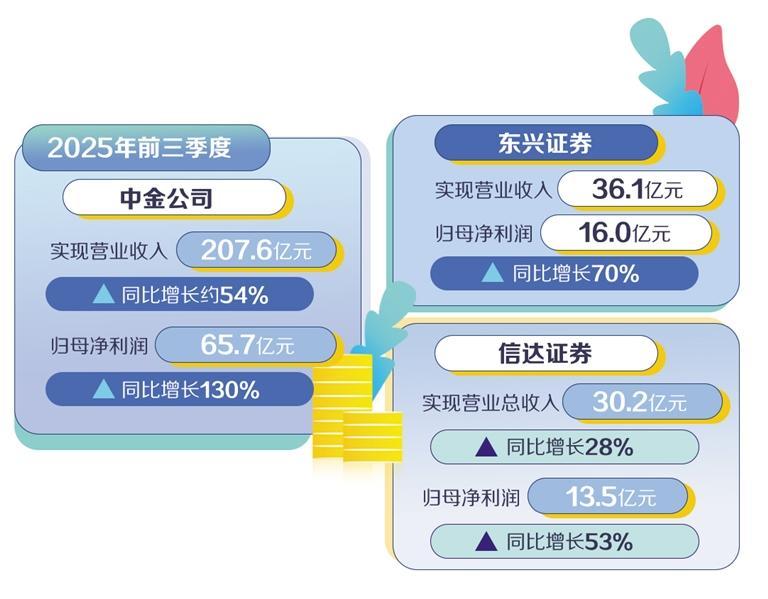
Core Viewpoint - The announcement of a major asset restructuring involving China International Capital Corporation (CICC), Dongxing Securities, and Cinda Securities marks the beginning of a significant consolidation within the brokerage industry, aiming to create a new "carrier-level" brokerage with total assets exceeding 1 trillion yuan [1][4]. Group 1: Background and Strategic Context - The restructuring aligns with the directives from the Central Financial Work Conference and the new "National Nine Articles," which emphasize the cultivation of top-tier investment banks and institutions [2]. - The restructuring is seen as a strategic arrangement to enhance core competitiveness through mergers and acquisitions, with a goal of establishing 2-3 internationally competitive investment banks by 2035 [2]. Group 2: Company Performance and Characteristics - CICC reported a revenue of 20.76 billion yuan for the first three quarters of 2025, a year-on-year increase of approximately 54%, with a net profit of 6.57 billion yuan, up 130% [3]. - Dongxing Securities achieved a revenue of 3.61 billion yuan and a net profit of 1.6 billion yuan, reflecting a 70% increase year-on-year [3]. - Cinda Securities generated total revenue of 3.02 billion yuan, with a net profit of 1.35 billion yuan, marking a 28% year-on-year growth [3]. Group 3: Industry Position and Future Prospects - Post-restructuring, the new entity will rank as the fourth largest listed brokerage in A-shares by total assets, following CITIC Securities, Guotai Junan, and Huatai Securities [4]. - The combined strengths of CICC in investment banking and cross-border business, along with Dongxing and Cinda's expertise in retail brokerage and asset management, are expected to enhance the new company's competitive position [4]. Group 4: Resource Reallocation and Market Impact - The restructuring is part of a broader initiative to optimize the structure of financial institutions in China, facilitating better resource allocation and enhancing the overall efficiency of capital markets [5][6]. - The integration aims to improve risk management capabilities and create a more robust financial platform that can handle systemic risks effectively [6]. Group 5: Expectations and Strategic Goals - The restructuring is anticipated to provide better support for national strategies and the real economy, particularly in areas like manufacturing upgrades and technological innovation [7]. - It aims to enhance the functionality and pricing efficiency of capital markets, thereby increasing the proportion of direct financing [7]. - The new CICC is expected to position itself as a significant player in the global investment banking arena, enhancing China's representation in international financial markets [7][8].


定向债务融资工具专项机构投资人名单更新
Jin Rong Shi Bao· 2025-11-25 01:15
Group 1 - The core viewpoint of the articles emphasizes the enhancement of the targeted debt financing tool market in China, aligning with the spirit of the 20th Central Committee's fourth plenary session [1][2] - The updated list of targeted debt financing tool institutional investors includes 501 institutions, improving the investment transaction convenience for targeted issuance products [1] - The list encompasses various financial institutions such as banks, funds, securities, futures, trusts, and insurance companies, covering the main investment groups in the debt financing tool market [1] Group 2 - From January to October, the scale of targeted debt financing tool issuance exceeded 910 billion yuan, with over 90% being medium to long-term [2] - Various entities, including central enterprises, local state-owned enterprises, private enterprises, and foreign issuers, actively participated in the financing, supporting companies like JD Century Trade and Junlian Capital [2] - The targeted issuance also supports key areas of financing, contributing nearly 58 billion yuan to green debt financing tools and technology innovation bonds, aiding economic transformation and sustainable development [2]
券商整合提速
Jing Ji Ri Bao· 2025-11-24 22:13
Core Viewpoint - The announcement of a major asset restructuring involving China International Capital Corporation (CICC), Dongxing Securities, and Xinda Securities marks the beginning of a significant consolidation within the brokerage industry, aiming to create a new "carrier-level" brokerage with total assets exceeding 1 trillion yuan [2][3]. Group 1: Background and Strategic Context - The restructuring aligns with the directives from the Central Financial Work Conference and the new "National Nine Articles," which emphasize the cultivation of top-tier investment banks and institutions [3]. - The restructuring is seen as a strategic move to enhance core competitiveness through mergers and organizational innovation, with a goal of establishing 2-3 internationally competitive investment banks by 2035 [3][6]. Group 2: Company Performance and Characteristics - CICC reported a revenue of 20.76 billion yuan for the first three quarters of 2025, a year-on-year increase of approximately 54%, with a net profit of 6.57 billion yuan, up 130% [4]. - Dongxing Securities achieved a revenue of 3.61 billion yuan and a net profit of 1.6 billion yuan, reflecting a 70% increase year-on-year [5]. - Xinda Securities generated total revenue of 3.02 billion yuan, with a net profit of 1.35 billion yuan, marking a 28% and 53% increase respectively [5]. Group 3: Industry Implications and Future Expectations - The merger is expected to create a brokerage with total assets surpassing 1 trillion yuan, positioning it as the fourth-largest listed brokerage in A-shares [5]. - The new entity will leverage CICC's strengths in investment banking and cross-border services, while Dongxing and Xinda will contribute their expertise in retail brokerage and asset management [4][5]. - The restructuring is part of a broader trend in the Chinese securities industry, aiming to optimize participant structures and enhance the overall stability and efficiency of the capital market [7][9].
央行余剑:金融“五篇大文章”贷款增速比各项贷款平均增速高6.6个百分点
Sou Hu Cai Jing· 2025-11-24 14:07
Core Viewpoint - The 21st Century Financial Conference highlighted China's transition to a high-quality economic development phase, focusing on five key areas: technology, green finance, inclusive finance, elderly care, and digital economy [1] Group 1: Financial Policy Framework - The People's Bank of China is leading efforts to enhance the policy framework and service system for the "five major articles" of finance, aiming to support high-quality economic development and deepen structural reforms in financial supply [1] - A comprehensive management system for the credit market is being established, which includes a dynamic loop of policy implementation, evaluation, and optimization [1] Group 2: Loan Growth Statistics - As of August 2025, the loan balance for the "five major articles" reached 105.6 trillion yuan, accounting for 38.7% of total loans, with a year-on-year growth of 13.2%, outpacing the average growth rate of all loans by 6.6 percentage points [1] - Specific loan growth rates in key sectors include technology (12.1%), green finance (23.8%), inclusive finance (10.8%), elderly care (52%), and digital economy (12.5%), all significantly exceeding the average loan growth rate [1]
中小银行兼并重组新趋势
Sou Hu Cai Jing· 2025-11-24 12:11
Core Viewpoint - The merger and restructuring of small and medium-sized banks in China has accelerated significantly, becoming an important path for these banks to mitigate risks and promote transformation and upgrading [3][4]. Group 1: Reasons for the Merger and Restructuring Wave - The slowdown in macroeconomic growth and the emergence of financial risks are driving the acceleration of mergers and restructurings among small and medium-sized banks [4][7]. - Internal governance structures of small and medium-sized banks are inadequate, necessitating optimization through mergers and restructurings [7][8]. - The upgrading of economic development stages requires adjustments in the banking industry structure to better meet the evolving financial service demands [9][10]. Group 2: Evaluation of Merger and Restructuring Effects - Mergers and restructurings have led to an increase in capital adequacy ratios, enhancing the solvency of banks [15]. - The non-performing loan ratio has decreased, indicating improved asset quality and risk management capabilities [15]. - Liquidity ratios have declined, suggesting enhanced management capabilities post-merger [15]. - Profitability has not shown significant improvement, indicating that the synergistic effects of mergers may take time to materialize [16]. - The ability to cover risks has significantly increased, reflecting better provisioning for loan losses [16]. Group 3: Policy Implications - Continued and prudent advancement of mergers and restructurings is essential to enhance the risk resistance capabilities of small and medium-sized banks [18]. - Increased policy support is necessary to help these banks regain operational autonomy and efficiency post-merger [18]. - Improvement of governance structures post-merger is crucial for ensuring long-term effectiveness [18]. - Strengthening regulatory collaboration and market mechanisms is vital for the orderly progress of mergers and restructurings [18]. Group 4: Conclusion - The merger and restructuring of small and medium-sized banks is a key measure for deepening structural reforms in the financial supply side, directly impacting the stability of China's financial system and its ability to serve the real economy [19].

余剑:金融“五篇大文章”贷款增速比各项贷款平均增速高6.6个百分点
Bei Jing Shang Bao· 2025-11-24 11:49
余剑介绍,2024年以来,人民银行牵头携手相关部门,不断健全金融"五篇大文章"政策框架和服务体系,建立金融"五篇大文章"统计和评估机制,建设信贷 市场综合业务管理系统,形成政策"实施-评估-优化"动态闭环,相关工作取得显著成效。 余剑透露,从发展成效的统计数据来看,重点领域贷款保持持续较快增长,在全部贷款中的比重不断提升。截至2025年8月末,金融"五篇大文章"贷款余额 105.6万亿元,占各项贷款的比重达到38.7%,同比增长13.2%,增速比各项贷款平均增速高6.6个百分点;其中科技、绿色、普惠、养老产业、数字经济产业 贷款余额分别同比增长12.1%、23.8%、10.8%、52%、12.5%,明显高于各项贷款平均增速。 北京商报讯(记者 岳品瑜 董晗萱)11月22日,中国人民银行信贷市场司副司长余剑在"第二十届21世纪金融年会"上以"做好金融'五篇大文章',赋能高质量 发展"为题发表演讲。 余剑表示,当前我国经济进入高质量发展阶段,科技、绿色、普惠、养老、数字五大领域成为经济转型升级的重点方向。做好金融"五篇大文章"既是金融服 务实体经济高质量发展的重要着力点,也是深化金融供给侧结构性改革的重要内容。 ...
央行余剑:金融“五篇大文章”支持力度不断提升
2 1 Shi Ji Jing Ji Bao Dao· 2025-11-24 10:43
Core Insights - The speech by Yu Jian emphasized the importance of financial services in supporting high-quality economic development in China, focusing on five key areas: technology, green finance, inclusive finance, elderly care, and digital economy [1][2] - The People's Bank of China is actively working on enhancing the policy framework and service system for these five areas, establishing a dynamic feedback loop for policy implementation, evaluation, and optimization [1] Financial Performance - As of August 2025, the loan balance for the five key areas reached 105.6 trillion yuan, accounting for 38.7% of total loans, with a year-on-year growth of 13.2%, outpacing the average growth rate of total loans by 6.6 percentage points [2] - Specific growth rates for loans in the key areas include: technology (12.1%), green finance (23.8%), inclusive finance (10.8%), elderly care (52%), and digital economy (12.5%), all significantly higher than the average loan growth rate [2]
构建适应“十五五”未来产业发展的现代化金融体制
Jin Rong Shi Bao· 2025-11-24 02:11
Core Viewpoint - The construction of a financial system that adapts to the development of future industries is a complex system engineering task, requiring a balance between effective markets and proactive government intervention, while breaking path dependence and institutional barriers [1][22]. Group 1: Future Industry Characteristics - Future industries are characterized by the deep integration of technological and industrial innovation, representing a shift towards disruptive innovation driven by cutting-edge technologies [4]. - These industries face fundamental differences in financing needs compared to traditional industries, primarily due to their inherent uncertainty and the lack of established market applications [4][3]. - The rise of future industries necessitates a profound structural reform of the financial supply side to create a modern financial ecosystem that effectively accommodates their unique risk-return characteristics [3][4]. Group 2: Financial System Requirements - The financial system must develop mechanisms for prudent management of uncertainty, flexible operational mechanisms, inclusive development mechanisms, and transparent regulatory mechanisms to adapt to the uncertainties of future industries [4]. - There is a need for a financial infrastructure that can price and manage innovation-related uncertainties, utilizing financial technology for real-time risk monitoring and developing diversified investment tools [9][10]. Group 3: Capital Market Development - The capital market must evolve to support a modern industrial system, focusing on maintaining a reasonable proportion of manufacturing and enhancing the service capabilities of various market segments [5][7]. - A multi-layered capital market system should be established to enhance the service capabilities for specialized small and medium enterprises, particularly those with high intangible asset ratios [7][12]. Group 4: Investment and Financing Coordination - A seamless and complementary financing ecosystem is required to support the growth trajectory of future industries, necessitating a diverse "toolbox" of financing options tailored to different stages of enterprise development [12]. - The financial system should transition from a focus on collateral-based lending to a value discovery approach, emphasizing the importance of intangible assets and future growth potential [6][13]. Group 5: Innovation in Financial Products - Financial products must be innovated to align with the characteristics of future industries, including the development of green finance, digital finance, and inclusive finance to support various sectors of the economy [17][20]. - The establishment of a comprehensive financial service standard system is essential to support the growth of future industries and ensure that financial resources are effectively allocated [18][19]. Group 6: Regulatory Framework - A modern regulatory framework is necessary to ensure that financial resources are effectively directed towards innovation while managing risks, requiring a shift towards functional and penetrating regulation [21]. - The financial system must be equipped to handle systemic risks while promoting a culture of investment in innovative sectors, ensuring that financial resources are available for long-term projects [21].