
门罗主义

Search documents
综合消息|多国政党组织和学者:美国打击委内瑞拉威胁地区和平安全
Xin Hua She· 2026-01-04 23:18
Core Viewpoint - The article discusses the large-scale military action initiated by the United States against Venezuela, which resulted in the capture of President Maduro and his wife, with widespread condemnation from various political parties and scholars who argue that the action is a violation of Venezuela's sovereignty and international law, aimed at controlling Venezuela's resources [1][2][3][4][5]. Group 1: International Reactions - Over 2000 people protested in Paris against the U.S. military action, with leaders claiming it is a guise for imperialism aimed at seizing Venezuelan oil resources [1]. - Thousands gathered in Madrid to protest the military intervention, labeling it an illegal invasion of Venezuela's sovereignty [2]. - German political figures condemned the U.S. actions as state terrorism and a dangerous shift in international order, emphasizing the lack of UN authorization [3]. - The South African Communist Party criticized the U.S. actions as imperialist aggression that threatens regional peace and stability [3]. - Various international leaders and scholars highlighted the historical precedent of U.S. interventions and the potential for significant disruption in international political systems [4][5]. Group 2: Implications for International Law - The military action is viewed as a blatant violation of the United Nations Charter and fundamental principles of international law, raising concerns about the establishment of dangerous precedents for global governance [5]. - Experts argue that the U.S. aims to install a puppet government in Venezuela to control its natural resources, particularly oil, which poses a threat to other nations in the region [5]. - The actions taken by the U.S. are seen as a reassertion of the Monroe Doctrine, which is particularly alarming for Latin American countries [3].
石油棋局生死劫:美国紧盯委内瑞拉 3030 亿桶储量,龙国千亿投资何去何从?
Sou Hu Cai Jing· 2026-01-04 18:45
这种绕开美元霸权的合作模式,正是美国最忌惮的 "破局范例",控制委内瑞拉就能直接切断这条去美 元化通道。 加勒比海的风浪背后,一场关乎全球能源命脉的博弈正在升温。坐拥 3030 亿桶原油储量(约占全球 1/5)的委内瑞拉,作为全球已知最大石油宝库,早已成为大国角力的核心靶点。 一旦美国彻底掌控这个 "石油王国",全球能源格局将迎来颠覆性重构,而中国深耕十余年的千亿布 局,正站在命运的十字路口。 美国对委内瑞拉的觊觎,从来不止于石油本身。 作为全球最大产油国,美国本土轻质原油产能充沛,但炼油厂却高度依赖委内瑞拉的重质原油 —— 这 种能高效生产柴油、沥青的 "工业血液",恰恰是美国的供给短板,且委油生产成本低至每桶 20 美元以 下,性价比无可替代 。 控制委内瑞拉,美国将直接握住全球能源的 "阀门":通过松紧制裁随意调节委油出口量,既能人为制 造供应震荡推高油价,拯救本土亏损的页岩油企业,也能压低油价打击竞争对手,彻底巩固其能源霸权 。 更致命的是,这将精准瓦解中俄在拉美的能源根基,重构西半球能源秩序,让 "门罗主义" 的幽灵重新 笼罩美洲大陆。 对美国而言,还有一层关键图谋 —— 扼杀去美元化的重要试验田。 ...


强掳一国总统,霸权正在裸奔
Xin Lang Cai Jing· 2026-01-04 17:59
"今天是委内瑞拉,明天就可能是任何一个国家。"智利总统博里奇这句话可谓一针见血,一语道破国际 社会的普遍忧虑。当美国撕掉"规则秩序"的虚伪面具,当丛林法则取代国际准则,没有任何一个主权国 家是安全的。 正如英国《卫报》所指出的,这一操作与伊拉克战争如出一辙,延续了美国通过武力颠覆他国政权、攫 取自然资源的一贯套路。从罗织罪名到军事打击,从政权颠覆到资本瓜分,美国这套完整的"现代海盗 逻辑",完全无视国家主权平等和禁止使用武力的国际法基本原则,将世界拉回了弱肉强食的野蛮殖民 时代。 追溯历史,美国抱持"门罗主义"将拉美视为自家"后院",两百多年来不断通过策动政变、武装入侵、经 济制裁等手段干涉拉美内政,从墨西哥到巴拿马,从智利到海地,无数拉美国家沦为其霸权野心的牺牲 品。此次对委内瑞拉的行动,不过是美国干涉主义的最新篇章。 事实上,美国口中的"基于规则的国际秩序",从来都不是什么普世正义的灯塔,而是服务于美国利益 的"掠夺秩序"。当规则符合其利益时,美国便拿规则当武器指责他国;当规则阻碍其掠夺时,美国便毫 不犹豫地撕碎规则,动用武力强行开路。此次对委内瑞拉的军事行动,再次让世界看清了这一本质。 当丛林法则取代国 ...

这就是绑架
Xin Lang Cai Jing· 2026-01-04 16:56
Core Viewpoint - The article discusses the implications of the recent U.S. military intervention in Venezuela, drawing parallels to past interventions in Latin America and highlighting the potential for a new wave of U.S. neo-colonialism aimed at controlling Venezuela's oil and gas resources [1][5]. Group 1: U.S. Intervention and Its Motivations - The U.S. military action against Venezuela is seen as an attempt to reclaim control over the region, reminiscent of past interventions under the Monroe Doctrine, with the goal of exploiting Venezuela's rich oil and gas reserves [1][4]. - The intervention is framed as a response to the need for the U.S. to assert its authority and gain political capital amid global instability, particularly under the Trump administration [2][4]. - The U.S. aims to achieve multiple objectives through this intervention, including resource acquisition, deterrence of other Latin American nations, and reshaping regional alliances to favor pro-U.S. leadership [9]. Group 2: Impact on International Order - The actions of the U.S. are viewed as a significant challenge to the post-World War II international order, which is based on principles of non-interference and the prohibition of the use of force [5][6]. - The lack of substantial evidence for the accusations against Venezuelan President Maduro raises questions about the legal justification for U.S. actions, highlighting a potential violation of international law [5][6]. - The article suggests that the U.S. and its allies are hypocritical in their claims to uphold international order while engaging in actions that undermine it, setting a dangerous precedent for other nations to follow [6][8].
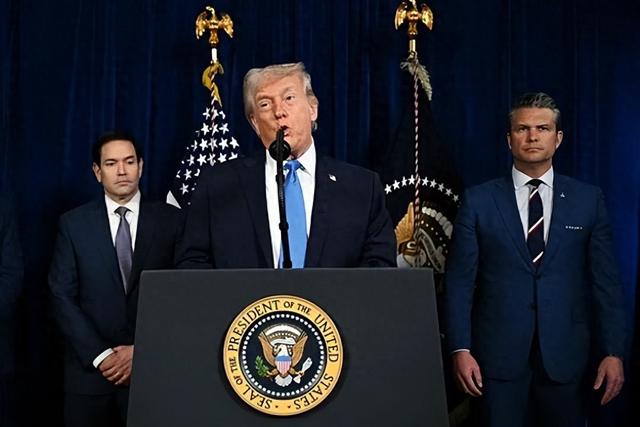
马杜罗事件令拉美国家唇亡齿寒
Xin Lang Cai Jing· 2026-01-04 16:56
【#马杜罗事件令拉美国家唇亡齿寒# 】#拉美多国爆发大规模抗议浪潮# 据新华社报道,"今天是委内瑞 拉,明天就可能是任何一个国家。"智利总统博里奇3日的表态代表了众多拉美国家对美国霸权干涉的谴 责和忧虑。拉美专家和媒体认为,美国对委行动旨在制造"寒蝉效应"以威慑地区国家,是"门罗主义"的 升级版。许多拉美国家深感唇亡齿寒,进一步感受到团结自强、保卫主权、抵御霸权的重要意义。事实 上,美国政府近来持续以"禁毒""安全"为名向拉美多国施压。特朗普在3日记者会上警告哥伦比亚总统 佩特罗"小心点",还点名墨西哥。墨西哥国立自治大学国际问题专家马丁内斯说,美国擅自界定谁可以 成为总统、谁是"合法国家",随意给有关国家和领导人贴上"恐怖分子""毒贩"或"独裁者"的标签,凸显 霸道逻辑。巴西、墨西哥、古巴、洪都拉斯、智利等国领导人已纷纷公开谴责美国,呼吁国际社会对此 采取紧急行动。巴西总统卢拉谴责美军行动"令人无法接受",认为这侵犯了委主权并树立了危险先例。 拉美媒体认为,美国行径挑战国家主权底线,即使是反对马杜罗的委中间派力量,也对美方行为深感忧 虑。重压之下,许多拉美国家或将寻求团结自强、抵抗霸权之路。与此同时,有专家 ...
英国卫报:“赤裸裸的帝国主义”:特朗普干预委内瑞拉标志着美国重蹈覆辙
美股IPO· 2026-01-04 16:03
Core Viewpoint - The article discusses the historical context and implications of the recent U.S. military intervention in Venezuela, highlighting it as a continuation of a long-standing pattern of American imperialism in Latin America, marking a significant shift in U.S. foreign policy under the Trump administration [1][2][5]. Historical Context - The U.S. has a history of intervening in Latin America, often through military means, to assert its dominance, with the most recent action being the direct military attack on Venezuela, which is unprecedented in South America [1][2][5]. - The article draws parallels between the current situation and past interventions, notably the 1989 invasion of Panama to capture Manuel Noriega, emphasizing the consistency of U.S. actions in the region [2][5]. Policy Shift - The Trump administration's new national security strategy explicitly calls for an expansion of U.S. military presence in Latin America, reflecting a return to the Monroe Doctrine's principles, which advocate for U.S. influence in the region [5][6]. - Scholars note that the recent military action signifies a major change in U.S. diplomatic and defense policy, with implications for future interventions [5][6]. Examples of Past Interventions - The article lists several historical interventions by the U.S. in Latin America, including: - The 1847 invasion of Mexico, resulting in the loss of 55% of Mexican territory [9]. - The U.S. control over Cuba following the Spanish-American War and subsequent occupations [12]. - The 1915 invasion of Haiti, where the U.S. controlled key governmental functions until 1934 [15]. - The 1989 invasion of Panama, which resulted in significant civilian casualties and political upheaval [20]. Consequences of Interventions - Historical interventions have rarely led to lasting peace or stability, often resulting in power struggles and long-term governance issues in the affected countries [21][22]. - The article suggests that the pattern of U.S. intervention tends to create more complex political landscapes rather than resolving conflicts [21][22].
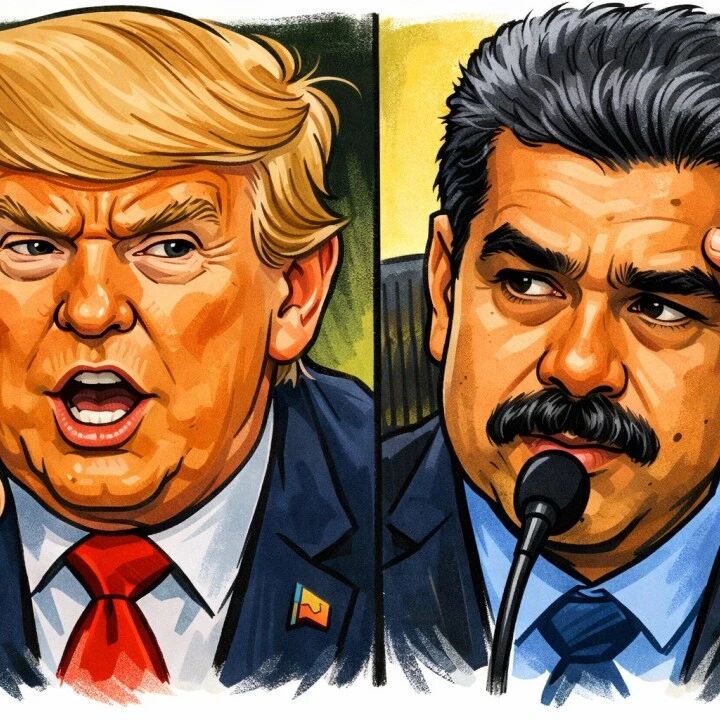
“国家元首豁免权”成焦点:美国军事抓捕马杜罗,冲击国际法基本准则
美股IPO· 2026-01-04 16:03
Core Viewpoint - The article discusses the legal implications and historical context of the U.S. military operation to capture Venezuelan President Nicolás Maduro, emphasizing the lack of legal justification for such actions under international law [4][5][6]. Legal Basis of the Operation - The author argues that the U.S. government's legal arguments for the operation lack validity and do not provide a legitimate defense for the military actions taken in Venezuela [6][7]. - Claims of self-defense against drug trafficking, allegedly supported by Maduro, do not hold under international law, as self-defense is traditionally reserved for armed attacks, not drug smuggling [7][8]. Historical Context and Precedents - The article references the historical precedent of U.S. interventions in Latin America, particularly the invasion of Panama to capture Manuel Noriega, highlighting the similarities in justifications used by the U.S. government [12][19]. - The author notes that the invocation of Monroe Doctrine principles by President Trump signals a troubling return to justifications for military intervention in Latin America [18][19]. Implications of Leadership Recognition - The discussion includes the complexities surrounding Maduro's status as a legitimate leader, with the potential for legal challenges in U.S. courts regarding his immunity as a head of state [10][12]. - The article raises concerns about the implications of a U.S. president unilaterally determining the legitimacy of foreign leaders, which could undermine international law and norms [16][17]. Consequences of Military Action - The potential long-term risks for U.S. soldiers involved in the operation are highlighted, contrasting this action with previous, shorter military interventions [19]. - The article suggests that the operation is driven by interests in Venezuelan oil rather than humanitarian concerns, indicating a shift towards using military force for resource acquisition [19][20].
《纽约时报》社论:特朗普对委内瑞拉的攻击是非法的,也是不明智的
美股IPO· 2026-01-04 16:03
Core Viewpoint - The article argues that President Trump's military actions against Venezuela are illegal and unwise, drawing parallels to past U.S. interventions that have led to instability rather than resolution [1][4][5]. Summary by Sections Military Deployment and Actions - Trump has deployed a significant military presence in the Caribbean, including an aircraft carrier, at least seven other ships, dozens of aircraft, and 15,000 troops, to threaten Venezuela [1]. - The recent arrest of Venezuelan President Nicolás Maduro is described as a major escalation in Trump's military actions [2]. Historical Context and Lessons - The article highlights that U.S. attempts to overthrow even the most despised regimes often worsen the situation, citing failures in Afghanistan, Libya, and Iraq [2][4]. - It emphasizes that past U.S. interventions in Latin America have led to chaos in countries like Chile, Cuba, Guatemala, and Nicaragua [2]. Legal and Constitutional Issues - Trump's actions lack constitutional justification, as he has not sought Congressional approval, which is required for military action [3][5]. - The article critiques the rationale of combating "drug terrorists," arguing that Venezuela is not a major producer of drugs contributing to the U.S. opioid crisis [3]. International Law Violations - The military actions against Venezuelan vessels are described as violations of international law, particularly regarding extrajudicial killings [6]. - The article notes that the U.S. has acted without international legitimacy or legal authorization, potentially emboldening authoritarian regimes elsewhere [4][6]. Potential Consequences - The article warns that the situation in Venezuela could worsen, with increased violence from groups like the ELN and potential disruptions to global energy and food markets [7][8]. - It expresses concern that Trump's aggressive stance may lead to greater suffering for the Venezuelan people and long-term damage to U.S. interests globally [8].
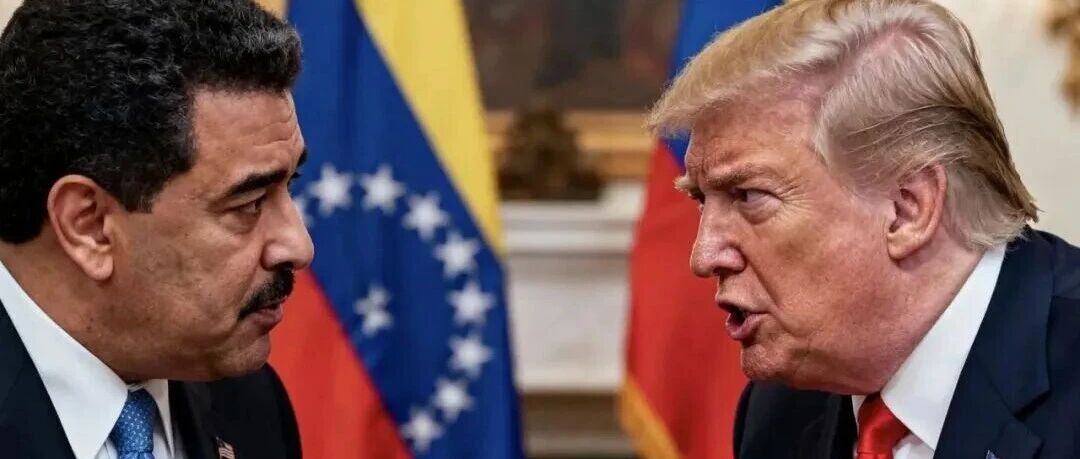
挺过多次危机的委内瑞拉,这次还能挺得过去吗?
Xin Lang Cai Jing· 2026-01-04 15:54
转自:北京日报客户端 当地时间1月3日晚,身高超过1.9米的马杜罗在多名美方人员的控制下出现在美国缉毒局纽约分局。他 戴着手铐、步伐缓慢,头上是一顶有些滑稽的"双角"帽子。此刻的马杜罗神情黯淡,没有了往日的风 采,但这位总是乐于表达的拉美领袖仍向周围人致以问候,送上新年祝福。 当天凌晨,马杜罗和自己的夫人还在加拉加斯的住所中安睡,从天而降的美国三角洲特种部队士兵破门 而入,以令全世界震惊的方式将二人带到了纽约…… 1月3日,民众在委内瑞拉首都加拉加斯的总统府附近抗议。 新华社发 当地时间1月3日下午,副总统罗德里格斯在全国代表大会主席、内政部长、外交部长和国防部长等官员 陪同下发表直播讲话,要求美国释放被"绑架"的马杜罗夫妇,呼吁委内瑞拉人民保持冷静,共同面对挑 战,捍卫国家主权。她强调,今天发生在委内瑞拉的袭击将来可能发生在本地区任何其他国家。 加拉加斯和华盛顿时差1小时。当天上午,特朗普在新闻发布会上宣称,罗德里格斯已经与美国国务卿 鲁比奥通电话,"表示会配合美方"。 "关于特朗普所说罗德里格斯表态'将配合美方'消息的真假,还需要进一步辨别。"复旦大学国际问题研 究院拉丁美洲研究中心主任曹廷对北京日报客户 ...
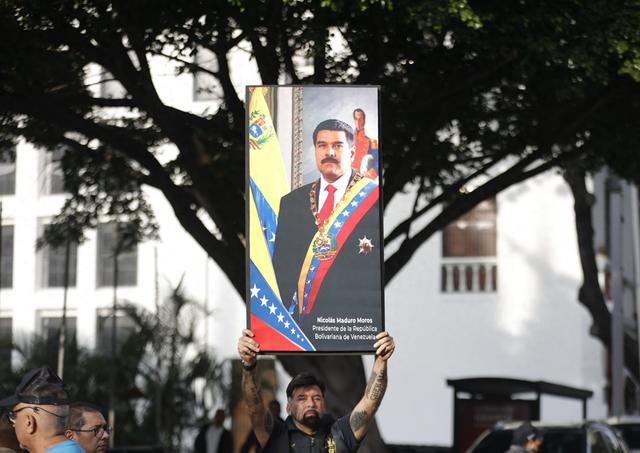
跨境劫持马杜罗夫妇:“唐罗主义”的全球表演
Xin Lang Cai Jing· 2026-01-04 15:54
"唐罗主义"(Donroe Doctrine,"唐纳德·特朗普新版门罗主义")是特朗普政府西半球政策的核心战略, 在他的第二任期内完全成型,并得到特朗普本人认可。综合巴西瓦加斯基金会国际关系教授马蒂亚斯· 斯佩克托尔(Matias Spektor)和美国多家媒体的描述,"唐罗主义"主张放弃外交谈判,通过单边威胁 (关税大棒、军事行动)迫使美洲国家屈服。他们认为"唐罗主义"极具进攻性,特点包括:将拉美视 为"美国本土的延伸";将经贸政策"武器化",作为胁迫工具;用"两手策略"分化拉美国家,惩罚"不服 从者"。2025年12月特朗普政府公布新版《国家安全战略》,提出"门罗主义的特朗普推论",正式将"唐 罗主义"纳入官方表述。特朗普说:"'门罗主义'被我的特朗普推论重新注入活力而生机勃勃……" 将拉美明确为"美国核心利益圈"、组织欧洲等力量干涉美洲利益延续了"门罗主义",但"唐罗主义"的目 标"后院"范围更大,手段更富侵略性,直接强调"不允许任何国家变得过于强大"——目的就是实现"让 美国再次伟大"。它服务于维持美国霸权和特朗普个人强力形象的核心目标,深度融合了国内政治(移 民、选票)、经济(资源、贸易)和大国竞争 ...