
银发经济

Search documents
科技驱动养老金融创新,中行打造“中银银发”品牌
Zhong Guo Jin Rong Xin Xi Wang· 2025-11-06 13:48
Core Viewpoint - The development of the silver economy is being driven by technological innovation, which is deeply embedded in elderly care scenarios, according to the head of the China Bank's Pension Finance Center [1]. Group 1: Technological Integration in Elderly Care - China Bank leverages its "Zhongyin Silver" brand to provide intelligent decision-making for pension asset management, continuously promoting digital solutions tailored for the elderly [1]. - The bank has developed an annuity investment manager profiling system using big data and AI, enhancing the professionalism and stability of pension fund management [1]. - The bank aims to ensure that the elderly can equally enjoy the conveniences of digital finance, having upgraded its mobile banking app for seniors with features like large fonts and simplified processes [1]. Group 2: Comprehensive Pension Services - China Bank has created a "Pension Finance Zone" that integrates three-pillar pension services, offering a one-stop planning tool for benefits calculation, gap analysis, product purchase, and portfolio tracking [2]. - The bank is addressing the financing bottlenecks faced by high-growth, asset-light technology companies in the elderly care sector by optimizing credit evaluation models and enhancing risk assessment efficiency [2]. Group 3: Strategic Initiatives and Collaborations - The bank is actively participating in risk compensation mechanisms and has launched initiatives like the "Elderly Service Batch Loan" in Shanghai to provide precise credit support for elderly care technology companies [2]. - China Bank is committed to building cross-border bridges to connect global advanced technologies and capital with the domestic market, enhancing the development of the silver economy [3].
四赴进博!瑞士爱尔康为银发族守住清晰视界
Guo Ji Jin Rong Bao· 2025-11-06 13:45
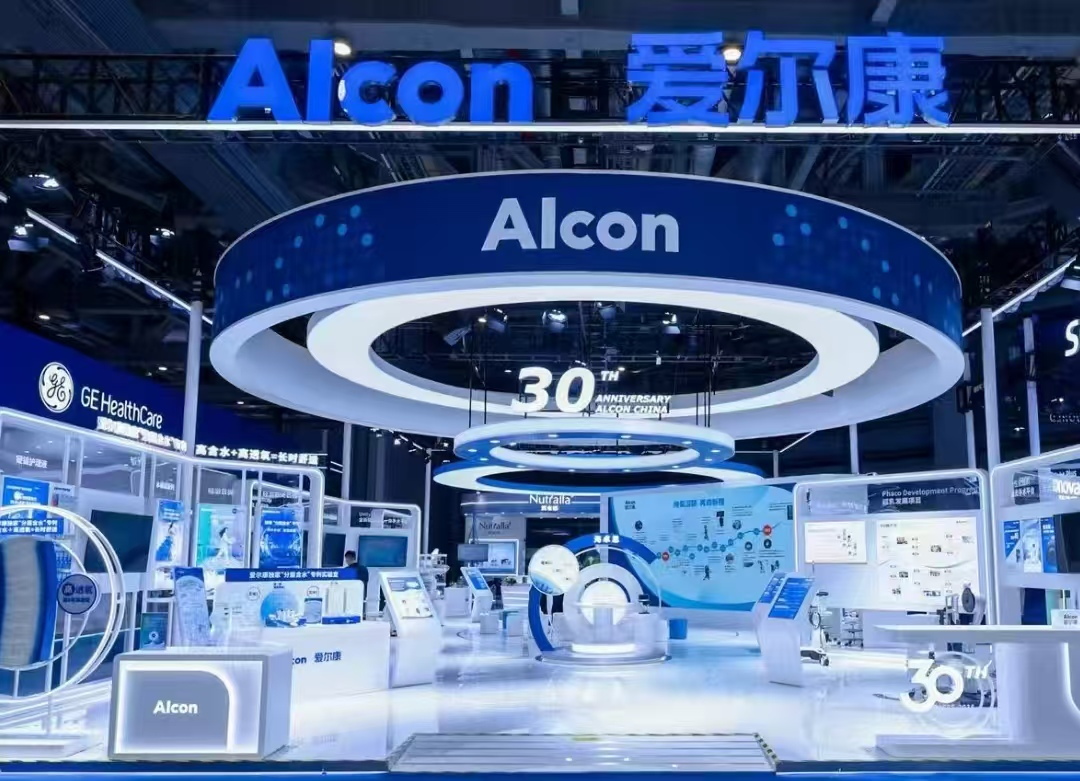
Core Insights - Alcon has transitioned from "innovation experience docking" to "innovation ecosystem co-construction" in China, aiming to accelerate the localization of innovative results and expand professional education resources for high-quality development in the eye health industry [1][4]. Group 1: Market Position and Strategy - China is one of Alcon's fastest-growing and strategically significant markets, with the company witnessing and participating in the high-quality development of the eye health industry over the past 30 years [4]. - Alcon plans to continue investing in local clinical needs to feed back into the global innovation system, contributing to the next phase of development in China's eye health sector [4][10]. Group 2: Demographic Trends - China has entered a deep aging phase, with 15.6% of the population aged 65 and above, leading to increasingly diverse and customized eye health needs among the elderly [4]. - The prevalence of eye diseases such as cataracts and glaucoma is rising among the elderly, who now demand higher visual quality beyond just "seeing" to "seeing clearly and comfortably" [4]. Group 3: Product Innovations - At the China International Import Expo, Alcon showcased a range of innovative products, including the new material artificial intraocular lens (ATIOL) and products supporting glaucoma and cataract treatment [5][6]. - The Clareon PanOptix Pro series offers enhanced visual quality and meets various vision needs, while the Hydrus glaucoma stent provides a minimally invasive solution with lower complication risks compared to traditional surgeries [6][9]. - Alcon's vision care division introduced a family of contact lenses utilizing patented layered hydration technology, enhancing comfort for astigmatism patients [9]. Group 4: Collaborations and Local Production - Alcon signed collaborations with institutions like Sun Yat-sen University Eye Center and announced plans for local production of Wavelight® excimer laser surgery equipment in China, pending regulatory approval [10]. - The company has established professional education centers nationwide and innovation experience centers in Beijing and Shanghai to deepen its commitment to the Chinese market [10].

央广时评丨汇聚全球好物 “进博效应”激发消费新动能
Sou Hu Cai Jing· 2025-11-06 13:41
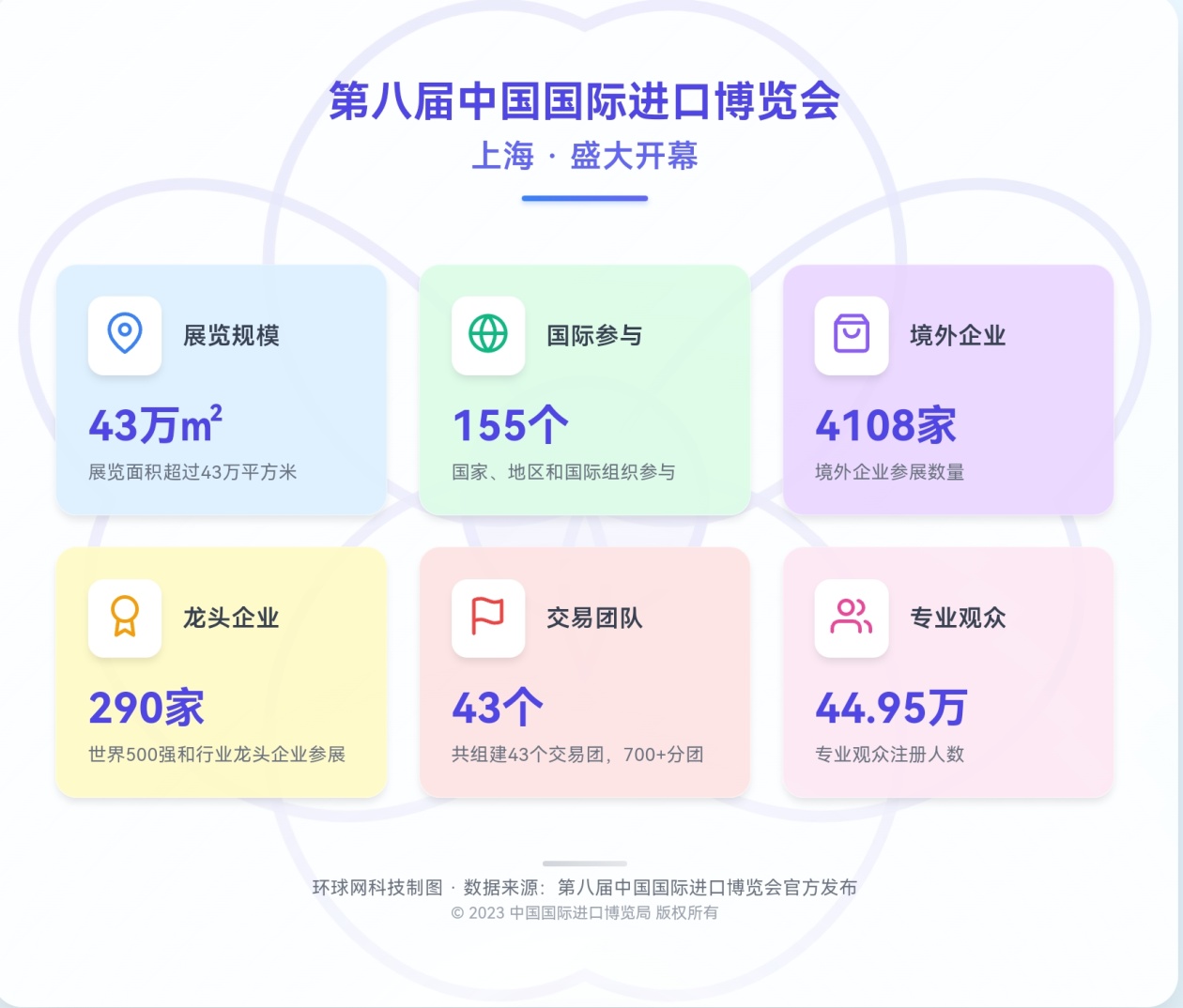
Core Insights - The 8th China International Import Expo (CIIE) commenced on November 5, showcasing a diverse range of global products and services, highlighting the strong appeal of the Chinese market and its vast consumption potential [1][3]. Group 1: Event Overview - The CIIE has cumulatively displayed approximately 3,000 new products, technologies, and services over the past seven sessions, with an intended transaction value exceeding $500 billion [1]. - This year's expo features 461 new products, technologies, and services that align with trends in intelligent, green, and health-oriented consumption [3]. Group 2: Participation and Impact - The event includes participation from 155 countries, regions, and international organizations, with over 4,100 foreign enterprises exhibiting, including 290 Fortune 500 companies [5]. - The number of participating companies has increased by over 600 compared to 2024, setting new records for both total exhibitors and exhibition area [5]. Group 3: Economic and Consumer Trends - The expo serves as a significant platform for promoting global trade cooperation and connecting markets with consumer needs, reflecting China's commitment to expanding its market openness [5]. - New consumer trends such as the "silver economy," "ice and snow economy," and "pet economy" are being addressed, with dedicated exhibition areas for health products for the elderly and pet-related goods [3].

“中国城市银发经济高质量发展指数”评价体系在成都发布
Sou Hu Cai Jing· 2025-11-06 12:18
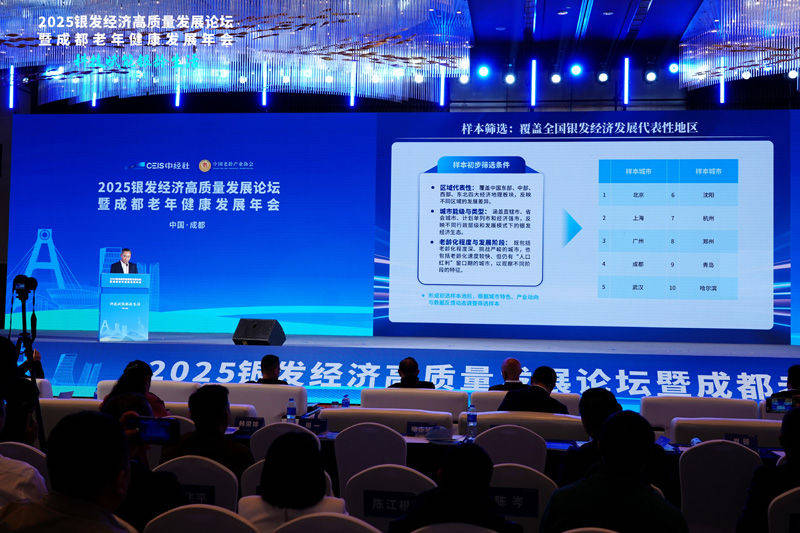
Core Insights - The aging population in China, particularly those born in the 1960s, is shifting the elderly consumption market from a "survival" model to a "development" model, indicating a growing demand for silver economy products and services [1][4] - The "China Urban Silver Economy Development Index" was launched to provide a comprehensive evaluation framework for assessing the development level of the silver economy across various cities in China [1][5] Group 1: Index Structure and Methodology - The index is built on a multi-dimensional evaluation model focusing on the silver industry ecosystem, covering four layers: foundation, industry, environment, and radiation [1] - It includes five dimensions: demand potential (17%), supply level (26%), industry collaboration (28%), environmental support (14%), and value creation (15%) [2] - The index evaluates ten representative cities across different economic regions, categorizing them into "balanced development," "regional center," and "characteristic practice" types to reflect diverse characteristics in silver economy development [2] Group 2: Policy and Market Trends - The Chinese government is actively promoting the silver economy through policies aimed at scaling, standardizing, clustering, and branding its development, marking a significant policy-driven acceleration [4] - In Beijing, the elderly care industry saw a 30.54% year-on-year increase in new institutions, with smart elderly care services growing by 70.87%, highlighting a major growth area within the silver economy [4] - Other cities, such as Shanghai and Chengdu, are also implementing strategic plans to enhance their silver economy, focusing on creating supportive environments and specialized services for the elderly [4][5] Group 3: Implications for Investment and Development - The index serves as a "barometer" for industry dynamics and provides a "guiding star" for future development directions, aiding local governments in policy-making and resource allocation [5] - By identifying strengths and weaknesses in the silver economy, cities can pursue differentiated development paths, attracting more investment and consumption to this sector [5] - The growth of related industries, such as health and wellness tourism, rehabilitation equipment, and age-friendly housing, is expected to create a cluster effect, seizing new opportunities amid the aging challenge [5]
斯凯奇,年轻人不再爱它了?
3 6 Ke· 2025-11-06 11:15
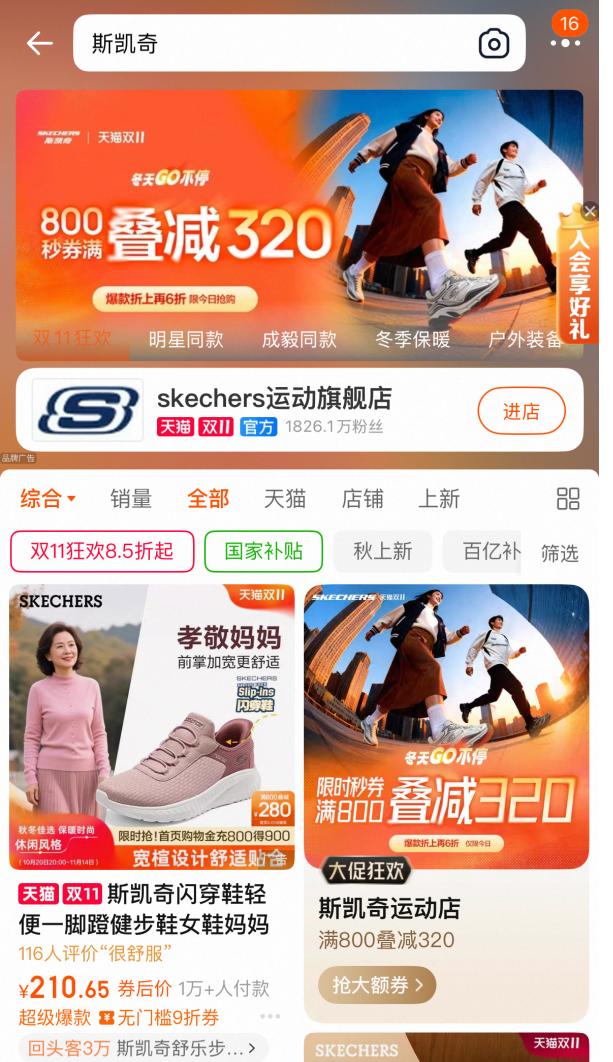
Core Insights - Skechers, once popular among young consumers, has seen a decline in its appeal, shifting from a trendy brand to one associated with older demographics [1][3] - The brand's struggle to connect with younger consumers is evident as it attempts to balance its image between appealing to youth and catering to the aging population [9][10] Brand Strategy - Skechers appointed Cheng Yi as its brand ambassador in 2024, aiming to attract younger consumers, particularly women aged 25-45, aligning with the brand's image of comfort and health [4][6] - Despite the efforts to rejuvenate its image, Skechers has faced criticism for its lack of innovative products and has struggled to compete with emerging local brands in China [14][15] Financial Performance - Skechers has been privatized by 3G Capital, ceasing its trading on the NYSE, with a reported revenue of $8.97 billion in 2024 and a 7.1% year-on-year growth in Q1 2025 [11][14] - The company has experienced a decline in its Chinese market contribution, dropping from 15.4% in 2023 to 13.6% in 2024, with a significant revenue drop of approximately 15.9% year-on-year in Q1 2025 [14] Market Challenges - The introduction of tariffs on imports from China has increased costs for Skechers, impacting its competitive pricing in the North American market [13] - The brand's low investment in research and development, only 1.2% of revenue, has hindered its ability to innovate compared to competitors like Nike and Anta [14][15] Consumer Trends - The current economic climate has led to a shift towards value-driven purchasing, with consumers prioritizing comfort and affordability over brand prestige [16][19] - Skechers has the potential to leverage its "comfort technology" to appeal to cost-conscious consumers, similar to the strategies employed by Uniqlo during economic downturns [18][19]

悦心健康(002162) - 002162悦心健康调研活动信息20251106
2025-11-06 10:52
Group 1: Company Overview and Market Potential - The domestic health and wellness industry in China is valued at approximately 7 trillion yuan, accounting for about 6% of GDP, indicating significant growth potential compared to developed countries where it can reach 20% of GDP [2][4]. - The company aims to establish itself as a leading enterprise in the health and wellness sector, focusing on a comprehensive "medical care, health, education, and research" model [3][4]. Group 2: Business Operations and Strategy - The company operates under a light asset model, primarily managing public-private partnership projects, with existing facilities including the Shanghai Fengxian Jinhai Yuxin Nursing Home and the Jiangsu Suqian Yuxin Sihong Health Center [4][5]. - The company has a high occupancy rate in its facilities, with the Shanghai Fengxian Jinhai Yuxin Nursing Home achieving over 95% occupancy since its opening in October 2021 [5]. Group 3: Service Offerings and Pricing - The company offers three main service lines: "Yuexin·Manhuo Xincheng" for active elderly care, "Yuexin·Anyi Biye" for specialized care for dementia and disabled elderly, and "Yuexin Care Education and Training" for vocational training [3][7]. - Pricing for services varies, with the Shanghai Fengxian facility charging between 4,000 to 8,000 yuan per month, aligned with government standards [7]. Group 4: Technological Integration and Expansion - The company is exploring the application of intelligent rehabilitation robots in the health and wellness sector, collaborating with Jinxi Robotics to develop solutions for both institutional and home care settings [8]. - Current acquisitions are primarily horizontal, focusing on expanding the core elderly care service business and supporting the overall service chain through strategic investments [8].

片仔癀、安宫牛黄丸量价齐跌,高价中药消费逻辑生变
Sou Hu Cai Jing· 2025-11-06 10:17
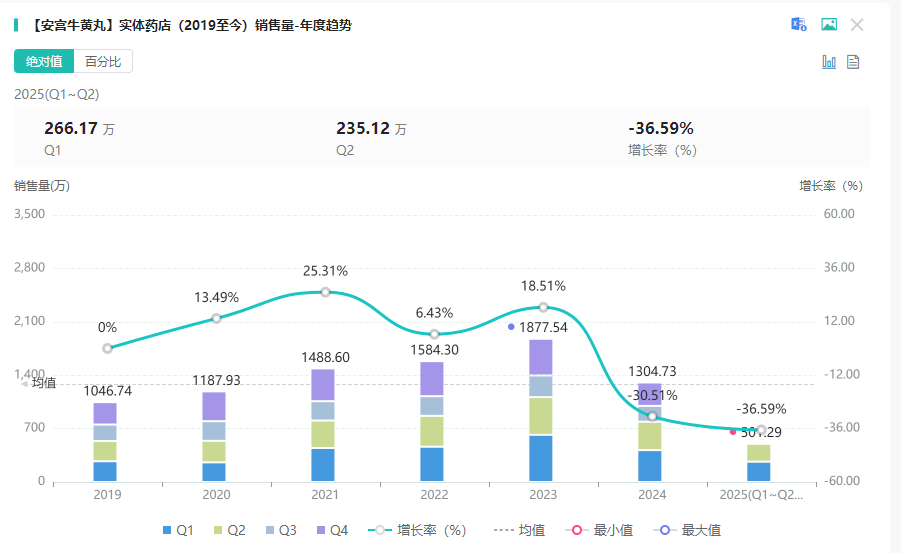
Core Insights - The high-priced traditional Chinese medicine (TCM) products, such as An Gong Niu Huang Wan and Pian Zai Huang, are experiencing a decline in both sales and prices, prompting investors to reconsider the consumption logic of these products [2][3][4]. Group 1: Sales and Price Trends - An Gong Niu Huang Wan and Pian Zai Huang have seen a significant drop in sales and prices, with Pian Zai Huang's revenue decreasing by 11.93% and net profit down by 20.74% in the first three quarters of the year [4]. - The retail price of Pian Zai Huang has fallen below the official guidance price of 760.00 yuan per piece, with online platforms offering prices as low as 588.60 yuan [4][5]. - An Gong Niu Huang Wan is also facing price declines, with sales figures indicating a broader trend affecting high-priced TCM products [5]. Group 2: Market Dynamics - The decline in high-priced TCM sales is attributed to a fundamental change in consumer behavior, shifting from luxury and gift-giving to a focus on genuine patient needs [5][10]. - Tightening medical insurance policies have also impacted sales, as certain high-priced products are not fully covered, affecting consumer purchasing decisions [5][10]. - Despite the decline in high-priced TCM, there is a growing demand for anti-aging and health supplement products, which are becoming key drivers of growth in the health market [9][10]. Group 3: Growth in Alternative Products - Products like Gui Ling Ji and Ba Zi Bu Shen capsules are witnessing steady price and sales increases, indicating a shift in consumer preference towards health and wellness products [1][10]. - The market for health supplements, particularly those targeting the aging population, is expanding, with significant growth reported in products like Ejiao, which saw a 16.48% increase in sales in 2024 [11][14]. - The aging population in China is projected to reach 310.31 million by the end of 2024, representing 22.0% of the total population, further driving demand for health-related products [10].

进博引力场:4108家企业背后的中国机遇
Huan Qiu Wang· 2025-11-06 10:10
Core Insights - The 8th China International Import Expo (CIIE) will take place from November 5 to 10, 2025, in Shanghai, featuring participation from 155 countries and regions, with 4,108 foreign enterprises exhibiting, marking a record exhibition area of over 430,000 square meters [1][15]. Group 1: Participation and Growth - The number and quality of participating enterprises have significantly increased, with 290 Fortune Global 500 and industry-leading companies across various sectors such as healthcare, automotive, consumer goods, and technology [3][15]. - The number of enterprises from Belt and Road Initiative countries has increased by 23.1% year-on-year, highlighting the expo's inclusivity and leadership as a global public product [3]. Group 2: Exhibition Highlights - The exhibition area has surpassed 430,000 square meters, equivalent to 60 standard football fields, indicating high demand for exhibition space, with many companies securing their spots a year in advance [3][15]. - Over 400 new products, technologies, and services are expected to debut globally or in Asia, covering cutting-edge fields such as green energy, life sciences, and artificial intelligence [5]. Group 3: Notable Exhibitors and Innovations - Burberry showcased a Shanghai limited edition collection, emphasizing its commitment to the Chinese market and the importance of the CIIE as a platform for brand engagement [4]. - Siemens Healthineers presented three new photon-counting CT devices, with two expected to be produced locally in China by 2026, enhancing China's capabilities in high-end medical equipment manufacturing [7][8]. Group 4: Long-term Commitment and Market Confidence - Companies like Bayer and Siemens have demonstrated long-term commitment to the Chinese market, with Bayer launching a new crop health brand and Siemens focusing on integrating AI into industrial applications [12][13]. - The presence of "full attendance" companies at the expo reflects their recognition of the platform's value and their confidence in the Chinese market's potential [9][13].
智领银发未来:中国银行王华进博会分享 科技赋能养老金融新实践
Di Yi Cai Jing· 2025-11-06 10:05
Core Insights - The forum at the China International Import Expo focused on accelerating the development of the silver economy and nurturing new economic growth drivers through technology and innovation in elderly care services [1][2][3] Group 1: Technology Integration in Elderly Care - The China Bank's "Zhongyin Silver" brand emphasizes technology-driven innovation in elderly financial services, highlighting three main areas: smart decision-making for asset management, digital adaptation for service experience, and precise empowerment for tech enterprises [1][2] - The bank utilizes big data and AI to enhance pension asset management, creating a system that matches investment managers' capabilities with asset allocation needs, thereby improving the professionalism and stability of pension fund management [1] - A comprehensive upgrade of the mobile banking app for seniors includes features like large fonts and simplified processes, aiming to provide a seamless digital financial experience for the elderly [2] Group 2: Financial Ecosystem for Silver Economy - The bank identifies key obstacles in the financial ecosystem for silver technology innovation, such as risk-reward mismatches and inadequate risk-sharing mechanisms [3] - It has established three forward-looking strategies: deepening cooperation with government entities for risk compensation, creating partnerships to provide lifecycle financial services for silver tech companies, and facilitating cross-border connections to integrate global technology and capital into the domestic market [3] - The official launch of the "Zhongyin Silver" brand signifies the bank's commitment to enhancing its technology empowerment system and linking various stakeholders in the silver economy for high-quality development [3]

商务部服贸司副司长张国胜 :将从扩大对外开放、促进家政服务业发展等方面推动银发经济发展
Ge Long Hui· 2025-11-06 08:06
Core Viewpoint - The Chinese Ministry of Commerce aims to accelerate the development of the silver economy through four key initiatives [1] Group 1: Initiatives for Silver Economy Development - The Ministry will promote the expansion of foreign investment in the elderly care service sector by revising the "Guidance Catalog for Encouraging Foreign Investment (2025 Edition)" to include more supportive entries for the elderly care industry, guiding foreign capital towards this sector [1] - The Ministry will enhance the role of the housekeeping service industry as a crucial support for the silver economy by implementing policies to promote high-quality development, facilitating the digital transformation of housekeeping enterprises, and strengthening training for housekeeping service personnel [1] - The Ministry will accelerate the construction of convenient living circles to improve services for the elderly [1] - The Ministry will encourage various themed consumption promotion activities to stimulate demand in the silver economy [1]