绿色金融

Search documents
绿色期货品种扩容空间广阔
Qi Huo Ri Bao Wang· 2025-11-21 01:18
Group 1: Green Futures Market Development - The Chinese futures market has established a diversified green futures product system, focusing on new energy metals, clean energy, and recycled metals, including lithium carbonate, polysilicon, industrial silicon, low-sulfur fuel oil, liquefied petroleum gas, and casting aluminum alloys [1] - Future green futures products are expected to expand along the new energy industry chain, strategic resource supplementation, and circular economy coverage, providing precise risk management tools for the green transformation of the real economy [1] Group 2: Key Areas of Focus in New Energy - Current green futures products mainly focus on upstream raw materials of new energy, such as industrial silicon and lithium carbonate, while there is a significant gap in risk management tools for midstream materials and core auxiliary materials [2] - The wind and solar industries face significant price volatility risks for raw materials, with wind turbine blade costs accounting for 20%-30% of total costs, and photovoltaic glass being a critical packaging material [2] - The introduction of futures for photovoltaic glass and hydrogen energy is anticipated to help stabilize costs and manage price risks effectively [2][3] Group 3: Strategic Green Products - Electricity and carbon emission rights are identified as core strategic green products, with electricity futures expected to serve as a stabilizing tool for new energy generation enterprises [4] - The carbon market in China has matured since its launch in 2021, covering over 2,000 key enterprises in the power generation sector, with a significant annual spot trading volume [4] - Carbon emission rights futures can help enterprises lock in carbon costs and guide capital towards low-carbon projects, contributing to the achievement of carbon neutrality goals [4] Group 4: Circular Economy and Recycling - The expansion of the circular economy is supported by the introduction of futures for recycled metals and plastics, addressing issues of raw material sourcing and price volatility [6][7] - The first recycled metal futures, casting aluminum alloy futures, have been launched, with future expansions expected to cover a range of recycled resources [6] - Recycled copper futures are anticipated to facilitate the low-carbon transition in the copper industry, while recycled plastic futures could serve as a tool for reducing carbon emissions in packaging and automotive sectors [7] Group 5: Future Trends in Green Futures Market - The green futures market is expected to accelerate in product expansion, deepen functional applications, and enhance international influence [8] - A comprehensive product system is likely to emerge, covering new energy, clean energy, recycled resources, and weather derivatives [8] - The futures market is positioned as a core infrastructure for promoting energy transition, resource recycling, and low-carbon industry development, providing sustained momentum for high-quality green economic growth [8]
苏港澳绿色金融专场活动举行
Su Zhou Ri Bao· 2025-11-21 00:35
Core Viewpoint - The event focused on exploring new pathways for green finance cooperation among Suzhou, Hong Kong, and Macau, emphasizing the integration of their financial systems to support sustainable development [1] Group 1: Event Overview - The "Green Finance Special Session" was part of the Fourth Yangtze River Delta Digital Finance Industry Innovation Week [1] - The theme of the event was "Connecting Green Finance, Smartly Initiating the Future" [1] - The event aimed to leverage the advantages of Suzhou's industrial capital alongside Hong Kong's international financial hub and Macau's financial services platform [1] Group 2: Key Presentations - Chen Feng, Chairman and CEO of the Hong Kong Chinese General Chamber of Commerce, discussed how Hong Kong can connect mainland green industries with international capital, standards, and opportunities [1] - Lau Ting-Chin, Director of the Financial Development Division of the Macau Monetary Authority, provided insights into the development of Macau's modern financial industry [1] - Wang Naixiang, Chairman of Beijing Green Exchange, interpreted the "National Voluntary Greenhouse Gas Emission Reduction Trading Market" [1] Group 3: Initiatives and Standards - The Suzhou Sustainable Finance Laboratory was inaugurated during the event [1] - Two group standards were released: "Guidelines for Environmental Information Disclosure for SMEs" and "Guidelines for the Construction and Evaluation of Carbon Accounts for SMEs" [1] - A collaborative research initiative titled "Financial Support for Suzhou's Green and Low-Carbon Transition Development" was launched [1]
A股ESG实践从“合规披露”迈向“主动布局”
Zheng Quan Ri Bao· 2025-11-20 16:05
Core Viewpoint - The enthusiasm for ESG (Environmental, Social, and Governance) practices in the A-share market remains strong, with 36 companies disclosing or updating their ESG management systems by November 20, indicating a shift from compliance to proactive engagement in ESG practices [1] Group 1: ESG Practice Development - A-share listed companies are increasingly integrating ESG practices across various industries, with a notable rise in the number of companies publishing sustainability reports, reaching 2,462 by April 30, 2025, a 5.72 percentage point increase from the previous year [2] - The proactive awareness of ESG among A-share companies is growing, focusing on institutional frameworks, digital capabilities, and value creation [2][3] Group 2: Institutional Framework - More A-share companies are embedding ESG principles into their strategic frameworks, establishing a three-tier governance structure that includes the board, management, and execution levels [3] - By 2025, 185 A-share companies have disclosed their ESG management systems, promoting standardization in ESG governance [3] Group 3: Digitalization and Value Creation - A-share companies are leveraging technologies like big data, AI, and blockchain to enhance their ESG management capabilities, improving accuracy and efficiency in areas such as carbon emissions accounting and supply chain risk monitoring [3] - ESG is becoming a crucial link between companies and capital, with 500 ESG-related indices in the A-share market, 91% of which have seen gains this year, indicating that companies with strong ESG performance attract more capital [4] Group 4: Market Ecosystem - The development of ESG practices is supported by a robust market ecosystem involving policies, capital, and intermediary institutions, with regulations mandating the disclosure of sustainability reports [5] - The issuance of green bonds has surged, with 316 green bonds issued this year, totaling 256.74 billion, marking a 22.48% increase in quantity and a 20.83% increase in scale compared to the previous year [6] Group 5: Future Directions - The future of ESG practices in China is expected to focus on product innovation, expanding from single tools to comprehensive solutions, and increasing participation from individual investors [7]
券商前三季度科创债承销额同比增长近58%
Zheng Quan Ri Bao· 2025-11-20 15:52
Core Insights - The report from the China Securities Association highlights the significant growth in bond underwriting by securities firms in key sectors such as technology innovation, private enterprises, and green low-carbon initiatives, with CITIC Securities leading in many categories [1][2] Group 1: Bond Underwriting Performance - In the first three quarters of this year, the bond underwriting amount for technology innovation exceeded 700 billion yuan, marking a year-on-year increase of over 57% [1] - Private enterprise bond underwriting reached 391.36 billion yuan, reflecting a year-on-year growth of 43.46% [1] - CITIC Securities dominated the bond underwriting landscape, securing the top position in half of the key performance indicators [2] Group 2: Key Players in Bond Underwriting - Among 75 securities firms involved in technology innovation bonds, a total of 674 bonds were underwritten, amounting to 705.18 billion yuan, with CITIC Securities leading at 141.79 billion yuan [3] - In the private enterprise bond sector, 56 firms underwrote 368 bonds totaling 391.36 billion yuan, with CITIC Securities, Ping An Securities, and Huatai Asset Management taking the top three spots [3] - Smaller firms like Wenkang Securities excelled in underwriting bonds for small and micro enterprises, leading in both the number and amount of bonds underwritten [2][3] Group 3: Green and Low-Carbon Initiatives - In the green finance sector, 51 firms underwrote 137 green bonds totaling 109.01 billion yuan, with CITIC Jin Investment and CITIC Securities among the top underwriters [4] - The report indicates that 26 firms participated in low-carbon transition bonds, underwriting 25 bonds worth 14.38 billion yuan [4] - Securities firms are also actively supporting rural revitalization, with 41 firms underwriting 68 bonds totaling 42.65 billion yuan [4] Group 4: Belt and Road Initiative and Local Government Bonds - Nineteen firms underwrote 12 bonds related to the Belt and Road Initiative, with a total amount of 11.3 billion yuan [5] - A total of 69 firms participated in local government bond underwriting, achieving a combined winning bid amount of 336.95 billion yuan [5]

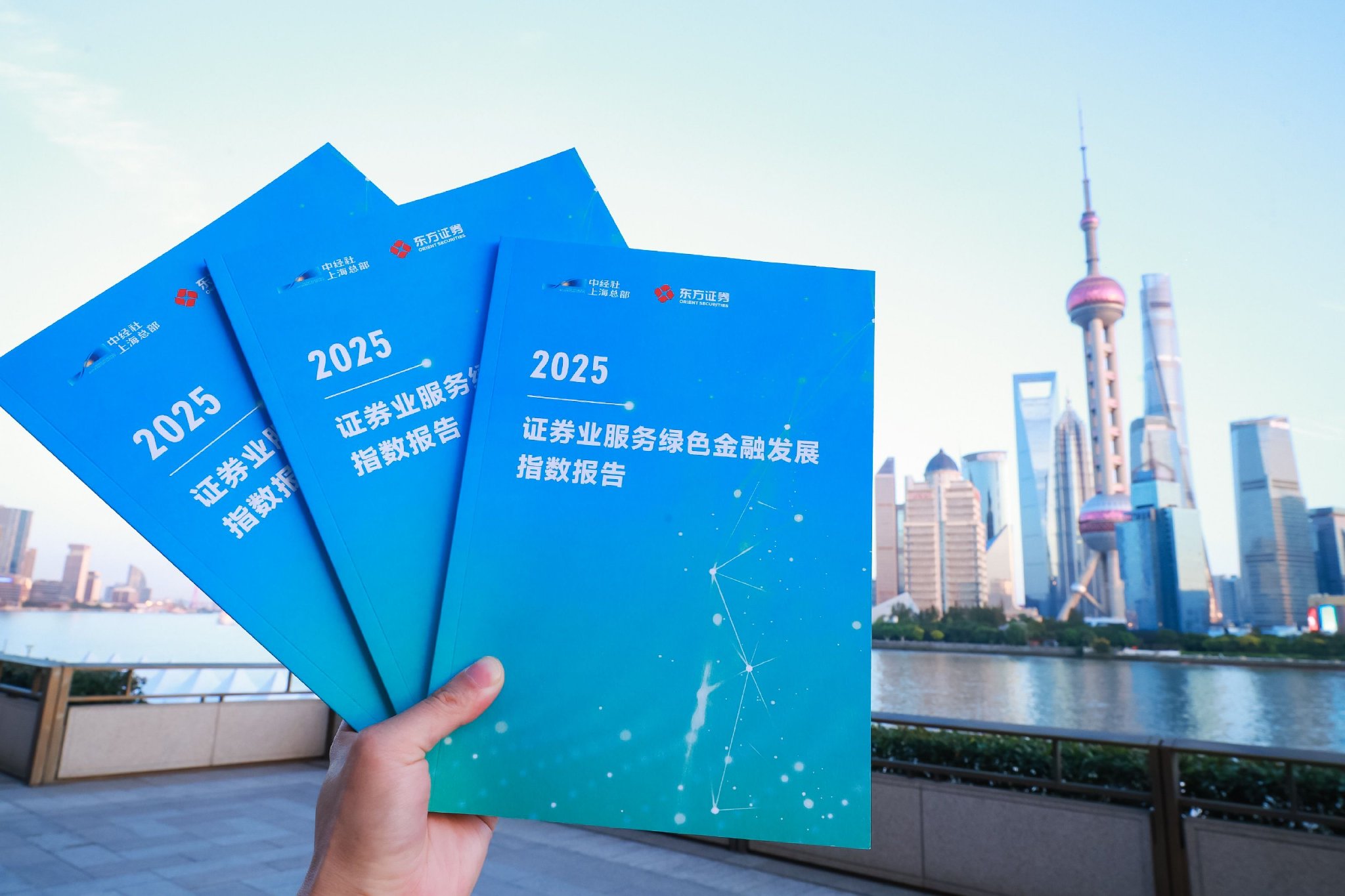
“证券业服务绿色金融发展指数”在沪首发,年复合增长率达11.25%
Zhong Guo Jin Rong Xin Xi Wang· 2025-11-20 11:10
绿色金融作为金融"五篇大文章"之一,已成为推动经济社会高质量发展的重要引擎,在优化资源配置、调整产业结构等方面发挥关键作用。在绿色金融市场 欣欣向荣的同时,当前学界和业界对于绿色金融发展质效的量化分析还存在空白。证监会今年发布的《关于资本市场做好金融"五篇大文章"的实施意见》明 确提出"完善资本市场绿色金融标准体系",加大对典型做法、示范案例的宣传与推广。 在此背景下,中国经济信息社上海总部携手东方证券研发"证券业服务绿色金融发展指数"(简称"绿金指数"),从环境支撑、市场规模、运行活力、主体建 设四大维度构建起科学全面的评价体系,打造一把衡量证券业在绿色金融体系中枢纽作用的"数字标尺",为观察资本市场绿色转型提供了全新视角。 炒股就看金麒麟分析师研报,权威,专业,及时,全面,助您挖掘潜力主题机会! 转自:新华财经 在11月16日举行的第十四届"沪上金融家"颁奖仪式现场,中国经济信息社上海总部联合东方证券发布首期《证券业服务绿色金融发展指数报告》(简 称"《报告》")。指数基期为2020年,基期值设为100,2024年指数值达到153.17点。证券业在壮大绿色金融市场规模的同时,助力构建绿色与资本的正向 循环 ...


专家学者建言“十五五”海洋经济可持续发展
Xin Hua She· 2025-11-20 09:06
Core Viewpoint - China aims to promote high-quality development of the marine economy, emphasizing the integration of ecological priorities and green development throughout marine resource utilization and protection [1][2]. Group 1: Marine Economy Development - The "Exploring the Path of Harmonious Marine Economic High-Quality Development" seminar highlighted strategies, pathways, and mechanisms for high-quality marine economic development [1]. - The concept of "ecological priority and green development" is essential for balancing marine development and protection, pollution prevention, and ecological restoration [1]. Group 2: Carbon Sequestration and Blue Carbon Economy - The ocean is recognized as the largest carbon sink, and enhancing its carbon sequestration capacity is crucial for achieving carbon neutrality [1]. - The development of "carbon sink fisheries" is proposed to utilize fisheries that can lower atmospheric CO2 levels, promoting sustainable practices in the fishing industry [2]. - Increasing ocean alkalinity has been identified as a method to accelerate CO2 absorption from the atmosphere, presenting significant application prospects in the context of carbon neutrality [2]. Group 3: Green Finance and Sustainable Development - Green finance is seen as a vital opportunity to support the sustainable development of the marine economy, including expanding offshore renewable energy and enhancing the global competitiveness of the green shipping industry [2]. - Financial support for the synergistic development of "marine industry + marine ecology" is suggested to improve the financing and sustainability of marine ecological protection projects [2].
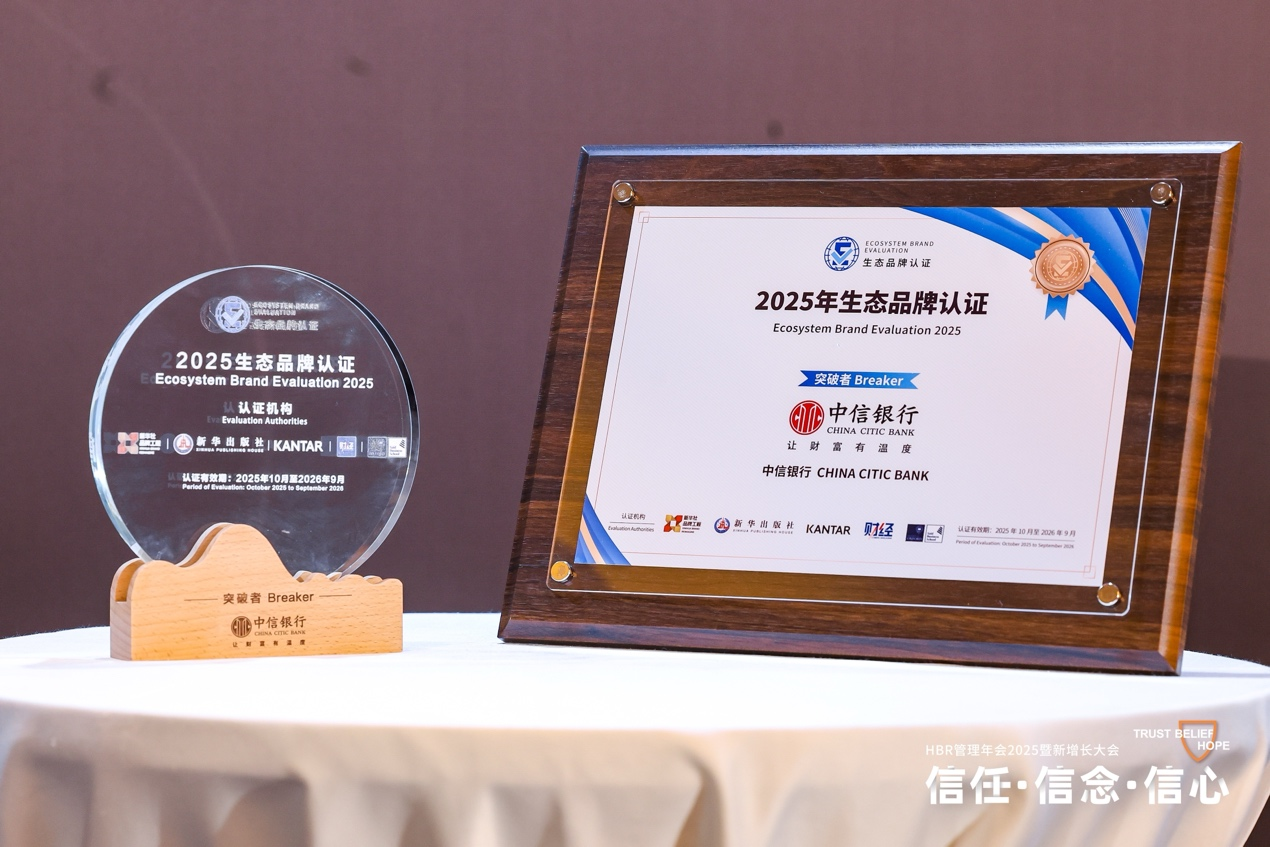
中信银行成为银行业唯一连续四年斩获生态品牌认证的机构
Zhong Guo Jin Rong Xin Xi Wang· 2025-11-20 08:51
Core Insights - CITIC Bank has been recognized as the only bank to receive the ecological brand certification for four consecutive years, showcasing its transformation from providing financial functions to co-creating user value [1][6] - The ecological brand certification is initiated by authoritative institutions, covering nearly a thousand brands across over 30 industries globally, with CITIC Bank leading in dimensions such as user experience, open collaboration, and social value contribution [3] Group 1: Brand Recognition and Strategy - CITIC Bank has established itself as a benchmark for sustainable and ecological brand building in the banking industry, with three major cases included in the "Ecological Brand Development Report (2025)" [3] - The bank emphasizes its core value of "trust" since its establishment in 1987, leveraging the comprehensive advantages of CITIC Group to deepen industry-finance collaboration and create a differentiated financial service system [3][6] Group 2: Rural Revitalization and Cross-Border Services - CITIC Bank has launched a "1+5+5" comprehensive service system for rural revitalization, focusing on a dual-driven model of "digital inclusion + industry collaboration" to inject financial vitality into rural industries [4] - The bank's "Global Financial" services encompass a full lifecycle support network, including visa services and education planning, serving 27 million individuals and covering over 40 countries [4] Group 3: Green Finance Initiatives - CITIC Bank has developed the "CITIC Carbon Account," the first personal carbon account led by a bank in China, transitioning from carbon measurement to carbon assets [5] - As of August 2025, the bank has achieved over 20 million tons of cumulative carbon reduction through its platform, establishing a benchmark for green transformation in the banking sector [5][6] Group 4: Future Directions - The bank aims to continue enhancing its open collaboration, technological empowerment, and international expansion, contributing to the construction of a more inclusive, efficient, and sustainable financial ecosystem [6]

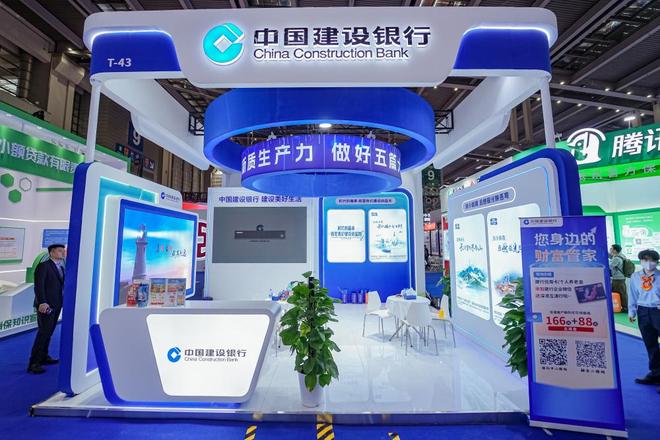
亮相金博会 ——深圳建行聚焦“五篇大文章”彰显多元金融产品体系新动能
2 1 Shi Ji Jing Ji Bao Dao· 2025-11-20 08:15
Core Viewpoint - Shenzhen Construction Bank (Shenzhen CCB) showcased its commitment to financial innovation and support for the real economy at the 19th Shenzhen International Financial Expo, emphasizing its role in national development strategies and the "Five Major Articles" initiative [1][3][13] Group 1: Technology-Driven Financial Services - Shenzhen CCB is leveraging technology to enhance financial services, with a focus on creating a comprehensive service ecosystem for technology enterprises [4] - The bank has developed a digital financing platform for small and micro technology enterprises, offering various online loan products and serving over 11,000 technology companies [4] - As of October, the bank's technology loan balance exceeded 2.44 trillion yuan, with an increase of over 48 billion yuan since the beginning of the year [4] Group 2: Green Finance Initiatives - Shenzhen CCB is accelerating the innovation of green financial products to support the "dual carbon" goals, achieving a green loan growth rate exceeding 25% this year [6] - The bank has issued green loans to nearly 1,000 enterprises and launched the first "Water Saving Loan" financing agreement in Shenzhen [6] - The bank has been recognized as "Excellent" in the People's Bank of China's green finance evaluation [6] Group 3: Inclusive Finance for Small and Micro Enterprises - Shenzhen CCB has a total of 364 billion yuan in inclusive loans, serving over 106,000 small and micro enterprises [7] - The bank has implemented a digital platform approach to enhance financial services for small businesses, focusing on risk management while providing timely financial support [7][8] - Over the past five years, the bank has provided more than 950 billion yuan in inclusive loans, covering over 900 sub-industries [8] Group 4: Elderly Care Financial Services - Shenzhen CCB is developing a comprehensive pension financial service system in response to the aging population, focusing on diverse and scenario-based services [9][11] - The bank has established specialized financial service outlets for elderly clients, offering tailored investment products and on-site services [9] - The bank's "Anxin" product series includes corporate pension plans and asset service trusts, catering to various client needs [11] Group 5: Digital Currency Applications - Shenzhen CCB is at the forefront of digital currency development, having launched a "Digital RMB Smart Payment Platform" to address consumer pain points in the prepaid industry [12] - The platform has covered 1,569 merchants and provided fund supervision services for 960,000 consumers [12] - The bank plans to expand the application of digital RMB in various prepaid scenarios, contributing to a secure consumption environment in Shenzhen [12] Group 6: Overall Financial Innovation - At the financial expo, Shenzhen CCB demonstrated its achievements in technology finance, green finance, inclusive finance, pension finance, and digital finance [13] - The bank aims to continuously upgrade service models and innovate products to support the modernization of the industrial system and contribute to the high-quality development of the Guangdong-Hong Kong-Macao Greater Bay Area [13]
保险资产管理业创新型产品季度观察与展望:全年业务承压,结构分化加速,政策驱动布局住房租赁、基础设施以及空域经济项目
Zhong Cheng Xin Guo Ji· 2025-11-20 08:10
Investment Rating - The report indicates a cautious outlook for the insurance asset management industry, with a focus on structural adjustments and policy-driven opportunities in specific sectors [5][43]. Core Insights - The insurance asset management industry is experiencing a dual decline in the registration scale and quantity of innovative products, primarily due to a decrease in debt investment plans, while asset-backed plans and equity investment plans are showing growth [7][45]. - The report emphasizes the importance of aligning investment strategies with government policies, particularly in sectors such as energy, transportation, infrastructure, and housing rental [7][35][40]. - The overall debt risk in the industry is expected to remain within a controllable range, supported by government efforts to manage debt and promote economic growth [7][38][43]. Summary by Sections Product Operation Analysis - In the first three quarters of 2025, the registration scale of innovative products in the insurance asset management sector decreased by 3.97% year-on-year to 651.198 billion yuan, with a total of 296 products registered, reflecting a decline in debt investment plans [8][11]. - Debt investment plans remain the primary product type, accounting for 70.61% of the number and 49.31% of the scale, while asset-backed plans and equity investment plans are growing [8][10]. - The focus of debt investment plans is increasingly concentrated in the East China region, particularly in the transportation sector, indicating a shift towards infrastructure investments [10][13]. Institutional Operation Analysis - In the first three quarters of 2025, Huatai Asset Management led in the registration scale and quantity of debt investment plans, while Everbright's asset-backed plans showed significant growth [30][32]. - The number of institutions actively participating in equity investment plans increased, with a notable rise in the scale of registered plans [30][36]. - The report highlights a decrease in the number of registered private equity funds, indicating a cautious approach to alternative investments [28][36]. Industry Policy Review - Recent government policies encourage long-term capital participation in housing rental markets and infrastructure projects, aligning with the characteristics of insurance funds [37][41]. - The report notes that the overall government debt risk is manageable, with progress in addressing hidden debts, which supports a stable investment environment for insurance asset management [35][38]. - The focus on new policy financial tools aims to inject capital into key projects, particularly in energy and urban renewal sectors, providing investment opportunities for insurance asset management [38][41]. Observations and Outlook - The insurance asset management industry is expected to continue facing pressure in innovative product offerings, but remains a crucial financing tool [43][45]. - The report suggests prioritizing investments in energy transportation, infrastructure REITs, and housing rental asset securitization to balance long-term returns with policy compliance [43][45]. - The anticipated growth in sectors supported by government policies, such as artificial intelligence in transportation and green finance, presents new investment opportunities for insurance asset management [40][44].
亮相金博会——深圳建行携“五篇大文章”彰显多元金融产品体系新动能
中国基金报· 2025-11-20 07:06
Core Viewpoint - Shenzhen Construction Bank (Shenzhen Bank) actively integrates into national development strategies, focusing on five major areas to enhance financial services and support the real economy, including technology finance, green finance, inclusive finance, elderly care finance, and digital finance [2][16]. Group 1: Technology Finance - Shenzhen Bank emphasizes the importance of technology finance, leveraging its geographical advantages and industry data to create a "heat map" for technology enterprises, facilitating precise marketing and differentiated services [4]. - As of the end of October, the bank's technology loan balance exceeded 2.44 trillion yuan, with an increase of over 48 billion yuan since the beginning of the year, leading the industry [4]. - The bank has launched a digital financing platform for small and micro technology enterprises, providing various online loan products and serving over 11,000 technology companies with total loans exceeding 12 billion yuan [4][5]. Group 2: Green Finance - To achieve the "dual carbon" goals, Shenzhen Bank accelerates the innovation of green financial products and services, with green loan growth exceeding 25% this year, significantly outpacing overall loan growth [7]. - The bank has issued green loans to nearly 1,000 enterprises, actively supporting key industries such as new energy vehicles and energy-efficient equipment manufacturing [7]. - Shenzhen Bank has also introduced a "water-saving loan" initiative, signing a cooperation agreement to provide 30 million yuan in financing for water-saving projects [7]. Group 3: Inclusive Finance - Shenzhen Bank focuses on inclusive finance, with a total inclusive loan balance of 364 billion yuan and serving 106,000 clients as of October 2025 [9]. - The bank employs a "digital, platform-based" approach to enhance financial services for small and micro enterprises, ensuring effective risk management while providing timely financial support [9][10]. - Over the past five years, the bank has issued more than 950 billion yuan in inclusive loans, benefiting over 150,000 small and micro enterprises across various sectors [10]. Group 4: Elderly Care Finance - In response to the aging population, Shenzhen Bank is developing a comprehensive elderly care financial service system, focusing on diverse and scenario-based services [12]. - The bank has established specialized elderly care financial outlets, offering tailored investment products and services to meet the needs of elderly clients [13]. - A multi-faceted elderly care financial supply system has been created, including corporate pension products and services for individual clients [13]. Group 5: Digital Finance - Shenzhen Bank is a pioneer in the application of digital currency, addressing consumer pain points in the prepaid sector through the "Digital RMB Smart Payment Platform" [15]. - The platform has covered 1,569 merchants in various industries, providing regulatory services for 960,000 consumers [15]. - The bank plans to expand the application of digital currency in 16 prepaid scenarios, contributing to a trustworthy consumption environment in Shenzhen [15].