银发经济

Search documents
展览规模再创新高,展区设置与内容呈现更加丰富多元 细数进博之“首”
Ren Min Ri Bao· 2025-11-04 22:05
Core Points - The 8th China International Import Expo (CIIE) opened on November 5, showcasing a record exhibition scale and diverse content, emphasizing innovation and global market access for exhibitors [1] - The expo introduced a dedicated section for least developed countries (LDCs), with 163 companies participating, marking a 23.5% increase year-on-year, and provided various support measures for these exhibitors [2] - The event featured a new "Charming Friendly Cities" section, expanding international cooperation and showcasing cultural uniqueness from 67 participating countries and organizations [5] Group 1: Exhibition Highlights - The exhibition scale reached new heights, with a focus on new products, technologies, and services, positioning China as a global innovation hub [1] - The introduction of the "Charming Friendly Cities" section aimed to enhance cultural exchange and cooperation between cities [5] - The expo's diverse offerings included traditional crafts, local cuisines, and immersive cultural experiences, further promoting international trade and cooperation [6] Group 2: Support for Developing Countries - The dedicated section for LDCs provided significant opportunities for companies from these nations, with notable success stories such as Ethiopian coffee and Bangladeshi jute products gaining traction in the Chinese market [3][4] - The expo facilitated discussions on enhancing economic resilience and sustainable agricultural development for global southern economies [2] Group 3: New Market Opportunities - The introduction of a "Cross-Border E-Commerce Preferred Platform" aimed to connect international products with Chinese consumers, addressing market entry challenges for small and medium-sized enterprises [9][10] - The platform offers a comprehensive solution for overseas brands, including market access consulting and digital marketing support, fostering long-term partnerships [10] - The emphasis on consumer trends such as the silver economy and sports economy was reflected in the innovative exhibition areas created to attract new consumer segments [7][8]
近10万香港老人跨境养老背后:费用便宜、居住空间大是核心动力,但医疗衔接待完善
Mei Ri Jing Ji Xin Wen· 2025-11-04 14:36
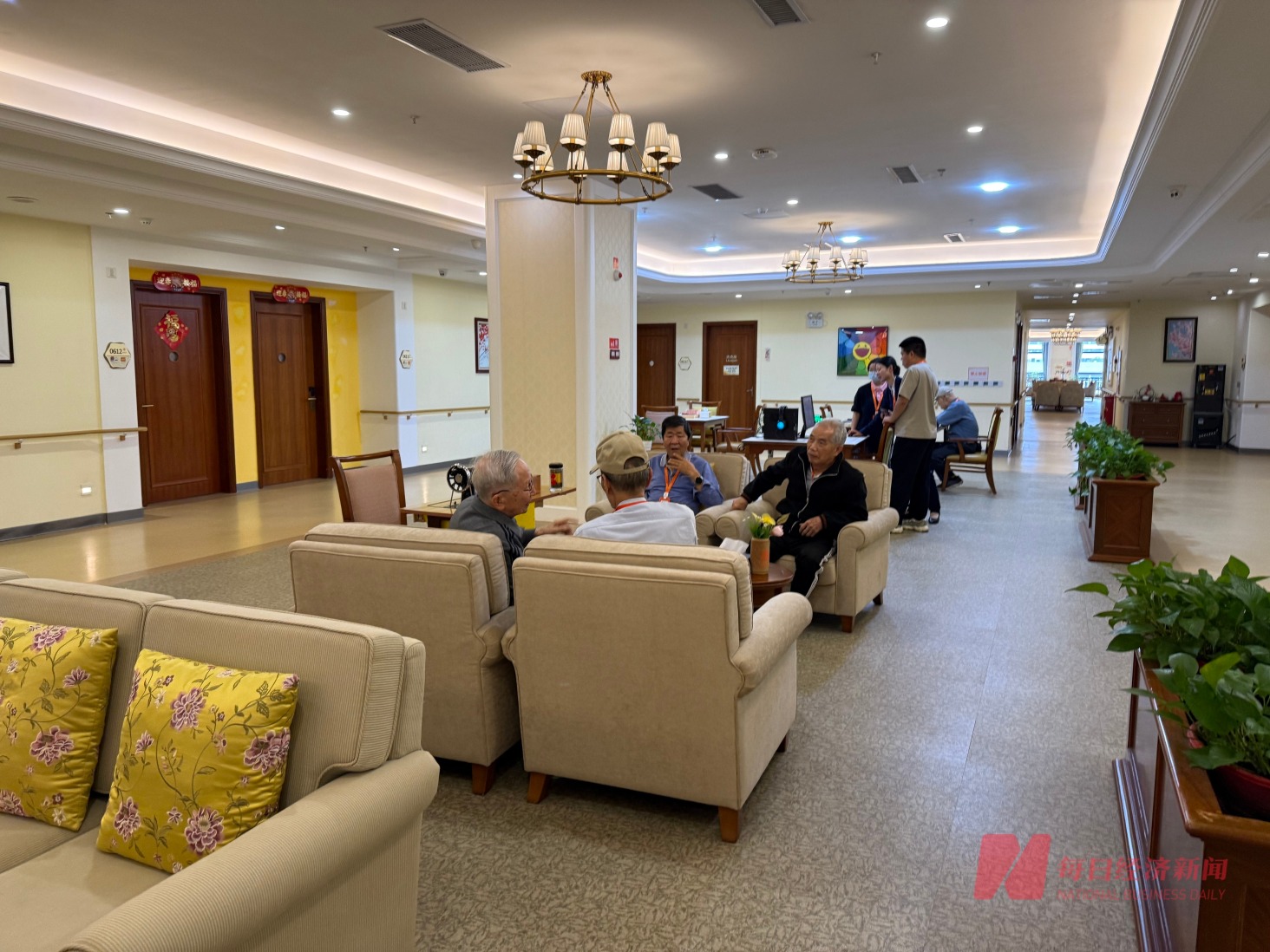
Core Insights - The trend of "cross-border elderly care" is rising in Hong Kong as more elderly residents seek to relocate to the Greater Bay Area for better living conditions and lower costs [1][3][10] Summary by Sections Cross-Border Elderly Care Trend - An increasing number of elderly Hong Kong residents are moving to the Greater Bay Area, with nearly 100,000 individuals aged 65 and above expected to settle in Guangdong by 2024, marking a growth of over 40% compared to a decade ago [1][3] - The cross-border elderly care ecosystem aims to alleviate the pressure on local resources in Hong Kong while providing new opportunities for the elderly care industry in the Greater Bay Area [1][3] Cost and Living Space Advantages - The primary motivation for Hong Kong seniors to choose cross-border care is the significant difference in costs and living space between Hong Kong and mainland China [3][4] - Private elderly care homes in Hong Kong charge between 20,000 to 80,000 HKD per month, while facilities in the Greater Bay Area can be as low as 3,000 RMB, with high-end options like Chuanxuanmiao offering rooms for about 8,000 RMB per month, roughly one-third of Hong Kong prices [3][4] Government Initiatives - The Hong Kong government has been proactive in developing cross-border elderly care measures, such as the "Guangdong Residential Care Service Plan," which allows eligible seniors to stay in recognized facilities in the Greater Bay Area [3][4] - The number of participating elderly care homes in the Guangdong plan has increased from 2 in 2014 to 24 currently, covering eight mainland cities [5] Demographics of Cross-Border Seniors - The elderly population choosing cross-border care is primarily familiar with mainland China, categorized into three types: "returning roots," "nostalgic visitors," and "new settlers" [5][6] - The Chuanxuanmiao facilities have successfully attracted various types of Hong Kong seniors, indicating a diverse demographic interested in cross-border care [5][6] Challenges and Solutions - Despite the growth, challenges remain, particularly regarding medical services and the integration of living environments for Hong Kong seniors [6][7] - Institutions like Chuanxuanmiao are adapting by ensuring staff can communicate in Cantonese and offering familiar dining options, such as Hong Kong-style afternoon tea [9][10] Future Prospects - The cross-border elderly care market is expected to expand significantly, with the potential to become a trillion-yuan market as transportation networks and living conditions improve [10]

重磅大事!明天,一起关注
Jin Rong Shi Bao· 2025-11-04 14:15
Core Insights - The 8th China International Import Expo (CIIE) will take place from November 5 to 10 in Shanghai, featuring participation from 155 countries and regions, with over 4,108 foreign enterprises exhibiting, marking a record high in exhibition area exceeding 430,000 square meters [1][2] Group 1: Event Highlights - The expo will showcase 461 new products, technologies, and services, reinforcing China's market as a testing ground for global innovation [3] - The event will include 33 sub-forums and closed-door meetings, along with over 80 supporting activities such as trade negotiations and investment promotion [1][2] - The participation of 290 Fortune 500 and industry-leading companies highlights the expo's significance in global trade [2][4] Group 2: International Participation - There is a 23.1% year-on-year increase in exhibitors from the Belt and Road Initiative countries, with 163 companies from the least developed countries participating, reflecting a 23.5% growth [2] - The number of African enterprises exhibiting has surged by 80%, supported by a zero-tariff policy for 100% of products from African countries with diplomatic relations with China [2][4] Group 3: Services and Logistics - The expo will provide a one-stop service for foreign exhibitors, including expedited customs clearance and transportation options, enhancing the overall experience for participants [6] - Shanghai has established a diverse payment system for inbound consumption, supporting various payment methods including mobile payments and foreign currency exchanges [6]
视频丨围绕消费生活新趋势导入新平台 第八届进博会完成布展
Yang Shi Xin Wen Ke Hu Duan· 2025-11-04 07:42
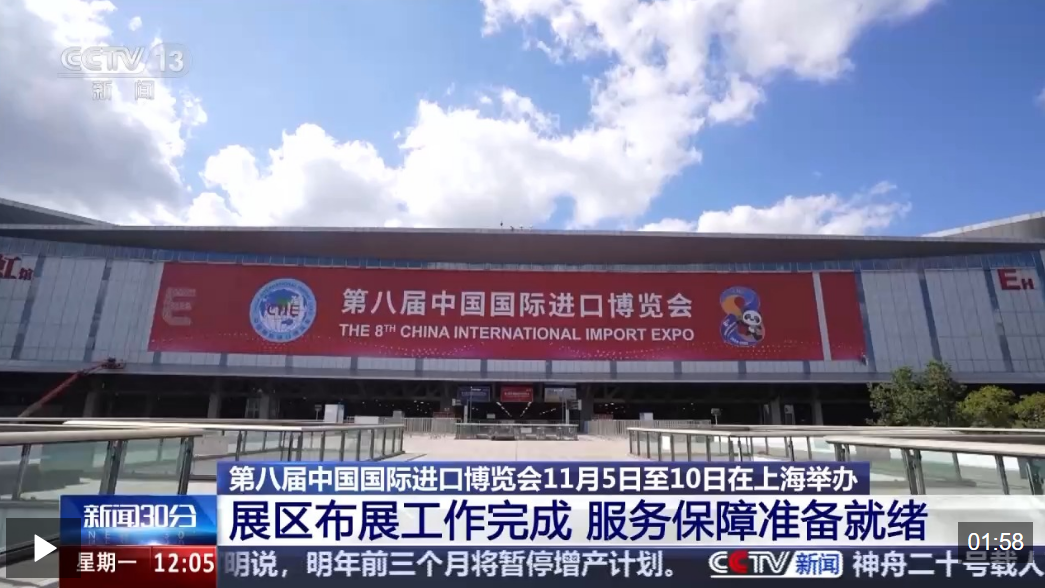
Group 1 - The 8th China International Import Expo (CIIE) will be held in Shanghai from November 5 to 10, with all exhibition preparations completed and service facilities ready [2] - This year's expo features over 43 million square meters of exhibition space, with participation from 290 Fortune 500 and industry-leading companies, and a total of over 4,000 exhibitors, marking a historical high in both exhibition area and number of companies [2] - The expo will showcase over 400 new products, technologies, and services, focusing on new consumption trends such as the silver economy, ice and snow economy, and sports economy [4] Group 2 - A total of 67 countries and international organizations will participate in the national exhibition, with Nigeria, Sweden, and Colombia serving as first-time guest countries [6] - To enhance the exhibition environment and participant experience, nearly 3,000 volunteers will provide on-site services, and over 1,700 directional signs and 21 translation service desks will be set up [6] - The venue will feature 35 comprehensive service areas offering professional support in customs policy, legal consulting, and intellectual property protection to assist overseas companies entering the Chinese market [8]
昆药集团深挖“银发”蓝海,三七产业链赋能高质量发展
Quan Jing Wang· 2025-11-04 04:43
Core Viewpoint - The biopharmaceutical industry in China is poised for new growth opportunities as the "14th Five-Year Plan" approaches, particularly in the context of an aging population and increasing demand for chronic disease management [1][2] Group 1: Market Opportunities - The demand for chronic disease management is experiencing rigid growth due to an aging population and the rising prevalence of cardiovascular diseases [1] - The traditional Chinese medicine industry, particularly the market for Sanqi (Panax notoginseng), is expanding rapidly, creating new growth opportunities [1] - The integration of the Sanqi industry chain by Kunming Pharmaceutical Group is a strategic move to capture the silver economy [1][2] Group 2: Strategic Developments - Kunming Pharmaceutical Group completed the acquisition of 51% of China Resources Shenghuo, enhancing its core competitiveness in the Sanqi industry chain [2] - The collaboration between Kunming Pharmaceutical Group and China Resources Shenghuo is expected to yield synergistic effects between their respective products, Lota and Lixu Wang [2] - The company is focusing on a three-pronged approach to elderly chronic disease management, targeting patients, consumers, and proactive health seekers [2] Group 3: Industry Growth Projections - The comprehensive output value of the Sanqi industry in Wenshan, Yunnan, is projected to reach 45.6 billion yuan by 2025, representing a 107.3% increase compared to the end of the "13th Five-Year Plan" [2] Group 4: R&D and Brand Development - Kunming Pharmaceutical Group has established a full industry chain system for Sanqi, from GAP planting to marketing, aiming to become a benchmark for high-quality development in the Sanqi industry [3] - The establishment of the Yunnan Sanqi Research Institute is expected to further integrate R&D resources and promote the development of the Sanqi industry [3] - The company is enhancing its brand recognition through campaigns and a strong brand philosophy centered around "Sanqi is 777" [3] Group 5: Global Expansion - Kunming Pharmaceutical Group is actively expanding its international market presence, with its Sanqi products already in 15 countries, including Vietnam and Uzbekistan [4] - The successful entry of the blood stasis soft capsule into Indonesia marks a significant step in expanding into the ASEAN market [4] - The company is leveraging the global demand for traditional Chinese medicine to drive growth in the Sanqi industry [4]

仲量联行:进博会成为产业与商业地产深度耦合的“连接器”
Sou Hu Cai Jing· 2025-11-04 03:37
Core Insights - The 8th China International Import Expo (CIIE) serves as a platform for global enterprises to showcase products and connect with the Chinese market, highlighting China's role as a key growth engine for businesses worldwide [3][11] - The event emphasizes the deepening trend of openness and collaboration, which is crucial for driving investment and industrial upgrades in China [4][11] Group 1: Commercial Real Estate and Industry Synergy - CIIE is recognized as a "connector" for deep integration between commercial real estate and industrial demands, facilitating a positive cycle where industrial needs drive space upgrades and vice versa [3][4] - The event showcases various sectors, including consumer goods, technology, and healthcare, which are all contributing to the evolving landscape of commercial real estate [3][9] Group 2: Consumer Goods Sector - The consumer goods sector at CIIE focuses on high-quality living and sports consumption trends, with significant growth in retail space demand for sports apparel, projected to rise from 14.2% in 2023 to 28.4% by Q3 2025 [5] - The flagship store economy is expected to thrive, with major brands like Louis Vuitton and Adidas opening flagship stores in Shanghai, indicating a strong market response [5] Group 3: Technology and Equipment Sector - The technology and equipment sector highlights new productivity areas such as digital industry and AI, which are expected to reshape the demand for commercial real estate, particularly in office spaces [7][8] - The investment in data centers is projected to reach 87.9 billion yuan in 2023, with a growth rate exceeding 90%, indicating a robust market potential for this segment [8] Group 4: Healthcare and Life Sciences - The healthcare sector at CIIE emphasizes the integration of life sciences and health services, driving demand for specialized real estate solutions [9][10] - The aging population in Shanghai, projected to reach 37.6% by the end of 2024, is expected to significantly increase the demand for senior living real estate, supported by innovations showcased at CIIE [10] Group 5: Urban Development and Investment - CIIE acts as an accelerator for urban development in Shanghai, enhancing the city's capability to attract global investment and stimulate consumer spending [11][12] - The event aligns with Shanghai's strategic initiatives to elevate its industrial landscape and create a new ecosystem for investment and consumption [12]

银发经济迈向品质化新蓝海
Jin Rong Shi Bao· 2025-11-04 01:00
Core Insights - The aging population in China is rapidly increasing, with projections indicating that by the end of 2024, there will be 310 million individuals aged 60 and above, accounting for 22% of the total population [1] - The silver economy is experiencing significant growth, driven by diverse consumer demands and an evolving market landscape [2][3] Group 1: Market Growth and Consumer Trends - The silver consumption market is expanding, with notable increases in various sectors: community care services up by 30.4%, institutional care services by 22.6%, and home care services by 18% in the first half of the year [1] - Health-related products are seeing substantial growth, with sales of mobility aids and nutritional supplements increasing by 32.2% and 30.1%, respectively [1] - The travel market for seniors is booming, with a projected 1,860 silver tourism trains operating in 2024, transporting over 800,000 elderly passengers [2] - Users aged 50 and above on travel platforms like Ctrip account for 10% of the user base, with their spending levels three times the average [2] Group 2: Industry Development and Opportunities - The number of companies related to the silver economy has reached 539,000, with a year-on-year registration increase of 6.63% in the first nine months of this year [3] - There is a growing demand for health management, medical care, and cultural activities, which presents opportunities for industries such as healthcare, tourism, and financial services [3] - The silver economy is expected to significantly contribute to GDP, with projections indicating it could reach 30 trillion yuan by 2035, accounting for 10% of the GDP [5] Group 3: Policy Support and Regional Initiatives - The Chinese government has initiated various policies to support the silver economy, including financial subsidies and action plans aimed at enhancing elderly welfare [4] - Local governments are actively exploring development paths tailored to regional characteristics, such as Shanghai's initiatives to boost silver consumption and Shandong's health and tourism consumption season [5] - Despite the positive outlook, challenges remain, including insufficient supply of age-friendly products and services, and the need for improved consumer rights protection for the elderly [5]
银发族直播购物“温情陷阱”
Jin Rong Shi Bao· 2025-11-04 01:00
中国互联网络信息中心数据显示,截至2025年6月,我国60岁及以上银发网民规模达1.61亿人,老 年群体互联网普及率达52.0%。越来越多"银发族"积极融入数字化生活。可以说,网络为老年人打开了 通往新世界的大门。特别是直播带货,凭借直观、生动的展示形式,迅速成为老年人购物的新选择。然 而,这一快速兴起的消费方式却暗藏诸多陷阱,不少老年人在直播购物中频频"踩坑"…… 套路深:从"科普讲座"到"情感剧本" 70岁的刘先生住在天津市蓟州区,此前被当地一家实体店店主拉进一个微信群,群内管理员每天会 发送一个直播间的网址链接。 该直播间起初以健康科普讲座吸引老年人关注,随后便转向带货。直播中,某"健康养生顾问"极力 推销"藏红花四件套"床上用品,宣称其能治疗失眠、多梦,不仅活血化瘀,还能通经络、凉血解毒、消 炎止痛。刘先生恰好有失眠症状,再看到直播间点赞数接近百万、特价名额有限,便急忙下单抢购。 可使用后,刘先生并未感受到任何疗效。后来经有关部门调查,这套声称添加藏红花等中药成分、 能治病的四件套,产品标签上标注的执行标准和安全技术类别仅是纺织产品标准,并非药品或医疗器械 标准,实则就是普通纺织产品。 更让刘先生无奈 ...
王府井打造银龄时尚生活圈
Xin Lang Cai Jing· 2025-11-03 21:05
Core Insights - Wangfujing shopping district has launched a series of cultural consumption activities specifically targeting the elderly, addressing their health, daily consumption, and spiritual needs, thereby creating a fashionable lifestyle circle for seniors [1] Health Initiatives - Health is identified as the primary concern for the elderly, with a notable initiative being a 10-square-meter glass room outside Beijing Tongrentang Wangfujing Traditional Chinese Medicine Hospital offering free medical consultations, attracting many seniors [1] Cultural Activities - The shopping district has organized a variety of cultural events, including an interactive experience area for seniors to learn about the craftsmanship of cloisonné at the "Yuxun Jingxi" flagship store in the Gongmei Building [1] - A successful Peking opera concert took place at the Jixiang Theater in the Intime in88 shopping mall, featuring renowned performers and drawing a full house of elderly opera enthusiasts [1] Economic Context - The Wangfujing district management highlighted the growing trend of the silver economy as a significant growth point in the consumer market, aiming to extend the fashionable and high-quality positioning of the Wangfujing area into the silver economy sector through these cultural consumption activities [1]

广交会观察:中企拓展“银发经济”新赛道
Zhong Guo Xin Wen Wang· 2025-11-03 17:03
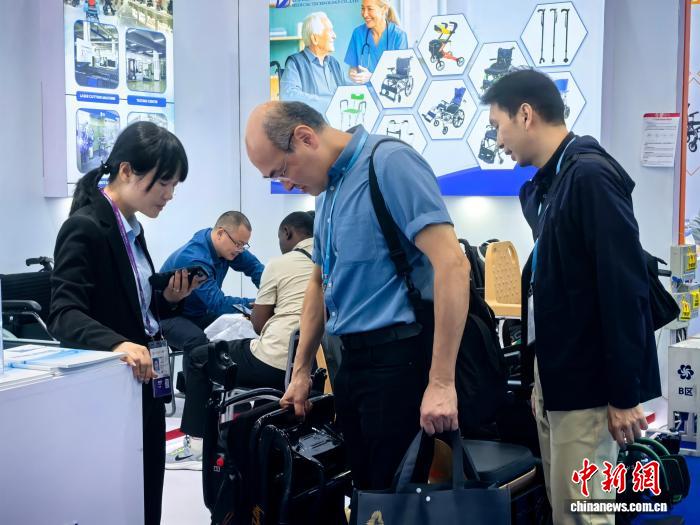
中新社广州11月3日电 (记者张璐)一体式爬楼轮椅、腕式睡眠监测仪、AI移动辅助机器人......在第138届 中国进出口商品交易会(以下简称"广交会")第三期展会上,众多中国企业推出多款功能多样、安全可靠 的适老产品,拓展"银发经济"新赛道。 11月3日,第138届广交会第三期在广州举行,中国适老产品吸引境外采购商。中新社记者张璐摄 万伟杰表示,公司近年致力拓展银发经济市场,研发生产多款医疗电生理产品。目前,公司已拥有50多 项专利,产品远销160多个国家和地区。 中国医药保健品进出口商会统计数据显示,2025年上半年,中国医疗器械进出口总额达410.9亿美元, 同比增长1.1%。其中,出口总额为241.0亿美元,同比增长5.0%。数据显示,中国医疗器械在全球市场 具有竞争力。 11月3日,第138届广交会第三期在广州举行,中国适老产品吸引境外采购商。中新社记者张璐摄 本届广交会第三期以"美好生活"为主题,涵盖时尚、家用纺织品、玩具及孕婴童、文具、健康休闲等五 大板块,设立21个展区,参展企业超1.2万家。 走进贵阳鑫恒泰实业有限公司展位,一款全新的智能爬楼轮椅吸引众多境外采购商驻足观摩。该公司营 销总监朱 ...