人民币国际化

Search documents
央行:推进人民币国际化 拓展贸易项下人民币使用
Mei Ri Jing Ji Xin Wen· 2025-10-24 11:08
Core Viewpoint - The People's Bank of China emphasizes the importance of advancing high-level financial openness while ensuring national financial security [1] Group 1: Financial Policy and Strategy - The meeting highlighted the need to steadily promote the internationalization of the Renminbi and expand its use in trade [1] - There is a focus on orderly deepening the two-way opening of financial markets and developing the offshore Renminbi market [1] - The aim is to facilitate trade and investment financing [1] Group 2: Financial Center Development - The construction of international financial centers in Shanghai and Hong Kong is a priority [1] - There is a commitment to building a self-controlled, multi-channel, and widely covered cross-border payment system for the Renminbi [1] Group 3: Global Financial Cooperation - The initiative includes actively practicing global governance proposals and pragmatically conducting financial diplomacy [1] - The focus is on multi-lateral and bilateral currency and financial cooperation, as well as participating in and promoting global financial governance reform [1]
国家外汇管理局详解如何提升上海跨境金融服务能级
Xin Hua Wang· 2025-10-24 10:29
此外,统筹好金融开放与安全的关系。刘斌指出,开放和便利都必须以安全为前提,尤其要加强外 汇市场"宏观审慎+微观监管"两位一体管理,切实防范跨区域、跨市场、跨境的风险传递和叠加共振。 【纠错】 【责任编辑:吴京泽】 新华社上海10月24日电(记者桑彤、刘开雄)国家外汇管理局副局长刘斌在10月23日至25日举行的 2025外滩年会上表示,目前我国债券和股票市场规模均位居全球第二,并被纳入多个主流国际指数。境 外主体持有的人民币金融资产规模已超过10万亿元,有效增强了上海国际金融中心的国际竞争力和影响 力。 一方面,稳步扩大外汇领域高水平制度型开放。"在推进过程中,我们将统筹好人民币国际化与资 本项目高水平开放,以扩大金融市场开放为重点,便利外资金融机构来华投资兴业。"刘斌表示,同 时,深化外汇市场发展,研究长期限、多品种、小币种等外汇市场发展问题,进一步支持外汇交易中心 强化金融基础设施功能与服务能力,同时推动金融机构优化汇率风险管理服务。 另一方面,促进跨境贸易和投融资便利化。根据市场需求和我国实际,持续推进外汇管理改革创 新,赋予诚信合规主体更高便利度。"我们鼓励在上海率先落地一些首创性、集成性的探索政策,包 ...
全球第五最活跃货币,如何看SWIFT人民币排名新变化?
Zheng Quan Shi Bao· 2025-10-24 10:10
Core Viewpoint - The SWIFT report indicates that the renminbi (RMB) has become the fifth most active currency globally, with a share of 3.17% in payment transactions as of September 2025, reflecting a 15.53% increase in payment amounts compared to August 2025 [1]. Group 1: SWIFT Ranking and RMB Internationalization - The RMB's ranking fluctuates between fourth and sixth place in global payment currency rankings throughout the year, with its share decreasing from a peak of 4.74% in July 2022 to 3.17% in September 2025 [1][3]. - The SWIFT ranking is primarily based on payment functionalities and does not fully capture the RMB's internationalization progress, which is a long-term process [1][7]. - The SWIFT statistics are limited to transactions among its member institutions, excluding domestic RMB transactions and a significant portion of cross-border payments conducted through the Cross-Border Interbank Payment System (CIPS) [3][4]. Group 2: Factors Influencing RMB's SWIFT Ranking - The decline in the RMB's share from April to August 2025 is attributed to reduced offshore RMB foreign exchange trading due to low volatility in the RMB exchange rate, leading to decreased trading activity [5][6]. - The RMB's internationalization is also reflected in its growing presence in investment and financing, with overseas holdings of RMB-denominated assets reaching 10.4 trillion yuan, a year-on-year increase of 5.2% [8]. Group 3: Alternative Measures of RMB Internationalization - The Bank for International Settlements (BIS) reported that as of April 2025, the RMB accounted for 8.5% of foreign exchange market transactions, up from 7% in 2022, ranking fifth among global currencies [9]. - The RMB's share in international trade financing and payment has positioned it among the top three currencies globally, as stated by the Governor of the People's Bank of China [4].
荷兰慌了,安世中国已恢复供货,但有一个条件,必须用人民币结算!
Sou Hu Cai Jing· 2025-10-24 10:08
Core Viewpoint - The announcement by Anshi Semiconductor China to resume supply and settle transactions in RMB signifies a significant shift in the semiconductor industry and reflects the complexities of the international economic landscape [1][3]. Group 1: Supply Chain and Economic Impact - Anshi Semiconductor's decision to switch all transactions to RMB is a strategic move that challenges the dominance of the US dollar in international trade, particularly in the semiconductor sector [3]. - The ongoing chip shortage has severely impacted the global automotive industry, with companies like Volkswagen halting production of certain models due to supply constraints [3]. - The German Automotive Industry Association (VDA) has warned that if Anshi Semiconductor's supply does not quickly recover, there could be widespread production halts across Europe and the US [3]. Group 2: Geopolitical Context - The tensions arose after the Netherlands, under US pressure, restricted high-end chip equipment exports to China and attempted to interfere with Anshi Semiconductor's management [1][5]. - The situation illustrates a significant shift in global economic dynamics, as the Netherlands' alignment with US policies against China's high-tech industries may backfire, undermining its own industrial base [5][7]. - China's control over critical resources, such as rare earth elements, poses a potential threat to the Netherlands if political miscalculations continue, which could lead to a raw material crisis for European high-end manufacturing [5]. Group 3: Future Implications - The move towards RMB settlement not only highlights China's economic potential but also accelerates the internationalization of the RMB, forcing Western companies to reconsider their transaction methods with China [3][7]. - The unfolding semiconductor conflict represents a broader economic transformation, with the potential for significant shifts in market leadership depending on how companies navigate these changes [7].


全球第五最活跃货币,如何看SWIFT人民币排名新变化?
证券时报· 2025-10-24 09:38
10月23日,环球银行金融电信协会(SWIFT)发布的人民币追踪(RMB Tracker)月度报告和数据统 计显示,2025年9月,在基于金额统计的全球支付货币排名中,人民币为全球第五大最活跃货币,占 比3.17%。与8月相比,排名上升一位,人民币支付金额总体增加了15.53%。 SWIFT公布的是月度报告,更新频率高,因此全球货币的榜单排名时常起起伏伏。今年以来,SWIFT统计 的人民币在全球支付货币中的份额排名就在第四位到第六位之间波动,占比从去年7月4.74%的高点降至 今年9月的3.17%。SWIFT统计口径下人民币排名波动有何原因?SWIFT公布的人民币排名又能在多大程度 上反映人民币国际化进展?这些问题一直受到市场关注。 受访人士表示,衡量货币的国际化程度是多维度的,SWIFT排名只是从货币的支付功能角度呈现。人民币 国际化必然是一个长期过程,不会一蹴而就。 SWIFT统计范围受限 人民币被低估 今年9月,中国人民银行行长潘功胜在国新办发布会上表示,人民币已成为全球前三大贸易融资货币和支 付货币。 离岸人民币外汇交易量减少影响排名 虽然SWIFT指标对人民币交易的统计范围不全面,但若对这一指标进行 ...

断供19天,中国终于恢复安世供货,只对中国市场开放,所有交易一律使用人民币结算
Sou Hu Cai Jing· 2025-10-24 09:33
Core Viewpoint - The recent actions taken by the Dutch government against Nexperia highlight the intricate connections between global supply chains and financial systems, as well as the strategic responses of Chinese companies under external pressures [1][4]. Group 1: Company Actions - Nexperia China swiftly decided to halt exports and resume supply with a focus on RMB settlements following the Dutch government's intervention [1][3]. - The company announced a stop to external shipments based on China's export control announcement and later defined its sovereignty by prioritizing domestic market support [3]. - By shifting to RMB settlements, Nexperia China aims to mitigate potential geopolitical risks associated with the USD settlement system, which has been used by the U.S. to intervene in foreign economies [3][4]. Group 2: Industry Implications - Nexperia is a crucial supplier of automotive chips, with nearly 90% of its production capacity located in China, making European automakers highly dependent on its supply [7]. - The Dutch government's actions have intensified concerns about supply chain stability, potentially leading to significant losses for the automotive industry and the broader European economy [7]. - The situation reflects a broader trend of companies needing to assert autonomy and independence in the face of rising geopolitical tensions and trade protectionism [4][9]. Group 3: Strategic Significance - Nexperia China's response is indicative of a shift in the global industrial landscape, where companies are increasingly seeking to protect their sovereignty and operational independence [4][9]. - The move to RMB settlements not only secures financial transactions but also contributes to the internationalization of the RMB, showcasing a strategic pivot in global trade practices [3][9]. - The ongoing geopolitical dynamics necessitate that companies adopt dual strategies in technology and finance to secure their positions in the international market [9].

谁在真正支撑国际美元?答案不是美国,是我们
Sou Hu Cai Jing· 2025-10-24 09:16
Core Insights - The dominance of the US dollar in international payments remains strong, holding a 47.79% share, followed by the euro at 22.77% and the British pound at 7.38% [1][3] - The Chinese yuan has made significant strides in international trade, now accounting for 7.28% of global cross-border trade finance, surpassing the euro [4][6] - The use of the yuan in China's own cross-border trade has increased from 16% to nearly 30% during the 14th Five-Year Plan, indicating a substantial rise in its acceptance [6] International Payment Landscape - The US dollar continues to dominate international payments with a 47.79% share, while the euro, pound, and yen follow with 22.77%, 7.38%, and 3.69% respectively [1] - The yuan ranks fifth in global payment currencies with a 3.17% share, closely followed by the Canadian dollar at 3.12% [3] Cross-Border Trade Dynamics - In the realm of cross-border trade finance, the yuan's share has reached 7.28%, overtaking the euro's 7% [4] - Despite being the largest commodity trader, China still relies heavily on the dollar for trade settlements, using the yuan for only about 30% of its cross-border transactions [6] Strategic Implications - The increase in yuan usage in cross-border trade reflects its growing acceptance and potential as a trade settlement currency [6] - A shift to a higher percentage of yuan settlements could significantly reduce the demand for dollars, impacting its role as a trade medium [9] Future Outlook - The gap between the yuan's current share in global payments (3.17%) and its potential growth in cross-border trade (7.28%) indicates significant room for expansion [10] - China's ongoing trade expansion and initiatives like the Belt and Road Initiative are expected to further promote yuan internationalization [10] - The US's confrontational policies may inadvertently accelerate the yuan's rise in the global financial system [10][11]
全球第五大活跃货币 如何看SWIFT人民币排名新变化?
Sou Hu Cai Jing· 2025-10-24 09:12
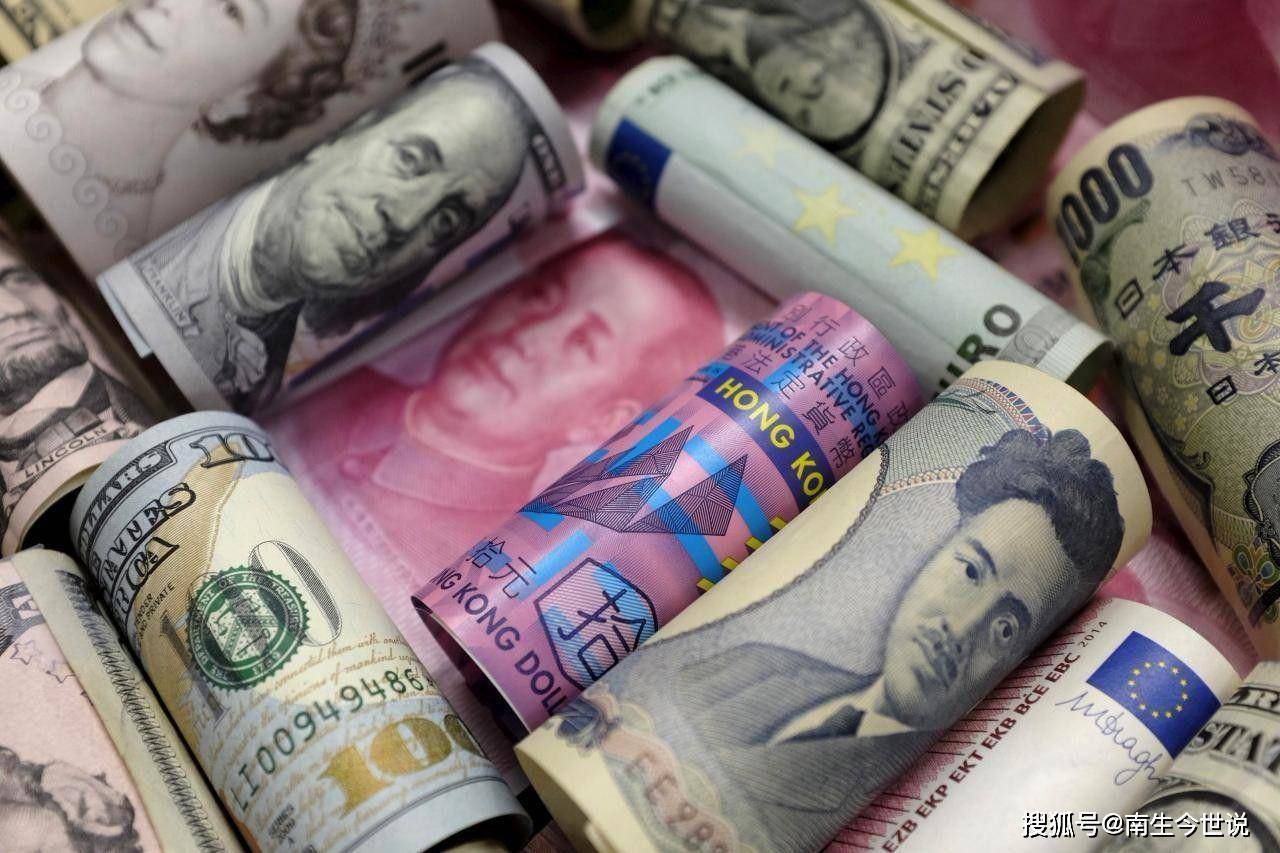
10月23日,环球银行金融电信协会(SWIFT)发布的人民币追踪(RMB Tracker)月度报告和数据统计 显示,2025年9月,在基于金额统计的全球支付货币排名中,人民币为全球第五大活跃货币,占比 3.17%。与8月相比,排名上升一位,人民币支付金额总体增加了15.53%。 SWIFT公布的是月度报告,更新频率高,因此全球货币的榜单排名时常起起伏伏。今年以来,SWIFT统 计的人民币在全球支付货币中的份额排名就在第四位到第六位之间波动,占比从去年7月4.74%的高点 降至今年9月的3.17%。SWIFT统计口径下人民币排名波动有何原因?SWIFT公布的人民币排名又能在 多大程度上反映人民币国际化进展?这些问题一直受到市场关注。 受访人士表示,衡量货币的国际化程度是多维度的,SWIFT排名只是从货币的支付功能角度呈现。人民 币国际化必然是一个长期过程,不会一蹴而就。 值得注意的是,报文内容只是金融活动的"语言",负责信息传递,并不直接处理资金划转。换言之, SWIFT基于支付报文金额所统计的全球支付货币指标,并不等同于实际支付金额,且统计范围仅限于 SWIFT成员间。 其次,有的经济体除跨境支付业务外,其境 ...
SWIFT数据低估人民币国际使用,多纬度指标印证地位攀升
Di Yi Cai Jing· 2025-10-24 07:55
Core Insights - The recent SWIFT data indicates that the Chinese yuan has risen to the fifth position in global payment currency rankings, with a share of 3.17%, reflecting a 15.53% increase in payment amounts compared to the previous month [1][2] - The fluctuations in SWIFT's data have led to public confusion regarding the actual status of the yuan in international payments, highlighting the need for clarity in statistical measures [1][2] SWIFT's Role and Limitations - SWIFT is a major financial messaging service provider, connecting over 11,000 financial institutions across more than 200 countries, and its data is often used to gauge currency internationalization [2] - However, SWIFT's statistics are limited to its own messaging system and do not encompass all international currency usage scenarios, leading to an underestimation of the yuan's actual cross-border payment share [2][3] CIPS and Cross-Border Payments - The Cross-Border Interbank Payment System (CIPS) plays a crucial role in facilitating cross-border yuan transactions, processing 8.22 million transactions worth 175 trillion yuan in 2024, marking a year-on-year growth of 24% and 43% respectively [2][3] - CIPS supports both fund flows and information flows, enhancing the yuan's cross-border payment capabilities [2] Comparative Currency Statistics - Different currencies have asymmetric statistical coverage; for instance, the euro and pound often utilize SWIFT for domestic payments, while yuan domestic payments can be processed through independent systems, leading to data discrepancies [3] - A unified statistical approach could better reflect the yuan's position as the third-largest global payment currency [3] Comprehensive Data on Yuan Internationalization - The People's Bank of China provides comprehensive data that indicates the yuan's increasing international usage, with cross-border payments reaching 34.9 trillion yuan in the first half of 2025, a 14% increase year-on-year [4] - The Bank for International Settlements (BIS) reported that the yuan's share in foreign exchange trading rose to 8.5% in April 2025, up from 7% in 2022, solidifying its fifth-place ranking [5] Investment and Reserve Indicators - As of the first quarter of 2025, the yuan's reserve currency status has improved, with a reported holding of 246.3 billion USD, representing 2.12% of global reserves, an increase since its inclusion in the SDR [6] - The demand for yuan-denominated assets is growing, with foreign holdings of yuan-denominated stocks and bonds reaching 10.4 trillion yuan by mid-2025, a 5.2% increase [5] Yuan Internationalization Indices - The Renminbi Internationalization Index (RII) and the Renminbi Global Index (RGI) are key metrics for assessing the yuan's international usage, with the RII indicating a value of 5.68, placing it third among major currencies [7] - The RGI has shown consistent growth, reaching 4666 points by July 2025, reflecting the expansion of offshore yuan business and its internationalization [7]
俄欧闹僵!欧盟用俄1400亿资产援乌,中国外贸恐受影响
Sou Hu Cai Jing· 2025-10-24 05:50
Group 1: EU Financial Plan - The EU is planning a significant financial initiative to utilize frozen Russian state assets as collateral for a special loan totaling €140 billion, aimed at supporting Ukraine's fiscal budget and post-war reconstruction over the next two to three years [1] - The decision to use these assets has heightened tensions in EU-Russia relations and may introduce uncertainties into the international financial system, potentially affecting foreign trade enterprises in China [3][10] Group 2: Belgium's Role - Belgium's change in stance is pivotal, as it previously opposed the EU's plan due to concerns over potential compensation liabilities and the impact on investor confidence in the European clearing system [3] - The EU has provided Belgium with "safeguards," including a shared risk of approximately €25 billion among EU member states and a proposed risk compensation mechanism to support Belgium in case of compensation claims [5] Group 3: Legal and Political Implications - The legality of the EU's actions is contentious, with Russia labeling it as "state-level plunder," reflecting broader geopolitical anxieties within the EU as it seeks to maintain influence in Ukraine amid waning U.S. support [10][16] - The EU's unconventional approach to utilizing frozen assets is driven by Ukraine's urgent fiscal needs, with a projected budget shortfall of $60 billion over the next two years [10] Group 4: Impact on Chinese Enterprises - Chinese enterprises, particularly those involved in cross-border trade, may face challenges due to potential delays in payments and increased operational complexities if the credibility of the European clearing system is undermined [12][13] - The reliance on the Euro for trade settlements could lead to increased costs and operational difficulties for Chinese companies if they are forced to switch to alternative currencies [12] Group 5: Opportunities Amidst Risks - The EU's actions may accelerate Russia's push for increased use of the Renminbi in trade, providing Chinese enterprises with opportunities to reduce dependence on the U.S. dollar and mitigate exchange rate fluctuations [15] - Financial institutions in China are already establishing direct clearing relationships with Central Asian banks to support cross-border trade, which could enhance the Renminbi's position in global trade settlements [15] Group 6: Strategic Considerations for China - Chinese foreign trade enterprises should prepare for potential operational delays or credit contractions from the European clearing bank and diversify their settlement pathways to manage currency risk [18] - The evolving financial landscape presents a strategic opportunity for China to expand its cross-border business network centered around the Renminbi, positioning itself advantageously in the global trade ecosystem [18]