
大数据

Search documents
商务部研究院:预计“十五五”期间即时零售行业年均增速达到12.6%
Zhong Guo Qing Nian Bao· 2025-11-25 21:50
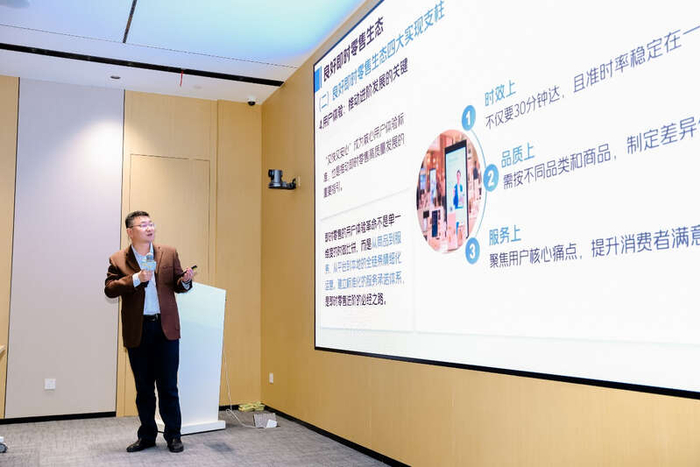
商务部研究院电子商务研究所所长杜国臣指出,前置仓的规模化与数字化发展显著提升了履约效率,已 成为支撑即时零售生态的关键环节,贡献了全渠道一半以上的交易额。展望未来,"全域下沉"与"多场 景拓展"成为即时零售增长的主引擎,国内县域市场存在巨大增长空间。同时,人工智能与大数据将全 面赋能,贯穿于选品、补货、配送、营销、售后各个环节。 来源:中国青年报客户端 报告指出,2026年我国即时零售规模将突破1万亿元,预计到2030年,将达到2万亿元,"十五五"期间年 均增速达到12.6%。据测算,2024年我国即时零售规模达7810亿元,同比增长20.15%,比同期全国网络 零售增速高出12.95个百分点,比同期社会消费品零售总额增速高出16.65个百分点,即时零售已成为我 国零售业增长的新动能。 报告指出,目前即时零售用户对健康消费高度关注,约80%的消费者愿意为健康属性产品支付溢价。从 平台数据看,有70.7%的即时零售消费者觉得0添加产品更可靠。健康产品及其定制服务将成为即时零 售的重要增长点。 即时零售平台加快拓展县域市场,成为即时零售增长的重点领域。报告以美团闪购举例,目前,美团闪 购已覆盖了全国2800个县市 ...


600734!4连板“大牛股”,最新发声!
Zheng Quan Shi Bao Wang· 2025-11-25 14:17
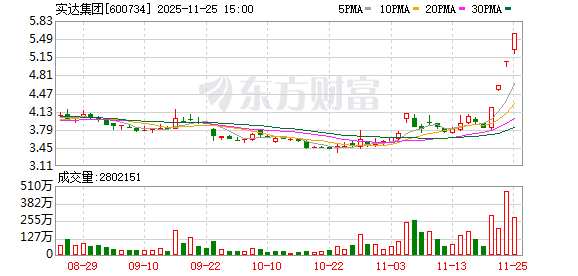
Core Viewpoint - Shida Group is making significant progress in its asset injection plan by announcing the acquisition of 95% of Shuchan Ming Shang for CNY 185 million, which is seen as a key move by its indirect controlling shareholder, Fujian Big Data Group [1][2] Group 1: Acquisition and Investment - On November 20, Shida Group held an extraordinary shareholders' meeting and approved the acquisition of 95% of Shuchan Ming Shang for CNY 185 million [2] - The total investment for the intelligent computing center project being developed by Shuchan Ming Shang is CNY 550 million, with a computing power scale of 2000P, expected to be completed and operational by September 2024 [2] - Following the acquisition, the company will participate in the operation and management of the project, providing intelligent computing solutions [2] Group 2: Business Performance and Strategy - Since 2022, Shida Group has transformed into the big data industry, focusing on areas such as digital government, smart education, AI computing infrastructure, and cross-border data services [4] - In the first three quarters of this year, the company reported a total revenue of CNY 134 million, representing a year-on-year increase of 111.97%, primarily driven by big data business revenue [4] - The company is actively pursuing strategic partnerships with regional partners to expand service coverage in computing power, AI, and big data [4] Group 3: Stock Performance - On November 25, Shida Group's stock opened with a rapid increase, hitting the daily limit and closing at CNY 5.59 per share, marking four consecutive trading days of limit-up [3] - The company attributes stock price fluctuations to multiple factors, including macroeconomic conditions, industry trends, and company performance [4]

1.1知识IP孵化行业定义与范畴
硕远咨询· 2025-11-25 13:57
Investment Rating - The report does not explicitly state an investment rating for the knowledge IP incubation industry Core Insights - The knowledge IP incubation industry in China has surpassed 100 billion RMB in market size as of 2024, with a compound annual growth rate exceeding 20% [16][18] - The industry is experiencing explosive growth driven by advancements in technology such as 5G, artificial intelligence, and big data, which enhance content production efficiency and marketing precision [10][25] - The industry encompasses a wide range of sectors including education, cultural media, technology innovation, healthcare, financial consulting, and lifestyle [7][8] Summary by Sections Industry Overview - Knowledge IP refers to a broad spectrum of intellectual property beyond traditional patents and copyrights, including digital content creation and user-generated content [4] - The incubation process involves five core stages: knowledge discovery, content creation, brand building, operation promotion, and commercial monetization [5][6] Market Size and Growth Analysis - The knowledge IP incubation market in China is projected to exceed 300 billion RMB in the next five years, with education and cultural media being the largest segments [30] - The education training market accounts for approximately 40% of the total market, driven by lifelong learning and professional skill enhancement [18] Competitive Landscape and Major Companies - Leading companies in the knowledge IP sector include platforms like 得到 (Dedao), 知乎 Live (Zhihu Live), and 喜马拉雅 (Ximalaya), which dominate the market through high-quality content and advanced technology [31][32] - Emerging companies are exploring differentiated and niche markets, focusing on innovative incubation models that combine content with social and e-commerce elements [34][35] Technological Trends and Innovations - Artificial intelligence is increasingly utilized in content production, editing, and user profiling, significantly enhancing industry innovation [41] - The integration of online and offline incubation platforms is becoming a key trend, allowing for a more immersive user experience and broader market reach [46] User Demand and Consumer Behavior Analysis - The user base for knowledge IP is diverse, primarily aged between 20 and 45, with a strong focus on professional development and personal interests [50] - Users are increasingly seeking authoritative and practical content, with a growing preference for interactive and personalized learning experiences [52][53]
2025年中国在线阅读行业市场研究报告
硕远咨询· 2025-11-25 13:57
Investment Rating - The report does not explicitly state an investment rating for the online reading industry Core Insights - The online reading industry in China has experienced rapid growth, driven by the proliferation of mobile internet and smart devices, with user numbers approaching 500 million by 2024, reflecting a growth of over 50% in five years [17] - The market is diversifying, with significant contributions from literature, education, and comics, while the paid user base is steadily increasing, indicating a growing willingness to pay for quality content [12][13] - The industry is characterized by a competitive landscape dominated by major platforms like Yuewen Group and iReader Technology, which leverage extensive content resources and technological advantages to maintain market share [30][31] Summary by Sections 1. Industry Overview - Online reading refers to the browsing and reading of digital content through internet technology and various digital devices, offering advantages over traditional reading such as portability, instant updates, and interactive features [4][5] - The industry encompasses a wide range of content types, including literature, educational materials, and multimedia formats, enhancing user engagement and experience [6][7] 2. Market Size and Structure Analysis - The online reading market in China has maintained double-digit growth from 2012 to 2020, with the user base expanding from hundreds of millions to nearly 500 million, and paid users exceeding 150 million by 2020 [12][13] - Key growth drivers include digital transformation, increased smartphone penetration, and a rich content ecosystem that meets diverse user needs [14][16] 3. Competitive Landscape Analysis - Major players in the online reading market include Yuewen Group, iReader Technology, Tencent Literature, and Alibaba Literature, which dominate the market through strong content libraries and user engagement strategies [30][31] - Smaller and emerging platforms are also active, focusing on niche markets and innovative business models to attract specific user groups [35] 4. User Behavior and Demand Analysis - The user base is predominantly young, with over 60% aged between 16 and 35, and the proportion of paid users is steadily increasing, surpassing 30% by 2024 [18][48] - Users exhibit diverse content preferences, with a strong inclination towards high-quality, original works, and a growing demand for interactive and community-driven features [43][46] 5. Technological Development and Innovation Trends - The application of artificial intelligence in content creation and recommendation is on the rise, enhancing user satisfaction and content quality [56] - Cloud computing technologies are improving content distribution efficiency, while mobile reading technologies are evolving to provide better user experiences [57][58] 6. Future Development Trends and Recommendations - The online reading industry is expected to continue expanding, with increasing content diversity and personalization becoming key trends [64] - Platforms must innovate their business models and enhance user interfaces to maintain competitiveness in a rapidly evolving market [66]
《即时零售行业发展报告(2025)》:预计“十五五”期间行业年均增速达到12.6%
Zhong Guo Jin Rong Xin Xi Wang· 2025-11-25 09:49
Core Insights - The report from the Ministry of Commerce Research Institute indicates that China's instant retail market is poised to exceed 1 trillion yuan by 2026 and reach 2 trillion yuan by 2030, with an average annual growth rate of 12.6% during the 14th Five-Year Plan period [1] - Instant retail is becoming a new growth driver in China's retail sector, with a projected market size of 781 billion yuan in 2024, reflecting a year-on-year growth of 20.15%, significantly outpacing the national online retail growth by 12.95 percentage points and the total retail sales growth by 16.65 percentage points [1][2] - The industry is at a critical juncture towards achieving a trillion-yuan scale, emphasizing the need for a healthy ecosystem as a key measure of high-quality development, with major platforms like Meituan Shanguo leading the way in establishing high-standard service systems [1] Market Trends - Approximately 80% of consumers are willing to pay a premium for health-oriented products, indicating a strong consumer focus on health in instant retail [2] - Instant retail platforms are rapidly expanding into county markets, with Meituan Shanguo covering 2,800 counties and cities, and having over 10,000 flash warehouses in lower-tier markets by September 2025 [2] - The growth rate of users, order volume, and transaction value in lower-tier markets exceeds that of high-tier cities, with young users from small towns making up nearly a quarter of the user base and showing a growth rate close to 30% [2] Operational Efficiency - The scale and digital development of front warehouses have significantly enhanced fulfillment efficiency, contributing to over half of the transaction volume in the instant retail ecosystem [2] - Future growth engines for instant retail are expected to be "full-domain penetration" and "multi-scenario expansion," with substantial growth potential in the domestic county market [2] - The integration of artificial intelligence and big data is anticipated to empower various aspects of the business, including product selection, replenishment, delivery, marketing, and after-sales service [2]
曾参与击毙本·拉登的神秘硅谷企业,市值突破 4000 亿美金
3 6 Ke· 2025-11-25 09:43
Core Insights - Palantir has evolved from a secretive startup serving the CIA to a technology giant with a market capitalization soaring from $17 billion at its IPO to $400 billion, demonstrating its significant growth and influence across various sectors including defense, finance, and healthcare [1][32]. Group 1: Company Background and Evolution - Palantir was founded in 2003 by Peter Thiel and Alex Karp, inspired by the need to address the fragmented intelligence systems exposed by the 9/11 attacks [4][5]. - The company's name, derived from "palantíri" in "The Lord of the Rings," reflects its founders' belief in technology as a double-edged sword that can reveal truths while also being misused [4][6]. - Initial dissatisfaction from U.S. intelligence agencies regarding Palantir's products led to a shift in approach, allowing engineers to work directly with analysts to better understand real-world needs [5][6]. Group 2: Technological Innovations and Applications - Palantir's Gotham platform played a crucial role in the successful operation to capture Osama bin Laden, integrating vast amounts of data to create actionable intelligence [8][9]. - The company transitioned its battlefield-tested technologies into commercial applications with the launch of the Foundry data analysis platform, which has received positive feedback from various industries [16][17]. - Palantir's unique "ontology" framework allows for the systematic organization of knowledge, enabling businesses to convert disparate data into actionable insights [17][18]. Group 3: Business Model and Deployment Strategy - The Forward Deployed Engineer (FDE) model involves deploying engineers on-site with clients to ensure deep integration of technology with business needs, enhancing responsiveness and effectiveness [18][21]. - This model emphasizes a dual-team structure, where one team identifies key issues and the other develops practical solutions, fostering a collaborative environment [23][25]. - Palantir's FDE approach has proven effective in adapting AI technologies to meet specific client requirements, showcasing its ability to bridge the gap between advanced technology and real-world applications [27][28]. Group 4: Market Performance and Future Outlook - Palantir's market capitalization has increased dramatically, from approximately $17 billion at its IPO to over $400 billion by September 2025, reflecting its strong performance in the tech sector [32]. - The company has positioned itself as a leader in AI integration, with its AIP (Artificial Intelligence Platform) providing tailored solutions that enhance operational efficiency for major corporations [31][32]. - Despite its success, Palantir faces ethical scrutiny regarding its partnerships with government agencies and the potential misuse of its technology, raising questions about the implications of its data-driven solutions [34][35].


豫能控股:公司尚未涉及大数据相关产业
Mei Ri Jing Ji Xin Wen· 2025-11-25 09:37
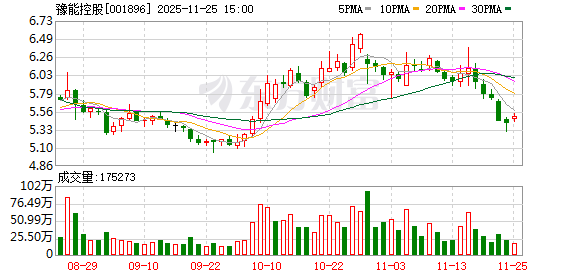
豫能控股(001896.SZ)11月25日在投资者互动平台表示,截止目前公司尚未涉及大数据相关产业。 (文章来源:每日经济新闻) 每经AI快讯,有投资者在投资者互动平台提问:请结合公司及控股子公司,在大数据应用控制方面有 什么合理布局? ...

豫能控股(001896.SZ):尚未涉及大数据相关产业
Ge Long Hui· 2025-11-25 09:26
格隆汇11月25日丨豫能控股(001896.SZ)在互动平台表示,截止目前公司尚未涉及大数据相关产业。 ...
第十六届IEEE云计算技术与科学国际会议落幕
Zhong Guo Xin Wen Wang· 2025-11-25 09:24
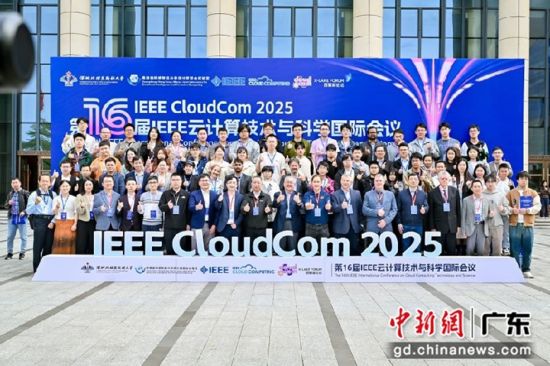
Core Insights - The 16th IEEE Cloud Computing Technology and Science International Conference (CloudCom2025) was recently held in Shenzhen, hosted by Shenzhen North University of Moscow, attracting over 200 top scholars, academicians, and industry experts to discuss advancements in cloud computing, edge computing, big data, and security privacy [1][2] Group 1: Key Presentations - Professor Abdallah Shami from Western University, Canada, delivered a keynote on "Automated Network Intelligence: Driving 5G and Future Development," emphasizing the critical role of artificial intelligence in the evolution of 5G and future networks [1] - Professor Xu Ke from Tsinghua University presented on "Secure Internet Architecture and Key Technologies," sharing forward-looking ideas for building safer and more reliable network architectures [1] - Academician Gong Jianya from Wuhan University discussed "Challenges and Thoughts on Intelligent Interpretation of Remote Sensing," highlighting the application and development trends of remote sensing technology in intelligent interpretation [1] - Academician Weihua Zhuang from the University of Waterloo focused on "6G Intelligent Network Management," exploring new opportunities and challenges in network management in the 6G era [1] Group 2: Additional Expert Contributions - The conference featured presentations from experts such as Professor Li Nan from the National University of Defense Technology, Professor Duan Lingjie from Hong Kong University of Science and Technology (Guangzhou), Professor Chen Jiachao from Sun Yat-sen University, and Professor Xu Ruifeng from Harbin Institute of Technology (Shenzhen), covering topics like 6G semantic communication, human-machine feedback learning, and AI applications in Web3 finance [2] - Over the three-day conference, multiple parallel sessions were held, addressing popular fields such as cloud scheduling optimization, federated edge learning, 5G and AI security, intelligent IoT, and large language models, discussing specific technical issues like emotion recognition, drone resource allocation, digital twins, and task offloading [2]
全运会等节会经济助力 新兴动能加速成长 前十月广州经济运行稳中向好
Guang Zhou Ri Bao· 2025-11-25 09:12
Core Insights - Guangzhou's economy shows a steady recovery with significant growth in key sectors, driven by favorable policies and events [1][2] Industrial Performance - The automotive manufacturing sector, a pillar of Guangzhou's economy, faces challenges but is actively transforming, with new energy vehicle production increasing by 23.7% year-on-year [2][4] - The service industry remains a vital growth engine, with revenue from profit-oriented services rising by 10.6% year-on-year [2][3] - The internet, software, and IT services sectors reported a revenue increase of 9.8%, with digital content services growing by 22.1% [3] Emerging Industries - New energy vehicles and high-tech manufacturing are experiencing rapid growth, with display device manufacturing and integrated circuit manufacturing increasing by 20.9% and 38.7%, respectively [4][5] - The civil drone production surged by 38.7%, indicating a robust expansion in the high-end equipment sector [4] Investment Trends - Industrial investment in Guangzhou has shown a stable growth of 7.3%, with significant increases in automotive parts manufacturing investment by 32.7% [7] - High-tech industries are gaining momentum, with investments in medical equipment manufacturing and aerospace equipment manufacturing growing by 25.0% and 66.4%, respectively [7]