
可持续发展

Search documents
营收环比增58%彰显韧性 水井坊三大“稳定点”夯实长期发展基础!
Sou Hu Cai Jing· 2025-11-10 09:40
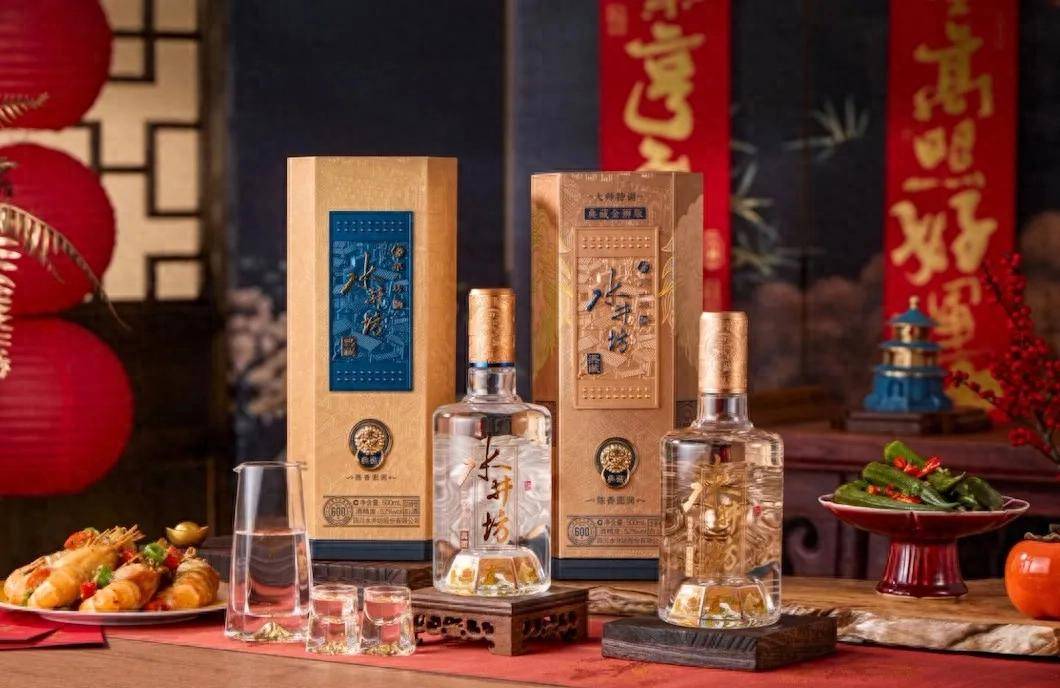
Core Viewpoint - Sichuan Water Well Group Co., Ltd. reported a significant recovery in its third-quarter performance amidst a challenging industry environment, showcasing resilience and strategic focus [1][3][4]. Group 1: Industry Context - The Chinese liquor industry is undergoing a deep adjustment, with 18 out of 20 major companies experiencing declines in both revenue and net profit in the first three quarters of 2025 [5]. - The number of large-scale liquor enterprises decreased by approximately 100 in the first half of 2025, with sales revenue showing only a slight increase of 0.19% year-on-year, while profits fell by 10.93% [5]. - The total liquor production from January to September 2025 was 2.655 million kiloliters, reflecting a decline of 9.9% [5]. Group 2: Company Performance - For the first nine months of 2025, the company achieved a revenue of 2.348 billion yuan and a net profit of 326 million yuan [1]. - In the third quarter alone, the company reported a revenue of 850 million yuan, marking a substantial quarter-on-quarter increase of approximately 58%, and a net profit of 221 million yuan, reversing previous losses with a net profit margin of about 26% [3]. - The company's high-end liquor segment generated a revenue of 2.078 billion yuan, while the mid-range liquor segment contributed 131 million yuan [6]. - The gross profit margin remained high at 80.18%, with a third-quarter margin of 81.81%, an increase of 7.39 percentage points from the second quarter [6]. Group 3: Strategic Initiatives - The management has demonstrated strategic determination by focusing on three core stability points: stable value chain, stable distributors, and stable innovation [8]. - The company implemented a full-channel suspension of its core product to maintain reasonable social inventory levels and protect profit margins across the value chain [9]. - Water Well Group has increased channel investments and credit sales support, with no bad debts reported, and has introduced innovative partnership models to enhance channel efficiency [10][11]. - The company has actively engaged in market dynamics, launching new products and enhancing consumer connections through various marketing initiatives [12]. Group 4: Long-term Vision - Water Well Group is committed to high-quality development, investing over 6.8 billion yuan in a full-industry chain production base, expected to generate an annual output value exceeding 5 billion yuan upon full operation [14]. - The company has set a carbon reduction target for 2030 as part of its ESG strategy and is actively involved in social responsibility initiatives [14]. - Analysts predict that Water Well Group will rebound in 2026, with significant revenue and profit growth anticipated for 2026-2027, reflecting market confidence in the company's strategic positioning [15].


“锡”引全球资本,2025可持续全球领导者大会江苏专场举办
Guo Ji Jin Rong Bao· 2025-11-10 09:34
据主办方介绍,2025可持续全球领导者大会江苏专场不仅是江苏经济与全球可持续发展理念的对话 平台,也是无锡产业与全球资源链接的战略节点。 以此次大会为契机,无锡将充分发挥私募股权投资在服务科技创新、培育发展新质生产力中的重要 作用,依托坚实的产业基础和优质的营商环境,充分拓展与会方在产业、创新、可持续发展等方面合作 空间,以发展"含绿量"做大产业"含金量",推动科技创新和产业创新融合发展。 大会现场,国联集团生态联盟正式启动,无锡产业招商地图发布。联盟汇聚包括华为、阿斯利康、 中金资本等在内的全球顶尖企业与机构,旨在共同打造"资本驱动、产业协同、服务赋能"的协同生态体 系,为未来创新发展注入最强动能。 开幕式上同步进行了项目签约和基金签约。2025年国联集团完成投资项目394个,投资总规模620亿 元,重点覆盖生物医药、集成电路、先进制造、双碳节能、人工智能等领域,合作新设基金89支,基金 总规模342亿元,招引28个项目落地无锡,投资总规模达178亿元。 日前,2025可持续全球领导者大会江苏专场、第二届国联投资人大会在江苏无锡举办。大会以"锡 引全球资本,赋能现代产业"为主题,集中展示江苏及无锡在可持续发 ...
香港首个一体化氢能发电机应用 香港中华煤气以「香港制造」氢气 支持全运会高球赛事
Ge Long Hui· 2025-11-10 08:44
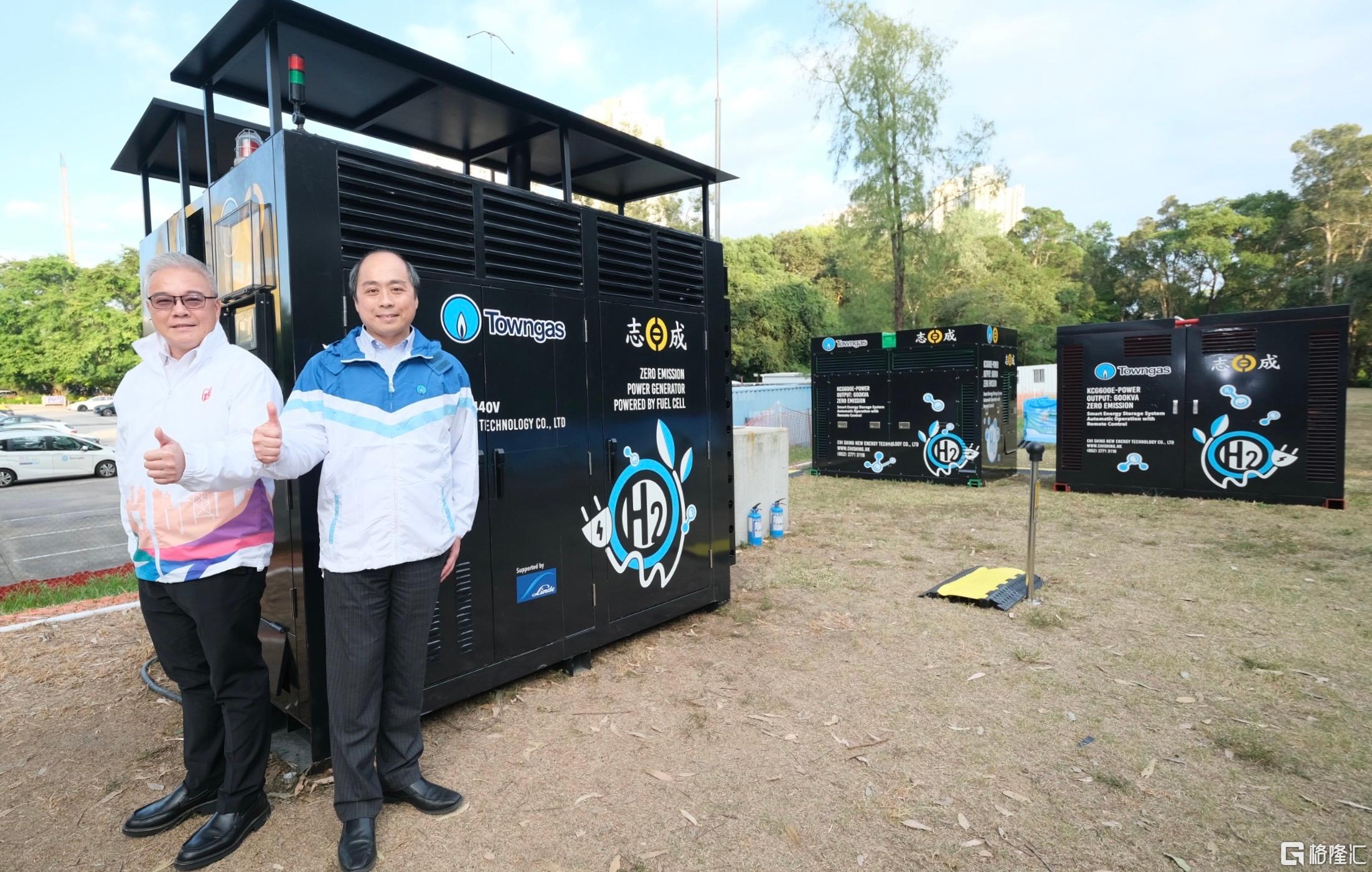
Core Viewpoint - Hong Kong and China Gas Company Limited (the Company) supports the 15th National Games and the 12th National Paralympic Games by providing a hydrogen energy solution for the golf event, showcasing its commitment to green and low-carbon initiatives [1]. Group 1: Hydrogen Energy Development - The Company has developed an integrated hydrogen energy generator in collaboration with Zhi Cheng New Energy Technology Co., Ltd., which is now operational at the Fanling Golf Course for the National Games [1]. - The hydrogen generator, approximately the size of a shipping container, utilizes hydrogen produced by the Company to generate electricity, supplying temporary power to various event facilities [1]. - The Director of the Electrical and Mechanical Services Department, Pan Guo Ying, visited the site to understand the operation and safety features of Hong Kong's first integrated hydrogen energy generator [1]. Group 2: Environmental Impact - The use of locally produced low-carbon hydrogen is expected to significantly reduce carbon emissions during the event, demonstrating the innovative capabilities in hydrogen application and sustainable development in Hong Kong [1]. - The hydrogen generator operates by producing only water vapor, with no carbon dioxide emissions, positioning it as a potential replacement for traditional diesel generators and promoting lower-carbon energy applications [7]. Group 3: Community Engagement - The Company has arranged for several academic groups to visit the hydrogen energy generation system, facilitating exchanges between industry and academia [1]. - The Company aims to continue expanding the application of hydrogen technology and collaborate with various sectors to promote green energy development in Hong Kong and the Greater Bay Area [2].

全价值链革新破局,奔驰引领豪华车可持续转型新范式
Di Yi Cai Jing· 2025-11-10 08:40
Core Insights - Mercedes-Benz emphasizes sustainable development as a core strategy, aiming for carbon neutrality across its entire value chain by 2039, with a focus on the Chinese market as a key implementation area [1][4][18] Group 1: Sustainable Development Initiatives - The company has launched a public welfare cooperation project with the Sanjiangyuan National Park to promote ecological protection and sustainable development, becoming the first multinational enterprise to cover all five major national parks in China [1] - The "2039 Vision" outlines the goal of achieving net carbon neutrality for new passenger vehicles throughout their entire lifecycle by 2039, with ongoing steps towards electrification based on customer demand and market conditions [4][18] - Mercedes-Benz has released the "Sustainable Development Blue Book 2024-2025," showcasing its latest practices in sustainability [1] Group 2: Product and Production Innovations - The new all-electric Mercedes-Benz CLA, launched in November, is part of the largest product release plan in the company's history, designed with energy efficiency as a core principle [4][6] - The production of the new CLA incorporates over double the amount of recycled thermoplastics compared to previous models, with 25% of the bumper made from recycled materials [7] - The Beijing Benz factory has installed solar photovoltaic systems with a total capacity of 88.8 MW, meeting over 80% of its electricity needs with green energy [7][9] Group 3: Supply Chain and Collaboration - Mercedes-Benz has established a strict sustainability assessment system for suppliers, requiring all core suppliers to disclose carbon footprint data by 2025 [7] - The company has initiated a "Supplier Carbon Management Empowerment Program" to assist small and medium-sized enterprises in reducing carbon emissions through free carbon accounting tools and training [7][16] - Collaborations with local battery suppliers aim to increase the use of green electricity in battery production, with some factories achieving an 80% green electricity usage rate [15] Group 4: Local Market Adaptation - The company is deeply integrating its sustainable development strategy with the unique characteristics of the Chinese market, which is the largest market for new energy vehicles [12][18] - Localized R&D efforts include partnerships with leading Chinese tech firms to enhance smart driving experiences and adapt products to meet local consumer demands [12][13] - Mercedes-Benz is committed to expanding its electric product lineup and enhancing local technological innovation, focusing on solid-state batteries and hydrogen fuel cells [18] Group 5: Long-term Vision and Industry Impact - The company views sustainable development as a long-term brand value rather than a short-term compliance cost, aiming to create new competitive advantages through technological and model innovations [19] - By adhering to its "2039 Vision," Mercedes-Benz not only targets its own carbon neutrality but also aims to influence its industry partners towards green transformation [19]
从可持续发展到创新引领,德企期待与中国市场高质量发展同频|欧洲企业在上海
Di Yi Cai Jing· 2025-11-10 08:34
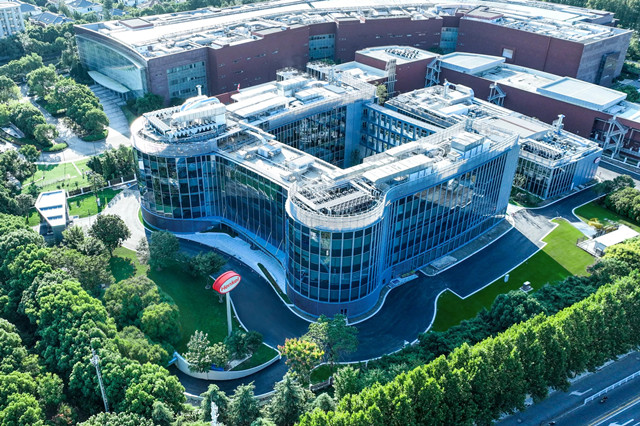
Group 1: Investment Trends - German companies are increasingly investing in Shanghai, with over 40% of nearly 6000 German enterprises operating in China based in the city, many of which have been established for over 15 years [5][6] - Henkel's adhesive technology innovation experience center in Shanghai has been inaugurated with an investment of approximately 500 million RMB, making it the second-largest innovation center globally outside of Germany [5] - The Chinese market is viewed as having long-term attractiveness and development potential, with 92% of German companies planning to continue operations in China [6] Group 2: Innovation and Sustainability - Henkel has showcased its innovative products and sustainable solutions at the China International Import Expo, emphasizing its commitment to the Chinese market and its alignment with local economic growth [4] - The company has developed advanced materials solutions for semiconductor packaging and electric vehicle battery packs, which enhance performance and reduce development cycles [4] - Henkel has also launched the first carbon footprint calculation standard for adhesive products in collaboration with local institutions, responding to the demand for green supply chains and low-carbon consumption [4] Group 3: Industry Insights - The technology and equipment exhibition area at the China International Import Expo has expanded to 65,000 square meters, featuring over 300 exhibitors, including more than 30 Fortune 500 companies [1] - The exhibition focuses on three core areas: technology, industry, and environmental protection, with five cutting-edge sections dedicated to digital industrial automation, low-carbon energy and environmental technology, integrated circuits, artificial intelligence, and new materials [1]
不仅仅是AI驱动!“电网心脏”变压器成抢手货 进博会上的能源巨头怎么看
Di Yi Cai Jing· 2025-11-10 08:26
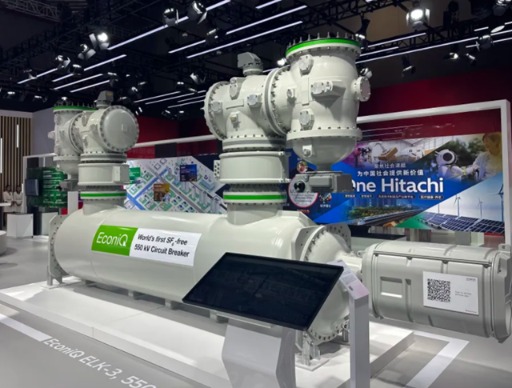
Core Insights - The demand for transformers, considered the "heart of the grid," is surging globally, with the U.S. Department of Energy predicting a need to replace nearly 500,000 transformers over the next five years [1][3] - China accounts for 60% of global transformer production capacity, with exports reaching 29.711 billion yuan in the first eight months of 2025, a year-on-year increase of 51.42% [1][3] - The energy transition and increasing electricity demand, particularly from AI data centers, are driving the surge in demand for electrical equipment, including transformers [3][4] Industry Trends - The global energy transition is prompting countries to shift from traditional power generation to cleaner sources, necessitating a large amount of related equipment [3] - The construction of AI data centers is significantly increasing electricity consumption, with their energy needs growing exponentially compared to traditional data centers [3] - In Europe, the energy transition is robust, while the Middle East, particularly Saudi Arabia, is experiencing explosive growth in electricity demand [4] Company Developments - Hitachi Energy is expanding its transformer production capacity in Thailand with an investment of 455 million Thai Baht (approximately 14 million USD) to meet the growing electricity demand in the Asia-Pacific region [4] - Hitachi Energy has collaborated with over 400 Chinese partners on more than 1,000 projects globally, including modernization of power grids and renewable energy projects in various countries [6] - GE Vernova showcased carbon capture solutions at the China International Import Expo, highlighting its potential to reduce carbon emissions by up to 95% in combined cycle power plants [5]
飞利浦E9环保吊灯全新上市,开启低碳家居照明新体验
Jing Ji Guan Cha Wang· 2025-11-10 08:24
Core Viewpoint - Signify, the global leader in lighting technology, has launched the Philips E9 Eco Pendant Light, emphasizing sustainable development and circular economy principles [1][2]. Group 1: Sustainable Design - The Philips E9 Eco Pendant Light is designed with sustainability at its core, using natural materials such as RoHS-compliant and FSC-certified paper tubes and recycled aluminum, along with biodegradable bamboo and sugarcane pulp for the end caps [2]. - The production process of the E9 pendant light reduces carbon emissions by approximately 18.4 kilograms compared to traditional metal pendant lights, equivalent to the annual carbon absorption of one tree [2]. - The product has received authoritative carbon footprint certification from the Ministry of Housing and Urban-Rural Development [2]. Group 2: Aesthetic and Functional Design - The design of the Philips E9 Eco Pendant Light features a minimalist aesthetic that integrates seamlessly into various home styles, enhancing the overall ambiance [3]. - The light fixture measures 120 centimeters and meets national AA-level illumination standards, providing uniform lighting for large surfaces [4]. - It incorporates high color rendering capabilities (Ra95) and a unique dual-directional light design to enhance visual comfort and reduce glare [4]. Group 3: Smart Features - The Philips E9 Eco Pendant Light is integrated into a smart home ecosystem, allowing remote control via the Mi Home app and voice interaction with Xiao Ai, enhancing convenience for modern households [5]. - Users can easily adjust brightness and color temperature based on different scenarios such as dining, reading, and relaxation, creating a personalized lighting environment [5]. - The light features a "Daylight Companion" dynamic dimming function that simulates natural light rhythms, aligning indoor lighting with the human circadian rhythm for a healthier lifestyle [5]. Group 4: Market Introduction - The Philips E9 Eco Pendant Light made its global debut at the 8th China International Import Expo at Signify's exhibition booth [6].
北交所消费服务产业跟踪第三十八期(20251109):下游需求拉动食品容器行业增长,北交所拟上市公司新天力有望持续扩大影响力
Hua Yuan Zheng Quan· 2025-11-10 08:09
Investment Rating - The report indicates a positive outlook for the food container industry, driven by downstream demand growth, particularly in the takeaway and street beverage sectors [1][2]. Core Insights - The food container industry is experiencing steady expansion, with diverse downstream demands enriching the product matrix. The global food container market is projected to grow from USD 163.7 billion in 2024 to USD 227.3 billion by 2032, with a CAGR of 4.19% [2][5]. - The plastic food container segment is growing rapidly, accounting for approximately one-third of the total market. The global plastic food container market is expected to increase from CNY 253.05 billion in 2023 to CNY 355.49 billion by 2030, with a CAGR of 4.98% [2][5]. - The domestic food industry in China is robust, with a market size of approximately CNY 10.04 trillion in 2023. The takeaway sector has seen significant growth, with the market size increasing from CNY 596.8 billion in 2019 to CNY 1.19 trillion in 2022, and a penetration rate rising from 12.8% to 27.1% [2][5][8]. - The street beverage market in China is also on the rise, with total retail sales growing from CNY 106.1 billion in 2017 to CNY 188.6 billion in 2022, reflecting a CAGR of 12.19% [2][5][8]. Summary by Sections 1. Growth Drivers in the Food Container Industry - The food container industry is benefiting from the growth of the takeaway and street beverage sectors, with increasing consumer demand for convenience and diverse food options [5][8]. - The market is supported by the rise of e-commerce and delivery services, creating new growth opportunities for food containers [5][8]. 2. Company Profile: Xintianli - Xintianli is a leading enterprise in the domestic thermoformed food container industry, providing comprehensive solutions for well-known food companies and restaurant brands [2][17]. - The company reported a revenue of CNY 536 million in H1 2025, a year-on-year increase of 1.14%, and a net profit of CNY 42.57 million, up 17.71% year-on-year [2][21]. 3. Market Performance Overview - The median stock price change for the North Exchange consumer service sector was -3.16% during the week of November 3 to November 7, 2025, with most companies experiencing declines [2][23]. - The median price-to-earnings (P/E) ratio for the consumer service sector decreased from 53.6X to 49.7X, indicating a general decline in market valuation [2][26]. 4. Industry Valuation Metrics - The median TTM P/E ratio for the broader consumer sector is reported at 54.0X, down from 56.3X, reflecting a slight contraction in valuation [2][34]. - The food and beverage sector's median TTM P/E ratio decreased from 58.0X to 56.5X, indicating a similar trend in valuation adjustments [2][35].
上海真正意义上的城市生命体,已在前滩滨江完整呈现
Xin Lang Cai Jing· 2025-11-10 07:59
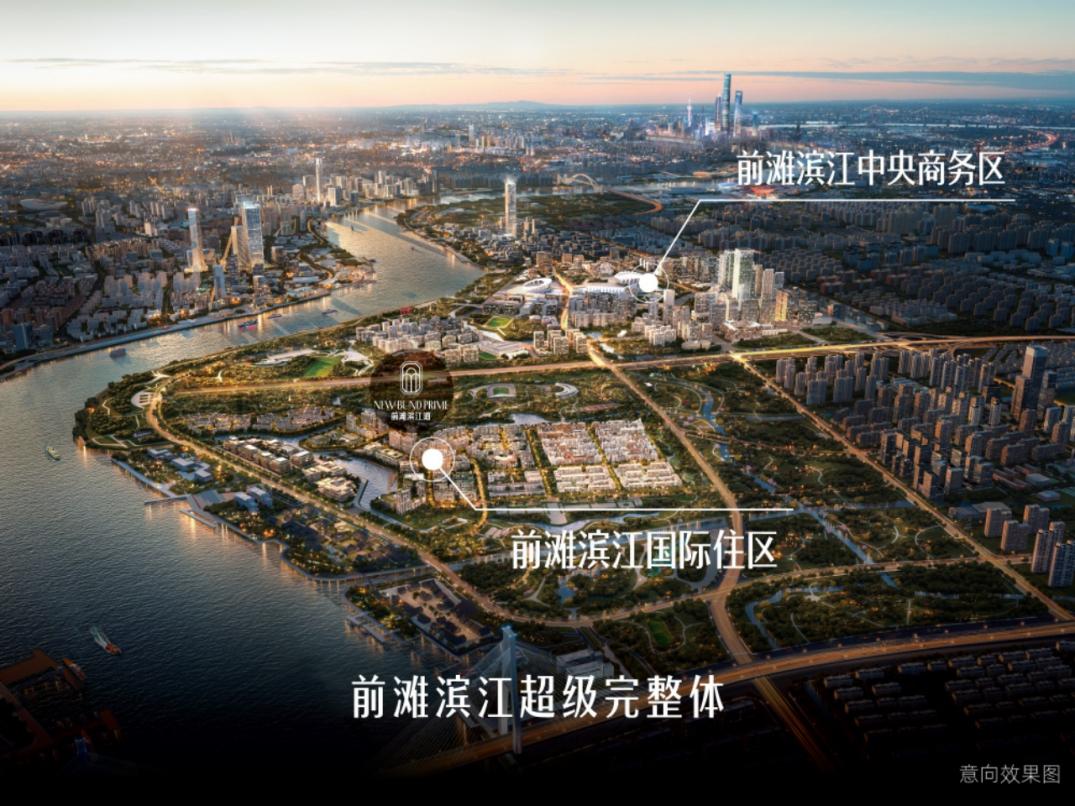
Core Insights - The opening of the Waldorf Astoria Hotel marks a significant milestone in the development of the Qiantan area, showcasing the completion of a comprehensive urban project led by Lujiazui Group [1][14] - The "NEWWAVE" community co-creation salon emphasizes the importance of cultural nourishment in enhancing individual lifestyles, reflecting a shift towards a more integrated community approach [3][5] - Lujiazui Group's long-term commitment to creating a vibrant urban ecosystem is evident in its strategic planning and operational execution, aiming to foster a self-sustaining community [8][10] Group 1: Urban Development and Planning - Lujiazui Group has been actively involved in the Qiantan area for over a decade, focusing on cohesive urban development that ensures quality and sustainability [1][10] - The area is transforming into a dynamic urban entity, integrating various functions such as business, culture, and residential living [3][12] - The introduction of high-end amenities and international brands reflects the strategic vision of Lujiazui Group to create a high-energy industrial ecosystem [10][17] Group 2: Community Engagement and Lifestyle - The salon event highlighted the need for a community-driven approach to urban living, where cultural activities play a crucial role in enhancing the quality of life [3][5] - Lujiazui Group aims to create a "living space" that respects individual freedoms and fosters diverse possibilities for residents [5][8] - The ongoing cultural and commercial activities in Qiantan ensure a vibrant and engaging environment, moving away from monotonous living experiences [12][18] Group 3: Operational Strategy and Sustainability - Lujiazui Group's operational strategy emphasizes a unified approach to urban development, focusing on long-term sustainability and community engagement [8][13] - The company is committed to creating a comprehensive lifecycle management system for its properties, ensuring ongoing value creation for residents [10][18] - The integration of various urban functions and innovative development models aims to maximize land value while promoting a harmonious living environment [12][14]

新华时评:推进碳达峰碳中和,中国是坚定的行动派
Xin Hua She· 2025-11-10 07:41
Core Viewpoint - China has made historic achievements in promoting green and low-carbon transformation over the past five years, establishing an effective path for developing countries to achieve carbon peak and carbon neutrality [1][2] Group 1: Achievements in Carbon Neutrality - China has committed to the highest reduction in carbon emission intensity globally and aims to achieve carbon peak to carbon neutrality in the shortest time in history [1] - The country has built the world's largest and fastest-growing renewable energy system and has the most complete new energy industry chain [1] - China contributes approximately 25% of the world's new greening area and is one of the countries with the fastest decline in energy consumption intensity [1] Group 2: Global Contributions - China provides 70% of the world's wind power equipment and 80% of photovoltaic components, significantly reducing global wind and solar power generation costs by over 60% and 80%, respectively [2] - During the "14th Five-Year Plan" period, China's exports of wind and solar products helped other countries reduce carbon emissions by approximately 4.1 billion tons [2] Group 3: Future Plans and Commitments - China aims to peak carbon emissions before 2030 and has proposed practical measures to achieve this, including dual control of total carbon emissions and intensity, energy-saving renovations, and capping coal and oil consumption [2] - The country will continue its efforts towards carbon peak and carbon neutrality, regardless of international changes, contributing to a cleaner and more beautiful world [2]