稳定币

Search documents
最新区块链单日暴跌10%!《天才法案》触发XBIT数字资产格局重构
Sou Hu Cai Jing· 2025-07-24 10:59
币界网7月24日讯,市场数据异动,区块链资产普遍回调:艾达币(ADA)日内下跌10.25%至0.8002美 元,市值缩水至287.9亿美元;XRP同步下行10.66%,较月内高点回落13.1%;比特币与以太坊分别下跌 1.53%和4.01%,报117,805美元与3,552美元。此番波动正值特朗普签署《天才法案》第五日,该法案赋 予传统金融机构发行稳定币的权限。Tether CEO Paolo Ardoino宣布加速建设美国机构支付通道,并出席 白宫签署仪式。 监管框架深度优化。SEC推进ETF机制改革:要求ARK 21Shares、富达等5家发行方将比特币/以太坊 ETF的结算模式,从现金赎回转向实物交割。彭博分析师James Seyffart指出:此举使加密ETF与黄金 ETF达成监管对齐,预计减少40%的运营摩擦成本。链上数据印证变革:Tron网络月均手续费升至1.29 美元创历史记录,首次超越以太坊;BNB突破804美元创新高,背后是币安比特币储备未实现利润达 60,000 BTC的财务支撑。 币界网报道,传统资本链上迁移:标普成分股持币破局与机构级链上基建崛起。支付巨头Block(原 Square) ...

王健林,再割肉
盐财经· 2025-07-24 10:21
Core Viewpoint - Wang Jianlin is selling assets again, this time in the internet finance sector with the sale of Kuaiqian Financial [2] Group 1: Transaction Details - On July 22, China Ruyi announced that its indirect wholly-owned subsidiary Shanghai Ruyi Xingchen Enterprise Management Co., Ltd. signed a share transfer agreement to acquire 30% of Kuaiqian Financial for 240 million yuan, payable in three installments, valuing Kuaiqian Financial at approximately 800 million yuan [3][4] - After the transaction, China Ruyi will become the largest single shareholder of Kuaiqian Financial, but Kuaiqian will not become a subsidiary of China Ruyi [4] - Kuaiqian Financial is primarily owned by Shanghai Wanda Network Financial Services Co., Ltd., which is part of Dalian Wanda Group [5][7] Group 2: Historical Context - In late 2014, Wanda acquired a controlling stake in Kuaiqian for 315 million USD (approximately 2.257 billion yuan), marking Wanda's first acquisition in the internet finance sector [10] - Kuaiqian had a transaction volume exceeding 2 trillion yuan in 2014, ranking fourth after UnionPay Business, Alipay, and Tenpay [10] - Wanda had previously expressed ambitions to integrate Kuaiqian's extensive partner network to become the largest O2O enterprise in China [11] Group 3: Value and Risks of Kuaiqian - According to industry analysts, Kuaiqian's core value lies in its full licensing qualifications and the scarcity of such licenses in the current regulatory environment, allowing China Ruyi to acquire national payment qualifications at a low cost [15] - However, Kuaiqian has faced over 10 million yuan in penalties in the past three years, indicating weaknesses in its risk control system, which China Ruyi will need to address [15] - The payment industry is heavily reliant on scenarios, and while China Ruyi may provide resource synergies, Kuaiqian's revenue is primarily from offline transactions, which are currently in decline [15]

券商上半年业绩预喜,北交所执业质量评价公布
Shanxi Securities· 2025-07-24 09:58
2025 年 7 月 24 日 行业研究/行业周报 非银行金融行业近一年市场表现 资料来源:最闻 相关报告: 李明阳 执业登记编码:S0760525050002 邮箱:limingyang@sxzq.com 孙田田 执业登记编码:S0760518030001 电话:0351-8686900 邮箱:suntiantian@sxzq.com 刘丽 执业登记编码:S0760511050001 电话:0351--8686985 邮箱:liuli2@sxzq.com 风险提示 【山证非银行金融】科创板改革配套规 则发布,券商上半年业绩预喜-行业周报 (20250707-20250713): 2025.7.16 【山证非银行金融】程序化交易细则实 施 , 行 业 多 项 排 名 出 台 - 行 业 周 报 (20250630-20250706) 2025.7.9 非银行金融 行业周报(20250714-20250720) 领先大市-A(维持) 券商上半年业绩预喜,北交所执业质量评价公布 投资要点 券商估值及业绩支撑性较强。截至 7 月 20 日,26 家上市券商 公布业绩预告,归母净利润增速均超过 40%,其中,24 家 ...
稳定币如何影响美债需求和全球货币格局?
China Post Securities· 2025-07-24 09:36
Group 1: Stablecoin Market Overview - As of July 2025, the total market capitalization of stablecoins reached $260 billion, with over 98% being dollar-pegged stablecoins like USDT and USDC[2][15] - Tether (USDT) and Circle (USDC) dominate the market, accounting for approximately 86% of the total stablecoin market[12][15] - The stablecoin market has shown strong growth, with a 22% increase in the first half of 2025 alone[15] Group 2: Impact on U.S. Treasury Bonds - Stablecoins have created new demand for U.S. Treasury securities, particularly short-term bonds, with Tether being the seventh-largest U.S. Treasury buyer globally, holding over $120 billion[3][21] - The "GENIUS Act" mandates that stablecoin issuers maintain a 1:1 reserve with high-quality liquid assets, primarily short-term U.S. Treasury securities[3][17] - The focus on short-term bonds may exacerbate the steepening of the U.S. Treasury yield curve, as stablecoins have minimal impact on long-term bonds[3][37] Group 3: Strengthening the Dollar's Position - Stablecoins have not undermined the dollar's global dominance; instead, they have enhanced its efficiency and usage, particularly in high-inflation countries[4][51] - The regulatory framework in the U.S. and Hong Kong supports the growth of stablecoins, with the latter allowing multi-currency pegging, potentially challenging the dollar's supremacy[5][62] - Stablecoins facilitate cross-border transactions, significantly reducing costs and increasing the speed of transfers compared to traditional banking methods[58] Group 4: Risks and Considerations - The reliance on stablecoins poses risks, including potential loss of control over the dollar's monetary policy and vulnerabilities highlighted by events like the Silicon Valley Bank incident[4][60] - The long-term credit risk of the U.S. dollar remains a concern, as increasing national debt could undermine confidence in stablecoins[5][60] - Regulatory changes and market volatility present ongoing risks to the stability and growth of the stablecoin market[68]
连连数字(02598):2B数字支付服务商,看好份额提升前景
Guosen International· 2025-07-24 08:02
Investment Rating - The report initiates coverage on LianLian Digital with a "Buy" rating and a target price of HKD 17.3, representing a potential upside of 40% from the latest closing price of HKD 12.42 [6]. Core Insights - LianLian Digital is positioned as a leading 2B digital payment service provider, focusing on cross-border payment solutions for e-commerce merchants. The company has a strong potential for market share growth due to its established brand and merchant base [2][11]. - The company has obtained a Virtual Asset Trading Platform (VATP) license, which may open up future business opportunities in virtual asset trading and stablecoin issuance [3][12]. - The financial outlook is positive, with projected total revenue of HKD 16.3 billion in 2025, reflecting a year-on-year growth of 24% [3][5]. Company Overview - LianLian Digital primarily offers digital payment solutions, including global and domestic payment services. The company has served over 5.9 million merchants and achieved a total payment volume (TPV) of approximately HKD 3.3 trillion in 2024, with a year-on-year growth of 65% [11][45]. - The company has a diversified revenue stream, with digital payment services contributing 88% of total revenue in 2024 [18]. Financial Performance - In 2024, LianLian Digital reported total revenue of HKD 13.1 billion, a 28% increase from the previous year. The global payment segment contributed 70% of the digital payment revenue [2][18]. - The company achieved an adjusted net profit of HKD 79 million in 2024, marking its first profitable year [24][30]. Market Position and Competitive Landscape - LianLian Digital holds a significant market share in the cross-border payment sector, with its global payment TPV accounting for approximately 13.1% of China's cross-border e-commerce export value in 2024 [2][45]. - The competitive landscape in the cross-border payment industry is fragmented, with key players including Payoneer, PingPong, and others [2][11]. Future Opportunities - The company is well-positioned to capitalize on the growing demand for digital payment solutions in the cross-border e-commerce market, which is projected to reach USD 1.2 trillion by 2024 [46]. - The potential issuance of stablecoins could provide additional revenue streams, particularly in cross-border trade scenarios where traditional payment methods face challenges [3][12].
牛回来了!?牛市旗手了解一下…
Xin Lang Ji Jin· 2025-07-24 06:08
Market Overview - The financing balance has surged to 1.9 trillion, indicating a return of real capital to the market and a revival of market confidence [2] - The Shanghai Composite Index has risen above 3600 points for the first time since October 8, 2024, signaling strong market momentum [4] Brokerage Sector Performance - Nearly 4000 stocks rose today, with total trading volume reaching 1.1 trillion, reflecting a generally mild upward trend in indices [4] - Brokerage stocks are leading the market rally, with Jinlong Co. hitting the daily limit, followed by gains in Guosen Securities, Bank of China Securities, and Zhongyuan Securities [4] ETF and Investment Opportunities - The broker ETF (512000) has recently reached a scale of 25.16 billion and has seen six consecutive days of gains, reflecting a strong correlation with the rising financing balance [8] - Minsheng Securities reports that recently listed brokerages are releasing performance forecasts indicating rapid growth, suggesting a continued recovery trend in brokerage performance [8] Earnings Reports - Several brokerages have reported earnings exceeding expectations, with notable profit growth rates: - Hualin Securities: 151.4% profit growth - Caida Securities: 59.5% profit growth - Guosheng Jinkong: 315.5% profit growth [10] - The overall performance of brokerages is expected to remain strong, with recommendations to focus on leading brokerages, flexible small brokerages, and financial technology sectors [10] Valuation and Market Sentiment - The overall valuation of brokerage stocks remains low, with the CSI All Share Securities Company Index currently at a PB of 1.28, indicating potential for significant upside if the market continues to rise [11] - The current market environment is favorable for brokerages, with supportive policies and a strong likelihood of a bull market, making brokerage stocks an attractive investment [11][13]







监管再“泼凉水”,稳定币急需降温
Tai Mei Ti A P P· 2025-07-24 04:51
"更值得我们关注的是泡沫化趋势。近期随著稳定币概念的热炒,市场出现了过度亢奋的情绪。一些上 市公司,只要宣称有意开拓稳定币业务即'点石成金',股价即应声上涨。" "至今已经有数十家机构主动接触金管局团队,有的明确表示有意申请稳定币牌照,有的属于初步探路 性质。" 随着香港《稳定币条例》即将于2025年8月1日生效,香港金融管理局总裁余伟文再次撰文对稳定币市场 的"过度炒作"发出警示,强调需要为这股热潮"降温"。余伟文在不到一个月内第二次发文为稳定币"降 温",足以显示出监管层对当前市场情绪的警惕。 数十家机构蜂拥而至,多数"只停留在概念阶段" 尽管香港金管局此前已明确表示,在初阶段只会批出"数个"稳定币牌照,但余伟文透露,至今已有数十 家机构主动接触金管局团队。余伟文表示,这些机构中,有的明确表示有意申请稳定币牌照,有的则属 于初步探路性质。 余伟文直言,在这些接触的机构中,许多机构的计划"只停留在概念阶段"。他们提出的愿景宏大,例 如"提升跨境支付效率"、"支持Web3.0发展"、"提升外汇市场效率"等,但却普遍缺乏实际的应用场景、 切实可行的具体方案和落实计划,更遑论具备管控风险的意识和能力。 对于那些声 ...
“牛市旗手”,涨停!
Sou Hu Cai Jing· 2025-07-24 03:55
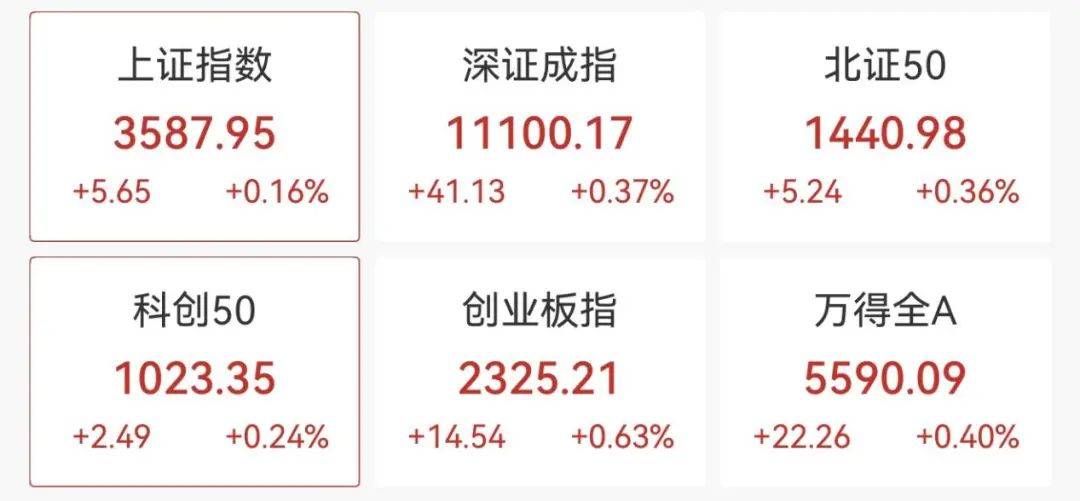
【导读】中金黄金股价大跌,券商股早盘强势拉升 中国基金报记者 李智 一起来看下最新的市场情况及资讯。 7月24日早盘,A股三大指数开盘涨跌不一,截至发稿,沪指涨0.16%,深成指涨0.37%,创业板指涨0.63%。 7月24日,中金黄金股价一度跌超8%,截至发稿,报14.93元/股,总市值为724亿元。 | 中金黄金(600489) < W | | | | | | --- | --- | --- | --- | --- | | 交易中 07-24 10:15:07 融 通 | | | | | | 14.93 | 额 30.93亿 | 股本 48.47亿 市盈 19.9 | | 万得 | | 换 4.31% | -0.96 -6.04% | 市值1 724亿 市净 2.72 | | 聲■ | | 分时 | 五日 日K | 周K | 月K 更多 © | | | 壹加 17.17 | | | 均价:14.80 | 福 资金 | | | | | 8.06% 卖五 14.99 535 | | | | | | 变叫 | 14.98 1672 | | | | | 工 | 14.97 359 | | | | | I Dal ...


中国香港稳定币条例实施在即,稳定币含量最高的金融科技ETF华夏(516100)延续走强
Mei Ri Jing Ji Xin Wen· 2025-07-24 03:52
Group 1 - The financial technology sector continues to show strength, with the Huaxia Financial Technology ETF (516100) rising by 0.65% as of 10:05 AM, and a significant increase in net subscriptions of 680 million over the past 20 days, leading to a more than 2-fold growth in scale [1] - The Hong Kong Monetary Authority's CEO, Eddie Yue, announced that a summary of the "stablecoin issuer licensing regime" will be released next week, emphasizing the need for ongoing discussions about stablecoins in the market and society [1] - Analysts suggest that with regulatory support and market rationality, stablecoins can fulfill their vision of "reshaping the global payment system," acting as a bridge between traditional finance and the digital economy [1] Group 2 - The Huaxia Financial Technology ETF (516100) closely tracks the CSI Financial Technology Theme Index, which includes major players in software development, internet finance, and the digital currency industry, with a stablecoin content of 23.43%, the highest among all market indices [2] - The ETF's top holdings include industry leaders such as Tonghuashun, Dongfang Caifu, and Runhe Software, as well as popular stablecoin-related stocks like Dongxin Pingan and Yingshisheng, providing investors with a convenient way to access stablecoin and digital currency concepts [2]
“牛市旗手”,涨停!
中国基金报· 2025-07-24 03:46
Market Overview - On July 24, A-shares opened mixed with the Shanghai Composite Index up by 0.16%, Shenzhen Component Index up by 0.37%, and ChiNext Index up by 0.63% [1] - The brokerage sector saw significant gains, with Hainan Free Trade Port, rare earth permanent magnets, and restaurant tourism sectors leading the rise, while precious metals, banking, and electricity sectors experienced fluctuations [2][3] Company Specifics - Zhongjin Gold's stock price dropped over 8% on July 24, closing at 14.93 CNY per share, with a total market capitalization of 72.4 billion CNY [5][6] - The decline in Zhongjin Gold's stock was attributed to a tragic incident where six students drowned during a visit to a mining facility, prompting the company to activate emergency protocols and express condolences [4][7][8] Brokerage Sector Performance - The brokerage stocks surged in early trading, with Jinlong Co. hitting the daily limit, followed by gains in Guosen Securities, Bank of China Securities, and Zhongyuan Securities [10][12] - The brokerage index rose by 1.81%, with a trading volume of 256.49 billion CNY [11] - Recent performance announcements from newly listed brokerages indicate a sustained growth trend, with recommendations to focus on leading brokerages, flexible mid-small brokerages, and financial technology sectors [14]