全球能源转型

Search documents
美联储明年1月可能按兵不动,下一次降息或在明年3月份
Mei Ri Jing Ji Xin Wen· 2025-12-11 00:46
|2025年12月11日星期四| NO.1中金:美联储明年1月可能按兵不动,下一次降息或在明年3月份 12月11日,中金公司(601995)研报指出,美联储如预期在12月会议上降息25个基点,但反对降息的官 员增至两人,显示进一步降息的门槛正在抬高。与此同时,鲍威尔的表态并不强硬,加之美联储宣布将 启动短期国库券(T-bills)购买操作,帮助缓和了市场的担忧。此前被充分计入的"鹰派降息"预期出现反 转,加剧了市场波动。展望未来,鉴于经济与就业仍面临下行压力,我们预计美联储或将在2026年继续 降息;但考虑到通胀粘性犹存,降息节奏趋于放缓。明年1月份可能按兵不动,下一次降息或在明年3月 份。 NO.2中金:2026年储能行业需求景气度仍然较高 中金认为2026年储能行业需求景气度仍然较高,主要原因为:1)储能需求增长逻辑不变,一方面是全球 能源转型趋势持续,风光装机占比提升需要依赖电网、储能建设,另一方面是AI数据中心缺电逻辑仍 在,预期明年或将涌现更多AI配储项目;2)国内、美国、欧洲三大主要市场大储招标、计划项目量较 大;中东、印度、澳洲、智利市场大储需求涌现;3)户储和工商储需求仍然强劲,新兴市场缺电逻 ...

中金:2026储能行业“高光”延续,概念股或迎爆发契机!
Jin Rong Jie· 2025-12-11 00:21
Group 1 - The core viewpoint of the report indicates that the demand for the energy storage industry will remain high in 2026, supported by solid and diverse factors, providing a broad development prospect for related concept stocks [1] - The global energy transition trend is deepening, with the share of renewable energy sources like wind and solar power continuously increasing, necessitating the optimization of the grid and the construction of energy storage systems to ensure stable power supply [1] - The development of AI data centers is creating new electricity demand challenges, highlighting the growing issue of electricity shortages, which is expected to lead to more AI-related energy storage projects in the coming year [1] Group 2 - In addition to the large-scale storage market, the demand for household and commercial storage is also strong, particularly in emerging markets where electricity shortages are common, making these storage solutions vital for power supply [2] - Technological advancements and decreasing costs are expected to enhance the adoption of household and commercial storage, providing new growth momentum for the energy storage industry [2] - Key companies in the energy storage sector include CATL, which holds a significant position in the global energy storage battery market; Sungrow, known for its advantages in storage inverters and system integration; Pylontech, focusing on the household storage market; and Kehua Data, excelling in data center storage and commercial storage solutions [2]




一“芯”难求 + 全球抢单,中国锂电产业链开启新一轮“价值跃迁”
Xin Lang Cai Jing· 2025-12-10 22:37
Core Viewpoint - The industry is experiencing a surge in orders centered around "locking volume," leading to tight capacity and rising prices across the supply chain, from upstream materials to end products [1] Group 1: Industry Trends - A wave of orders has swept through the industry, driven by the demand for upstream materials such as cathode materials, electrolytes, and copper foil, as well as end products like battery cells and energy storage systems [1] - Industry leaders are leveraging technological advancements and global expansion to tap into new markets and seize technological leadership [1] - The demand for energy storage and the global energy transition are expected to create significant opportunities for Chinese lithium battery companies, enhancing their global industry influence and reshaping competitive dynamics [1] Group 2: Company Actions - Dejia Energy announced a 15% price increase on its battery products effective December 16 due to rising raw material costs [1] - Funeng Technology is also in discussions with customers regarding price increases, citing rising raw material prices and expanding market demand as reasons for the upward trend in lithium battery prices [1]
宁德时代欧洲工厂爆单,40GWh产能被“瓜分”完毕!
起点锂电· 2025-12-09 10:50
2025(第十届)起点锂电行业年会暨锂电金鼎奖颁奖典礼 &起点研究十周年庆典 2025起点用户侧储能及电池技术论坛 活动主题: 新周期 新技术 新生态 活动时间: 2025年12月18-19日 活动地址: 深圳市维纳斯皇家酒店(深圳国际会展中心京基百纳店)三楼维纳斯厅(深圳市宝安区沙井 镇沙井路118号) 主办单位: 起点锂电、起点固态电池、起点储能、起点研究院SPIR 活动规模: 线下1200+,在线直播观看30000+ 赞助单位: 惠州仲恺高新区/逸飞激光/小鲁锂电/派能科技/莫洛奇/融捷能源/远东电池/诺达智慧/奥鸿 智能/中天和/超业精密/北测新能源/蓝京新能源/贤辰智享/东唐智能/达力智能/亿鑫丰/爱签/和明机械/ 金力股份/孚悦科技/乾纳智能/多氟多/科迈罗/三合一体/果曼钠电等 倒计时9天 宁德时代匈牙利产能被包圆,实质上是中国电池力量的"缩影"。市场认为,随着中国电池企业项目的逐一落地,欧洲电动化放缓的节奏或将 被改写。 起点锂电注意到,作为助推全球能源转型的主要力量之一,宁德时代已在欧洲构建了3大产能基地,产能释放大幅领先其他电池企业。 "未产先订",宁德时代欧洲产能爆单! 近日,宁德时代匈 ...


120GWh!海辰储能拿下超级订单
鑫椤锂电· 2025-12-09 08:17
Core Viewpoint - The strategic partnership between Haichen Energy and CRRC Zhuzhou Electric Locomotive Research Institute aims to supply a minimum of 120GWh of energy storage products during the 14th Five-Year Plan period (2026-2030), enhancing the development of the energy storage industry and accelerating global energy transition [1][2]. Group 1: Strategic Cooperation - The collaboration is driven by the increasing demand for large-capacity energy storage systems, which are essential for building a new power system and improving renewable energy consumption [2]. - The partnership will extend beyond the supply of energy storage products to include smart storage, commercial storage, shared storage, and distributed storage, exploring innovative solutions and business models [2]. Group 2: Product Development - Haichen Energy's ∞Cell 587Ah has achieved early market entry, with mass production starting in August 2025, and has successfully delivered to CRRC Zhuzhou for large-scale projects, validating its reliability and delivery capabilities [3]. - The ∞Cell 1175Ah battery, set to be mass-produced by June 2025, will further enhance the collaboration, providing a differentiated product matrix that meets diverse energy storage needs [4]. Group 3: Industry Ecosystem - The partnership encompasses a full-chain solution from energy storage cells to system integration and end-user applications, aiming to promote large-capacity storage in various scenarios through technological innovation and large-scale application [5]. - This collaboration marks a significant step towards high-quality development in China's energy storage industry, contributing to the construction of a new power system and supporting global energy transition efforts [5].

2027年澳大利亚·亚太国际矿业技术展览会
Sou Hu Cai Jing· 2025-12-09 07:56
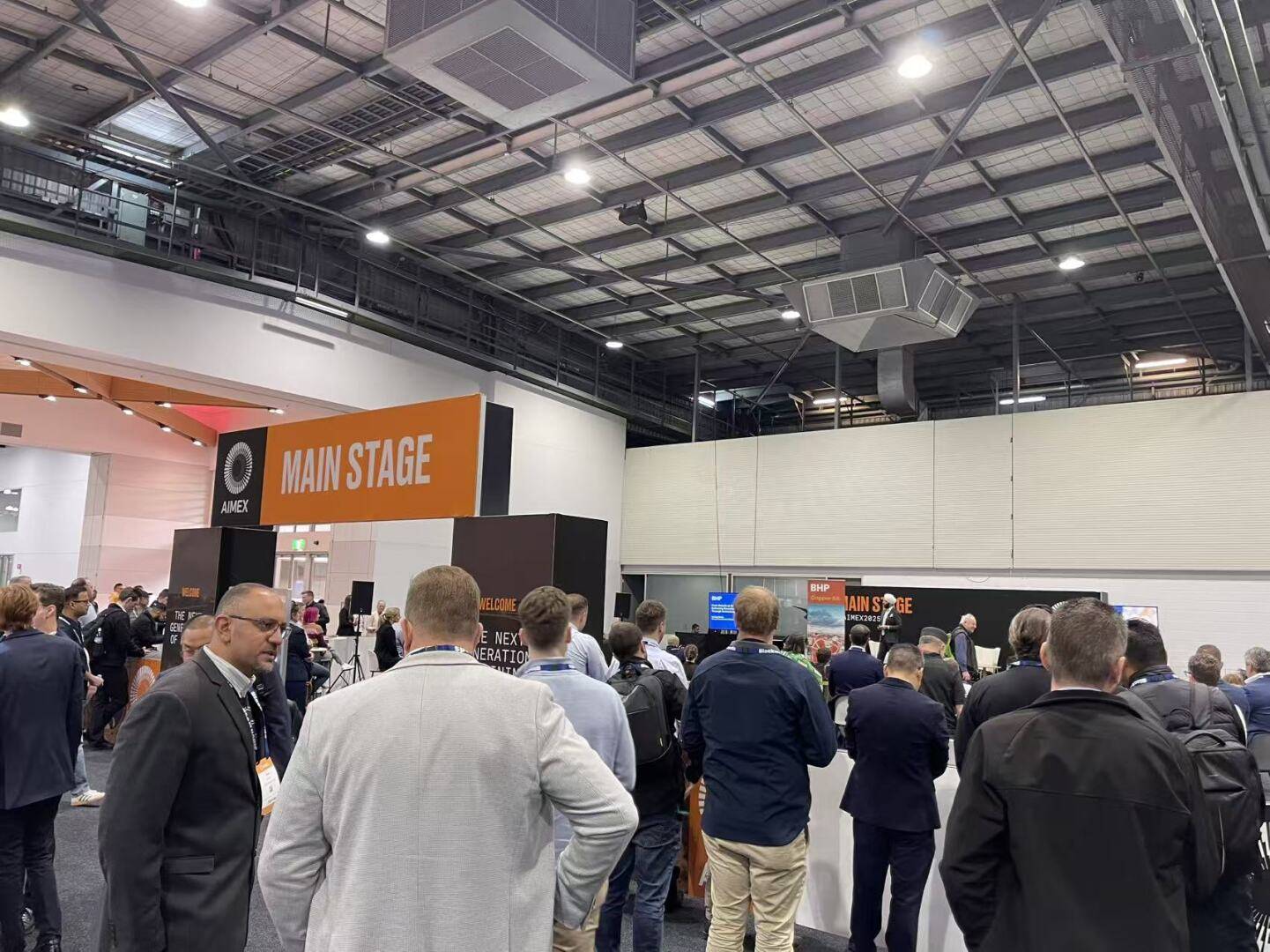
展会详情 【展会时间】2027年9月28-30日 迁移至阿德莱德举办的原因如下: · 阿德莱德是澳洲南部首府,工商业中心,也是澳洲的重要的港口城市之一,澳洲很多大型的矿业公司的总部或者办事处设在该市。 【展会地点】阿德莱德 【展会周期】两年一届 【中国官方代理】北京金京诚国际展览有限公司 展会介绍 亚太国际矿业技术及工程机械展览会(AIMEX)由励展博览集团澳大利亚公司主办,创办于1970年,两年一届。该展会是澳洲举办历史最悠久,影响力最 大的矿业行业贸易展会,2027年AIMEX将在南澳的阿德莱德举办,展出面积将超过20000平米,这届展会新增了室外展示区,将展示矿业行业一流的产品和 设备、最新的技术与服务。展会历经多年的国际知名展会以及多渠道的宣传推广吸引了超过14,000名来自石油、天燃气、矿业、工程建筑、电子、电力、电 信、交通运输等相关行业的工程、技术人员及贸易采购商。经过权威调查,有61%的参观商表示有采购意向,83%的参观商表示非常满意,65%参展商表示 会继续参加2027年的AIMEX,有65%的参展商已经连续至少3-4届参加AIMEX。 作为矿业大国,澳大利亚拥有领先的技术和服务为全球采矿业 ...
利柏特南通重工基地竣工投产 打造全球领先工业模块制造新标杆
Zhong Zheng Wang· 2025-12-07 08:22
Core Insights - Nantong Libat Group has officially launched its new manufacturing base in the Tongzhou Bay Demonstration Zone, focusing on the research and production of large energy modules for marine engineering and nuclear power [1][2] - The company aims to establish itself as a leading domestic and internationally competitive industrial module manufacturing base through the integration of automation, digitalization, and intelligent manufacturing technologies [1][2] Company Overview - Libat Group, founded in 2006, is one of the few companies in China capable of providing a full industrial chain service, including engineering design, EPC contracting, and industrial module R&D and manufacturing [1] - The company serves a diverse clientele, including several Fortune 500 companies such as China General Nuclear Power Group, BASF, and Honeywell, with products exported globally [1] Strategic Development - The Nantong base is part of a two-phase construction plan that includes the development of berths, contributing to the company's national layout strategy of "one body and three wings" [1] - The successful establishment and rapid production of the Nantong facility represent a significant achievement for the Tongzhou Bay area in developing high-end equipment manufacturing [1][2] Industry Context - As a national high-tech enterprise and a "specialized and innovative" small giant, Libat has several independent R&D achievements that fill domestic gaps in the industrial modularization field [2] - The launch of the Nantong base enhances Libat's manufacturing capabilities in high-end equipment sectors like nuclear power and marine engineering, supporting China's high-end manufacturing sector's global expansion [2]

铜价狂飙,全球供应紧张引爆新一轮上涨行情
Huan Qiu Wang· 2025-12-07 02:52
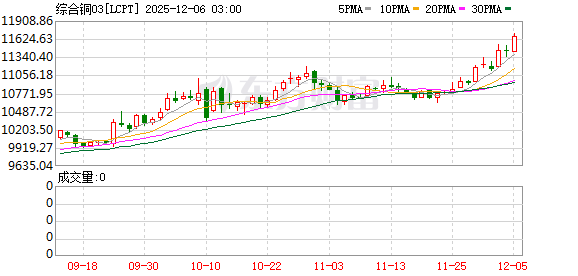
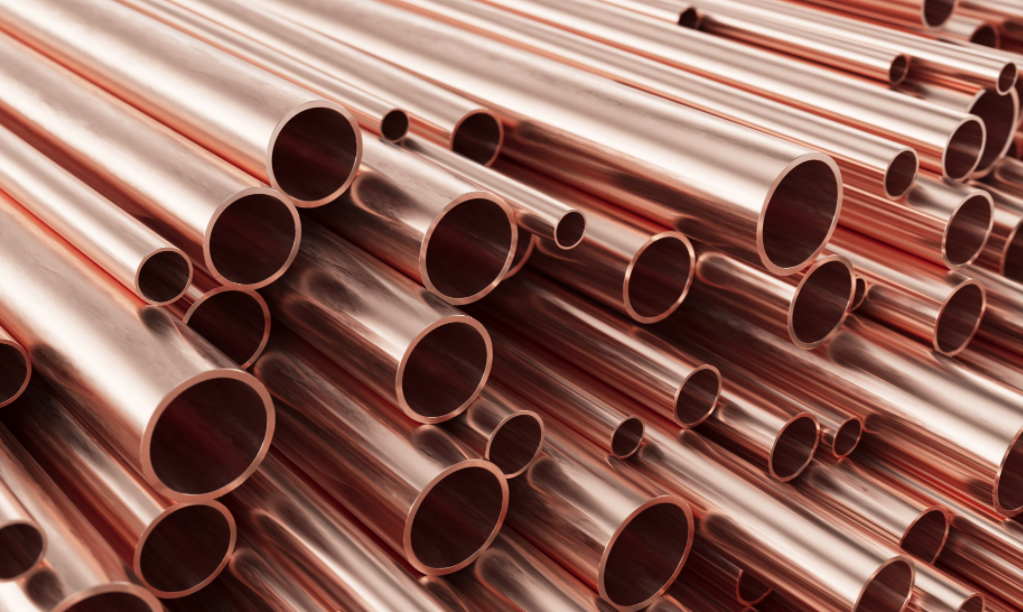
Group 1 - The global copper market is experiencing unprecedented price surges, with LME and SHFE copper futures prices hitting historical records, and the domestic copper price surpassing 93,000 yuan/ton, reflecting a weekly increase of 6.12% [1] - Concerns over global copper supply availability are driving the price increase, with LME Asian warehouse cancellations reaching 50,700 tons, the highest in over a decade, tightening already low global inventories [1] - LME inventory has fallen below the critical threshold of 100,000 tons, while domestic social inventory is at historically low levels, leading to heightened market sensitivity to supply disruptions [1] Group 2 - Cross-market arbitrage trading is a significant factor in driving up copper prices, as funds are moving copper from LME to US warehouses, increasing supply pressure in non-US regions, particularly Asia [3] - Major institutions are raising their copper price forecasts, with Citigroup projecting prices to reach $15,000/ton in an optimistic scenario, while domestic brokerages like CITIC Securities expect LME copper prices to exceed $12,000/ton [3][4] - Analysts attribute the strong price increase to multiple factors, including insufficient mining capital expenditure leading to limited new projects, declining ore grades, and rising extraction costs, alongside robust demand from energy transition and emerging technologies [4]
国际氢能产业发展论坛共探绿色能源产业前沿趋势与未来发展路径
Sou Hu Cai Jing· 2025-12-07 02:12
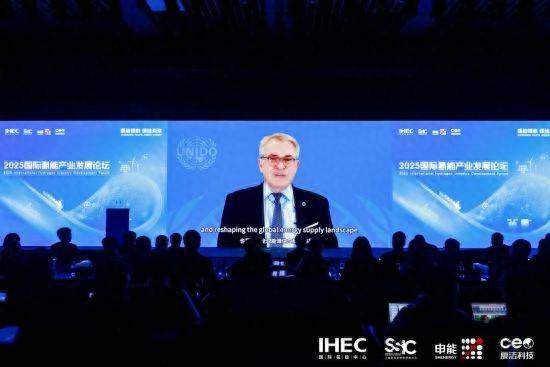
Core Viewpoint - The "2025 International Hydrogen Industry Development Forum" held in Shanghai focuses on the theme of "Green Shipping, Green Power, Green Innovation," highlighting hydrogen energy as a key pillar for achieving net-zero emissions and decarbonizing heavy industries [2][4]. Group 1: Forum Highlights - The forum attracted over a hundred guests from government agencies, international organizations, research institutions, and leading enterprises to discuss the forefront trends and future development paths of the green energy industry [2]. - Gunther Beger from UNIDO emphasized the importance of collaboration among governments, enterprises, academic institutions, and international organizations to promote hydrogen development through policy alignment, technology sharing, investment mobilization, and demonstration projects [2][4]. Group 2: Regional Initiatives - Lu Hao, Vice Mayor of Changning District, stated that the district is accelerating the layout of green and low-carbon industries, having gathered over a hundred green low-carbon enterprises and established a new energy industry alliance [4]. - Norway's representative highlighted the deepening cooperation between China and Norway in climate, renewable energy, and green shipping, aiming to turn the forum's vision into practical projects to promote global hydrogen development [4]. Group 3: Technological and Policy Developments - The Deputy Director of the China International Economic and Technical Exchange Center noted that under the "dual carbon" goals, China is incorporating hydrogen energy into its national strategic layout, achieving significant breakthroughs in hydrogen production, storage, and fuel cells [4]. - The Tsinghua Industrial Development Research Institute has established a full industry chain layout in hydrogen technology transformation and industrialization, collaborating with UNIDO to promote technological innovation and global cooperation [5]. Group 4: Research and Reports - The International Hydrogen Center publicly released a report on the development of low-carbon hydrogen industries in emerging markets and developing economies, analyzing global hydrogen market demand, technology maturity, and resource endowments in key regions [5].
“抢铜大战”来了!大量铜正被运往美国 高盛:铜将成为“新石油”
Mei Ri Jing Ji Xin Wen· 2025-12-06 10:47
Core Insights - LME copper prices surged past $11,500 per ton, reaching a new high of $11,641.5 per ton, marking a year-to-date increase of 32.77% [2][5] - The price surge was triggered by Mercuria's $460 million withdrawal of over 40,000 tons of copper from LME's Asian warehouses, affecting about 24% of the exchange's registered inventory [2][5][7] - The copper market is experiencing a structural supply crisis driven by various factors, including U.S. tariff expectations and increasing demand from AI infrastructure and energy transition [2][8] Market Dynamics - Mercuria's withdrawal led to a significant increase in LME copper cancellation receipts, with 56,875 tons canceled on that day, representing 35% of total inventory [7] - Analysts suggest that the expectation of future copper shortages or price increases is prompting market participants to secure physical copper in advance [7][12] Arbitrage Opportunities - The primary driver of the copper "scramble" is the arbitrage opportunity created by U.S. tariff expectations, with CME copper futures prices significantly higher than LME prices [9][12] - U.S. refined copper imports surged over 100% year-on-year to 1.19 million tons from January to August, with LME inventories rapidly depleting [9][12] Long-term Demand Drivers - The rise in copper prices is supported by structural demand increases from AI and global energy transition initiatives, with predictions of a sixfold increase in copper usage in data centers by 2050 [15][16] - The International Energy Agency (IEA) anticipates that renewable energy projects will create an additional annual demand of up to 4.2 million tons of copper by 2030 [15] Supply Constraints - The development of new copper mines is lengthy, often taking nearly 30 years from exploration to commercial production, leading to supply bottlenecks [18][19] - Existing major copper mines are facing declining ore grades and rising extraction costs, contributing to supply instability [18] Market Sentiment - Wall Street analysts are divided on the future of copper prices, with some predicting structural shortages and others cautioning against current price levels being unsustainable [20][24] - Despite differing views on short-term price movements, there is a consensus on the long-term growth of copper demand driven by AI, energy transition, and electrification trends [27]